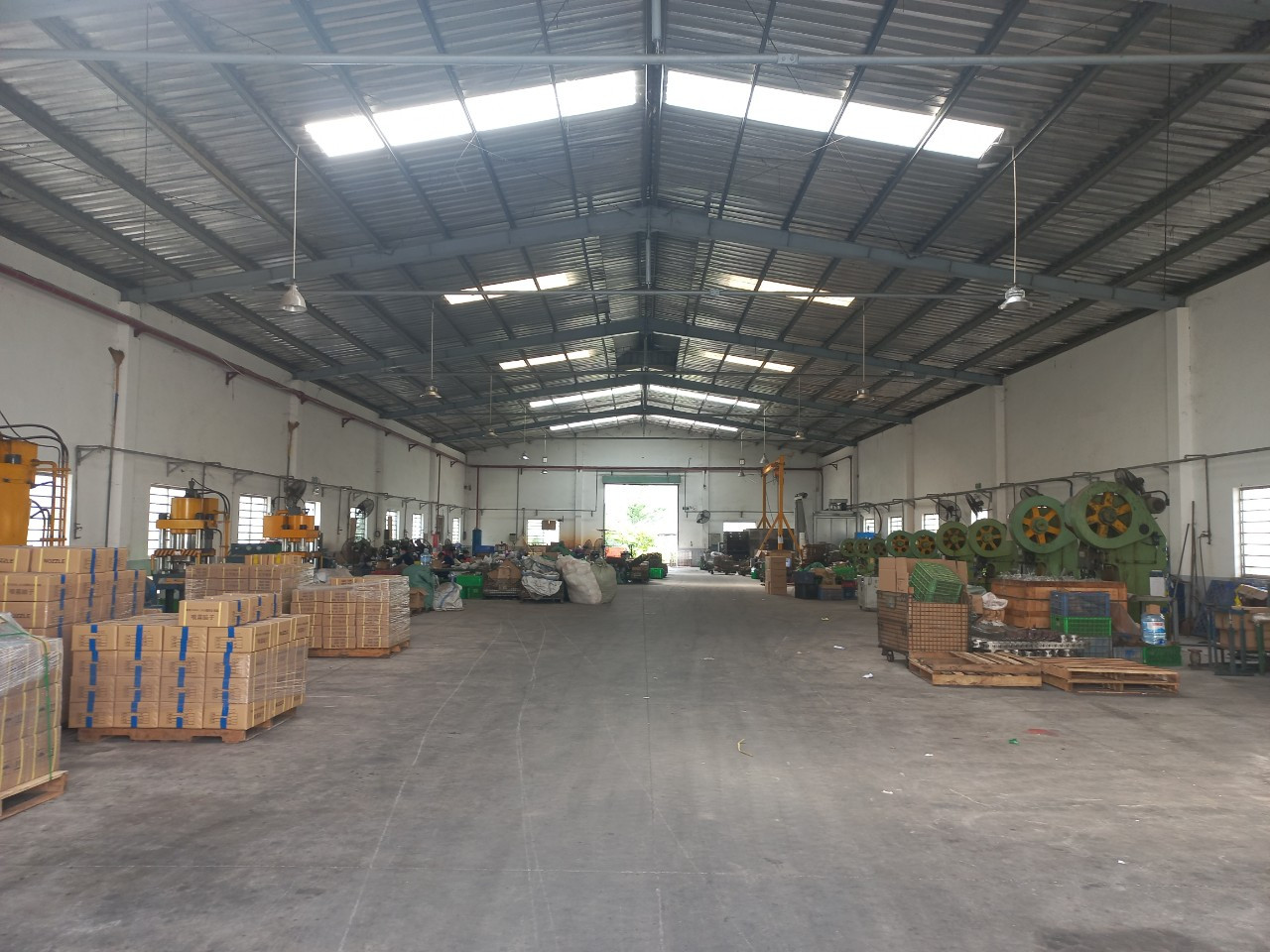
As an advanced metal processing technology, powder metallurgy has been widely used in modern industry due to its significant advantages such as high material utilization rate, forming flexibility, manufacturing ability of complex shaped parts, and excellent material properties.
With the continuous progress of technology and the increasing industrial demand, traditional metal processing methods are becoming increasingly difficult to meet the high standards of efficiency, material performance, and design freedom required by modern manufacturing. In this context, powder metallurgy technology has become a star in the field of innovative materials technology with its unique advantages and potential.
High Material Utilization Rate
Powder metallurgy technology generates minimal material loss in the production process and can almost completely convert metal powders into products, which is of great significance for cost savings and resource optimization. Compared to traditional casting and mechanical processing methods, powder metallurgy greatly reduces material waste, especially for expensive metal materials such as titanium and nickel-based alloys, this advantage is particularly prominent.
Flexibility
By changing the design of the mold and adjusting the pressing parameters, powder metallurgy allows the manufacture of parts of various shapes and sizes without the need for complex mechanical processing. This not only simplifies the production process, but also allows designers to freely unleash and create unique and complex designs that are difficult to achieve using traditional methods.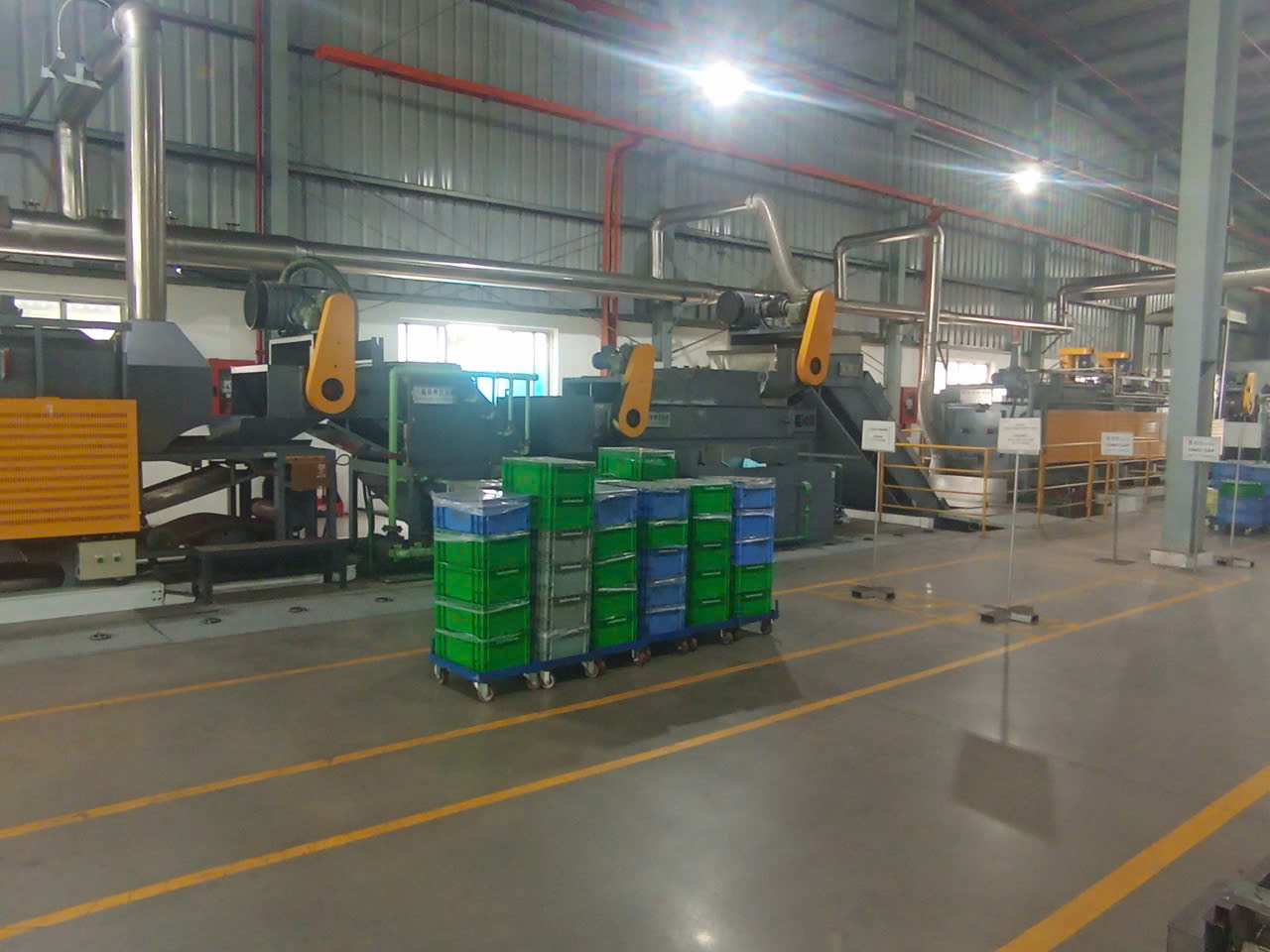
Manufacturing Complex-shaped Parts
Powder metallurgy technology can manufacture parts with complex internal structures, which is often difficult to achieve or costly in traditional processing methods. For example, complex structures such as porous, multi-level, and irregular parts can be formed in one go through powder metallurgy technology, which not only improves efficiency but also reduces production costs.
Excellent Material Properties
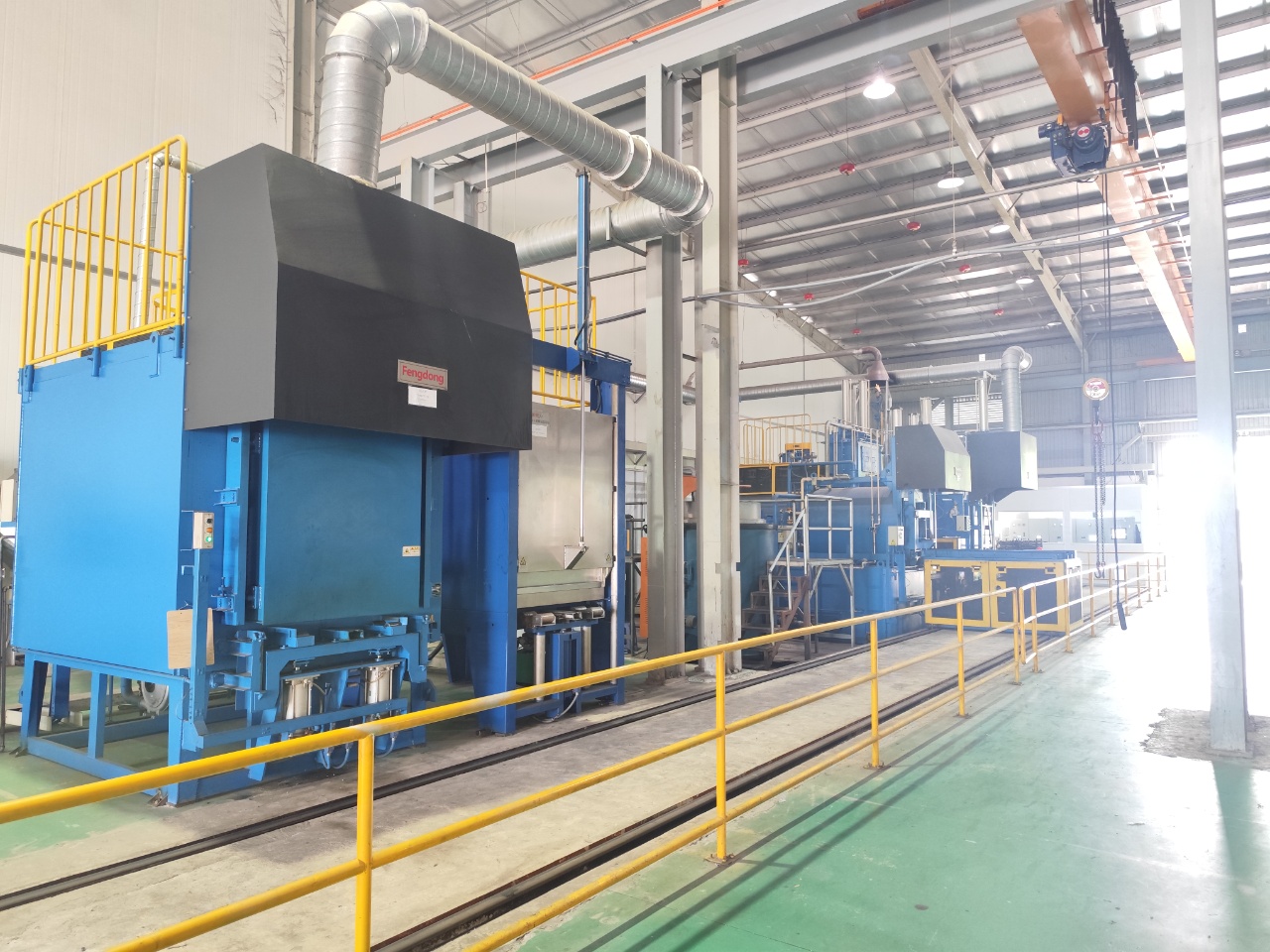
The parts produced by powder metallurgy have a high-density and uniform microstructure, thus possessing excellent mechanical properties and wear resistance. In addition, powder metallurgy can also prepare composite or functional materials with special properties, such as high-temperature alloys, conductive materials, etc., by selecting materials and adjusting process parameters.
In summary, these advantages of powder metallurgy technology play an important role in many fields such as aerospace, automotive manufacturing, industrial machinery, and electronic equipment, and are an important driving force for the development of modern industry. With the progress and innovative development of technology, the application scope and influence of powder metallurgy technology are still expanding.
Thank you for reading our article. If you need related products or have any questions or suggestions about our products, please don’t hesitate to contact us by sending an email, and we will reply to your email as soon as possible.
Precision Manufacturing & Sourcing Specification Matrix
| Technical Dimension | Standard Commercial Grade | High-Precision OEM Export Grade | DEWIN Verification Protocol |
|---|---|---|---|
| Machining & Forming Tolerance | ISO 2768-m (±0.10 mm nominal) | ISO 2768-f (±0.01 mm – ±0.025 mm critical bores) | Calibrated 3D CMM & Air/Pin Gauging |
| Surface Roughness & Finish | Ra 1.6 – 3.2 µm as-machined / standard coat | Ra 0.4 – 0.8 µm precision ground / MIL-A-8625 anodized | Profilometer & Coating Thickness Gauge |
| Material & Alloy Certification | Supplier Mill Test Report (MTR) | Independent OES chemical & mechanical verification | EN 10204 3.1 + RoHS/REACH Compliance |
| Batch Inspection & Packaging | ISO 2859-1 (AQL 1.0 Major / 2.5 Minor) | Zero-defect critical features + VCI export crating | Pre-Shipment Inspection (PSI) Report |
Frequently Asked Questions
What engineering files are required to quote what are the advantages of powder metallurgy? with DEWIN?
Provide 3D CAD models (STEP or IGES) along with 2D engineering drawings (PDF/DXF) specifying critical-to-quality (CTQ) tolerances, material grade, surface finish, and annual volume.
How does DEWIN verify dimensional accuracy and material compliance before shipment?
Every production lot undergoes incoming material spectrometer verification (EN 10204 3.1), First Article Inspection (FAI) via 2D/3D coordinate measuring machines (CMM), and AQL pre-shipment audits.
Can DEWIN support both low-volume prototype validation and mass production scaling in Vietnam and China?
Yes. DEWIN coordinates rapid CNC and bridge-tooling prototypes alongside high-tonnage production tooling across audited ISO 9001 and IATF 16949 partner factories in Vietnam and China.