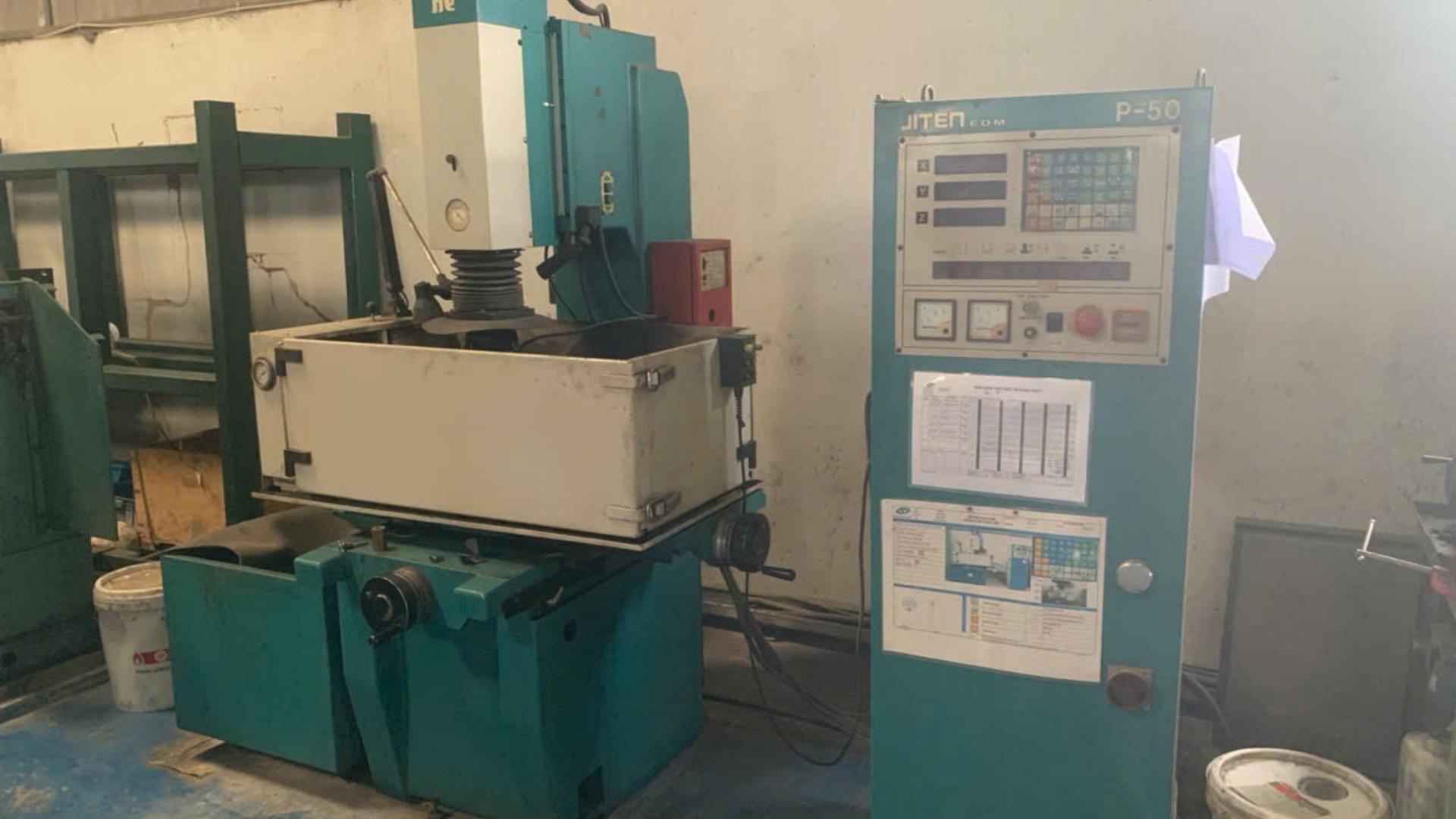
Why Source CNC Parts from Vietnam?
Vietnam's CNC machining industry has matured dramatically over the past decade. What was once limited to basic turning and drilling has evolved into a sophisticated manufacturing ecosystem with 5-axis capabilities, Swiss-type lathes, and EDM wire cutting — all at costs significantly below Chinese equivalents.
With US Section 301 tariffs holding at 25% on Chinese manufactured goods and showing no signs of reversal, the cost advantage of Vietnam has become impossible to ignore. Our clients typically see total landed cost savings of 40–60% when switching CNC work from China to Vietnam.
DEWIN's role is simple: we've already done the factory vetting. We maintain relationships with 50+ CNC facilities across Vietnam, each audited for equipment quality, QC processes, and delivery reliability. Explore our Vietnam CNC Machining Facilities to inspect specific machine tolerances and factory configurations. You get the pricing of a local buyer with the quality assurance of an international procurement team.
Mitigate Geopolitical Risk & Tariff Markups
Vietnam is fully exempt from US Section 301 tariffs (0% custom rate for CNC machined parts vs 25% for China). Combined with the EU-Vietnam Free Trade Agreement (EVFTA) and CPTPP, importing from our vetted Vietnam network eliminates tax exposure and secures supply chain integrity.
CNC Machining Audited Vietnam Factories
On-site photographs of CNC machining centers, lathes, and inspection rooms across our audited Vietnam network.
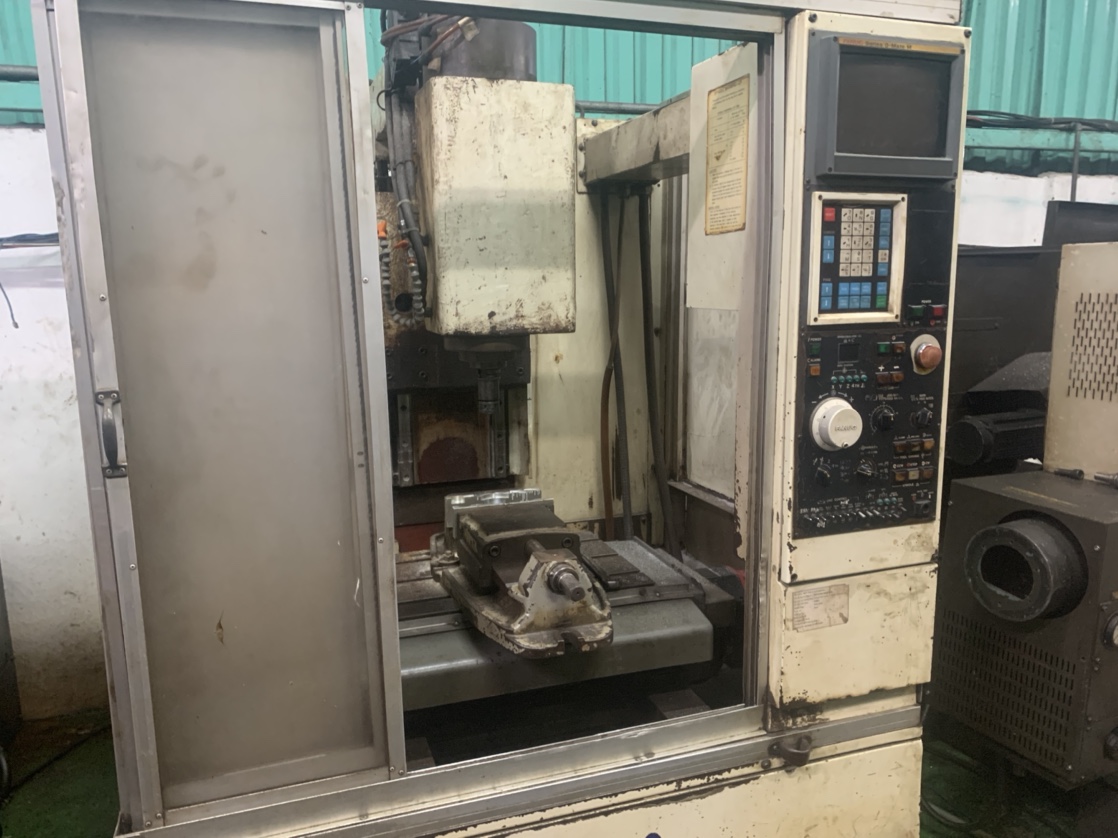
Vertical Machining Center Machine 4
Huu Hoc Mechanical Technology Company Limited
.jpg)
Plastic Injection Machine (6)
Cnc Tech Thang Long Factory
.jpg)
Workshop Overiew (5)
Cnc Tech Thang Long Factory
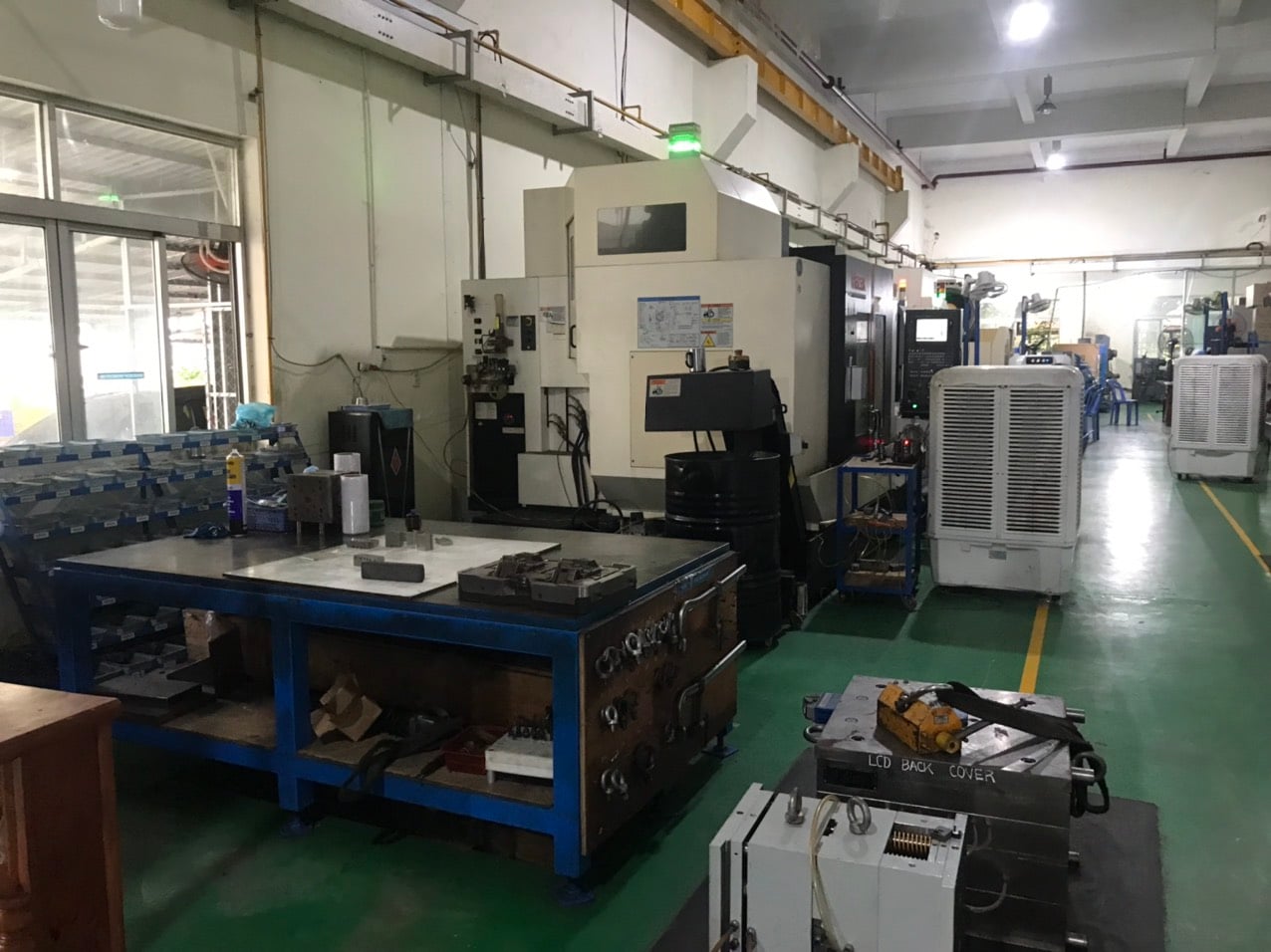
Workshop Overview
Cncps High Technoligies Joint Stock Company
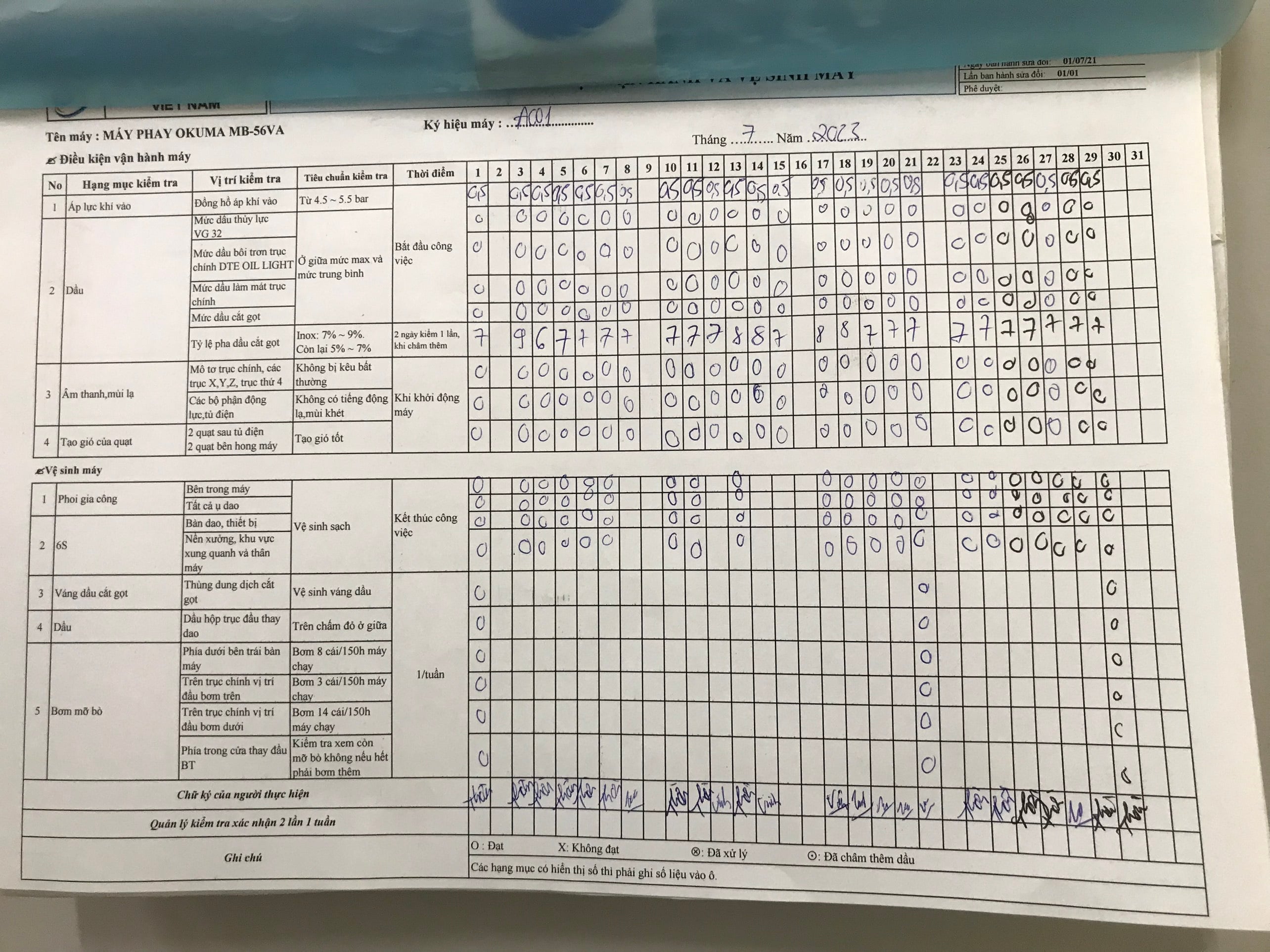
Machine Inspection Schedule
Dai Thanh Production Trading Service Company Limited
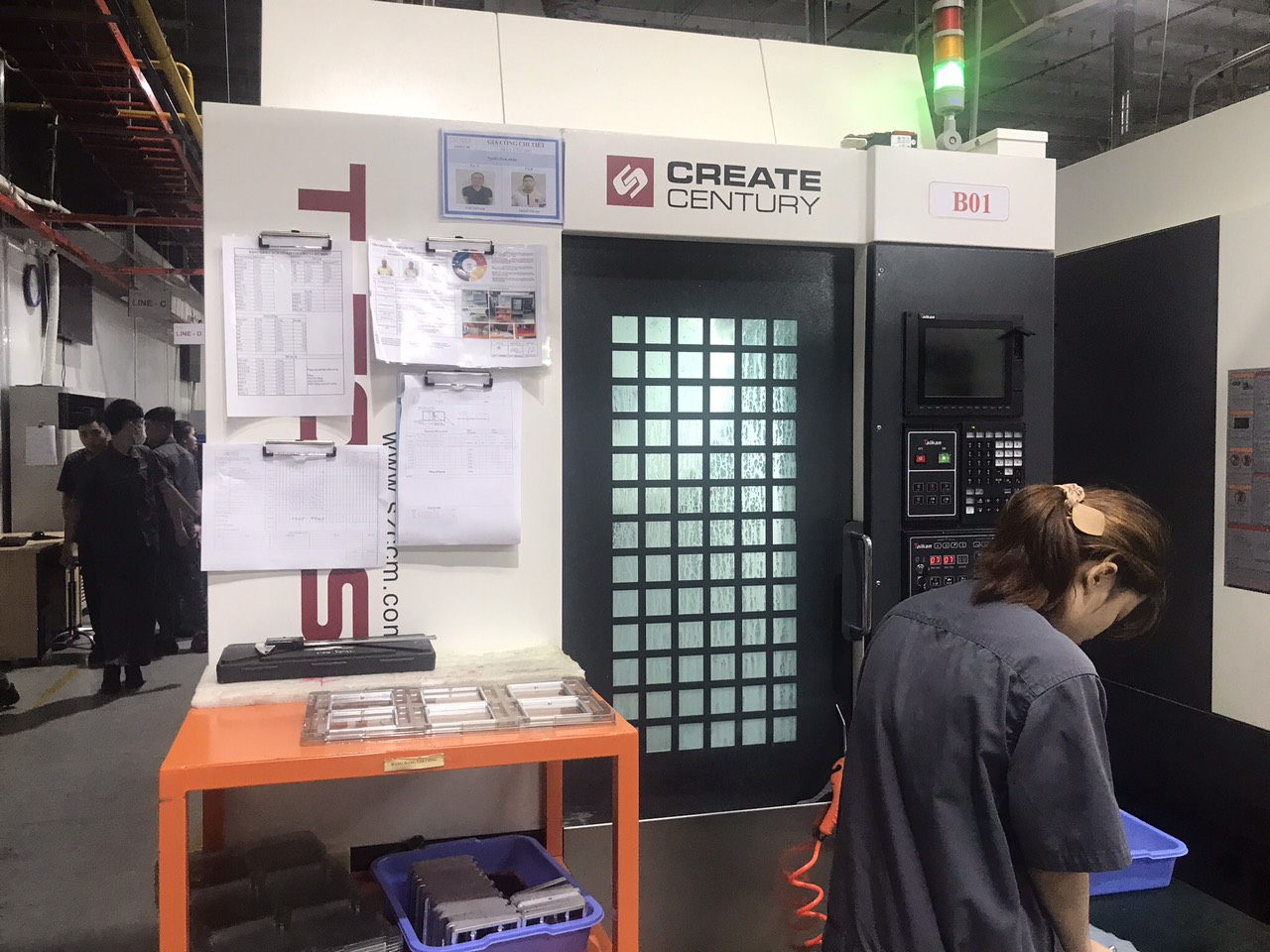
Milling Machine
Cnc Tech Thang Long Factory
See It in Production
Filmed inside the technology manufacturing plants in our audited Vietnam network — CNC machining centers and automation lines in day-to-day operation.

Technology manufacturing plants in Vietnam — CNC machining & automation
Watch on YouTube
Our CNC Machining Capabilities
3-Axis & 4-Axis CNC Milling
For most prismatic parts, housings, brackets, and plates. Our factories run Haas, Mazak, and Fanuc machines with automatic tool changers for unattended operation.
5-Axis CNC Milling
Complex geometries, aerospace components, and medical implants. DMG Mori and Hermle 5-axis centers with probing for in-process verification.
CNC Turning & Swiss-Type Lathes
Shafts, pins, bushings, fittings, and connectors. Citizen and Star Swiss lathes for small-diameter, high-precision turned parts.
EDM & Wire EDM
Hardened tool steel components, intricate slots, and fine features that conventional milling can't reach. Sodick and Mitsubishi EDM machines.
Technical Specifications Matrix
| Parameter | CNC Milling | CNC Turning | Swiss-Type Lathe | Wire EDM |
|---|---|---|---|---|
| Maximum Part Size | 2,000 × 1,000 × 800 mm (78.7" × 39.3" × 31.5") | 1,500 mm length × 800 mm dia. (59.0" length × 31.5" dia.) | 200 mm length × 32 mm dia. (7.8" length × 1.25" dia.) | 500 × 350 × 300 mm (19.6" × 13.7" × 11.8") |
| Standard Tolerance | ±0.050 mm (±0.002") ISO 2768-m (Fine) | ±0.050 mm (±0.002") ISO 2768-m (Fine) | ±0.025 mm (±0.001") Precision Lathe Spec | ±0.005 mm (±0.0002") Ultra-Precision Spec |
| Precision Tolerance (Limit) | ±0.010 mm (±0.0004") | ±0.010 mm (±0.0004") | ±0.005 mm (±0.0002") | ±0.005 mm (±0.0002") |
| Minimum Feature Size | 0.5 mm (0.020") | 0.3 mm (0.012") | 0.1 mm (0.004") | 0.05 mm (0.002") |
| Standard Lead Time | 5 - 15 business days | 5 - 15 business days | 10 - 20 business days | 7 - 15 business days |
* Tighter tolerances and custom setups are subject to review based on part geometry, material grade, and tool access. We support temperature-controlled machining for precision aerospace components.
CNC Machining DFM Guidelines
Optimize your CAD designs for CNC production to prevent tool wear, lower machining times, and avoid manual rework charges.
Internal Corners & Fillets
Rule: Set internal corner radii at least 10% larger than the cutter radius. Avoid sharp 90° corners on pocket floors.
Recommended: Fillet Radius ≥ 1.1 × (Cutter Radius); Ratio 1:6 max depthDrill Depth-to-Diameter
Rule: Limit hole depths to 4x diameter for standard tooling, and maximum 6x diameter. Deep holes can cause drill drift and chip buildup.
Recommended Ratio: 1:4 (Optimum) | 1:6 (Maximum Limit)Thread Depths & Taps
Rule: Design tapped holes with a maximum thread length of 2x to 3x the tap diameter. Longer threads do not add holding power and increase tap breakage risk.
Recommended: Thread Depth ≤ 3 × Thread Nominal DiameterWall Thickness (Minimums)
Rule: Thin walls lead to vibration and warping. Keep metal wall thicknesses above 0.8 mm, and plastic walls above 1.5 mm to maintain structural stability.
Recommended: Metals ≥ 0.8 mm | Plastics ≥ 1.5 mmMachining Materials & Grades
Metals & Structural Alloys
Aluminum Alloys (6061-T6, 7075-T6, 5052-H32)
6061-T6 is the standard for general machining, combining weldability and high strength. 7075-T6 provides aerospace-grade strength-to-weight ratios.
Stainless Steel (304, 316L, 17-4 PH H1150)
304 provides baseline corrosion resistance. 316L adds molybdenum for marine and chemical environment defense. 17-4 PH offers extreme hardness after heat treatment.
Carbon & Alloy Steels (1018, 1045, 4140)
Low-cost steels with excellent machinability. 4140 alloy steel supports high fatigue strength and hardenability for structural applications.
Specialty Metals (Titanium Grade 5, Brass C360, Copper C110)
Titanium Grade 5 (Ti-6Al-4V) for medical implants and engine parts. Brass and Copper for electrical/thermal conductivity and precision bush fittings.
Engineering Plastics & Polymers
Acetal / Delrin (Delrin 150, Delrin 500)
High stiffness, low friction, and exceptional dimensional stability. Excellent for gears, bearings, and precision slide components.
PEEK (Natural, Glass-Filled, Carbon-Filled)
High-performance thermoplastic with thermal stability up to 250°C. Resists chemical exposure; suitable for aerospace and biotech applications.
Nylon (PA 6, PA 66)
Robust mechanical properties and high wear resistance. Subject to moisture absorption; ideal for washers, rollers, and structural housings.
Specialty Plastics (Polycarbonate, PTFE/Teflon, Ultem 1000)
Polycarbonate offers high impact strength and transparency. PTFE (Teflon) handles extreme chemical resistance and low friction. Ultem offers flame-retardant structure.
Surface Finishing Standards
| Finish Type | Specification / Standard | Roughness (Ra) | Primary Purpose & Application |
|---|---|---|---|
| As-Milled (Standard) | ISO 1302 (Standard Machined) | 3.2 μm (125 μin) standard; 1.6 μm or 0.8 μm options | Default finish. Visible tool marks. Best for internal structural components. |
| Anodizing Type II (Clear/Color) | MIL-A-8625, Type II, Class 1/2 | Maintains base roughness | Corrosion protection and decorative color styling. Ideal for consumer electronics. |
| Anodizing Type III (Hardcoat) | MIL-A-8625, Type III, Class 1/2 | Slightly increased friction | Thick, wear-resistant coating. Designed for sliding rails, gears, and hydraulic cylinders. |
| Chem Film (Alodine) | MIL-DTL-5541, Type I/II | No change to dimensions | Chemical conversion coating providing corrosion protection while maintaining electrical conductivity. |
| Passivation | ASTM A967 / AMS 2700 | No change to dimensions | Chemical treatment for Stainless Steel. Removes free iron to prevent rust. Crucial for medical/food parts. |
| Electropolishing | ASTM B912 | Ra ≤ 0.4 μm (Mirror shine) | Electrochemical process that removes microscopic peaks, creating a clean, high-purity surface. |
| Bead Blasting / Tumbling | Industry Standard (Glass bead) | Uniform matte texture | Removes minor tool marks to produce a uniform satin appearance. Preparation for paint or coatings. |
Industries & Applications
Our CNC machining clients span a wide range of industries. Here's where Vietnam CNC excels:
Automotive
Brackets, housings, shaft components, sensor mounts, fuel system parts
Industrial Equipment
Hydraulic manifolds, valve bodies, pump housings, gear components
Consumer Electronics
Heat sinks, enclosures, connector housings, structural frames
Medical Devices
Surgical instrument components, implant prototypes, diagnostic equipment parts
Aerospace
Non-critical structural components, jigs & fixtures, ground support equipment
Agricultural Equipment
Couplings, adapter plates, wear parts, custom fittings
Guaranteed Precision: Dolphin Quality Gates
We address the trust deficit of overseas manufacturing by placing certified inspection staff directly on-site in Vietnam.
The 50-Point Dolphin Audit
Before onboarding a CNC factory to our network, our engineering leads perform physical audits validating machine calibrations, QMS logs, material traceability, and export capabilities.
Metrology & Verification
All shipments must pass a pre-shipment gate. Inspection includes Coordinate Measuring Machine (CMM) testing, optical gauging, thread-go/no-go matching, and roughness profiling.
Full Traceability Reports
Every delivered batch comes with a physical inspection log. Upon request, we provide First Article Inspections (FAI), material Mill Test Reports (MTR), and certificate-of-conformity logs.
How It Works
Upload Your Drawings
Send us 2D drawings (PDF/DWG) or 3D models (STEP/IGES). Our engineers review for manufacturability within 4 hours.
Get Your Quote
Detailed quote with material costs, machining time, finishing, and shipping — within 24 hours. We match the best factory for your specific part.
Approve & Produce
Once approved, production starts immediately. You get real-time updates with photos and videos from the factory floor.
Inspect & Ship
Full dimensional inspection with CMM reports. We handle export documentation, customs, and logistics to your door.
Vietnam vs China: CNC Machining Costs
Costs are indicative and vary by part complexity, material, and volume. See our full Vietnam vs China comparison →
Frequently Asked Questions
What tolerances can Vietnam CNC shops achieve?
Our vetted factories routinely hold ±0.005mm on critical dimensions. For ultra-precision work, we have partners with ±0.002mm capability using temperature-controlled environments and high-end Mazak/DMG Mori equipment.
What materials do you machine?
Aluminum (6061, 7075, 2024), stainless steel (303, 304, 316), carbon steel, titanium (Grade 2, Grade 5), brass, copper, Delrin/POM, PEEK, nylon, and more. If you have a specific alloy, ask — we likely have a supplier for it.
What's the minimum order quantity?
No strict MOQ. We handle single prototypes through to 100,000+ production runs. For very small batches (1–10 pieces), lead times are typically 5–7 business days.
How much cheaper is CNC machining in Vietnam vs China?
Typically 20–40% less than Chinese factories for equivalent quality, before tariff savings. When you factor in the 25% Section 301 tariff on Chinese goods, the total savings can exceed 50%.
Do you offer surface finishing?
Yes — anodizing (Type II and III), nickel plating, zinc plating, powder coating, bead blasting, brushing, polishing, and passivation. All done in-house or at co-located finishing partners.
How do you ensure quality?
Every order includes dimensional inspection with CMM reports. We offer PPAP documentation, FMEA, first article inspection (FAI), and AQL-based sampling for production runs.
Related Articles
Ready to Get CNC Parts from Vietnam?
Upload your drawings and get a detailed quote within 24 hours. No obligation, NDA available.
Get My Free Quote →