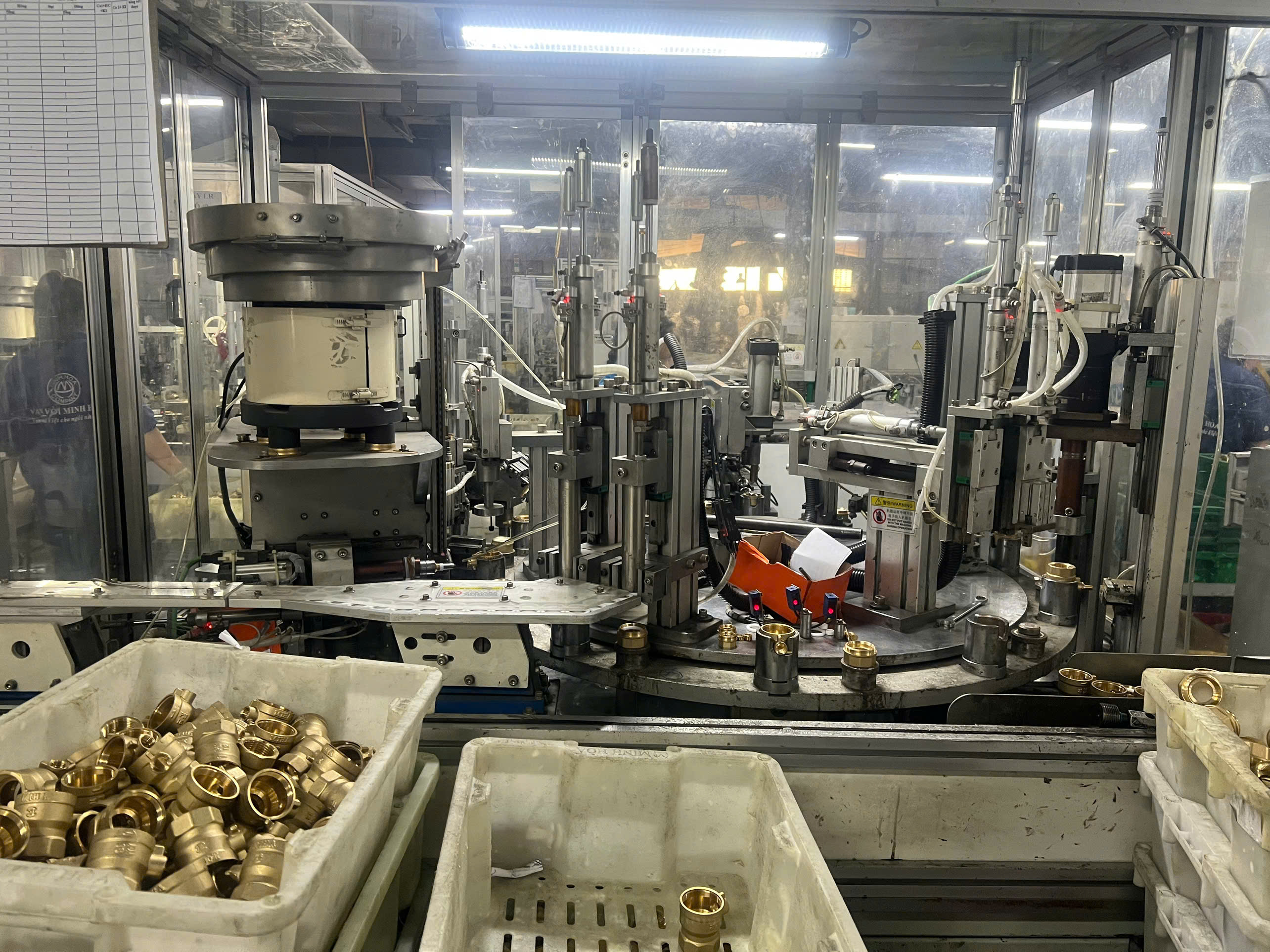

In manufacturing, quality control is more than just a final check—it’s an integral part of the entire supply chain. Poor quality can lead to delays, increased costs, and damage to a brand’s reputation. Quality control is crucial in ensuring that every part and product meets the required standards and specifications, which is why it is so important for manufacturers to implement strong quality control1 processes throughout their supply chain.
Quality control is essential in the manufacturing supply chain because it ensures that each component and product meets the desired standards. It helps reduce defects, prevents costly rework, and enhances the final product’s consistency.
In the following sections, we’ll explore why quality control is essential, how it affects cost, and how it ensures consistent results throughout production.
How Can You Ensure Consistent Quality Across Your Custom Parts Supply Chain?
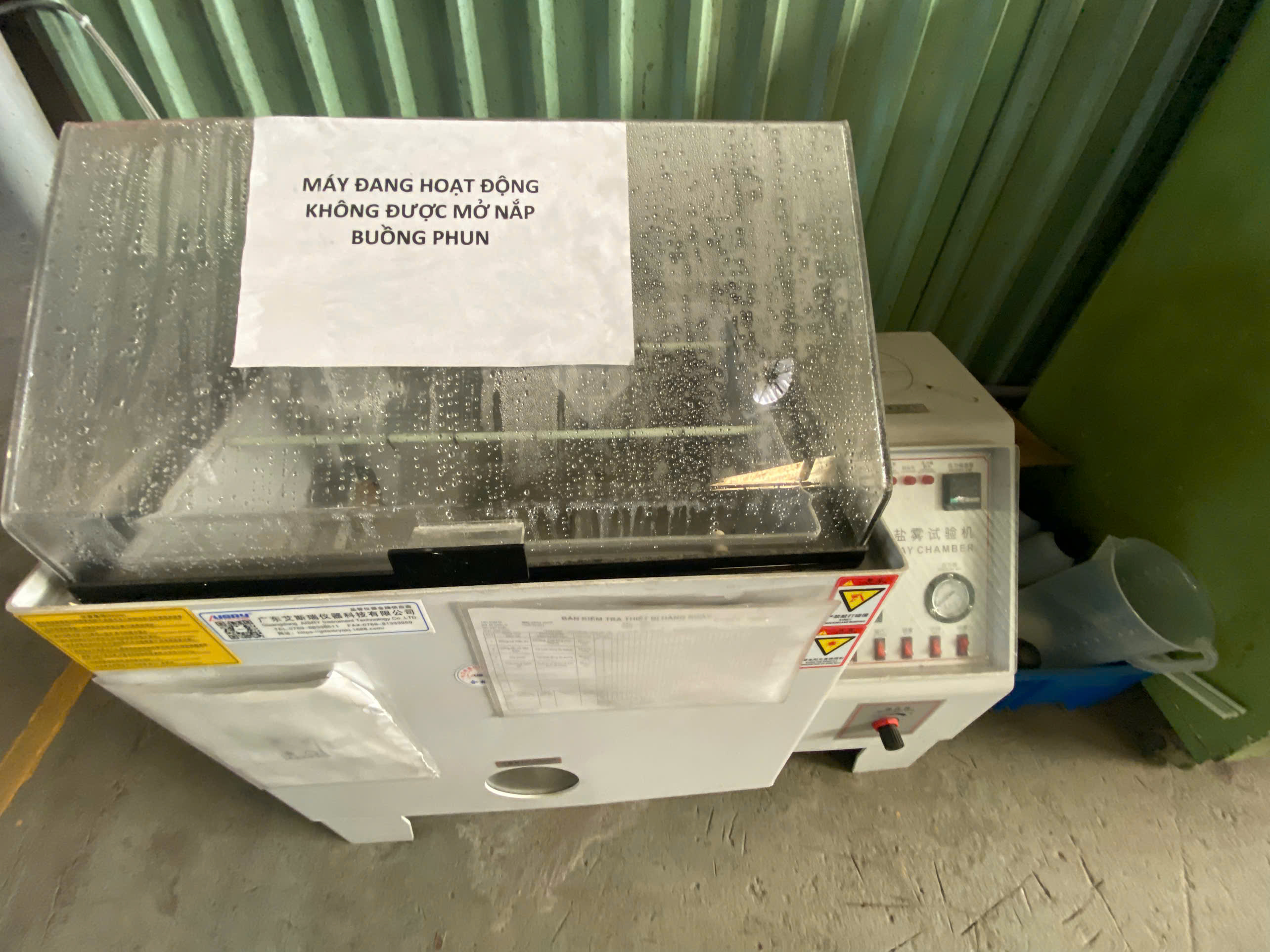
To ensure consistent quality across a custom parts supply chain2, it is crucial to implement robust quality control measures at each stage of production and maintain close communication with suppliers.
Ensuring consistent quality in a supply chain is challenging, especially when dealing with custom parts that need to meet highly specific requirements. However, there are several strategies that businesses can use to guarantee that parts consistently meet quality standards:
1. Set Clear Quality Standards
Before production begins, it is essential to set clear, detailed quality specifications for every custom part. These specifications should be shared with all suppliers and manufacturers involved in the production process. By establishing a baseline standard, everyone involved in the supply chain understands what is expected.
2. Regular Supplier Audits
Supplier audits are an effective way to ensure that suppliers are consistently meeting quality standards. These audits should be conducted regularly to evaluate the supplier’s production processes, quality control measures, and overall performance. Audits help identify potential issues early, reducing the risk of defects or delays.
3. Use of Advanced Inspection Tools
Advanced tools and equipment can be used to inspect parts at various stages of production. Implementing tools such as laser measurement systems, 3D scanning, or automated visual inspection systems allows manufacturers to detect defects or variations early in the process, ensuring high-quality output at every stage.
4. Develop Strong Relationships with Suppliers
Building a strong relationship with suppliers helps ensure that quality is maintained throughout the production process. Regular communication with suppliers enables both parties to address potential issues before they become larger problems. Ensuring that suppliers are committed to quality control practices fosters a reliable and consistent supply chain.
| Quality Control Method | Key Considerations | Benefits |
|---|---|---|
| Clear Quality Standards | Are the specifications detailed and understood? | Ensures all parties have a shared understanding of quality expectations |
| Regular Supplier Audits | Are suppliers audited for consistency and performance? | Helps identify and address quality issues before they impact production |
| Advanced Inspection Tools | Are you using technology for real-time inspection? | Detects defects early, ensuring higher quality control and fewer errors |
| Strong Supplier Relationships | Are you maintaining open communication with suppliers? | Builds trust and ensures quality standards are consistently met |
Why Should You Implement Quality Control at Each Stage of Production?

Implementing quality control at each stage of production is essential to catch issues early and prevent defective parts from progressing through the supply chain.
Quality control should not be an afterthought or just a final check before shipment. Instead, it needs to be integrated into every stage of production. By focusing on quality at each step of the process, manufacturers can reduce waste, improve efficiency, and ensure a consistent product.
1. Early Detection of Defects
When quality control is introduced at the beginning of production, defects can be detected early, before they escalate. Early detection allows manufacturers to make adjustments to the process, fix errors, and prevent defective parts from moving forward in the production cycle.
2. Reduction in Waste
By implementing quality control at every stage, manufacturers can minimize waste by identifying defective parts before they are processed further. This helps reduce scrap materials and the need for costly rework, thus saving money in the long run.
3. Continuous Improvement
Quality control at each production stage allows manufacturers to continuously monitor and improve their processes. By identifying and addressing issues at every step, the entire production process can be refined over time, leading to higher consistency and better quality output.
4. Avoiding Costly Rework and Delays
If quality control is only done at the end of production, defective parts may have already been processed and even shipped to the customer. This leads to the need for costly rework or returns, and it can cause significant delays in the supply chain. By catching defects early, quality control helps avoid these costly issues.
| Stage of Production | Key Considerations | Benefits |
|---|---|---|
| Early Stage (Design/Prototyping) | Are design specifications clear and feasible? | Identifies potential issues early in the design process |
| Manufacturing | Are quality checks integrated into production? | Detects defects before parts are fully manufactured |
| Final Assembly | Is final inspection thorough and consistent? | Ensures that all parts meet the final quality standards |
| Shipping and Delivery | Are all parts inspected before shipment? | Prevents defective products from reaching the customer |
How Does Quality Control Impact the Final Product and Cost?

Quality control plays a significant role in determining the final product’s performance, cost efficiency, and customer satisfaction. Ensuring quality throughout production helps prevent defects that can increase costs and negatively impact the brand’s reputation.
The importance of quality control extends beyond simply meeting specifications. It directly affects the final product, costs, and overall profitability. Let’s break down how quality control impacts these factors:
1. Improves Product Quality
Quality control ensures that each part or product meets the desired specifications, resulting in a higher-quality final product. By catching defects early, businesses can ensure that only the best products reach customers, which helps build trust and brand loyalty.
2. Reduces Production Costs
While implementing quality control may seem like an additional expense, it actually reduces costs in the long run by preventing the production of defective parts that would otherwise need to be reworked or scrapped. Quality control also minimizes the chances of costly product returns or re-manufacturing due to defects.
3. Increases Efficiency
By implementing quality control at each stage of production, businesses can streamline their processes, eliminate inefficiencies, and reduce waste. This leads to a more efficient production cycle and better utilization of materials and labor.
4. Enhances Customer Satisfaction
The quality of the final product has a direct impact on customer satisfaction. High-quality parts or products that meet or exceed expectations lead to happier customers and a stronger reputation. On the other hand, poor-quality products can lead to returns, complaints, and damaged customer trust.
| Quality Control Impact | Key Considerations | Benefits |
|---|---|---|
| Improves Product Quality | Are the final products meeting customer expectations? | Ensures the product meets required specifications and performs as expected |
| Reduces Production Costs | Are there systems in place to reduce rework or waste? | Saves money by preventing defects, rework, and scrap |
| Increases Efficiency | Is the production process streamlined and efficient? | Optimizes production, reducing unnecessary delays and resource usage |
| Enhances Customer Satisfaction | Are products consistently meeting quality standards? | Increases customer satisfaction and reduces complaints or returns |
Conclusion
Quality control is a critical part of the manufacturing supply chain. By ensuring consistent quality across every stage of production, implementing quality checks early, and understanding how quality affects cost and product performance, businesses can enhance their production process, reduce costs, and deliver high-quality products that satisfy customers. Effective quality control not only safeguards product standards but also strengthens relationships with suppliers and customers, ensuring long-term business success.
Frequently Asked Questions
How Can You Ensure Consistent Quality Across Your Custom Parts Supply Chain?
To ensure consistent quality across a custom parts supply chain 2 , it is crucial to implement robust quality control measures at each stage of production and maintain close communication with suppliers.
Why Should You Implement Quality Control at Each Stage of Production?
Implementing quality control at each stage of production is essential to catch issues early and prevent defective parts from progressing through the supply chain.
How Does Quality Control Impact the Final Product and Cost?
Quality control plays a significant role in determining the final product's performance, cost efficiency, and customer satisfaction. Ensuring quality throughout production helps prevent defects that can increase costs and negatively impact the brand’s reputation.