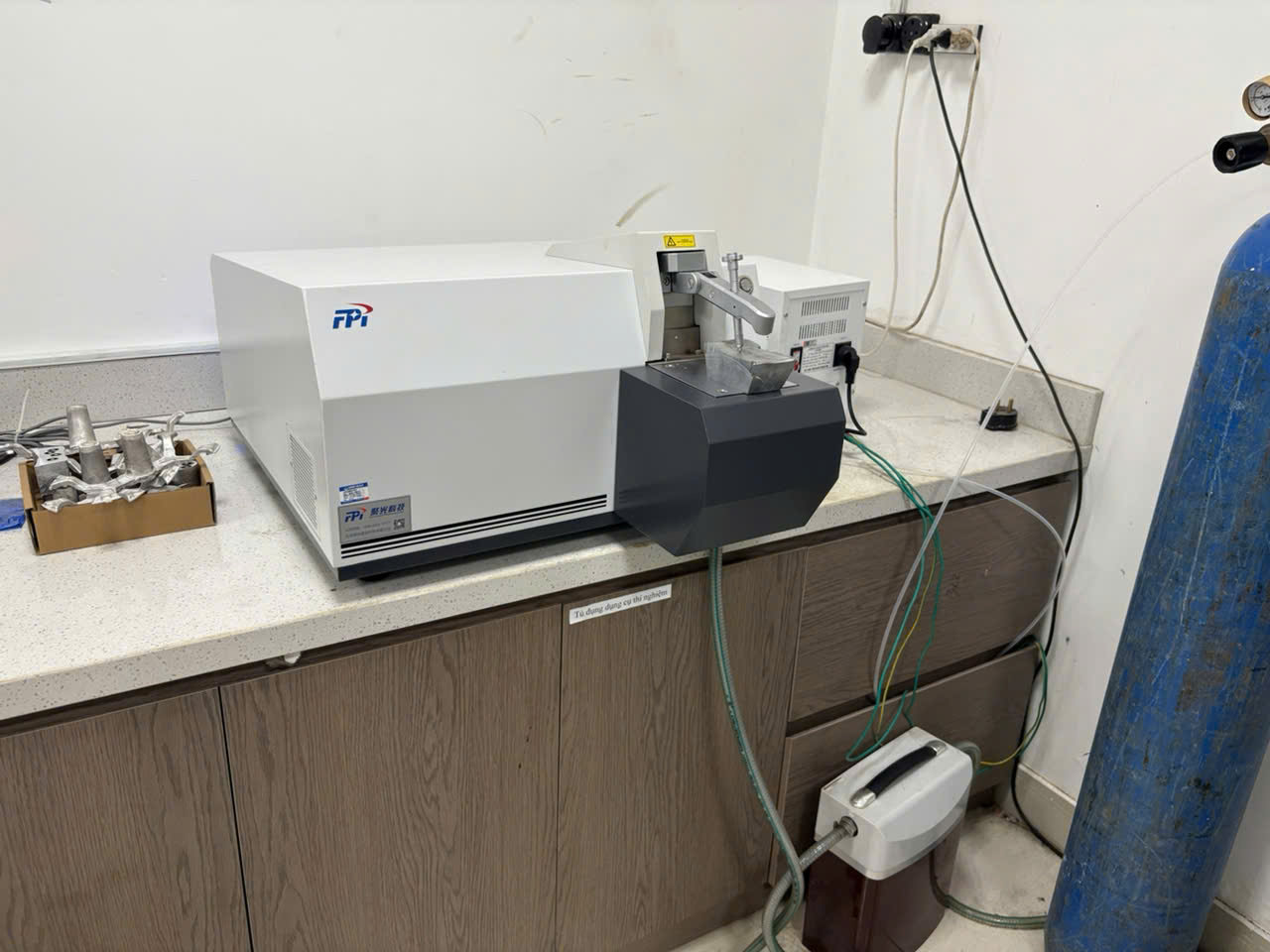
In addition to being widely used in the automotive industry, aluminum die-casting is also widely used in industries such as electronics and communication, medical equipment, household consumer goods, power and energy.
Aluminum die casting is an efficient metal-forming process that plays a crucial role in many industries, especially in the automotive industry. It is widely used in the manufacturing of engine components, engine covers, gearboxes, steering gears, car lampshades, and a large number of internal components. But aluminum die-casting is not only limited to the automotive industry, but also extends to various aspects of our daily life and work.
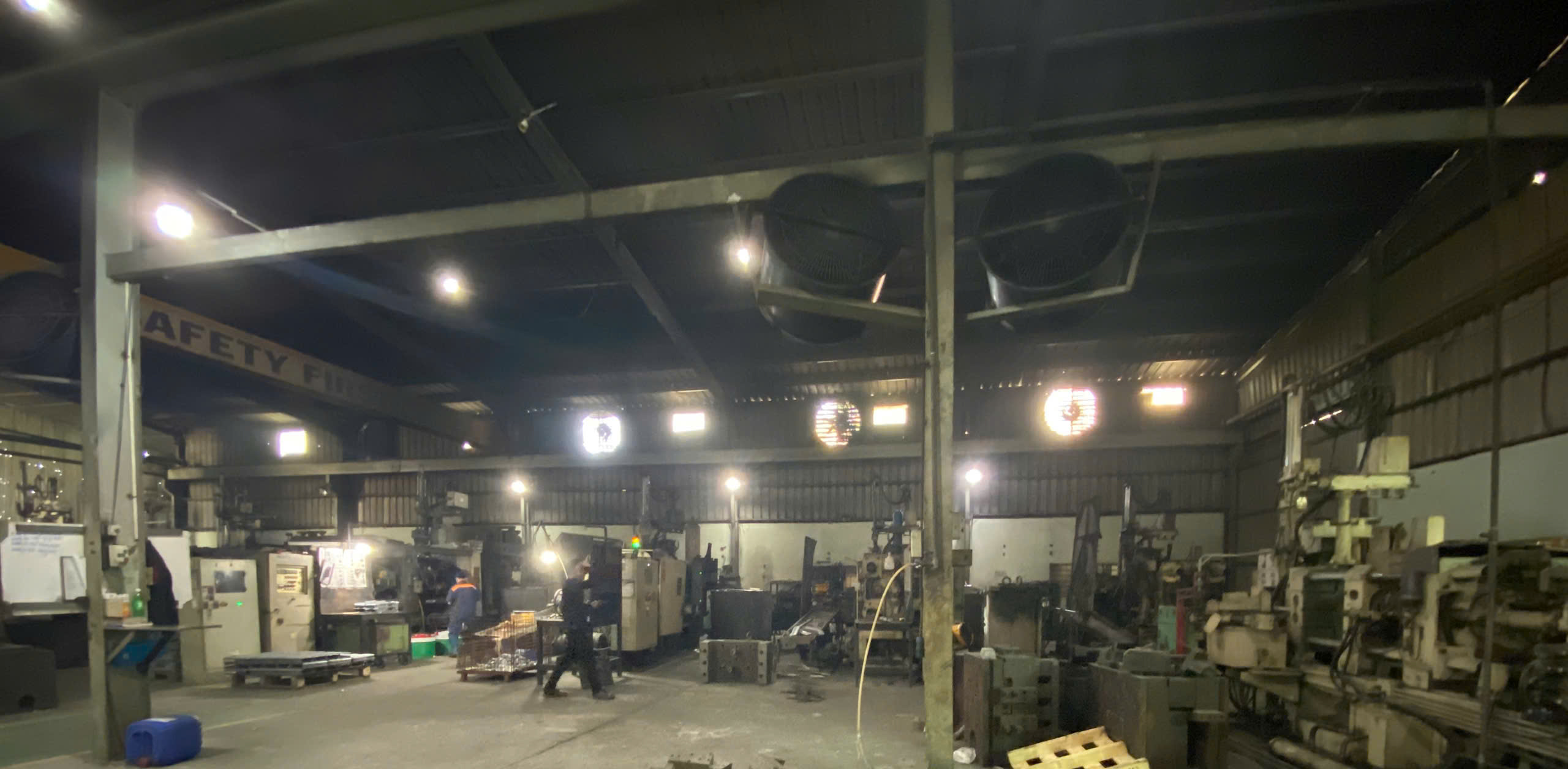
Electronic Devices
In the electronics industry, aluminum die-casting technology is commonly used to manufacture durable, lightweight, and well heat dissipating shells and frames. From smartphones to large servers, aluminum die-cast components ensure that devices not only run stably but also have a stylish appearance. For example, the aluminum casing of a laptop not only provides sturdy protection but also optimizes heat dissipation, extending the lifespan of the device.
Medical Equipment
In the medical industry, aluminum die-casting is used to manufacture various medical devices, and some medical diagnostic instruments and surgical tools also choose the aluminum die-casting process for production, such as components of surgical instruments and diagnostic equipment. These components typically meet strict hygiene standards and must be lightweight and easy to handle, making aluminum die casting an ideal choice for manufacturing such products.
Consumer Goods
Aluminum die-casting technology is also widely used in many components of household appliances. Aluminum die casting provides a lightweight and durable solution for products such as washing machines, air conditioners, electric fans, and lighting equipment, whether it’s the delicate components of cameras, the sturdy frames of bicycles, or the sturdy handles of kitchen utensils.
Electricity and Energy
In the power industry, aluminum die casting is used to produce a series of power grid equipment, including cooling components for transformers, components for base stations and communication antennas, and casings for wireless network equipment. These products must have excellent heat dissipation capabilities while maintaining structural stability, where aluminum materials are greatly utilized.
Summary
Due to the advantages of aluminum die-casting technology, such as rapid production, high precision, and excellent mechanical properties, it has become one of the preferred production processes in these industries. The application of aluminum die-casting is increasingly becoming an important part of our daily life, from the latest technological electronic devices to household products that make life convenient.
Thank you for reading our article. If you need related products or have any questions or suggestions about our products, please don’t hesitate to contact us by sending an email, and we will reply to your email as soon as possible.
Precision Manufacturing & Sourcing Specification Matrix
| Technical Dimension | Standard Commercial Grade | High-Precision OEM Export Grade | DEWIN Verification Protocol |
|---|---|---|---|
| Machining & Forming Tolerance | ISO 2768-m (±0.10 mm nominal) | ISO 2768-f (±0.01 mm – ±0.025 mm critical bores) | Calibrated 3D CMM & Air/Pin Gauging |
| Surface Roughness & Finish | Ra 1.6 – 3.2 µm as-machined / standard coat | Ra 0.4 – 0.8 µm precision ground / MIL-A-8625 anodized | Profilometer & Coating Thickness Gauge |
| Material & Alloy Certification | Supplier Mill Test Report (MTR) | Independent OES chemical & mechanical verification | EN 10204 3.1 + RoHS/REACH Compliance |
| Batch Inspection & Packaging | ISO 2859-1 (AQL 1.0 Major / 2.5 Minor) | Zero-defect critical features + VCI export crating | Pre-Shipment Inspection (PSI) Report |
Frequently Asked Questions
What engineering files are required to quote application of aluminum die casting in other industries with DEWIN?
Provide 3D CAD models (STEP or IGES) along with 2D engineering drawings (PDF/DXF) specifying critical-to-quality (CTQ) tolerances, material grade, surface finish, and annual volume.
How does DEWIN verify dimensional accuracy and material compliance before shipment?
Every production lot undergoes incoming material spectrometer verification (EN 10204 3.1), First Article Inspection (FAI) via 2D/3D coordinate measuring machines (CMM), and AQL pre-shipment audits.
Can DEWIN support both low-volume prototype validation and mass production scaling in Vietnam and China?
Yes. DEWIN coordinates rapid CNC and bridge-tooling prototypes alongside high-tonnage production tooling across audited ISO 9001 and IATF 16949 partner factories in Vietnam and China.