
Yes, sintered metal can be welded. However, due to its porous nature, welding sintered metals may be more challenging than welding denser solid metals. The welding process may require appropriate adjustments to ensure successful engagement.
As sintered metal becomes increasingly common, more and more engineers hope to connect one metal part to another or to a completely different metal. Naturally, it turned to welding. It should be noted that the welding performance of sintered metal depends on the type of sintered material, welding method, and microstructure of the sintered workpiece.
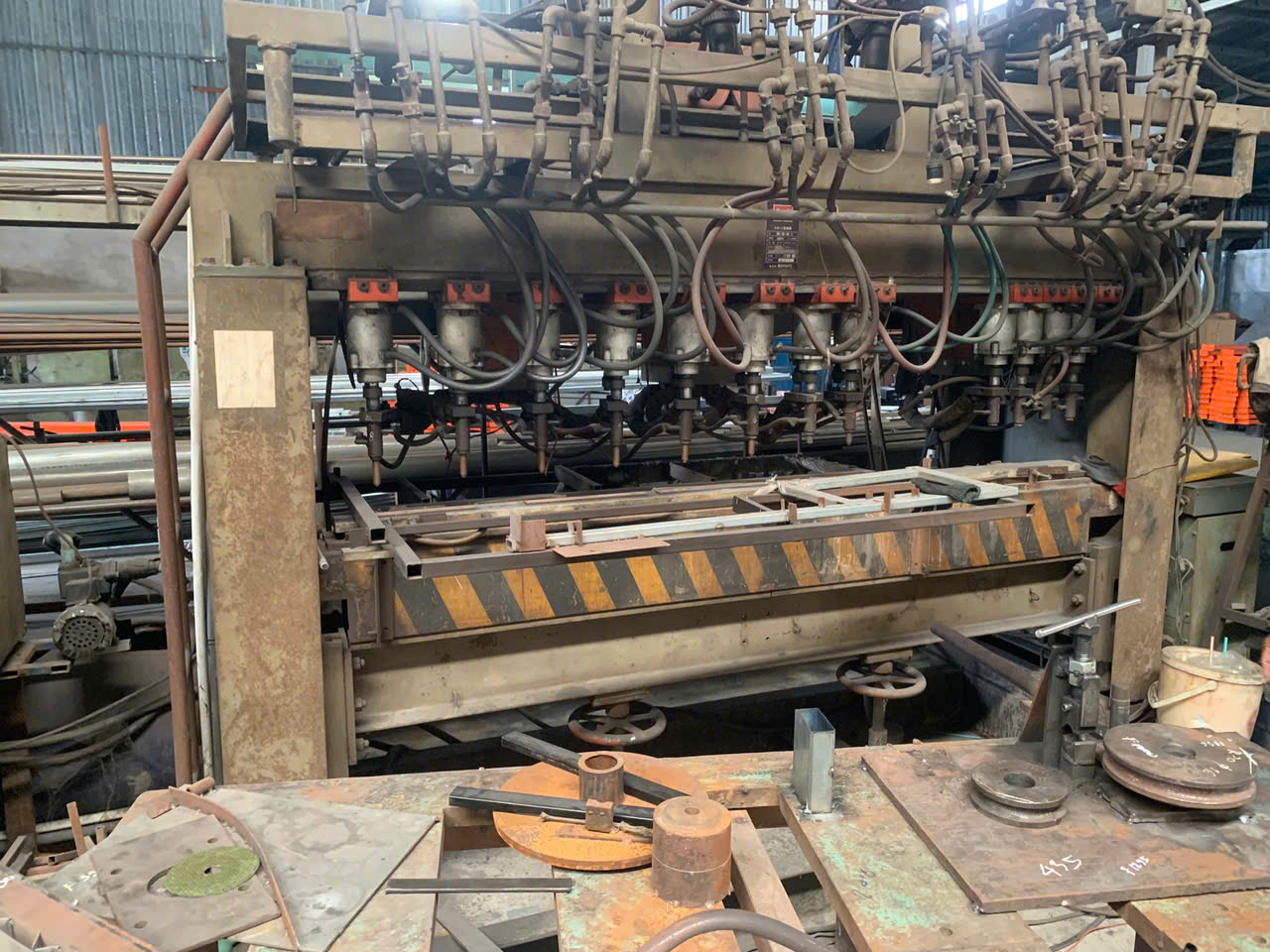
The welding of sintered metals is more difficult than other conventional metals, mainly due to their porous structure. This structure may cause the metal in the weld area to melt, forming cracks or holes, reducing the strength and integrity of the welded joint. Different sintered materials (such as iron, copper, stainless steel, hard alloys, etc.) have different welding properties. It is crucial to choose appropriate welding methods (such as arc welding, gas shielded welding, laser welding, etc.) and welding parameters (such as current, voltage, welding speed, etc.).
Welding sintered metal also faces many challenges. For example, the melting point of sintered metal is low, and excessive heat may be generated during the welding process, leading to material melting, deformation, and even burning through. In addition, the internal air of sintered metal may also cause explosions during welding. Due to these complex issues, special precautions need to be taken when welding sintered metal.
Therefore, for sintered workpieces that require welding, special surface treatment or welding techniques may be required. For example, gas generation can be reduced by sintering in a vacuum or controlled environment, or non melting welding methods such as butt welding and friction welding can be used to avoid melting in the weld area.
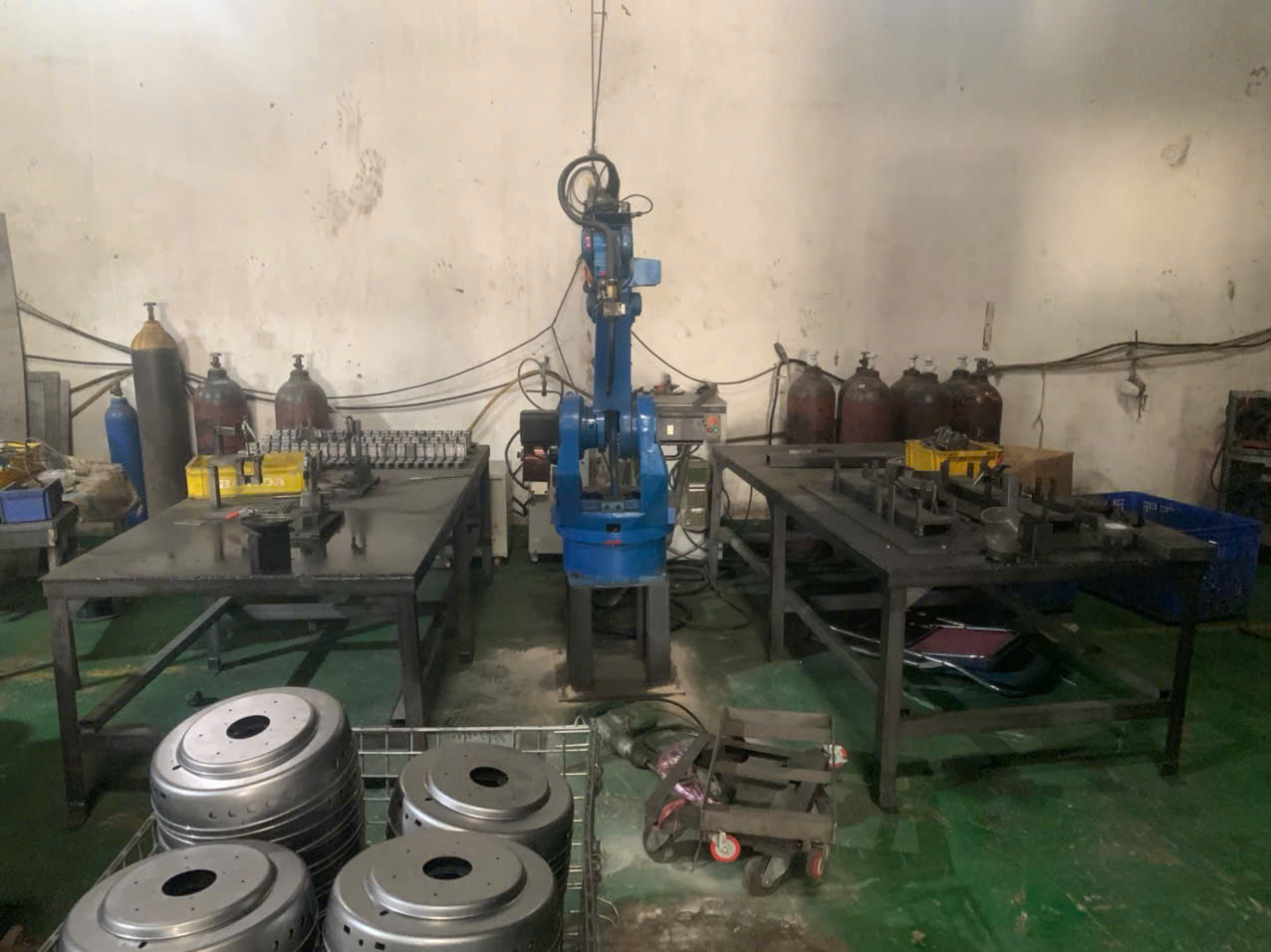
However, despite the difficulties and challenges of welding sintered metal, this does not hinder its application in industrial production. With its inherent advantages such as low cost, efficient manufacturing process, and complex shape, the welding technology of sintered metal has been widely applied in many industries such as automobiles, home appliances, and consumer electronics. Especially in precision welding, such as in the micro connection of electronic equipment or the fine assembly of medical equipment, the welding technology of sintered metal plays a crucial role.
Therefore, under appropriate welding conditions and technology choices, sintered metal welding can still achieve good results.
Thank you for reading our article. If you need related products or have any questions or suggestions about our products, please don’t hesitate to contact us by sending an email, and we will reply to your email as soon as possible.
Engineering & Production Specification Matrix
| Process Parameter | Prototype / Short-Run Standard | Production Progressive / Hard-Tool Standard | Verification Method |
|---|---|---|---|
| Linear Dimensional Tolerance | ±0.10 mm to ±0.15 mm (ISO 2768-m) | ±0.03 mm to ±0.08 mm (ISO 2768-f) | Optical 2D/3D CMM & Go/No-Go Check Fixtures |
| Edge Burr Height Limit | ≤ 10% of material thickness | ≤ 5%–8% of material thickness | Digital Micrometer & Cross-Section Audit |
| Material & Coating Traceability | Mill Test Certificate (EN 10204 3.1) | Heat-lot MTC + RoHS/REACH + ASTM B117 Salt-Spray | Spectrometer (OES) & XRF Screening |
| Standard Tooling & Lead Time | Laser + CNC Press Brake (5–10 days) | Progressive / Transfer Die (3–5 weeks T1) | First Article Inspection (FAI) & CPK ≥ 1.33 |
Frequently Asked Questions
What engineering files are required to quote can sintered metal be welded? with DEWIN?
Provide 3D CAD models (STEP or IGES) along with 2D engineering drawings (PDF/DXF) specifying critical-to-quality (CTQ) tolerances, material grade, surface finish, and annual volume.
How does DEWIN verify dimensional accuracy and material compliance before shipment?
Every production lot undergoes incoming material spectrometer verification (EN 10204 3.1), First Article Inspection (FAI) via 2D/3D coordinate measuring machines (CMM), and AQL pre-shipment audits.
Can DEWIN support both low-volume prototype validation and mass production scaling in Vietnam and China?
Yes. DEWIN coordinates rapid CNC and bridge-tooling prototypes alongside high-tonnage production tooling across audited ISO 9001 and IATF 16949 partner factories in Vietnam and China.