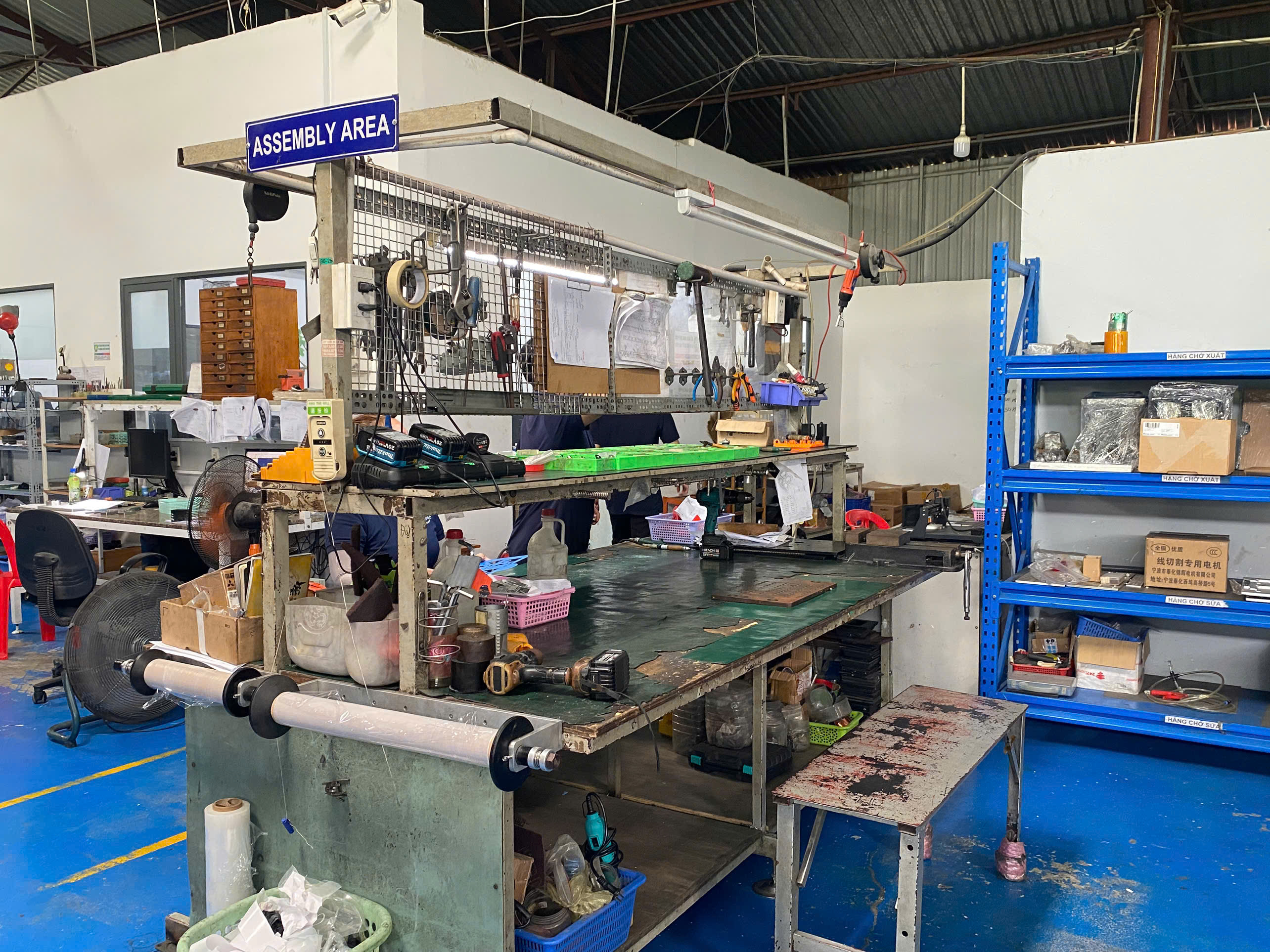
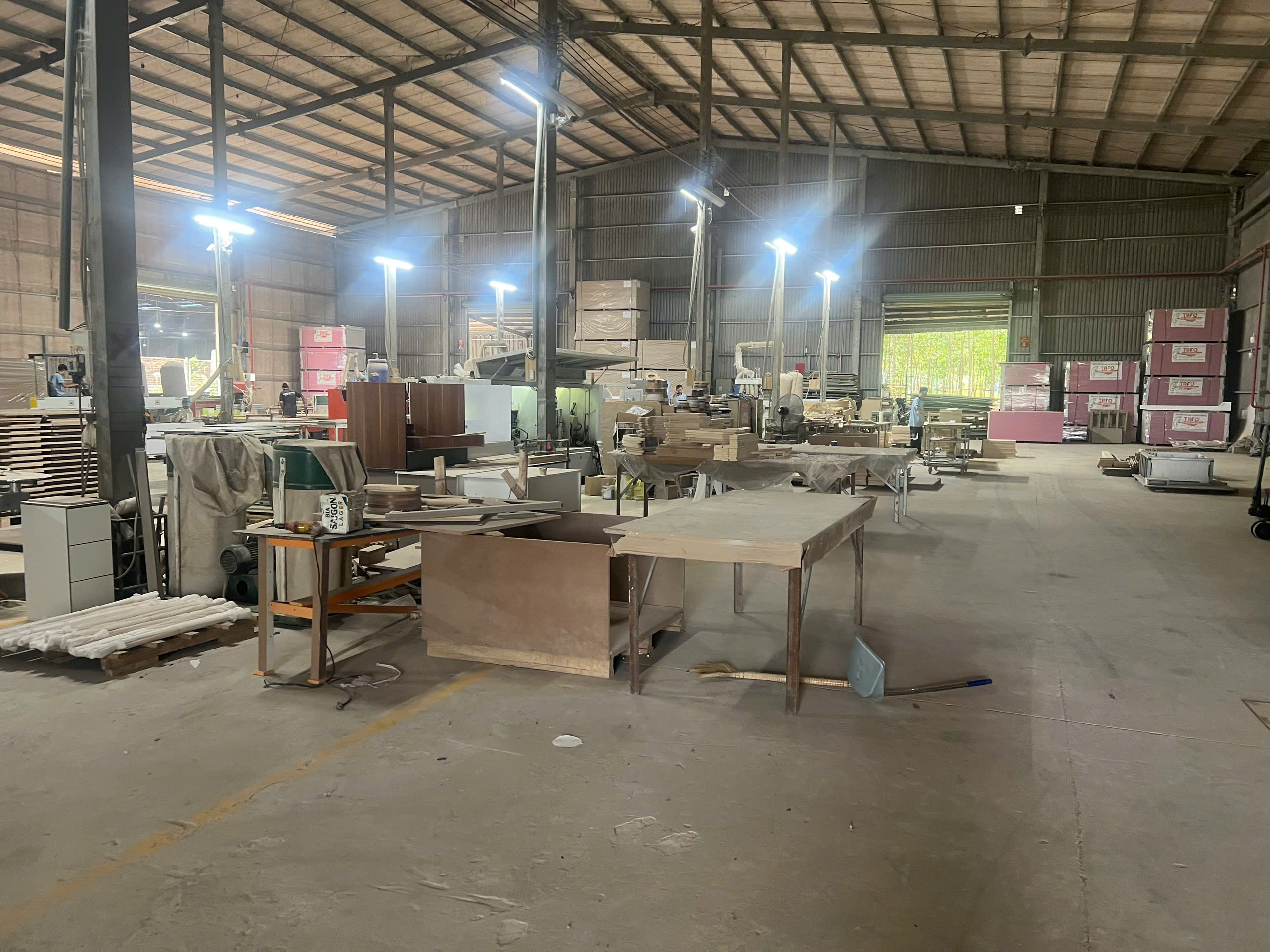
I’ve faced that moment where you approve the first article, wait weeks, and then discover mid-run defects too late to fix them.
Yes — you can and should request mid-production samples when importing custom metal parts from Vietnam.
They help you catch problems early, confirm consistency, and avoid costly rework.
Let’s see how to do this effectively without disrupting production or hurting supplier relationships.
Should you request “in-line sample” during run?
Requesting in-line or mid-production samples helps ensure production consistency and detect early issues before completion.
I’ve made this part of my standard process now — it’s one of the most reliable early warning tools in production.
Requesting an “in-line” or mid-production sample during the manufacturing run is a smart move.
It confirms that the product made halfway matches your approved pre-production sample, and it pairs well with in-process inspection and acceptance sampling 1.

The supplier or your inspection agent should collect these samples under your supervision or a third-party monitor using a Z1.4/ISO-based random sampling plan 2.
Many factories in Vietnam already cooperate with services such as Vietnam Quality Control or QIMA during-production (DUPRO) inspection 3, who can courier samples to you within days.
Mid-run samples help you detect tool wear, tolerance drift, coating or finishing issues, and operator inconsistencies before the batch is completed — instead of finding them at pre-shipment inspection time 4.
| Part Type | Recommended Sampling Point | Preferred Inspection Method |
|---|---|---|
| CNC Machined Shaft | After rough machining (30%) | Dimensional check using calipers or CMM |
| Stamped Brackets | After forming, before coating | Surface inspection, fit test |
| Aluminum Housing | Post-anodizing | Color tone, surface finish |
| Welded Assembly | After welding, before final assembly | Weld bead inspection, fit and fixture |
| Powder Coated Frame | Post-coating, pre-packaging | Scratch, adhesion, color verification |
At what stage is sample most useful?
The ideal mid-run sample timing is 30–50% of production — when process variation stabilizes and correction is still possible.
The most useful stage for mid-production samples is between 30% and 50% of production completion.
That’s when processes stabilize and SPC process capability checks 5 are most meaningful while there’s still time to adjust.
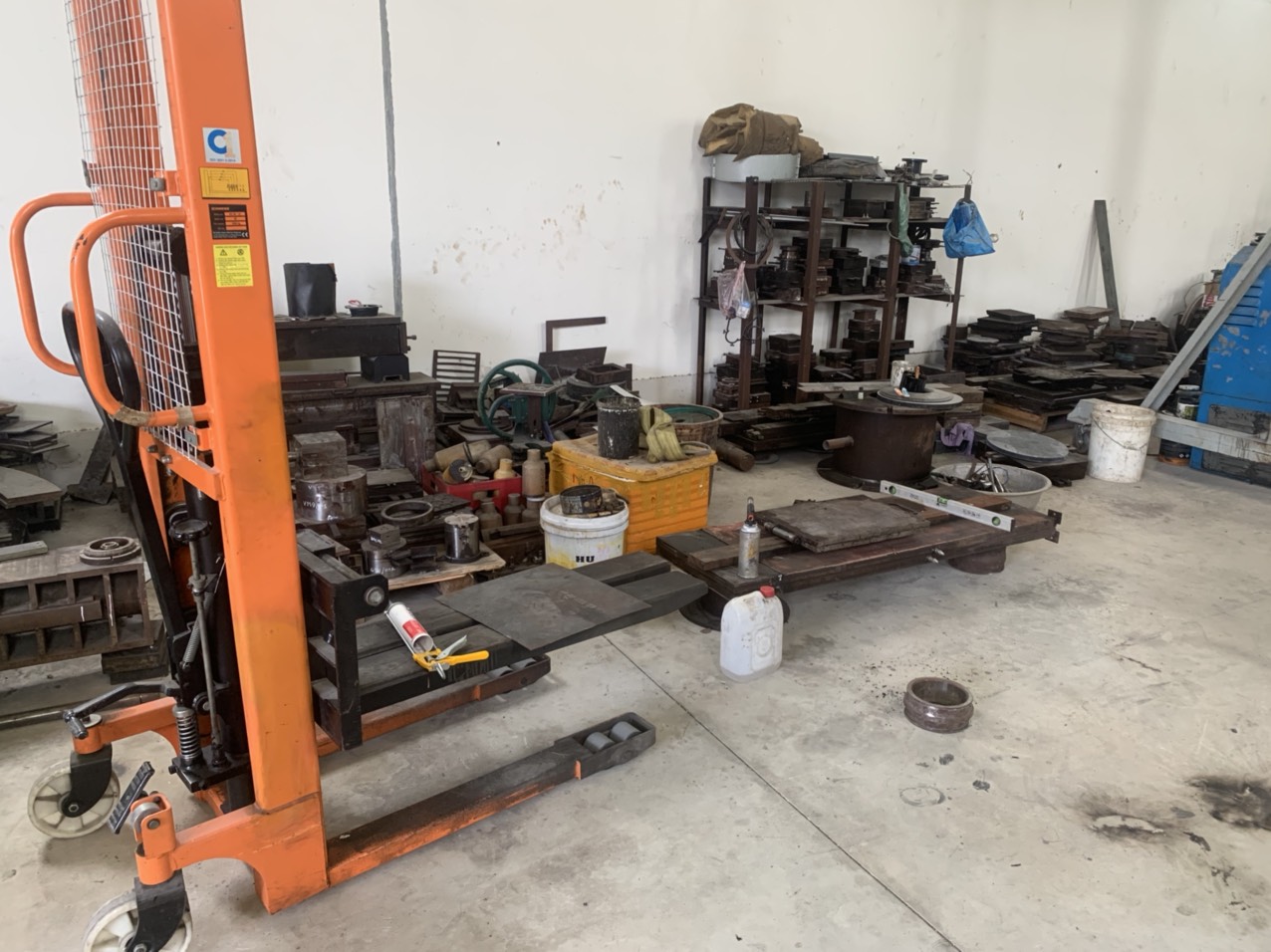
If defects appear, the supplier can correct tooling or process without scrapping the entire lot.
You can even request a short video inspection instead of physical shipment to save time.
Do suppliers charge for mid-run samples?
Some suppliers charge a small fee or delay for mid-run samples, but it’s negotiable and often worth including in your PO.
Yes, many suppliers charge a small fee or add time to schedule mid-run samples, but with good negotiation you can often include it in the contract.
For the courier leg, budget based on express international small-parcel tariffs 6.
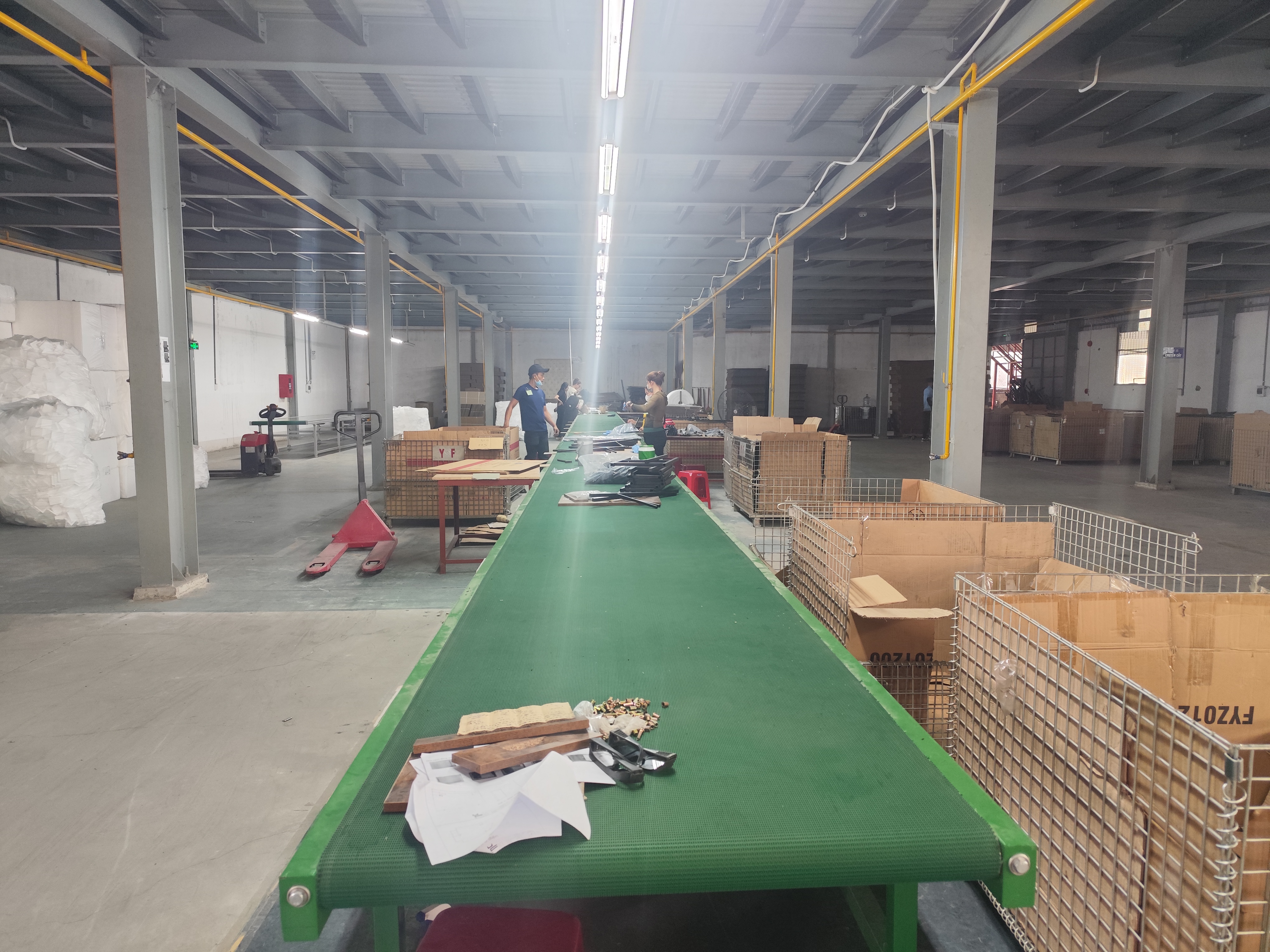
Typical additional cost components include:
- Labor for pulling and labeling samples.
- Courier or express shipping cost (DHL/FedEx).
- Machine downtime if line must stop briefly for sampling.
What rights do you have to reject batch based on sample?
You can reject or hold production if mid-run samples fail specs — provided your PO or contract defines those rights.
You have the right to reject or pause production based on mid-production sample results — if such conditions are clearly stated in your contract or purchase order.
Use precise language aligned with ICC model commercial practices 7 and tie measurement methods to recognized norms.
For critical dimensional checks, require CMM-based verification 8.
For coatings, reference coating thickness measurement best practices 9.
Where formal conformity assessment is required, align with ISO/IEC 17020 for inspection bodies 10.
Conclusion
Mid-production sampling is your best safeguard for quality control when importing metal parts from Vietnam.
Always specify timing, sampling method, and acceptance criteria in your PO, and integrate them into your inspection and contract terms for maximum protection.
Frequently Asked Questions
Should you request “in-line sample” during run?
Requesting in-line or mid-production samples helps ensure production consistency and detect early issues before completion.
At what stage is sample most useful?
The ideal mid-run sample timing is 30–50% of production — when process variation stabilizes and correction is still possible.
Do suppliers charge for mid-run samples?
Some suppliers charge a small fee or delay for mid-run samples, but it’s negotiable and often worth including in your PO.
Footnotes
1. ASQ overview of in-process inspection and acceptance sampling. ↩︎
2. ANSI/ASQ Z1.4 sampling plan reference for random selection. ↩︎
3. QIMA during-production (DUPRO) inspection service example. ↩︎
4. Background on pre-shipment inspection and verification. ↩︎
5. NIST SPC handbook explaining process capability evaluation. ↩︎
6. DHL global express parcel tariffs and service overview. ↩︎
7. ICC guidance for defining contractual remedies and obligations. ↩︎
8. NIST dimensional metrology reference for CMM accuracy. ↩︎
9. AMPP guide for coating thickness testing and measurement. ↩︎
10. ISO/IEC 17020 standard for inspection body competence. ↩︎