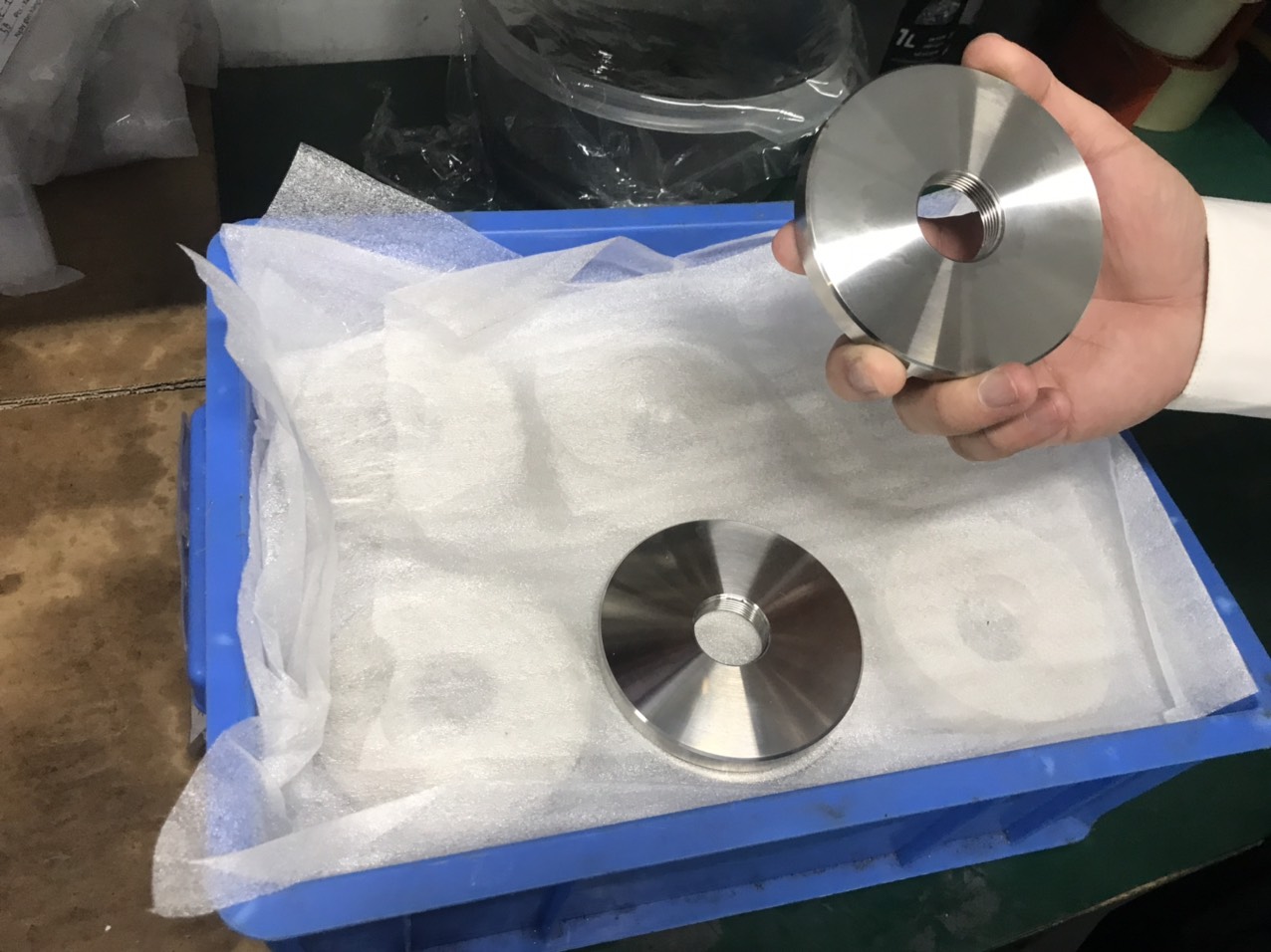
What engineering and tooling capabilities distinguish China and Vietnam manufacturing centers?
China facilities specialize in high-complexity processes such as powder metallurgy, CQI-9 heat treatment, multi-axis CNC machining, and pre-quote DFM mold flow simulation. Vietnam hubs focus on heavy stamping, robotic MIG welding, die casting, plastic injection, and turnkey assembly, supported by custom die tooling turnaround in 15 to 20 days.
Key Takeaways
- China hubs provide advanced pre-quote DFM review, mold flow simulation, progressive die design, and specialized processes like powder metallurgy and AS9100D 5-axis machining.
- Vietnam facilities manage heavy sheet metal stamping, robotic MIG welding, and assembly, supported by deep-water logistics out of Lach Huyen Port in Haiphong.
- Production transfers from China to Vietnam use a 10-month relocation framework to move dies, fixtures, and quality control gauges without interrupting supply lines.
- Compliance across both regions is verified through country of origin documentation including Form D, EUR-1, CPTPP, Form E, and ZEISS 3D CMM inspection records.
In China, engineering teams coordinate advanced tooling design, including 2D and 3D tolerance analysis and progressive die development. Manufacturing covers 16-stage drivetrain forging, hard-turning on 136 robotic CNC lathes, internal spline broaching, and high-density powder metallurgy for transmission and bearing components.
In Vietnam, production lines excel in structural sheet metal fabrication and assembly programs. Facilities in Bac Ninh and Haiphong utilize progressive stamping presses, robotic welding cells, and dedicated finishing systems for outdoor-grade polyester powder coating and hydraulic equipment.
- China Capabilities: Powder metallurgy, 5-axis CNC machining, CQI-9 carbonitriding, multi-slider PEEK injection molding, and slewing bearing production up to Ø5,000 mm.
- Vietnam Capabilities: Heavy metal stamping, robotic MIG/TIG welding, custom die tooling within 15 to 20 days, and complete product assembly.
- Inspection Infrastructure: ZEISS and Mitutoyo 3D CMM metrology labs, contour measurement, and 100% eddy-current crack sorting.
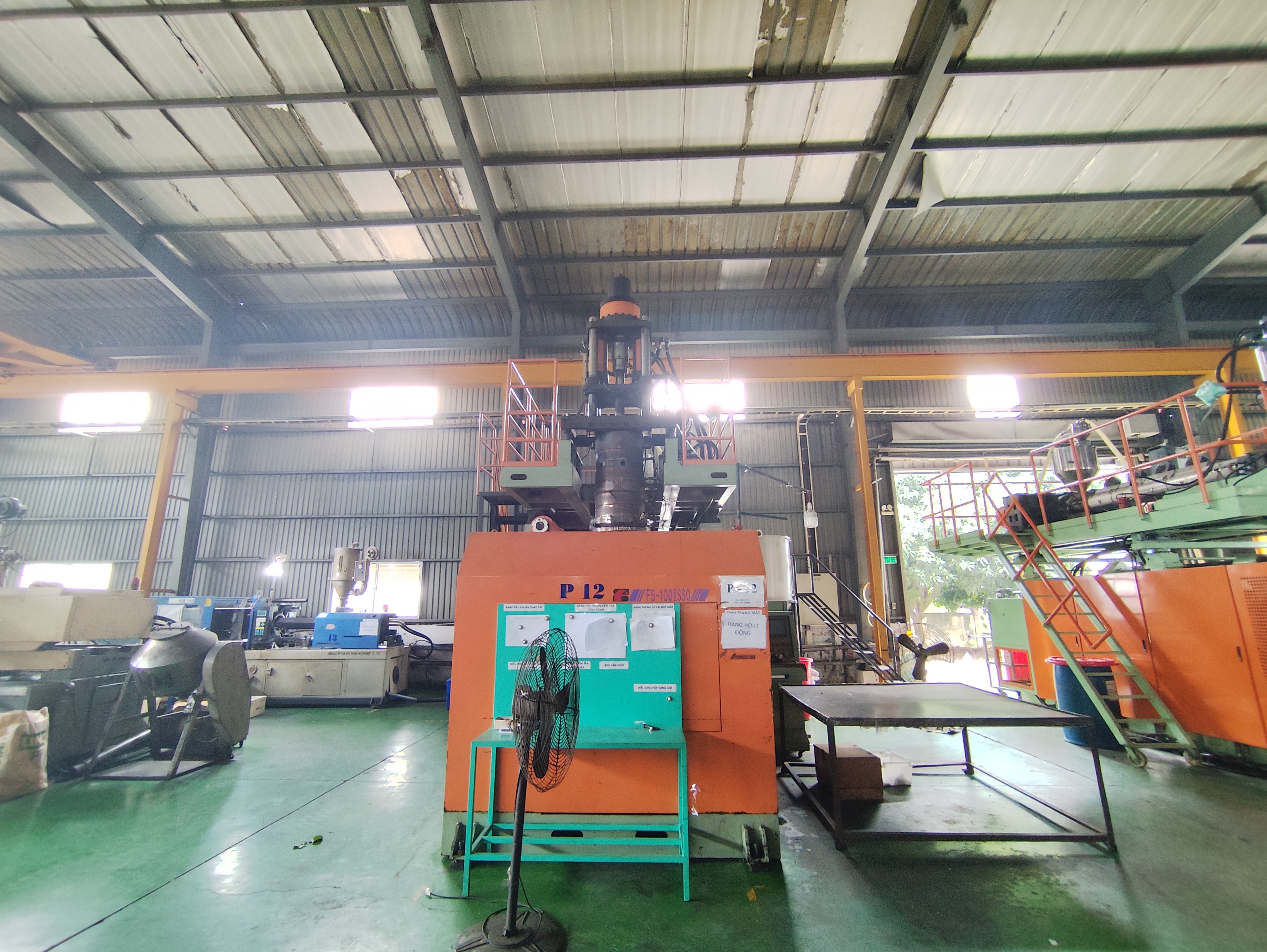
How do tooling timelines and line relocation frameworks operate between China and Vietnam?
Line transfers utilize a structured 10-month migration playbook that relocates progressive dies, fixtures, and quality control gauges from China to Vietnam. Tooling production for custom stamped components operates on a 15-to-20-day cycle, ensuring seamless serial production without disrupting active supply chains or compromising dimensional precision.
When shifting production lines from Chinese manufacturing clusters to Southeast Asian facilities, engineers audit fixtures, dies, and inspection gauges to ensure exact replication of quality standards. This migration process maintains tolerance control while localizing assembly operations in Vietnamese industrial corridors like Bac Ninh and Dong Nai.
Pre-production validation includes milestone-by-milestone tooling and first article inspection tracking. By transferring physical tooling alongside calibrated checking fixtures, teams achieve verified part dimensions immediately upon line setup.
- Relocation Framework: 10-month migration period for moving tooling, stamping dies, and inspection gauges.
- Tooling Development: 15 to 20 days for custom stamping dies and bending fixtures.
- Quality Tracking: First article inspection (FAI) tracking and PPAP Level 3 documentation prior to serial volume release.
Which compliance documents and export channels govern production across China and Vietnam?
Export compliance relies on substantial transformation criteria supported by country of origin documentation, including Form D, Form E, EUR-1, and CPTPP certificates. Shipments out of Northern Vietnam leverage Haiphong's Lach Huyen Deep-Water Terminal for direct ocean freight container routes to North American and European ports.
Compliance programs verify that components meet origin requirements through verified manufacturing steps and local assembly. Local staff in Ho Chi Minh City and Bac Ninh inspect container loading, salt-spray protection, and moisture barriers before vessel departures.
Quality compliance is anchored by inspection documentation, including ZEISS CMM dimensional reports, material heat certificates (COA), 240-hour ASTM B117 salt spray data, and 1,500-hour UV powder coat evaluations.
- Origin Documentation: Form D, Form E, EUR-1, and CPTPP certificates confirming substantial transformation.
- Port Access: Lach Huyen Deep-Water Terminal in Haiphong connecting Bac Ninh and Hanoi lines directly to ocean vessels.
- Inspection Records: ZEISS 3D CMM reports, material COA verification, and ASTM B117 salt spray inspection data.

Precision Manufacturing & Sourcing Specification Matrix
| Technical Dimension | Standard Commercial Grade | High-Precision OEM Export Grade | DEWIN Verification Protocol |
|---|---|---|---|
| Machining & Forming Tolerance | ISO 2768-m (±0.10 mm nominal) | ISO 2768-f (±0.01 mm – ±0.025 mm critical bores) | Calibrated 3D CMM & Air/Pin Gauging |
| Surface Roughness & Finish | Ra 1.6 – 3.2 µm as-machined / standard coat | Ra 0.4 – 0.8 µm precision ground / MIL-A-8625 anodized | Profilometer & Coating Thickness Gauge |
| Material & Alloy Certification | Supplier Mill Test Report (MTR) | Independent OES chemical & mechanical verification | EN 10204 3.1 + RoHS/REACH Compliance |
| Batch Inspection & Packaging | ISO 2859-1 (AQL 1.0 Major / 2.5 Minor) | Zero-defect critical features + VCI export crating | Pre-Shipment Inspection (PSI) Report |
Frequently Asked Questions
How are quality standards maintained across both China and Vietnam supply chains?
Quality is controlled through resident supplier quality engineers, PPAP Level 3 protocols, ZEISS 3D CMM dimensional verification, and 100% eddy-current crack testing, backed by a 50 PPM defect benchmark.
What shipping corridors connect Northern Vietnam factories to international destination ports?
Northern Vietnam facilities in Bac Ninh and Hanoi connect via direct highway links to Haiphong's Lach Huyen Deep-Water Terminal, providing direct vessel transport to North America, Europe, Australia, and the Middle East.
What materials and specialized surface treatments are supported in these production hubs?
Supported materials include 20CrMnTi alloy steel, 304/316L stainless steel, titanium, Inconel, PTFE, PEEK, and SAE841 bronze, along with surface processes like CQI-9 carbonitriding, MoS2 phosphating, and polyester powder coating.
How does the cross-border sub-component synergy model work between China and Vietnam?
Raw forged blanks or sintered powder metallurgy parts are produced in Chinese Tier-1 facilities and then shipped to Vietnam for final precision machining, surface finishing, and assembly.