How do China and Vietnam tooling engineering workflows compare in shop-floor videos?
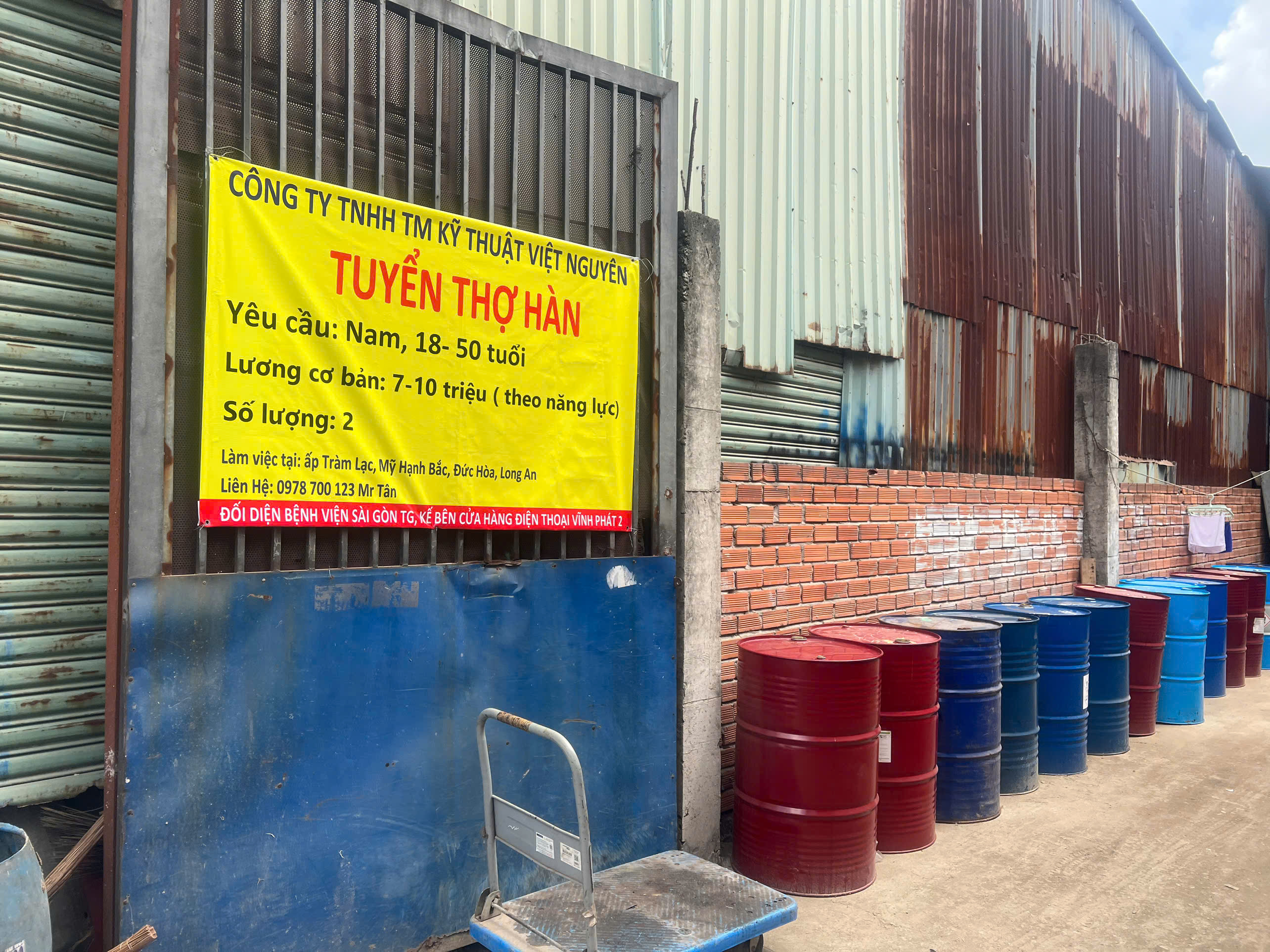
Shop-floor videos from China and Vietnam capture distinct tooling capabilities across regional supplier networks. DEWIN's 26-person engineering hub in Xi'an executes pre-quote DFM analysis, progressive die design, mold flow simulation, and in-house EDM mold fabrication. In Vietnam, local engineering teams oversee tool transfers, progressive stamping, and CNC die-casting operations.
Key Takeaways
- DEWIN's Xi'an engineering team provides pre-quote DFM review, 2D/3D tolerance analysis, progressive die design, and mold flow simulation before tool steel is cut.
- China-to-Vietnam production migrations follow a 10-month transfer playbook that moves dies, fixtures, and QC gauges without interrupting active production.
- On-ground teams in Xi'an and Ho Chi Minh City document verified factory lines via unedited Cloudflare R2 media and YouTube shop-floor video tours.
- Quality and compliance audits evaluate processes against standards including AS9100D, IATF 16949:2016, ISO 9001:2015, and CE or UL standards.
Video tours of Chinese manufacturing facilities reveal integrated tooling engineering capabilities managed through the Xi'an service center. Pre-quote engineering includes 2D and 3D tolerance analysis, progressive die layout design, and mold flow simulation before tool steel is cut. Specialist facilities, such as Jiangmen Qiantong Powder Metallurgy, maintain dedicated in-house EDM mold rooms to fabricate tooling for complex powder metallurgy and metal injection molding components.
In Vietnam, factory video tours highlight heavy assembly, precision sheet metal stamping, and Japanese-invested zinc die-casting centers in Bac Ninh and Ho Chi Minh City. Local engineers manage tooling implementation on active lines, supporting high-volume output for hydraulic hand pallet trucks, stamped brackets, and CNC machined housings.
- Pre-quote 2D/3D tolerance analysis and mold flow simulation conducted by Xi'an engineers.
- In-house EDM mold room capabilities supporting powder metallurgy and metal injection molding.
- Progressive stamping press dies and robotic welding fixtures deployed across Ningbo and Vietnam facilities.
- 136 robotic CNC lathes and hydraulic spline broaching cells for high-volume driveline hardware.
What lead times govern custom die tooling and line relocation across regional hubs?
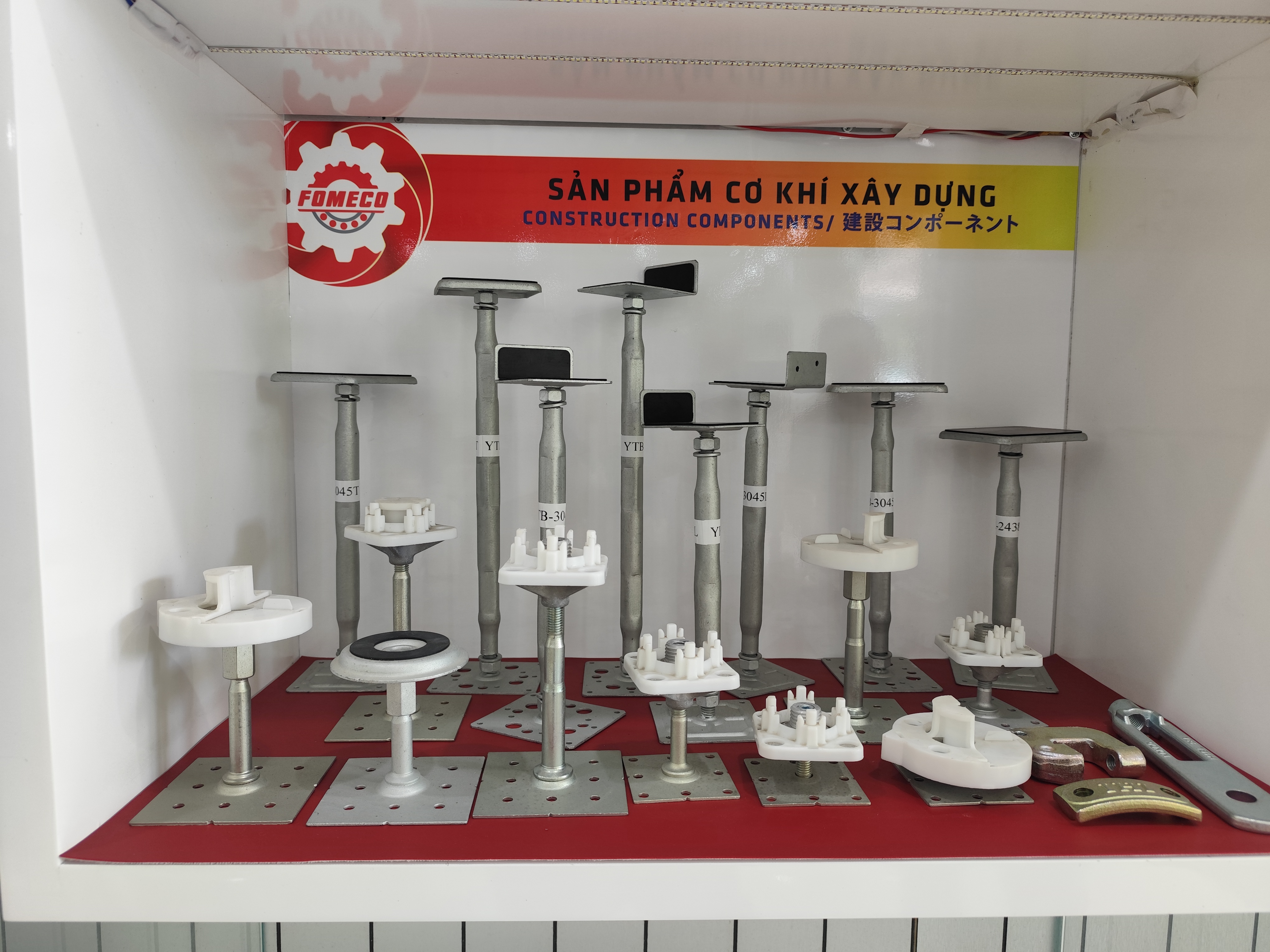
Technical evaluations show custom die tooling for stamped brackets requires 15 to 20 days across audited production lines. For broader factory migrations, DEWIN utilizes a 10-month transfer playbook to move active stamping presses, dies, fixtures, and QC gauges from China to Vietnam, maintaining uninterrupted production and verified quality standards.
Turnaround times begin with a 24-hour DFM drawing intake and review process managed by engineering teams in Singapore, Xi'an, and Ho Chi Minh City. For specialized components like custom SPCC or stainless steel fire extinguisher brackets, standard die tooling production requires 15 to 20 days.
When relocating full serial production lines from China to Vietnam, procurement teams rely on a structured 10-month migration playbook. This phase-by-phase framework orchestrates the physical transfer of progressive stamping presses, robotic welding cells, tooling dies, and quality control gauges to Vietnamese manufacturing hubs in Bac Ninh and Ho Chi Minh City without disrupting active delivery schedules. Additionally, regional expansion includes a 12-month commissioning timeline for the Keminsheng Thailand plant.
- 24-hour turnaround for initial DFM review and 2D blueprint intake.
- 15 to 20 days execution window for custom die tooling on heavy-gauge stamped brackets.
- 10-month line migration playbook for transferring dies, fixtures, and QC gauges from China to Vietnam.
- 12-month commissioning timeline for greenfield facility launches in Southeast Asia.
Which compliance standards and inspection protocols apply to dual-country manufacturing?
Compliance protocols across Asian production hubs align with rigorous international quality standards. Facilities are audited under IATF 16949:2016, AS9100D aerospace quality management, ISO 9001:2015, and ISO 14001:2015. On-site verification utilizes ZEISS 3D CMM inspection, eddy-current crack testing, and standardized origin documentation including Form E, Form D, and EUR-1.
Quality compliance across China and Vietnam production hubs is maintained through resident supplier quality engineering audits and advanced dimensional metrology. Facilities such as Hangtuo operate under AS9100D aerospace standards for multi-axis CNC machining, while automotive forging and powder metallurgy plants maintain IATF 16949:2016 and CQI-9 heat-treatment process controls. In-process quality verification relies on ZEISS 3D coordinate measuring machines, Mitutoyo Crysta-Apex equipment, and automated eddy-current crack detection.
Product-level compliance guidelines govern specialized assemblies manufactured in Vietnam. Hydraulic hand pallet trucks built in Bac Ninh adhere to CE marking and ISO 3691-5 standards, featuring 100% pump leak testing. Stamped brackets undergo 240-hour ASTM B117 salt spray testing and 1,500-hour UV powder coat evaluations. Substantial transformation compliance is documented via Form D, Form E, EUR-1, and CPTPP origin filings.
- Metrology labs equipped with ZEISS 3D CMM and Mitutoyo Crysta-Apex S dimensional inspection systems.
- Quality management systems including AS9100D, IATF 16949:2016, ISO 9001:2015, ISO 13485:2016, and ISO 14001:2015.
- Automated CQI-9 heat-treatment sorting with 100% eddy-current crack and hardness inspection.
- Trade compliance documentation covering Form D, Form E, EUR-1, and CPTPP origin standards.

Precision Manufacturing & Sourcing Specification Matrix
| Technical Dimension | Standard Commercial Grade | High-Precision OEM Export Grade | DEWIN Verification Protocol |
|---|---|---|---|
| Machining & Forming Tolerance | ISO 2768-m (±0.10 mm nominal) | ISO 2768-f (±0.01 mm – ±0.025 mm critical bores) | Calibrated 3D CMM & Air/Pin Gauging |
| Surface Roughness & Finish | Ra 1.6 – 3.2 µm as-machined / standard coat | Ra 0.4 – 0.8 µm precision ground / MIL-A-8625 anodized | Profilometer & Coating Thickness Gauge |
| Material & Alloy Certification | Supplier Mill Test Report (MTR) | Independent OES chemical & mechanical verification | EN 10204 3.1 + RoHS/REACH Compliance |
| Batch Inspection & Packaging | ISO 2859-1 (AQL 1.0 Major / 2.5 Minor) | Zero-defect critical features + VCI export crating | Pre-Shipment Inspection (PSI) Report |
Frequently Asked Questions
How do engineering teams verify factory capabilities via video tours?
Engineering teams review unedited shop-floor video footage hosted on Cloudflare R2 and official media channels. These tours document actual machinery in operation, such as 5-axis CNC centers, automated powder presses, and ZEISS CMM metrology labs, confirming real factory floor conditions and quality controls.
What processes are included in the 10-month line relocation playbook?
The 10-month relocation playbook manages the systematic transfer of progressive stamping presses, production dies, welding fixtures, and localized QC gauges from China to Vietnam. Local engineering teams in Ho Chi Minh City oversee line setup and validation to prevent supply interruption.
What metrology equipment is used during in-process precision inspections?
Facilities use high-precision metrology tools including ZEISS 3D Coordinate Measuring Machines (CMM), Mitutoyo Crysta-Apex S systems, surface roughness testers, contour meters, universal gear testers, and automated eddy-current crack detection units to verify critical dimensions.
Which regulatory standards govern specialized hardware produced in Vietnam?
Hardware produced in Vietnam follows specific regulatory frameworks based on application. Hand pallet trucks comply with CE and ISO 3691-5 standards, while heavy-duty stamped mounting brackets follow UL 711 and DOT standards alongside Form D or EUR-1 origin documentation.