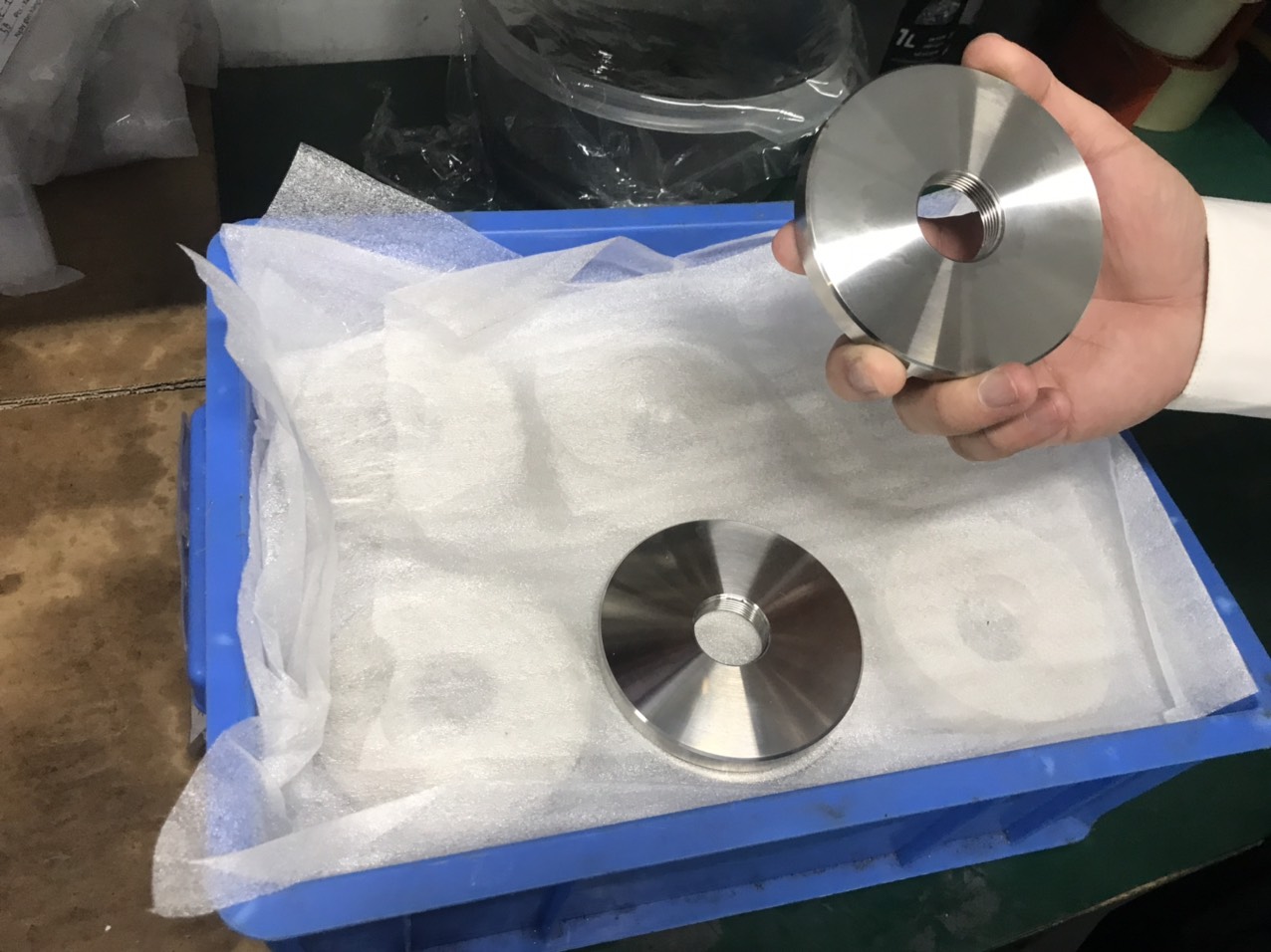
What Closed-Loop Tooling and Precision Forging Processes Are Executed in China Operations?
China precision forging operations utilize 160T to 630T closed-die cold and warm forging presses combined with isothermal normalizing to yield uniform Ferrite-Pearlite grain structures. Tooling development includes pre-quote 2D and 3D tolerance analysis, progressive die design, and mold flow simulation prior to cutting die steel.
Key Takeaways
- China hubs handle 160T to 630T precision cold and warm forging with isothermal normalizing to achieve uniform Ferrite-Pearlite grain structure before machining.
- A 10-month migration transfer playbook allows relocation of dies, fixtures, and quality control gauges from China to Vietnam hubs without stopping serial supply.
- In-process quality control incorporates ZEISS CMM metrology, magnetic crack testing, and CQI-9 controlled carbonitriding holding spline tolerances within ±0.008 mm.
Precision cold and warm forging lines operate across a multi-stage manufacturing sequence designed to optimize metal grain flow and mechanical properties. Raw steel bars undergo precision cutting, isothermal annealing, shot blasting, saponification, and phosphating before entering 160T to 630T closed-die forging presses. Following deformation, controlled normalizing ensures a uniform Ferrite-Pearlite grain structure required for subsequent machining.
Tooling engineering managed out of Xi'an encompasses full pre-production DFM review. Engineers conduct 2D and 3D tolerance analyses, progressive die design, and mold flow simulations prior to cutting steel tooling. This upfront review verifies dimensional feasibility for intricate geometry such as star-shaped sleeves, core shafts, and trunnion brackets.
- 160T to 630T closed-die warm and cold precision forging blanks.
- Isothermal annealing, shot blasting, saponification, and phosphating surface treatment.
- Controlled normalizing to establish consistent Ferrite-Pearlite grain flow.
- Pre-quote 2D and 3D tolerance analysis and progressive die engineering.
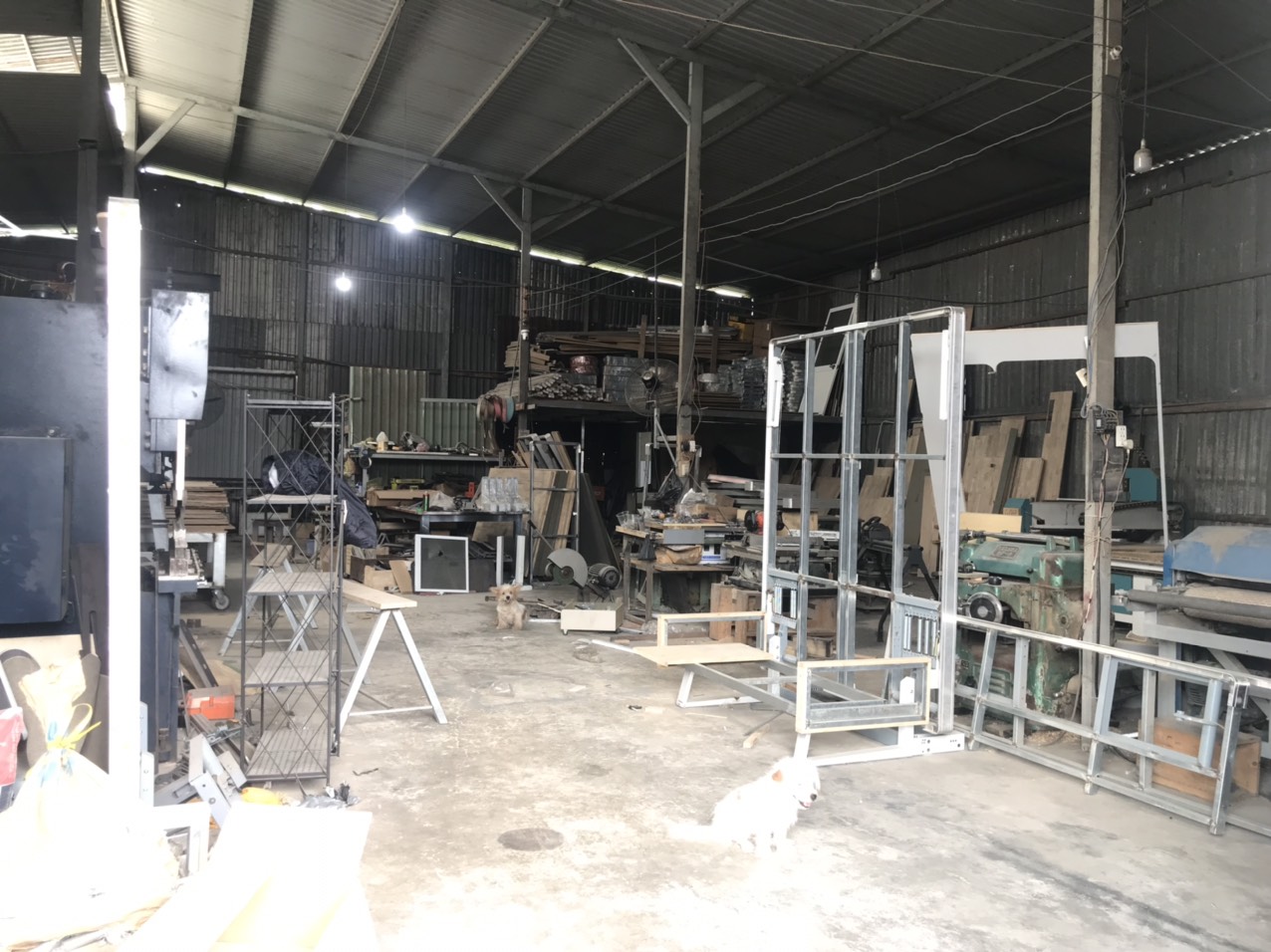
How Do Relocation Timelines and Tooling Transfers Compare Between China and Vietnam Hubs?
Relocating production lines between China and Vietnam follows a structured 10-month transfer playbook that moves progressive dies, manufacturing fixtures, and quality control gauges without interrupting supply chains. Initial custom die tooling setup requires 15 to 20 days, backed by 24-hour DFM reviews for technical drawing submissions.
Transitioning serial manufacturing between hubs relies on a 10-month relocation playbook. This transfer model coordinates the movement of progressive dies, secondary machining fixtures, and inspection gauges from established facilities in China to localized plants in Vietnam, preventing production stops during line setup.
For new component programs, custom die tooling lead times typically range from 15 to 20 days. Initial blueprint intake receives a 24-hour DFM evaluation to validate drawing tolerances and geometric dimensioning. Completed assemblies move through northern Vietnam industrial corridors in Bac Ninh and Hanoi directly to Haiphong's Lach Huyen Deep-Water Terminal for vessel transport.
- 24-hour DFM review for blueprint and RFQ drawing submissions.
- 15 to 20 days lead time for custom die tooling fabrication.
- 10-month production line transfer playbook covering dies, fixtures, and inspection gauges.
- Direct transport via deep-sea gateways like Lach Huyen Port in Haiphong.
Which Quality Controls and Origin Compliance Requirements Govern Cross-Border Production?
Cross-border production compliance relies on verified Country of Origin documentation such as Form D, EUR-1, and CPTPP certificates for substantial transformation in Vietnam. Quality verification integrates ZEISS 3D CMM metrology, CQI-9 controlled carbonitriding, eddy-current testing, and PPAP Level 3 dimensional documentation across connected factory networks.
Establishing compliant Vietnam Country of Origin requires meeting substantial transformation standards verified through Form D, EUR-1, or CPTPP documentation. This enables components processed, machined, or assembled in facilities in Ho Chi Minh City, Bac Ninh, or Haiphong to satisfy global trade criteria.
Quality control protocols maintain automotive-grade precision using full PPAP Level 3 submissions. High-speed hydraulic spline broaching and hard turning maintain raceway concentricity to ±0.008 mm. Surface and internal integrity are validated via CQI-9 continuous carbonitriding furnaces, 100% eddy-current crack sorting, magnetic crack testing, and ZEISS 3D CMM metrology.
- Verification of Form D, EUR-1, and CPTPP documentation for Vietnam Country of Origin.
- CQI-9 carbonitriding achieving HRC 58 to 62 case hardness and 0.85 to 1.25 mm case depth.
- High-speed pull broaching and hard turning holding raceway concentricity to ±0.008 mm.
- 100% magnetic crack inspection, eddy-current sorting, and ZEISS 3D CMM metrology inspection documentation.

Precision Manufacturing & Sourcing Specification Matrix
| Technical Dimension | Standard Commercial Grade | High-Precision OEM Export Grade | DEWIN Verification Protocol |
|---|---|---|---|
| Machining & Forming Tolerance | ISO 2768-m (±0.10 mm nominal) | ISO 2768-f (±0.01 mm – ±0.025 mm critical bores) | Calibrated 3D CMM & Air/Pin Gauging |
| Surface Roughness & Finish | Ra 1.6 – 3.2 µm as-machined / standard coat | Ra 0.4 – 0.8 µm precision ground / MIL-A-8625 anodized | Profilometer & Coating Thickness Gauge |
| Material & Alloy Certification | Supplier Mill Test Report (MTR) | Independent OES chemical & mechanical verification | EN 10204 3.1 + RoHS/REACH Compliance |
| Batch Inspection & Packaging | ISO 2859-1 (AQL 1.0 Major / 2.5 Minor) | Zero-defect critical features + VCI export crating | Pre-Shipment Inspection (PSI) Report |
Frequently Asked Questions
What heat treatment standards are applied during drivetrain component forging?
Components undergo CQI-9 controlled continuous furnace carbonitriding and quenching. This achieves a case hardness of HRC 58 to 62 and a case depth of 0.85 to 1.25 mm, verified by metallographic inspection documentation and eddy-current crack sorting.
How is drawing feedback handled before tooling fabrication begins?
Engineering teams execute DFM drawing reviews, pre-quote 2D and 3D tolerance analysis, and mold flow simulations before cutting steel, providing feedback within 24 hours of receiving customer blueprints.
What shipping infrastructure supports serial shipments out of Northern Vietnam?
Northern Vietnam facilities in Bac Ninh and Hanoi connect via direct highways to Lach Huyen Deep-Water Terminal in Haiphong, enabling direct ocean container transport to North American and European ports.
What metrology equipment is used to inspect high-precision forged splines?
Inspection laboratories utilize ZEISS and Mitutoyo 3D Coordinate Measuring Machines, contour measurement systems, surface roughness testers, and hardness testing equipment to verify spline pitch tolerances down to ±0.008 mm.