What Material and Forging Steps Prepare CV Joint Star Sleeves for Spline Machining?
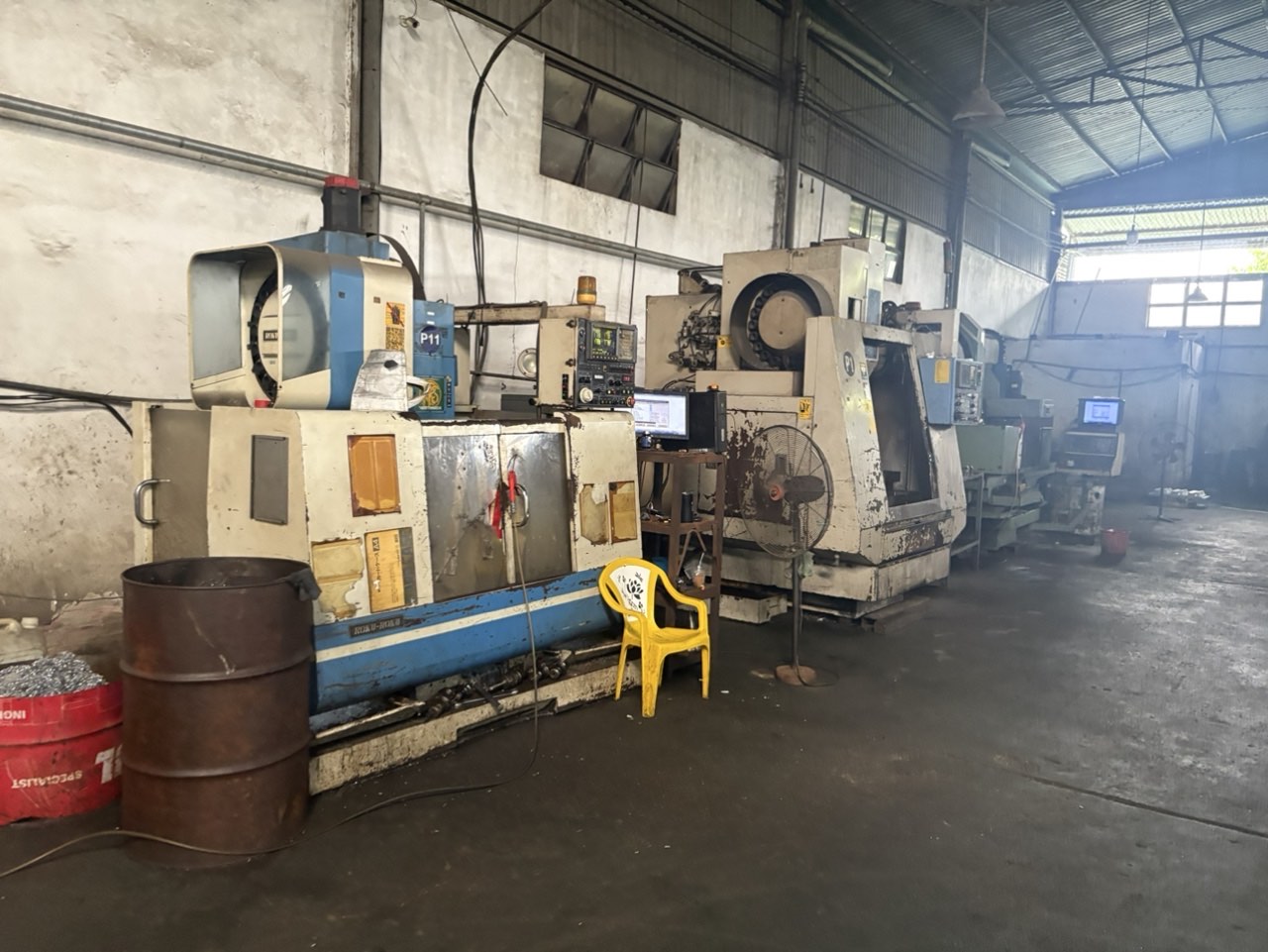
CV joint star-shaped sleeves are produced from 20CrMnTi or SAE 5120H carburizing alloy steel using 160T to 630T closed-die warm or cold precision forging. Isothermal normalizing is conducted after forging to establish a uniform Ferrite-Pearlite grain flow, ensuring consistent material structure before internal spline broaching and turning operations begin.
Key Takeaways
- CV joint star-shaped sleeves (#68-3 to #125) utilize 20CrMnTi or SAE 5120H carburizing alloy steel with 160T–630T closed-die forging and isothermal normalizing for uniform Ferrite-Pearlite grain flow.
- Internal spline profile machining relies on high-speed hydraulic pull broaching compliant with DIN 5480 and JIS B 1603 standards, holding ±0.008 mm spline pitch tolerances.
- Automated turning centers and German EMAG hard-turning cells maintain ±0.008 mm raceway concentricity prior to continuous furnace carbonitriding.
- Quality verification includes continuous CQI-9 heat-treatment controls, 100% eddy-current crack sorting, and ZEISS or Mitutoyo 3D CMM metrology.
Precision driveline manufacturing begins with raw bar steel selection and controlled blank preparation. Forging CV joint star sleeves across sizes #68-3 to #125 requires strict thermal and mechanical handling to avoid internal stresses and grain distortion before machining.
- Raw material selection: 20CrMnTi and SAE 5120H carburizing alloy steel.
- Forging capacity: 160T–630T closed-die warm and cold precision forging presses.
- Microstructure control: Isothermal normalizing for uniform Ferrite-Pearlite grain flow.
- Component scope: Fits #68-3 to #125 star sleeve architectures, trunnion brackets, and core shafts.
How Are Internal Splines and Ball Raceways Machined to Tight Tolerances?
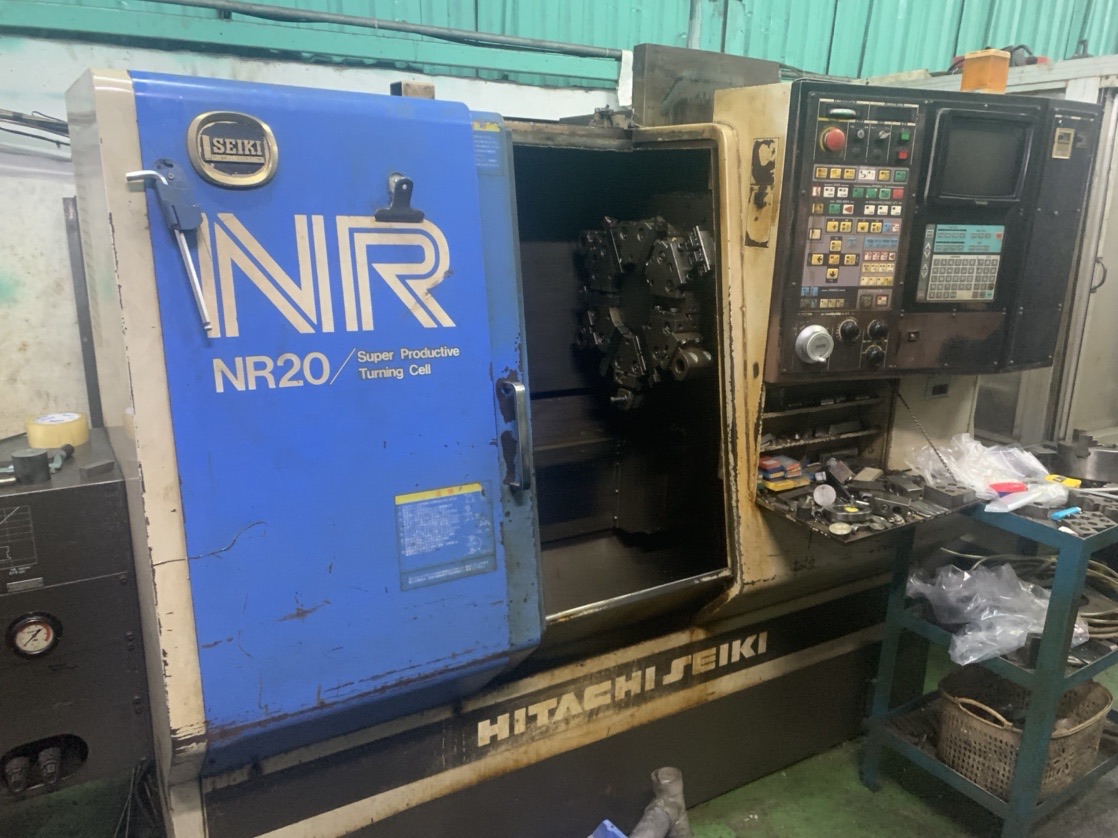
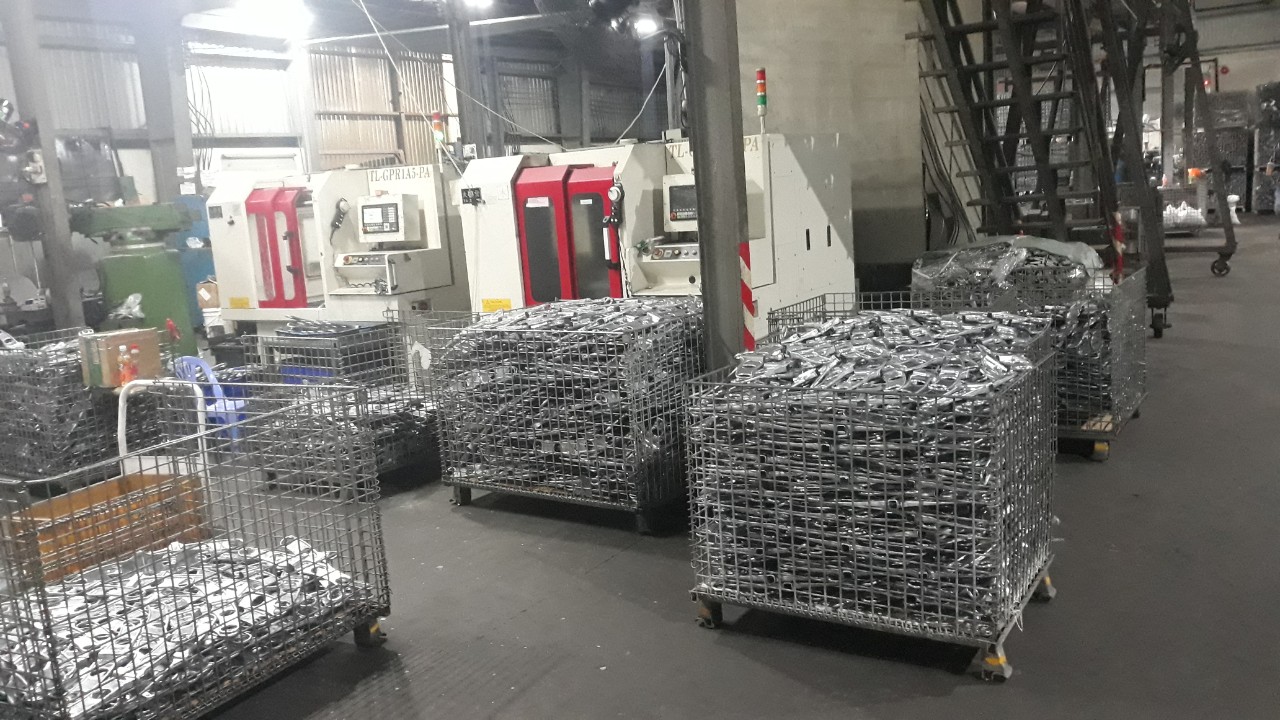
Internal splines are cut using high-speed hydraulic pull broaching according to DIN 5480 or JIS B 1603 module specifications. Ball raceways are machined using 136 robotic CNC lathes and four EMAG hard-turning cells with automated truss-robot loading, holding raceway concentricity and spline pitch tolerances strictly within ±0.008 mm.
Machining high-torque star sleeves requires paired broaching and turning setups that prevent tool deflection and maintain axial alignment. Broaching establishes accurate internal spline geometries, while hard turning delivers finished ball raceway contours with high geometric precision.
- Internal spline broaching: High-speed hydraulic pull broaching meeting DIN 5480 and JIS B 1603 modules.
- Turning infrastructure: 136 robotic CNC lathes and 4 German EMAG hard-turning centers.
- Machining tolerances: ±0.008 mm raceway concentricity and ±0.008 mm spline pitch precision.
- Automation: Truss-robot loading for automated part handling during turning.
Which Heat Treatment and Quality Verification Methods Secure Sleeve Durability?
Sleeve blanks undergo automated continuous furnace carbonitriding under CQI-9 heat-treatment guidelines, establishing a case depth of 0.85 to 1.25 mm at HRC 58–62 surface hardness. Output is 100% sorted via eddy-current testing for micro-cracks before dimensional inspection on 3D CMM units and vacuum anti-rust packaging.
Automotive driveline components demand predictable wear resistance and fatigue strength under heavy torsional loads. Integrating continuous heat-treatment monitoring with post-quench non-destructive testing ensures every sleeve meets structural parameters prior to final packaging.
- Controlled heat treatment: Automated continuous furnace carbonitriding following CQI-9 standards.
- Surface properties: Case hardening depth of 0.85–1.25 mm with HRC 58–62 hardness.
- NDT crack sorting: 100% automated eddy-current crack and hardness testing.
- Dimensional metrology: ZEISS and Mitutoyo Crysta-Apex S 3D CMM inspection for contour, surface roughness, and metallographic structure.
Precision Manufacturing & Sourcing Specification Matrix
| Technical Dimension | Standard Commercial Grade | High-Precision OEM Export Grade | DEWIN Verification Protocol |
|---|---|---|---|
| Machining & Forming Tolerance | ISO 2768-m (±0.10 mm nominal) | ISO 2768-f (±0.01 mm – ±0.025 mm critical bores) | Calibrated 3D CMM & Air/Pin Gauging |
| Surface Roughness & Finish | Ra 1.6 – 3.2 µm as-machined / standard coat | Ra 0.4 – 0.8 µm precision ground / MIL-A-8625 anodized | Profilometer & Coating Thickness Gauge |
| Material & Alloy Certification | Supplier Mill Test Report (MTR) | Independent OES chemical & mechanical verification | EN 10204 3.1 + RoHS/REACH Compliance |
| Batch Inspection & Packaging | ISO 2859-1 (AQL 1.0 Major / 2.5 Minor) | Zero-defect critical features + VCI export crating | Pre-Shipment Inspection (PSI) Report |
Frequently Asked Questions
What spline standards are used for internal spline broaching on CV joint star sleeves?
Internal spline broaching is executed to meet DIN 5480 and JIS B 1603 spline module standards, holding a spline pitch tolerance within ±0.008 mm.
What steel grades are recommended for warm and cold forged CV joint inner races?
CV joint star sleeves and inner races use 20CrMnTi and SAE 5120H carburizing alloy steel to achieve optimal core toughness and surface hardenability.
How are surface cracks and dimensional defects prevented after heat treatment?
Heat-treated sleeves pass through continuous CQI-9 furnace controls, followed by 100% eddy-current sorting for micro-cracks and hardness verification, along with 3D CMM dimensional inspection.
What equipment is utilized for high-precision hard turning of star sleeve raceways?
Production lines deploy 136 robotic CNC lathes alongside 4 German EMAG hard-turning cells equipped with automated truss-robot loading to maintain ±0.008 mm concentricity.