How the Die Casting Process Actually Works
September 22, 2024 · 5 min read
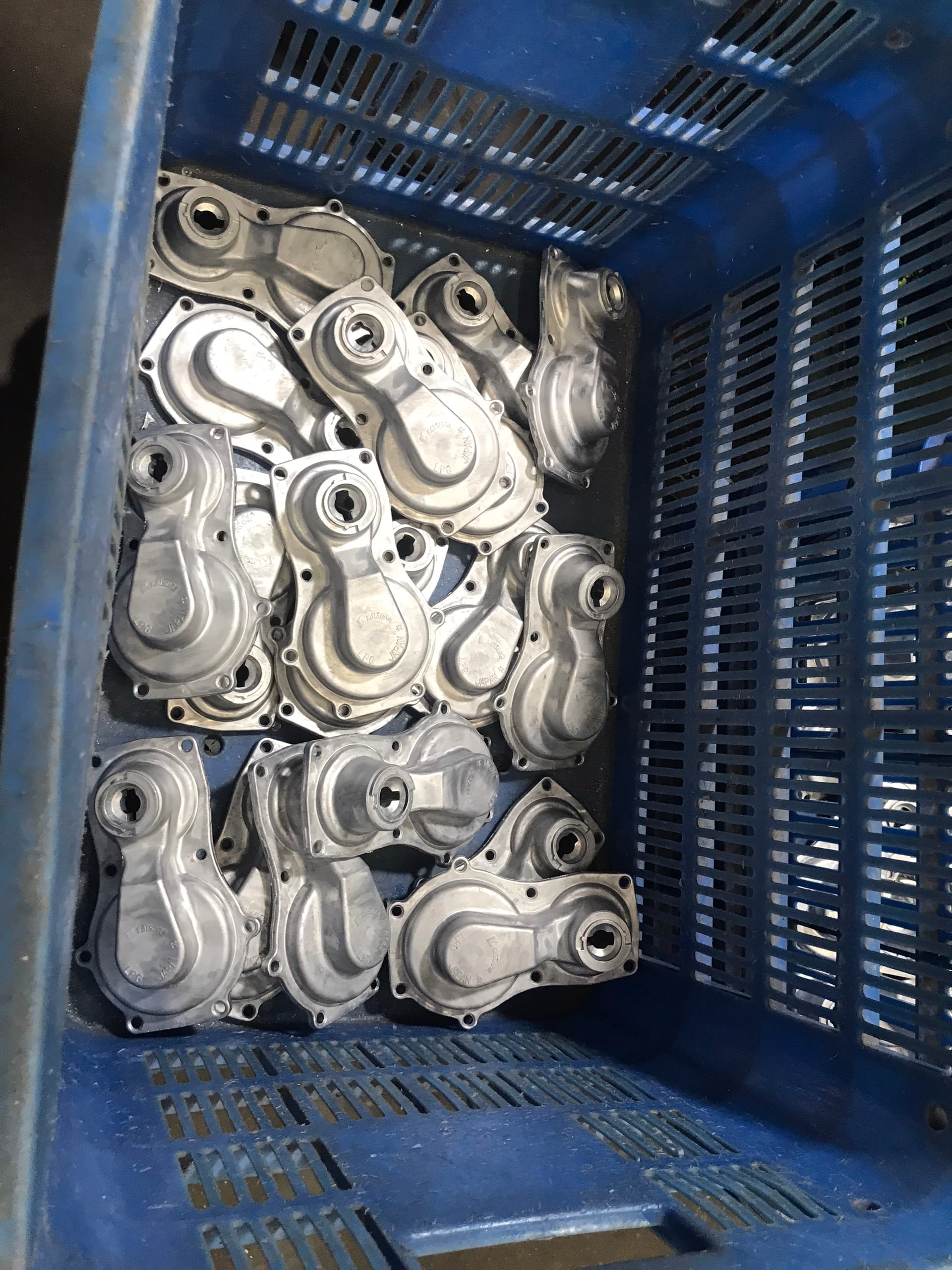
At its core, die casting is elegantly simple: take molten metal, inject it into a precision steel mold at high speed, and let it cool under pressure. The result? Complex, thin-walled parts with excellent surface finish — produced at rates that few other processes can match.
The die casting process forces molten metal into a hardened steel die at high speed, then holds it under pressure while it solidifies. This produces complex, thin-walled metal parts with smooth surfaces and tight tolerances at cycle rates few other casting methods can match.
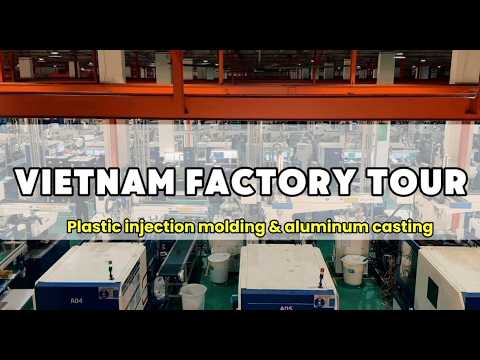
Inside a Vietnam Factory — Plastic Processing & Die Casting
Watch on YouTube
Real footage from an audited DEWIN partner factory in Vietnam.
The Process Step by Step
- Metal melting: The chosen alloy (typically aluminum, zinc, magnesium, or copper) is heated to a molten or semi-molten state.
- High-speed injection: The molten metal is forced into the die cavity at high speed and under significant pressure.
- Pressure solidification: The metal cools and solidifies while still under pressure, ensuring dimensional accuracy and structural integrity.
- Ejection: The die opens and the finished casting is ejected, ready for any secondary operations.
What Makes Die Casting Unique
Two things set die casting apart from other casting methods: speed and automation. The high degree of mechanization means production cycles are fast and consistent. You can also embed inserts directly into castings during the process, simplifying assembly downstream.
What makes die casting unique is the pairing of high pressure with reusable steel tooling: it fills thin, complex cavities in seconds and repeats that result across hundreds of thousands of shots with minimal dimensional drift.
The process handles complex shapes and thin-walled geometries that would be expensive or impossible with machining. That's why you see die castings in everything from automotive transmission housings to smartphone frames.
Where Die Casting Excels
- Electronics and electrical enclosures
- Automotive and motorcycle components
- Door, window, and architectural hardware
- Lighting fixture housings
- Industrial equipment accessories
Looking for Die Casting in Vietnam?
DEWIN partners with specialized die casting factories for aluminum, zinc, and copper alloy production. Get a quote →
Frequently Asked Questions
How is die casting different from sand casting?
Die casting injects metal under high pressure into a permanent steel die, while sand casting uses expendable molds and gravity pouring. That pressure is what gives die casting finer detail and faster cycles, and because the steel die is reusable, the same cavity repeats the result across hundreds of thousands of shots with minimal dimensional drift.
Will a faster injection speed produce a better die casting?
Faster injection does not automatically improve a casting. Excessive injection speed can trap air and cause porosity or surface defects, so fill speed has to be tuned to the specific part geometry and alloy. Holding the metal under pressure while it solidifies, rather than raw fill speed, is what secures dimensional accuracy and structural integrity.
Can inserts be built into a part during die casting?
Inserts can be embedded directly into castings during the die casting process, which simplifies assembly downstream by removing separate joining steps. That capability, combined with the high degree of mechanization the process allows, is a large part of why die casting cycles stay fast and consistent compared with other casting methods.