EV Component Manufacturing in Vietnam: The Complete Factory Guide (2026)
March 8, 2026 · 14 min read
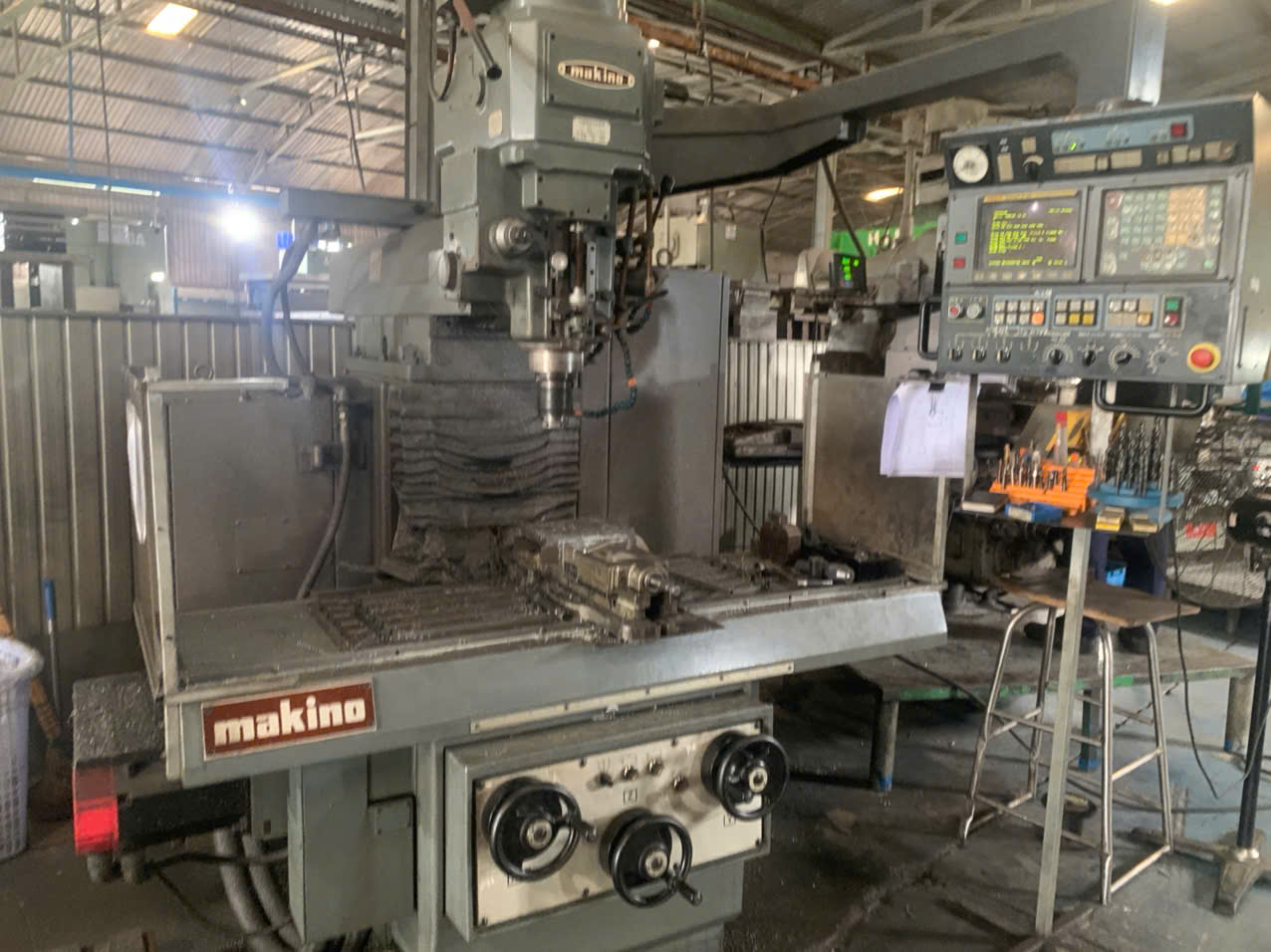
Vietnam is rapidly emerging as a global manufacturing hub for electric vehicle components. With VinFast putting Vietnam on the EV map and a growing ecosystem of precision metalworking factories, the country now offers serious capabilities for international EV buyers looking beyond China. This guide maps Vietnam's EV component manufacturing landscape — the factories, the equipment, and the quality standards that matter.
Vietnam factories produce EV motor housings, rotor and stator shafts, battery enclosures, liquid cooling plates, bus bars, and connector housings — using die casting, 5-axis CNC, stamping, and injection molding, with IATF 16949 and ISO 9001 quality systems available for automotive-grade work.

Inside a Vietnam Technology Manufacturing Plant — CNC & Automation
Watch on YouTube
Real footage from an audited DEWIN partner factory in Vietnam.
Why Vietnam for EV Components?
The convergence of several factors makes Vietnam uniquely positioned for EV component manufacturing in 2026:
Vietnam pairs a VinFast-driven local EV supply chain and Japanese/Korean FDI with a decisive trade edge: 16+ free trade agreements including EVFTA, CPTPP, and RCEP, plus relief from Section 301 Chinese punitive tariffs for qualifying goods on Vietnam-origin goods versus 25%+ on Chinese equivalents.
- VinFast effect: Vietnam's homegrown EV manufacturer has catalyzed an entire supply chain — from CNC machining to stamping to electronics assembly. Hundreds of local suppliers have upgraded capabilities to serve VinFast, and those same factories are now available for export work.
- FDI from Japan, Korea, Taiwan: Major investments in precision manufacturing — Misumi, Nidec, Samsung SDI, and others have established operations, bringing technology transfer and quality culture.
- Competitive labor + modern equipment: Factory labor at $2.50–4/hr combined with Mazak, DMG Mori, and Fanuc machines delivers a cost-quality ratio that's hard to beat.
- Trade advantages: Vietnam has free trade agreements with the EU (EVFTA), UK, Japan, Korea, Australia, and ASEAN members — plus favorable tariff status with the US (0% on most manufactured goods vs. 25%+ from China).
- Young, growing workforce: Median age of 31, with strong vocational training programs in metalworking and CNC operation.
EV Components Made in Vietnam: Factory Capabilities
1. Motor & Drivetrain Components
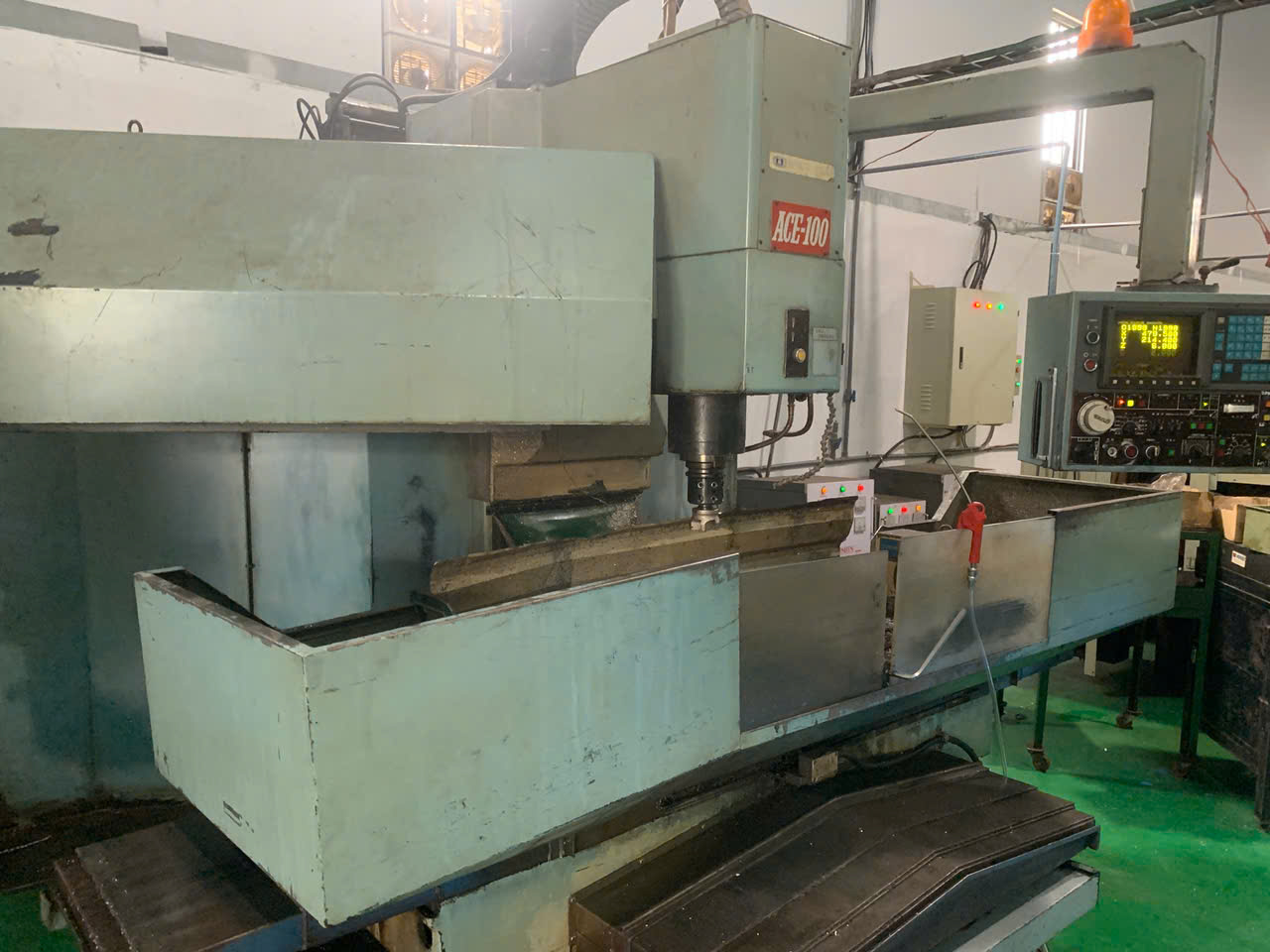
Vietnam's CNC machining sector has matured significantly, with factories now capable of producing critical EV motor components:
| Component | Process | Typical Specs | Factory Count* |
|---|---|---|---|
| Motor housings | Aluminum die casting + CNC | ±0.05mm, up to 800T | 15+ |
| Rotor/stator shafts | CNC turning + grinding | Ra 0.4μm, 4140/4340 steel | 25+ |
| Gear sets | Hobbing + grinding | Module 0.5–8, AGMA 10+ | 8+ |
| Bearing housings | 5-axis CNC machining | ±0.02mm positional | 20+ |
| End caps / flanges | Die cast or CNC | Aluminum 6061/ADC12 | 30+ |
*Approximate count of DEWIN-verified partner factories with verified capability
2. Battery Pack & Thermal Management
Battery enclosures and thermal management components are among the fastest-growing segments in Vietnam's manufacturing export mix:
- Battery enclosures: Laser-cut and welded aluminum or steel sheet metal, with seam-sealing and IP67 testing capabilities. Typical sizes up to 1.5m × 1m.
- Liquid cooling plates: CNC machined from 6061 aluminum with internal serpentine channels. Vacuum brazed or friction-stir welded joints. Helium leak tested to 1×10⁻⁶ mbar·L/s.
- Bus bars: Copper (C11000) CNC machined or stamped, with nickel or tin plating. Factories can hold ±0.1mm on complex multi-bend geometries.
- Heat sinks: Extruded aluminum profiles with CNC-machined mounting surfaces. Custom fin geometries available.
3. Structural & Chassis Components
- Suspension components: Investment cast (lost wax) in stainless steel or alloy steel, followed by CNC finishing. Factories with IATF 16949 certification available.
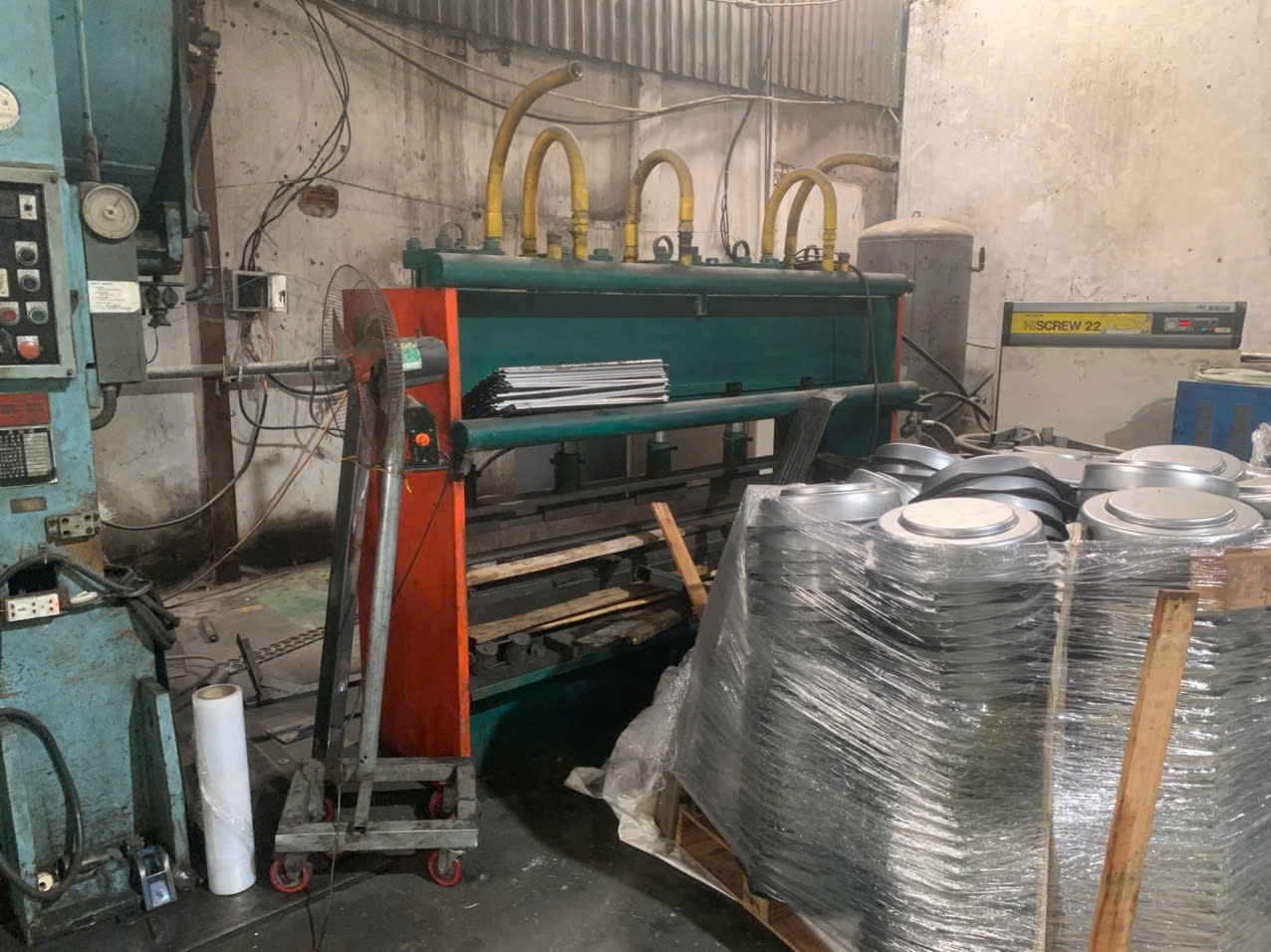
- Subframe brackets: Progressive die stamped in HSLA steel, up to 600T press capacity.
- Battery frame extrusions: Custom aluminum extrusion profiles, 6063-T5 or 6061-T6, with in-house anodizing.
- Structural weldments: Robotic MIG/TIG welded assemblies, AWS D1.1/D1.2 certified welders available.
4. Electronics & Connector Components
- Connector housings: Injection molded in PA66-GF, PBT, or LCP. Multi-cavity tooling with insert molding capability.
- EMI shielding enclosures: Die cast zinc or aluminum, with conductive coatings.
- Terminal pins & contacts: Progressive die stamped brass/copper, with selective gold or silver plating.
Equipment & Technology Landscape
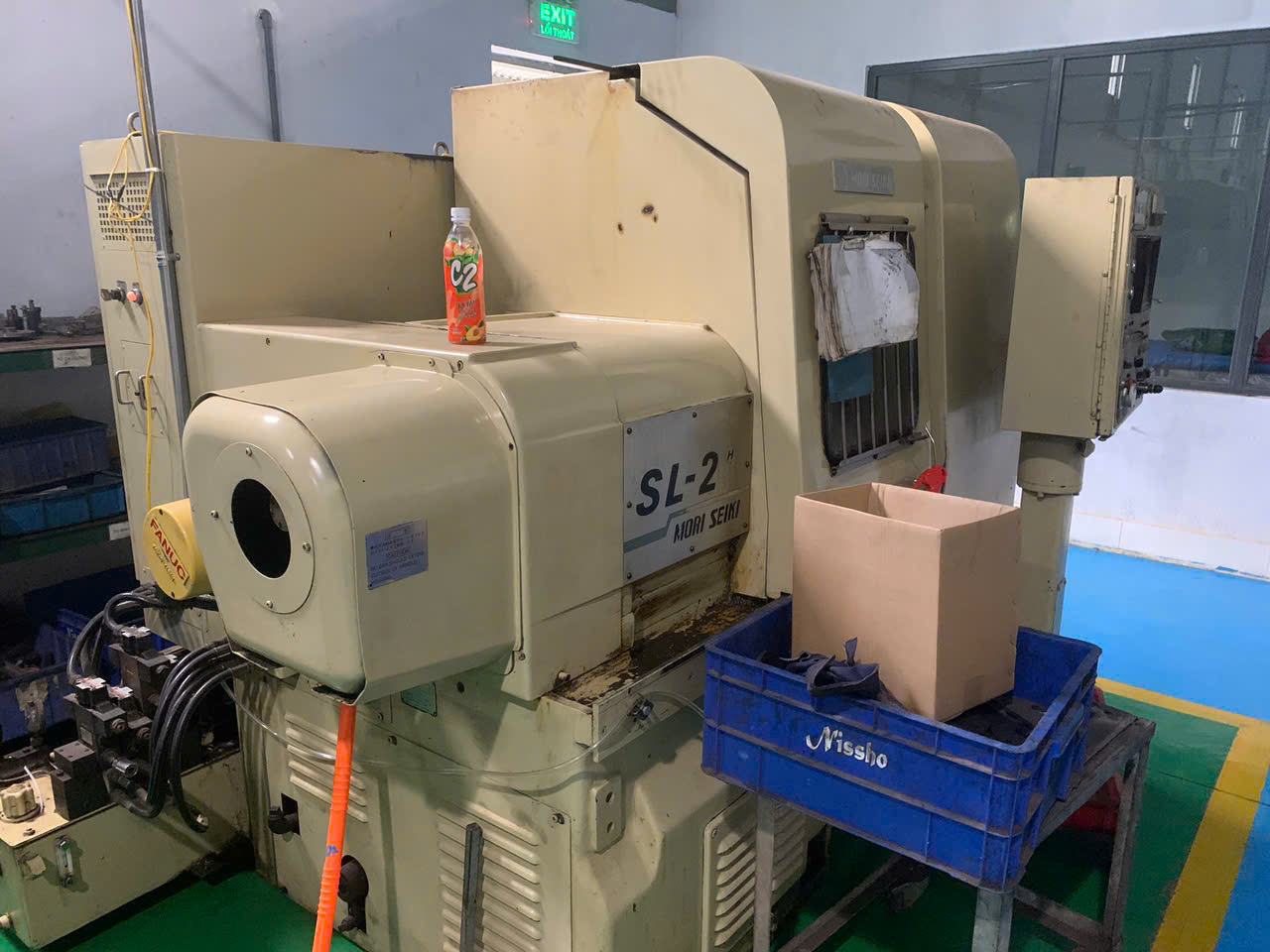
Vietnam's top-tier manufacturing facilities operate equipment from the same brands used by automotive suppliers globally:
| Category | Brands Commonly Found |
|---|---|
| CNC Machining Centers | Mazak, DMG Mori, Fanuc, Haas, Brother, Doosan |
| CNC Lathes | Mazak, Doosan, Hyundai WIA, Takisawa |
| Die Casting Machines | Toshiba, Bühler, LK, Yizumi |
| Stamping Presses | Komatsu, Aida, Chin Fong, Yangli |
| Injection Molding | Engel, Arburg, JSW, Haitian, Chen Hsong |
| Metrology / QC | Zeiss, Mitutoyo, Keyence, Hexagon |
| Welding | Fronius, Lincoln, OTC/Daihen (robotic) |
Quality & Certification Standards
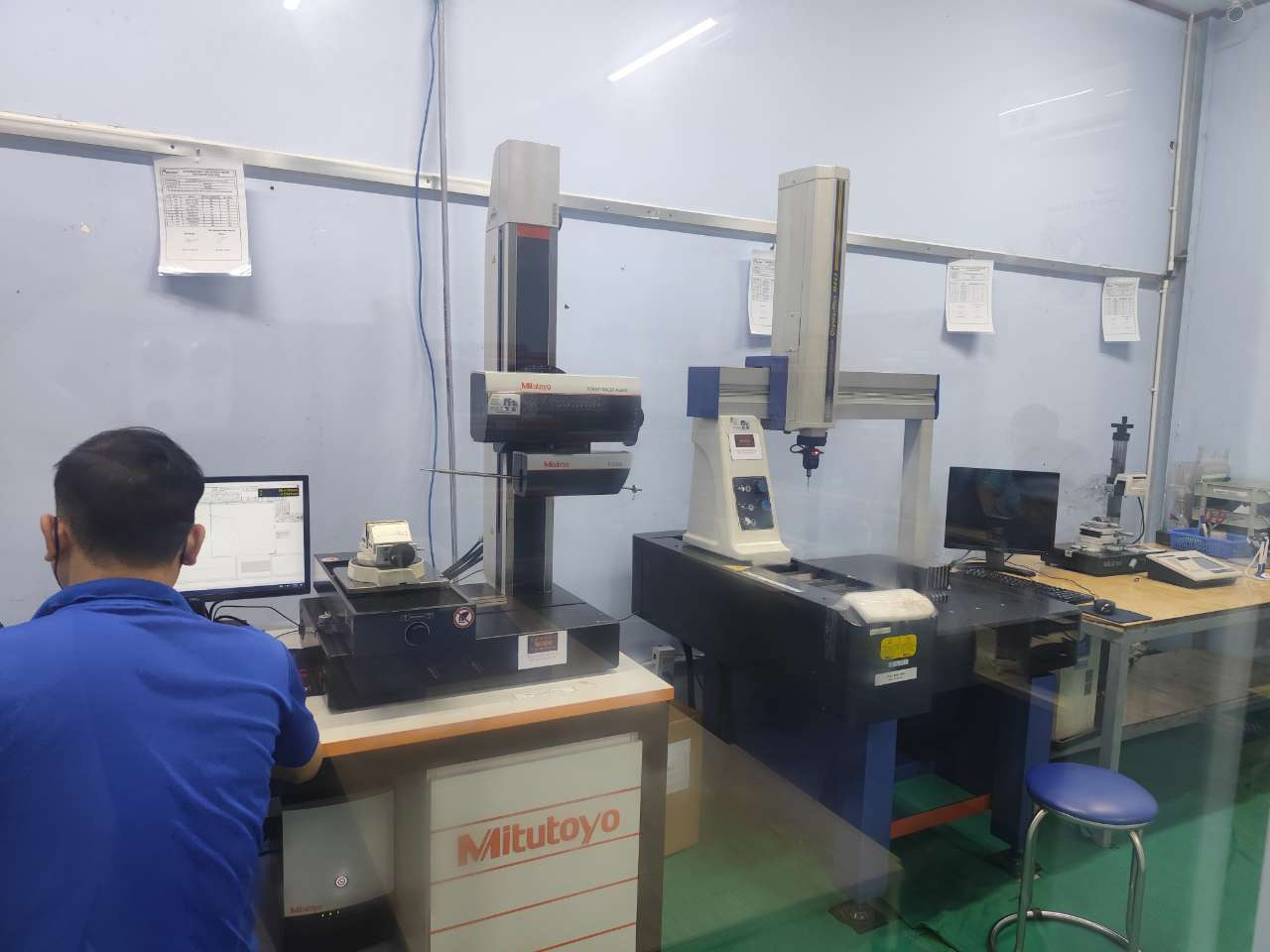
For EV component sourcing, certifications matter. Here's what's available in Vietnam's factory base:
- ISO 9001:2015 — Standard quality management. Baseline for any serious factory.
- IATF 16949 — Automotive quality standard. Growing number of Vietnam factories hold this, driven by Japanese and Korean OEM requirements.
- ISO 14001 — Environmental management. Increasingly required by European EV OEMs.
- ISO 13485 — Medical device quality. Relevant for EV sensor and safety component crossover.
- PPAP / APQP — Advanced product quality planning and production part approval. Available at automotive-grade factories.
Vietnam's EV Ecosystem: Key Clusters
EV component manufacturing is concentrated in several industrial zones:
- Northern Vietnam (Hanoi, Hai Phong, Bac Ninh): Strongest cluster. Proximity to VinFast's Hai Phong factory has created a deep supply chain. Heavy FDI from Japan and Korea. Best for CNC machining, die casting, stamping.
- Southern Vietnam (Ho Chi Minh City, Binh Duong, Dong Nai): Strong in injection molding, rubber/silicone parts, and electronics assembly. Major Taiwanese and Japanese investment.
- Central Vietnam (Da Nang): Emerging hub, particularly for electronics and lightweight assembly. Lower costs than north or south.
Trade Advantages for Global Buyers
Vietnam's network of free trade agreements makes it a strategic sourcing hub for EV buyers worldwide:
| Destination | Agreement | Tariff Impact |
|---|---|---|
| European Union | EVFTA | 0% on most manufactured goods (phased) |
| United Kingdom | UKVFTA | 0% on most manufactured goods |
| Japan | VJEPA + CPTPP | 0% on most industrial products |
| South Korea | VKFTA | 0% on most manufactured goods |
| Australia/NZ | AANZFTA + CPTPP | 0% on most manufactured goods |
| United States | MFN (no FTA) | 0% on most manufactured parts (no Section 301) |
| ASEAN | AFTA/ATIGA | 0% on virtually all goods |
How DEWIN Helps EV Buyers Source from Vietnam
DEWIN is Vietnam's most comprehensive manufacturing sourcing platform:
- vetted Vietnamese manufacturing facilities with verified equipment lists, certifications, and production capacity
- 9,300+ real factory photos — see the actual production floor before you visit
- Dolphin audit reports — our proprietary factory quality assessment covering equipment, quality systems, workforce, and facility condition
- On-ground team — factory audits, sample management, in-process inspection, and logistics coordination
- Factory matching — tell us your specs, volumes, and certification requirements, and we'll shortlist the right factories
Sourcing EV Components from Vietnam?
Send us your component specs and volume requirements. Our team will match you with verified partner factories and provide competitive quotations within 5 business days. Request a quote →
Frequently Asked Questions
Is ISO 9001 enough for an EV production part supplier?
ISO 9001:2015 is the baseline, not the qualification, for EV production parts. Production and safety parts typically need IATF 16949 plus a PPAP submission under APQP, both available at a growing number of Vietnam factories driven by Japanese and Korean OEM requirements. European EV OEMs increasingly add ISO 14001 environmental certification on top.
Which Vietnam region should I source my EV component from?
Northern Vietnam — Hanoi, Hai Phong, Bac Ninh — is the strongest cluster for CNC machining, die casting and stamping, built around VinFast's Hai Phong factory with heavy Japanese and Korean FDI. Southern Vietnam around Ho Chi Minh City, Binh Duong and Dong Nai leads in injection molding and electronics. Da Nang is emerging at lower cost.
How are EV liquid cooling plates made and leak tested in Vietnam?
Liquid cooling plates are CNC machined from 6061 aluminum with internal serpentine channels, then closed with vacuum brazed or friction-stir welded joints and helium leak tested to 1×10⁻⁶ mbar·L/s. Battery enclosures from the same segment are laser-cut and welded aluminum or steel with seam sealing and IP67 testing, at sizes up to 1.5m × 1m.
What tolerances can Vietnam factories hold on EV motor components?
Vietnam factories hold ±0.05mm on die cast plus CNC motor housings, ±0.02mm positional on 5-axis machined bearing housings, and Ra 0.4μm on rotor and stator shafts in 4140 or 4340 steel. Copper C11000 bus bars hold ±0.1mm across complex multi-bend geometries, with Zeiss, Mitutoyo, Keyence or Hexagon metrology verifying results.