Heat Treatment for CNC Machined Parts: Processes, Costs & What to Specify in Your RFQ
March 3, 2026 · 16 min read
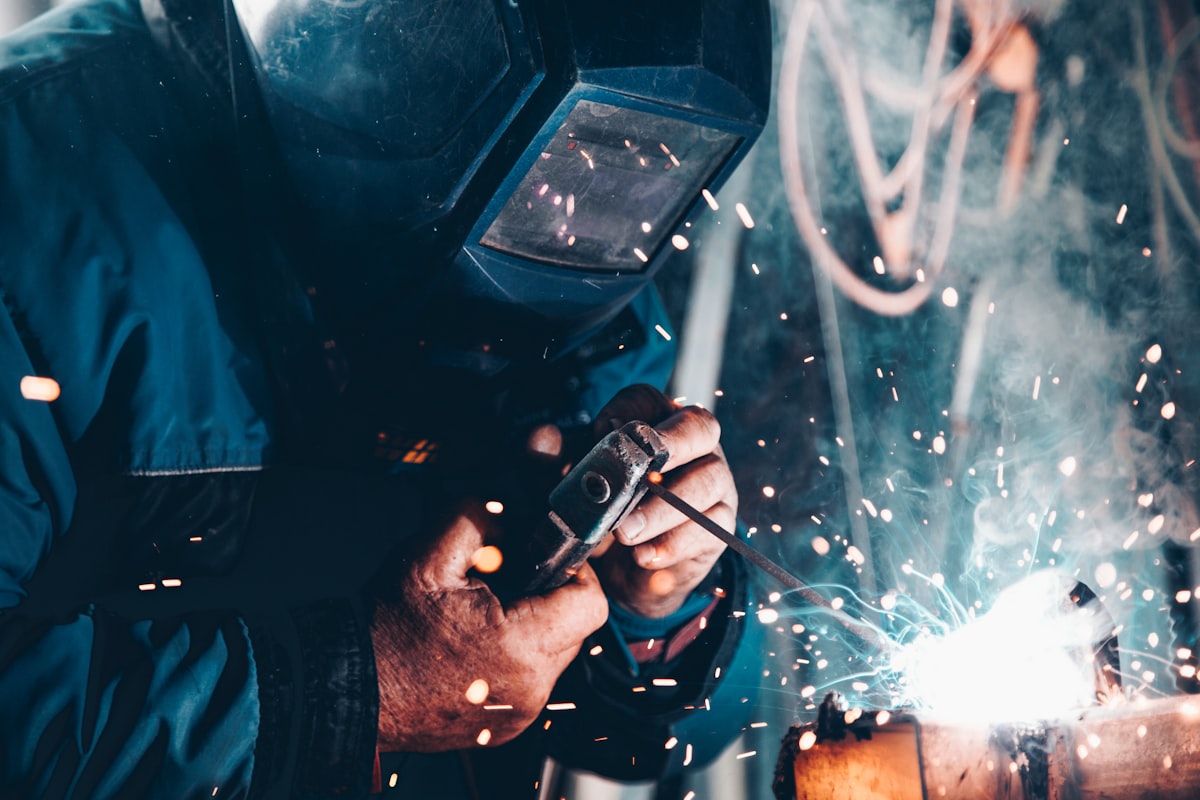
Heat treatment is the most commonly under-specified step in custom parts manufacturing. We review hundreds of RFQs monthly from US buyers, and roughly 40% of steel and aluminum part drawings either omit heat treatment entirely or specify it incorrectly — resulting in parts that fail in service, cost overruns from rework, or unnecessary expense from over-specification.
This guide covers every heat treatment process relevant to CNC machined parts, with real cost data from Vietnam suppliers, clear guidance on when each process is necessary, and exact specifications to include in your RFQ so you get parts that perform correctly the first time. For full machine lists and precision machining specifications across our verified network, review our Vietnam CNC Machining Facilities.
Heat treatment tailors a machined part's hardness, toughness, and dimensional stability — through stress relief, through hardening, case hardening, nitriding, or induction. Vietnam heat-treat costs run roughly 40–65% below US commercial treaters, but only a complete RFQ callout gets parts that perform.

Inside a Vietnam Technology Manufacturing Plant — CNC & Automation
Watch on YouTube
Real footage from an audited DEWIN partner factory in Vietnam.
Why Heat Treatment Matters for Machined Parts
CNC machining introduces residual stresses into metal. Every cut, every pass of the tool plastically deforms the surface layer and creates internal stress gradients. For non-critical parts — brackets, covers, non-structural housings — this rarely matters. But for any part that must hold tight tolerances over time, bear loads, resist wear, or survive fatigue cycling, heat treatment isn't optional.
Machining leaves residual stress that can warp a part after it comes off the fixture. For anything holding tolerances below ±0.025mm, bearing loads, resisting wear, or cycling in fatigue, heat treatment controls warping, sets hardness, and delivers long-term dimensional stability.
Here's what heat treatment actually does at a practical level:
- Stress relief: Removes residual machining stresses that cause warping over time or during assembly — critical for parts with tolerances below ±0.025mm
- Hardening: Increases surface or through-hardness for wear resistance — HRC 58-62 for tool steel parts, HRC 28-32 for medium-carbon steel structural parts
- Toughness optimization: Tempering after hardening restores ductility — prevents brittle fracture under impact or cyclic loading
- Dimensional stability: Stabilizing treatments ensure parts won't change dimensions in service — essential for precision gauges, bearing housings, and inspection fixtures
- Machinability improvement: Annealing before machining can reduce cutting forces by 30-50% for hardened materials, lowering machining cost and improving surface finish
Heat Treatment Processes: When to Use Each One
1. Stress Relieving — The "Should Always Consider" Treatment
What it does: Heats parts to 550–650°C (for steel) or 200–300°C (for aluminum), holds for 1–2 hours per 25mm of thickness, then slow-cools in the furnace. Doesn't change hardness or microstructure — just releases internal stresses.
- When to specify: Any part with tolerances ≤±0.025mm, parts that will be further machined after initial roughing, weldments before final machining, parts over 200mm in any dimension
- Vietnam cost: $0.50–2.00/part for batch processing (50+ parts), $3–8/part for small lots (<10 parts)
- Lead time impact: Adds 1–2 days to production schedule
- Common mistake: Skipping stress relief on tight-tolerance aluminum parts. AL6061-T6 develops significant residual stress from machining — parts can warp 0.05–0.15mm after removal from the fixture. Stress relief at 230°C for 2 hours reduces this to under 0.01mm.
2. Through Hardening (Quench & Temper) — For Load-Bearing Steel Parts
What it does: Heats steel above its austenitic transformation temperature (typically 800–870°C depending on grade), quenches in oil or water to form martensite, then tempers at 150–650°C to achieve the target hardness and toughness combination.
- Applicable materials: Medium and high-carbon steels (1040, 1045, 4140, 4340, 8620), tool steels (D2, A2, H13, O1, S7)
- NOT applicable to: Austenitic stainless steels (304, 316), aluminum alloys, low-carbon steels (<0.25% C)
- Typical results by grade:
- 4140: HRC 28–32 (tempered at 540°C) to HRC 50–54 (tempered at 205°C)
- 4340: HRC 30–35 to HRC 54–58 — better hardenability for larger sections
- D2 tool steel: HRC 58–62 — air quench, triple temper at 205°C for maximum hardness
- H13: HRC 44–52 — for die inserts and high-temperature tooling
- Vietnam cost: $1.50–5.00/kg for standard grades, $5–15/kg for tool steels requiring vacuum furnace treatment
- Dimensional change: Expect 0.05–0.15% growth during hardening. For precision parts, rough machine → heat treat → finish machine to final dimensions.
3. Case Hardening (Carburizing) — Hard Surface, Tough Core
What it does: Diffuses carbon into the surface layer of low-carbon steel at 900–950°C, creating a hard case (HRC 58–62) with a tough, ductile core (HRC 25–35). Case depth is controlled by time and temperature — typically 0.5–2.0mm.
- Best materials: 8620 (most common), 9310, 4320 — low-carbon alloy steels designed for carburizing
- Typical applications: Gears, shafts, pins, cam followers, bearing races — any part needing wear resistance with impact toughness
- Case depth specifications:
- Light duty (pins, fasteners): 0.3–0.5mm effective case depth
- Medium duty (gears, shafts): 0.8–1.2mm
- Heavy duty (large gears, heavy-load bearings): 1.5–2.5mm
- Vietnam cost: $3–8/kg including quench and temper. Gas carburizing is widely available; vacuum carburizing is limited to top-tier shops.
- RFQ tip: Always specify both surface hardness (HRC) AND effective case depth. "Case hardened" without numbers is unmanufacturable — the supplier will guess, and they'll guess wrong.
4. Nitriding — The Precision Option
What it does: Diffuses nitrogen into the surface at 500–550°C (below transformation temperature). Creates extremely hard surface (HV 900–1200) with virtually zero dimensional change.
- Best materials: Nitralloy 135M, 4140, 4340, H13 — alloys containing Al, Cr, or Mo form hard nitrides
- Key advantage: Treatment temperature is low enough that parts don't distort — hardness after final machining with no grinding required
- Typical case depth: 0.2–0.5mm (much thinner than carburizing)
- Vietnam cost: $8–20/kg — more expensive than carburizing due to longer cycle times (20–90 hours)
- When to specify over carburizing: Complex geometry where post-heat-treatment grinding is impractical, parts requiring tight tolerances (±0.01mm) on hardened surfaces, corrosion resistance improvement needed simultaneously
5. Induction Hardening — Selective Surface Hardening
What it does: Rapidly heats specific areas of a part using electromagnetic induction, then quenches. Only the heated zone hardens — the rest remains soft and ductile.
- Best for: Shafts (bearing journals), gears (tooth flanks), pins, rails — any part where only specific surfaces need wear resistance
- Applicable materials: Steels with ≥0.35% carbon — 1045, 4140, 4340 are ideal
- Vietnam cost: $1–4/part for standard geometries (round shafts, simple profiles). Custom coil design for complex shapes adds $500–2,000 NRE.
- Advantage over through hardening: No distortion in unhardened areas, faster cycle time (seconds vs. hours), can be done after finish machining
- Vietnam availability: Good — many shops in HCMC and Hanoi industrial zones have Inductotherm or Ambrell induction equipment
6. Aluminum Heat Treatment — T6, T4, and Aging
Aluminum doesn't respond to traditional hardening — it uses precipitation hardening (aging) instead:
- Solution heat treatment + artificial aging (T6): Heat to 530°C (6061) or 495°C (7075), water quench, then age at 175°C for 8 hours. Achieves maximum hardness and strength.
- T4 temper: Solution treated + natural aging. Lower strength than T6 but better formability — sometimes specified for parts requiring post-machining bending.
- When it matters: If you're buying 6061-T6 bar stock and machining from solid, the material is already heat treated — no additional treatment needed unless you need stress relief. If you're machining from 6061-O (annealed) or casting A356, post-machining T6 treatment is required for structural applications.
- Vietnam cost: $2–6/kg for batch T6 treatment. Most aluminum CNC shops outsource to specialty heat treaters — add 2–3 days lead time.
- Critical spec: Always call out the temper on your drawing (e.g., "Material: AL6061-T6 per AMS-QQ-A-250/11"). Don't assume the supplier knows.
Heat Treatment Cost Comparison: Vietnam vs. US vs. China
Heat treatment costs in Vietnam run 40–65% below US commercial heat treaters, primarily due to lower energy costs ($0.07–0.10/kWh vs. $0.12–0.18/kWh in the US) and labor costs for loading/unloading:
| Process | Vietnam ($/kg) | China ($/kg) | US ($/kg) |
|---|---|---|---|
| Stress relieving | $0.80–1.50 | $0.60–1.20 | $2.50–5.00 |
| Quench & temper (4140) | $1.50–3.50 | $1.20–2.80 | $4.00–8.00 |
| Gas carburizing (0.8mm case) | $3.00–6.00 | $2.50–5.00 | $8.00–15.00 |
| Nitriding (gas, 0.3mm case) | $8.00–15.00 | $6.00–12.00 | $18.00–35.00 |
| Vacuum hardening (tool steel) | $5.00–12.00 | $4.00–10.00 | $12.00–25.00 |
| Induction hardening (per part) | $1.00–4.00 | $0.80–3.00 | $3.00–10.00 |
Note: China prices shown before Section 301 tariffs (25%). After tariffs, China landed cost is comparable to or higher than Vietnam for most heat treatment services.
How to Specify Heat Treatment in Your RFQ
The difference between a problematic heat treatment spec and a clear one is the difference between getting usable parts and getting expensive scrap. Here's exactly what to include:
Minimum RFQ Requirements
- Material grade + starting condition: "4140 pre-hardened to HRC 28–32" is very different from "4140 annealed, to be hardened after machining." The sequence changes the price by 20–40%.
- Target hardness with range: Always give a range, not a point. "HRC 58–62" not "HRC 60." Tighter ranges cost more — ±1 HRC requires careful process control.
- Surface vs. core hardness (for case hardening): "Surface: HRC 58–62, Core: HRC 25–35, Effective case depth: 0.8–1.2mm per ASTM E384."
- Applicable standard: Reference AMS 2759 (aerospace), ASTM A255 (hardenability), or your industry spec. Without a standard, you're relying on the supplier's interpretation.
- Areas to protect (if applicable): "Threads to remain unhardened — mask or copper-plate before carburizing." This is a $2–5/part adder but prevents cracked threads.
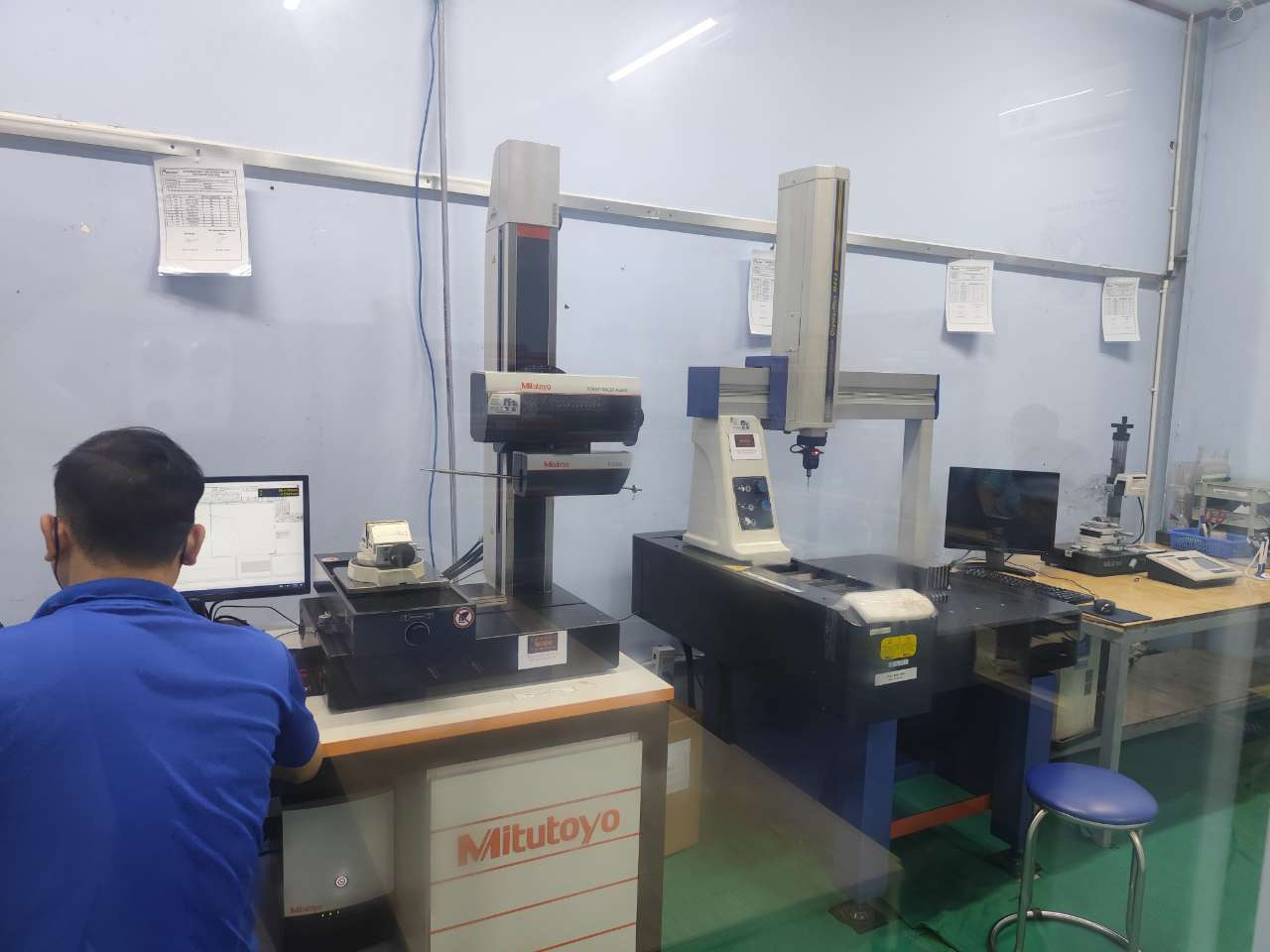
- Testing requirements: "Hardness test per Rockwell C scale, 3 locations per part, test report included" — specify this or you won't get verification.
Common Specification Mistakes
- "Heat treat to print": If there's no heat treatment callout on the drawing, the supplier will skip it. Always have an explicit callout — even "No heat treatment required" prevents assumptions.
- Specifying hardness on the wrong material: You can't quench-harden SS304 or AL6061. If your drawing says "SS304, HRC 40" you'll get confusion, delays, and possibly nitrided parts that don't meet the intent.
- Forgetting the machining sequence: If you need ±0.01mm tolerances AND HRC 55+ hardness, you MUST rough machine → heat treat → finish machine (or finish grind). Trying to hold tight tolerances through heat treatment distortion is a recipe for rejected parts.
- Not specifying decarburization limits: Furnace atmosphere control matters. Without specifying "maximum decarburization depth: 0.1mm per side" on critical surfaces, you may get parts with a soft skin that wears through immediately.
- Over-specifying for the application: A mounting bracket doesn't need HRC 55. Over-hardened parts are brittle, cost more to machine, and add unnecessary lead time. Match the spec to the function.
Machining Sequence Strategies
The biggest cost driver in heat-treated parts isn't the heat treatment itself — it's the machining sequence. Getting this right can save 20–40% on total part cost:
Strategy 1: Machine from Pre-Hardened Stock (Simplest)
- How it works: Buy material already hardened to your target (e.g., 4140 pre-hard HRC 28–32), machine to final dimensions
- Best for: Parts needing moderate hardness (HRC <35), tolerances ≥±0.025mm
- Advantage: Single machining operation, no heat treatment lead time, no distortion risk
- Cost impact: Material costs 10–20% more than annealed, but saves $3–8/part in heat treatment + handling
Strategy 2: Rough → Heat Treat → Finish (Most Common)
- How it works: Rough machine with 0.3–0.5mm stock allowance on critical dimensions → heat treat → finish machine or grind to final dimensions
- Best for: Parts needing HRC 40+, tolerances ≤±0.025mm
- Key detail: Leave enough stock to clean up distortion. Typical distortion allowances: 0.1–0.3mm for through hardening, 0.05–0.15mm for case hardening, <0.02mm for nitriding.
- Cost impact: Two machining setups + heat treatment. 30–50% more than single-operation, but necessary for precision hardened parts.
Strategy 3: Machine → Nitride (Precision Option)
- How it works: Machine to final dimensions → nitride at 500–550°C → parts come out dimensionally stable with hard surface
- Best for: Complex parts where post-heat-treatment machining is impractical, mold components, precision slides
- Advantage: Single machining operation with hardened surface result. No grinding required.
- Trade-off: Nitriding is 2–5× more expensive per kg than carburizing, and case depth is limited to ~0.5mm max
Vietnam Heat Treatment Capability Assessment
Vietnam's heat treatment infrastructure has improved significantly, but it's important to understand the current capability landscape:
- Widely available: Atmosphere-controlled batch furnaces for quench & temper, stress relief, annealing. Most medium and large CNC shops either have in-house furnaces or partner with nearby heat treaters.
- Growing availability: Vacuum furnaces for tool steel and aerospace work. Concentrated in HCMC industrial zones (Binh Duong, Long An) and Hanoi (Bac Ninh, Hai Duong).
- Induction hardening: Available at automotive-focused shops. Quality varies — ask for CPk data on hardness and case depth.
- Limited availability: Plasma nitriding, cryogenic treatment, electron beam hardening. For these, parts typically go to a specialty subcontractor — add 3–5 days to lead time.
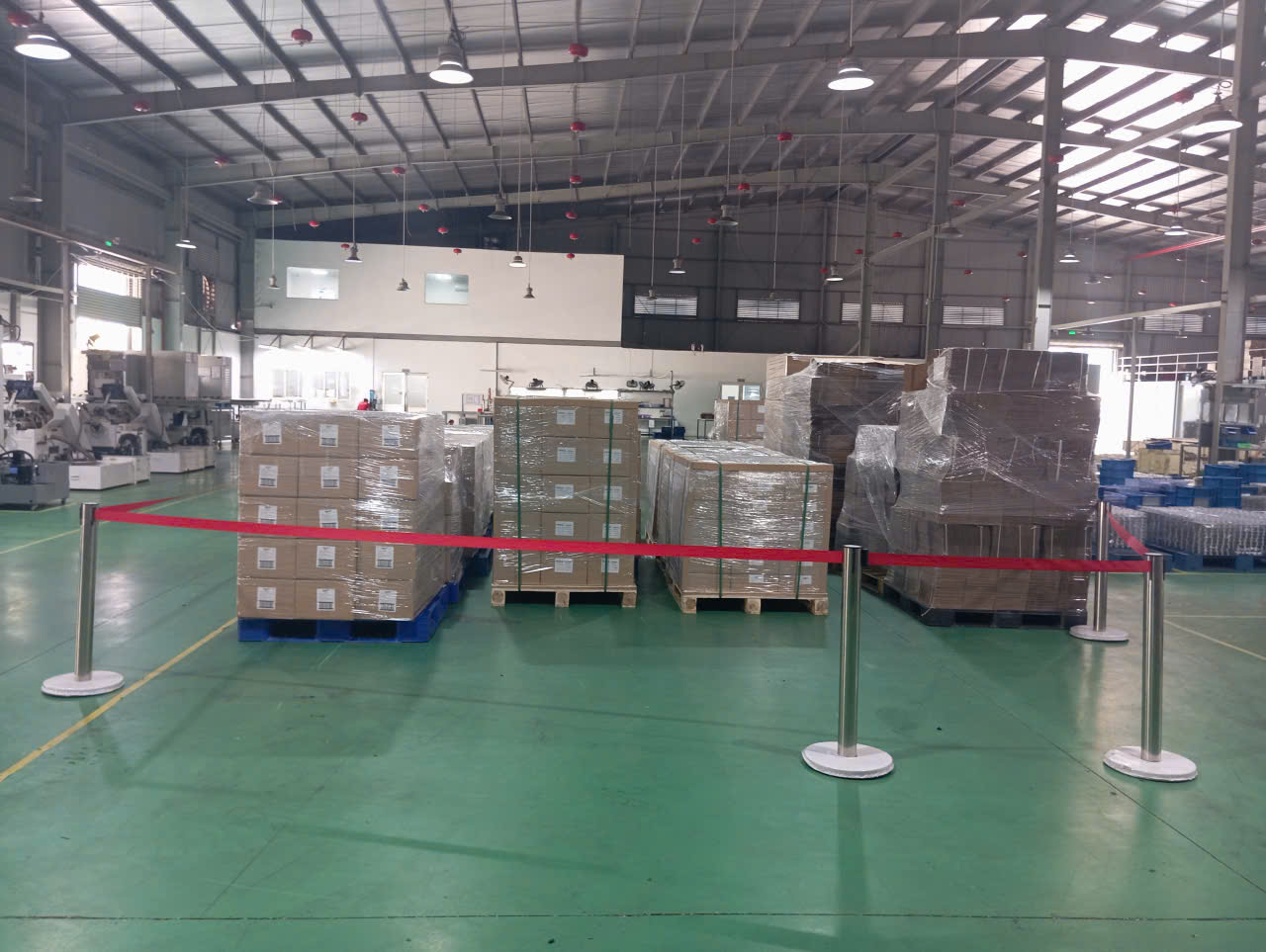
- What to verify: Ask for furnace temperature uniformity surveys (AMS 2750 compliance), pyrometry calibration records, and atmosphere control capability (especially important for carburizing).
Material-Process Compatibility Quick Reference
| Material | Through Harden | Case Harden | Nitride | Induction |
|---|---|---|---|---|
| 1018 / 1020 | ❌ Too low carbon | ✅ Ideal | ⚠️ Low response | ❌ Too low carbon |
| 1045 | ✅ HRC 50–55 | ⚠️ Possible, not ideal | ⚠️ Moderate | ✅ Excellent |
| 4140 | ✅ HRC 28–54 | ⚠️ High core carbon | ✅ Good (Cr content) | ✅ Excellent |
| 4340 | ✅ HRC 30–58 | ❌ Not recommended | ✅ Good | ✅ Excellent |
| 8620 | ⚠️ Low hardness | ✅ Designed for it | ⚠️ Moderate | ❌ Too low carbon |
| D2 Tool Steel | ✅ HRC 58–62 | ❌ Already high carbon | ✅ Excellent | ❌ Air hardening steel |
| SS304 / SS316 | ❌ Austenitic | ❌ Not applicable | ✅ Low-temp plasma | ❌ Non-magnetic |
| 17-4 PH | ✅ Age hardening | ❌ Not applicable | ⚠️ Possible | ❌ Precipitation hardened |
| AL6061 / AL7075 | ❌ Use T6 aging | ❌ Not applicable | ❌ Not applicable | ❌ Not applicable |
Bottom Line: What to Do Right Now
- Audit your current drawings. Check every steel part drawing for heat treatment callouts. Missing specs = parts that may fail.
- Match the treatment to the function. A mounting bracket doesn't need HRC 55. A wear pin doesn't need through-hardening when induction on the OD will do. Over-specification wastes money.
- Plan the machining sequence before quoting. Rough → heat treat → finish is standard for high-hardness precision parts. Include this in your RFQ so suppliers quote the correct number of operations.
- Specify hardness ranges, case depths, and test requirements. "Heat treated" without numbers is not a specification — it's a wish.
- Factor Vietnam's cost advantage into your sourcing. At 40–65% below US heat treatment costs, the savings compound on parts requiring both machining and heat treatment.
Get a Quote for Heat-Treated CNC Parts
Upload your drawings with heat treatment specifications and get quotes from our audited Vietnam suppliers within 48 hours. We verify heat treatment capability, furnace certifications, and testing equipment before matching you with the right manufacturer.
Request a Quote →Frequently Asked Questions
How much stock should I leave on a part before heat treatment?
Stock allowance before heat treatment should be enough to clean up distortion — roughly 0.1–0.3mm for through hardening, 0.05–0.15mm for case hardening, and under 0.02mm for nitriding. The standard sequence is rough machine, heat treat, then finish machine or grind. Trying to hold tight tolerances through heat treatment distortion is a recipe for rejected parts.
Which heat treatment processes are hard to source inside Vietnam?
Plasma nitriding, cryogenic treatment, and electron beam hardening have limited availability in Vietnam, so parts typically go to a specialty subcontractor — add 3–5 days to lead time. Atmosphere-controlled batch furnaces for quench and temper, stress relief, and annealing are widely available, and vacuum furnaces are growing in the HCMC and Hanoi industrial zones.
Does 6061-T6 bar stock need heat treatment after machining?
6061-T6 bar stock is already heat treated, so parts machined from solid need no further treatment unless you want stress relief. Material machined from 6061-O (annealed) or A356 castings does need post-machining T6 for structural applications. Call out the temper explicitly on the drawing rather than assuming the supplier will infer it.
What should I ask to verify a Vietnam heat treater's process control?
Furnace temperature uniformity surveys per AMS 2750, pyrometry calibration records, and atmosphere control capability are the three things to request, with atmosphere control mattering most for carburizing. For induction hardening, where quality varies between Vietnamese shops, ask for CPk data on hardness and case depth instead of accepting a general capability claim.