Choosing between aluminum and copper alloy applications in sheet metal fabrication 1 is a decision our engineering team navigates with clients every week — and getting it wrong means wasted budget, delayed timelines, and parts that fail in the field.
Aluminum and copper alloy applications differ in sheet metal fabrication primarily by weight, cost, and conductivity: aluminum dominates lightweight, cost-sensitive, and corrosion-resistant projects, while copper is essential for high-density electrical conductivity and thermal conductivity tasks where compact geometry and performance cannot be compromised.
This article breaks down the core differences, walks through alloy-specific use cases, and gives you a practical material selection guide. Whether you are sourcing custom brackets for automotive applications or busbars for a data center, the information below will help you make a confident decision.
How do I determine if aluminum or copper is the better material for my custom sheet metal application?
A purchasing manager in Ohio recently asked our team this exact question while spec'ing out a new enclosure for power distribution equipment — his drawings could work with either metal, but the downstream consequences of choosing wrong were significant.
To determine the better material, evaluate your project's weight limits, electrical and thermal conductivity needs, corrosion environment, and budget — aluminum suits large, lightweight, cost-driven parts, while copper is the right call when high current density or heat dissipation in tight spaces is non-negotiable.
Start With the Core Properties
The first step is to compare the fundamental physical properties side by side. This table captures the numbers that matter most during material selection:
| Property | Aluminum (6061) | Copper (C110) | Key Takeaway |
|---|---|---|---|
| Density | 2.70 g/cm³ | 8.89 g/cm³ | Aluminum is 3.3× lighter |
| Thermal Conductivity 2 | ~167 W/mK | ~390 W/mK | Copper conducts 2.3× more heat per unit length |
| Electrical Conductivity 3 (IACS) | 61% | 100% | Copper is the benchmark for electrical wiring |
| Machinability Rating | 170% | 20% | Aluminum machines 3–5× faster |
| Approximate Cost Multiplier | 1× | 3–5× | Copper parts cost significantly more |
| Corrosion Resistance | Excellent (oxide layer) | Good (patina), needs plating | Aluminum anodizes readily |
These numbers tell a clear story. If your project prioritizes the strength to weight ratio — think aerospace brackets, EV battery trays, or robotic arm housings — aluminum wins. If your part must carry high current in a compact footprint, copper is irreplaceable.
Think About Geometry and Environment
When we review customer drawings for fabrication processes, we always ask: how much space is available? Copper's raw electrical conductivity means a copper busbar can be physically smaller than an aluminum one carrying the same current. Aluminum needs roughly 60% more cross-sectional area to match copper's capacity. In a crowded switchgear panel, that extra space may not exist.
On the other hand, aluminum's natural oxide layer gives it outstanding corrosion resistance in outdoor, marine, and humid environments. Copper oxidizes too, forming a green patina, but in electrical contacts that patina can increase resistance over time. For architectural uses and outdoor enclosures, aluminum is the safer bet without costly plating.
Don't Overlook Formability and Joining
Not all alloy grades behave the same during metal forming. Aluminum 5052 bends beautifully and welds cleanly with TIG or laser. Aluminum 6061 4 offers higher strength and machines well, but it is slightly less forgiving on tight bends. Copper, especially in its annealed state, is soft and easy to form — and it solders and brazes without the aggressive oxide removal that aluminum demands. However, aluminum-copper alloys like 2024, while offering impressive fatigue strength, have poor weldability and are uncommon for formed sheet metal parts.
A Simple Decision Checklist
Ask yourself these questions:
- Is weight a primary concern? → Lean aluminum.
- Does the part carry high current in a small space? → Lean copper.
- Is the part exposed to weather or salt spray? → Lean aluminum.
- Does the design require soldered joints? → Lean copper.
- Is budget tight and volume high? → Lean aluminum.
- Does the part need to resist vibration without work-hardening 5? → Lean copper (annealed).
This checklist is not a substitute for detailed engineering analysis, but it narrows the field quickly.
How will the cost difference between these two alloys affect my total procurement budget?
One lesson we learned early while managing sourcing projects for U.S. buyers is that raw material price is only the beginning of the cost conversation — the real budget impact shows up in machining time, tooling wear, scrap rates, and surface finishing.
Copper typically costs 3–5× more than aluminum per finished part due to higher raw material prices, slower machining speeds, greater tooling wear, and heavier shipping weight — making aluminum the dominant choice for cost-driven, high-volume sheet metal fabrication projects.
Raw Material vs. Total Landed Cost
Many buyers compare per-pound metal prices and stop there. That approach misses the full picture. Here is a breakdown of where costs diverge across the production cycle:
| Cost Factor | Aluminum Impact | Copper Impact |
|---|---|---|
| Raw Material (per lb) | Lower, relatively stable | 3–10× higher, volatile market swings |
| Machining Speed | 3–5× faster | Slow; requires more spindle time |
| Tool Life | Longer | Shorter; copper is abrasive on tooling |
| Scrap Value | Moderate | High (partially offsets material cost) |
| Shipping Weight | Light (lower freight) | Heavy (significantly higher freight) |
| Surface Finishing | Anodizing is cost-effective | Often requires nickel or tin plating |
| Recycling Infrastructure | Widespread, energy-efficient | Available but less cost-efficient |
When we quote projects for clients, we calculate total landed cost — including fabrication processes, finishing, inspection, packaging, and door-to-door logistics. On a recent control box enclosure project, switching from copper to aluminum 6061 cut the per-unit cost by over 55% and reduced ocean freight charges because the pallet weight dropped substantially.
Budget Planning for Volatile Copper Prices
Copper prices swing more than aluminum. Over the past five years, copper has seen price spikes of 30% or more within a single quarter. If your project has a long lead time or multi-year contract, copper exposes your procurement budget to risk. We recommend that buyers sourcing copper parts negotiate material price adjustment clauses with their supplier. Aluminum pricing is more predictable, which makes forecasting easier.
When Copper's Premium Is Justified
Despite the higher cost, copper pays for itself in specific scenarios. In high-density electronics, a copper heat spreader may eliminate the need for a larger heat sink assembly, saving board space and reducing total system cost. For busbars in tight electrical panels, copper's smaller cross-section avoids expensive redesigns of the enclosure itself. The key is to evaluate the cost at the system level, not the component level.
For most large-scale enclosures, chassis, and general-purpose heat sinks, aluminum delivers the performance you need at a fraction of the price. Reserve copper for the applications where its thermal conductivity and electrical conductivity genuinely cannot be substituted.
What technical challenges should I discuss with my supplier to avoid quality issues in copper or aluminum fabrication?
During a recent PPAP review for an aluminum bracket order, our quality team flagged a springback issue on a 90-degree bend that the supplier had not accounted for — the kind of detail that turns into a non-conformance report if you do not catch it early.
Key technical challenges include aluminum's springback during bending, oxide layer interference with welding and electrical contacts, copper's work-hardening during forming, galvanic corrosion at bimetallic joints, and alloy-specific weldability limits — all of which require proactive discussion with your fabrication supplier before production begins.
Aluminum-Specific Challenges
Aluminum is forgiving in many ways, but it has quirks that catch inexperienced shops off guard.
Springback. Aluminum alloys spring back more than mild steel after bending. A shop must over-bend or use adjusted tooling. The amount of springback varies by alloy grade — 5052 is more predictable than 6061 or 7075.
Welding oxide removal. Aluminum's protective oxide layer melts at a much higher temperature than the base metal. If the oxide is not removed aggressively before TIG or laser welding, you get porosity and weak joints. This is a common root cause of field failures.
Surface conductivity. That same oxide layer is electrically insulative. For parts that need reliable electrical contact — grounding lugs, connector plates — the design must specify surface preparation or plating at contact zones.
Alloy weldability differences. Not all aluminum alloy grades are weldable. 2024 (an aluminum-copper alloy) has excellent strength and fatigue resistance but very poor weldability. If your design requires welded joints, stick with 5052 or 6061.
| Aluminum Challenge | Root Cause | Mitigation |
|---|---|---|
| Springback on bends | Elastic recovery of alloy | Over-bend compensation, adjusted tooling |
| Weld porosity | Oxide layer contamination | Pre-weld oxide removal, shielding gas |
| Poor electrical contact | Insulative oxide layer | Plating, surface prep at contact zones |
| Cracking on tight bends (7075) | Low ductility of high-strength alloys | Use 5052 for complex forms; avoid 7075 for bent parts |
| Galvanic corrosion 6 at copper joints | Dissimilar metal contact | Dielectric separators, proper plating |
Copper-Specific Challenges
Copper presents a different set of issues during metal forming and fabrication processes.
Work-hardening. Cold-worked copper becomes stiff and brittle. If your part requires multiple forming steps, you need intermediate annealing. Annealed copper handles vibration well, but the annealing step adds cost and lead time.
Creep under sustained load. Copper resists creep better than aluminum, but bolted electrical connections in copper assemblies still need proper torque specs and periodic re-torquing in high-temperature environments.
Oxidation at elevated temperatures. Copper oxidizes readily when heated. Soldering and brazing are easier than with aluminum, but the process still requires flux and controlled atmospheres to prevent excessive oxide formation on finished surfaces.
The Galvanic Corrosion Trap
This one deserves special attention. When aluminum and copper are in direct contact with an electrolyte — even humidity — galvanic corrosion attacks the aluminum aggressively. I have seen assemblies where an aluminum panel bolted to a copper busbar corroded through within months in a coastal environment. The fix is simple: use dielectric separators, stainless steel fasteners, or specify plating barriers. But you must discuss this with your supplier at the design stage, not after parts arrive.
Creep Resistance in Long-Term Connections
For electrical connections under sustained mechanical stress, copper generally demonstrates better creep resistance than aluminum. Aluminum connections can loosen over time as the material slowly deforms, increasing contact resistance and generating heat. This is why critical electrical joints in aluminum often require Belleville washers or specific torque maintenance schedules.
How can I ensure my sourcing partner in Asia has the expertise to handle both aluminum and copper projects?
When a buyer in the U.S. asks us to manage a project involving both aluminum enclosures and copper busbars from the same region, the first thing we do is separate the supplier qualification process — because excellence in one metal does not guarantee competence in the other.
Ensure your Asian sourcing partner can demonstrate alloy-specific process controls, material certifications, weld procedure qualifications for each metal, and a documented quality system — including PPAP capability, incoming material inspection, and in-process checks tailored to aluminum and copper fabrication differences.
What to Audit at the Supplier Level
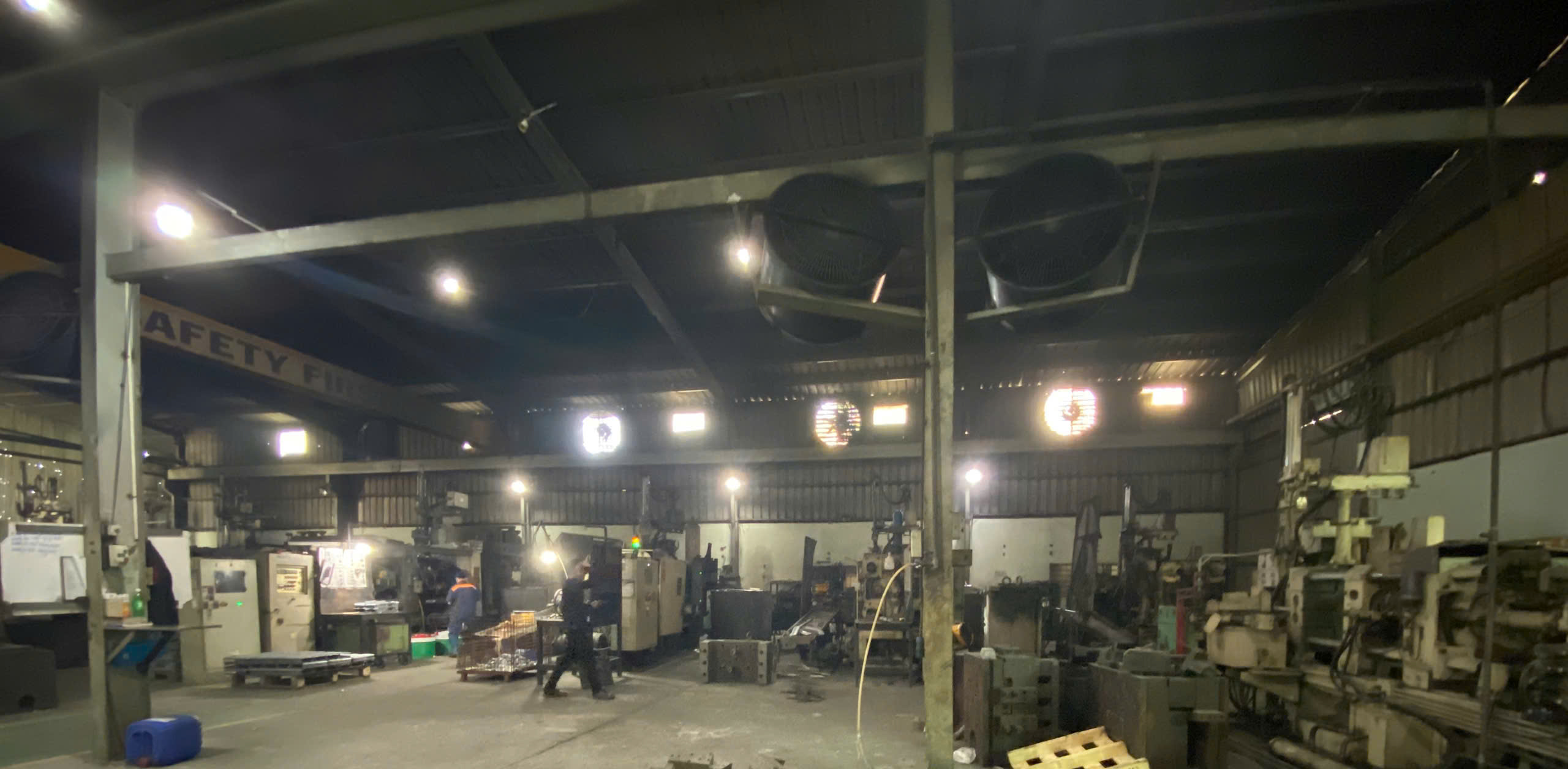
Our team in Vietnam and China conducts supplier audits regularly. Here is what we look for when evaluating a shop's readiness for both metals:
Separate tooling and process parameters. A shop that bends aluminum all day may not have adjusted brake press settings, tooling radii, or lubrication protocols for copper. We check whether they maintain separate setup sheets for each material.
Material traceability. Copper and aluminum come in many alloy grades. We verify that the supplier has incoming inspection procedures to confirm material certificates match the spec on the drawing. A 5052 sheet mixed up with a 6061 sheet can pass visual inspection but fail in the field.
Weld qualification. If the project requires welding, the supplier must have qualified welders and documented weld procedures for the specific alloy. TIG welding aluminum 6061 is very different from brazing copper C110 7. We ask for weld procedure qualification records (WPQRs) and welder performance qualifications (WPQs).
Surface treatment capability. Aluminum anodizing and copper nickel plating require different chemical lines. A supplier that only anodizes may not have the capability — or the subcontractor relationship — to plate copper parts to your spec.
Questions to Ask Before Placing an Order
Here is a practical list that purchasing managers can use during supplier discussions:
- What aluminum and copper alloy grades have you processed in the past 12 months?
- Can you provide material test reports (MTRs) for recent jobs?
- Do you have separate process control plans for aluminum vs. copper fabrication?
- What is your first-pass yield rate on copper bending and forming?
- How do you prevent galvanic corrosion in assemblies with both metals?
- Can you support a full PPAP submission 8, including dimensional reports and process flow diagrams?
- What are your standard sheet metal thickness ranges for each material, and how do you handle copper price volatility?
Why a Local Team Matters
Relying on email alone to manage these details across time zones is risky. Our offices in Vietnam and China allow us to conduct in-person audits, witness first-article inspections, and resolve issues on the production floor — not weeks later when parts arrive in the U.S. This hands-on presence is especially important for copper projects, where heat dissipation requirements and tight tolerances leave little room for error. Having a local team also helps us enforce process discipline, from incoming material checks through final inspection and packaging.
For buyers who need both aluminum and copper parts, we often recommend splitting the work across specialized suppliers rather than forcing one shop to do everything. We then manage the supply chain centrally, coordinating timelines, quality standards, and logistics so the buyer receives a single, consolidated shipment.
Conclusion
Aluminum and copper alloy applications each serve distinct roles in sheet metal fabrication. Match your material to the project's weight, conductivity, cost, and environmental demands — and partner with a sourcing team that understands both.
Frequently Asked Questions
How do I determine if aluminum or copper is the better material for my custom sheet metal application?
A purchasing manager in Ohio recently asked our team this exact question while spec'ing out a new enclosure for power distribution equipment — his drawings could work with either metal, but the downstream consequences of choosing wrong were significant.
How will the cost difference between these two alloys affect my total procurement budget?
One lesson we learned early while managing sourcing projects for U.S. buyers is that raw material price is only the beginning of the cost conversation — the real budget impact shows up in machining time, tooling wear, scrap rates, and surface finishing.
What technical challenges should I discuss with my supplier to avoid quality issues in copper or aluminum fabrication?
During a recent PPAP review for an aluminum bracket order, our quality team flagged a springback issue on a 90-degree bend that the supplier had not accounted for — the kind of detail that turns into a non-conformance report if you do not catch it early.
Footnotes
1. Explains the fundamental process of transforming flat metal sheets into products. ↩︎
2. Replaced HTTP 403 with Wikipedia’s comprehensive article on thermal conduction, an authoritative source. ↩︎
3. Replaced HTTP 403 with Wikipedia’s comprehensive article on electrical resistivity and conductivity, an authoritative source. ↩︎
4. Details the composition and properties of 6061 aluminum alloy. ↩︎
5. Defines work hardening and its effect on material strength. ↩︎
6. Provides a comprehensive explanation of galvanic corrosion. ↩︎
7. Explains the key properties and applications of C110 copper alloy. ↩︎
8. Describes the Production Part Approval Process for manufacturing. ↩︎
9. Explains the concept of tracking materials throughout the supply chain. ↩︎