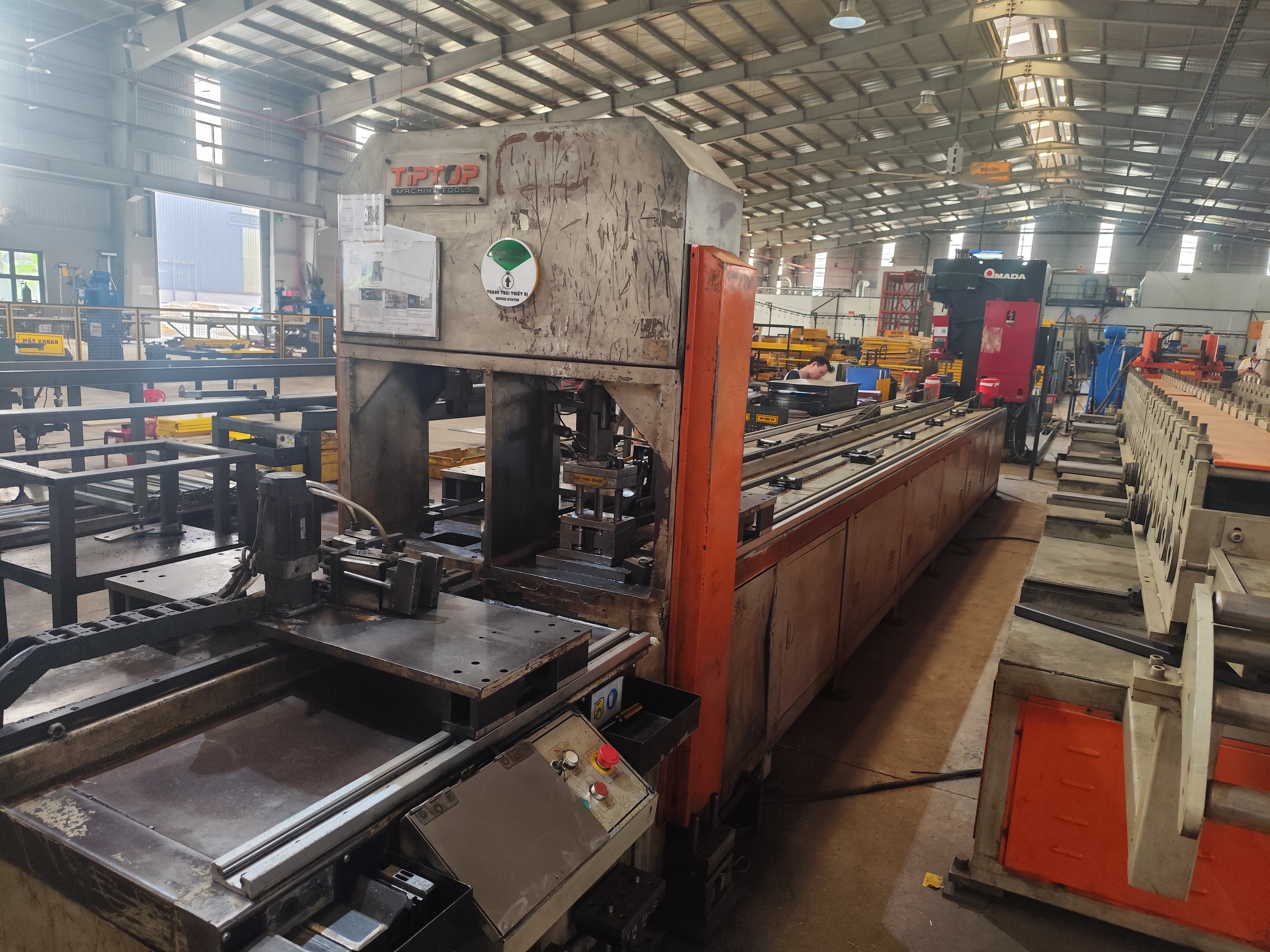
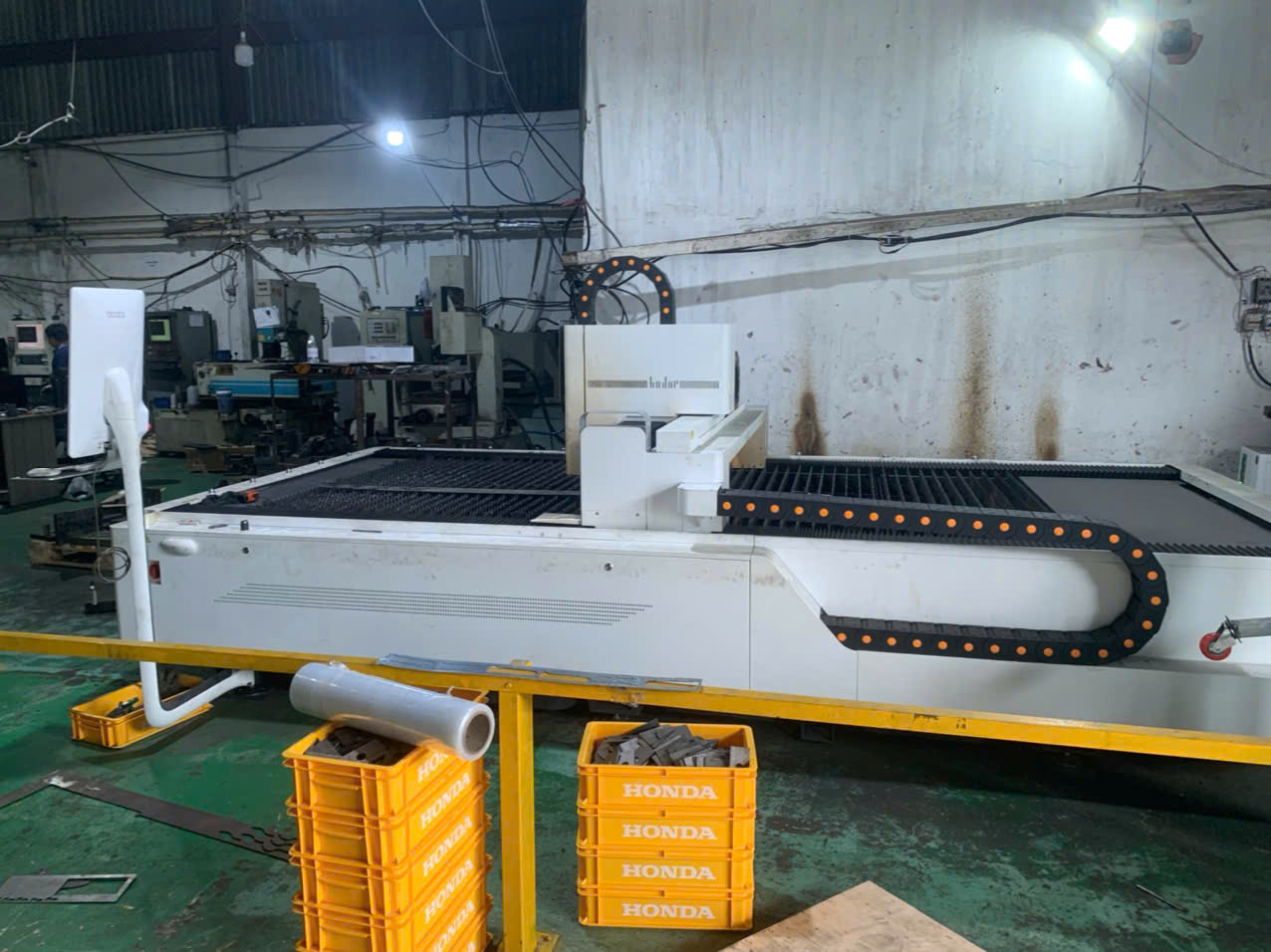
Every week on our production floor, engineers ask the same question: which material wins in sheet metal fabrication performance — aluminum or steel?
Aluminum and steel differ significantly in sheet metal fabrication performance. Aluminum offers a superior strength-to-weight ratio, easier formability, and inherent corrosion resistance. Steel delivers higher absolute tensile strength, better fatigue endurance, and lower per-pound material cost. The right choice depends on your application’s weight, environment, and budget priorities.
This guide breaks down the real differences we see across hundreds of custom sheet metal projects sourced from factories in Asia First Article Inspection Reports 1. We will cover material selection, precision, quality control, and performance trade-offs so you can make a confident decision for your next project.
How do I decide whether aluminum or steel is better for my custom sheet metal project?
A U.S. client recently sent us drawings for a set of mounting brackets — identical geometry, but he was torn between 5052 aluminum 2 and 304 stainless steel. That conversation became a full material cost analysis session.
To decide between aluminum and steel, evaluate five factors: part weight limits, operating environment, required tensile strength, total project cost (including shipping and finishing), and fabrication complexity. Aluminum suits lightweight, corrosion-prone applications; steel suits heavy-load, high-wear scenarios.
Start With the Application Environment
The first filter is simple: where will your part live? If it faces rain, salt spray, or outdoor humidity, aluminum's natural oxide layer 3 saves you the cost of protective coatings. Carbon steel applications in those same environments demand powder coating, zinc plating, or painting — and those extra steps add cost and lead time.
For indoor, dry, or high-load environments, steel is often the better pick. Its higher melting point and superior wear resistance make it the default for industrial machinery housings and structural brackets.
Weight Matters More Than You Think
Here is the density comparison that surprises many buyers:
| Property | Aluminum (6061/5052) | Carbon Steel (1018) | Stainless Steel (304) |
|---|---|---|---|
| Density (g/cm³) | ~2.7 | ~7.85 | ~8.0 |
| Weight of identical part | 1x (baseline) | ~2.9x | ~3.0x |
| Shipping cost impact | Lower | Higher | Highest |
When we help clients source custom brackets or enclosures, the shipping weight from Vietnam or other Asian factories to the U.S. can shift total landed cost dramatically. A steel enclosure that costs less per kilogram to fabricate may actually cost more once you factor in ocean freight.
Strength Requirements: Absolute vs. Ratio
Steel wins on absolute tensile strength every time. But that does not mean your project needs it. Many of the protective housings and mounting plates we source do not experience extreme loads. They need adequate stiffness and corrosion resistance — and aluminum delivers both at a fraction of the weight.
If your part must handle heavy cyclic loads, steel's fatigue endurance 4 is genuinely superior. Aluminum does not have a true endurance limit, meaning it can eventually fatigue-fail under repeated stress that steel would handle indefinitely.
A Simple Decision Framework
Ask yourself these five questions:
- Does my part need to be lightweight for transport or mobile use?
- Will it be exposed to moisture, chemicals, or outdoor conditions?
- Does it bear heavy structural loads or face repeated impact?
- What is my total budget — material plus shipping plus finishing?
- Are there thermal conductivity 5 requirements (heat sinks, enclosures)?
If questions 1, 2, and 5 lean "yes," aluminum is likely your material. If question 3 dominates, steel is the safer bet.
Will switching to aluminum impact the precision and lead times of my fabricated parts?
One lesson we learned early when coordinating fabrication in Vietnam: switching materials is never just a material swap. It changes tooling, machine settings, and the entire production rhythm.
Switching to aluminum generally improves lead times because it machines faster and causes less tool wear. Precision is fully achievable but requires adjusted parameters — especially bend radii, tooling clearances, and welding techniques. Proper process control ensures aluminum parts meet the same tight tolerances as steel.
Machinability and Cutting Speed
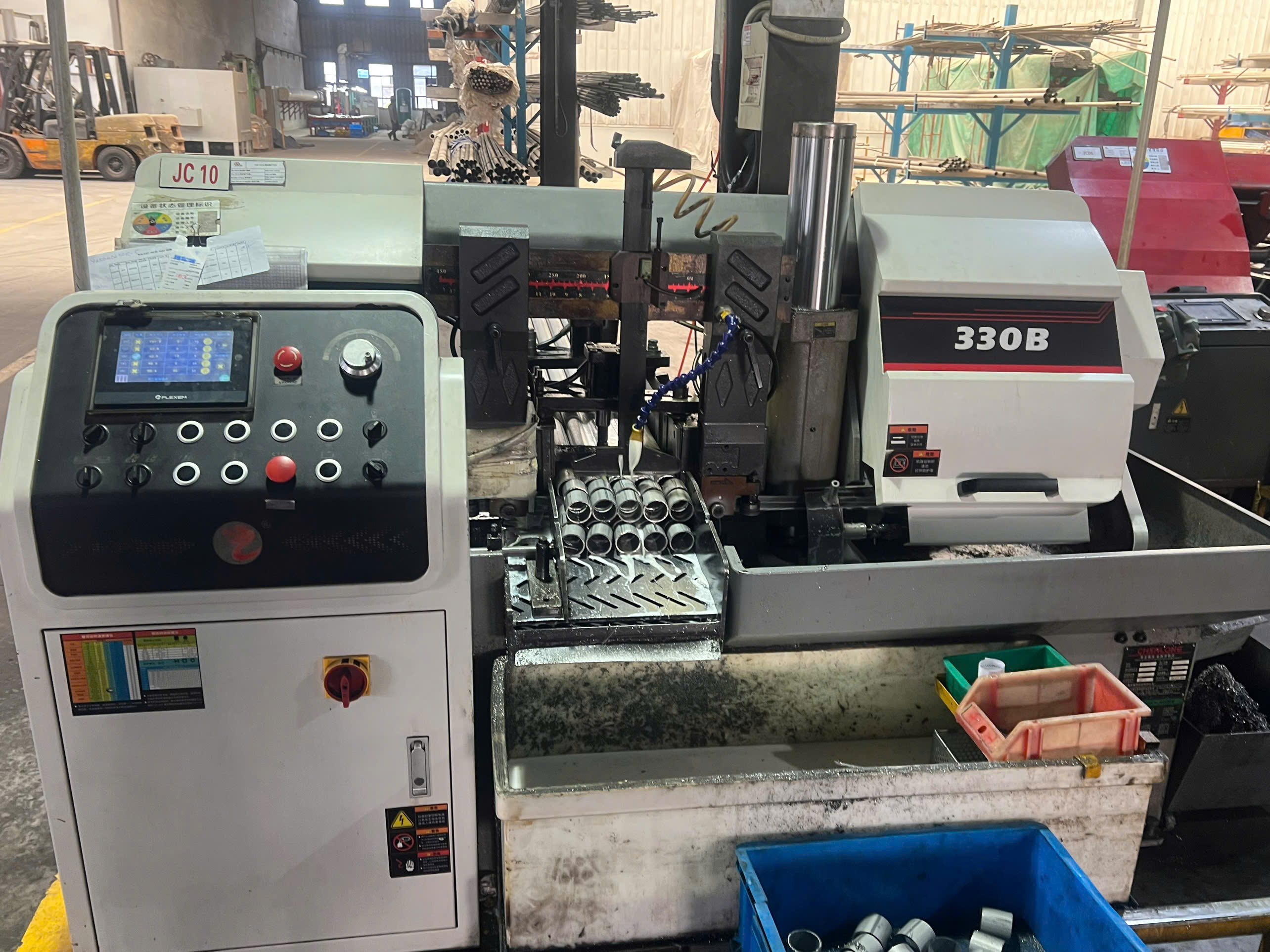
Aluminum is softer. It cuts faster. Our supplier partners consistently report that CNC cutting and punching aluminum sheets takes roughly 30–50% less time than equivalent steel. Tool life also increases because aluminum generates less abrasive wear on cutting edges.
This translates directly to shorter lead times. For a batch of 500 custom mounting plates, the difference can be two to three production days — which matters when you are trying to hit a container loading date.
Bending Properties Need Careful Attention
Here is where aluminum demands respect. Not all aluminum alloys bend the same way. We have seen cracked parts arrive at inspection because the supplier used 6061-T6 with a bend radius that was too tight.
| Alloy | Temper | Minimum Bend Radius (Relative to Thickness) | Bending Notes |
|---|---|---|---|
| 5052 | H32 | 1t – 2t | Best general-purpose bending alloy |
| 6061 | T4 | 2t – 3t | Acceptable; anneal before tight bends |
| 6061 | T6 | 3t+ or avoid tight bends | Prone to cracking in hard temper |
| 304 Stainless Steel 6 | Annealed | 0.5t – 1t | Tolerates tight bends well |
| 1018 Carbon Steel | As-rolled | 0.5t – 1t | Very forgiving bending properties |
The takeaway: if your design has tight bends, specify 5052 aluminum or ask your supplier to anneal 6061 before forming. We always flag this during our drawing review stage because it is one of the most common sources of first-article rejection.
Welding Techniques Differ Significantly
Steel is more forgiving to weld. A wider range of welding techniques work, and the process tolerates small errors in heat input. Aluminum welding requires TIG or MIG with specialized shielding gas, clean surfaces, and careful heat management. Aluminum's high thermal conductivity pulls heat away from the weld zone quickly, which can cause incomplete fusion or distortion.
We address this by qualifying welders specifically for aluminum during supplier audits. It is not enough to know a factory can weld — we need to see that they weld aluminum consistently without defects.
Precision Is Not Compromised — If Process Is Controlled
Aluminum's coefficient of thermal expansion 7 is about twice that of steel. This means parts can grow more during cutting or welding, then shrink back unevenly. The solution is proper fixturing, staged welding sequences, and post-process dimensional verification.
When our QC team inspects aluminum fabricated parts, we pay extra attention to flatness and hole-position tolerances. With the right process controls in place, aluminum parts routinely hold tolerances of ±0.1 mm — the same as steel.
How can I ensure my supplier maintains strict QC standards for both aluminum and steel?
A purchasing manager we work with in the Midwest once told us his biggest frustration: "I get great first articles, then quality drifts by the third batch." That problem is not unique to one material. It happens with both aluminum and steel — and it is almost always a process control failure, not a material failure.
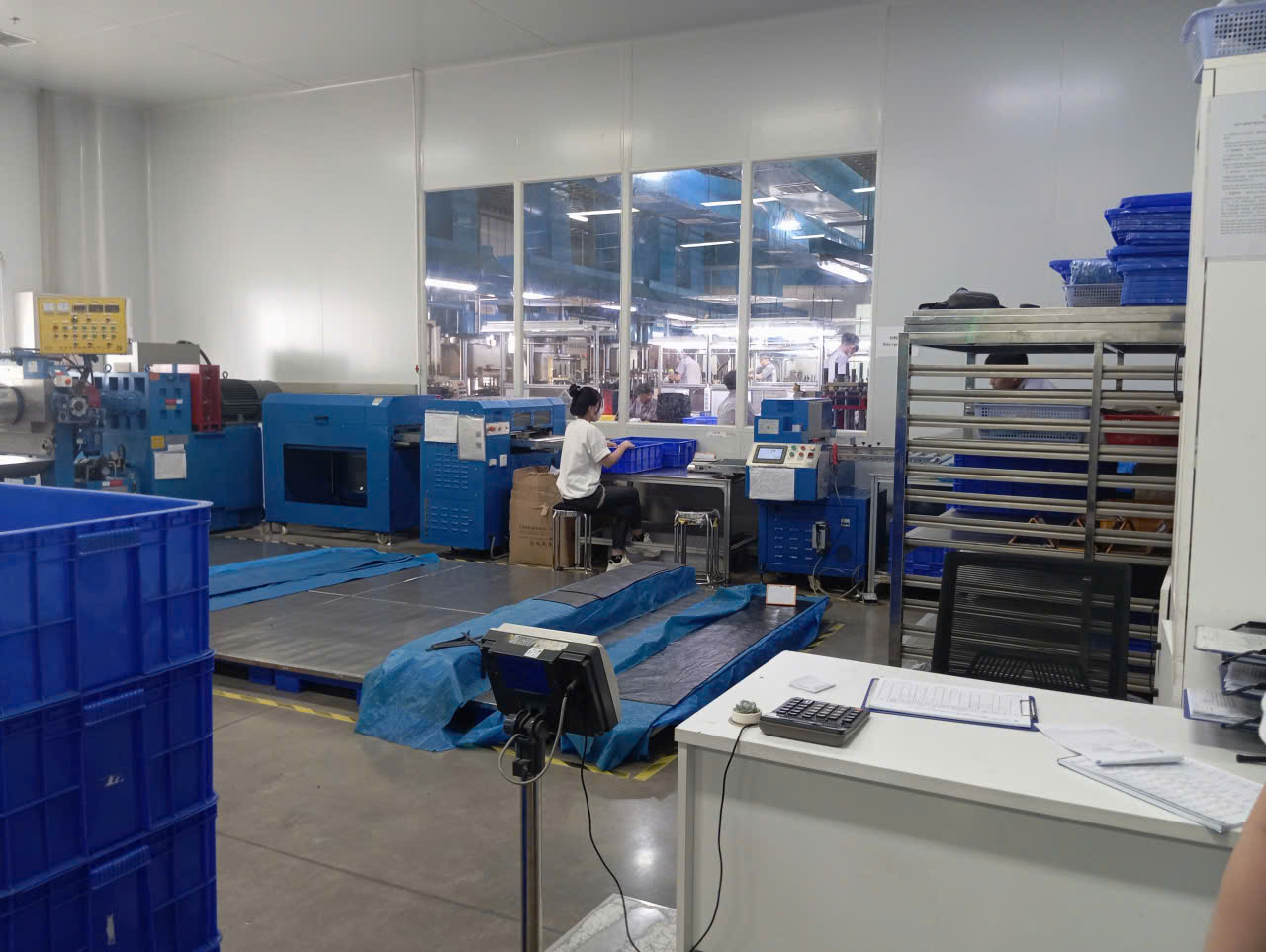
Ensure strict QC for both materials by requiring documented inspection plans, first article inspection reports (FAIR), in-process checks at critical forming and welding stages, and final dimensional verification with calibrated instruments. Supplier audits that verify process discipline — not just equipment — are essential.
Material-Specific QC Risks
Aluminum and steel fail differently. Understanding those failure modes helps you build the right inspection plan.
For aluminum:
- Cracks at bends (wrong alloy or temper)
- Weld porosity or burn-through (heat control issues)
- Surface scratches (softer material marks easily during handling)
- Dimensional drift from thermal expansion during fabrication
For steel:
- Rust formation before shipping (inadequate surface protection)
- Weld spatter and incomplete penetration
- Burrs at cut edges (harder material leaves sharper edges)
- Warping from residual stress in thicker stainless steel grades
Building an Effective Inspection Plan
Our QC process at DEWIN follows a stage-gate approach. We do not wait until parts are boxed to inspect them. Here is what we check at each stage:
Incoming material verification — We confirm alloy grade, temper, thickness, and surface condition against the purchase order. A mill test certificate is mandatory.
In-process checks — At bending, we verify bend angles and check for cracks. At welding, we inspect penetration, porosity, and distortion. These checks catch problems before they multiply across the entire batch.
Final inspection — Full dimensional check against the drawing, surface finish evaluation, and functional fit verification where applicable. We use PPAP documentation for critical projects so the client has complete traceability.
Supplier Audits That Actually Work
When we audit factories for our clients, we look beyond the equipment list. A factory with a high-end laser cutter can still produce bad parts if their operators skip setup verification or their measuring tools are out of calibration.
We focus on three things during audits:
- Process discipline — Are work instructions posted at each station? Do operators follow them?
- Measurement capability — Are gauges calibrated? Do they use appropriate instruments for the tolerance range?
- Corrective action history — When defects occurred in the past, did the factory implement permanent fixes or just sort and reship?
This approach works for both aluminum and steel. The material changes the specific risks, but the quality system framework stays the same.
What performance trade-offs should I expect when comparing aluminum and steel for my application?
During a recent co-development project for an electronics enclosure, we walked a client through every trade-off between aluminum and steel. He wanted the corrosion resistance of aluminum and the strength of steel — in the same part. That is the fundamental tension in every material decision.
Expect trade-offs across five dimensions: aluminum gives you lighter weight, better thermal conductivity, and natural corrosion resistance, but steel offers higher absolute strength, superior fatigue life, and a lower melting point threshold for aluminum. No single material wins every category — your application priorities determine the best fit.
The Full Performance Comparison
Here is the comprehensive data our engineering team references when advising clients:
| Performance Metric | Aluminum (5052/6061) | Carbon Steel (1018/4130) | Stainless Steel (304/316) |
|---|---|---|---|
| Density | 2.7 g/cm³ | 7.85 g/cm³ | 8.0 g/cm³ |
| Tensile Strength | 130–310 MPa | 400–750 MPa | 480–620 MPa |
| Yield Strength | 90–275 MPa | 250–500 MPa | 170–310 MPa |
| Thermal Conductivity | 150–200 W/m·K | 50 W/m·K | 15–25 W/m·K |
| Melting Point | ~660°C | ~1,425°C | ~1,400°C |
| Corrosion Resistance | Excellent (natural oxide) | Poor (needs coating) | Excellent (chromium oxide) |
| Fatigue Endurance Limit | No true limit | Defined limit | Defined limit |
| Recyclability / Scrap Value | High | Moderate | Moderate-High |
| Electrical Conductivity | Excellent | Poor | Poor |
Strength-to-Weight Ratio: The Hidden Winner
When people compare aluminum and steel, they often focus on absolute tensile strength. Steel wins that contest easily. But in many real-world applications, the strength-to-weight ratio matters more.
Consider an aerospace bracket or an automotive body panel. The part does not need to hold 620 MPa — it needs to hold its design load while adding as little weight as possible. Aluminum alloys like 7075 can approach the tensile strength of mild steel while weighing one-third as much. That is why lightweighting trends continue to drive aluminum adoption in automotive, aerospace, and consumer electronics.
Thermal and Electrical Properties
If your application involves heat dissipation, the choice is clear. Aluminum's thermal conductivity of 150–200 W/m·K dwarfs steel's 15–25 W/m·K. Heat sinks, thermal enclosures, and heat exchanger components are almost always aluminum for this reason.
Electrical conductivity follows the same pattern. Aluminum is widely used for RF shielding, bus bars, and power distribution components. Steel is a poor electrical conductor and would never be chosen for these roles. For a deeper look at how these two materials differ in practice, see our guide on how aluminum and copper alloy applications differ in sheet metal fabrication.
Corrosion: Environment Dictates the Answer
In standard outdoor or humid conditions, aluminum's natural oxide layer provides excellent protection without any additional finish. This is a real cost saver. Carbon steel in the same environment needs painting, plating, or powder coating — adding both cost and lead time.
However, in truly harsh environments — marine, chemical processing, food-grade applications — stainless steel grades like 316 outperform aluminum. The chromium-nickel oxide layer on stainless steel resists chloride attack better than aluminum's oxide in those specific conditions.
Sustainability and Lifecycle Considerations
Aluminum's recyclability is a growing factor in material selection. It retains high scrap value and requires only about 5% of the energy needed to produce primary aluminum. For clients with sustainability targets or embodied carbon requirements, this matters.
Steel is also recyclable, but the energy savings are less dramatic. Both materials support circular economy goals 8, though aluminum has a slight edge in lifecycle energy analysis for weight-sensitive applications where lighter parts also reduce fuel consumption during product use.
The Hybrid Approach
More of our clients are choosing hybrid designs. They use aluminum for non-load-bearing panels, covers, and thermal management components, then switch to steel for structural frames, hinges, and high-wear contact surfaces. This approach optimizes cost and performance without forcing a single-material compromise.
We see this especially in industrial equipment enclosures: aluminum side panels (light, corrosion-resistant, easy to form) bolted to a steel frame (strong, rigid, cost-effective). It requires managing two supply chains and two sets of fabrication parameters, but the performance result is worth the coordination effort.
Conclusion
Aluminum and steel each excel in different areas of sheet metal fabrication performance. Your best material choice comes from matching application demands — weight, environment, load, thermal needs, and total cost — to each metal's proven strengths. For a broader overview of material options, explore our guide on the most common metal materials for sheet metal fabrication.
Frequently Asked Questions
How do I decide whether aluminum or steel is better for my custom sheet metal project?
A U.S. client recently sent us drawings for a set of mounting brackets — identical geometry, but he was torn between 5052 aluminum 2 and 304 stainless steel. That conversation became a full material cost analysis session.
Will switching to aluminum impact the precision and lead times of my fabricated parts?
One lesson we learned early when coordinating fabrication in Vietnam: switching materials is never just a material swap. It changes tooling, machine settings, and the entire production rhythm.
How can I ensure my supplier maintains strict QC standards for both aluminum and steel?
A purchasing manager we work with in the Midwest once told us his biggest frustration: "I get great first articles, then quality drifts by the third batch." That problem is not unique to one material. It happens with both aluminum and steel — and it is almost always a process control failure, not a material failure.
Footnotes
1. Replaced HTTP 403 link with an authoritative Wikipedia page providing a comprehensive overview of First Article Inspection, including reports. ↩︎
2. Provides detailed properties and applications of the 5052 aluminum alloy. ↩︎
3. Describes how aluminum’s natural oxide layer provides inherent corrosion protection. ↩︎
4. Explains material fatigue and the concept of an endurance limit in metals. ↩︎
5. Offers comparative data on thermal conductivity for various metals and alloys. ↩︎
6. Details the composition, properties, and common uses of 304 stainless steel. ↩︎
7. Replaced HTTP 404 link with an authoritative Wikipedia page on thermal expansion, specifically linking to the ‘Coefficients’ section for direct relevance. ↩︎
8. Introduces the concept of a circular economy and its core principles. ↩︎
9. Explains the concept of specific strength, also known as strength-to-weight ratio. ↩︎