
Last quarter, our Vietnam office caught a batch of mounting brackets with coating thickness 1 40% below spec — only because we had a third-party inspector on-site before the container was sealed.
To arrange third-party pre-shipment inspections for sheet metal fabrication from Vietnam, book a Western-managed inspection agency at least seven days before production reaches 80–100% completion, embed a mandatory inspection clause in your purchase order, and withhold final payment until the shipment passes an independent quality review.
This guide walks you through every step — from choosing the right inspector to handling failed reports powder-coating adhesion 2. Each section below answers a specific question our clients ask when sourcing custom sheet metal parts from Vietnamese suppliers.
How do I find a qualified third-party inspector in Vietnam who understands sheet metal fabrication standards?
A purchasing manager we work with in Texas once asked us to recommend an inspector — and then wisely insisted on vetting the agency himself before signing anything tight dimensional tolerances 3.
Find a qualified third-party inspector in Vietnam by selecting an internationally accredited agency with full-time, locally based inspectors experienced in metal fabrication, then verify their familiarity with AQL sampling, dimensional tolerancing, and non-destructive testing before you sign a service agreement.
Why the right inspector matters for sheet metal
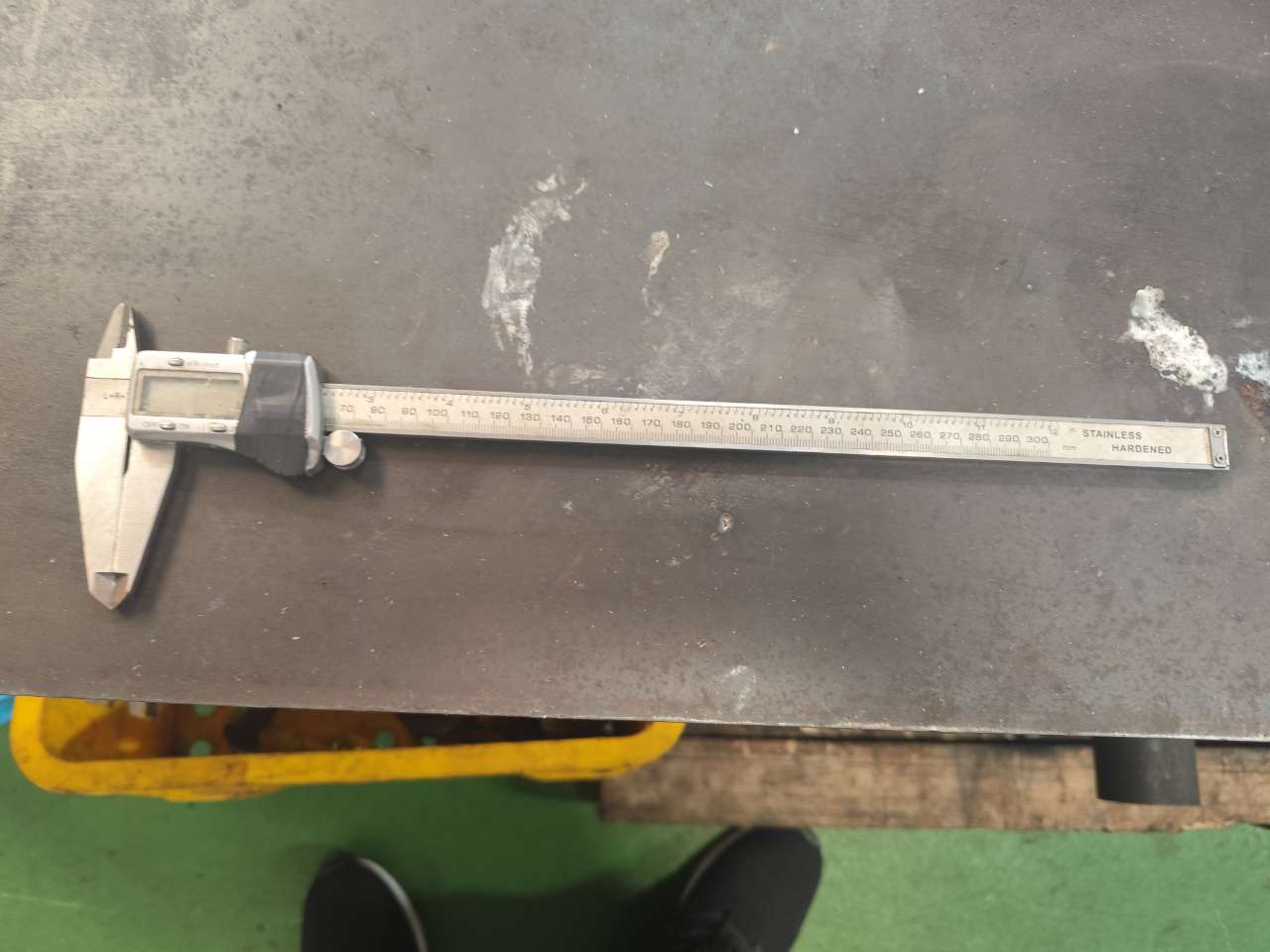
Sheet metal fabrication is not the same as inspecting garments or consumer electronics. Your inspector must understand material grades, weld integrity 4, powder-coating adhesion, and tight dimensional tolerances. SAE steel grades 5 If the inspector lacks this knowledge, the report becomes a rubber stamp — and you inherit the risk.
When our team in Vietnam coordinates inspections for clients, we always confirm that the assigned inspector has hands-on experience with metal parts. We ask for the inspector's résumé, we check whether the agency has served similar industries, and we review sample reports before committing.
Global agencies vs. Vietnam-specialized firms
| Criteria | Global Agencies (SGS, Bureau Veritas, TÜV Rheinland) | Vietnam-Specialized (Amazing Quality Control, Pro QC) |
|---|---|---|
| Local presence | Large office networks across Vietnam | Smaller but focused teams in key manufacturing hubs |
| Metal fabrication expertise | Broad capability; request a metal-specialist inspector | Often assign inspectors with niche manufacturing backgrounds |
| Reporting speed | 24–48 hours | Typically within 24 hours, often with daily PDF and video |
| Cost per visit | $300–$500+ | $200–$400 |
| Language / management | Mixed local and international management | Western-managed teams common |
Key vetting steps
- Request sample reports. Look for close-up defect photos, clear pass/fail criteria, and AQL sampling 6 tables.
- Confirm inspector qualifications. Ask whether the assigned inspector has performed inspections on sheet metal, welded assemblies, or powder-coated parts.
- Check for conflicts of interest. You — the importer — must choose and pay the inspection company directly. Never let the supplier select the agency.
- Verify local coverage. The inspector should be based near your supplier's factory. Travel surcharges add up fast if the nearest inspector is in a different province.
In our experience coordinating supplier evaluation across Vietnam, the agencies that perform best are those with full-time inspectors — not freelancers pulled from a database the night before.
What key items should I include on my pre-shipment inspection checklist to ensure my custom parts are right the first time?
One lesson we learned early in our custom parts business: if the checklist is vague, the inspection is vague — and bad parts ship.
Your pre-shipment inspection checklist for sheet metal must cover material verification via mill test certificates, dimensional accuracy against drawings, surface finish quality, weld integrity, packaging and marking standards, quantity verification, and a full documentation review to catch every non-conformance before shipment.
The complete checklist, broken down
A good checklist translates your engineering drawings and purchase order into measurable inspection points. Here is what we include when we prepare checklists for our clients' sheet metal orders from Vietnam.
| Inspection Category | What to Check | Method / Tool |
|---|---|---|
| Material grade & composition | Verify steel/aluminum grade matches PO; check mill test certificates (MTCs) | Spectrometry or MTC review |
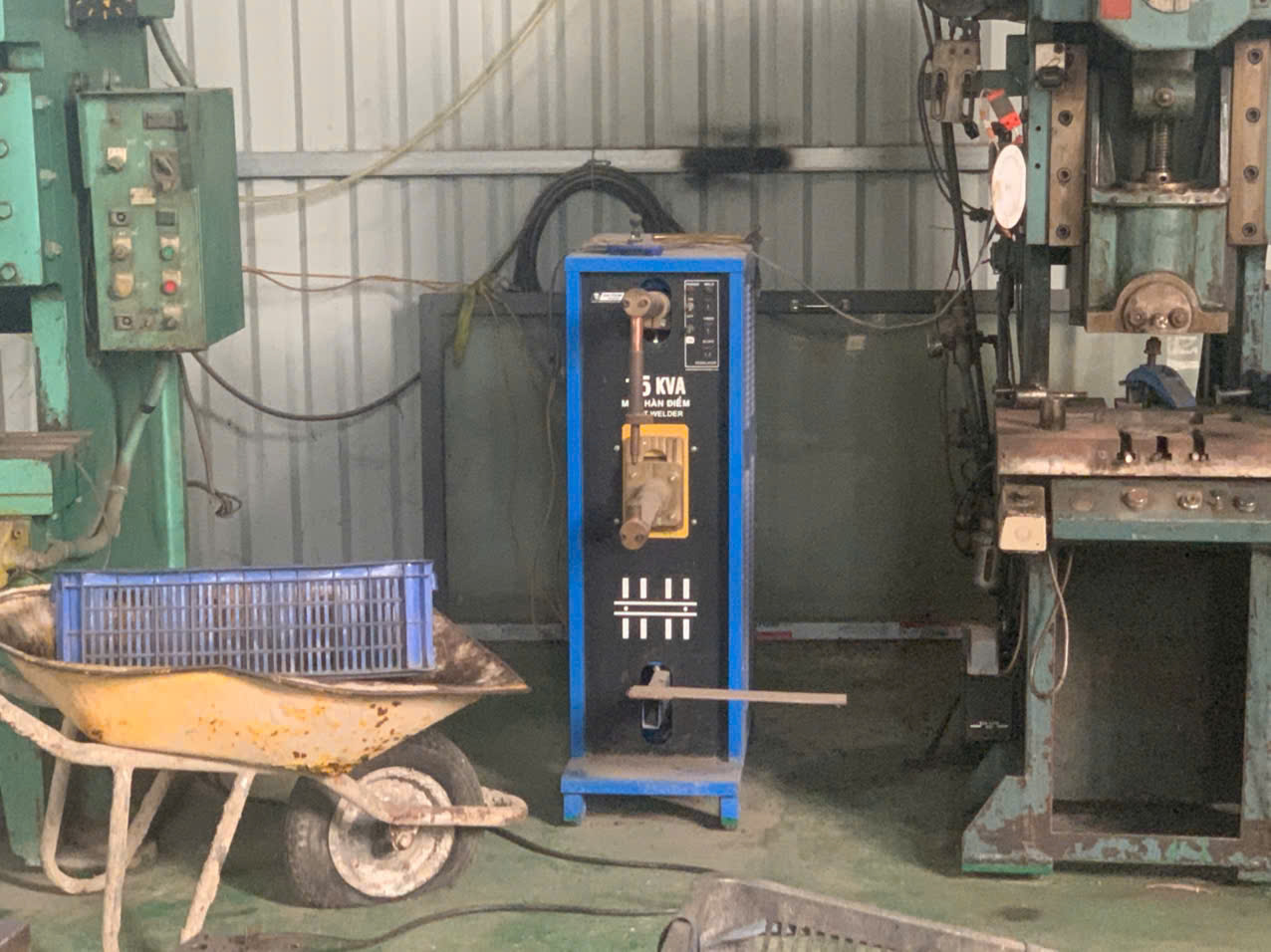
| Dimensions | Thickness, width, length, hole positions, bend angles, flatness | Calipers, micrometers, CMM, feeler gauges |
| Surface quality | Scratches, dents, rust, coating defects (powder coat thickness, adhesion) | Visual under standardized lighting; coating thickness gauge |
| Weld integrity | Porosity, cracks, undercut, spatter, penetration | Visual inspection; NDT (ultrasonic, magnetic particle) for critical welds |
| Packaging & marking | Strapping, wrapping, heat numbers, dimension labels, destination labels | Visual; weight check |
| Quantity | Count packed units against PO quantity | Piece count or weight-based estimation |
| Documentation | MTCs, packing lists, commercial invoices, certificates of conformance | Document review against contract terms |
How defect classification works
Inspectors use the ANSI/ASQ Z1.4 7 (ISO 2859-1) standard and defect classification to sort findings into three categories:
- Critical defects — Safety hazards or complete functional failure. Zero tolerance. Example: a mounting bracket with a crack through a load-bearing weld.
- Major defects — The part does not meet specifications and may be rejected by the end user. Example: coating thickness below the minimum spec, or a hole position off by more than the allowed tolerance.
- Minor defects — Small cosmetic issues that do not affect function. Example: a light surface scratch on a non-visible face.
AQL sampling at the 2.5 level means that if more than 2.5% of the sampled units have major defects, the entire lot fails. This is the most widely used acceptance threshold in international quality standards for manufactured goods.
Golden sample comparison
We always advise clients to approve a golden sample 8 before mass production starts. During the pre-shipment inspection, the inspector places the golden sample next to randomly selected parts and checks dimensions, color, finish, and fit. This simple step catches drift that accumulates during a long production run.
Don't forget packaging
Transit damage is a hidden cost that many buyers overlook. For heavy sheet metal brackets, the inspector should verify that parts are properly strapped, separated with protective material, and labeled with correct heat numbers and destination details. Poor packaging leads to scratched surfaces, bent flanges, and customs clearance problems — all of which we have seen firsthand when container loading supervision was skipped. Understanding what shipping insurance is needed can further protect you against transit damage losses.
How can I coordinate with my Vietnamese supplier to allow a third-party inspection without causing delivery delays?
The trade-off between thorough inspection and on-time delivery keeps our project managers up at night — but we have found that clear scheduling solves most conflicts.
Coordinate with your Vietnamese supplier by embedding a mandatory inspection clause in your purchase order from the start, booking the inspection at least seven days before production hits 80–100% completion, and requiring the factory to have goods packed and documents ready on the scheduled inspection date.
Step-by-step scheduling process
Here is the process we follow for every sheet metal order we manage through our Vietnam office:
-
Set expectations at PO stage. Your purchase order must state that shipment will not proceed — and final payment will not be released — until the lot passes a third-party pre-shipment inspection. This is not optional language. Treat it as a contract term, or include it in your letter of credit.
-
Track production milestones. Request weekly updates from the supplier. When production reaches roughly 70%, alert your inspection agency. During production inspection at earlier stages can also flag issues before they multiply.
-
Book the inspection. Contact your chosen agency at least seven days before the target inspection date. Provide the factory address, contact person, order details, and your inspection checklist.
-
Confirm with the factory. The inspection company will reach out to the supplier to schedule the exact day and time. Make sure the supplier understands they must have at least 80% of the order completed and packed.
-
Inspection day. The inspector arrives, performs sampling per AQL standards, photographs every defect, and compiles the report.
-
Receive the report. Most agencies deliver a downloadable PDF with photos and videos within 24 hours. Review it and make your accept/reject decision before the container ships.
What if the factory resists?
Some smaller Vietnamese factories push back on third-party inspections. In our experience, ISO 9001-certified export-oriented factories widely accept them — they understand it is standard practice in international trade. If a supplier refuses, treat it as a red flag. A factory audit before placing the order can help you identify whether the supplier has the transparency and process discipline to cooperate with independent quality control services in Vietnam.
Timing matters more than you think
| Scenario | Risk Level | Consequence |
|---|---|---|
| Inspection booked before 80% completion | Medium | Incomplete lot; inspector cannot draw a representative sample |
| Inspection booked at 80–100% completion | Low | Full lot available; proper AQL sampling possible |
| Inspection booked after goods are at port | High | Rework is nearly impossible; demurrage fees accumulate |
| No inspection booked | Very High | You discover defects after arrival; returns are costly and slow |
The sweet spot is 80–100% complete and packed. Book too early and you waste the visit. Book too late and there is no time to fix problems. We build this timing into every project plan we manage, and we share the production timeline with both the supplier and the inspection agency so everyone is aligned. Be aware that Vietnam holiday delays can also shift your production and inspection windows significantly.
Budget for the inspection
Standard pre-shipment inspection costs in Vietnam range from $200 to $500 per visit. Complex inspections that require non-destructive testing, lab sampling, or multiple product lines can reach $800 or more. Optional packing supervision and sealing with approved adhesive tape adds roughly one extra man-day fee. Most agencies accept PayPal or bank transfer, and payment is due before the inspection date.
What steps should I take if my third-party inspection report identifies non-conforming sheet metal parts?
A few months ago, one of our inspection reports came back with a "fail" result — coating adhesion failed the cross-cut test on 8% of sampled brackets. Here is exactly what we did next.
If your inspection report identifies non-conforming parts, immediately share the detailed findings with your supplier, negotiate a corrective action plan with a clear rework deadline, withhold final payment until the defective units are sorted and replaced, and schedule a re-inspection to verify compliance before authorizing shipment.

Immediate response protocol
Do not panic, but do not ignore the report either. Speed matters because your shipping window is finite. Here is the sequence we follow:
-
Review the report carefully. Look at the defect classification. Are the failures critical, major, or minor? Critical and major defects demand immediate action. Minor defects may be acceptable depending on your tolerance and the AQL threshold.
-
Share findings with the supplier. Send the full report — photos included — to the factory's quality manager. Be specific about which defects are unacceptable. Vague complaints lead to vague fixes.
-
Request a corrective action plan (CAP). The supplier should explain the root cause, the proposed rework method, and the timeline. If the defect is a coating issue, for example, the factory may need to strip and re-coat the affected parts. If it is a dimensional error, they may need to re-fabricate.
-
Negotiate the cost of rework. In most cases, the supplier bears the rework cost because the parts failed to meet the agreed specification. Your purchase order should already state this.
-
Schedule a re-inspection. Once the supplier completes rework, book a follow-up inspection. The re-inspection focuses on the previously defective units but should also re-sample the broader lot to confirm nothing else slipped.
-
Release payment only after pass. This is where your inspection clause pays for itself. The supplier is motivated to fix problems quickly because final payment is tied to passing the inspection.
When to reject the entire lot
Sometimes rework is not feasible. If the material grade is wrong, the chemical composition does not match the mill test certificate, or the welds have structural cracks, the parts may need to be scrapped and re-manufactured. This is painful and expensive, but it is far cheaper than shipping defective parts to the United States and dealing with returns, production line shutdowns, or liability claims downstream.
Using inspection data for long-term improvement
Every inspection report — pass or fail — feeds into supply chain risk management 9. We track inspection results over time for each supplier in a simple dashboard. Patterns emerge: maybe a factory consistently struggles with coating adhesion, or their hole-position accuracy drifts on longer runs. This data drives our pre-production inspection discussions before the next order, and it helps our clients make informed decisions about whether to continue with a supplier or look for alternatives.
| Defect Severity | Typical Action | Payment Impact |
|---|---|---|
| Critical (safety/function failure) | Reject lot; demand re-manufacture | Payment fully withheld |
| Major (out of spec, likely rejected by end user) | Rework and re-inspect | Payment withheld until re-inspection passes |
| Minor (cosmetic, does not affect function) | Accept with discount or rework at supplier's discretion | Negotiate partial deduction or accept |
Protecting yourself contractually
The strongest protection is a purchase order or contract that explicitly requires third-party inspection before shipment and ties payment to inspection results. Some buyers also specify penalty clauses for repeat failures or delivery delays caused by rework. In our work with U.S. purchasing managers, we have found that clear contract language — not verbal agreements — is the only reliable way to enforce quality expectations with overseas suppliers.
Conclusion
Pre-shipment inspections for sheet metal fabrication from Vietnam protect your budget, your timeline, and your reputation — treat them as non-negotiable, not optional.
Frequently Asked Questions
What if the factory resists?
Some smaller Vietnamese factories push back on third-party inspections. In our experience, ISO 9001-certified export-oriented factories widely accept them — they understand it is standard practice in international trade. If a supplier refuses, treat it as a red flag. A factory audit before placing the order can help you identify whether the supplier has the transparency and process discipline to cooperate with independent quality control services in Vietnam.
How do I find a qualified third-party inspector in Vietnam who understands sheet metal fabrication standards?
A purchasing manager we work with in Texas once asked us to recommend an inspector — and then wisely insisted on vetting the agency himself before signing anything tight dimensional tolerances 3 .
What key items should I include on my pre-shipment inspection checklist to ensure my custom parts are right the first time?
One lesson we learned early in our custom parts business: if the checklist is vague, the inspection is vague — and bad parts ship.
Footnotes
1. ASTM International develops standards for measuring coating thickness, crucial for quality. ↩︎
2. Explains cross-hatch testing, a key method for verifying powder coating adhesion. ↩︎
3. Discusses ISO standards for dimensional tolerances in manufacturing processes. ↩︎
4. The original article is now accessible at this working URL. ↩︎
5. Offers a comprehensive overview of SAE steel grades, which aligns with the original link’s content. ↩︎
6. Explains Acceptable Quality Limit (AQL) and its use in product inspections. ↩︎
7. Official source for ANSI/ASQ Z1.4, a key standard for attribute inspection. ↩︎
8. Provides a comprehensive definition and explanation of golden samples in manufacturing. ↩︎
9. Provides an authoritative definition of supply chain risk management from the National Institute of Standards and Technology (NIST). ↩︎