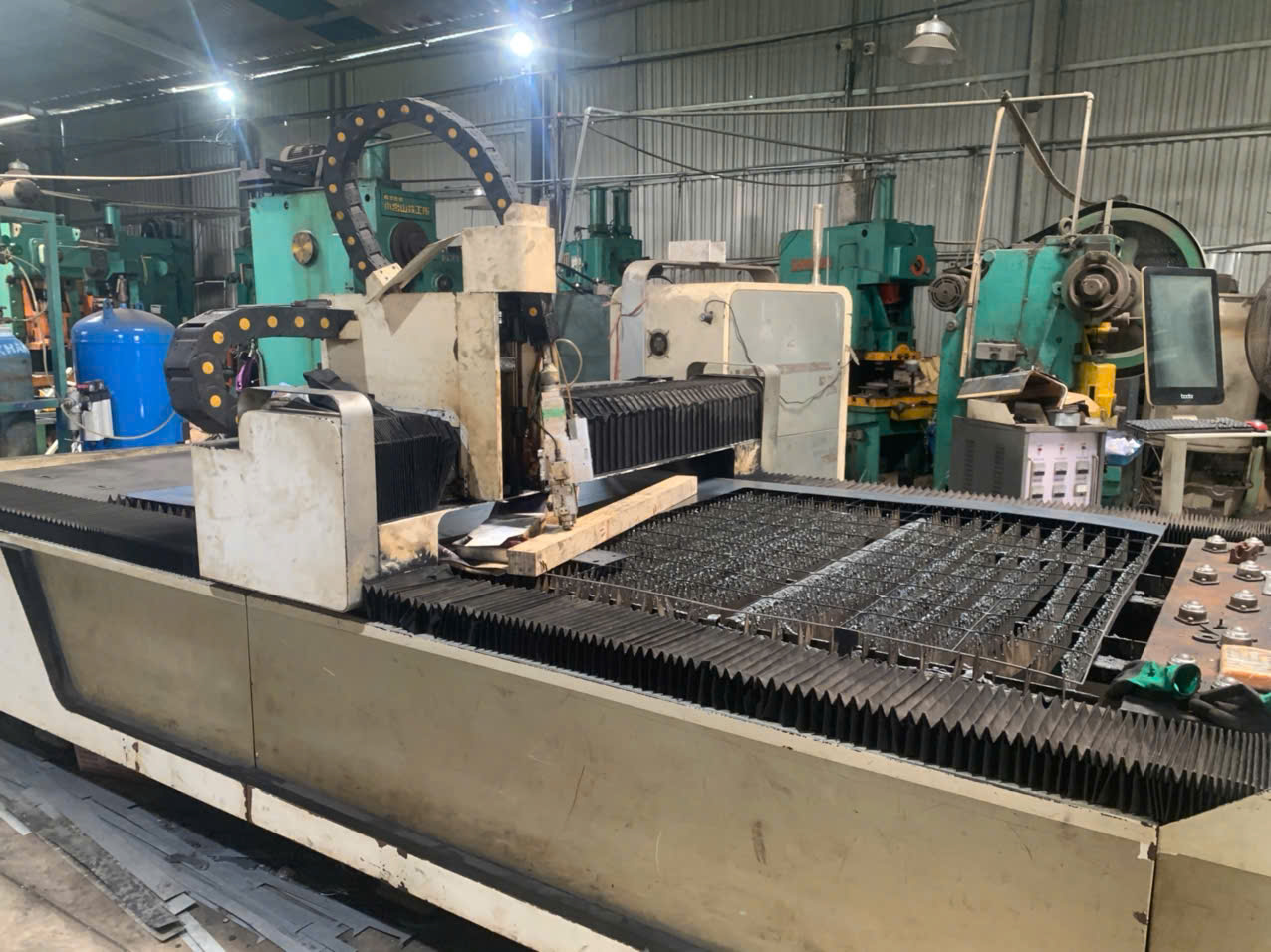
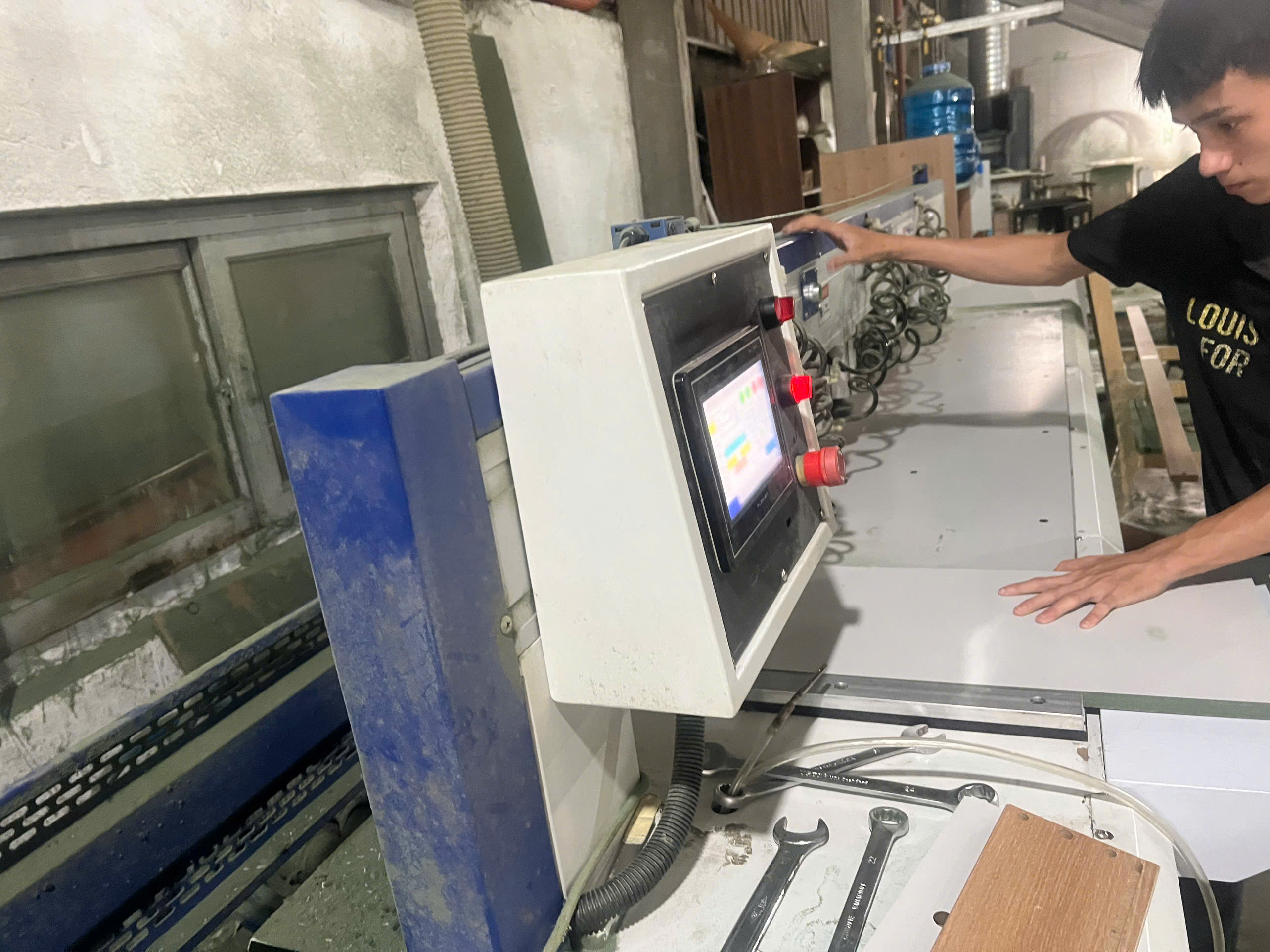
Every week, I review RFQ responses from sheet metal fabrication 1 suppliers across Asia for our US clients, and the hardest part is never the pricing — it is separating capable partners from polished sales pitches.
To ask sheet metal fabrication suppliers for US customer references and case studies, request contacts from customers running similar programs — matching your annual volumes, technical specs, and industry — then validate claims through direct outreach, site visits, and independent review checks before signing any contract.
This guide walks you through the exact questions, red flags, validation steps, and ready-to-use templates that our team at DEWIN uses when qualifying suppliers for US procurement teams 2. Whether you source from Vietnam, Taiwan, or India, these methods apply.
Why should I insist on seeing US-based customer references before I sign a sheet metal fabrication contract?
A lesson I learned early in our Singapore office: a supplier's sample room can look flawless, but samples do not ship across the Pacific on a deadline with customs paperwork attached American regulatory standards 3. That gap between showroom quality and real-world export performance is exactly what US-based references expose.
US-based customer references confirm that a sheet metal supplier can meet American regulatory standards, maintain reliable lead times across ocean freight, communicate effectively in your time zone, and deliver quality that passes your incoming inspection — not just their own.
The Strategic Value of US References
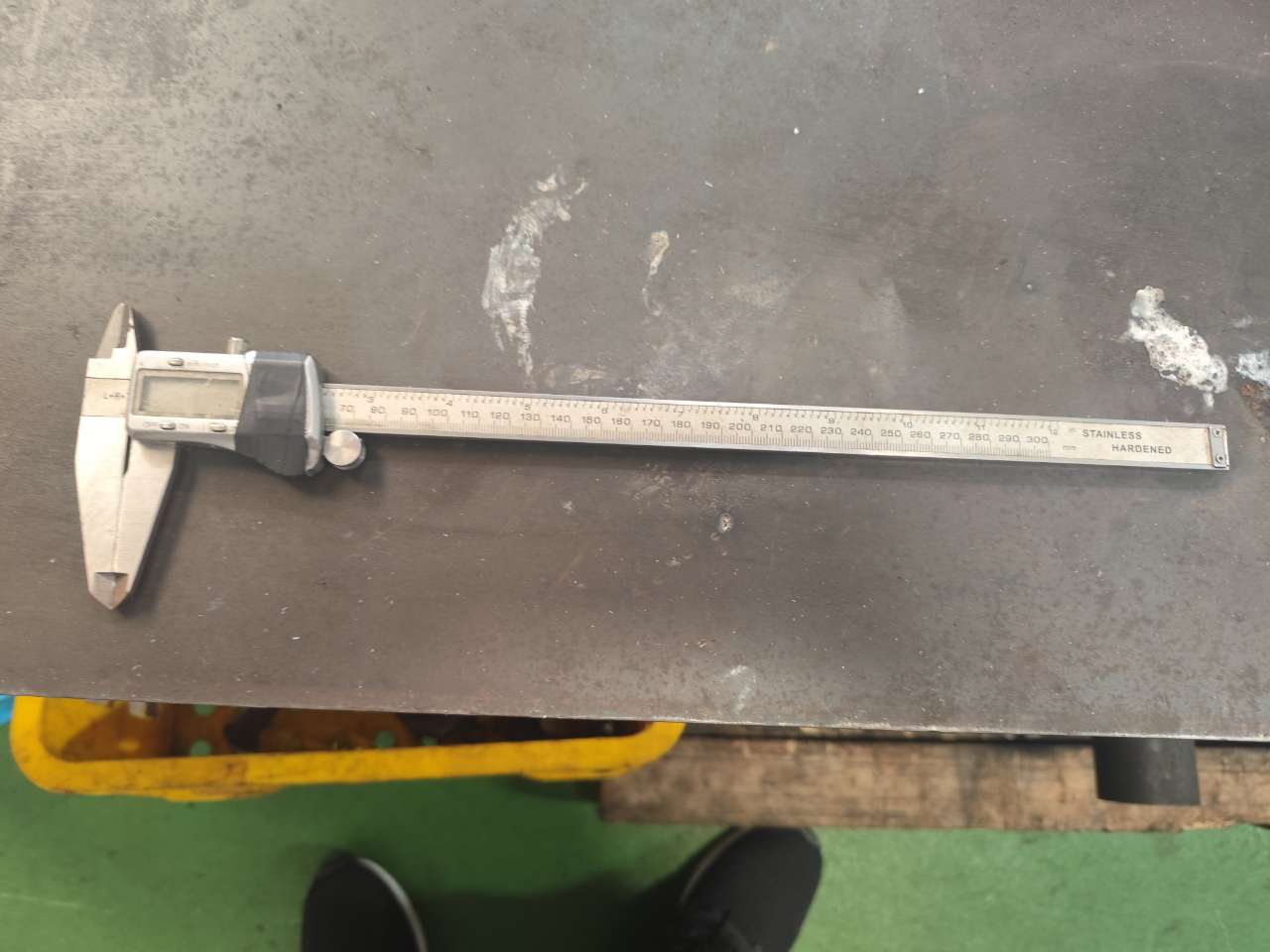
When our team audits a potential sheet metal partner for a US client, we look at references as a proxy for five critical capabilities ITAR or EAR compliance 4. A supplier who has already shipped successfully to the US has navigated export documentation 5, ITAR or EAR compliance where applicable, and the communication rhythm that American buyers expect. A supplier without US references may still be capable — but you are absorbing the risk of being their learning curve.
US references also reveal whether a supplier's quality management system 6 holds up under real scrutiny. It is one thing to hold an ISO certification 7 on paper. It is another thing for a purchasing manager in Ohio to confirm that incoming parts consistently met print tolerances over twelve months.
What US References Tell You That Certificates Cannot
| What You Learn | From a Certificate | From a US Reference |
|---|---|---|
| Quality consistency | States the QMS exists | Confirms parts pass incoming inspection repeatedly |
| Lead-time reliability | Not addressed | Confirms on-time delivery performance across multiple shipments |
| Communication quality | Not addressed | Confirms responsiveness, English fluency, revision control |
| Regulatory alignment | Lists scope of certification | Confirms compliance with US industry-specific requirements |
| Problem resolution | Not addressed | Describes how the supplier handled non-conformances |
Why "Similar Program" Matters
Not all references carry equal weight. A supplier who fabricates simple L-brackets for a furniture company is not a strong reference for your complex multi-bend aerospace mounting bracket with powder-coated finish and tight GD&T callouts. When I request references on behalf of our clients, I always define "similar" across four dimensions: annual volume, technical complexity, industry application, and program duration. A mismatch in any one of these can hide serious risks. For instance, a supplier who handles 500 pieces per year may lack the capacity planning discipline needed for your 50,000-piece annual program. The reverse is equally dangerous — a high-volume stamping shop may not invest the per-part attention your low-volume, high-mix project demands.
Experts in procurement consistently advise that you should steer clear of companies that cannot — or will not — provide references. A willing, transparent supplier sees references as a strength, not a liability.
How can I ask my Asian supplier for case studies that specifically prove they understand my technical requirements?
During a recent supplier audit in Vietnam, I asked a fabrication shop to walk me through a past project that matched our client's drawing complexity. The shop owner pulled up a beautiful brochure — but could not explain the bending sequence or how they held a critical ±0.1 mm tolerance. That moment reinforced something I tell every buyer: ask for case studies that go beyond photos and into process.
Ask your Asian supplier to share case studies detailing projects with matching materials, tolerances, finishing requirements, and volumes — then probe how they solved specific technical challenges, managed revisions, and maintained design for manufacturability throughout the program.
Framing Your Request
The simplest way to start is a direct email. Here is a template our team uses:
Subject: Reference / Case Study Request — [Your Company Name]
Dear [Supplier Contact],
We are evaluating your capabilities for a sheet metal fabrication program involving [material type], [annual volume], and [key technical features such as tolerances, finishes, or assembly]. Could you provide:
- Contact details for 2–3 US-based customers running similar programs.
- One or two case studies showing how you handled comparable technical requirements.
We are happy to sign an NDA if needed. Thank you.
This email does three things: it defines "similar," it shows you are serious, and it gives the supplier an easy path to respond. Experienced procurement professionals recommend asking for a portfolio or case studies of previous work, especially projects similar to yours.
What a Strong Case Study Should Include
A case study that merely lists part names and photos is marketing material, not evidence. Here is what to look for:
| Case Study Element | Why It Matters |
|---|---|
| Material type and gauge | Confirms the supplier handles your specific metal |
| Tolerances achieved | Proves capability, not just capacity |
| Bending/forming complexity | Shows they can manage your geometry |
| Surface finish or coating | Verifies post-fabrication process control |
| Volume and duration | Matches your production scale |
| Challenge encountered and solution | Reveals problem-solving and design for manufacturability 8 thinking |
| Quality metrics (reject rate, first-pass yield) | Quantifies their quality management system |
Red Flags in Supplier Responses
Pay attention to how the supplier responds, not just what they send. If they deflect your request, offer only generic testimonials, or provide references from industries completely unrelated to yours, treat those as warning signs. Some suppliers hesitate due to genuine confidentiality agreements — in that case, anonymized case studies with technical detail intact are acceptable. But a flat refusal with no alternative is a deal-breaker.
I also recommend checking the supplier's website for customer success stories, client logos, or published testimonials. These serve as initial credibility signals. However, do not stop there. Independent validation through direct outreach is essential to confirm that the curated content matches reality.
Prototyping as a Living Case Study
One approach I find effective for our clients: request a prototype run before committing to production volumes. This serves as a real-time case study. You observe the supplier's prototyping capabilities, revision control, communication speed, and first-article quality firsthand. It also reveals whether they practice genuine design for manufacturability feedback or simply build whatever you send without questioning potential issues.
What specific questions should I ask a supplier's reference to verify their on-time delivery and quality control record?
The first time I called a supplier's reference on behalf of a US client, I made the mistake of asking vague questions like "How was working with them?" The answer was predictably vague: "Fine." Now, our team uses a structured reference-contact script that pulls specific, measurable feedback from every conversation.
Ask each reference about on-time delivery percentages, how the supplier handled late shipments or non-conforming parts, their response time on engineering changes, first-pass yield rates, and whether they would increase their order volume with this supplier today.

The Reference-Contact Script
When you reach a reference, you typically have ten to fifteen minutes of their attention. Make every question count. Here is the sequence I recommend:
Opening: "Thank you for taking my call. We are considering [Supplier Name] for a sheet metal program and they provided your name as a reference. I have a few specific questions — this should take about ten minutes."
Core Questions:
- How long have you been working with this supplier?
- What types of parts do they produce for you (material, complexity, volume)?
- What is their on-time delivery performance over the past twelve months?
- Have you experienced any quality escapes? How did the supplier respond?
- How do they handle engineering changes or revision updates?
- What is their typical lead time, and have they met it consistently?
- Have you seen improvement or decline in their performance over time?
- Would you increase your spend with this supplier? Why or why not?
Closing: "Is there anything I should know about working with them that I haven't asked?"
What to Listen For
The best references are specific. "They hit 95% on-time delivery last year" is useful. "They're pretty good" is not. Pay attention to these qualitative signals:
| Positive Signal | Concerning Signal |
|---|---|
| Reference volunteers specific metrics | Reference speaks only in generalities |
| Reference describes how problems were resolved quickly | Reference mentions unresolved issues |
| Reference has increased order volume over time | Reference has reduced volume or is exploring alternatives |
| Reference praises communication and responsiveness | Reference mentions difficulty reaching the supplier |
| Reference confirms stable team and point of contact | Reference notes high turnover in their supplier contacts |
Going Beyond the Supplied List
Suppliers will naturally provide their happiest customers. That is expected. To build a fuller picture, check Google reviews, LinkedIn recommendations, and industry forums. Look for patterns — consistent praise for quality and delivery builds B2B buyer trust. Scattered complaints about missed deadlines or poor communication are early warnings.
Our team also asks suppliers for their repeat-customer percentage and average relationship duration. A supplier where 70% or more of revenue comes from repeat customers has earned trust through performance. These vendor selection criteria matter far more than the lowest quote on your desk.
If the supplier has won industry awards or been featured in trade publications, verify those claims independently. Awards tied to supply chain resilience, quality systems, or innovation are meaningful. Marketing awards are less so.
How do I evaluate a sheet metal case study to ensure the supplier can handle my complex project and payment terms?
A trade-off I weigh on nearly every project: the supplier with the lowest piece price rarely offers the lowest total program cost. One of our US clients learned this the hard way when a "bargain" supplier's rework costs, expedited air freight, and quality failures tripled the effective cost per part within six months. The case study they had reviewed looked great on paper — but it described a simple, single-bend part, not the complex multi-component assembly our client needed.
Evaluate a sheet metal case study by confirming the project's complexity, material, and volume match yours, then verify the supplier's quality systems, capacity for your lead times, willingness to accept your payment terms, and total program cost — not just piece price.
A Step-by-Step Evaluation Process
When a case study lands on my desk, I run it through a structured checklist before presenting it to our client. Here is the process:
Step 1: Match the Technical Profile. Does the case study describe parts with similar material types, gauges, tolerances, and surface finishes? If your project involves 2 mm stainless steel with electropolished finish and the case study covers 6 mm mild steel with raw edges, the relevance is low.
Step 2: Match the Volume and Duration. A one-time prototype run is not evidence of sustained production capability. Look for programs that ran for at least twelve months with consistent monthly or quarterly shipments.
Step 3: Assess the Quality System. Does the case study mention inspection methods, first-article inspection reports, statistical process control 9, or traceability? Suppliers with mature quality management systems document these naturally. Their absence in a case study suggests they may be absent on the shop floor.
Step 4: Look for Problem-Solving Evidence. The most valuable section of any case study is where something went wrong and the supplier fixed it. This reveals their engineering depth, communication speed, and commitment to cost reduction strategies that benefit both parties.
Step 5: Verify Payment Term Flexibility. This step often gets overlooked. If your business requires 60–90 day payment terms, confirm that the supplier has extended similar terms to the customer in the case study. Many Asian fabricators default to T/T in advance or against shipping documents. A supplier willing to offer open account terms signals financial stability and long-term commitment.
Integrating Case Study Evaluation into Supplier Selection
Procurement best practice recommends making sourcing decisions based on total program risk and cost, not just piece price. Here is how references and case studies fit into the broader supplier qualification process:
| Selection Stage | What References/Case Studies Contribute |
|---|---|
| Initial screening | Filter out suppliers with no relevant experience |
| Technical evaluation | Confirm capability for your tolerances, materials, and complexity |
| Commercial evaluation | Verify payment term flexibility and pricing transparency |
| Risk assessment | Identify potential supply chain resilience issues |
| Final selection | Provide confidence to engineering and operations stakeholders |
Including Your Whole Team
I always recommend including engineering and operations leaders — not just purchasing — in the final supplier decision. Engineers can read a case study for technical credibility in ways that a procurement generalist may miss. Operations managers focus on lead times, capacity planning, and what happens when demand spikes. Both perspectives reduce the chance of selecting a supplier who looks good on paper but cannot perform under pressure.
A facility visit to your finalist suppliers is the ultimate validation. Walk the shop floor. Observe their equipment, workforce stability, and housekeeping. Ask to see their inspection area. Review their revision control process in person. No case study or reference call replaces seeing the operation with your own eyes.
Conclusion
Asking sheet metal fabrication suppliers for US customer references and case studies is not optional — it is the single most effective step in your supplier qualification process. Move beyond price-only evaluations. Use the questions, scripts, and checklists in this guide to validate quality, delivery, and long-term fit before you commit.
Frequently Asked Questions
Why should I insist on seeing US-based customer references before I sign a sheet metal fabrication contract?
A lesson I learned early in our Singapore office: a supplier's sample room can look flawless, but samples do not ship across the Pacific on a deadline with customs paperwork attached American regulatory standards 3 . That gap between showroom quality and real-world export performance is exactly what US-based references expose.
How can I ask my Asian supplier for case studies that specifically prove they understand my technical requirements?
During a recent supplier audit in Vietnam, I asked a fabrication shop to walk me through a past project that matched our client's drawing complexity. The shop owner pulled up a beautiful brochure — but could not explain the bending sequence or how they held a critical ±0.1 mm tolerance. That moment reinforced something I tell every buyer: ask for case studies that go beyond photos and into process.
What specific questions should I ask a supplier's reference to verify their on-time delivery and quality control record?
The first time I called a supplier's reference on behalf of a US client, I made the mistake of asking vague questions like "How was working with them?" The answer was predictably vague: "Fine." Now, our team uses a structured reference-contact script that pulls specific, measurable feedback from every conversation.
Footnotes
1. Explains the fundamental process of transforming flat metal sheets into specific shapes. ↩︎
2. Found a working article on procurement best practices on the same domain. ↩︎
3. Details the adherence to laws, standards, and industry-specific regulations in manufacturing. ↩︎
4. Found a working article explaining the difference between ITAR and EAR compliance. ↩︎
5. Outlines the common documents and identification numbers required for US exporters. ↩︎
6. Defines a quality management system as a set of processes and responsibilities. ↩︎
7. Explains ISO certification as a credential validating adherence to quality process standards. ↩︎
8. Found a working article on design for manufacturability principles on the same domain. ↩︎
9. Describes SPC as a data-driven methodology for monitoring and improving manufacturing processes. ↩︎