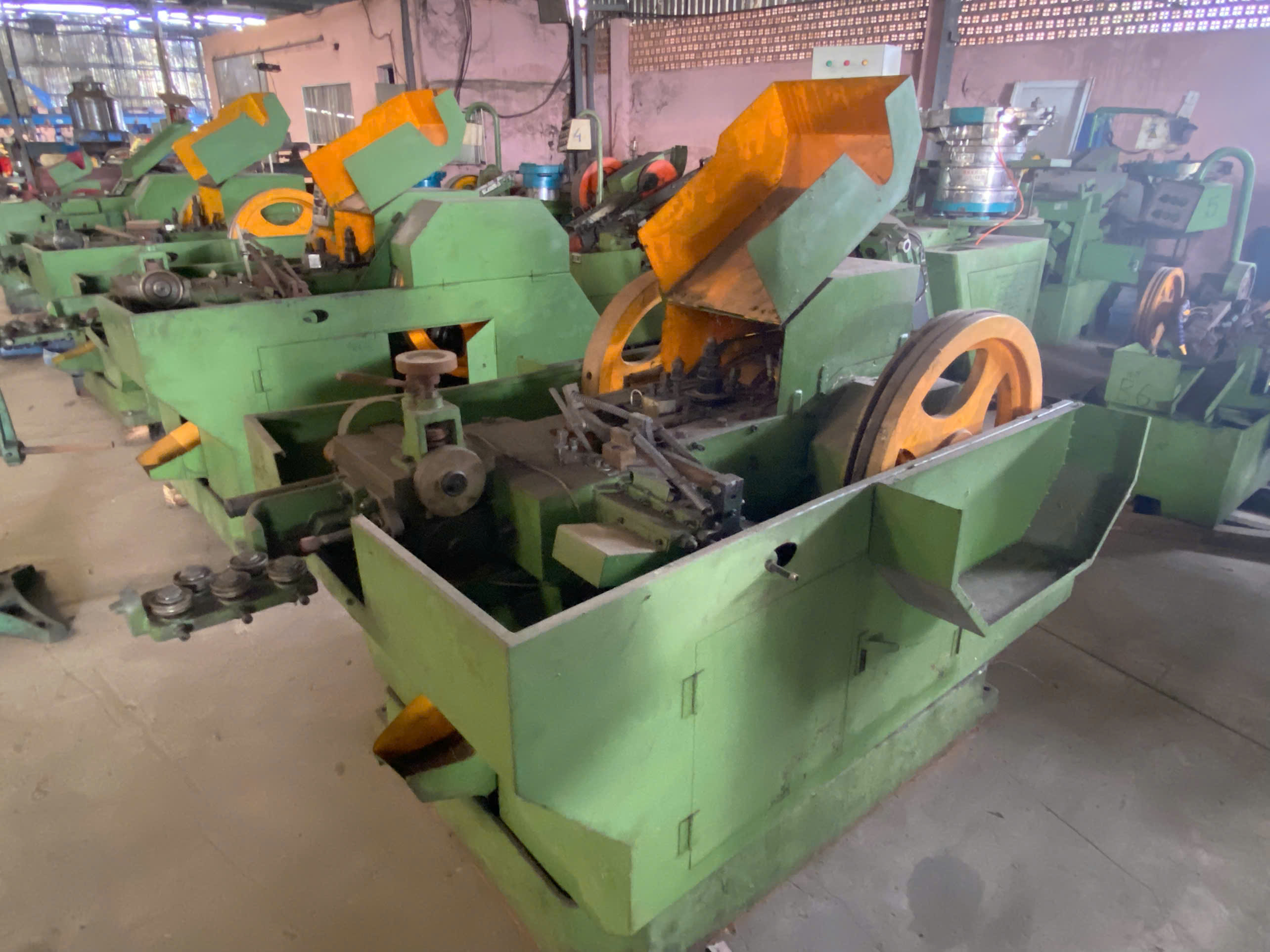

When our Vietnam office first walked into a supplier quoting precision brackets at rock-bottom prices, the website looked impressive — but the factory floor told a different story SA8000 certification 1. No laser cutters, no stamping presses, just a warehouse reshipping parts from unknown sources. That experience taught us that social responsibility audits in Vietnam sheet metal fabrication are not optional — they are the only way to protect your brand from hidden labor violations, environmental hazards, and supply chain failures that email exchanges will never reveal.
To audit social responsibility when sourcing Vietnam sheet metal fabrication, buyers must conduct physical factory walk-throughs, verify payroll and overtime records against local labor laws, confirm environmental permits and waste management systems, and engage independent third-party auditors with local expertise to validate compliance with frameworks like SMETA, SA8000, or BSCI.
This guide breaks down each step of a practical social responsibility audit BSCI compliance 2. I will share what we have learned managing supplier evaluations across Vietnam, so you can build a reliable and ethical supply chain for your custom metal projects.
What specific social compliance standards should I look for in a Vietnam sheet metal factory?
A question our U.S. clients ask in nearly every kickoff call is which compliance standard actually matters on the ground in Vietnam — and the answer is not as simple as picking one certification off a list.
Look for factories that hold or can demonstrate readiness for SA8000 certification, Sedex SMETA audit completion, BSCI compliance, and ISO 9001:2015. These frameworks cover labor standards, worker rights, occupational health and safety, environmental impact, and ethical sourcing — the pillars of responsible manufacturing in Vietnam.

Understanding the Major Frameworks
Not every Vietnam sheet metal supplier will hold every certification. But knowing what each framework covers helps you ask the right questions. Here is a comparison of the most relevant standards:
| Standard / Framework | Focus Areas | Who Requires It | Audit Type |
|---|---|---|---|
| SA8000 | Child labor, forced labor, health & safety, working hours, wages, discrimination | Global brands, EU importers | Third-party certified |
| Sedex SMETA | Labor, health & safety, environment, business ethics | UK/EU retailers, OEMs | Third-party (shared via Sedex platform) |
| BSCI | Supply chain compliance, worker rights, fair wages, environmental management | European buyers (amfori members) | Third-party or second-party |
| ISO 9001:2015 3 | Quality management, process control, traceability | All industries | Third-party certified |
| WRAP | Lawful workforce, prohibition of forced labor, safe conditions | Apparel-adjacent, but applicable | Third-party certified |
Why ISO 9001 Alone Is Not Enough
Many factories in Vietnam will present an ISO 9001 certificate as proof of compliance. ISO 9001 is important — it ensures process control and product traceability. But it does not directly audit labor standards or environmental impact. When we evaluate a potential sheet metal partner, we treat ISO 9001 as the baseline, not the finish line. A factory can have excellent CNC programming and still violate overtime laws.
Vietnam's Local Labor Code
Beyond international frameworks, you must check compliance with Vietnam's own Labor Code 4. Key provisions include a maximum of 40 normal working hours per week, a cap of 200 overtime hours per year (300 in special cases with government approval), and minimum wage zones that vary by region. A factory in Ho Chi Minh City has a different minimum wage than one in a rural province. Ask for the factory's registered wage zone and cross-check it against their payroll records.
The ESG Audit Connection
For European buyers, an ESG audit is now a strategic requirement, not just a nice-to-have. The EU's Corporate Sustainability Due Diligence Directive 5 is pushing companies to verify human rights and environmental conditions deep into their supply chains. If your Vietnam sheet metal supplier cannot demonstrate due diligence on these points, your entire import chain is at risk of non-compliance.
How do I conduct an effective on-site social responsibility audit for my custom metal projects?
One lesson we learned early in our Vietnam operations: a beautifully formatted supplier questionnaire tells you almost nothing about the real conditions on the factory floor. The only reliable method is walking the floor yourself — or sending a qualified auditor to do it.
An effective on-site social responsibility audit combines a physical factory walk-through to verify equipment ownership and working conditions, a document review of payroll and overtime records, confidential worker interviews, and checks on environmental waste management — all completed over a minimum of two full days for a thorough assessment.

Step 1: Expose the Trading Company Trap
The most critical first step is confirming that the supplier actually manufactures the parts. A significant number of companies quoting sheet metal work in Vietnam are trading companies. They have polished websites and responsive sales teams, but no factory. They subcontract your order to workshops where you have zero visibility into labor practices or quality control.
During an on-site visit, look for the following equipment as evidence of genuine sheet metal fabrication capability:
| Equipment | Purpose | What to Verify |
|---|---|---|
| Laser cutting machines 7 | Precision cutting of sheet metal blanks | Machine age, maintenance logs, operator training records |
| CNC press brakes 8 | Bending and forming sheet metal | Tooling inventory, setup procedures |
| Stamping presses | High-volume part production | Safety guards, lockout/tagout procedures |
| Welding stations (TIG/MIG) | Joining sheet metal components | Ventilation, welder certifications, PPE availability |
| Powder coating / surface treatment line | Finishing | Chemical storage, waste disposal permits |
If a supplier cannot show you these machines running during your visit, that is a red flag. Ask directly: "Do you own this equipment, or do you subcontract the work?" This single question can save months of problems.
Step 2: Review Documents Against Reality
Request and cross-check these documents during your audit:
- Payroll records for at least the past three months. Compare listed hours against time-card or biometric attendance data. With Vietnam's average manufacturing wage around $280 per month, any significant deviation below the registered minimum wage zone is a serious concern.
- Overtime logs. Vietnam's Labor Code caps standard overtime. If records show workers consistently at 60+ hours per week, either the records are falsified or the factory is violating the law.
- Business registration and factory permits. Confirm the legal entity matches the company you are negotiating with.
- Environmental permits. Sheet metal fabrication generates metal scrap, cutting oil waste, and welding fumes. Verify that the factory holds valid permits for waste disposal and emissions.
Step 3: Conduct Confidential Worker Interviews
This step is where many buyer-led audits fall short. Workers will not speak freely if management is standing nearby. Use a translator who is independent of the factory. Ask about actual working hours, payment frequency, access to protective equipment, and whether they feel safe reporting grievances. A well-functioning grievance mechanism — anonymous and accessible — is a hallmark of a responsible manufacturing operation.
Step 4: Inspect Health and Safety Conditions
Walk every area of the factory. Check for clearly marked emergency exits, fire extinguishers, first-aid stations, and proper ventilation near welding and cutting stations. Occupational health and safety 9 is not abstract in sheet metal fabrication — the risks are burns, eye injuries, respiratory damage from fumes, and crush injuries from presses. Look for evidence of regular safety training, not just a poster on the wall.
A standard audit takes at least two days. We have seen Korean clients conduct thorough ISO 9001-aligned audits in that timeframe, covering quality, traceability, continuous improvement, and social indicators. Rushing it into a single morning will miss critical details.
What are the key labor and safety red flags I need to identify during my Vietnam supplier evaluation?
During a recent supplier evaluation in the outskirts of Hanoi, our team noticed something that looked fine on paper but felt wrong on the floor — workers wearing flip-flops near a running stamping press, with no safety guard in sight. That single observation told us more than any questionnaire ever could.
Key red flags include workers without personal protective equipment, blocked or locked emergency exits, payroll records that do not match attendance data, evidence of child labor or underage workers, excessive overtime beyond legal limits, absence of fire safety equipment, poor ventilation near welding stations, and a lack of any worker grievance mechanism.
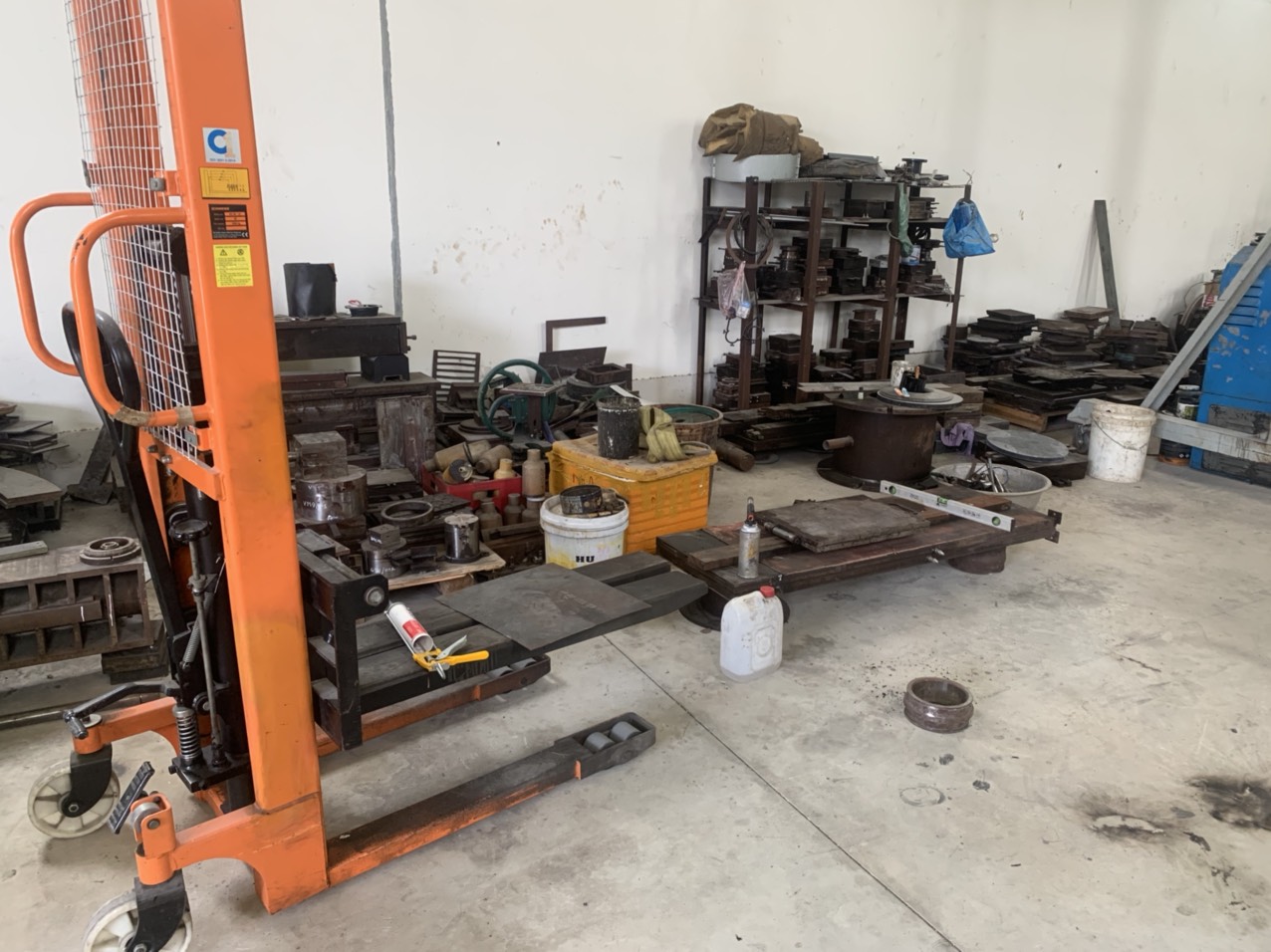
The Wage Pressure Reality
Vietnam's low labor costs are a major draw for international buyers. Manufacturing workers earn an average of approximately $280 per month, compared to roughly $4,000 in the United States. This wage gap creates enormous competitive advantage — but also enormous risk. When margins are already thin, unethical factories cut corners on safety equipment, extend overtime illegally, or suppress wages below the legal minimum.
Here is a framework for evaluating the most common red flags during your supplier evaluation:
| Red Flag Category | What to Look For | Severity |
|---|---|---|
| Child / Forced Labor | Workers who appear underage; restricted worker movement; withheld identity documents | Critical — immediate disqualification |
| Wage Violations | Pay below regional minimum wage; irregular payment schedules; unlisted deductions | Critical |
| Excessive Overtime | Consistent 60+ hour weeks; no rest days; overtime not voluntary | High |
| Missing PPE | No gloves, safety glasses, ear protection, or steel-toe boots near machinery | High |
| Blocked Exits | Emergency doors locked, obstructed, or unmarked | Critical — fire safety violation |
| No Ventilation | Welding/cutting areas without fume extraction or air handling | High |
| No Grievance Channel | Workers have no anonymous way to report safety or labor concerns | Medium-High |
| Falsified Records | Payroll and time records that look too clean or do not match worker interviews | High |
Cultural Nuances That Affect Transparency
In Vietnamese business culture, relationships matter deeply. A factory manager may agree to everything during a meeting but avoid disclosing problems to preserve the relationship. This is not dishonesty in the Western sense — it is a cultural norm around saving face. Our Vietnam-based team has learned to ask indirect, open-ended questions rather than confrontational ones. For example, instead of asking "Do you violate overtime limits?", ask "How do you manage production during peak season when orders increase?" The answer reveals far more.
Environmental Red Flags Specific to Sheet Metal
Sheet metal fabrication produces specific environmental waste: metal scrap, cutting fluids, oil residues, and welding fumes. A responsible factory will have designated scrap collection areas, proper chemical storage, and visible fume extraction systems. If you see cutting oil draining into open ground or scrap piled haphazardly near worker areas, the factory likely lacks an environmental impact assessment or valid environmental permits. This is a supply chain compliance risk that can extend to your company under evolving EU regulations.
Subcontracting Transparency
Ask whether any processes — such as surface treatment, heat treatment, or plating — are subcontracted. If they are, you need to know who the subcontractor is and whether the same labor and safety standards apply. A factory might pass your audit on its own floor but send your parts to a subcontractor with no safety protocols. Ethical sourcing requires visibility into every link of the chain.
How can a social responsibility audit protect my brand and ensure my Vietnam supply chain remains reliable?
A trade-off we weigh with every new Vietnam supplier is this: the upfront cost of a thorough audit versus the potential cost of a brand-damaging headline or a shipment delayed by a government shutdown of a non-compliant factory. The math always favors the audit.
A social responsibility audit protects your brand by proactively identifying labor violations and environmental risks before they become public scandals, regulatory penalties, or supply disruptions — ensuring your Vietnam supply chain delivers consistent quality, on-time delivery, and compliance with the ESG standards your end customers and regulators increasingly demand.
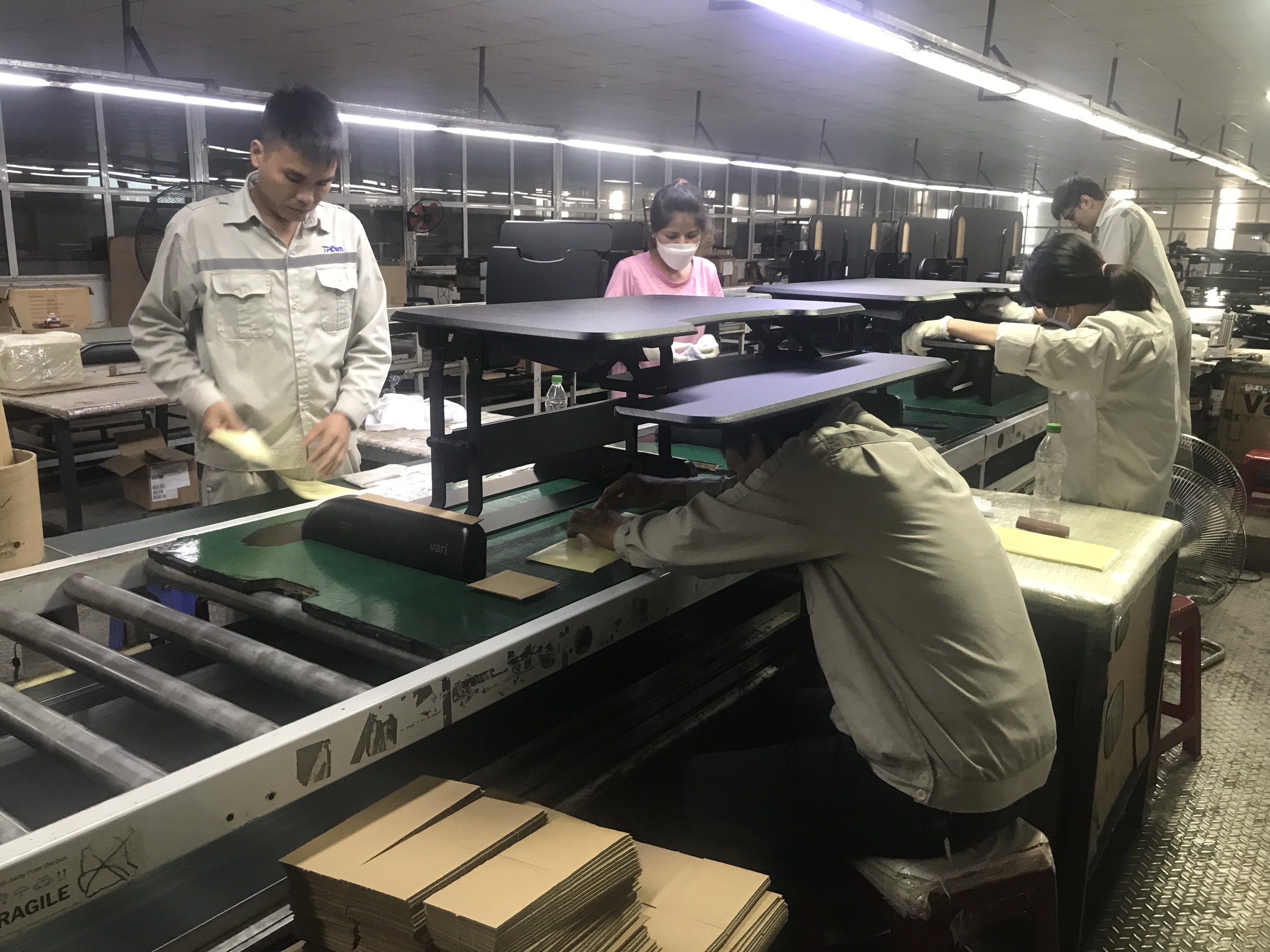
Risk Mitigation: Beyond Compliance
The most obvious benefit of an audit is avoiding legal trouble. But the deeper value is operational. When we conduct due diligence in Vietnam on behalf of our clients, we consistently find that factories with strong social compliance also have better quality output. The reason is simple: a factory that invests in worker safety, proper training, and fair wages tends to have lower turnover, more skilled operators, and fewer production errors. Responsible manufacturing is not separate from quality — it enables quality.
The Cost of Not Auditing
Consider what happens when you skip the audit:
- Brand damage. A single exposé about labor abuses at your supplier can destroy years of brand-building. Social media amplifies these stories instantly.
- Supply disruption. Vietnamese authorities are increasing enforcement. A factory shut down for safety violations means your production stops without warning.
- Regulatory penalties. The EU's due diligence directives can hold importing companies liable for human rights and environmental violations in their supply chains.
- Customer loss. Major OEMs and distributors now require social compliance documentation from their Tier 1 and Tier 2 suppliers. Without it, you lose contracts.
The Role of Third-Party Auditors
Self-auditing has limits. Language barriers, cultural nuances, and the sheer complexity of Vietnamese labor regulations make it difficult for a foreign buyer to conduct a fully reliable audit alone. This is why we recommend engaging independent third-party audit firms with established local expertise. Firms specializing in Vietnam can navigate regional wage zone differences, interpret local labor code provisions, and conduct worker interviews in Vietnamese without factory management influence. For guidance on planning this process, learn how to arrange a factory audit when sourcing sheet metal fabrication from Vietnam.
A Sedex SMETA audit, for example, produces a standardized report that can be shared with multiple buyers through the Sedex platform. This reduces audit fatigue for the supplier while giving every buyer in the chain a credible, comparable assessment.
Continuous Monitoring: Beyond the Annual Audit
A one-time audit is a snapshot. Conditions can change between visits. Forward-thinking companies are now using digital tools and periodic spot checks to maintain visibility. Some approaches include:
- Quarterly remote document reviews (payroll, overtime, incident reports)
- Unannounced spot audits once or twice per year
- IoT-based monitoring of environmental indicators (air quality, water discharge) in advanced facilities
- Maintaining open communication channels with factory management to address issues proactively
When we manage ongoing supplier relationships for our clients, we treat the initial audit as the foundation and continuous monitoring as the structure built on top of it. This approach catches problems early — before they become shipment delays, quality escapes, or compliance violations.
Material Traceability
A complete social responsibility program extends upstream. Where does the raw sheet metal come from? Is it sourced from ethical mines and mills? Conflict minerals 10 and unsustainable sourcing are increasingly under scrutiny. Ask your supplier for mill certificates and trace the origin of their steel, aluminum, or stainless steel stock. This level of supply chain compliance is becoming standard for companies serving the U.S. and European markets.
Conclusion
Auditing social responsibility in Vietnam sheet metal fabrication is not optional — it is essential for protecting your brand, ensuring supply chain reliability, and meeting evolving global compliance standards. Walk the floor, verify the records, interview the workers, and partner with qualified third-party auditors to build a supply chain you can trust.
Frequently Asked Questions
What specific social compliance standards should I look for in a Vietnam sheet metal factory?
A question our U.S. clients ask in nearly every kickoff call is which compliance standard actually matters on the ground in Vietnam — and the answer is not as simple as picking one certification off a list.
How do I conduct an effective on-site social responsibility audit for my custom metal projects?
One lesson we learned early in our Vietnam operations: a beautifully formatted supplier questionnaire tells you almost nothing about the real conditions on the factory floor. The only reliable method is walking the floor yourself — or sending a qualified auditor to do it.
What are the key labor and safety red flags I need to identify during my Vietnam supplier evaluation?
During a recent supplier evaluation in the outskirts of Hanoi, our team noticed something that looked fine on paper but felt wrong on the floor — workers wearing flip-flops near a running stamping press, with no safety guard in sight. That single observation told us more than any questionnaire ever could.
Footnotes
1. Explains the SA8000 standard for social accountability and ethical labor practices. ↩︎
2. Explains the amfori BSCI Code of Conduct for improving social performance in supply chains. ↩︎
3. Provides details on the ISO 9001:2015 standard for quality management systems. ↩︎
4. Provides information on the labor laws and regulations specific to Vietnam. ↩︎
5. Explains the EU directive requiring companies to address human rights and environmental impacts in their supply chains. ↩︎
6. Explains the Sedex SMETA audit methodology for ethical trade and social compliance. ↩︎
7. Provides information on the function and types of laser cutting machines used in manufacturing. ↩︎
8. Explains the function and operation of CNC press brakes in sheet metal bending. ↩︎
9. Defines occupational health and safety, emphasizing its importance in industrial settings. ↩︎
10. Explains what conflict minerals are and their impact on ethical sourcing and supply chains. ↩︎