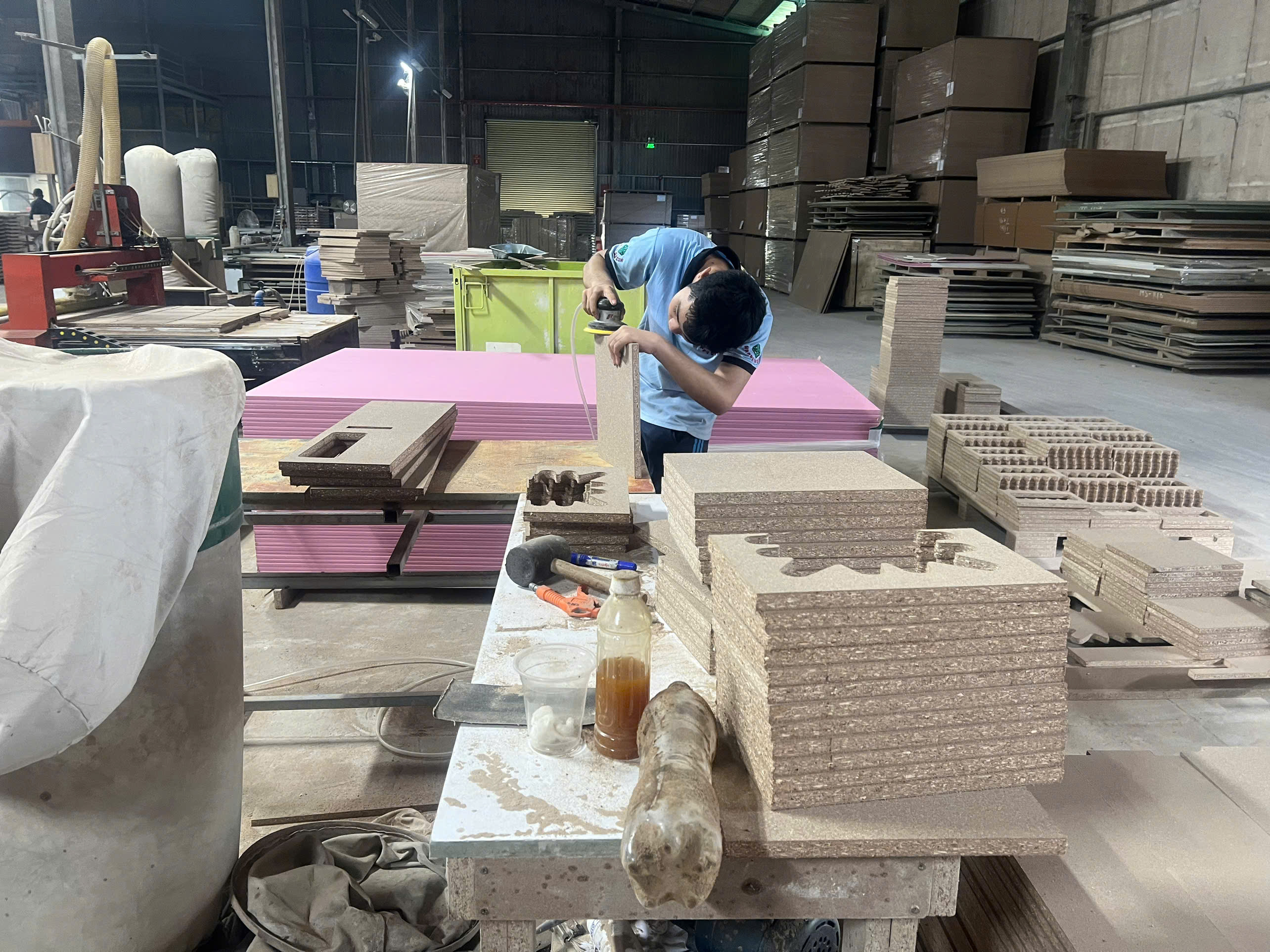

Every purchasing manager dreads opening a shipment to find parts that don’t match the drawing — again. I’ve watched clients lose weeks to rework cycles caused by manual fabrication inconsistency 1, and it’s a problem that compounds with every reorder.
Automation impacts sheet metal fabrication consistency by replacing variable human execution with digitally controlled, repeatable processes. This eliminates operator-driven errors in cutting, bending, and welding, ensuring the first part matches the thousandth part and dramatically reducing non-conforming shipments for sourcing buyers.
Below, I’ll walk through how automated fabrication changes the game for procurement teams sourcing custom sheet metal parts from Asia — and what to look for when evaluating a supplier’s real capabilities.
How can automation help me achieve "right first time" results for my custom sheet metal orders?
A lesson we learned early at DEWIN: the cost of getting it wrong the first time is never just one part — it's the cascade of delays, air freight charges, and strained client relationships that follow.
Automation achieves "right first time" results by converting your digital drawings directly into machine instructions, eliminating manual interpretation errors. CNC programming, automated bending, and robotic fabrication ensure every dimension, angle, and hole position matches your specifications from the very first piece produced.

Why Manual Interpretation Fails
When a skilled operator reads a 2D drawing 2 and sets up a press brake manually, they make dozens of micro-decisions. Which tool to use. How much pressure to apply. Where to position the blank. Each decision introduces a small variable. Across a batch of 500 brackets — like the complex mounting brackets with multiple folds, cutouts, and pre-drilled holes that we regularly produce — those small variables add up fast.
I've seen cases where a 0.5-degree bend deviation on a mirrored bracket pair made the left and right parts incompatible at assembly. The client rejected the entire lot. That's the hidden cost of manual variance.
How Automation Locks In Consistency
Automated systems work differently. The process starts with your CAD file 3. CNC programming translates every dimension into machine code. The laser cutter follows the exact path every time. The automated bending system applies identical force, angle, and sequence on every piece.
Here's a comparison of how manual and automated processes handle key fabrication steps:
| Fabrication Step | Manual Process | Automated Process |
|---|---|---|
| Drawing interpretation | Operator reads print, sets up manually | CAD-to-machine direct transfer |
| Cutting accuracy | ±0.3 mm typical, operator-dependent | ±0.05 mm typical, digitally controlled |
| Bend angle consistency | Varies with operator fatigue and judgment | Repeatable within ±0.1° across full run |
| Hole positioning | Marked and drilled individually | Programmed once, executed identically |
| Setup time per new part | 30–60 minutes | 5–15 minutes with stored programs |
The First-Pass Yield Difference
First-pass yield 4 is the percentage of parts that pass inspection without rework. In our experience managing production across facilities in Vietnam and China, suppliers relying on manual fabrication typically achieve 85–92% first-pass yield on complex parts. Suppliers with well-implemented automation consistently reach 97% or higher.
For a purchasing manager placing a 1,000-piece order, that difference means 80 fewer rejected parts, fewer replacement shipments, and no scramble to meet your customer's deadline.
The key word here is "well-implemented." Automating a broken process doesn't fix it — it just breaks faster. That's why our team audits supplier procedures before recommending automation-equipped partners. We verify that their quality control systems are built around the automation, not bolted on as an afterthought.
Will automated fabrication reduce the human errors that lead to my frequent delivery delays?
One of our U.S. clients once told me his biggest frustration wasn't price — it was unpredictability. He could budget for a higher unit cost, but he couldn't budget for a shipment arriving two weeks late because parts failed inspection and needed rework.
Yes, automated fabrication directly reduces human errors — the primary cause of rework, scrap, and cascading delivery delays. By removing fatigue-driven mistakes, subjective setup decisions, and inconsistent welding, automation keeps production on schedule and eliminates the rework loops that push your delivery dates back.

Mapping the Delay Chain
Delivery delays rarely come from one big mistake. They come from a chain of small ones. Here's how a typical delay unfolds in a manual shop:
- Operator misreads a tolerance callout on the drawing.
- First batch of parts is cut or bent slightly out of spec.
- QC catches the issue — sometimes only after 200 pieces are done.
- Rework begins. Some parts are salvageable; others become scrap.
- Raw material reorder is triggered. Lead time: 5–10 days.
- Second production run starts. The schedule is already compressed.
- Final inspection reveals a new issue from the rushed second run.
- Shipment misses the vessel booking. New booking adds 7–14 days.
Each link in that chain involves a human decision point where error can enter. Automation breaks the chain at steps 1, 2, and 3 by eliminating manual interpretation, ensuring repeatable execution, and enabling real-time monitoring.
Where Automation Cuts Delay Risk
| Delay Source | Root Cause (Manual) | How Automation Addresses It |
|---|---|---|
| Misread drawing dimensions | Operator interpretation | Direct CAD-to-machine data transfer |
| Inconsistent weld quality | Fatigue, hand tremor, uneven speed | Robotic fabrication with programmed parameters |
| Late defect detection | Visual inspection only at end of run | Inline sensors and real-time quality monitoring |
| Excessive setup time | Trial-and-error positioning | Stored CNC programs with instant recall |
| Material waste from scrap | Out-of-spec parts scrapped | Precision manufacturing reduces material waste |
| Rework bottleneck | Manual correction of errors | Fewer errors mean fewer rework cycles |
The Predictive Maintenance Factor
Modern automated equipment also supports predictive maintenance 6 — using sensor data to flag when a tool is wearing or a machine needs calibration before it produces bad parts. In a manual shop, a dull laser lens or a worn press brake die might go unnoticed until parts start failing inspection. Automated systems alert the operator proactively.
This matters for supply chain optimization 7 because it keeps production lines running without unplanned downtime. When we evaluate suppliers for our clients, we look at whether their equipment includes these monitoring capabilities. A supplier with a brand-new CNC laser but no maintenance tracking system is still a delivery risk.
Real-World Impact on Lead Times
From managing projects across multiple Asian suppliers, I can say that automated shops consistently offer reduced lead times — not because they run faster on paper, but because they waste less time on rework. Manufacturing efficiency improves when the process doesn't loop back on itself. The net result is a more reliable ship date, which is what every purchasing manager actually needs. For guidance on establishing realistic sheet metal fabrication lead times for OEM production, it helps to understand how automation affects the rework equation.
How do I verify that a supplier's automated equipment can handle my complex drawing requirements?
A trade-off we constantly weigh: a supplier might have impressive machinery, but does their team know how to program it for your specific part? I've visited factories with million-dollar laser-punch combo systems sitting next to a stack of manually bent parts that failed inspection.
Verify a supplier's automated capability by requesting sample production runs, reviewing their CNC programming workflow, auditing their equipment list against your part complexity, and examining their first-pass yield data. The presence of machines alone means nothing — what matters is the documented process connecting your drawing to finished, inspected parts.
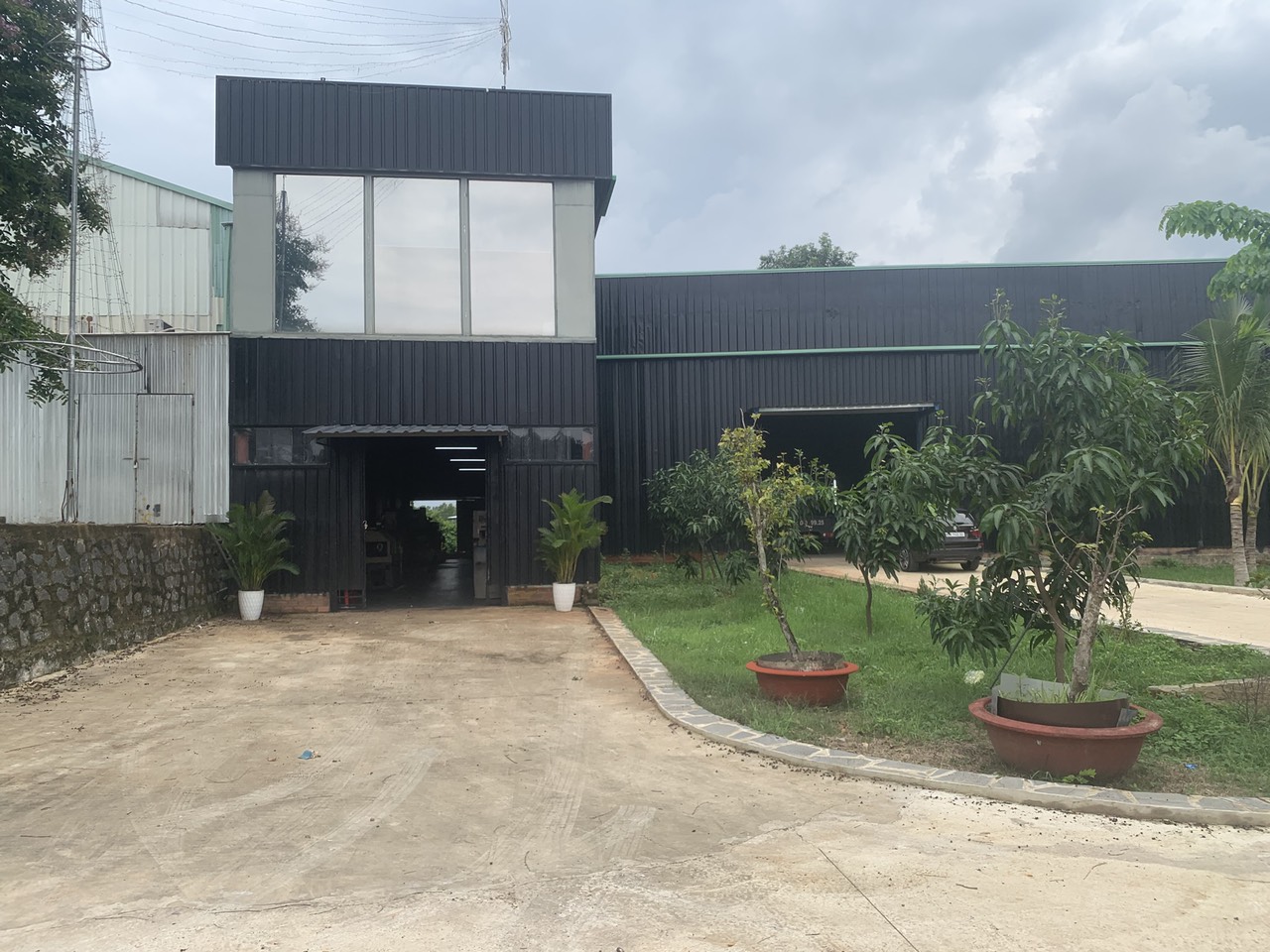
The Equipment List Is Just the Starting Point
When a supplier sends you a list of machines, it tells you what they own. It doesn't tell you how they use it. I've learned to dig deeper. Here are the questions our audit team asks during supplier evaluations:
- Can you walk us through the file-to-part workflow for a part with 8+ bends?
- How do you handle material thickness variation on automated press brakes?
- What software do you use for nesting and CNC programming?
- Do you have stored programs for repeat orders, or do you reprogram each time?
- How do you validate first-article samples against the drawing?
These questions reveal whether the supplier has lean production thinking built into their process or just expensive equipment on the floor.
Matching Equipment to Part Complexity
Not all automation is equal. Traditional automation handles high-volume, repetitive work well. But if your parts have complex geometries 8 — like the angular mounting brackets with multiple precise folds, irregular cutouts, and mirrored configurations — you need smart automation with adaptive controls.
| Part Feature | Traditional Automation Capability | Smart Automation Capability |
|---|---|---|
| Simple 90° bends | Excellent | Excellent |
| Multi-axis compound bends | Limited | Handles via adaptive programming |
| Tight tolerance cutouts (±0.05 mm) | Good with proper tooling | Excellent with vision-guided systems |
| Mirrored/paired components | Requires separate programs | Can auto-mirror from single program |
| Variable material batches | May produce drift | Force sensing compensates in real-time |
| Prototype and low-volume runs | Inefficient setup costs | Quick changeover with stored parameters |
What a Good Audit Looks Like
When our team conducts a supplier audit — whether in Vietnam, China, Taiwan, or India — we don't just count machines. We run a trial. We provide a drawing with deliberate complexity: tight tolerances, asymmetric features, multiple bend sequences. Then we watch.
Does the engineer import the file cleanly? Does the operator verify the first piece against the drawing with proper gauges? Is there a documented PPAP-style process 9 for first-article approval? These are the signals that a supplier's automation will deliver for your project, not just for their showroom.
Supplier reliability comes down to the process around the equipment. A well-run manual shop can sometimes outperform a poorly managed automated one. But when automation and process discipline come together, you get consistency that manual methods simply cannot replicate at scale. Understanding how new OEM buyers evaluate sheet metal fabrication sourcing requirements can help you build a more structured approach to these assessments.
Can switching to an automated sheet metal partner lower my risk of receiving non-conforming parts?
A buyer interaction that stays with me: a purchasing manager in the Midwest called after receiving his third consecutive shipment with dimensional issues. His existing supplier had been in business for 20 years. Experience wasn't the problem — process control was.
Switching to an automated sheet metal partner significantly lowers non-conformance risk by standardizing every fabrication step through digital controls. Automated cutting, bending, and welding remove operator variability, while integrated inspection systems catch deviations before parts ship — reducing rejected lots and protecting your production schedule.
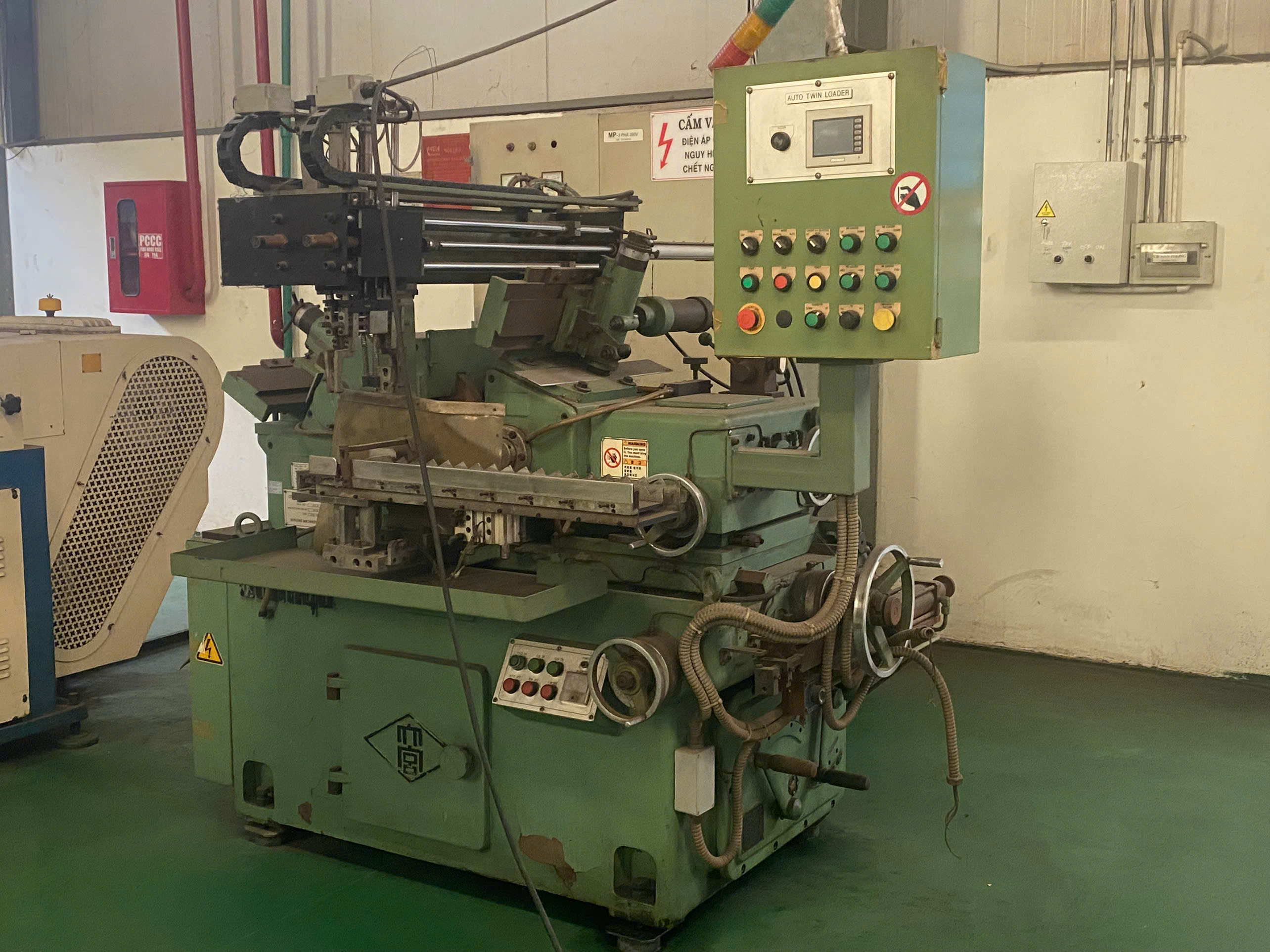
Understanding Non-Conformance Root Causes
Non-conforming parts don't appear randomly. They have traceable causes. In our experience managing quality across dozens of custom part projects, the top root causes break down like this:
- Drawing misinterpretation — the operator reads the print differently than the designer intended.
- Process drift — tooling wears, machine settings shift, and nobody recalibrates mid-run.
- Inconsistent welding — manual welders vary in speed, angle, and heat input, especially on long shifts.
- Missing inspection steps — parts skip a checkpoint and ship without verification.
- Material substitution — wrong grade or thickness used without detection.
Automation addresses the first four causes directly. The fifth requires incoming material inspection, which is a process control issue — but automated systems with material verification sensors can flag it too.
The Quality Control Systems Advantage
What makes automated fabrication fundamentally different from a quality standpoint is traceability. Every part produced on automated equipment generates data: timestamps, machine settings, dimensional readings, operator IDs. This data creates a digital thread from raw material to finished part.
For sourcing professionals, this means you can request production records for any shipment. If a part fails at your end, you can trace it back to the exact machine, program, and material lot. This level of transparency is nearly impossible to achieve in a manual shop.
Quantifying the Risk Reduction
While I won't fabricate specific statistics, the pattern across our projects is clear and consistent. Suppliers who invest in automation and wrap it in documented quality processes deliver fewer non-conforming parts. The combination of precision manufacturing, real-time monitoring, and stored programs means that material waste reduction and defect prevention happen simultaneously.
For procurement teams evaluating a switch, I recommend asking potential suppliers for their non-conformance trending data. A supplier confident in their automated processes will share it openly. One that hesitates is telling you something. You can also look at supplier capacity metrics that ensure on-time delivery to round out your evaluation framework.
Making the Switch Strategically
Switching suppliers is never risk-free. I recommend a phased approach. Start with a pilot order — a small batch of your most problematic part. Compare the results against your current supplier on three metrics: dimensional accuracy, surface finish consistency, and on-time delivery. If the automated partner delivers, scale up gradually.
Our role at DEWIN is to manage exactly this kind of transition for U.S. buyers sourcing from Asia. We handle the supplier audit, the first-article approval process, and ongoing process control so that the switch doesn't add risk — it removes it.
Conclusion
Automation transforms sheet metal fabrication consistency from a gamble into a guarantee. For sourcing professionals, the message is clear: evaluate suppliers by their automated process discipline, not just price, and partner with teams who manage quality end to end.
Frequently Asked Questions
How can automation help me achieve "right first time" results for my custom sheet metal orders?
A lesson we learned early at DEWIN: the cost of getting it wrong the first time is never just one part — it's the cascade of delays, air freight charges, and strained client relationships that follow.
Will automated fabrication reduce the human errors that lead to my frequent delivery delays?
One of our U.S. clients once told me his biggest frustration wasn't price — it was unpredictability. He could budget for a higher unit cost, but he couldn't budget for a shipment arriving two weeks late because parts failed inspection and needed rework.
How do I verify that a supplier's automated equipment can handle my complex drawing requirements?
A trade-off we constantly weigh: a supplier might have impressive machinery, but does their team know how to program it for your specific part? I've visited factories with million-dollar laser-punch combo systems sitting next to a stack of manually bent parts that failed inspection.
Footnotes
1. Highlights challenges and delays caused by reliance on manual processes in manufacturing. ↩︎
2. Explains the importance of 2D technical drawings in manufacturing for specifications. ↩︎
3. Defines CAD files and their role as digital blueprints in manufacturing. ↩︎
4. Explains first-pass yield as a key metric for manufacturing quality and efficiency. ↩︎
5. Provides a definition and explanation of how a press brake machine operates. ↩︎
6. Details predictive maintenance as a proactive strategy using IoT and AI to monitor equipment. ↩︎
7. Defines supply chain optimization and its benefits for efficiency and cost reduction. ↩︎
8. Discusses the challenges and advanced techniques for manufacturing parts with complex geometries. ↩︎
9. Explains the Production Part Approval Process (PPAP) for ensuring consistent part quality. ↩︎