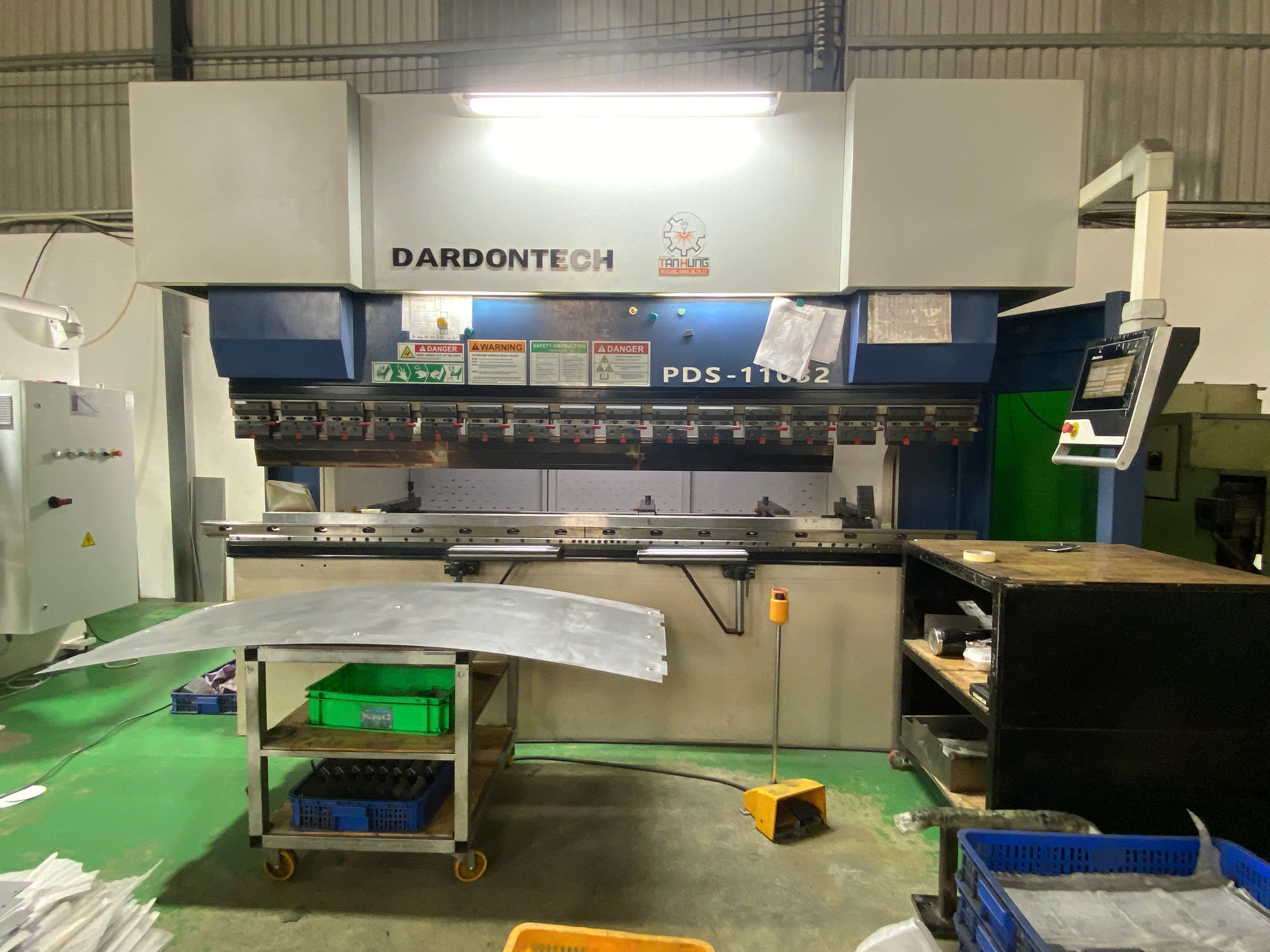
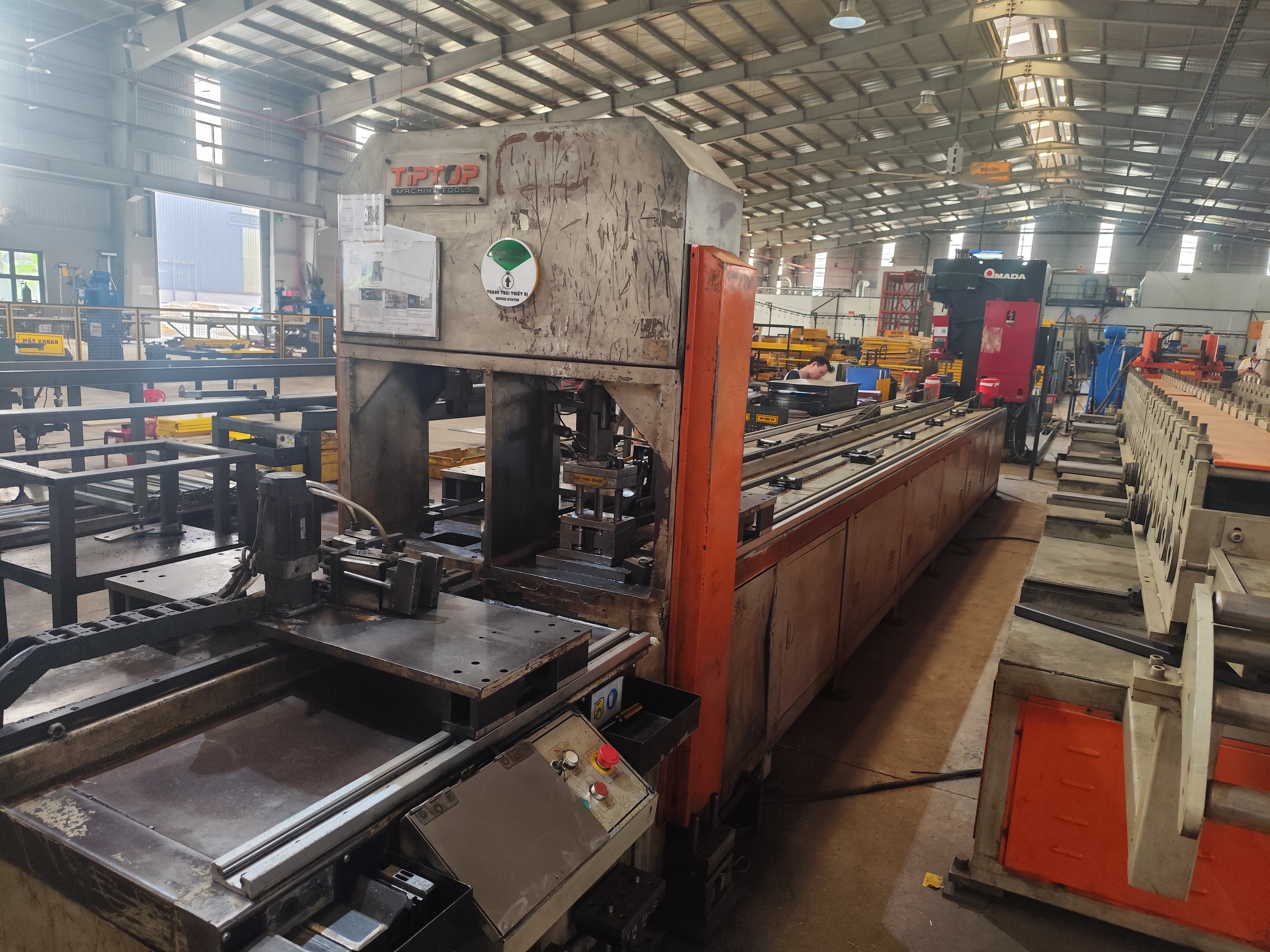
Budgeting for sheet metal fabrication in large-scale infrastructure projects has been one of the trickiest challenges our team has tackled repeatedly across Southeast Asian supply chains.
To budget for sheet metal fabrication in large-scale infrastructure projects, build detailed estimates across four pillars — materials, labor, fabrication processes, and transportation — then apply early value engineering (which can cut costs up to 30%) and use ongoing project cost control tools to track spending, change orders, and overruns in real time.
The sheet metal fabrication services market 1 is projected to reach USD 3.72 billion by 2035, and demand for large-scale metal fabrication in construction is set to surge in 2026. Whether you are sourcing custom brackets, mounting components, or housing bases, getting your budget right from day one prevents expensive surprises later Measurement system analysis (gauge R&R) 2. This guide walks through the core cost drivers, design strategies, logistics traps, quality assurance budgeting, and payment structures that purchasing managers need to master.
How do I accurately estimate the total cost of ownership for my custom sheet metal components?
A lesson we learned early while coordinating production across Vietnam and China: the quoted unit price is never the real cost. Total cost of ownership (TCO) 3 requires you to look far beyond the fabricator's invoice.
To accurately estimate TCO for custom sheet metal components, add raw material pricing, labor rates, machine time, surface finishing, tooling, quality control, logistics, carrying costs, and disruption risk to the unit price — then apply contingency buffers for change orders and material price volatility over your project timeline.
Start With the Four Pillars
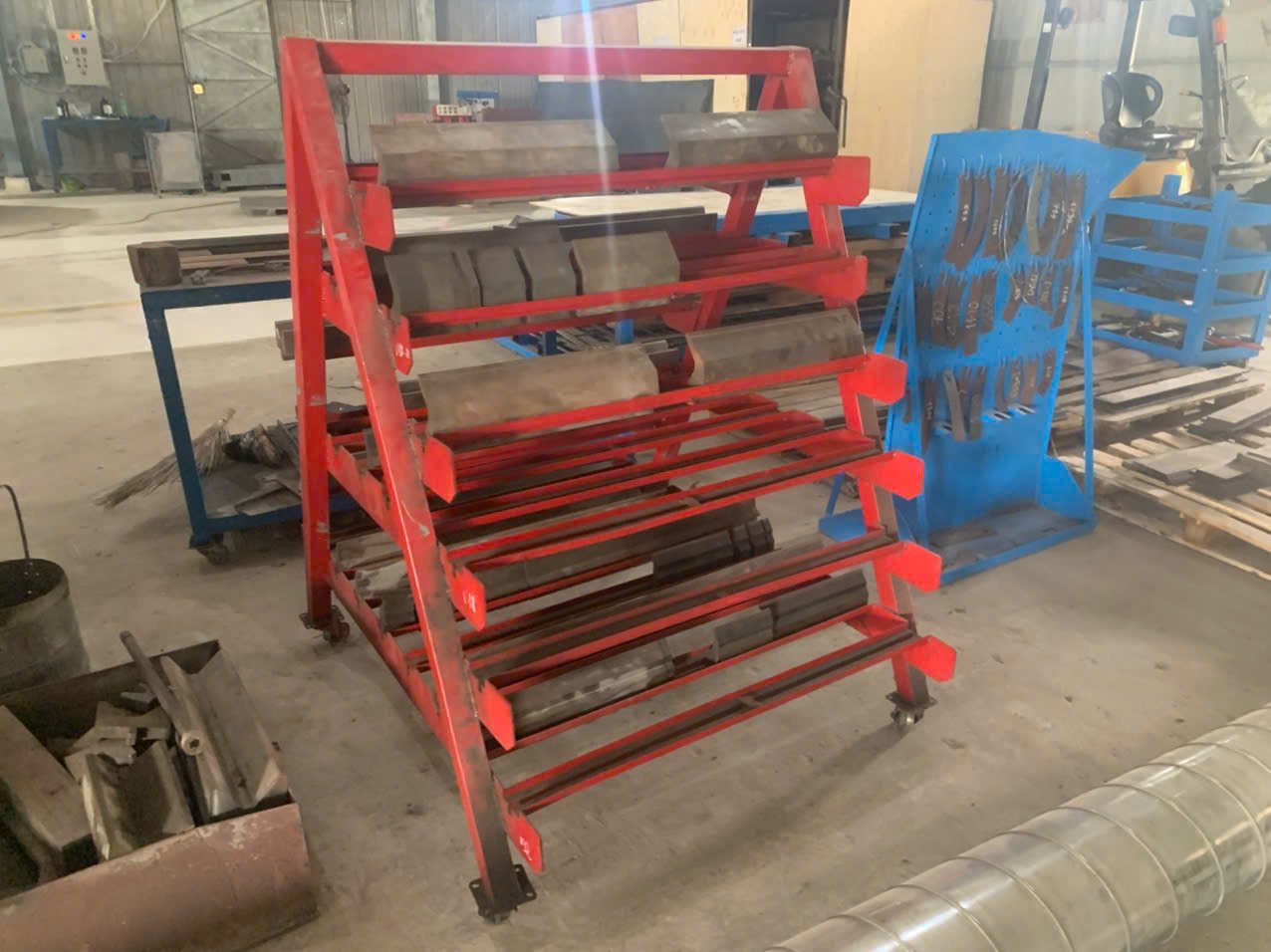
Every reliable budget starts with four categories: materials, labor, fabrication, and transportation. Material costs alone can represent 30–50% of the total project cost. Steel grade, thickness, and market fluctuations all influence the number. Labor rates vary widely by country and by the skill level required — a TIG welder costs more per hour than a press brake operator. Fabrication processes like laser cutting, bending, welding, machining, and powder coating each add their own line items. Transportation includes not just freight but also handling, warehousing, and partial-order expediting.
Categorize, Sample, Extrapolate
For large bills of materials with hundreds of unique parts, quoting every single line item upfront is impractical. Instead, group similar parts into categories by size and design complexity. Quote a representative sample from each category. Then extrapolate across the full BOM to build a rough order of magnitude (ROM) estimate.
| Cost Pillar | Key Line Items | Typical Share of Total Cost |
|---|---|---|
| Materials | Sheet metal type, grade, thickness, scrap factor | 30–50% |
| Labor | Skilled operators, welders, QC inspectors | 15–25% |
| Fabrication | Laser cutting, bending, welding, finishing | 15–30% |
| Transportation & Logistics | Freight, handling, duties, warehousing | 10–20% |
Don't Forget Hidden Overhead
Beyond direct costs, your budget must include CAD programming, machine setup, tooling changes, first article inspection, material handling, and general overhead. Our experience managing PPAP documentation and process control across multiple factories has shown that these "invisible" costs can add 10–15% to the bottom line if you don't plan for them.
Think Long-Term: TCO vs. Unit Price
A true TCO model considers long-term maintenance, durability, and potential replacement costs. For infrastructure projects, a component that costs 15% more upfront but lasts twice as long in a corrosive environment is actually cheaper. Carbon steel is typically the most cost-effective metal, but in coastal or chemical environments, stainless 316 may deliver lower lifecycle cost than 304 despite a higher purchase price. Surface finishing choices matter too — painting or galvanizing is less expensive than powder coating and can be equally effective depending on the application.
Modern procurement strategies weigh delivery reliability, quality consistency, engineering support, inventory management, and geographic redundancy — not just the number on the quote. Understanding what factors influence sheet metal fabrication pricing is essential when building a comprehensive TCO model.
What hidden logistics and tariff costs should I include when sourcing sheet metal from Southeast Asia?
One trade-off we weigh constantly at DEWIN is the balance between lower fabrication costs in Vietnam and the added logistics complexity of door-to-door delivery to the United States. The savings on labor rates can vanish if you don't map every cost between the factory gate and your receiving dock.
When sourcing sheet metal from Southeast Asia, budget for ocean freight, inland trucking, port handling, customs brokerage, import duties, tariff surcharges, container detention and demurrage, cargo insurance, warehousing, and currency exchange fluctuations — plus contingency for geopolitical disruptions and sudden tariff policy changes.
Map the Full Logistics Chain
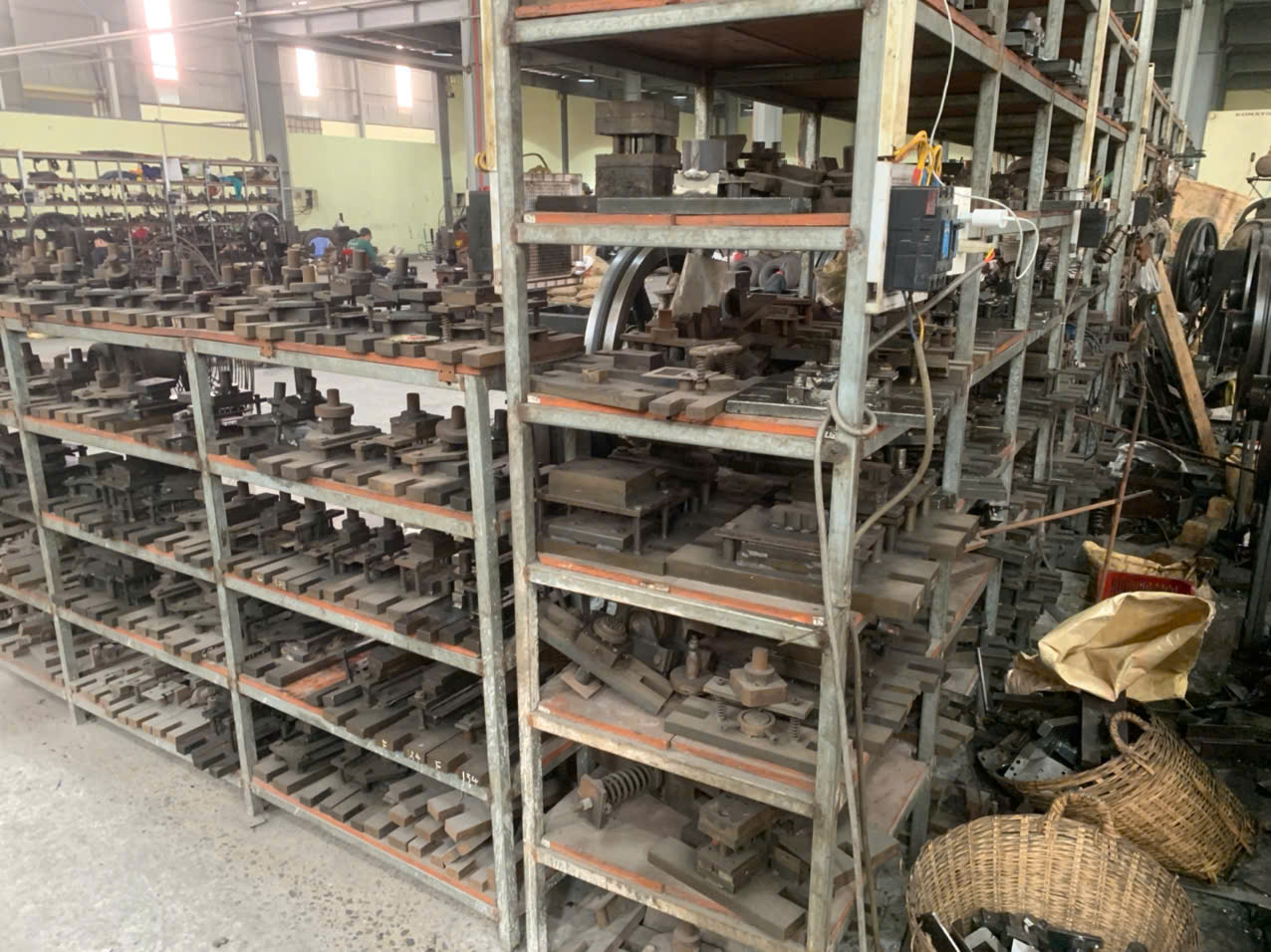
Most purchasing managers account for ocean freight and basic customs duties. But the real cost chain is longer. Inland trucking from the factory to the export port, export customs clearance, container loading, ocean transit, destination port handling, import customs clearance, last-mile delivery — each step has its own fee structure. Container detention (keeping the container past free days) and demurrage (port storage fees) are common budget-busters, especially when customs holds delay clearance.
Tariff Complexity
Tariff rates depend on the Harmonized System (HS) code 4, the country of origin, and any active trade agreements or surcharges. Parts sourced from Vietnam or Thailand may qualify for different duty rates than those from China. However, anti-dumping duties and countervailing duties 5 on certain steel products can apply regardless of origin if the raw material is traced back to a specific country. Our team in Vietnam works through these classifications before production begins to avoid surprises at the U.S. border.
| Hidden Cost Category | Examples | Risk Level |
|---|---|---|
| Freight & Handling | Ocean freight, inland trucking, port charges | Medium |
| Customs & Tariffs | Import duties, anti-dumping surcharges, brokerage fees | High |
| Time-Related Fees | Detention, demurrage, warehouse storage | Medium-High |
| Risk & Insurance | Cargo insurance, currency hedging, geopolitical disruption | High |
| Expediting & Partial Shipments | Rush air freight, split container costs | Very High |
Avoid Last-Minute Expediting
Rush changes and partial shipments are the most expensive logistics mistakes. Air-freighting a batch of custom brackets because a sea shipment was delayed can cost 5–10x the original freight budget for those parts. Place orders early to secure ideal materials and pricing. Build realistic lead times into your schedule. Our supply chain management approach includes buffer stock planning and geographic redundancy — maintaining qualified backup suppliers in different regions — so that a disruption in one location doesn't cascade into a project delay.
Currency and Payment Timing
If you pay in USD but your supplier invoices in local currency, exchange rate fluctuations can shift costs by 2–5% over a project lifecycle. Lock in rates where possible or negotiate USD-denominated contracts to reduce exposure.
How can I ensure my budget covers strict QC and PPAP requirements to avoid costly project delays?
A buyer interaction that shaped how we structure every new engagement: a U.S. purchasing manager once told us that his previous supplier skipped dimensional checks on a run of 2,000 mounting brackets. Every single piece was out of tolerance. The rework cost exceeded the original fabrication cost. That conversation reinforced why we budget QC as a line item, not an afterthought.
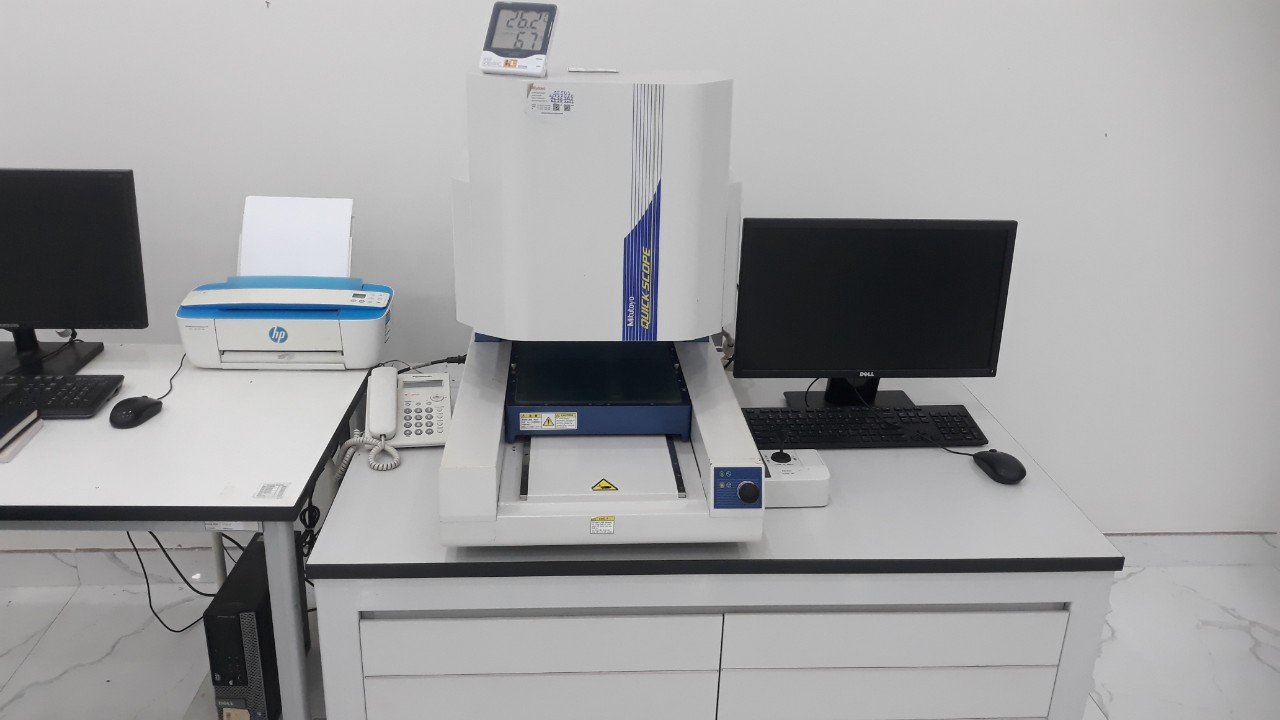
To ensure your budget covers strict QC and PPAP requirements, allocate 5–15% of fabrication cost for quality activities — including first article inspection, in-process checks, PPAP documentation, gauge R&R studies, control plans, and final inspection — and build schedule buffers for approval cycles to prevent delays from becoming cost overruns.
Why QC Costs Are Non-Negotiable
In large-scale infrastructure projects, a single non-conforming batch can halt an entire construction phase. The cost of a project delay — idle crews, missed milestones, penalty clauses — dwarfs the cost of proper inspection. Yet many budget templates treat quality as a fixed overhead percentage rather than a detailed line item.
PPAP: What It Really Costs
Production Part Approval Process (PPAP) 6 is standard in automotive but increasingly required in infrastructure and industrial projects. A full PPAP submission includes 18 elements. Not every project needs all 18, but even a Level 3 submission requires:
- Design records and engineering change documents
- Process flow diagrams
- Process FMEAs 7
- Control plans
- Measurement system analysis (gauge R&R)
- Dimensional results
- Material and performance test results
- Initial process studies (Cpk data 8)
- Sample parts and appearance approval
Each element takes time and skilled labor. If your fabrication partner doesn't have a dedicated quality team, these tasks get rushed or skipped — and the rework cycle begins.
Budgeting QC Activity by Activity
| QC / PPAP Activity | Typical Cost Impact | When It Occurs |
|---|---|---|
| First Article Inspection (FAI) | 1–3% of part cost per SKU | Before production run |
| In-Process Dimensional Checks | Built into labor rates | During production |
| PPAP Documentation Package | Fixed fee per part number ($500–$3,000+) | Pre-production approval |
| Final Inspection & Reporting | 2–5% of batch cost | Before shipment |
| Gauge R&R / MSA | One-time setup cost | During PPAP phase |
| Rework / Scrap Allowance | 2–5% contingency | Throughout production |
Design Complexity Drives Inspection Complexity
Parts with tight tolerances, multiple bends, and intricate cutouts require more measurement points and more inspection time. When our engineers review a drawing, they flag features that will need CMM verification versus those that can be checked with go/no-go gauges. This distinction directly affects QC cost and timeline. Simplifying geometry and relaxing tolerances where functionally acceptable reduces not just fabrication cost but also inspection cost. Learning how to calculate custom fabrication costs for complex sheet metal structural parts can help you anticipate these cost drivers early.
Schedule Buffers for Approval Cycles
PPAP approval can take 2–6 weeks depending on the buyer's internal review process. If your project schedule doesn't account for this, you end up paying for expedited production or air freight to make up lost time. Build approval cycles into the front end of your timeline. We typically recommend adding a 3-week buffer between PPAP submission and planned production start.
Can flexible payment terms from my fabrication partner improve my project's capital allocation?
When we first began offering open account terms to U.S. clients, the reaction was immediate: purchasing managers told us it changed how they could structure their project cash flow. That feedback confirmed that payment terms are a budgeting tool, not just a commercial negotiation point.
Yes, flexible payment terms — such as 60–90 day open account or net terms — directly improve capital allocation by allowing you to receive and deploy fabricated components before payment is due, freeing working capital for parallel project activities and reducing reliance on short-term financing.
The Cash Flow Problem in Large Projects
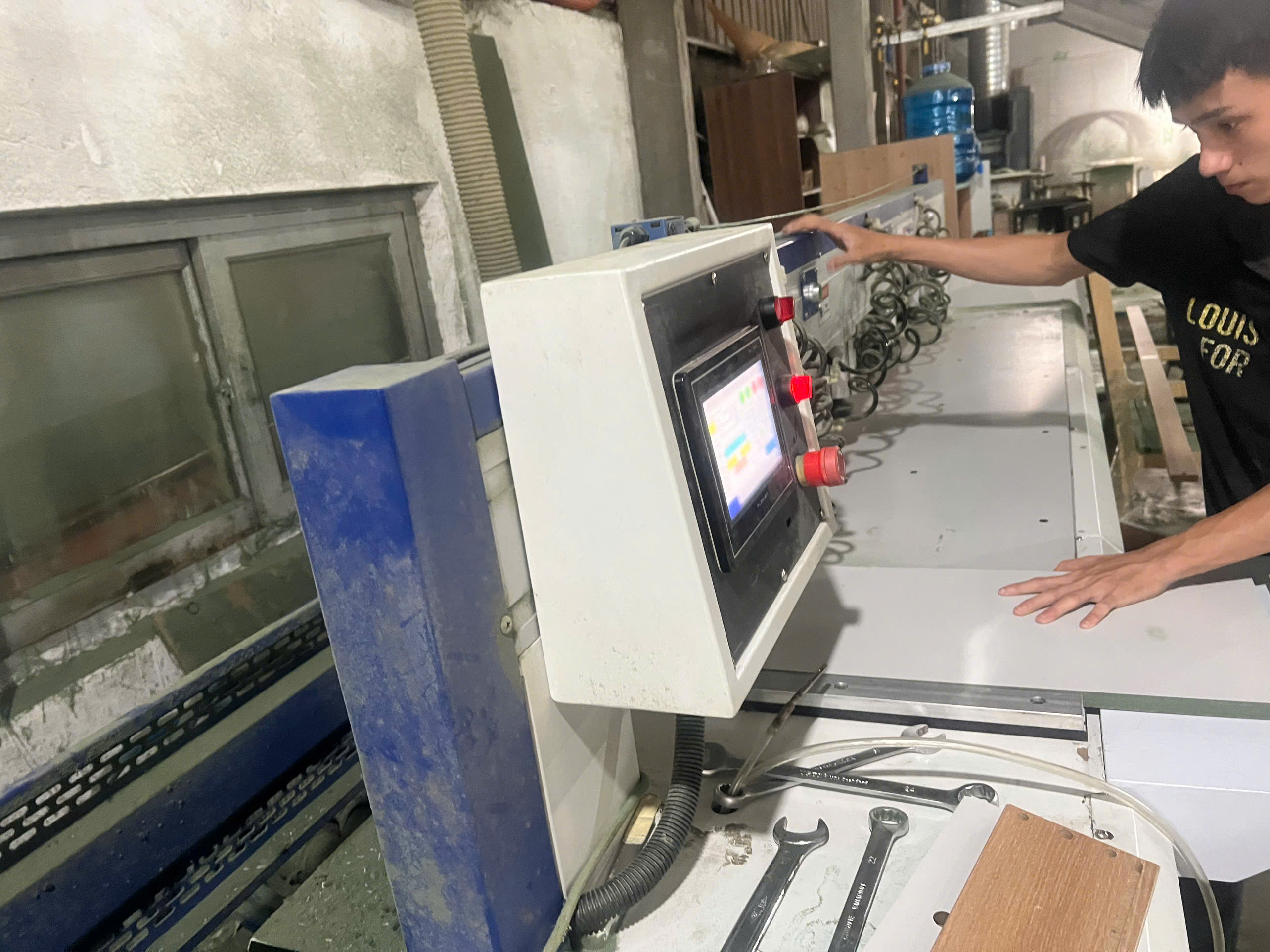
Infrastructure projects are capital-intensive. Material costs, labor, equipment rentals, and subcontractor payments all compete for the same pool of cash. If your sheet metal fabrication partner requires 30% deposit at order and 70% before shipment, you are paying for components weeks or months before they are installed and generating value. This creates a cash flow gap that many companies bridge with lines of credit — at a cost.
How Payment Terms Function as a Budget Lever
When a fabrication partner offers 60 or 90-day payment terms, you effectively shift the payment event closer to the point of use. This has three budget benefits:
- Reduced financing cost. You draw less on your credit facility, saving interest expense.
- Better capital deployment. Cash that would have gone to a deposit can fund other critical-path activities.
- Improved cash conversion cycle. If you invoice your own client upon component delivery, you may collect payment before your fabrication invoice is due.
Comparing Payment Structures
| Payment Structure | Cash Flow Impact | Risk to Buyer | Risk to Supplier |
|---|---|---|---|
| 100% prepayment | Maximum cash outlay upfront | High (funds at risk before delivery) | Low |
| 30/70 (deposit + pre-shipment) | Moderate cash burden | Medium | Low |
| Net 30 after delivery | Improved cash flow | Low | Medium |
| Net 60–90 open account | Significant cash flow relief | Low | Higher (requires trust/credit) |
What Makes Open Account Possible
Not every supplier can offer open account terms. It requires financial stability, trust built through track record, and often credit insurance. At DEWIN, we extend these terms to qualified U.S. clients because we understand that infrastructure project timelines are long and payment cycles need to align with project milestones, not arbitrary deposit schedules.
Integrating Payment Terms Into Your Budget Model
When building your project budget, model the timing of cash outflows alongside the timing of component deliveries and installations. If your fabrication partner offers net 60 terms, you can schedule payments to align with your own client billing milestones. This synchronization reduces working capital requirements and makes your budget more resilient to schedule shifts.
Value Engineering and Cost Estimation Software
Pair flexible payment terms with early value engineering 9 to maximize budget efficiency. Engaging fabrication experts during the design phase — before drawings are finalized — can reduce material costs by up to 30%. Use cost estimation software and modern project management tools to track spending against budgets, monitor change orders, and detect overruns early. This combination of smart procurement strategies, proactive cost control, and favorable payment terms creates a budget structure that can absorb the inevitable surprises of large-scale infrastructure work. For a deeper dive into strategies for controlling unit costs when sourcing quality sheet metal fabrication, consider reviewing how leading procurement teams approach ongoing cost optimization.
Conclusion
Budgeting for sheet metal fabrication in large-scale infrastructure projects demands detailed cost estimation, design-for-cost discipline, logistics planning, strict QC allocation, and smart payment structuring — all working together to protect your margins and timeline.
Frequently Asked Questions
How do I accurately estimate the total cost of ownership for my custom sheet metal components?
A lesson we learned early while coordinating production across Vietnam and China: the quoted unit price is never the real cost. Total cost of ownership (TCO) 3 requires you to look far beyond the fabricator's invoice.
What hidden logistics and tariff costs should I include when sourcing sheet metal from Southeast Asia?
One trade-off we weigh constantly at DEWIN is the balance between lower fabrication costs in Vietnam and the added logistics complexity of door-to-door delivery to the United States. The savings on labor rates can vanish if you don't map every cost between the factory gate and your receiving dock.
How can I ensure my budget covers strict QC and PPAP requirements to avoid costly project delays?
A buyer interaction that shaped how we structure every new engagement: a U.S. purchasing manager once told us that his previous supplier skipped dimensional checks on a run of 2,000 mounting brackets. Every single piece was out of tolerance. The rework cost exceeded the original fabrication cost. That conversation reinforced why we budget QC as a line item, not an afterthought.
Footnotes
1. Found an authoritative market research report on Fortune Business Insights. ↩︎
2. Describes Measurement System Analysis (MSA) including gauge R&R studies. ↩︎
3. Explains the concept of total cost of ownership in business. ↩︎
4. Official explanation of Harmonized System codes for international trade. ↩︎
5. Replaced with an authoritative government source from trade.gov providing an overview of anti-dumping and countervailing duties. ↩︎
6. Explains the Production Part Approval Process (PPAP) in quality management. ↩︎
7. Details Failure Mode and Effects Analysis (FMEA) as a quality tool. ↩︎
8. Explains Cpk data in the context of process capability. ↩︎
9. Defines Value Engineering as a systematic method to improve value. ↩︎