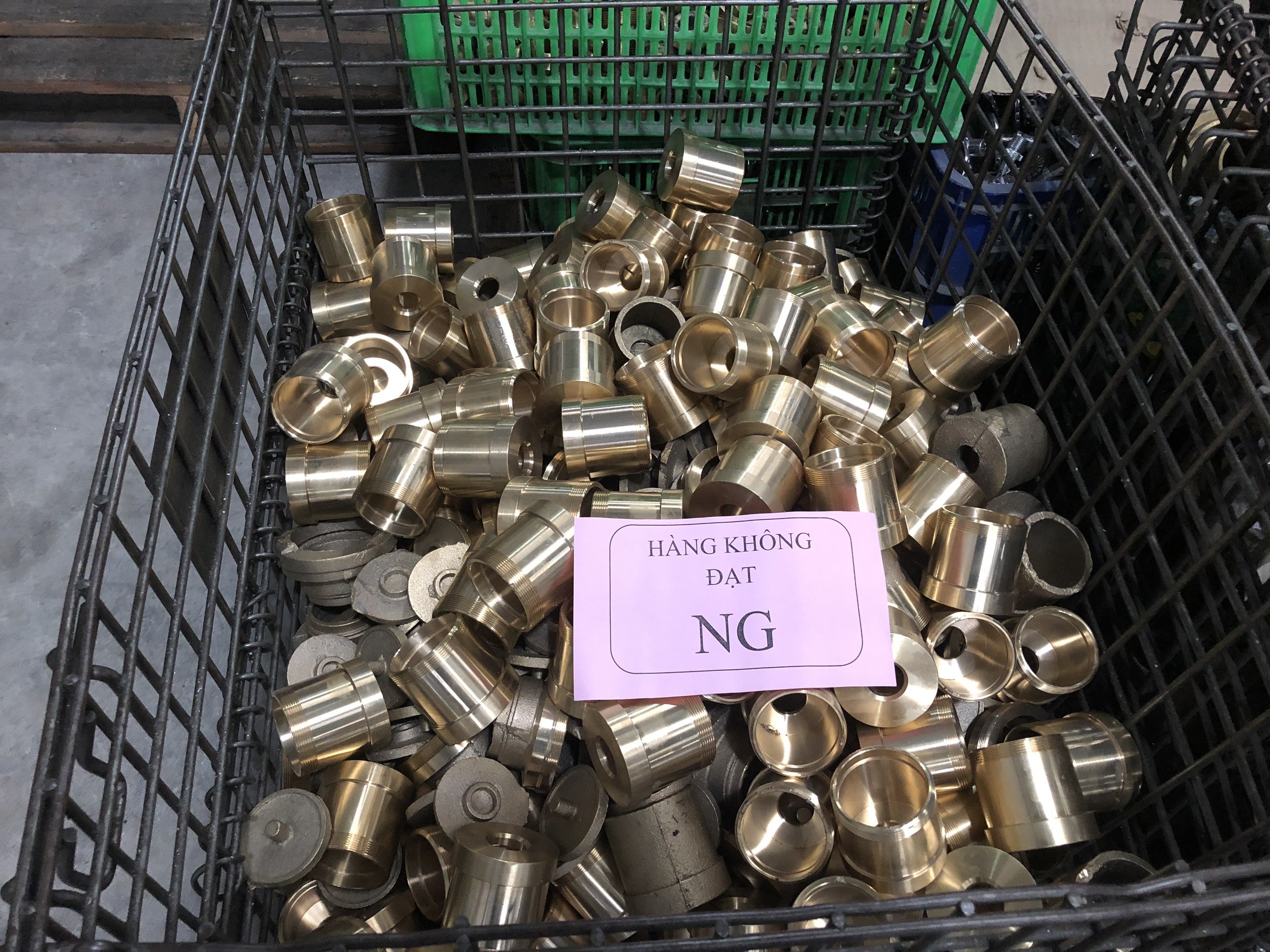

A contingency supply chain plan for sheet metal fabrication from Vietnam became urgent after our team in Ho Chi Minh City watched a 48-hour power cut stall three active orders last year.
To build a contingency supply chain plan for sheet metal fabrication from Vietnam, map every critical node from raw steel imports to port departure, assess Vietnam-specific risks like power outages and logistics bottlenecks, qualify backup suppliers through audited trial runs, and embed contractual safeguards with pre-approved alternate routing into every purchase order.
This guide walks through each step with tables, checklists, and lessons from our on-the-ground operations. Whether you source brackets, housings, or stamped automotive reinforcements, the framework below will help you move from reactive scrambling to proactive resilience.
What risks should I assess before building a contingency plan for my Vietnam sheet metal supply chain?
One lesson our Vietnam office learned the hard way: the risk that disrupts your supply chain is rarely the one you expected. We had mapped supplier capacity and port schedules, but completely overlooked that our primary fabricator's industrial park was on a rolling power-shedding schedule during peak summer demand.
Before building a contingency plan, assess five risk categories: raw material import dependency on Chinese and Korean steel coil, power resilience at your fabricator's industrial park, logistics corridor fragility through ports like Cai Mep and Hai Phong, single-supplier concentration, and lead time variability driven by upstream delays.
Map the Full Supply Chain First
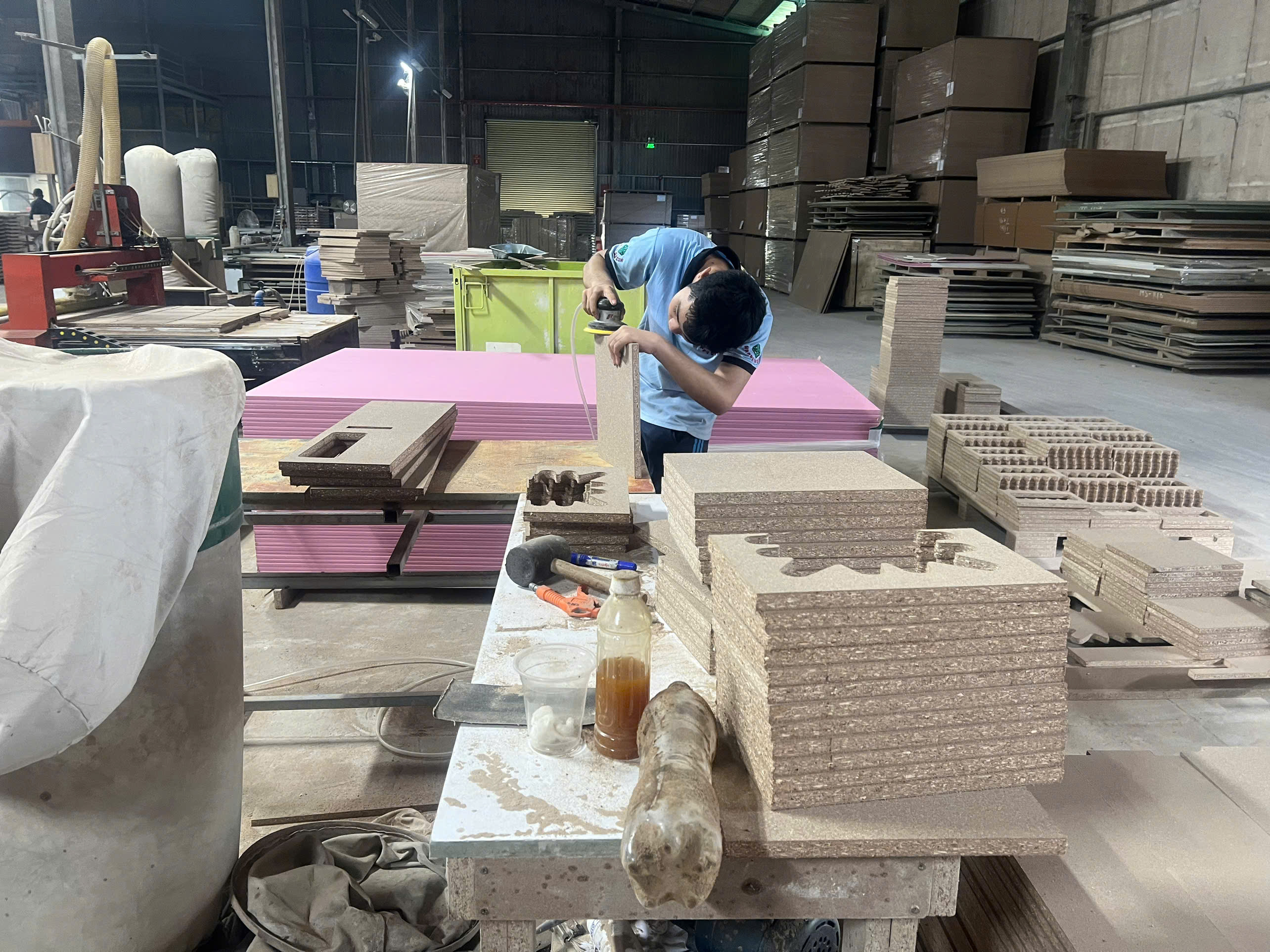
You cannot assess risk if you do not know where your chain is vulnerable. Start by mapping the end-to-end flow: raw steel coil imported from China, Korea, or Japan enters Vietnam, moves to a fabricator in an industrial park, gets cut, bent, welded, and finished, then travels by truck to a port for export. Each handoff is a potential failure point.
Our team uses a simplified Value Stream Mapping 1 exercise with every new Vietnam fabricator. We ask them to list their top three steel coil suppliers, the country of origin, the typical lead time, and whether they hold any buffer stock. Most fabricators import 70–80 percent of their coil. That alone tells you where the first vulnerability sits.
Vietnam-Specific Failure Points
Vietnam's risks are distinct from China's. Here is how we categorize them:
| Risk Category | Vietnam-Specific Detail | Impact on Sheet Metal |
|---|---|---|
| Power resilience | Industrial parks face periodic shedding, especially Q2–Q3 | Stops CNC, laser, and press brake operations cold |
| Logistics corridor fragility | Cai Mep–Singapore–US route is repeatedly disrupted | Adds 5–14 days if rerouting is needed |
| Raw material import dependency | Domestic steel production is limited; coil comes from China, Korea, Japan | A Chinese export restriction can halt your Vietnam fabricator |
| Single-supplier concentration | Many buyers use one fabricator for all sheet metal SKUs | One factory issue stops your entire program |
| Regulatory shifts | EVFTA 2 trade regulations evolve; tariff classifications change | Customs delays if documentation is not pre-verified |
Build a Risk Register
A risk register forces you to rank each risk by severity, likelihood, and how quickly you can detect it. We keep ours simple: a spreadsheet with columns for the risk event, the probability (low/medium/high), the impact on delivery, and the planned mitigation. We review it quarterly with our Vietnam team.
For sheet metal specifically, I recommend scenario-based drills. What happens if Chinese steel coil imports are delayed by three weeks? What if your fabricator's industrial park loses power for 48 hours? What if Cai Mep port hits congestion during Lunar New Year? Each scenario needs a written response plan, not just a verbal agreement.
A risk assessment matrix is not a one-time exercise. Raw material price volatility, typhoon seasons, and geopolitical shifts between the US and China all change the landscape. Update your register at least twice a year.
How can I qualify backup suppliers in Vietnam without compromising my quality standards?
A buyer we work with in the Midwest once told me he would rather pay 15 percent more than risk a single non-conforming shipment. That mindset shapes how we approach backup supplier qualification — it is not about finding the cheapest alternative; it is about finding one that can match your primary supplier's process capability on day one.
Qualify backup suppliers through a structured process: conduct on-site audits verifying power resilience and equipment capability, run trial batches against your critical-to-quality dimensions, validate raw material sourcing and quality assurance standards, and formalize IP protection before sharing proprietary drawings.
The Staged Qualification Process
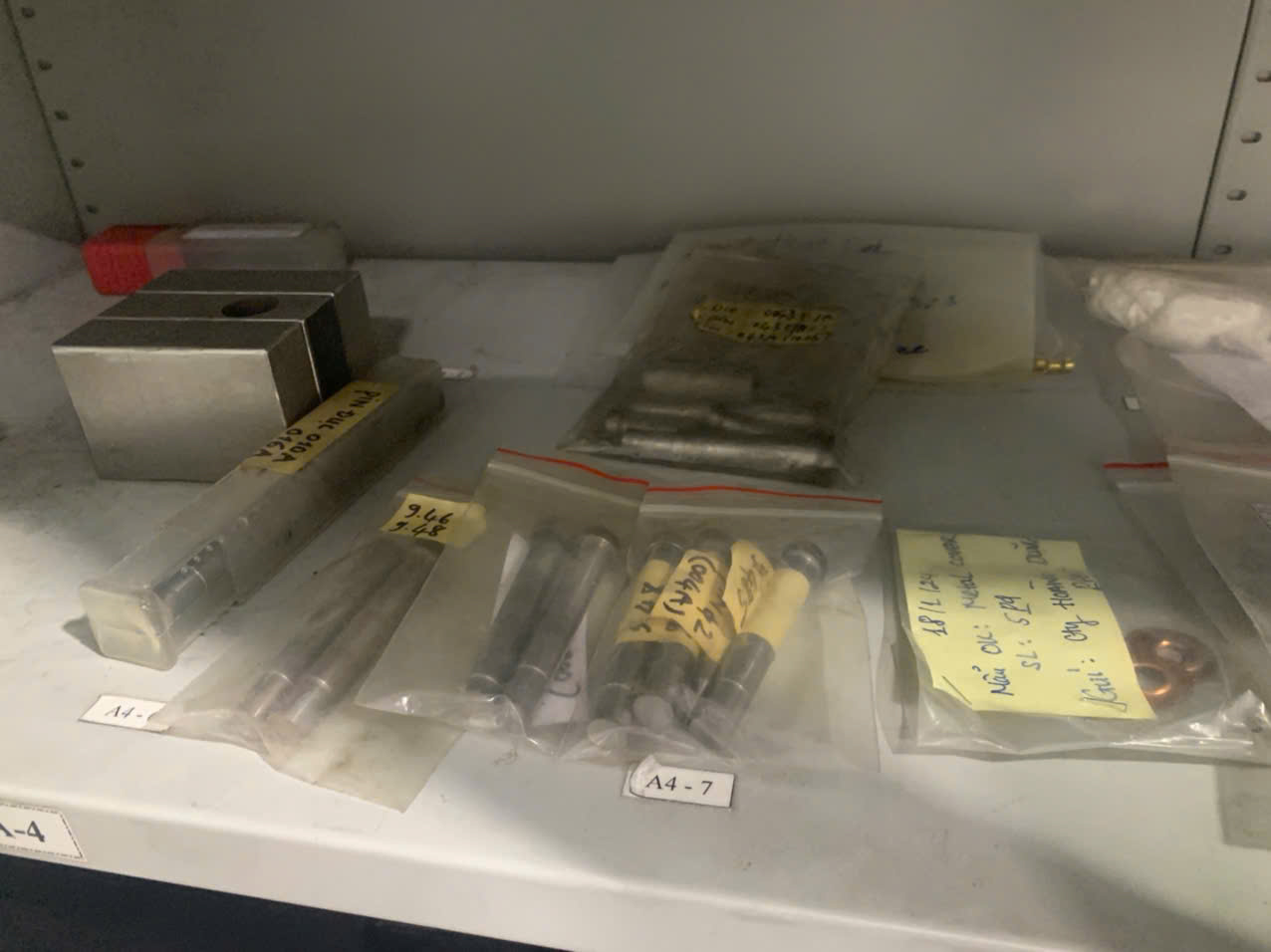
Do not hand your full drawing package to a new fabricator on the first visit. We follow a staged approach that protects quality and intellectual property at every step.
| Stage | Action | What You Validate |
|---|---|---|
| Stage 1: Desktop screening | Review factory profile, equipment list, certifications, client references | Basic capability and legitimacy |
| Stage 2: On-site audit | Inspect press brakes, laser cutters, welding stations, QC lab, power backup | Equipment condition, capacity, power resilience |
| Stage 3: Trial batch | Send a non-critical part drawing for a 50–100 piece run | Dimensional accuracy, surface finish, on-time delivery |
| Stage 4: Critical part pilot | Send a critical part drawing with full PPAP 3 requirements | Process capability (Cpk), first-pass yield, documentation quality |
| Stage 5: Approved backup | Add to approved supplier list with defined capacity allocation | Readiness to absorb overflow or emergency orders |
What to Look for During On-Site Audits
When our team in Vietnam visits a potential backup fabricator, we check specific things that matter for sheet metal:
- Press brake capacity and accuracy: Can the machine hold ±0.1 mm on a 1-meter bend? What tonnage is available?
- Laser or plasma cutting capability: What thickness range? What materials?
- Welding certifications: Are welders certified? What processes (TIG, MIG, spot) are available?
- Surface treatment options: Powder coating 4, plating, anodizing — in-house or outsourced?
- Power backup: Does the factory have generators or battery storage? How long can they sustain production during a grid outage?
- Raw material traceability: Can they provide mill test certificates 5 for every coil they use?
We also look at the factory's existing client mix. A fabricator that serves automotive OEMs typically has tighter quality assurance standards 6 than one focused only on general fabrication. That matters when your parts require precision stamping or complex multi-bend geometries like the automotive mounting brackets we often source.
Portable Tooling: A Critical Detail
One insight that saves our clients significant time: design your stamping dies and welding jigs to be portable. If your tooling uses universal press specifications, you can transfer it to a backup fabricator within days instead of weeks. This is a key enabler of a real dual sourcing model. Without portable tooling, your backup supplier is theoretical, not practical.
Cultural Bridging and Relationship Depth
Building a relationship with a Vietnamese fabricator takes time. Language barriers, communication styles, and expectations around proactive issue reporting all differ from what US buyers are used to. Having a local team — like our seven-person office in Vietnam — helps bridge that gap. We translate not just language but also engineering intent, ensuring that critical drawing requirements are not overlooked.
Run regular performance reviews. Check credit health. And never skip the trial batch, no matter how impressive the factory tour was.
What communication and project management practices help me avoid delivery delays with Vietnamese fabricators?
The most expensive delay I have seen was not caused by a machine breakdown or a port closure. It was caused by a misread drawing note — a surface finish callout that the fabricator interpreted differently from the buyer's intent. The rework cost three weeks and a partial air-freight shipment.
Prevent delivery delays by establishing formal communication protocols with real-time production status updates, standardizing drawing review checklists that flag critical dimensions and finish requirements, setting milestone-based project schedules with built-in buffer days, and conducting weekly check-ins between your project manager and the fabricator's point of contact.
Why Communication Fails — and How to Fix It
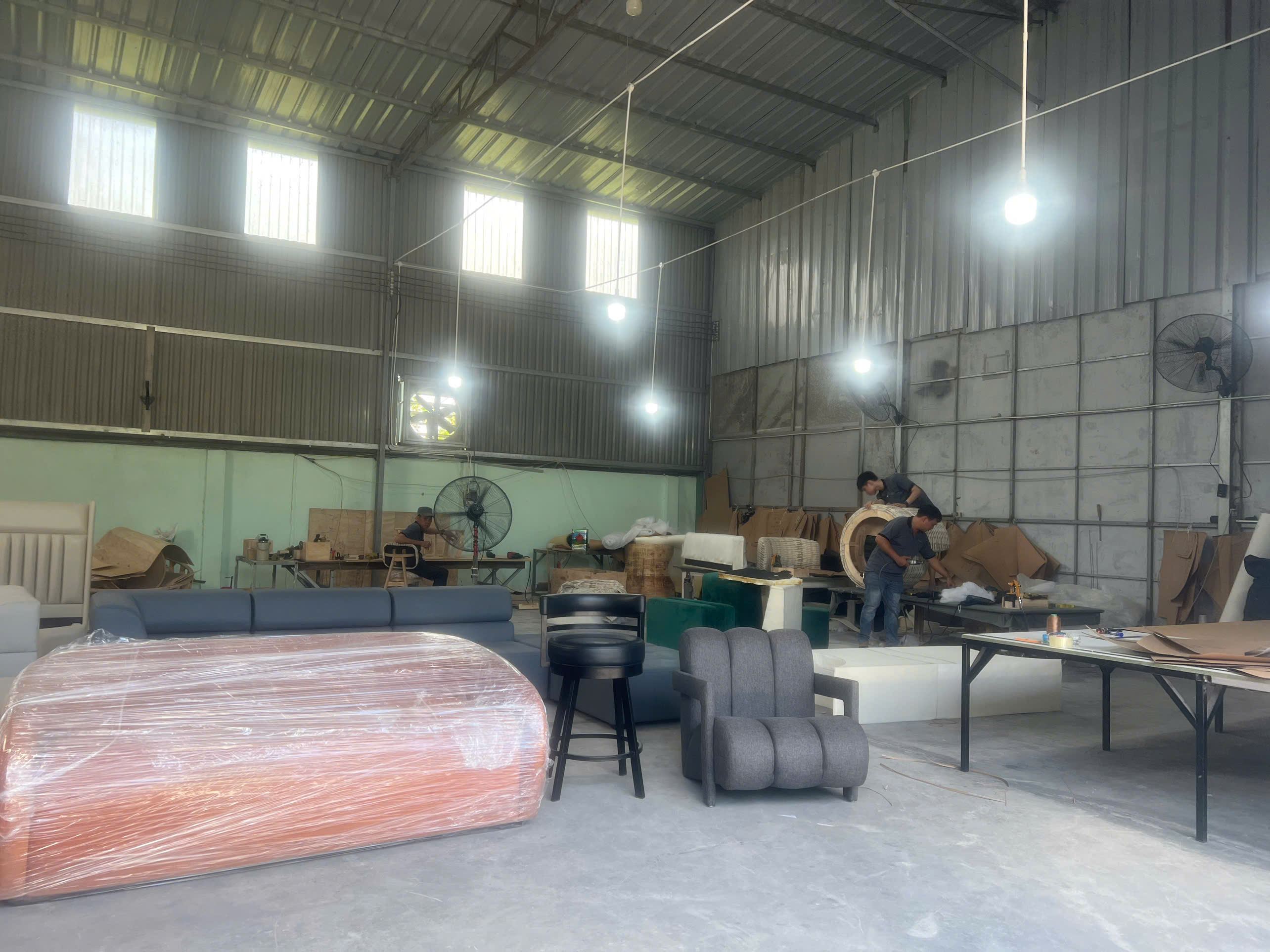
Delivery delays from Vietnamese fabricators often trace back to communication gaps, not manufacturing deficiencies. Here is what we have observed across dozens of projects:
- Drawing ambiguity: GD&T 7 symbols, surface finish callouts, and material grade specifications are interpreted differently if the fabricator's engineering team is not trained in ASME standards.
- Delayed issue escalation: A fabricator discovers a problem on day three of production but does not report it until day seven, hoping to solve it internally.
- Unclear priority: When a fabricator runs multiple client orders, yours may slip without a formal schedule agreement.
Our approach is to assign a dedicated project manager — someone on our Vietnam team — to every active order. This person conducts a formal drawing review before production starts, walks through every critical-to-quality dimension with the fabricator's engineer, and confirms the production schedule with milestone dates.
The Drawing Review Checklist
Before any sheet metal order goes to the floor, we run through a standardized checklist:
| Checklist Item | Why It Matters |
|---|---|
| Material grade confirmed (e.g., SPCC, SUS304, A36) | Prevents wrong-material fabrication |
| Thickness tolerance verified | Sheet metal thickness varies by supplier; ±0.05 mm matters on tight-fit assemblies |
| Bend radius and bend sequence confirmed | Wrong sequence causes dimensional drift on multi-bend parts |
| Surface finish callout clarified (Ra value, visual standard) | "Smooth" means different things to different people |
| Hole size and position tolerances confirmed | Mounting brackets fail if holes are off by 0.3 mm |
| Welding type, location, and inspection criteria agreed | Prevents over-welding or under-welding |
| Packaging and labeling requirements confirmed | Damaged parts in transit negate all upstream quality work |
Buffer Days and Escalation Triggers
We build buffer days into every project schedule. For standard sheet metal parts, we add five working days between the factory-ready date and the required ship date. For precision components with tighter tolerances, we add seven to ten days. This buffer absorbs minor delays without pushing the final delivery date.
We also define escalation triggers in our PO terms. If production is more than two days behind the agreed milestone, the fabricator must notify us immediately with a root cause and recovery plan. This converts a passive delay into an active conversation.
Real-time data sharing matters too. We ask fabricators to share production photos at key stages: after cutting, after bending, after welding, and after finishing. This is not micromanagement — it is early detection. If a bend angle is off, we catch it before 500 parts are bent wrong.
For logistics, tracking freight forwarding services 8 from the factory gate to the port gives us end-to-end supply chain visibility on the last mile before shipment. We have seen cases where parts were finished on time but sat in a warehouse for four days waiting for a trucking slot. That delay was invisible until we started tracking it.
How do I structure payment terms and logistics to keep my contingency plan financially resilient?
When we first started offering open account payment terms to US clients, our finance team pushed back hard. The concern was valid — extending 60–90 day terms while paying Vietnamese fabricators on shorter cycles creates a cash flow gap. But we found that structuring the terms correctly actually strengthens the entire contingency plan, because it aligns incentives across the chain.
Structure financial resilience by negotiating milestone-based payments with fabricators, maintaining a contingency budget for rerouting and expedited freight, pre-booking logistics capacity during peak seasons, securing trade credit insurance on key supplier accounts, and balancing safety stock management costs against the cost of a line-stop emergency.
Payment Term Structures That Protect Both Sides
The way you pay your Vietnamese fabricator affects your contingency options. If you pay 100 percent upfront, you lose leverage if quality fails. If you demand 90-day terms from a small fabricator, they may not have the working capital to buy steel coil for your next order. Balance matters.
Here is how we typically structure terms for sheet metal projects:
| Payment Milestone | Percentage | Trigger |
|---|---|---|
| Order confirmation deposit | 30% | Upon PO acceptance and material procurement |
| Production completion | 40% | Upon passing in-process inspection and photos |
| Pre-shipment balance | 30% | Upon passing final inspection and release for shipment |
This structure ensures the fabricator has cash to buy raw materials (addressing raw material price volatility risk), while the buyer retains leverage through the final 30 percent until quality is confirmed.
For our US clients, we offer 60–90 day open account terms on the full invoice. This means the client does not pay until well after receiving the goods. We absorb the timing gap because we believe it builds long-term partnerships. But it also means we need financial safeguards on our end — trade credit insurance on larger accounts and strict supplier payment scheduling.
Logistics: Pre-Approved Alternate Routing
A contingency plan is only as strong as its logistics alternatives. We maintain pre-approved routing options for every active program:
- Primary: Factory → Cai Mep port → Singapore transshipment → US West Coast
- Alternate 1: Factory → Hai Phong port → direct to US East Coast
- Alternate 2: Factory → air freight from Tan Son Nhat (Ho Chi Minh City) for 48-hour line-stop items
Diversifying between northern and southern ports addresses logistics bottlenecks that can arise from localized congestion, weather events, or infrastructure issues. Pre-booking container space during peak seasons (Q3–Q4) prevents cost spikes that can blow up your contingency budget.
The China Plus One Financial Calculation
Many of our clients come to us because they are executing a China Plus One 9 strategy — shifting some or all sheet metal sourcing from China to Vietnam. The financial math is not just about unit cost. You need to factor in:
- Dual sourcing overhead: Managing two supplier relationships costs more in project management time.
- Safety stock investment: Holding buffer inventory 10 for critical SKUs ties up working capital.
- Logistics flexibility premium: Pre-booking alternate routes and air freight options costs money even when you do not use them.
- Insurance and compliance: Trade credit insurance, EVFTA documentation, and ESG compliance verification all add cost.
The payoff is resilience. When a disruption hits — and it will — the cost of your contingency infrastructure is a fraction of the cost of a stopped production line. We have seen clients lose six-figure sums from a single two-week delay. A well-funded contingency plan costs a fraction of that annually.
We also recommend conducting biannual financial health checks on your key Vietnamese fabricators. A supplier that is profitable and well-capitalized can absorb a short-term disruption. A supplier running on thin margins may cut corners or collapse under pressure. This is part of supplier diversification — knowing not just who can make your parts, but who can survive a storm.
Conclusion
A contingency supply chain plan for sheet metal fabrication from Vietnam is not a document you file and forget. It is a living system — mapped, tested, and renewed. Start by assessing your risks, qualify your backups through real trial runs, tighten your communication protocols, and plan lead times to avoid stockouts before they happen, and fund your logistics alternatives before you need them.
Frequently Asked Questions
What risks should I assess before building a contingency plan for my Vietnam sheet metal supply chain?
One lesson our Vietnam office learned the hard way: the risk that disrupts your supply chain is rarely the one you expected. We had mapped supplier capacity and port schedules, but completely overlooked that our primary fabricator's industrial park was on a rolling power-shedding schedule during peak summer demand.
How can I qualify backup suppliers in Vietnam without compromising my quality standards?
A buyer we work with in the Midwest once told me he would rather pay 15 percent more than risk a single non-conforming shipment. That mindset shapes how we approach backup supplier qualification — it is not about finding the cheapest alternative; it is about finding one that can match your primary supplier's process capability on day one.
What communication and project management practices help me avoid delivery delays with Vietnamese fabricators?
The most expensive delay I have seen was not caused by a machine breakdown or a port closure. It was caused by a misread drawing note — a surface finish callout that the fabricator interpreted differently from the buyer's intent. The rework cost three weeks and a partial air-freight shipment.
Footnotes
1. Explains the lean manufacturing technique used to map supply chain vulnerabilities. ↩︎
2. Official EU source explaining the trade agreement affecting Vietnam customs and tariffs. ↩︎
3. AIAG defines the Production Part Approval Process required for critical part qualification. ↩︎
4. Comprehensive Wikipedia overview of the powder coating process, materials, and industrial applications. ↩︎
5. ASTM standards govern material certification documents referenced for steel coil traceability. ↩︎
6. ISO 9001 is the global reference standard underlying supplier quality assurance systems. ↩︎
7. Background on the drawing standard causing interpretation errors between buyers and fabricators. ↩︎
8. International Trade Centre resource on logistics and freight forwarding for export supply chains. ↩︎
9. Defines the sourcing diversification strategy referenced as clients’ motivation for Vietnam sourcing. ↩︎
10. Supply chain management association resource on safety stock and inventory buffering practices. ↩︎