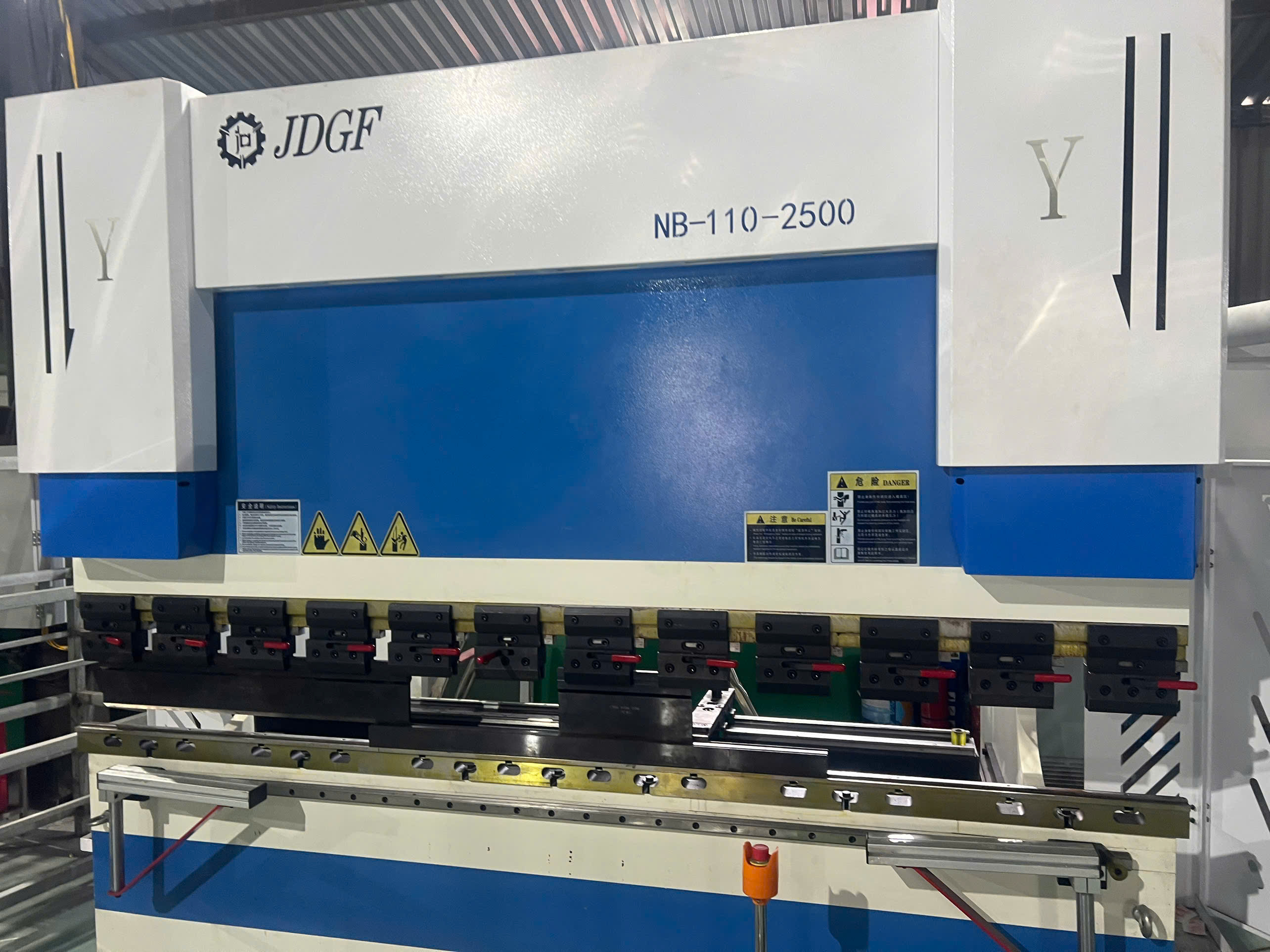

Every delayed shipment and rejected part taught our team the same lesson: transactional sourcing bleeds money, and long-term strategic partnerships with sheet metal fabrication suppliers 1 are the only real fix.
Building long-term strategic partnerships with sheet metal fabrication suppliers requires rigorous vendor selection criteria, transparent communication protocols, consistent quality control, flexible contract negotiation, and shared commitment to co-innovation — transforming a buyer-supplier dynamic into a collaborative engine for mutual growth and supply chain resilience.
This guide walks through the exact steps we use at DEWIN to help U.S. purchasing managers build these partnerships with trusted fabricators across Southeast Asia tolerances and finishes 2. Each section below tackles a specific pain point and gives you practical tools to evaluate, communicate with, and retain the right supplier.
How can I ensure my sheet metal fabrication supplier maintains consistent quality for my custom projects?
A few years back, one of our U.S. clients received a batch of mounting brackets with weld joints that failed inspection — the supplier had quietly changed welding wire without telling anyone. That single incident cost weeks in rework and strained a relationship that took months to rebuild.
To ensure consistent quality, require your sheet metal fabrication supplier to hold ISO 9001 certification, implement documented inspection checkpoints at every production stage, provide First Article Inspection reports, and commit to a PPAP process that locks in materials, tooling, and process parameters before mass production begins.
Why "Right First Time" Is Non-Negotiable
When our Vietnam facility runs a new custom bracket project, we start with a Production Part Approval Process. This means the supplier cannot change a single variable — material grade, bend sequence, surface treatment — without written approval. For purchasing managers sourcing from Asia, this is your first line of defense against silent quality drift.
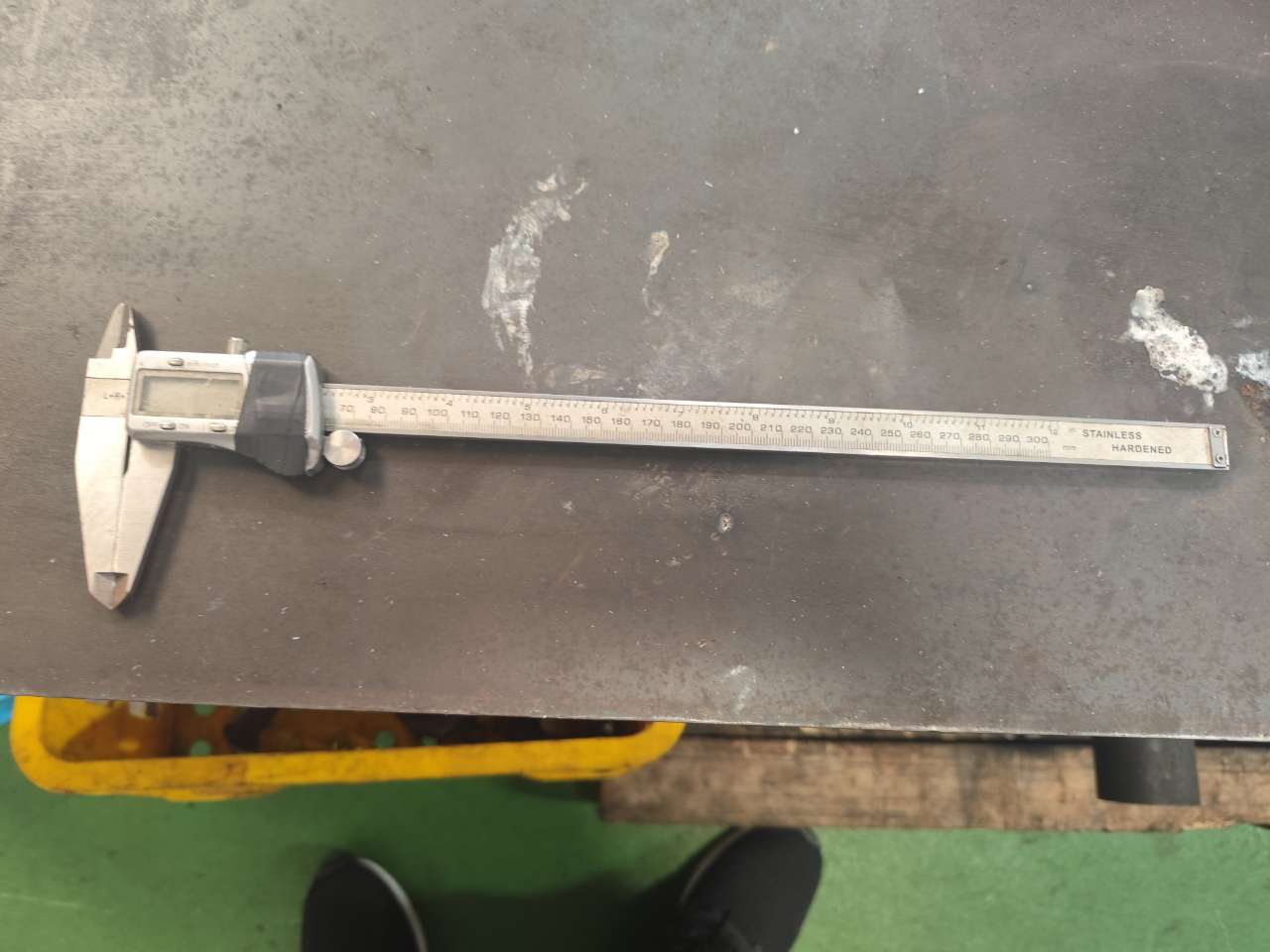
The problem is that many fabricators treat quality control as a final-gate activity. They inspect parts only after the entire batch is finished. By then, if something is wrong, you have a warehouse full of scrap. Our approach is different. We build inspection into every stage.
A Stage-Gate Quality Framework
| Production Stage | Quality Action | Who Is Responsible |
|---|---|---|
| Raw Material Receiving | Verify material certs, thickness, and grade against spec | Incoming QC Inspector |
| Laser Cutting / Punching | Check dimensions on first 5 pieces against drawing | Machine Operator + QC |
| Bending / Forming | Measure angles and radii with gauges; compare to CAD | QC Inspector |
| Welding / Assembly | Visual + dimensional inspection of weld joints | Weld Inspector |
| Surface Finishing | Adhesion test, thickness measurement, visual check | Finishing QC |
| Final Inspection | Full dimensional report, cosmetic check, packaging audit | Final QC Team |
Each checkpoint generates a record. If a bracket with pre-drilled mounting holes drifts 0.2 mm beyond tolerance at the bending stage, we catch it before welding — not after powder coating.
The Role of ISO 9001 and Beyond
ISO 9001 certification 3 is a baseline. It proves the supplier has a quality management system 4. But certification alone does not guarantee results. You need to audit how the system operates in practice. When we audit fabrication partners, we look at corrective action logs, calibration records, and whether operators actually follow the control plan. A supplier who can show you trending data on their performance metrics — reject rates, first-pass yield, customer complaints — is a supplier who takes quality seriously.
Ask for sample inspection reports from previous projects. Look at the detail level. If the report is a one-page checklist with "OK" stamped everywhere, that is a red flag. A proper report includes measured values compared to tolerances, photographs of critical features, and material traceability. You can also build a supplier scorecard to compare sheet metal fabrication vendors systematically and track these quality metrics over time.
What proactive communication habits should I look for to avoid technical errors in my drawings?
Last quarter, our engineering team caught a critical issue on a client's drawing: a bend relief radius was missing near a cluster of mounting holes, which would have caused cracking during forming. We flagged it before quoting. The client told us their previous supplier had simply built the part as drawn — and it cracked every time.
Look for suppliers who conduct a thorough Design-for-Manufacturing review before quoting, proactively flag drawing ambiguities, ask clarifying questions about tolerances and finishes, and maintain a dedicated point of contact who documents every technical decision in writing — these communication protocols prevent costly errors before metal is ever cut.
What a DFM Review Should Cover
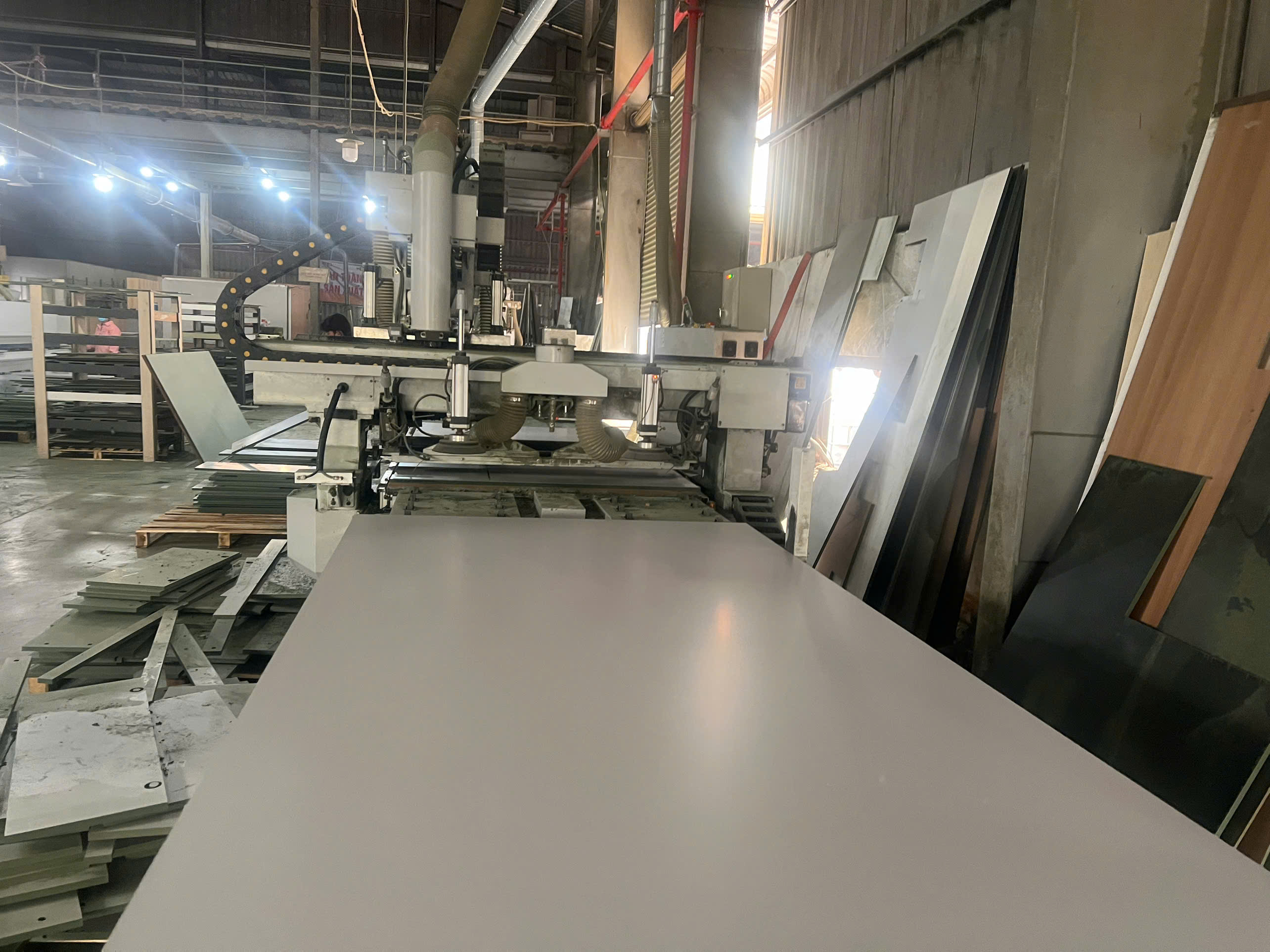
A proper Design-for-Manufacturing review 6 is not a courtesy — it is value-added engineering. When a drawing arrives at our office, our engineers do not just read dimensions. They simulate the forming sequence. They check if the bend order is feasible. They verify that hole-to-edge distances meet minimum standards for the specified material thickness.
Here is what a thorough DFM review looks like in practice:
| DFM Check Item | What We Look For | Common Error Avoided |
|---|---|---|
| Bend Relief | Adequate relief near holes and edges | Cracking at bend lines |
| Minimum Flange Length | Flange long enough for tooling grip | Inconsistent bends |
| Hole-to-Bend Distance | Sufficient clearance per material thickness | Hole deformation |
| Tolerance Stack-Up | Cumulative tolerances across multiple bends | Assembly fit issues |
| Surface Finish Callouts | Clarity on which surfaces are critical | Over- or under-finishing |
| Weld Symbol Interpretation | Correct weld type, size, and location | Structural weakness |
The Dedicated Contact Advantage
One thing we learned early in our export business is that email chains with multiple people on the supplier side create confusion. You need one dedicated account manager who owns the project. That person should know your drawing standards, your preferred materials, and your quality expectations.
When our team in Vietnam manages a project, the account manager creates a shared document that logs every question, every client response, and every engineering decision. This becomes the project bible. If a question comes up six months later about why a tolerance was relaxed, the answer is in the log — not lost in someone's inbox.
Red Flags in Supplier Communication
Watch for these warning signs. If a supplier quotes your project in 24 hours without asking a single question, they probably did not read the drawing carefully. If they never push back on a tight tolerance, they may not understand the manufacturing capabilities required. A good supplier challenges you — respectfully — because they want to get it right the first time.
Proactive communication also means the supplier tells you about problems before you discover them. If a material is backordered, you should hear about it within 48 hours, not when you ask why your shipment is late. This kind of transparency is the foundation of supplier relationship management.
How do I verify if a supplier in Southeast Asia can meet my strict on-time delivery requirements?
The trade-off between cost reduction strategies and delivery reliability keeps every purchasing manager up at night. I have seen U.S. buyers save 30% on unit cost by moving production to Southeast Asia — only to lose those savings on air freight charges when shipments missed the boat, literally.
Verify on-time delivery capability by requesting the supplier's historical delivery performance data, conducting an on-site audit of their production capacity and scheduling system, confirming they have backup plans for machine downtime or material shortages, and agreeing on clear lead times with contractual penalties or incentives tied to delivery milestones.
How We Manage Lead Times From Vietnam
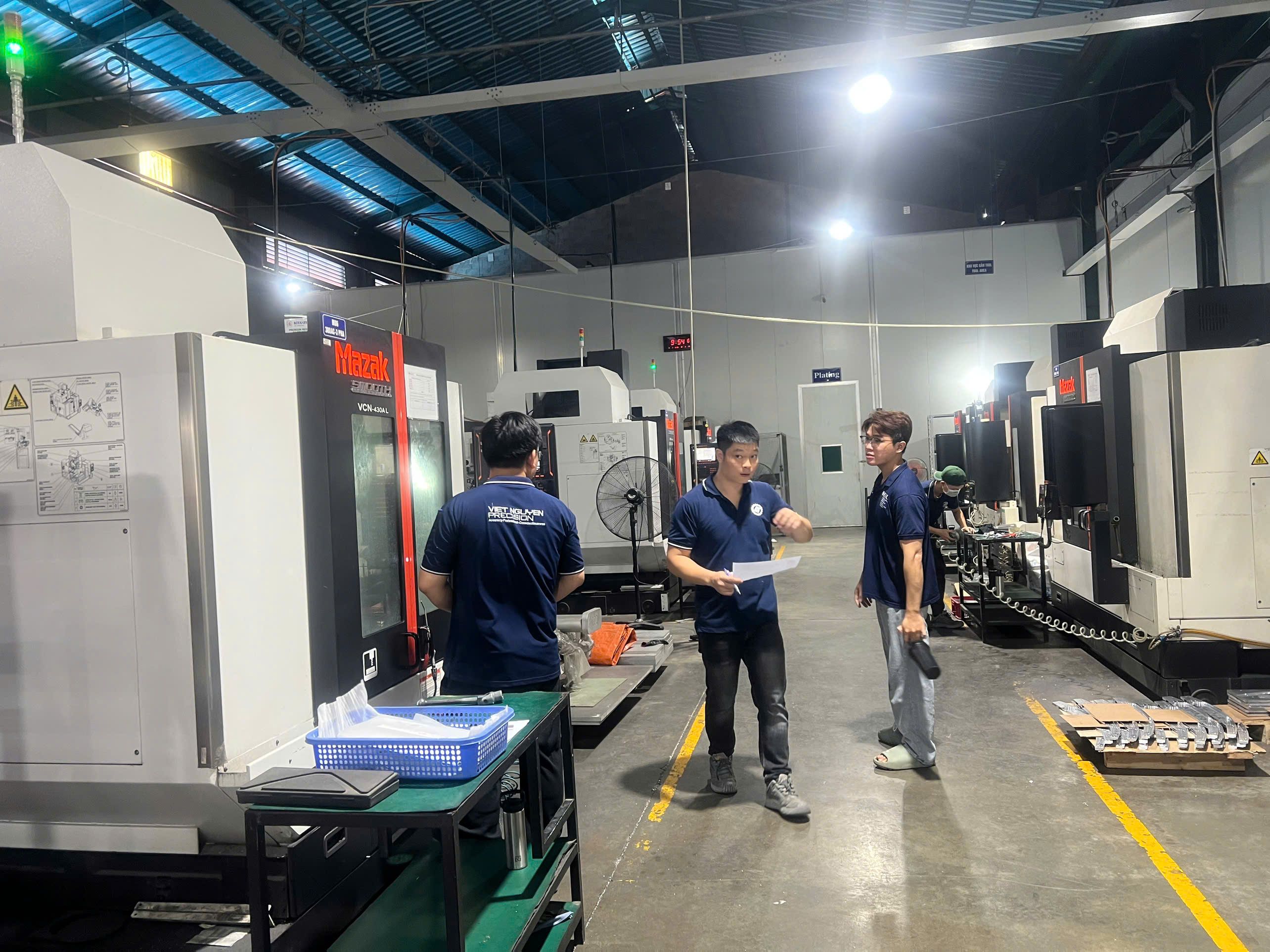
Our Vietnam office exists for one reason: to close the gap between a remote factory and a U.S. buyer's expectations. Having a local team means we visit the production floor weekly. We check the production schedule against the delivery commitment. We verify raw material stock levels. We do not wait for a supplier to tell us there is a delay — we see it forming before it happens.
For a typical custom sheet metal project involving laser cutting, bending, welding, powder coating, and packing, here is a realistic lead time breakdown:
| Process Step | Typical Duration | Risk Factor |
|---|---|---|
| Material Procurement | 5–10 days | Specialty alloys may take longer |
| Laser Cutting | 2–3 days | Machine queue backlog |
| Bending & Forming | 2–4 days | Complex multi-bend parts take longer |
| Welding & Assembly | 3–5 days | Skilled welder availability |
| Surface Treatment | 3–5 days | Outsourced finishing adds transit time |
| Final QC & Packing | 2–3 days | Re-inspection if issues found |
| Shipping to U.S. Port | 18–25 days (sea) | Port congestion, customs clearance |
Total door-to-door: roughly 5–8 weeks for a standard order. Knowing this breakdown lets you identify where delays are likely and plan buffers accordingly.
Auditing Delivery Capability
When we evaluate a new fabrication partner, we do not just ask about their on-time delivery rate. We look at their production planning tools. Do they use an ERP system or a whiteboard? A supplier using integrated scheduling software can show you real-time order status. A supplier using spreadsheets is more likely to double-book capacity.
We also check for contingency planning. What happens if their primary laser cutter goes down? Do they have a backup machine? A second-source agreement with another shop? Supply chain resilience 7 in sheet metal fabrication means having Plan B ready before Plan A fails.
Contractual Safeguards
Put delivery expectations in writing. Specify the delivery window, not just a single date. Define what happens if the supplier misses that window — whether it is a discount on the order, expedited shipping at their cost, or a formal corrective action requirement. These are not adversarial terms. They are professional standards that good suppliers welcome because it shows you are serious about the partnership.
Can I secure flexible payment terms like Net 60 to strengthen my long-term sourcing strategy?
When Greg, one of our long-standing U.S. clients, first asked about open account terms, the conversation shifted our entire relationship. It moved from transactional purchasing to a genuine partnership built on trust and commitment — and it changed how we structure agreements with all our key accounts.
Yes, you can secure flexible payment terms like Net 60 or even Net 90 with the right supplier, but it typically requires an established track record of consistent orders, transparent financial communication, and a formal credit agreement — these terms become a powerful tool in your long-term sourcing strategy by easing cash flow pressure and deepening mutual commitment.
Why Payment Terms Matter More Than You Think
Cash flow is the lifeblood of any sourcing operation. If you are paying 50% upfront and 50% before shipment, your capital is locked up for weeks before you can invoice your own customer. Net 60 terms mean the parts arrive, you sell or install them, and you pay the supplier afterward. That changes your working capital position 8 dramatically.
From our side, offering open account terms is a calculated decision. We extend these terms to clients who have proven their reliability — paying on time, communicating clearly, and maintaining consistent order volumes. It is a loyalty incentive that rewards good partners.
How to Qualify for Extended Terms
Not every supplier will offer Net 60 from day one. Here is a typical progression we follow:
- First 2–3 orders: Payment by T/T (wire transfer), 50% deposit and 50% before shipment.
- Orders 4–6: Shift to 30% deposit and 70% upon delivery confirmation.
- After 6 successful orders: Transition to Net 30 open account.
- After 12 months of consistent business: Move to Net 60 or Net 90 based on volume.
This progression builds trust incrementally. Each step demonstrates that both parties can meet their commitments. Contract negotiation at each stage should document the terms clearly, including late payment consequences and dispute resolution procedures. As order volumes grow, you can also negotiate tiered pricing with sheet metal fabrication suppliers to lock in volume-based discounts that complement favorable payment terms.
Comparing Payment Structures
| Payment Term | Buyer Cash Flow Impact | Supplier Risk Level | Best For |
|---|---|---|---|
| 100% Prepayment | High negative impact | Very low | First-time orders, small volume |
| 50/50 (Deposit + Balance) | Moderate negative impact | Low | New relationships, mid-volume |
| Net 30 | Neutral to positive | Moderate | Established relationships |
| Net 60 | Positive | Higher | Long-term strategic partnerships |
| Net 90 | Very positive | Highest | High-volume, high-trust accounts |
The key insight here is that payment terms are not just financial — they are a signal. A supplier willing to extend Net 60 is telling you they are invested in the relationship. And a buyer who pays on time within those terms is telling the supplier they are worth prioritizing when capacity gets tight. To formalize these expectations, consider how to align with sheet metal fabrication suppliers on annual cost reduction targets and roadmaps as part of your partnership framework.
Conclusion
Building long-term strategic partnerships with sheet metal fabrication suppliers comes down to quality discipline, proactive communication, delivery verification, and trust-based financial terms — invest in these pillars, and your supply chain becomes a competitive advantage.
Frequently Asked Questions
How can I ensure my sheet metal fabrication supplier maintains consistent quality for my custom projects?
A few years back, one of our U.S. clients received a batch of mounting brackets with weld joints that failed inspection — the supplier had quietly changed welding wire without telling anyone. That single incident cost weeks in rework and strained a relationship that took months to rebuild.
What proactive communication habits should I look for to avoid technical errors in my drawings?
Last quarter, our engineering team caught a critical issue on a client's drawing: a bend relief radius was missing near a cluster of mounting holes, which would have caused cracking during forming. We flagged it before quoting. The client told us their previous supplier had simply built the part as drawn — and it cracked every time.
How do I verify if a supplier in Southeast Asia can meet my strict on-time delivery requirements?
The trade-off between cost reduction strategies and delivery reliability keeps every purchasing manager up at night. I have seen U.S. buyers save 30% on unit cost by moving production to Southeast Asia — only to lose those savings on air freight charges when shipments missed the boat, literally.
Footnotes
1. Explains the process and industries served by sheet metal fabrication. ↩︎
2. Provides a guide to typical manufacturing tolerances and surface finishes. ↩︎
3. Provides official information on ISO 9001 certification and its purpose. ↩︎
4. Explains what a quality management system is and its benefits. ↩︎
5. Defines the Production Part Approval Process, a key automotive quality standard. ↩︎
6. Details the principles and importance of Design for Manufacturability. ↩︎
7. Explains the concept and importance of supply chain resilience. ↩︎
8. Explains what working capital is and its importance for business liquidity. ↩︎
9. Defines Net 60 payment terms and their implications for businesses. ↩︎