When we started coordinating welding part shipments from our Vietnam office to U.S. buyers, the number one complaint was unpredictable delivery timing. Missed deadlines cost our clients production downtime, and vague promises from suppliers only made it worse. We learned that the fix starts with a proper lead time calculation.
Order to delivery lead time for Vietnam welding parts is calculated by adding every stage together: order processing (1–3 days), raw material sourcing (2–7 days), production (5–20 days), packaging (1–2 days), domestic transport (1–3 days), international shipping (7–30 days), customs clearance (2–5 days), and receiving inspection (1–2 days).
This article walks through each stage in detail. You will learn the formulas, see realistic time ranges for metal fabrication 1 in Vietnam, and get practical tools to validate whether your supplier’s quoted lead time is honest.
How do I accurately estimate the manufacturing timeline for my custom welding parts in Vietnam?
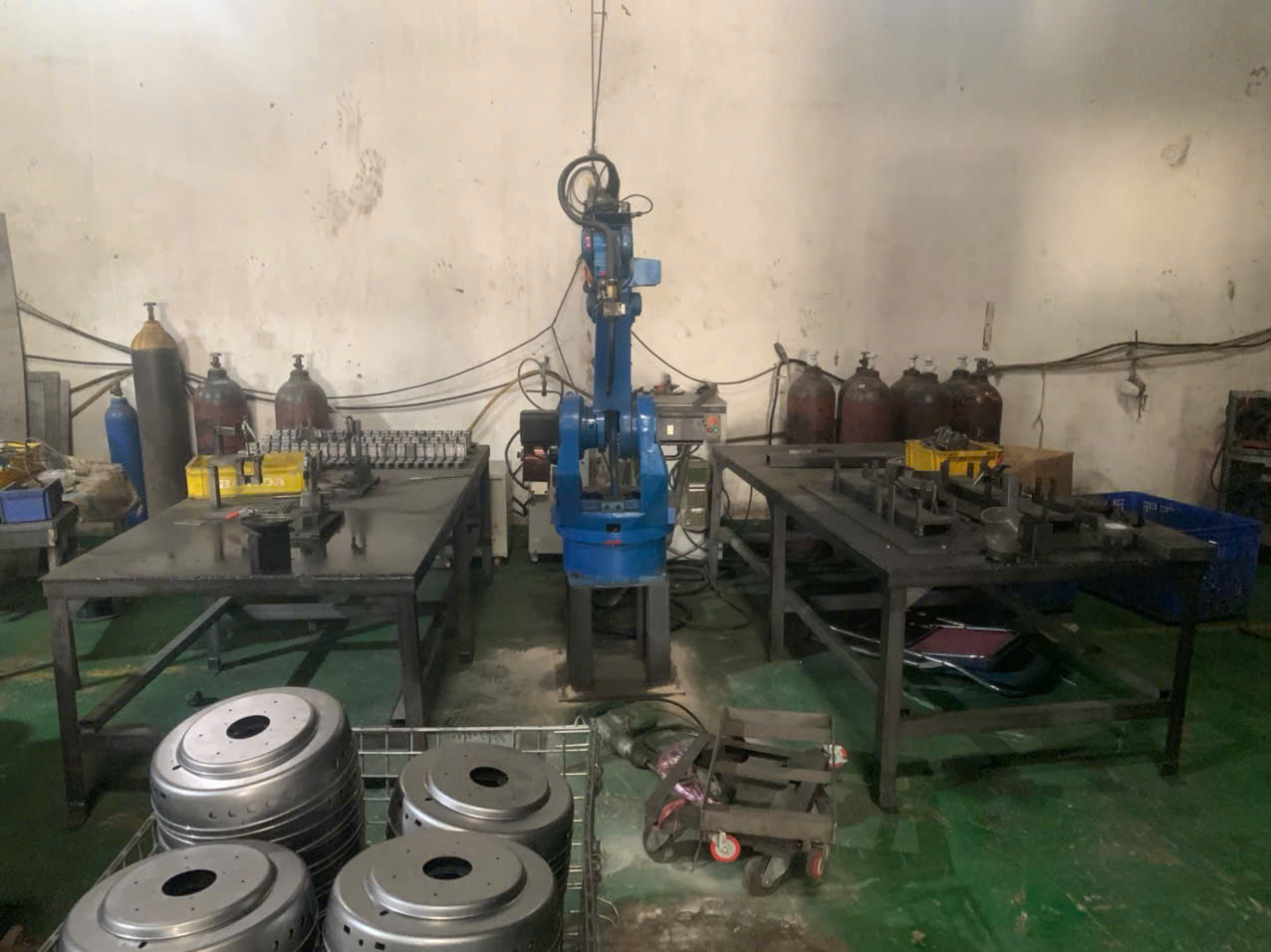
A buyer we work with in the Midwest once asked why his "15-day production" quote turned into 28 days. The answer was simple: nobody counted raw material sourcing 2 or post-weld finishing. Estimating the manufacturing timeline accurately means mapping every step inside the factory, not just the welding itself.
To accurately estimate the manufacturing timeline, break production into sub-stages—material procurement (2–7 days), cutting and forming (2–5 days), welding and assembly (3–10 days), finishing and coating (2–5 days)—then sum them. For complex welding parts in Vietnam, expect 5 to 20 total production days.
Understanding the Two Calculation Methods
There are two primary ways to calculate order to delivery lead time 3. The first is simple subtraction. You take the actual delivery date and subtract the order request date. This works well for historical analysis—looking back at past orders to measure real performance.
The second method is step-by-step addition. You estimate each stage and add them up. This is the method you need for future orders because it forces you to think about every activity between placing the PO and receiving the parts.
| Method | Formula | Best Used For |
|---|---|---|
| Simple Subtraction | Delivery Date – Order Request Date | Historical analysis, measuring supplier performance |
| Step-by-Step Addition | Sum of all stage durations (minus overlaps) | Planning future orders, quoting delivery windows |
For welding parts sourced from Vietnam, the step-by-step method is far more useful. It exposes where time hides.
Breaking Down the Manufacturing Cycle Time
Inside our Vietnam facility, we see the manufacturing cycle time for welding parts unfold in predictable stages. Here is what each one looks like in practice.
Raw material sourcing is the first variable. Standard carbon steel and common alloy grades are usually available from local Vietnamese distributors within 2 to 4 days. But specialized alloys or certified materials (like those requiring mill test certificates) can take 5 to 7 days—or longer if they need to be imported from Japan or Korea.
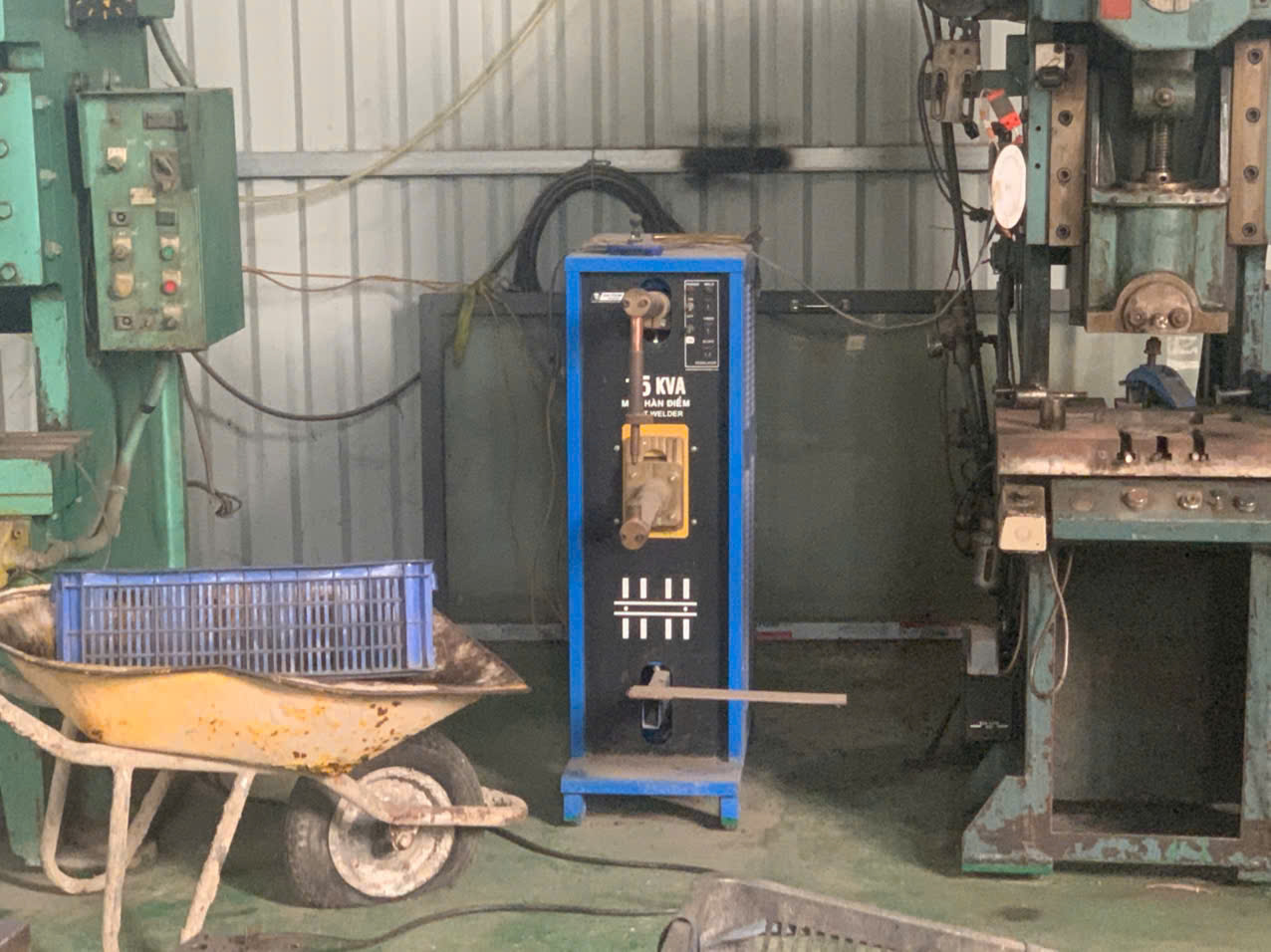
Cutting and forming includes laser cutting, plasma cutting, shearing, and press brake bending. For a typical batch of brackets or frame assemblies, this takes 2 to 5 days depending on the number of unique parts.
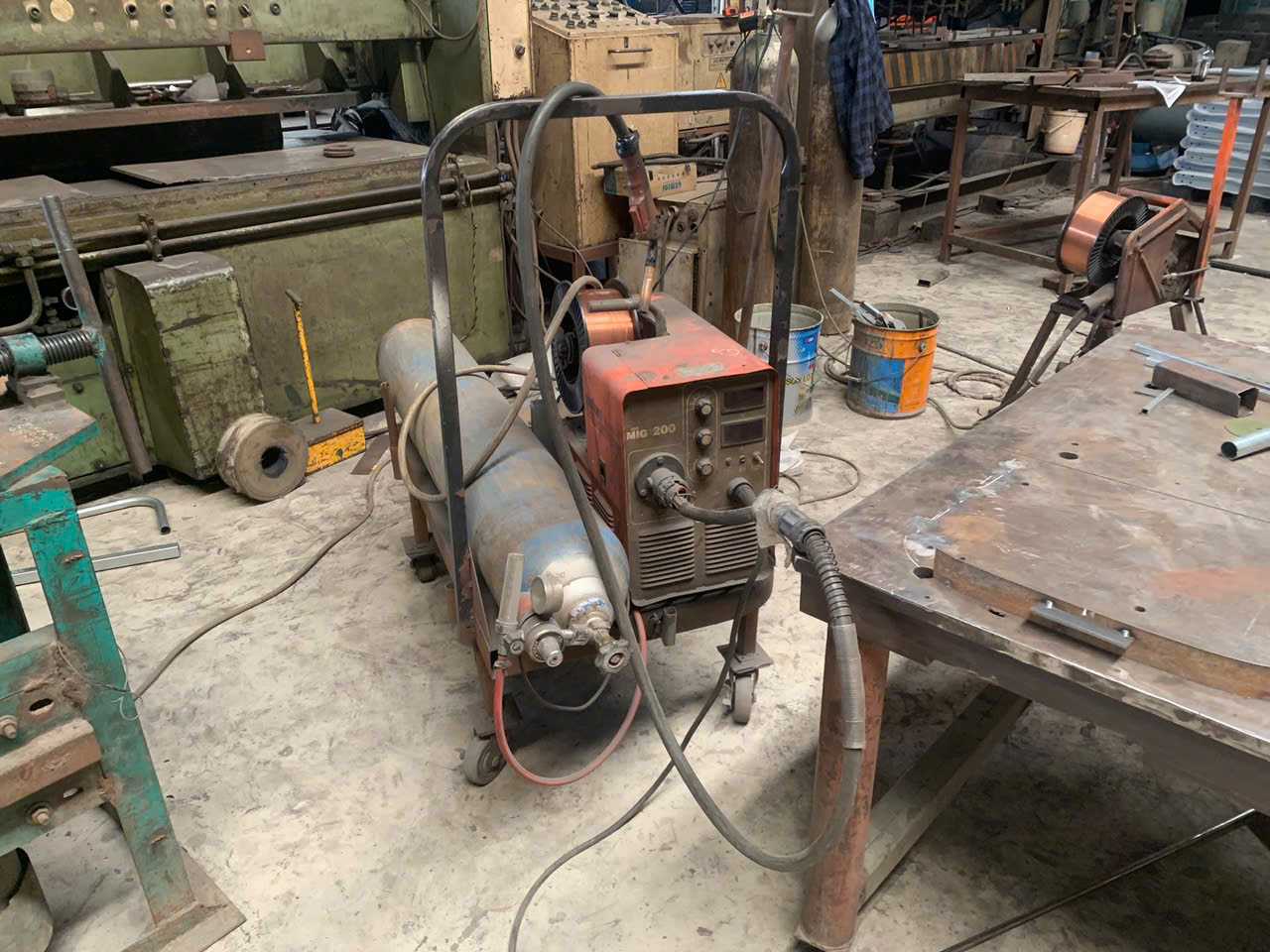
Welding and assembly is the core stage. Simple MIG-welded brackets might need only 1 to 2 days. But complex geometric frames—like the multi-level tubular assemblies with V-shaped brackets and reinforced gussets we often produce—can require 5 to 10 days. Multi-pass welds, fixture setups, and post-weld heat treatment 4 all add time.
Finishing covers grinding, sandblasting, painting, powder coating 5, or galvanizing. Budget 2 to 5 days here.
| Production Stage | Simple Parts | Complex Assemblies |
|---|---|---|
| Raw Material Sourcing | 2–4 days | 5–7 days |
| Cutting & Forming | 2–3 days | 3–5 days |
| Welding & Assembly | 1–3 days | 5–10 days |
| Finishing & Coating | 2–3 days | 3–5 days |
| Total Production | 7–13 days | 16–27 days |
Validating the Supplier's Quoted Timeline
One lesson we learned early: always compare the supplier's quoted lead time against their actual throughput. A concept called "Arc Time 6" helps here. Arc Time is the actual welding time required for your batch. If a factory quotes 10 days but their arc time calculation shows your job needs 15 days of machine time—and they only have two welding stations—the math does not add up.
Track supplier performance metrics over multiple orders. Compare quoted vs. actual delivery dates. A supplier with a 30-day contract lead time but a consistent 40-day real lead time has a 10-day reliability gap. That gap belongs in your planning buffer.
Production scheduling at the factory also matters. If your order arrives during a peak period, it may wait in queue before production even starts. Ask your supplier about their current backlog.
What logistics and transit times should I expect when shipping welded components from Vietnam to the U.S.?
Last quarter, a client's urgently needed mounting brackets sat at a Vietnamese port for three extra days because of a documentation error on the packing list. Logistics is where controllable delays happen most often—and where the right Vietnam logistics providers make a measurable difference.
When shipping welded components from Vietnam to the U.S., expect 1–2 days for packaging, 1–3 days for domestic transport to port, 20–35 days for sea freight (or 5–10 days for air freight), and 2–5 days for customs clearance. Total transit from factory gate to your warehouse runs approximately 25–45 days by sea.
Packaging and Domestic Transport
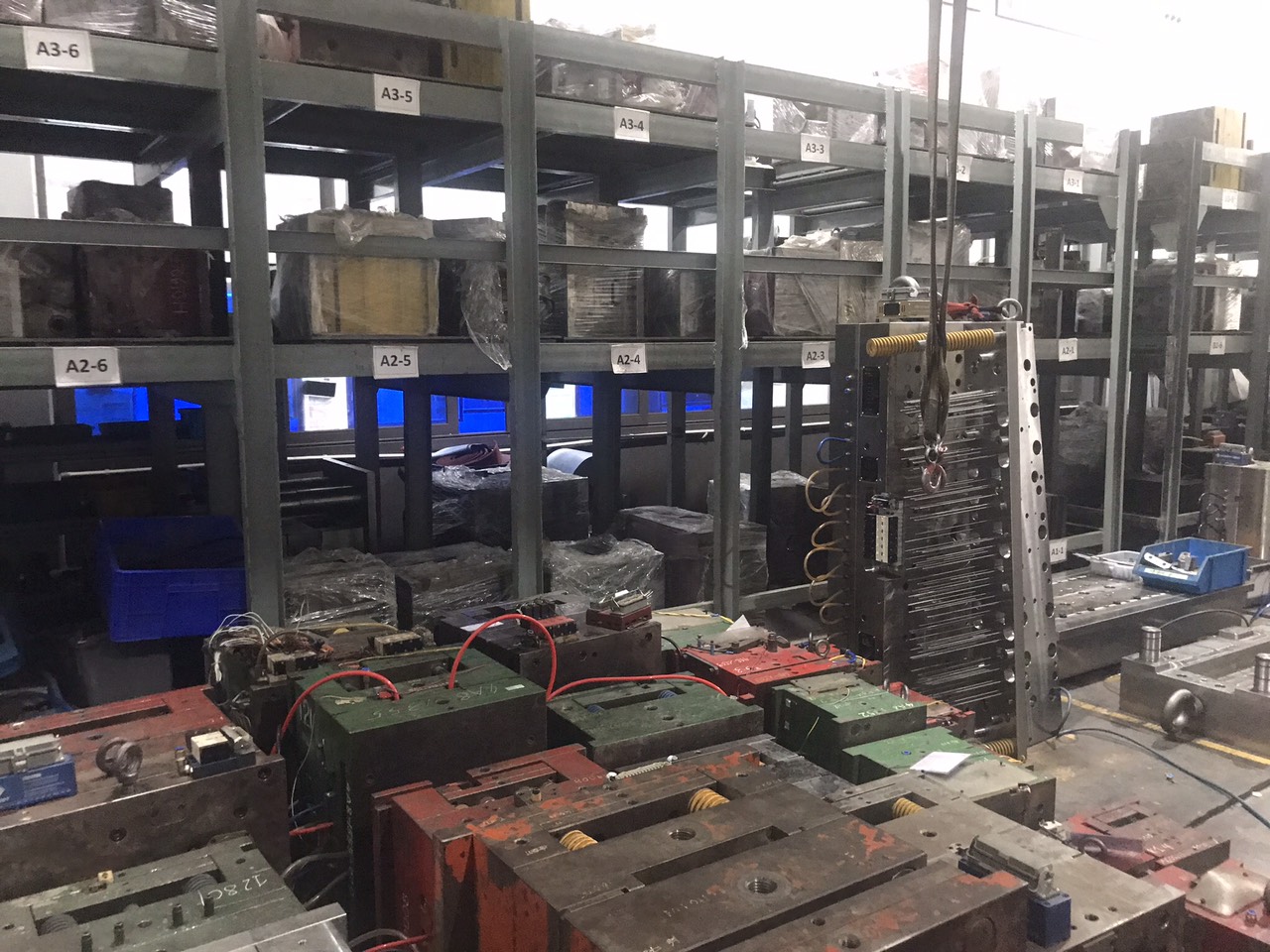
Once welding parts pass final inspection, they need proper packaging. Heavy-duty steel brackets and frames require wooden crates or pallets with foam padding to prevent damage. This takes 1 to 2 days.
Domestic transport from the factory to the nearest port adds 1 to 3 days. Most metal fabrication in Vietnam is concentrated around Ho Chi Minh City (near Cat Lai port) or Hai Phong in the north. If the factory is in a more rural industrial zone, add another day.
International Freight Transit Times
The shipping method you choose has the single largest impact on your total lead time.
| Shipping Method | Transit Time (Vietnam to U.S. West Coast) | Transit Time (Vietnam to U.S. East Coast) | Relative Cost |
|---|---|---|---|
| Sea Freight (FCL) | 18–25 days | 28–35 days | Low |
| Sea Freight (LCL) | 22–30 days | 30–40 days | Medium-Low |
| Air Freight | 3–5 days | 5–7 days | High |
| Express Courier | 2–4 days | 3–5 days | Very High |
For most welding part orders, sea freight is the standard. The weight and bulk of steel components make air freight expensive. However, for urgent prototype runs or small PPAP sample shipments, air freight makes sense despite the cost.
Freight transit times also shift with the season. During the pre-Christmas peak (September through November), container availability tightens and port congestion at both origin and destination increases. We have seen sea freight times stretch by 5 to 7 days during these windows.
Customs Clearance Process
The customs clearance process at U.S. ports typically takes 2 to 5 days for standard welding parts. Factors that speed it up: accurate HS codes 7, complete commercial invoices, proper certificates of origin, and a reliable customs broker.
Vietnam's Free Trade Agreements 8 can streamline duty calculations, but the paperwork must be correct. One wrong tariff classification can trigger a hold and add a week to your timeline.
For balancing logistics cost and time on the logistics side, consider working with a freight forwarder who specializes in Vietnam-to-U.S. routes. They know the port schedules, carrier reliability data, and documentation requirements that prevent costly delays.
How can I account for quality control and PPAP approvals in my overall lead time calculation?
The biggest timeline surprise we see with new clients is not production or shipping—it is the PPAP loop. A purchasing manager once told me his team budgeted zero days for first-article approval. The result was a six-week delay while samples crossed the ocean twice for review and correction. Quality control inspection and PPAP approval must be built into your lead time from day one.
To account for quality control and PPAP approvals, add 3–5 days for in-process and final inspection at the factory, 5–15 days for PPAP sample submission and customer review, and a contingency of 5–10 days for potential rework and resubmission. These stages can add 13–30 days to your total lead time.
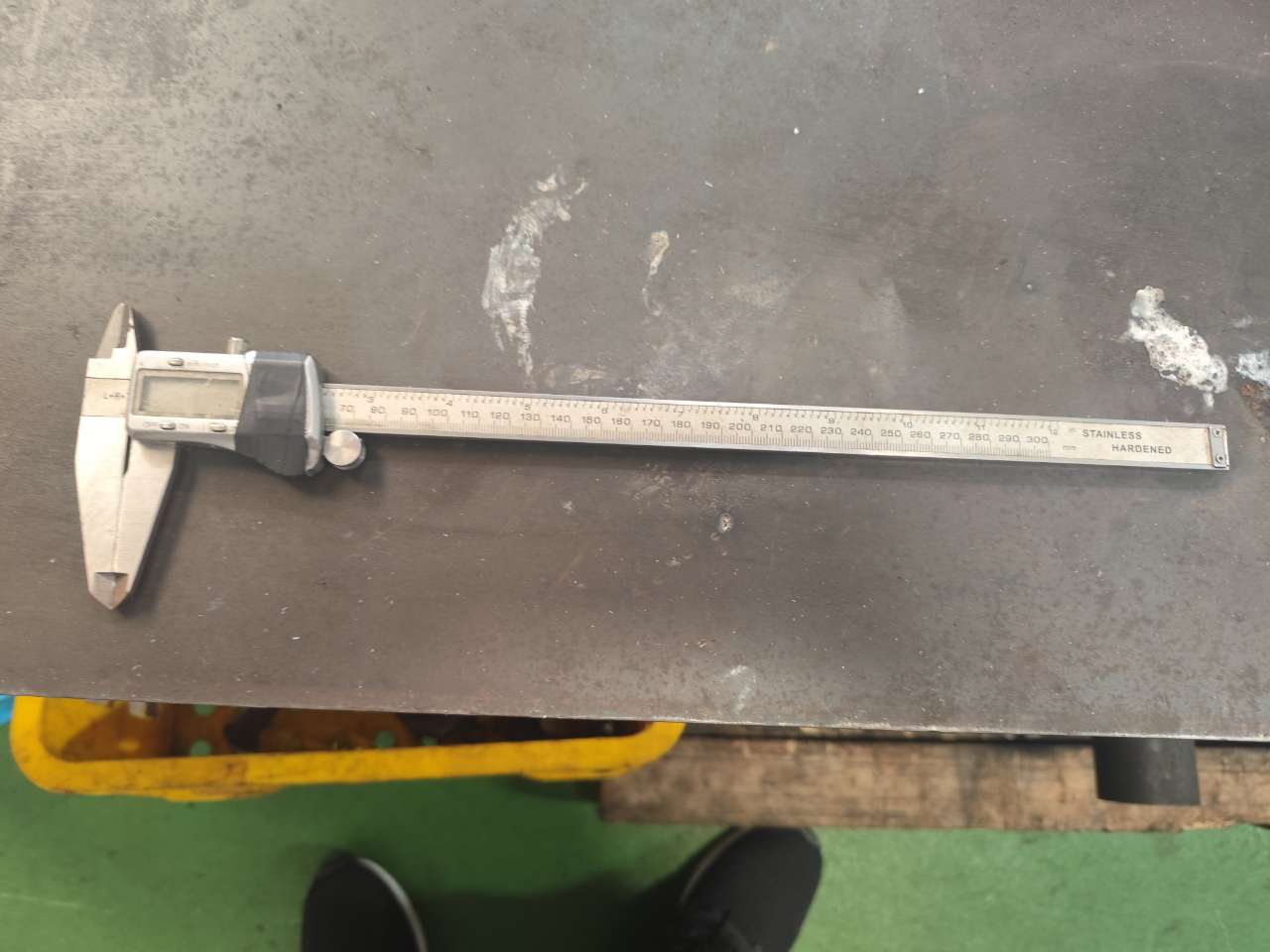
In-Process and Final Inspection
Quality control for welding parts is not a single checkpoint. It happens at multiple stages. At our Vietnam facility, we inspect at incoming material, after cutting, during welding (checking fixture alignment, weld penetration, and bead quality), and after finishing.
Final inspection for welded assemblies involves dimensional checks against drawings, visual weld inspection, and sometimes non-destructive testing (NDT) 9 like magnetic particle or ultrasonic inspection for critical joints. This process takes 2 to 5 days depending on batch size and the number of critical dimensions.
For parts like the heavy-duty industrial brackets and L-shaped mounts with precision-drilled mounting holes that we regularly produce, dimensional accuracy is non-negotiable. A quality control inspection plan should specify which dimensions are critical, what tolerances apply, and what the acceptance criteria are.
The PPAP Timeline
PPAP (Production Part Approval Process) 10 is standard for automotive and many industrial clients. Even non-automotive buyers increasingly request PPAP-level documentation. Here is how the timeline typically unfolds:
- Initial sample production: 3–5 days (sometimes overlapping with the production run).
- PPAP documentation package preparation: 2–3 days (includes dimensional reports, material certifications, process flow diagrams, control plans).
- Sample shipping to customer: 3–7 days by air, 20–30 days by sea.
- Customer review and approval: 3–10 business days (depends entirely on your internal review speed).
- Rework and resubmission (if needed): Add 5–15 days.
The critical insight: steps 3 and 4 are often the longest. We recommend shipping PPAP samples by air freight to compress this timeline. The cost of air-shipping a few sample brackets is trivial compared to the cost of a 30-day delay waiting for sea freight samples to arrive.
Building a Realistic Quality Timeline
Many procurement teams underestimate the quality phase because it feels like an administrative task. It is not. For complex welding assemblies with tight tolerances, first-time PPAP approval rates are not 100%. Rework happens. A realistic inventory management strategy accounts for this by building a quality buffer into the reorder point calculation.
The formula for total lead time with quality included:
Total Lead Time = Order Processing + Material Sourcing + Production + Quality/PPAP + Packaging + Domestic Transport + International Shipping + Customs + Receiving
When you plan orders, treat the quality phase as its own line item with its own time estimate. Do not bury it inside "production time."
What are the most common factors that might cause delays in my Vietnam welding part delivery?
During the 2024 Tet holiday, one of our clients placed an order on January 25—three days before the Vietnamese New Year break. The factory was closed for 10 days. Material suppliers were closed even longer. What should have been a 25-day lead time turned into 40 days. That experience taught both of us to plan around calendar risks.
The most common delay factors for Vietnam welding parts include national holidays (Tet adds 7–14 days), raw material shortages for specialty alloys, factory capacity overloads, documentation errors causing customs holds, port congestion during peak shipping seasons, and PPAP rejections requiring rework and resubmission.
Seasonal and Holiday Risks
Vietnam's biggest holiday is Tet (Lunar New Year), which typically falls in late January or early February. Factories shut down for 7 to 14 days, and productivity drops in the weeks before and after as workers travel to their home provinces. Plan orders to avoid this window, or place them early enough to complete production before the break.
Other holidays to watch: Liberation Day (April 30), International Workers' Day (May 1), and National Day (September 2). On the U.S. side, watch for port slowdowns around Thanksgiving, Christmas, and Chinese New Year (which also affects raw material suppliers serving Vietnam). For a detailed guide on navigating these risks, see how to prevent Vietnam holiday delays when sourcing sheet metal fabrication.
Supply Chain and Production Risks
| Delay Factor | Typical Impact | Mitigation Strategy |
|---|---|---|
| Tet Holiday | +7–14 days | Order 6–8 weeks before Tet |
| Specialty alloy shortage | +5–15 days | Pre-order materials or use local alternatives |
| Factory capacity overload | +5–10 days | Confirm production slot before PO |
| Documentation errors | +3–7 days | Use experienced freight forwarder |
| Port congestion (peak season) | +3–7 days | Ship before September or use alternative ports |
| PPAP rejection / rework | +5–15 days | Invest in DFM review before production |
| Customs hold at destination | +3–10 days | Ensure correct HS codes and complete paperwork |
How to Build a Buffer
For inventory management strategies, we recommend calculating your "expected lead time" using the step-by-step method, then adding a buffer based on historical variability. A common approach:
- If your supplier has delivered on time 90%+ of the time, add a 10–15% buffer.
- If on-time delivery is below 80%, add a 20–30% buffer—or find a better supplier.
Track every order. Record the quoted lead time and the actual lead time. Over 5 to 10 orders, you will have enough data to calculate a reliable average and standard deviation. This data-driven approach to supplier performance metrics replaces guesswork with evidence.
Our team in Vietnam maintains a delivery log for every project. When a client asks "Can you deliver in 30 days?", we answer based on actual performance data for similar parts, not optimistic estimates.
Tools for Lead Time Tracking
Several Excel-based supply chain lead time calculators are available online. They let you input each stage duration and automatically calculate total lead time with buffer. ERP systems like SAP and Oracle also have modules for real-time lead time tracking aligned with confirmed supplier delivery dates.
For companies not ready to invest in ERP, a simple spreadsheet with columns for each stage, planned dates, and actual dates works well. The key is consistency—track every order the same way so you can spot trends.
Conclusion
Calculating order to delivery lead time for Vietnam welding parts requires mapping every stage—from raw material sourcing through customs clearance. Use the step-by-step method, validate supplier quotes with real data, and always build in a quality and seasonal buffer.
Frequently Asked Questions
How do I accurately estimate the manufacturing timeline for my custom welding parts in Vietnam?
A buyer we work with in the Midwest once asked why his "15-day production" quote turned into 28 days. The answer was simple: nobody counted raw material sourcing 2 or post-weld finishing. Estimating the manufacturing timeline accurately means mapping every step inside the factory, not just the welding itself.
What logistics and transit times should I expect when shipping welded components from Vietnam to the U.S.?
Last quarter, a client's urgently needed mounting brackets sat at a Vietnamese port for three extra days because of a documentation error on the packing list. Logistics is where controllable delays happen most often—and where the right Vietnam logistics providers make a measurable difference.
How can I account for quality control and PPAP approvals in my overall lead time calculation?
The biggest timeline surprise we see with new clients is not production or shipping—it is the PPAP loop. A purchasing manager once told me his team budgeted zero days for first-article approval. The result was a six-week delay while samples crossed the ocean twice for review and correction. Quality control inspection and PPAP approval must be built into your lead time from day one.
Footnotes
1. Replaced with a Wikipedia article offering a general overview of metal fabrication processes. ↩︎
2. Details the process and strategies involved in procuring raw materials for manufacturing. ↩︎
3. Replaced with a Wikipedia article providing a comprehensive definition of lead time in supply chain management. ↩︎
4. Explains the purpose and methods of heat treatment after welding to improve material properties. ↩︎
5. Replaced with a Wikipedia article detailing the powder coating process and its characteristics. ↩︎
6. Defines welding arc time and its significance in productivity and project estimation. ↩︎
7. Explains the international standardized system for classifying traded products for customs. ↩︎
8. Replaced with an authoritative .gov source providing an overview of Free Trade Agreements. ↩︎
9. Replaced with a Wikipedia article providing a comprehensive overview of non-destructive testing (NDT), including its application to welds. ↩︎
10. Replaced with a Wikipedia article explaining the Production Part Approval Process (PPAP). ↩︎