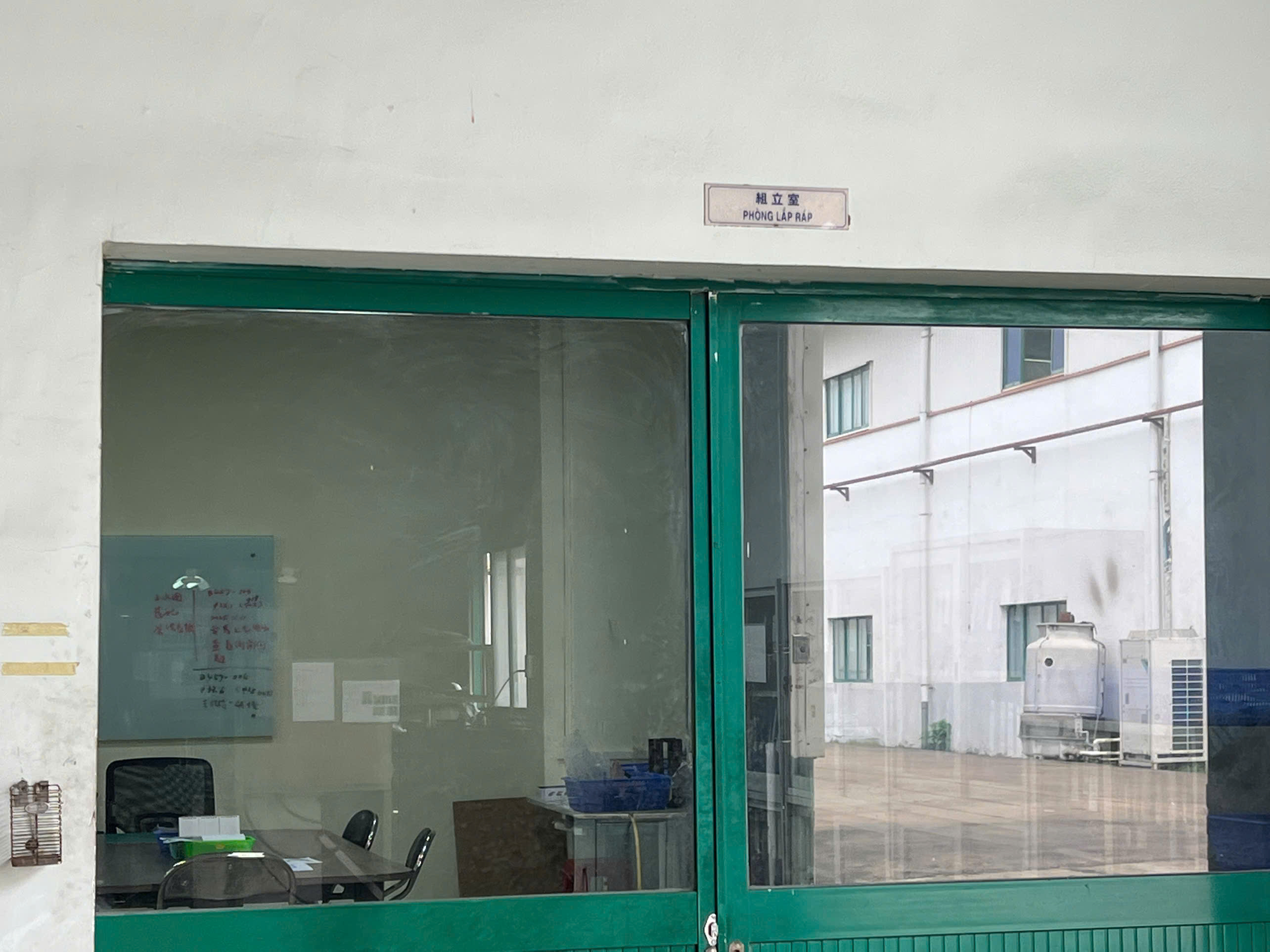
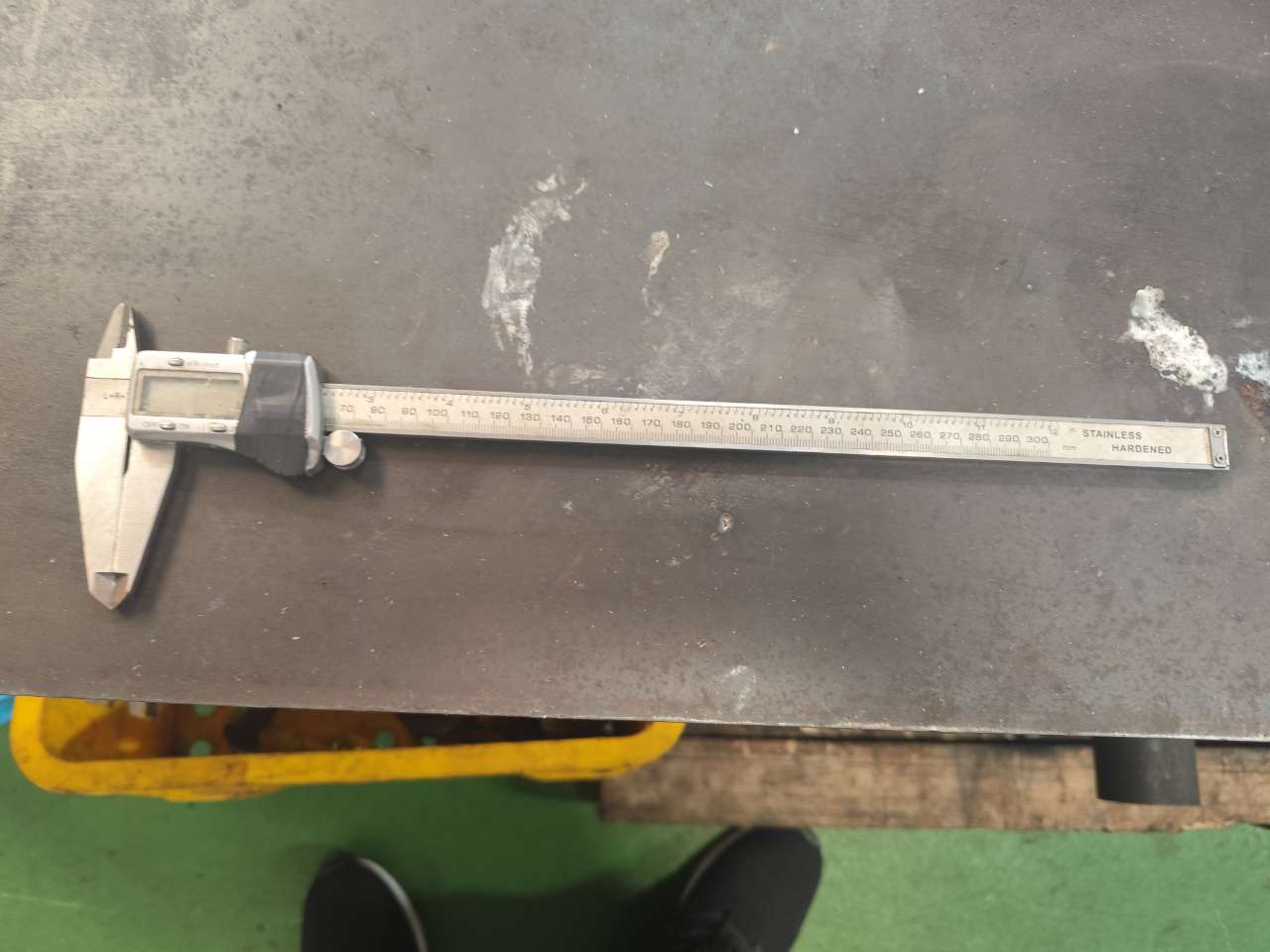
I’ve worked with buyers who chose suppliers based only on emails and price—and paid the price later with delays, defects, and disputes.
Yes — you can effectively evaluate Vietnamese suppliers remotely, but only if you use a structured approach that combines documentation, video audits, third-party inspections, and detailed follow-ups.
Here’s exactly how I do it step by step to protect my clients and ensure project success.
What documents prove supplier capability remotely?
A factory can say anything via email—but documents force them to show their real systems, machines, and past work.
To evaluate a Vietnamese supplier remotely, I always request certifications, machine lists, quality reports, and sample part documentation before I even consider a trial order.
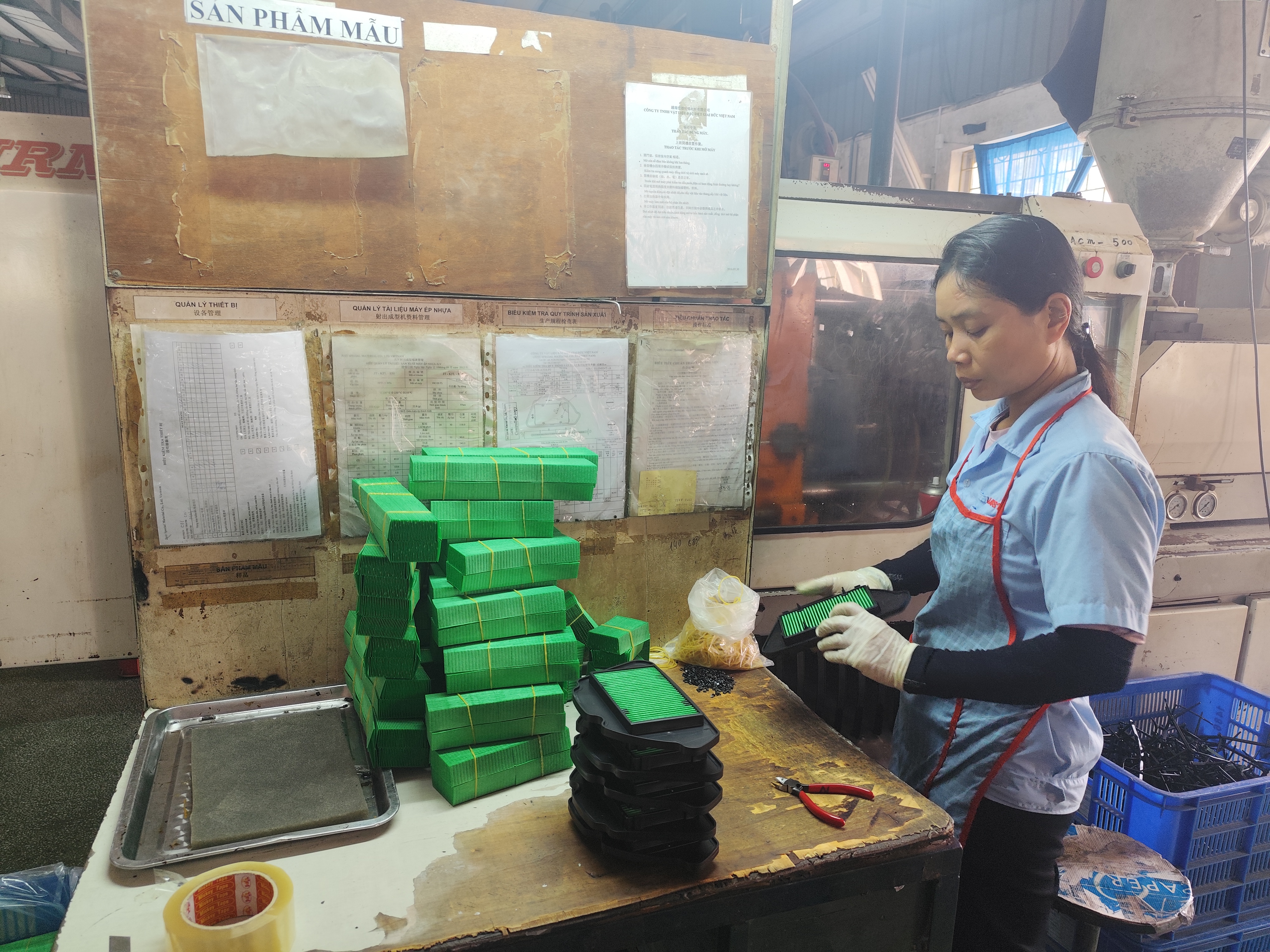
Key Documents to Request and Why
| Document Type | Why It Matters |
|---|---|
| ISO 9001 / IATF 16949 Certificates | Confirms they follow a QMS (though you must verify use) |
| Machine Inventory List | Shows equipment type, brand, model, age, precision |
| Material Traceability Flowchart | Explains how they control batches, labels, origins |
| First Article Inspection Reports | Proves ability to meet dimensions, tolerances, finishes |
| Calibration Records | Ensures gauges and CMMs are accurate and in tolerance |
| In-House Lab Capability List | Tells you what testing they can do without outsourcing |
| Sample Photos & Reports | Lets you judge finish quality and actual output |
| Process Flow Diagrams | Reveals how parts move through machining or welding |
| Customer Reference List | Optional, but useful to verify export track record |
When reviewing, I confirm certificates with the issuing registrar using ISO’s official certificate database 1. For automotive suppliers, I also verify IATF 16949 status 2.
How to use video walk-throughs effectively?
I’ve done Zoom audits where the supplier only showed the best area—and ignored the toolroom where the real risk was hiding.
Video walk-throughs work, but only when you take control of the agenda, focus on critical areas, and ask smart questions during the call.
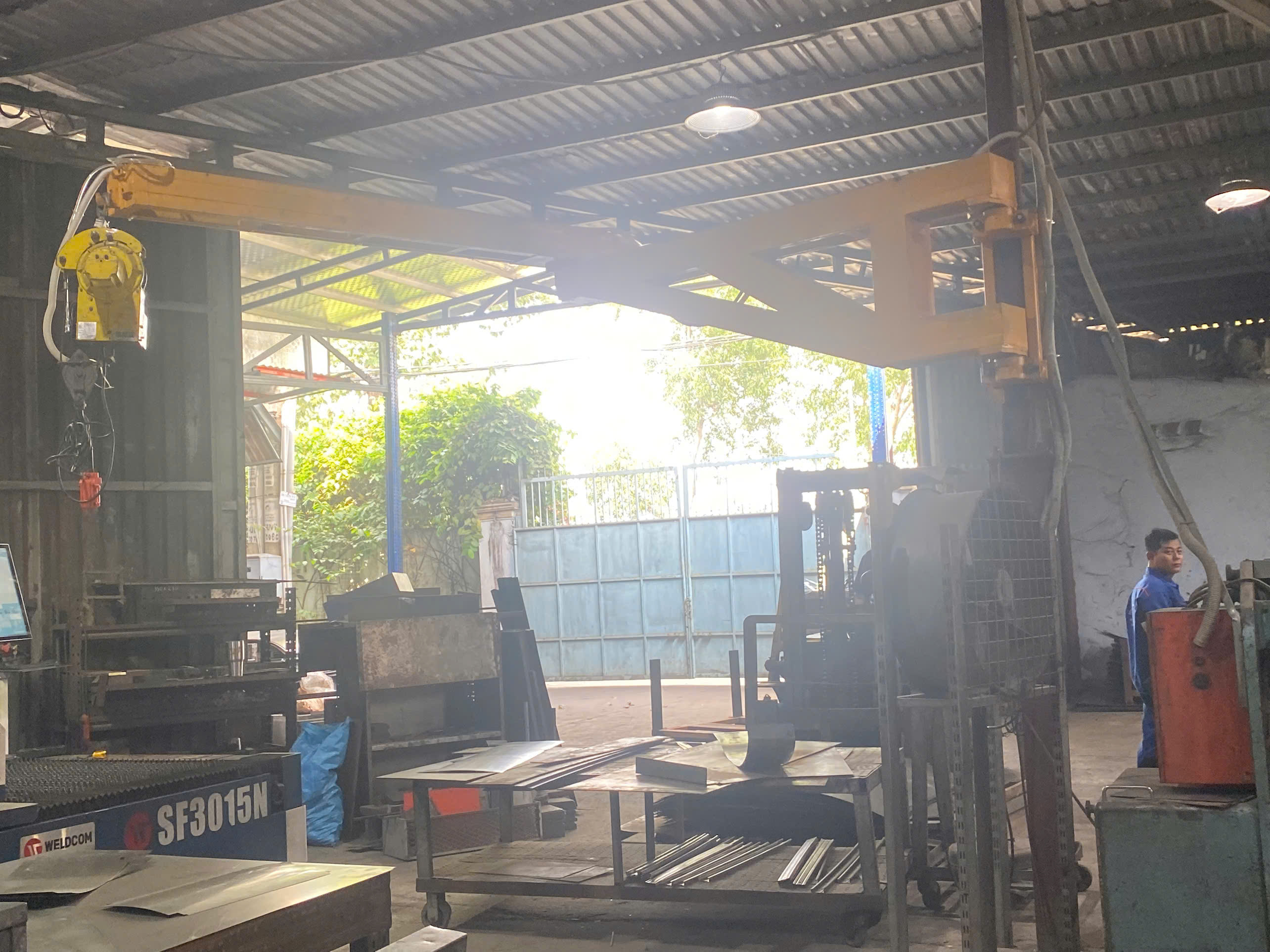
Key Areas to Include in Video Tours
| Section of Factory | What to Look For |
|---|---|
| Raw Material Storage | Check for labeling, rust prevention, FIFO, traceability |
| CNC / Machining Area | See machine brands, condition, tooling, setups |
| Welding / Stamping Zones | Check for jigs, weld sequence drawings, operator skills |
| QC Lab / Inspection Bench | Look for CMMs, gauge racks, inspection forms, calibration |
| Assembly / Packaging | Spot final inspection, labeling, cleanliness, packing method |
| Tool Room / Mold Storage | Ensure tooling is labeled, maintained, and organized |
| In-Process Quality Boards | Verify presence of SPC charts, nonconformity logs |
The ISO 19011 guidelines for auditing 3 can help structure your virtual audit questions. I also use video audit checklists from ASQ 4 to ensure no area is skipped.
Which sample inspections work at distance?
There’s no substitute for seeing and touching a part yourself—but I’ve learned how to compensate using sample inspections combined with third-party lab tests.
Before approving production, I require a First Article Inspection (FAI) sample, test reports, and close-up photos/videos of each critical feature.
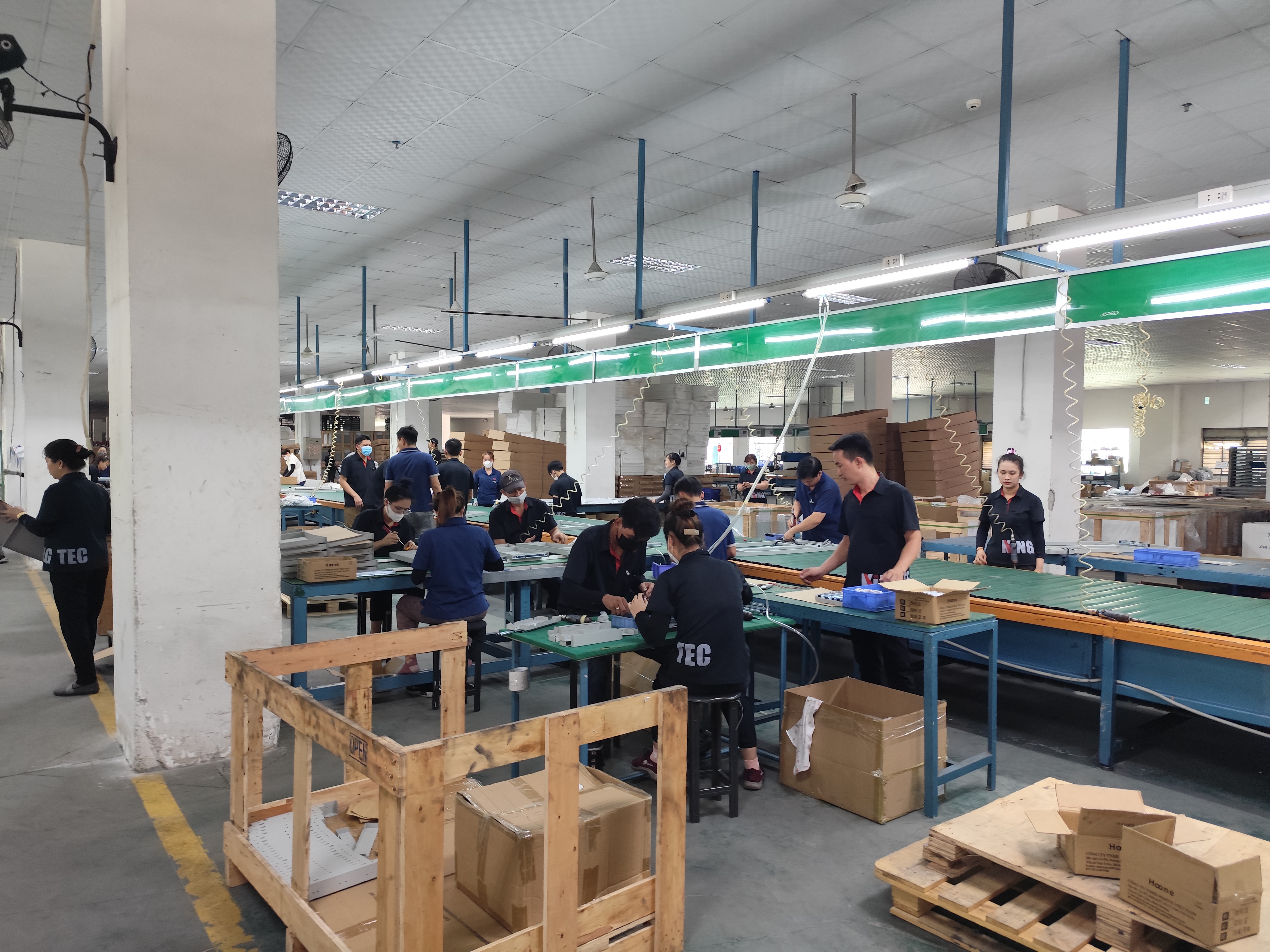
Sample Evaluation Checklist (Remote)
| Inspection Step | Remote Method |
|---|---|
| Visual Surface Check | Request high-res photos with scale, multiple angles |
| Dimensional Accuracy | Ask for full inspection report + close-ups of caliper/CMM data |
| Surface Finish (Ra) | Get roughness tester screenshots, not just numbers |
| Tolerance Verification | Require per-feature tolerance confirmation and summary table |
| Plating / Coating Thickness | Send coating thickness report (e.g. XRF, magnetic) |
| Material Grade Confirmation | OES / spectrometer result from in-house or third-party lab |
| Function Fit Test (if possible) | Video of assembly or fitment with mating part |
Standards like AS9102 First Article Inspection 5 (common in aerospace) provide a good framework, even for general industrial sourcing.
How to conduct remote audits and follow-ups?
Many buyers skip audits when sourcing remotely. That’s a mistake.
I use structured checklists, regular video check-ins, document trails, and third-party verification to maintain supplier accountability—even from 9,000 miles away.
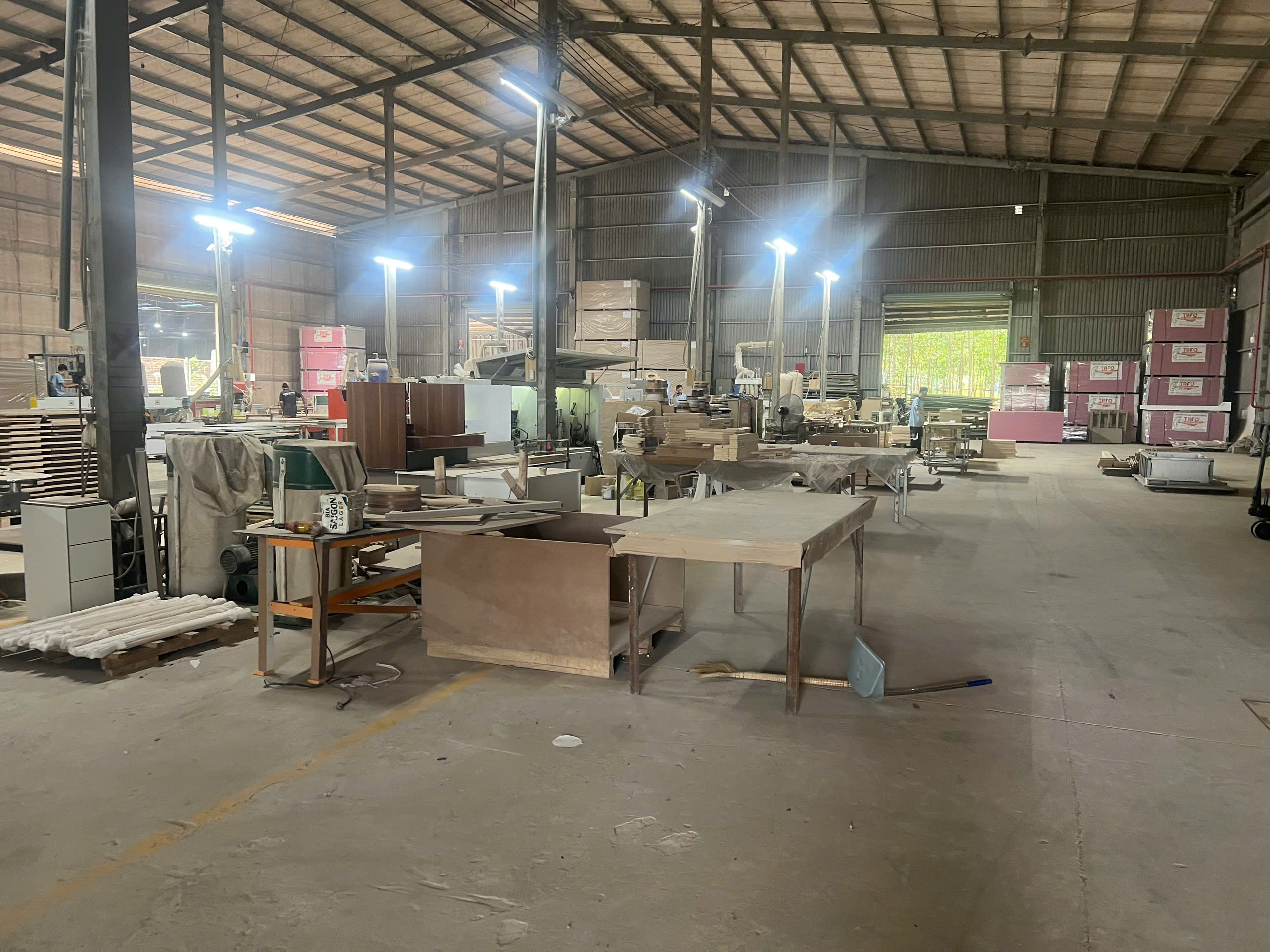
Remote Audit Framework
| Audit Step | Tools or Tactics |
|---|---|
| Pre-Audit Documentation Review | Supplier fills in capability sheet, sends docs/photos |
| Live Virtual Walkthrough | Guided Zoom call using shared checklist |
| Interview with QA & Production | Ask about rejection rate, rework flow, complaints |
| Scorecard with Weighted Criteria | Rate equipment, process control, communication, delivery |
| Trial Sample + FAI | Approve tooling and QC methods based on results |
| Third-Party PSI or IPQC | Local inspector verifies random samples + packaging |
| Regular Bi-Weekly Calls | Track milestones, risks, NCRs (non-conformance reports) |
| Shared Quality Dashboard (Excel) | Update defect counts, lead time variance, QA notes |
I often recommend hiring local inspection agencies like SGS or Intertek 6 to verify supplier claims and packaging before shipment.
Conclusion
Remote supplier evaluation works—if you do it systematically. Don’t rely on trust or pretty presentations. Use documents, videos, samples, third-party checks, and constant follow-up to verify every promise. That’s how I protect projects even when I can’t visit in person. For long-term assurance, align remote audits with ISO 28000 supply chain risk management 7 and NIST manufacturing best practices 8.
Frequently Asked Questions
What documents prove supplier capability remotely?
A factory can say anything via email—but documents force them to show their real systems, machines, and past work. To evaluate a Vietnamese supplier remotely, I always request certifications, machine lists, quality reports, and sample part documentation before I even consider a trial order.
How to use video walk-throughs effectively?
I’ve done Zoom audits where the supplier only showed the best area—and ignored the toolroom where the real risk was hiding. Video walk-throughs work, but only when you take control of the agenda, focus on critical areas, and ask smart questions during the call.
Which sample inspections work at distance?
There’s no substitute for seeing and touching a part yourself—but I’ve learned how to compensate using sample inspections combined with third-party lab tests . Before approving production, I require a First Article Inspection (FAI) sample, test reports, and close-up photos/videos of each critical feature.
Footnotes
1. ISO certificate verification resource to confirm authenticity. ↩︎
2. IATF Global Oversight site to check automotive supplier certifications. ↩︎
3. ISO 19011 auditing guideline for remote or onsite audits. ↩︎
4. ASQ auditing resources and checklists for quality assessments. ↩︎
5. AS9102 First Article Inspection standard for dimensional verification. ↩︎
6. Intertek inspection services for supplier verification and pre-shipment checks. ↩︎
7. ISO 28000 supply chain risk management framework. ↩︎
8. NIST manufacturing resources for process and supplier evaluation. ↩︎