Last quarter, a U.S. buyer asked us to quote the same bracket in three metals — and the price gap shocked them into rethinking their entire BOM.
Welded part sourcing costs vary dramatically by material: carbon steel is the cheapest to buy and weld, stainless steel runs 2–5× higher due to material premiums and contamination controls, and aluminum sits mid-range on material but demands costly specialized labor for oxide removal and heat management.
The material you pick does not just change one line item. It ripples through raw stock price, labor costs, welding consumables, joint preparation, post-weld finishing, and even your shipping bill. Below, we break each factor down so you can make a sourcing decision based on total lifecycle value — not just the first quote you receive.
How will choosing stainless steel instead of carbon steel impact my total welding project budget?
One trade-off we weigh constantly on our Vietnam production floor is whether a project truly needs stainless steel 1 or whether the buyer is over-specifying when carbon steel 2 with a protective coating would perform just as well.
Switching from carbon steel to stainless steel typically increases your total welding project budget by 2–5×, driven by higher raw material cost per kilogram, the need for dedicated tools and workspaces to prevent contamination, specialized filler metals, and slower fabrication speeds that raise labor costs.
Raw Material Price: The First Budget Shock
The most visible cost difference starts at the steel mill's price list. A36 carbon steel plate 3 — the workhorse of structural fabrication — costs roughly one-third of what Type 304 stainless plate costs per pound. If your design calls for 316L or a duplex grade like 2205, the multiplier jumps even higher.
| Material Grade | Approx. Cost per kg (USD) | Relative to A36 Carbon Steel |
|---|---|---|
| A36 Carbon Steel | $0.60 – $1.00 | 1× (baseline) |
| Type 304 Stainless | $2.00 – $3.50 | ~3× |
| Type 316L Stainless | $3.00 – $5.00 | ~4–5× |
| Duplex 2205 | $5.00 – $8.00 | ~8× |
These numbers fluctuate with nickel and chromium spot prices, which makes stainless steel sourcing budgets harder to predict quarter over quarter. Material availability also plays a role; specialty stainless grades often have longer lead times from mills, which can delay your project.
Fabrication Expenses You Won't See on a Material Invoice
Stainless steel is far less forgiving when welded. Our welders must control heat input precisely because stainless conducts heat about 40% slower than carbon steel, which concentrates heat in the weld zone and increases the risk of warping and carbide precipitation 4. Interpass temperatures must be monitored. Shielding gas mixes — often argon-based blends — cost more than the CO₂/argon mixes used for carbon steel.
The biggest hidden cost, though, is contamination control. If a carbon steel grinding disc touches a stainless part, it can embed iron particles that rust and destroy the corrosion resistance 5 the buyer is paying a premium for. In our facility, stainless fabrication happens in a dedicated area with dedicated tools. That equipment investment is non-negotiable for any shop serious about quality.
Post-Weld Finishing Flips the Script
Here is where stainless claws back some value. Carbon steel parts almost always need painting, powder coating, or galvanizing to resist corrosion. Those are real post-weld finishing costs — surface prep, coating application, curing time, and inspection. Stainless steel, by contrast, needs only passivation or electropolishing 6 in most cases. Over a product's lifecycle, the elimination of repainting and touch-up maintenance can offset a significant portion of the higher upfront fabrication expenses.
When Does Stainless Actually Save Money?
For parts exposed to chemicals, saltwater, or high temperatures, stainless steel's longevity means fewer replacements. We have seen food-processing clients who initially balked at the 3× material premium come back and admit that their carbon steel frames needed replacement every two years, while the stainless versions lasted a decade. Design for manufacturability also matters: simplifying joint configurations on stainless parts can reduce weld time and narrow the cost gap.
Why do the specialized labor requirements for aluminum welding increase my sourcing costs?
A buyer in the automotive aftermarket sector once sent us a design assuming aluminum 7 would be "just like welding steel but lighter." The first sample run taught both teams that aluminum welding processes demand a completely different mindset.
Aluminum welding increases sourcing costs primarily through higher labor costs: welders must remove a tenacious oxide layer that re-forms within seconds, compensate for thermal conductivity roughly 3× greater than steel, and use pure argon shielding gas — all of which slow production and demand advanced skill.
The Oxide Problem
Aluminum oxide 8 melts at approximately 3,700°F — nearly three times the melting point of the aluminum base metal itself. If a welder does not mechanically or chemically remove this oxide layer immediately before welding, it gets trapped in the weld pool and creates porosity, inclusions, and weak joints. The joint preparation step alone adds meaningful time to every single weld.
On our shop floor, we use stainless steel wire brushes dedicated only to aluminum, plus chemical cleaning agents. Re-contamination must be prevented, so parts are welded within minutes of cleaning. This urgency compresses scheduling flexibility and can slow throughput.
Heat Conduction: The Silent Cost Driver
Aluminum conducts heat about three times faster than steel. That means the weld zone loses heat rapidly to the surrounding base metal. Welders must apply more initial heat input — higher amperage, sometimes preheating — to achieve proper fusion. But too much heat warps the thin-walled sections common in aluminum assemblies.
| Property | Carbon Steel | Stainless Steel | Aluminum (6061) |
|---|---|---|---|
| Thermal Conductivity (W/m·K) | ~50 | ~16 | ~167 |
| Density (g/cm³) | ~7.85 | ~8.0 | ~2.70 |
| Oxide Melting Point (°F) | ~2,750 (iron oxide) | ~3,700 (chromium oxide) | ~3,700 (aluminum oxide) |
| Typical Shielding Gas | CO₂/Argon mix | Argon blend | Pure Argon |
The table makes the thermal conductivity gap obvious. Our welders need more passes on thick aluminum sections and more careful sequencing on thin ones. Both scenarios increase cycle time and, therefore, labor costs.
Consumables and Equipment Investment
Pure argon shielding gas is more expensive per cubic foot than the mixed gases commonly used for carbon steel MIG welding. Aluminum filler wire is softer, more prone to feeding issues, and sometimes requires a spool gun or push-pull torch — a piece of equipment that adds to the shop's capital outlay. Welding consumables for aluminum simply cost more across the board.
Where Aluminum Pays for Itself
Despite the higher fabrication expenses, aluminum's density — roughly one-third that of steel — delivers real savings downstream. Shipping costs drop because pallets weigh less. Handling on the assembly line becomes easier. In industries like aerospace, consumer electronics, and electric vehicles, the weight reduction translates directly into performance or fuel efficiency gains that dwarf the welding cost premium.
For high-volume projects, we often recommend reviewing the design for manufacturability early. Reducing the number of welds, using extrusions instead of welded assemblies where possible, and standardizing joint types can pull aluminum's fabrication cost much closer to carbon steel.
How can sourcing welded steel parts from Vietnam help me reduce my overall procurement expenses?
During a supplier audit trip last year, a procurement director from a mid-size U.S. distributor told me his China-based welding supplier had raised prices 18% in twelve months. He asked a simple question: "Where else can I go?"
Sourcing welded steel parts from Vietnam can reduce overall procurement expenses by 15–30% compared to domestic U.S. fabrication, thanks to lower labor costs, competitive raw material pricing, growing welding infrastructure, and tariff advantages that make Vietnamese exports more cost-effective for American buyers.
Why Vietnam Is Gaining Ground
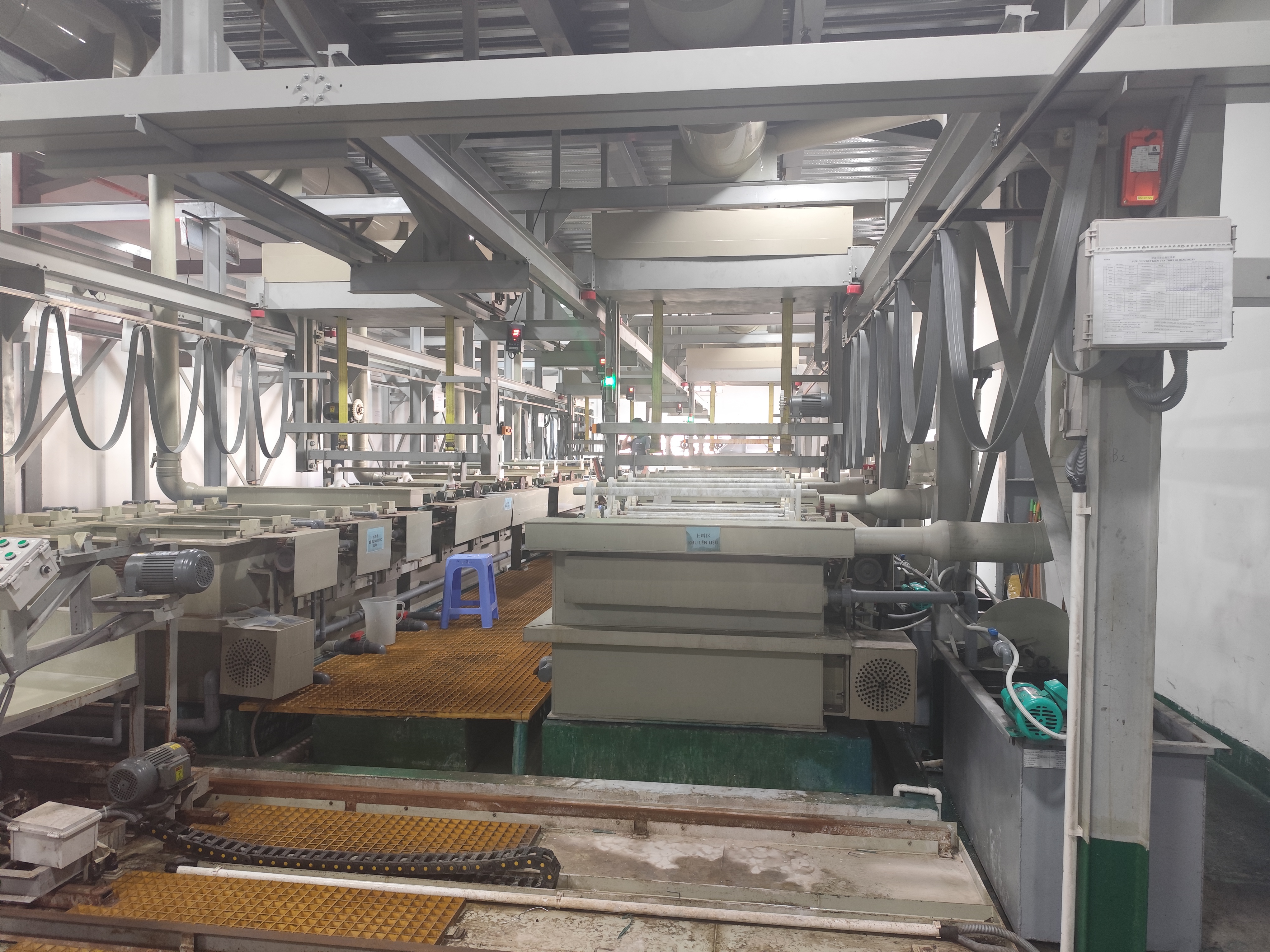
Vietnam's manufacturing sector has matured rapidly. The country now hosts thousands of metalworking shops capable of MIG, TIG, and stick welding on carbon steel, stainless steel, and aluminum. Labor rates remain substantially lower than in the U.S. or Europe, but the real advantage is the combination of cost and improving quality infrastructure. Our team of seven employees in Vietnam conducts supplier audits, process control checks, and final inspections on site — the same rigor we apply in any sourcing region.
Cost Comparison: Vietnam vs. U.S. Domestic
| Cost Factor | U.S. Domestic | Vietnam (via DEWIN) |
|---|---|---|
| Skilled Welder Hourly Rate | $25 – $45 | $4 – $8 |
| Carbon Steel Plate (per kg) | $0.80 – $1.20 | $0.55 – $0.90 |
| Stainless 304 Plate (per kg) | $2.50 – $4.00 | $1.80 – $3.00 |
| Logistics (40ft container to U.S. West Coast) | N/A | $2,500 – $4,500 |
| Import Tariff (Most Favored Nation) | N/A | 0 – 3.4% on many steel fabrications |
Even after adding ocean freight and duties, the math works in Vietnam's favor for most medium-to-large orders. Supply chain management is the key variable: without a local team coordinating production schedules, quality gates, and shipping, the savings can evaporate in rework and delays.
Mitigating Risk with On-the-Ground Presence
The biggest concern U.S. buyers express is quality control at a distance. That concern is valid. A weld that looks acceptable in a photo may hide incomplete fusion or porosity visible only under X-ray or destructive testing. Our Vietnam office handles PPAP documentation, first-article inspections, in-process checks, and container-loading supervision. We also manage open-account payment terms of 60–90 days, which relieves cash flow pressure for buyers accustomed to upfront wire transfers with overseas vendors.
Material Availability in Vietnam
Vietnam imports most stainless steel and aluminum alloy plate from regional mills in Japan, South Korea, and Taiwan. Carbon steel is increasingly produced domestically. Lead times for standard grades like A36, SS304, and 6061 aluminum are comparable to global norms. Specialty grades require advance planning, but our sourcing network helps lock in material availability early in the project timeline.
When Vietnam Is Not the Right Fit
Very low-volume or rapid-turnaround jobs may not justify the logistics overhead. If you need five brackets by next week, a local U.S. shop is the obvious choice. But for recurring orders, annual blanket contracts, or new product development where you plan to scale, Vietnam offers a compelling cost structure without sacrificing the welding processes and inspection standards your end customers demand.
What hidden costs should I expect if my supplier lacks material-specific QC processes for custom welded parts?
A lesson we learned early in our company's history came from a batch of stainless steel mounting brackets that passed visual inspection but failed in the field within six months — hairline rust appeared along every weld seam. The root cause was carbon steel contamination from a shared grinding wheel.
If your supplier lacks material-specific QC processes, expect hidden costs including field failures from cross-contamination, weld rework rates of 10–25%, warranty claims, production line shutdowns at your customer's facility, and long-term damage to your reputation that far exceeds the savings from choosing a cheaper fabricator.
The True Price of Skipping Material-Specific QC
Many welding shops treat all metals the same way. They use the same wire brushes on carbon steel and stainless. They store aluminum plate next to steel plate in the same rack, inviting contamination. They apply identical welding procedure specifications regardless of material properties. Each of these shortcuts creates a failure point that the buyer pays for — not the supplier.
Common Hidden Cost Categories
Here is a breakdown of where the money actually goes when QC is absent or generic:
- Rework and scrap: Welds that fail radiographic or dye-penetrant testing must be ground out and re-welded. On stainless steel, excessive rework can overheat the base metal and require scrapping the entire part.
- Incoming inspection burden: If your supplier does not inspect properly, your own receiving team must. That means investing in gauges, fixtures, and trained inspectors — costs that should sit with the supplier.
- Field warranty claims: A corroded bracket or a cracked aluminum weld discovered after installation triggers replacement costs, labor charges, and potential liability exposure.
- Customer trust erosion: Your end customer does not care that your supplier used the wrong shielding gas. They care that the part failed. Repeated quality escapes can cost you an account worth far more than the welded parts themselves.
What Material-Specific QC Actually Looks Like
In our workflow, every project starts with a material-specific welding procedure specification (WPS) 9. For stainless steel, we verify that the fabrication area is isolated, that tools are dedicated, and that passivation is performed after welding. For aluminum, we confirm oxide removal timing, shielding gas purity, and welder certifications for the specific alloy. For carbon steel, we check coating adhesion and dimensional tolerances after post-weld finishing processes like galvanizing.
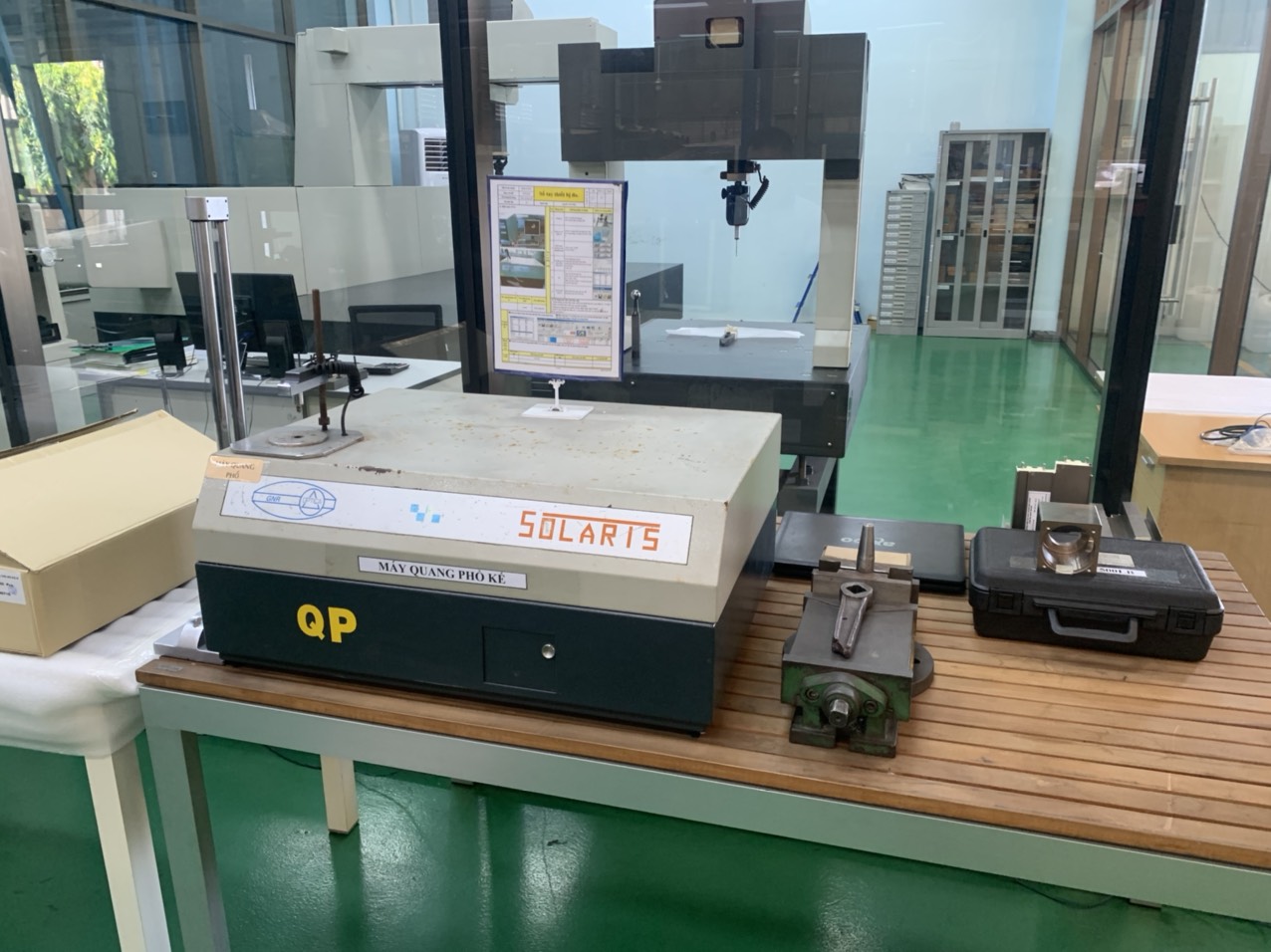
Our inspectors use calibrated instruments matched to each material's critical characteristics. A carbon steel frame gets dimensional checks and coating thickness readings. A stainless assembly gets ferrite content testing and surface roughness verification. An aluminum weldment gets dye-penetrant inspection and hardness testing in the heat-affected zone. These are not optional extras — they are the minimum standard for getting it right the first time.
The "False Economy" of Cheap Fabrication
Choosing a supplier solely on unit price is the most expensive decision a purchasing manager can make. We have onboarded multiple U.S. clients who came to us after a low-cost supplier delivered parts that required 100% re-inspection, rework, or outright rejection. The total cost — including air freight for replacement parts, production line downtime, and strained customer relationships — exceeded what a quality-focused supplier would have charged from the start.
The takeaway is simple: removing necessary QC costs from a fabrication quote does not eliminate those costs. It just moves them downstream, where they multiply. Understanding the key components of sheet metal fabrication costs can help buyers identify when a quote is suspiciously low because critical quality steps have been stripped out.
Conclusion
Welded part sourcing costs depend on far more than raw material price. Factor in labor, consumables, QC infrastructure, and lifecycle durability — then choose a supplier with the material-specific expertise to deliver right the first time. Learning how to control unit costs when sourcing quality sheet metal fabrication can further sharpen your procurement strategy across all three materials.
Frequently Asked Questions
When Does Stainless Actually Save Money?
For parts exposed to chemicals, saltwater, or high temperatures, stainless steel's longevity means fewer replacements. We have seen food-processing clients who initially balked at the 3× material premium come back and admit that their carbon steel frames needed replacement every two years, while the stainless versions lasted a decade. Design for manufacturability also matters: simplifying joint configurations on stainless parts can reduce weld time and narrow the cost gap.
How will choosing stainless steel instead of carbon steel impact my total welding project budget?
One trade-off we weigh constantly on our Vietnam production floor is whether a project truly needs stainless steel 1 or whether the buyer is over-specifying when carbon steel 2 with a protective coating would perform just as well.
Why do the specialized labor requirements for aluminum welding increase my sourcing costs?
A buyer in the automotive aftermarket sector once sent us a design assuming aluminum 7 would be "just like welding steel but lighter." The first sample run taught both teams that aluminum welding processes demand a completely different mindset.
Footnotes
1. Replaced HTTP 404 link with Wikipedia page for ‘stainless steel’. ↩︎
2. Replaced HTTP 404 link with Wikipedia page for ‘carbon steel’. ↩︎
3. Details the specifications, properties, and applications of A36 carbon steel. ↩︎
4. Replaced HTTP 404 link with a relevant section on carbide precipitation from SSINA, an authoritative industry source. ↩︎
5. Replaced HTTP 404 link with a definition of corrosion resistance from Metal Supermarkets. ↩︎
6. Replaced HTTP 403 link with a comparison of passivation and electropolishing from Able Electropolishing. ↩︎
7. Replaced HTTP 403 link with Wikipedia page for ‘aluminium’. ↩︎
8. Replaced HTTP 403 link with Wikipedia page for ‘aluminium oxide’. ↩︎
9. Defines WPS as a critical document for guiding welding processes and ensuring quality. ↩︎