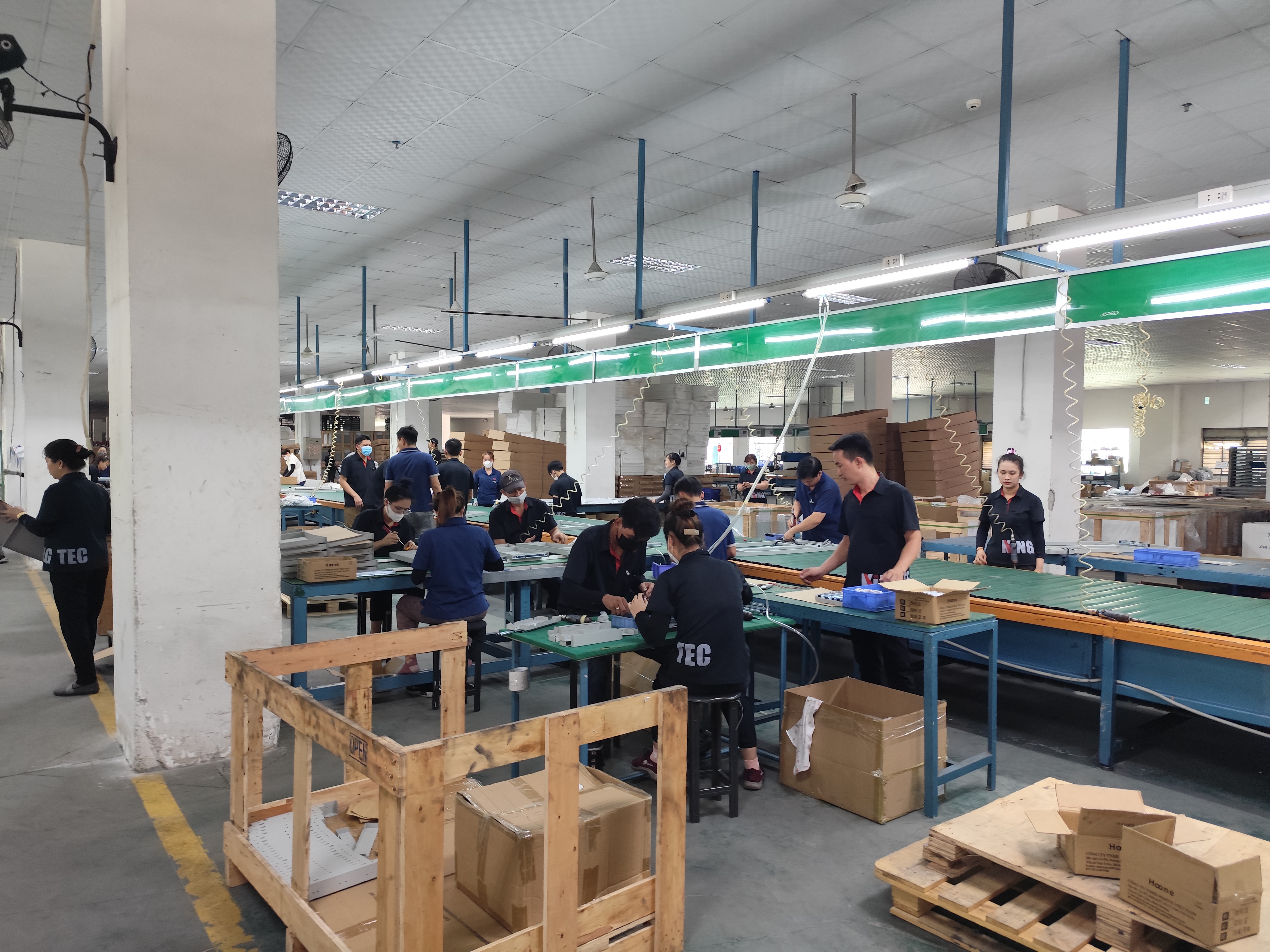
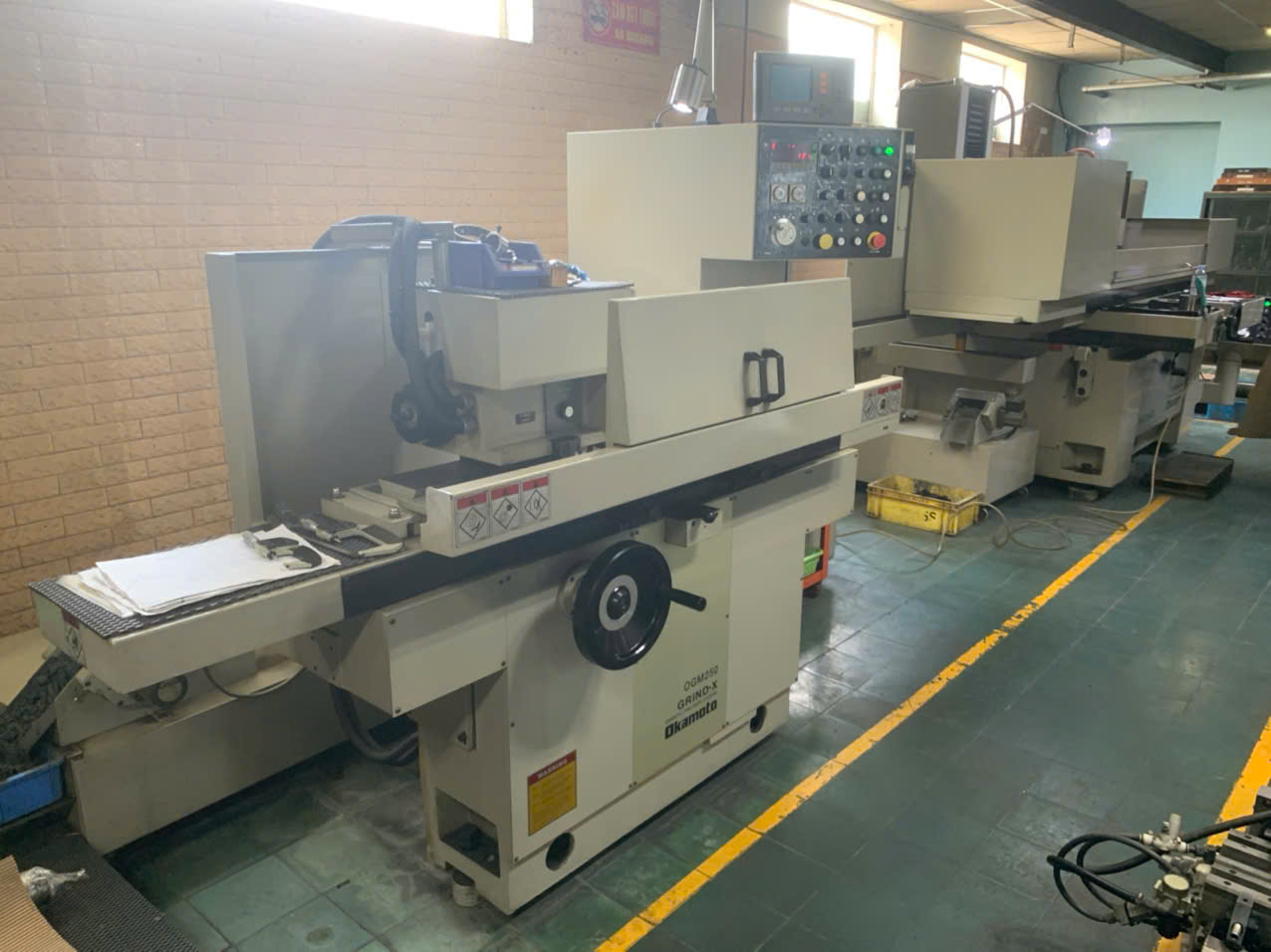
Every week, our team fields calls from U.S. procurement managers wrestling with the same dilemma: should they consolidate sheet metal fabrication 1 orders with one trusted supplier, or spread them across two or three?
Choosing between single and multi-source sheet metal fabrication procurement depends on balancing supply chain risk management, total cost of ownership, quality consistency, and lead time optimization against your project’s complexity, volume, and tolerance for disruption — a hybrid strategy often delivers the strongest results.
This guide breaks down the real trade-offs we see every day helping clients source custom parts from across Asia supply chain risk management 2. I will walk you through risk evaluation, cost impact, quality control 3, and long-term reliability so you can make a confident, data-driven strategic sourcing decision.
How do I evaluate the risks of relying on a single sheet metal supplier versus diversifying my sources?
A client once lost three weeks of production because their sole fabrication partner in China had a power outage during peak summer demand — and there was no backup plan in place lead time optimization 4.
To evaluate single-supplier risk, map every disruption scenario — geopolitical tariffs, natural disasters, capacity bottlenecks, and design lock-in — then score each by likelihood and financial impact. If any single event could halt your production, diversifying sources is essential for supply chain risk management.
Understanding the Key Sourcing Definitions
Before diving into risk analysis, let me clarify three terms that buyers often confuse material certifications 5. Single sourcing means you choose one supplier from a competitive market. Sole sourcing means only one supplier exists — perhaps due to a proprietary process or a patented design. Multi or dual sourcing means you work with two or more fabrication partners for the same part family. Single sourcing is a strategic choice. Sole sourcing is a market constraint. This distinction matters because your risk profile changes dramatically between the two.
The Hidden Danger: Design Lock-In
One risk our engineering team flags repeatedly is design lock-in. If your single supplier uses proprietary tooling 6, custom fixtures, or unique finishing processes, switching to another fabricator later may require re-engineering. That is not just an inconvenience. It is a structural dependency that can take months to unwind. We always advise clients to retain full ownership of tooling and maintain open-format technical drawings.
Risk Scoring Framework
Here is a simple framework we use when helping clients evaluate supplier risk during supplier evaluation:
| Risk Factor | Single Source Impact | Multi-Source Impact |
|---|---|---|
| Geopolitical disruption (tariffs, trade bans) | High — total supply cut | Low — shift volume to alternate |
| Natural disaster at supplier site | High — no backup capacity | Medium — partial coverage |
| Quality failure on a production run | Medium — rework with same partner | Low — re-route to qualified backup |
| Capacity bottleneck during demand spike | High — delayed delivery | Low — load-balance across suppliers |
| Design lock-in (proprietary tooling) | High — expensive to switch | Low — multiple qualified processes |
| Price increases (sole leverage) | High — limited negotiation power | Low — competitive pricing pressure |
A 2017 University of Tennessee study found that firms using multi sourcing significantly reduced their exposure to shortages, strikes, natural disasters, and technological uncertainty. That matches what we observe across our client base. However, single sourcing is not inherently reckless. If your part is highly specialized — tight tolerances, exotic alloys, regulated certifications — concentrating with one deeply qualified supplier can actually reduce risk by ensuring consistent manufacturing capabilities.
When Single Sourcing Makes Sense for Risk
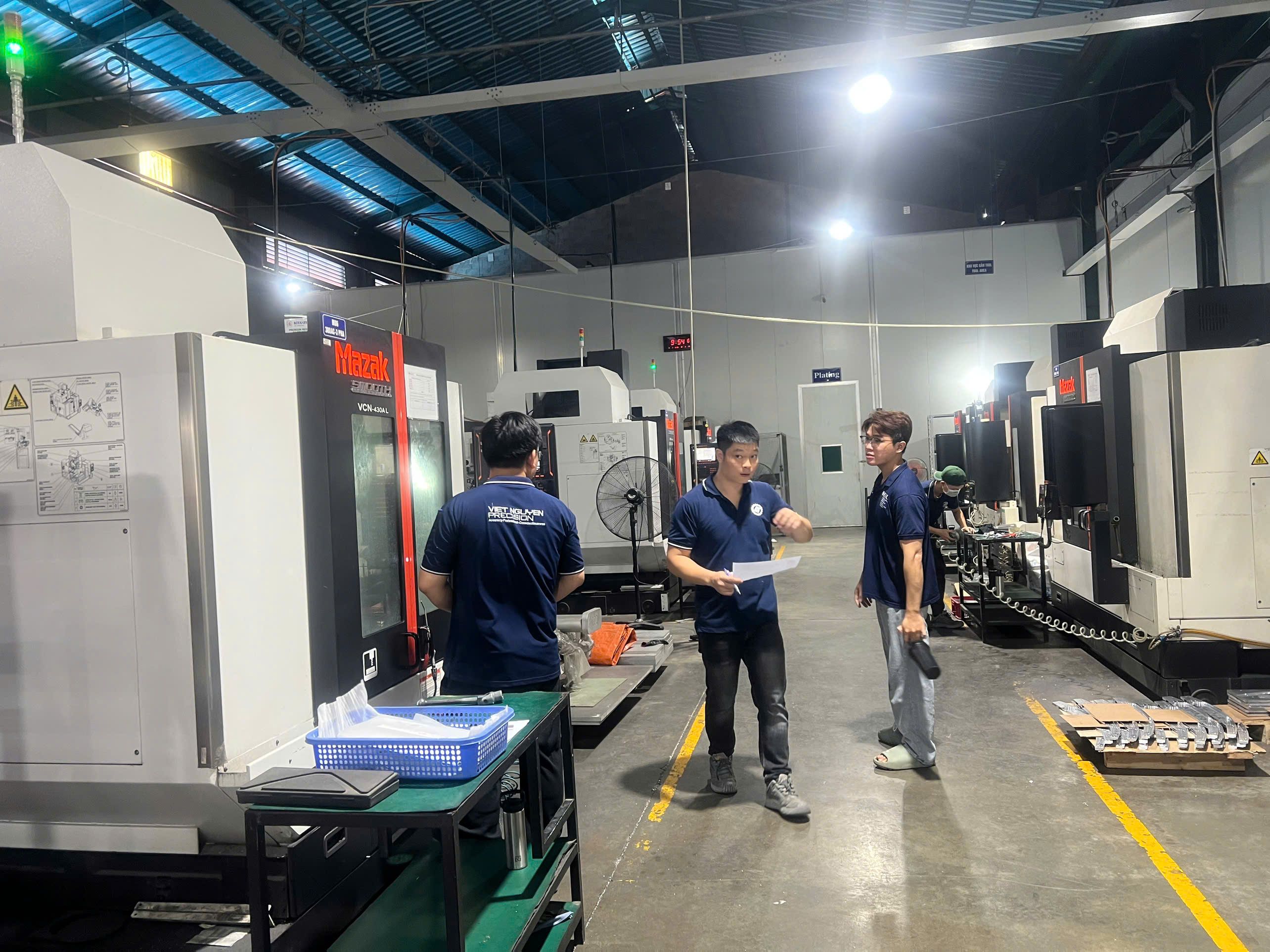
Single sourcing works best when the part is complex, volume is stable, and you have deep visibility into your supplier's operations. Our team in Vietnam, for example, conducts regular on-site audits for single-source clients. That level of vendor relationship management turns a theoretical risk into a managed one. The real question is not "single vs. multi" — it is "how fast can I switch if something goes wrong?"
What impact will a multi-sourcing strategy have on my internal management costs and lead times?
Last quarter, I sat in on a review call where a procurement manager admitted he was spending more time coordinating three sheet metal vendors than he ever spent managing one — and his lead times had actually gotten worse.
Multi-sourcing increases internal management costs through duplicated qualification, additional vendor communication, and split-order coordination, but it can improve lead time optimization when structured correctly — the key is limiting your active supplier pool to two or three pre-qualified partners rather than spreading thin.
The Real Cost of Coordination
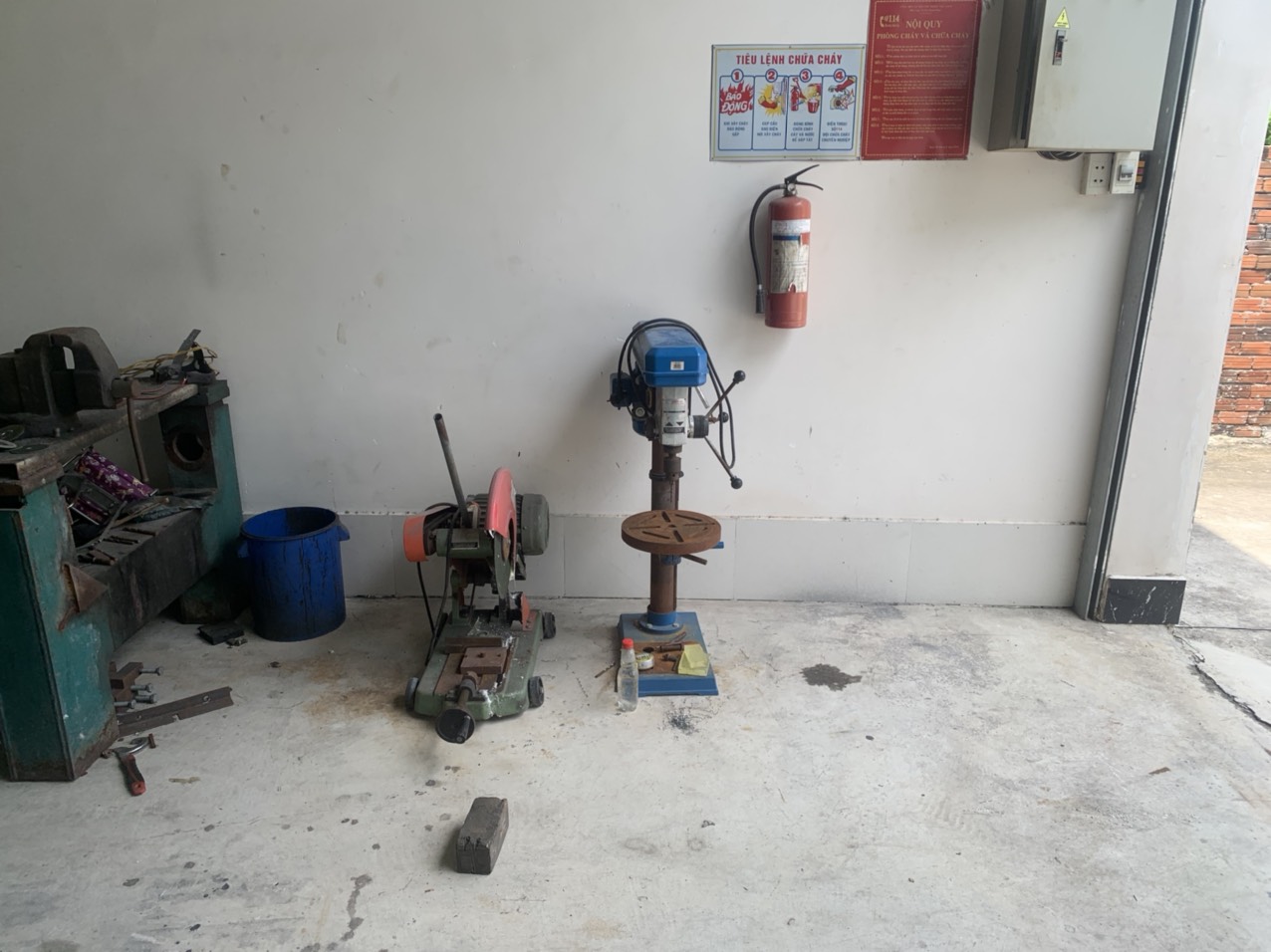
Multi-sourcing does not just mean sending the same drawing to more vendors. Each new fabrication partner needs a full qualification cycle: first article inspection, dimensional verification 7, material certification review, and process capability studies. Our quality team typically spends four to six weeks qualifying a new sheet metal supplier through our PPAP process. Multiply that by three vendors, and you have a significant upfront investment before a single production part ships.
Beyond qualification, daily management overhead grows. You need to track separate purchase orders, align delivery schedules, reconcile invoices, and manage communication across different time zones. For a sourcing company importing custom parts into the U.S., this coordination burden is real.
Lead Time: The Counterintuitive Truth
Many buyers assume more suppliers automatically mean shorter lead times. That is not always true. Here is why:
| Scenario | Single Source Lead Time | Multi-Source Lead Time |
|---|---|---|
| Standard order, stable demand | Shorter — supplier knows your specs, prioritizes your work | Longer — each supplier needs orientation on specs |
| Demand spike (rush order) | Longer — single supplier at capacity | Shorter — distribute volume across partners |
| Engineering change mid-production | Shorter — one communication channel | Longer — must update all vendors simultaneously |
| New part introduction | Shorter — established DFM feedback loop | Longer — parallel qualification cycles |
| Supplier disruption event | Much longer — no alternative | Shorter — immediate reroute to backup |
The sweet spot we recommend to most of our clients is what I call "primary plus one." You run 70–80% of your volume through a deeply integrated primary supplier. You keep a secondary supplier qualified and active with 20–30% of volume. This keeps the backup warm without drowning your team in coordination.
How Digital Tools Are Changing the Equation
Digital manufacturing platforms and AI-powered procurement tools are beginning to reduce the traditional overhead of multi-sourcing. Centralized quoting dashboards, automated quality tracking, and real-time production monitoring make it easier to manage multiple vendors from a single screen. We are investing in these tools ourselves to give clients better visibility into production scalability across our partner network. However, technology does not eliminate the need for human judgment — especially when evaluating design for manufacturability on complex sheet metal parts with tight bend tolerances or multi-step welding.
Management Cost Comparison
| Cost Category | Single Source | Multi-Source (2–3 vendors) |
|---|---|---|
| Supplier qualification (per year) | Low | Medium to High |
| Purchase order management | Low | Medium |
| Quality audit travel | Low | Medium |
| Communication overhead | Low | Medium to High |
| Inventory management complexity | Low | Medium |
| Emergency rerouting capability | None (or slow) | High (fast switching) |
| Total cost of ownership 8 (overall) | Lower if no disruptions | Higher baseline, but lower disruption cost |
The total cost of ownership picture often favors single sourcing — until a disruption hits. Then the math flips dramatically. Your job is to decide which scenario you are optimizing for.
How can I ensure my custom sheet metal parts meet strict quality standards when using multiple fabrication partners?
During a recent project involving precision mounting brackets with ±0.1mm tolerances and powder-coated finishes, we learned firsthand how much quality variance can creep in when two different shops interpret the same drawing differently.
To maintain strict quality control standards across multiple fabrication partners, standardize your inspection protocols with detailed PPAP documentation, enforce identical material certifications, conduct regular on-site audits, and use a single source of truth for all drawings and specifications — never assume two shops read the same print identically.
Why Quality Diverges Across Suppliers
Sheet metal fabrication is not like buying commodity fasteners. Every shop has different equipment, different operators, and different default practices. One fabricator may use a CNC turret punch, while another uses laser cutting. One may bend on a press brake with back-gauge precision of ±0.05mm, while another works to ±0.15mm. Even when both shops produce parts "within spec," the fit and feel can differ noticeably.
Weld quality is another common divergence point. Look at a pair of custom mounting brackets — like the mirrored angular brackets with pre-drilled holes and subtle weld marks at joints that we recently produced. Those weld marks need to be consistent across batches, regardless of which supplier makes them. Inconsistent weld penetration or bead width can affect both structural integrity and cosmetic appearance.
Building a Quality Firewall
Here is the process our quality team follows when onboarding and managing multiple fabrication partners for a single part family:
- Create a master inspection plan. This document lists every critical dimension, surface finish requirement, material grade, and cosmetic standard. Both you and every supplier sign off on it.
- Require identical material certifications. Specify the exact alloy, temper, and thickness. Do not allow substitutions without written approval.
- Mandate first article inspection reports (FAIR). Every new supplier — and every engineering change — triggers a full dimensional report against the master drawing.
- Standardize measurement methods. If you measure hole positions with a CMM, require all suppliers to do the same. Different measurement tools produce different results.
- Conduct periodic on-site audits. Our Vietnam and China teams visit supplier facilities regularly. We check calibration records, operator training logs, and raw material storage conditions.
- Use boundary samples. Ship physical reference parts to each supplier showing acceptable and unacceptable quality levels for surface finish, weld appearance, and dimensional accuracy.
The Role of PPAP in Multi-Source Quality
Production Part Approval Process 9 (PPAP) is not just for automotive. We apply PPAP principles to every custom sheet metal project with mid-to-high quality requirements. A full PPAP submission from each supplier includes dimensional results, material certs, process flow diagrams, control plans, and capability studies. This creates a documented baseline. When a quality issue arises — and it will — you can trace it back to a specific process step and a specific supplier. Without PPAP, you are guessing.
Common Quality Pitfalls in Multi-Sourcing
- Drawing interpretation differences between shops
- Material substitution without buyer approval
- Inconsistent deburring and edge finishing
- Varying weld penetration depth on structural joints
- Dimensional drift over long production runs without SPC monitoring
Every one of these issues can be prevented with clear specifications and active quality control. The effort is higher with multiple suppliers, but it is manageable if you build the right systems from the start.
Which sourcing model will provide the best balance of price and reliability for my long-term project needs?
A purchasing manager we work with told me something that stuck: "I used to chase the lowest piece price. Now I chase the lowest total program risk." That shift in mindset changed how he evaluated every fabrication quote.
For long-term sheet metal projects, a hybrid sourcing model — primary supplier handling 70–80% of volume with a pre-qualified backup — typically delivers the best balance of competitive pricing through volume consolidation and reliability through diversified risk, outperforming pure single or pure multi-source strategies.

Moving Beyond Piece Price
The lowest quote is not always the best deal. When we help clients evaluate RFQs for custom sheet metal parts, we look at total cost of ownership. That includes:
- Unit price
- Tooling and fixture costs
- Shipping and logistics
- Quality failure costs (rework, scrap, returns)
- Lead time costs (expedited freight, production delays)
- Management overhead
- Switching costs if the supplier fails
A rule of thumb in our industry: always get at least three quotes from qualified fabrication partners. But do not just compare the bottom line on each quote. Compare the full picture.
Decision Framework: Which Model Fits Your Project?
| Factor | Favors Single Source | Favors Multi-Source | Favors Hybrid |
|---|---|---|---|
| Part complexity (tight tolerances, special finishes) | ✔ | ✔ | |
| Annual volume over 10,000 units | ✔ | ✔ | |
| Volatile demand patterns | ✔ | ✔ | |
| Regulated industry (aerospace, medical) | ✔ | ✔ | |
| Commodity-grade parts (simple brackets, panels) | ✔ | ||
| Long product lifecycle (5+ years) | ✔ | ||
| High tariff or geopolitical exposure | ✔ | ✔ | |
| Need for competitive pricing pressure | ✔ | ✔ | |
| Limited procurement team bandwidth | ✔ | ✔ |
The Hybrid Model in Practice
Here is how we implement the hybrid model for clients sourcing custom parts from Asia:
Step 1: Select a primary supplier. This is the partner with the best combination of manufacturing capabilities, quality systems, communication skills, and pricing. They get the majority of your volume. You build a deep vendor relationship with them.
Step 2: Qualify a secondary supplier. This partner receives a smaller share of volume — enough to keep them engaged and their processes validated. They serve as your insurance policy.
Step 3: Maintain shared tooling ownership. Ensure that tooling, fixtures, and drawings are fully transferable. This is critical for production scalability. If your primary supplier fails, you need to ramp up the secondary within days, not months.
Step 4: Run periodic comparison audits. Every six months, compare quality data, on-time delivery rates, and pricing between your primary and secondary suppliers. This keeps both honest and gives you data for strategic sourcing decisions. You can formalize this process by learning how to build a supplier scorecard to compare sheet metal fabrication vendors.
RFQ Best Practices for Long-Term Reliability
When issuing RFQs for sheet metal fabrication, go beyond the standard "send us your best price" approach. Here is what we recommend:
- Share full engineering drawings with GD&T callouts, not just basic dimensions
- Specify material grade, surface treatment, and packaging requirements
- Ask about capacity — can the supplier handle a 30% volume surge?
- Request references from similar projects in your industry
- Ask about their quality control standards: do they use SPC, CMM, or manual inspection?
- Visit finalist suppliers in person or through a local audit partner
- Include engineering and operations teams in the final selection — not just procurement
Our team assists with all of these steps. We conduct supplier audits, manage first-article approvals, and provide door-to-door logistics. For clients moving sourcing from China to Vietnam or other Asian markets, this hands-on approach reduces the risk of getting burned by an unqualified fabricator.
Nearshoring and Geopolitical Considerations
Current geopolitical trends are pushing many U.S. buyers to diversify their sourcing geography. Tariff uncertainty, shipping disruptions, and political instability all factor into long-term reliability. We are seeing a growing number of clients explore Vietnam, Taiwan, and India alongside traditional Chinese suppliers. This geographic diversification is a form of multi-sourcing that adds resilience without necessarily increasing part count per supplier.
The key takeaway: your sourcing model should evolve with your business. Start with the model that matches your current risk tolerance and volume. Review it annually. And always — always — maintain the ability to switch fast when disruption arrives. That switching speed is more important than whether you source from one shop or five. For volume-dependent projects, you may also want to explore how to negotiate tiered pricing with sheet metal fabrication suppliers to maximize cost savings as your program scales.
Conclusion
Choosing between single and multi-source sheet metal fabrication procurement is not a binary decision. Evaluate your risks, quality needs, and total costs — then build a hybrid strategy that keeps you resilient, competitive, and in control.
Frequently Asked Questions
How do I evaluate the risks of relying on a single sheet metal supplier versus diversifying my sources?
A client once lost three weeks of production because their sole fabrication partner in China had a power outage during peak summer demand — and there was no backup plan in place lead time optimization 4 .
What impact will a multi-sourcing strategy have on my internal management costs and lead times?
Last quarter, I sat in on a review call where a procurement manager admitted he was spending more time coordinating three sheet metal vendors than he ever spent managing one — and his lead times had actually gotten worse.
How can I ensure my custom sheet metal parts meet strict quality standards when using multiple fabrication partners?
During a recent project involving precision mounting brackets with ±0.1mm tolerances and powder-coated finishes, we learned firsthand how much quality variance can creep in when two different shops interpret the same drawing differently.
Footnotes
1. Provides a comprehensive overview of sheet metal fabrication, its processes, and applications. ↩︎
2. Defines supply chain risk management and explains its importance in minimizing disruptions. ↩︎
3. Wikipedia provides a foundational understanding of quality control in production. ↩︎
4. Discusses how optimizing lead time enhances supply chain flexibility and profitability. ↩︎
5. SGS offers global materials certification services, ensuring compliance with standards. ↩︎
6. Provides a legal definition of proprietary tooling in a manufacturing context. ↩︎
7. Explains dimensional inspection as a critical process for verifying product design accuracy. ↩︎
8. Explains TCO as a calculation of direct and indirect costs over a product’s lifecycle. ↩︎
9. Replaced HTTP 400 with an authoritative Wikipedia article explaining the Production Part Approval Process (PPAP), which mentions AIAG. ↩︎
10. Describes hybrid procurement as a balanced approach combining centralized and decentralized strategies. ↩︎