Every year, our Vietnam office handles dozens of custom sheet metal shipments bound for the U.S. — and the wrong container choice or sloppy loading plan can turn a perfectly fabricated bracket into expensive scrap before it ever clears customs clearance Vietnam ports 1.
To choose the right container types and loading plans for Vietnam sheet metal fabrication, match container dimensions to your part size and weight, select proper packaging methods against corrosion and transit damage, optimize palletization for maximum space utilization, and audit your supplier’s loading process to ensure on-time, damage-free delivery.
This guide walks you through every step — from picking the right box to auditing the last pallet — so your landed cost stays low and your parts arrive intact desiccant packs 2. Let’s start with container selection.
Which container type is best for my specific sheet metal dimensions and weight requirements?
A few months ago, one of our U.S. clients needed to ship 4,200 precision mounting brackets from an industrial zone near Ho Chi Minh City. The parts were heavy, oddly shaped, and exceeded standard pallet height. Choosing the wrong container would have meant either wasted space or crushed goods.
The best container type depends on your parts' longest dimension, total shipment weight, and stacking tolerance. Standard 20ft containers suit heavy, compact parts; 40ft High Cube containers fit tall or voluminous items; Flat Rack and Open Top containers handle oversized or non-stackable sheet metal assemblies.
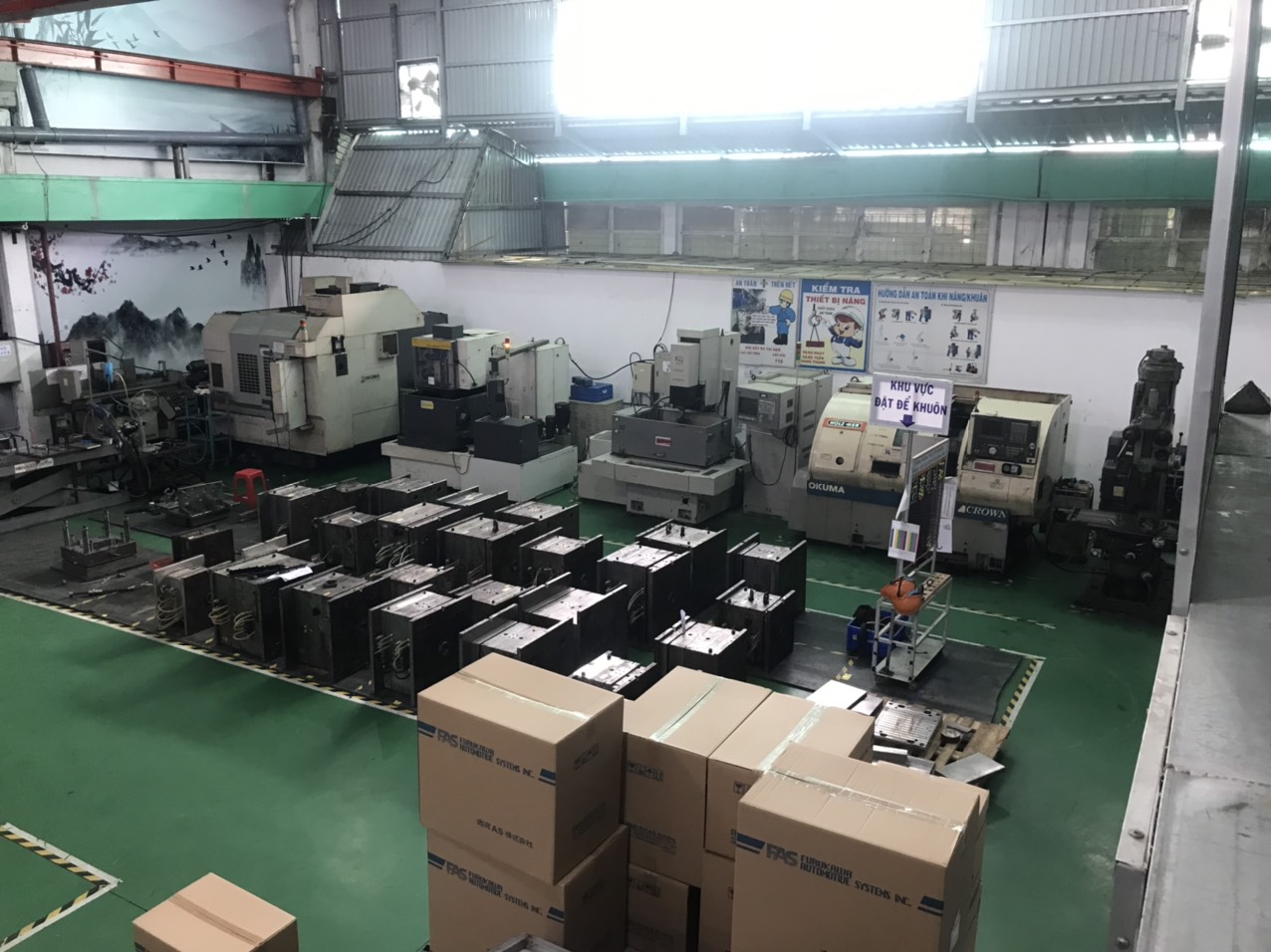
Standard Container Options at a Glance
Not all containers are equal. Here is a quick comparison of the most common options for sheet metal shipments via sea freight from Vietnam.
| Container Type | Internal Dimensions (L × W × H) | Max Payload | Best For |
|---|---|---|---|
| 20ft Standard | 5.9 m × 2.35 m × 2.39 m | ~28,000 kg | Heavy, compact parts like steel bins and thick brackets |
| 40ft Standard | 12.03 m × 2.35 m × 2.39 m | ~26,500 kg | Long parts or high-volume orders |
| 40ft High Cube | 12.03 m × 2.35 m × 2.69 m | ~26,300 kg | Tall pallets or stacked assemblies |
| Flat Rack | 12.03 m × 2.42 m × 2.14 m | ~40,000 kg | Oversized or irregularly shaped fabrications |
| Open Top | 12.03 m × 2.35 m × 2.33 m | ~26,350 kg | Parts that must be crane-loaded from above |
How to Match Parts to Containers
Start with your part's longest single dimension. If your sheet metal panels or welded frames exceed 2.3 meters in height when palletized, a High Cube container gives you the extra 30 cm you need. If the parts are extremely heavy per unit — thick gauge steel housings, for example — a 20ft container's higher weight limit per TEU often makes more sense than filling a 40ft halfway.
We always ask clients to send us the packing list with individual part weights, outer carton dimensions, and stacking limits. From there, our logistics team in Vietnam runs a trial load plan. This step alone has saved clients from ordering containers that arrive half-empty or, worse, overweight at the port.
Weight Distribution Matters
Container dimensions 3 are only half the equation. Weight distribution inside the container is critical for safe sea freight transit. Shipping lines enforce axle-weight limits for road transport to the port, and an imbalanced container can be rejected at the terminal gate. Place the heaviest items low and centered. Spread weight evenly across the container floor. This also prevents the container from tipping during vessel stacking.
When Flat Rack or Open Top Makes Sense
For large welded frames or industrial metal skip bins that cannot be disassembled, a Flat Rack container lets you load from the sides. Open Top containers work when a crane is the only practical way to place heavy assemblies inside. These specialty containers cost more to book and are harder to find, especially during container shortages at Vietnamese ports. Plan early — at least four to six weeks before your ship date — and coordinate with your freight forwarder Vietnam partner to lock in availability.
How can I protect my precision sheet metal parts from rust and damage during transit from Vietnam?
One lesson we learned the hard way during our early Vietnam operations: a shipment of powder-coated steel brackets arrived at a U.S. port with condensation stains and surface oxidation on 15% of the parts. The parts met every dimensional spec, but the buyer rejected them on appearance. That single incident reshaped how we approach packaging methods for every project.
Protect precision sheet metal parts by applying VCI (Vapor Corrosion Inhibitor) film wrapping, using desiccant packs inside sealed polyethylene bags, separating parts with foam or corrugated dividers, securing pallets with steel banding, and lining the container floor with moisture-barrier sheeting to block condensation — commonly called "container rain."
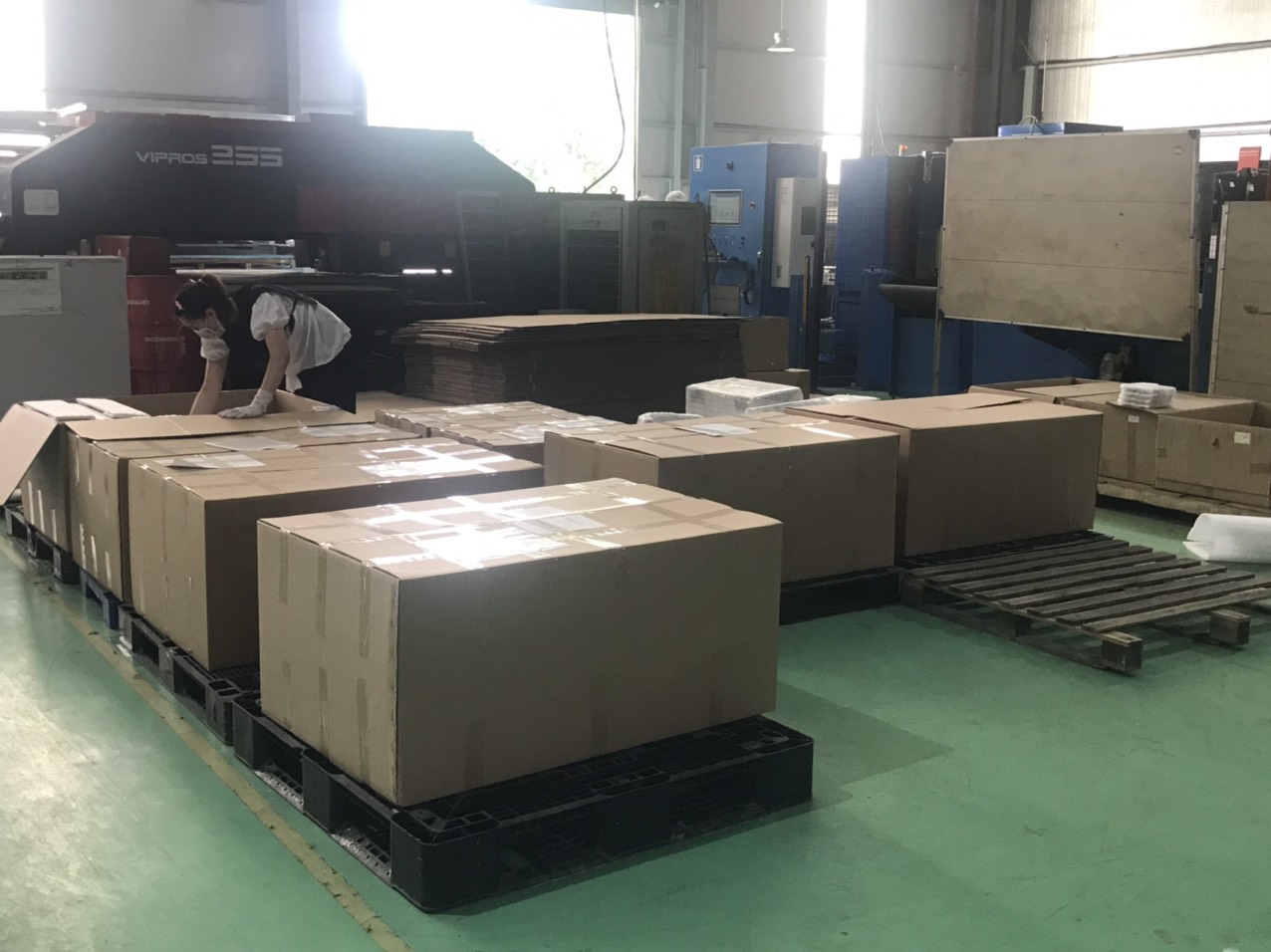
Understanding the Threat: Container Rain
Ocean containers travel through multiple climate zones. When warm, humid air inside the container hits a cold steel ceiling, moisture condenses and drips onto your cargo. This phenomenon — container rain — is the number one cause of rust on sheet metal parts shipped from tropical countries like Vietnam. It can happen even on a two-week voyage.
Layered Protection Strategy
Effective corrosion prevention is not one single step. It is a system of layers. Here is what we specify for every sheet metal shipment leaving our partner factories in Vietnam's industrial zones.
| Protection Layer | Material / Method | Purpose |
|---|---|---|
| Part-level wrap | VCI poly bags or VCI paper | Emits vapor that forms a molecular barrier on metal surfaces |
| Divider | PE foam sheets, corrugated cardboard | Prevents part-to-part scratching and contact corrosion |
| Desiccant | Silica gel or calcium chloride packs | Absorbs moisture inside sealed packaging |
| Pallet wrap | Stretch film, steel or PET banding | Holds parts in place, prevents shifting |
| Container liner | Moisture-barrier blanket or kraft paper | Catches drips from container rain |
| Surface treatment | Powder coating, galvanizing, or oil film | Provides base-level corrosion resistance on the part itself |
Cargo Securing Inside the Container
Rust is not the only enemy. Vibration and impact during sea freight can dent, scratch, or deform precision parts. We use wooden crates for high-value assemblies and plywood pallets for standard parts. Void-fill dunnage — airbags or foam blocks — prevents lateral movement. Steel banding holds heavy pallets to the container floor via lashing rings.
For parts like the angular mounting brackets shown in our product range — with their sharp bends, multiple mounting holes, and powder-coated finish — even a small ding at a weld joint can compromise fit. We instruct our factory partners to wrap each bracket pair individually before nesting them in a crate. This adds a few cents per unit to packaging cost but eliminates damage claims that could cost thousands. It's also important to have proper shipping insurance when sourcing sheet metal fabrication from Vietnam to cover any transit losses.
Export Documentation and Packaging Compliance
Your packaging must also comply with ISPM-15 standards 4 for wood used in international shipping. All wooden pallets and crates need heat treatment and the IPPC stamp. Missing this can result in your container being held at customs clearance Vietnam exit or U.S. entry. We verify this stamp on every pallet before the container door closes.
What loading plan will help me maximize container utilization to lower my landed cost per unit?
During a recent project review, I compared two loading approaches for the same order of industrial metal brackets: one used flat stacking on standard pallets, and the other used nested orientation with custom crating. The second approach fit 22% more units into the same 40ft container. That difference translated directly into a lower landed cost per unit for our client.
To maximize container utilization, create a detailed load plan that nests or interlocks parts where geometry allows, uses custom pallet sizes matched to container width, eliminates dead space with void-fill dunnage, and distributes weight evenly — aiming for at least 80% volumetric fill rate to achieve meaningful logistics optimization.
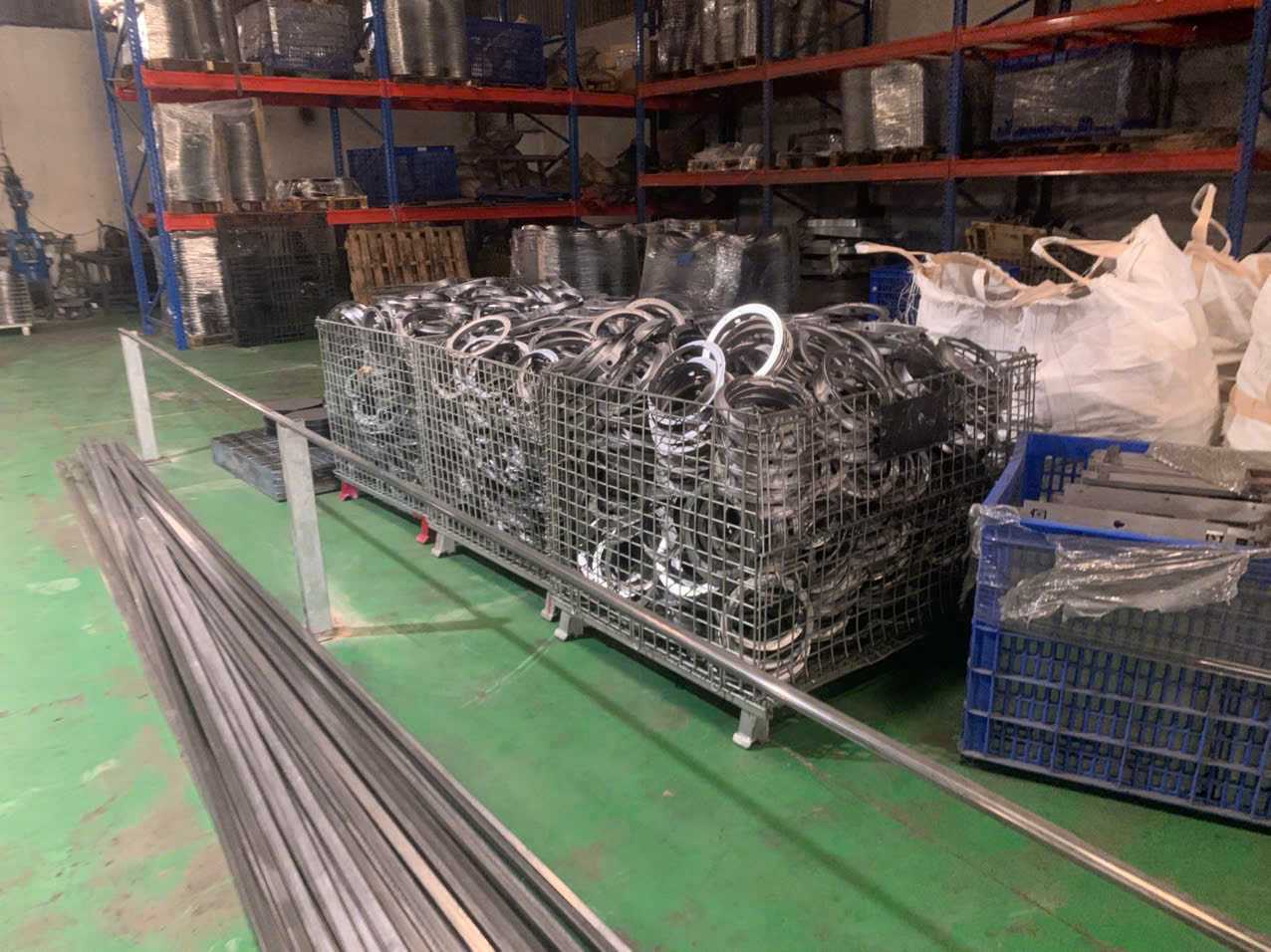
Step-by-Step Loading Plan Process
Building a good loading plan is not guesswork. It follows a repeatable process that our team uses on every Full Container Load (FCL) shipment.
- Collect packing data. Gather outer carton or crate dimensions, individual unit weight, stacking limit, and total order quantity.
- Select pallet size. Standard 1200 × 1000 mm Euro pallets often waste space in containers designed for 2350 mm internal width. We frequently use 1170 × 1000 mm pallets that allow two pallets side-by-side with minimal gap.
- Run a trial layout. Use load planning software 6 or a manual sketch to arrange pallets inside the container footprint. Test both lengthwise and crosswise orientations.
- Check weight per axle. The container's center of gravity must fall within allowable limits. Most shipping lines require the CG within 60% of the container length from the door end.
- Plan dunnage and bracing. Fill voids with airbags, foam, or plywood bracing to prevent cargo movement.
- Document the plan. Provide the factory with a loading diagram showing pallet sequence, orientation, and bracing positions.
Palletization Strategies for Complex Sheet Metal Geometries
Sheet metal parts are rarely uniform boxes. Brackets have tabs and flanges. Enclosures have cavities. Panels are flat but fragile. Each geometry demands a different palletization approach.
| Part Geometry | Recommended Pallet Strategy | Utilization Tip |
|---|---|---|
| Flat panels | Stack horizontally with foam dividers | Use full container width; stack to max pallet height |
| L-brackets / angle parts | Nest in alternating orientation | Mirror pairs interlock, reducing void space by up to 25% |
| Box enclosures | Place upright on pallet, fill interior with smaller parts | Use cavity space for hardware bags or fasteners |
| Tubular / cylindrical parts | Lay horizontally in cradles | Prevent rolling with V-block dunnage |
| Irregular welded assemblies | Custom wooden crate per unit | Build crate dimensions to maximize container fit |
The Cost Impact of Poor Utilization
Consider a simple example. If you ship 1,000 brackets in a 40ft container at 65% utilization, you pay the same ocean freight as shipping 1,300 brackets at 85% utilization. That is a 30% difference in per-unit shipping cost. Over a year with monthly shipments, the savings add up to thousands of dollars. This is why logistics optimization is not a nice-to-have — it is a competitive advantage in supply chain management 7.
Advanced load planning software can simulate complex geometries and suggest optimal arrangements. For high-value or recurring orders, we invest the time to model the load digitally before the first pallet is built. This eliminates surprises on loading day.
How do I audit my supplier's loading process to ensure my shipment arrives on time and in full?
A buyer we work with in the Midwest once told me his previous supplier in Asia consistently shipped on time — according to the supplier's own reports. But containers kept arriving with missing quantities and damaged parts. The shipping documents said one thing; the reality said another. That gap is exactly what a proper loading audit closes.
Audit your supplier's loading process by conducting pre-shipment inspections, witnessing container stuffing with photo documentation, verifying piece counts against packing lists, checking cargo securing methods, and confirming export documentation accuracy — either through your own team on the ground or a trusted third-party quality control partner.
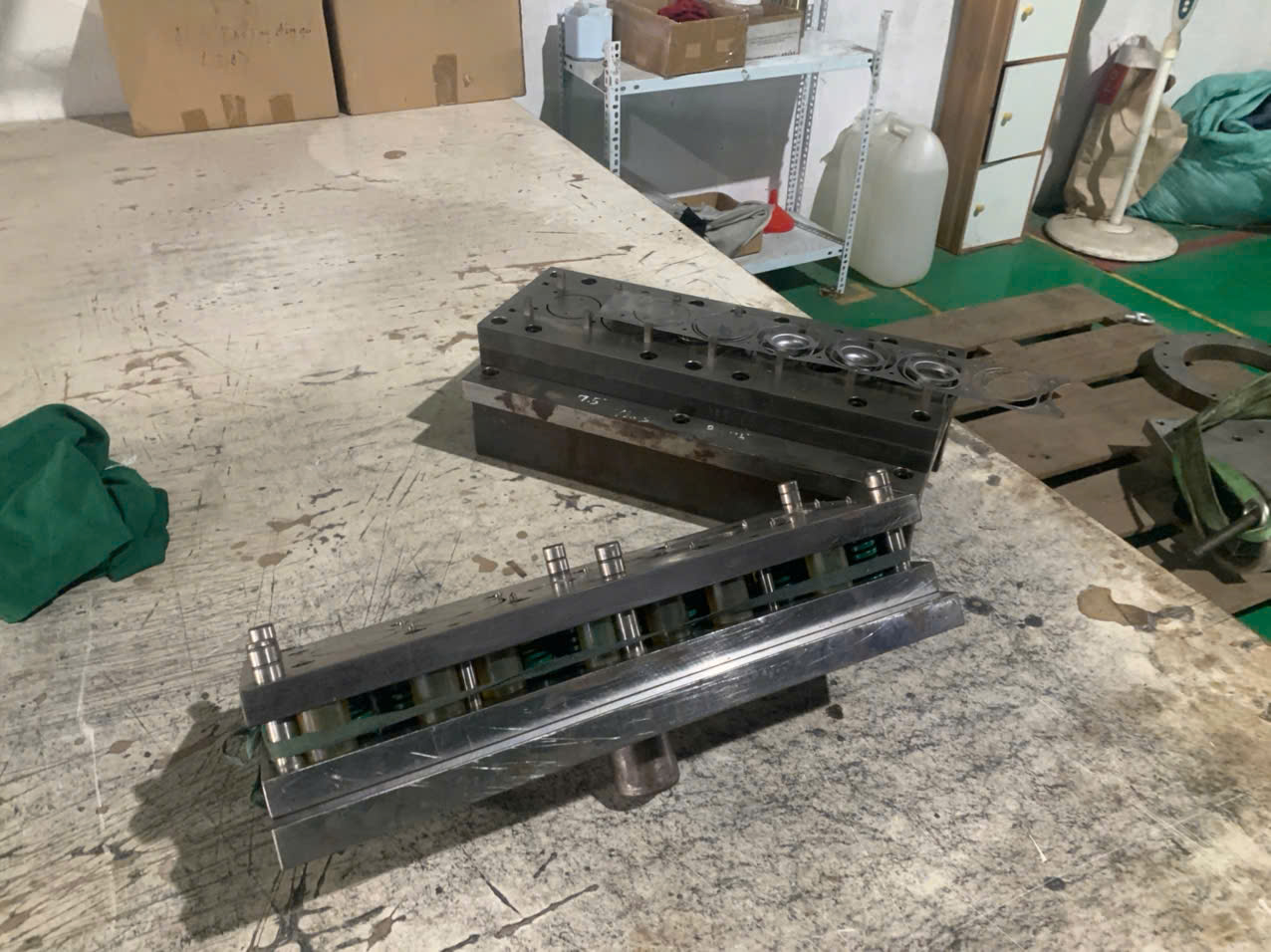
Why On-Site Presence Matters
Remote audits — reviewing photos and documents after the fact — catch some problems. But they miss the critical moment when pallets go into the container. Our Vietnam office staff attend loading at the factory whenever possible. They verify part counts, inspect packaging integrity, check pallet condition, and photograph the loading sequence from first pallet to door closure. This real-time oversight is the strongest quality control measure available before the container is sealed.
What to Check During a Loading Audit
Here is the checklist our team follows. You can adapt it for your own supply chain management process.
- Packing list accuracy. Count cartons and crates against the packing list. Open a random sample to verify part count inside.
- Part condition. Inspect a sample of parts for dimensional conformance, surface finish quality, and absence of rust or damage.
- Packaging compliance. Confirm VCI wrapping, desiccant placement, foam dividers, and ISPM-15 stamps on wood.
- Loading sequence. Verify the factory follows the agreed loading diagram. Heavy items go in first, near the container floor and center.
- Cargo securing. Check that airbags, bracing, and banding are installed as planned. Push pallets to test stability.
- Container condition. Before loading starts, inspect the container for holes, rust, odor, moisture, or previous cargo residue. A damaged container compromises everything inside.
- Seal and documentation. Record the container seal number. Confirm it matches the bill of lading 8. Photograph the sealed door.
- Export documentation. Verify commercial invoice, packing list, certificate of origin 9, and any required test reports are complete and accurate.
Handling Container Shortages and Delays
Container availability at Vietnamese ports fluctuates. During peak season or when global logistics disruptions hit, securing the right container type on time becomes a challenge. We recommend booking containers at least three to four weeks in advance through a reliable freight forwarder Vietnam network. If shortages arise, have a backup plan: can you split the order across two smaller containers? Can you shift to a nearby port with better availability?
Proactive communication between your supplier, your logistics partner, and your own procurement team is essential. Late delivery — even when product quality is perfect — still means the shipment fails your supply chain management goals. Our approach is to build buffer time into every production schedule, typically five to seven working days, so that a container booking delay does not cascade into a missed delivery window.
Real-Time Visibility and Contingency Planning
IoT-enabled container tracking 10 gives you real-time data on location, temperature, humidity, and shock events during transit. This technology is especially valuable for precision sheet metal parts where environmental conditions matter. If sensors detect a humidity spike mid-voyage, you can prepare receiving inspections accordingly. If the vessel is delayed, you can adjust your production schedule downstream before the problem compounds.
Having a contingency plan for port delays, customs issues, or damage events is not optional — it is essential. Document your escalation process. Know your insurance coverage. Keep your freight forwarder Vietnam contact on speed dial.
Conclusion
Choosing the right container types and loading plans for Vietnam sheet metal fabrication comes down to matching part dimensions to container specs, layering corrosion protection, maximizing space, and auditing every step. Plan early, verify on-site, and partner with a team that manages the details.
Frequently Asked Questions
Which container type is best for my specific sheet metal dimensions and weight requirements?
A few months ago, one of our U.S. clients needed to ship 4,200 precision mounting brackets from an industrial zone near Ho Chi Minh City. The parts were heavy, oddly shaped, and exceeded standard pallet height. Choosing the wrong container would have meant either wasted space or crushed goods.
How can I protect my precision sheet metal parts from rust and damage during transit from Vietnam?
One lesson we learned the hard way during our early Vietnam operations: a shipment of powder-coated steel brackets arrived at a U.S. port with condensation stains and surface oxidation on 15% of the parts. The parts met every dimensional spec, but the buyer rejected them on appearance. That single incident reshaped how we approach packaging methods for every project.
What loading plan will help me maximize container utilization to lower my landed cost per unit?
During a recent project review, I compared two loading approaches for the same order of industrial metal brackets: one used flat stacking on standard pallets, and the other used nested orientation with custom crating. The second approach fit 22% more units into the same 40ft container. That difference translated directly into a lower landed cost per unit for our client.
Footnotes
1. Official government information on customs procedures in Vietnam. ↩︎
2. Details the use of desiccant packs for moisture control in shipping containers. ↩︎
3. Provides standard specifications and types for ISO shipping containers. ↩︎
4. Official international guidelines for regulating wood packaging material in trade. ↩︎
5. Explains how Vapor Corrosion Inhibitors protect metals from rust and corrosion. ↩︎
6. Discusses the benefits and features of software for optimizing cargo loading. ↩︎
7. Defines and outlines the processes and importance of supply chain management. ↩︎
8. Explains the purpose and importance of a bill of lading in shipping. ↩︎
9. Official information from the International Chamber of Commerce on Certificates of Origin. ↩︎
10. Explains how IoT technology is used for real-time monitoring of shipping containers. ↩︎