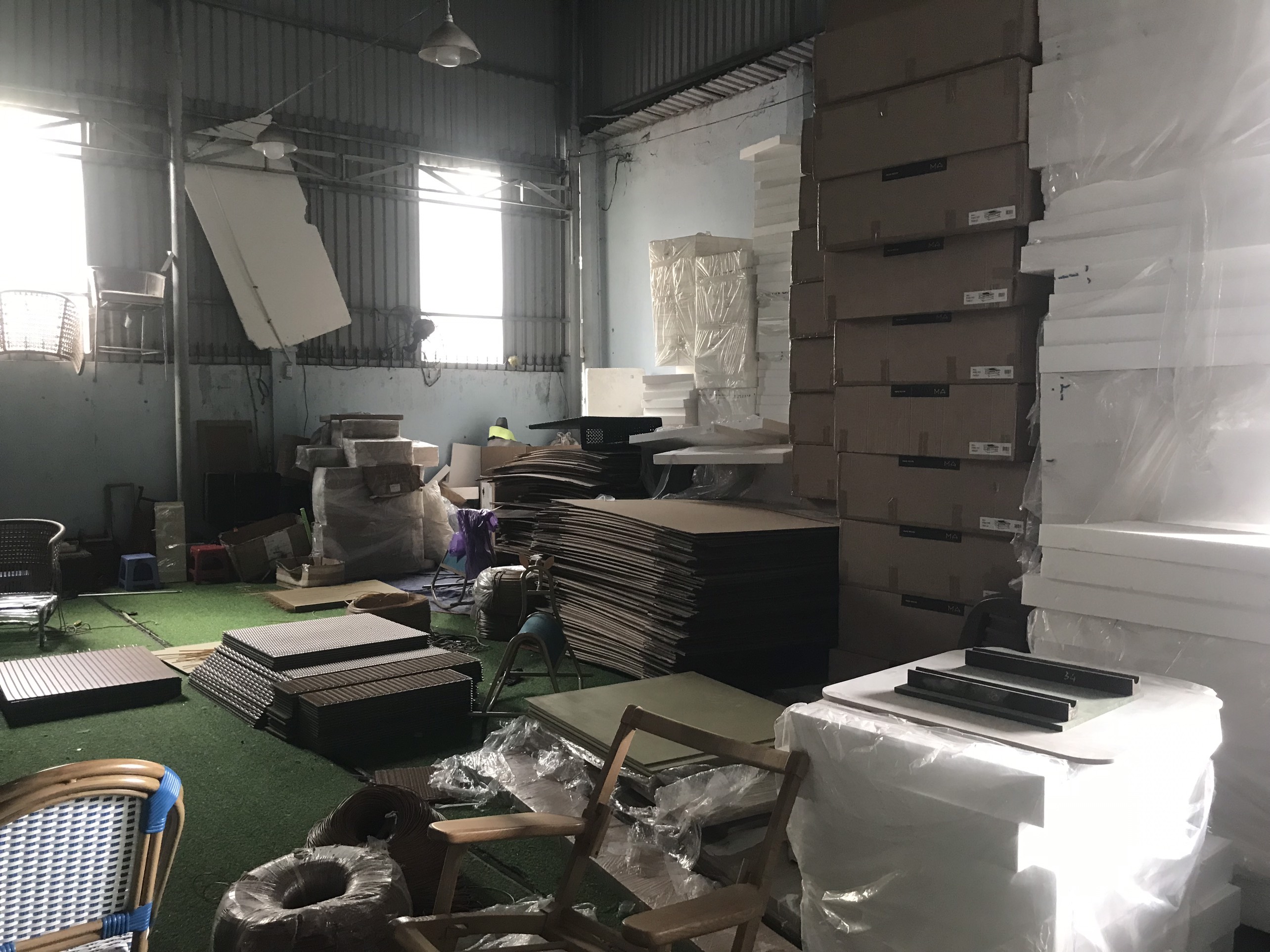
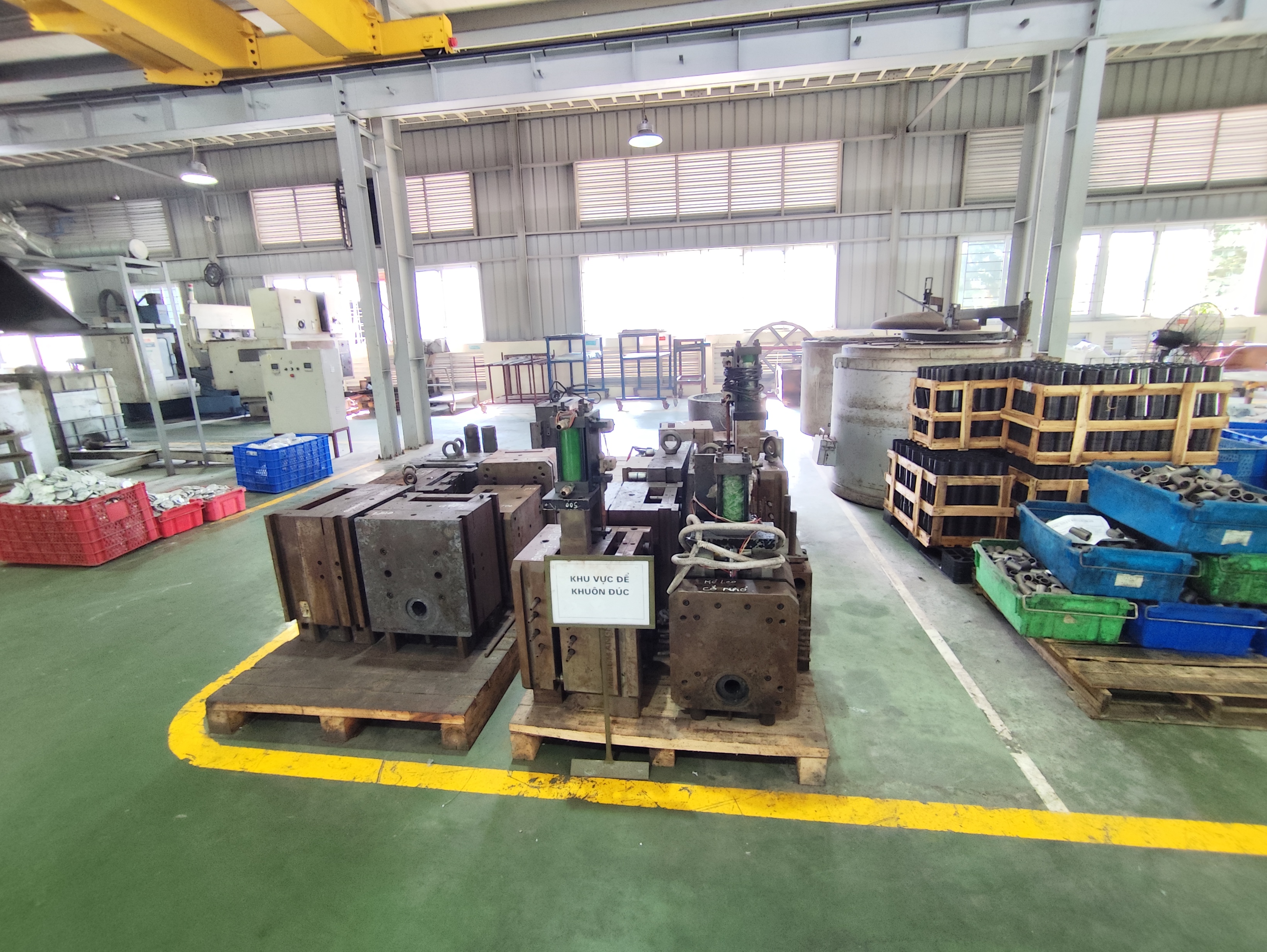
Choosing a reliable freight forwarder for welding parts from Vietnam can make or break your entire sourcing project — I learned this the hard way when a client’s steel frame shipment sat at port for three weeks because the forwarder botched the customs paperwork.
To choose a reliable freight forwarder when sourcing welding parts from Vietnam, verify their Vietnamese business license, confirm hands-on experience with heavy industrial cargo, demand transparent pricing with no hidden fees, and test their responsiveness with a small trial shipment before committing to full-scale orders.
This article breaks down the exact steps our team uses to vet logistics partners bills of lading 1. We will cover experience verification, on-time delivery, proactive communication, and customs documentation — the four pillars that determine whether your welding parts arrive safely or become an expensive headache.
How do I verify if a Vietnam freight forwarder has specific experience handling my heavy welding parts?
A few months ago, one of our U.S. clients shipped a batch of custom steel mounting brackets through a forwarder who had zero experience with industrial metal parts Full Container Load (FCL) sea freight 2. The crate arrived with bent flanges and cracked welds because the forwarder used standard consumer-goods packaging protocols.
Verify a forwarder's experience by requesting recent bills of lading for similar industrial cargo, asking for photos of their heavy-cargo handling procedures, checking their Vietnamese Ministry of Transport license, and confirming they understand the specific packaging and weight-distribution needs of welded metal assemblies.
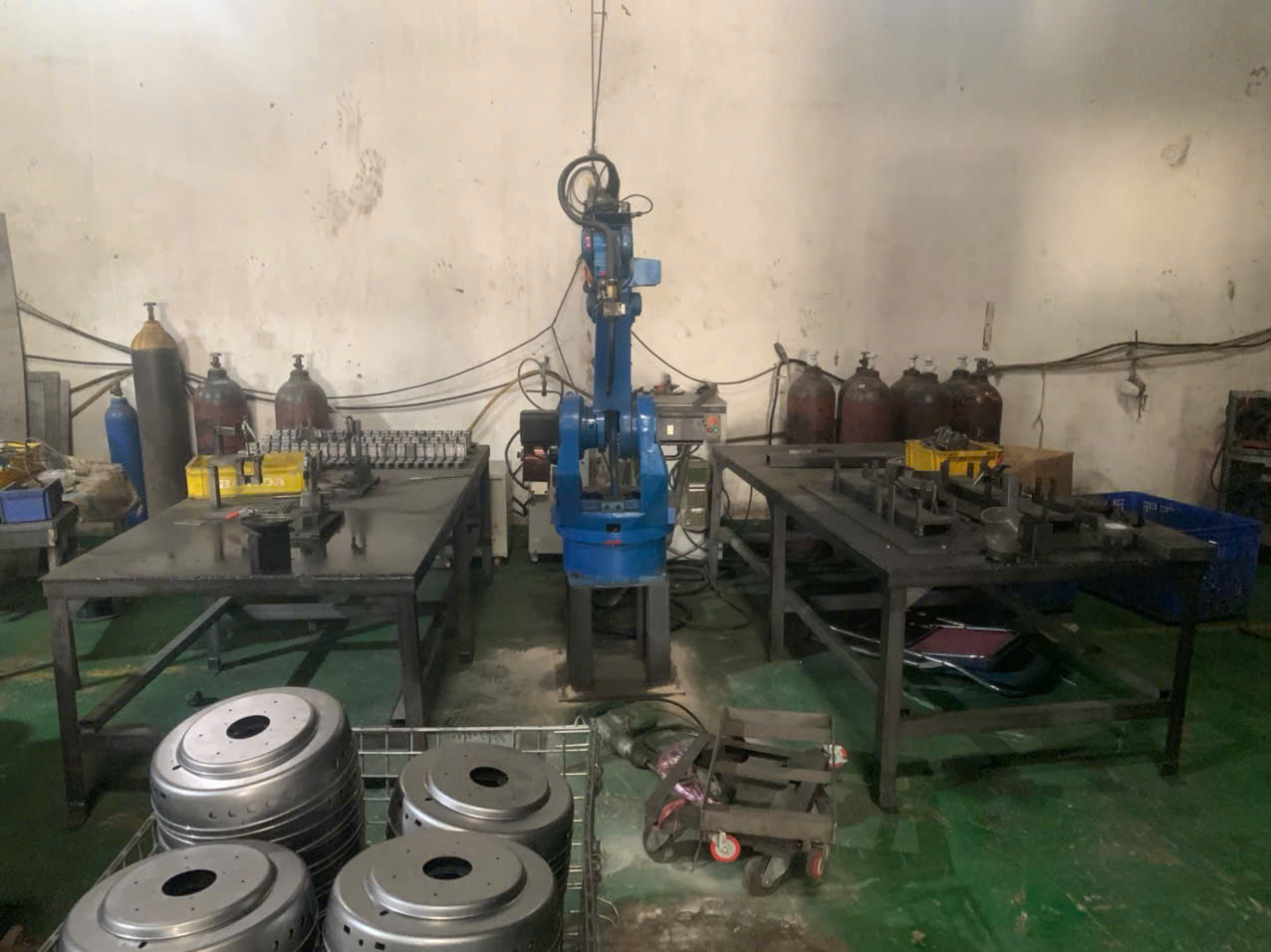
Why Generic Forwarders Fail With Welding Parts
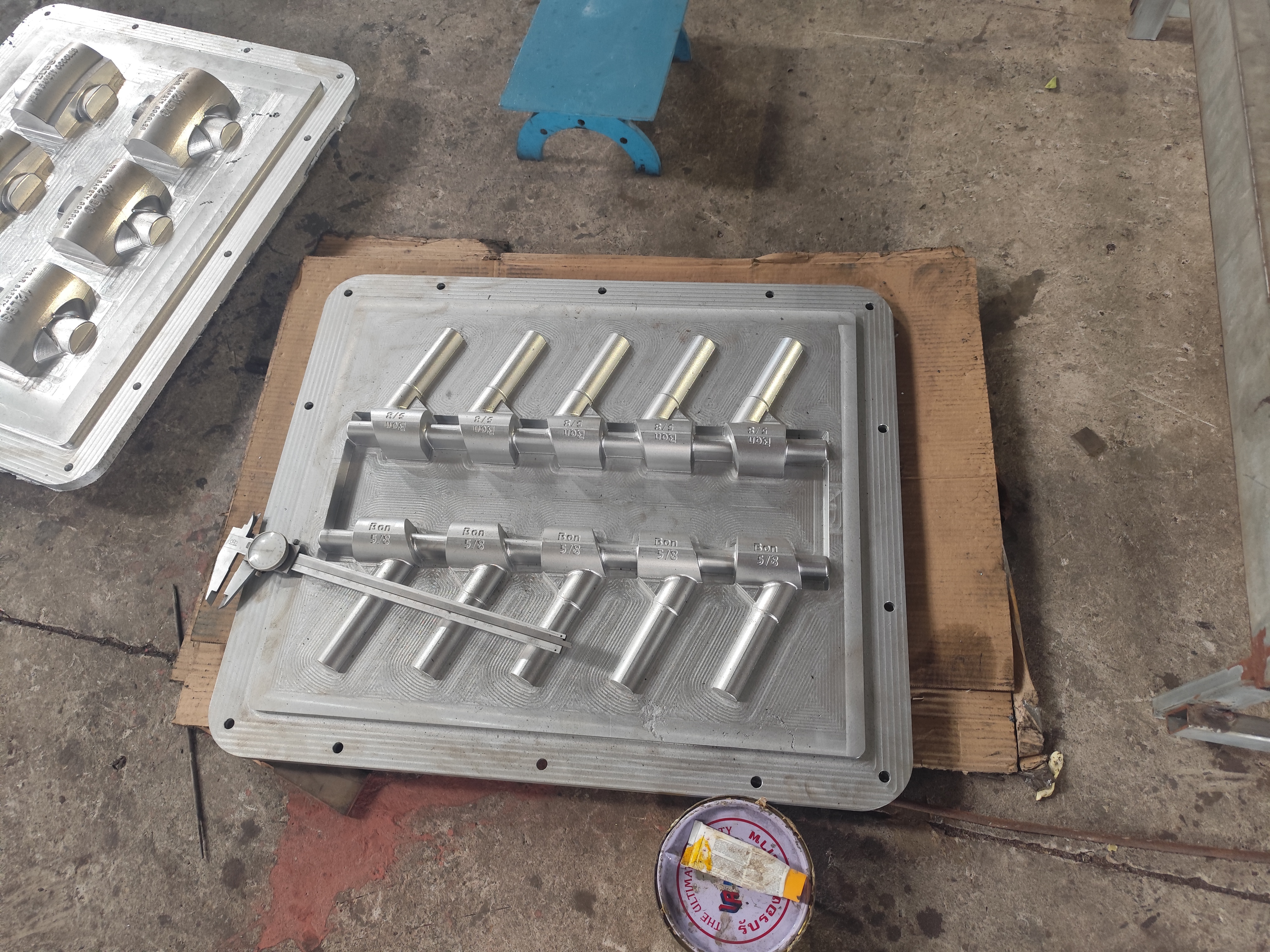
Welding parts are not T-shirts or phone cases. A single steel frame assembly — the kind we regularly produce with heavy-duty welded joints, V-shaped brackets, and pre-drilled mounting holes — can weigh hundreds of kilograms. It requires wooden crating, proper dunnage, and load-securing methods that many freight forwarding companies Vietnam-based simply do not offer unless they specialize in industrial cargo.
I have seen forwarders quote competitive international freight rates and then subcontract the actual handling to a warehouse crew with no experience in heavy fabrications. The result is damaged goods, insurance claims, and weeks of delay.
Step-by-Step Verification Process
Here is the process our Singapore and Vietnam offices follow before recommending any logistics partner to a client:
- Request the forwarder's business license issued by the Vietnamese Ministry of Transport 3. No license means no deal.
- Ask for three recent bills of lading for shipments involving metal parts, steel fabrications, or similar heavy industrial cargo.
- Visit their warehouse if possible. Our Vietnam team of seven employees has walked through dozens of warehouses. You can tell immediately whether a facility is equipped for heavy cargo.
- Ask about packaging standards. A qualified forwarder will mention fumigation-treated wooden crates 4, anti-rust VCI paper, and load-distribution calculations.
- Check online reviews and Google rankings. Legitimate forwarders have a traceable digital footprint.
What to Compare When Shortlisting Forwarders
| Evaluation Criteria | Experienced Industrial Forwarder | Generic Forwarder |
|---|---|---|
| Heavy cargo handling equipment | Forklifts rated for 2+ tons, overhead cranes | Standard pallet jacks only |
| Packaging knowledge | Custom wooden crating, VCI wrapping, foam bracing | Cardboard boxes, shrink wrap |
| Insurance options | Cargo insurance Vietnam policies tailored for metal parts | Basic coverage or none |
| Bill of lading history | Can show industrial shipment records | Mostly consumer goods records |
| Warehouse floor load capacity | Reinforced concrete, high load rating | Standard warehouse flooring |
The Small-Shipment Test
Before committing to a full container load, send a trial shipment. We advise our clients to ship a small batch of welding parts — perhaps a set of L-shaped mounts and U-channel brackets — to evaluate the forwarder's real-world performance. Track how they handle documentation, packaging, and transit times. This single test can save you tens of thousands of dollars in future losses.
What should I look for in a logistics partner to ensure my door-to-door delivery from Vietnam arrives on time?
Last quarter, we coordinated a door-to-door shipment of custom metal frame assemblies from Ho Chi Minh City to a distribution warehouse in Ohio. The entire journey — factory pickup, customs clearance Vietnam, ocean transit, U.S. customs, and final-mile trucking — involved six handoff points. A single delay at any point would have cascaded through our client's production schedule.
Look for a logistics partner with a proven carrier network, transparent transit-time commitments, real-time tracking technology, and demonstrated expertise in managing end-to-end supply chain management Vietnam to your destination, including last-mile delivery coordination and contingency plans for port congestion.
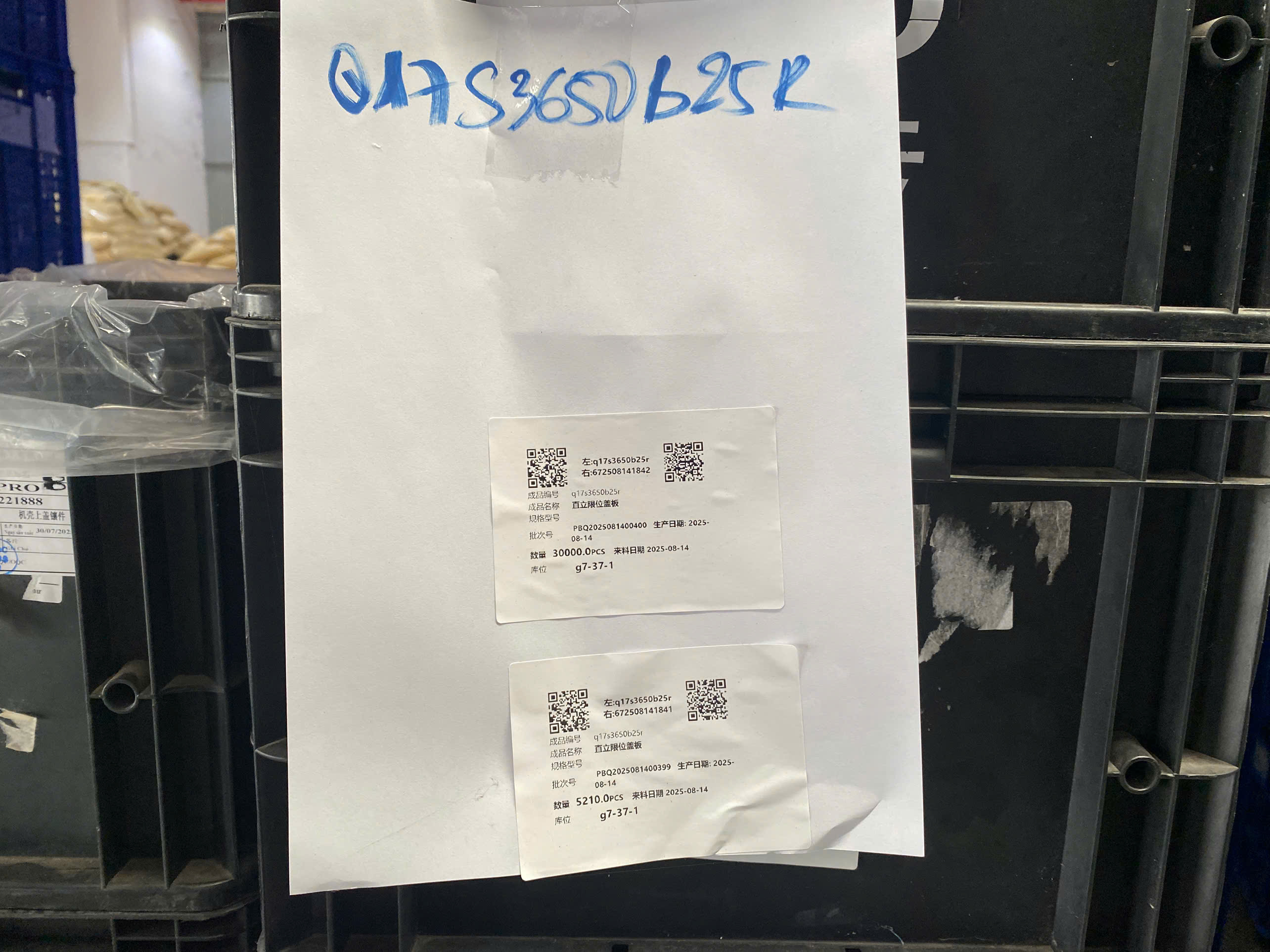
Breaking Down the Door-to-Door Timeline
Understanding where time gets consumed helps you identify where delays happen. Here is a realistic breakdown for sea freight from Vietnam to the U.S. East Coast:
| Stage | Typical Duration | Common Delay Causes |
|---|---|---|
| Factory pickup and inland trucking to port | 1–3 days | Truck availability, factory location |
| Export customs clearance Vietnam | 1–2 days | Incomplete documentation, HS code issues |
| Port waiting and vessel loading | 2–5 days | Port congestion, vessel schedule changes |
| Ocean transit (Vietnam to U.S. East Coast) | 25–30 days | Weather, routing changes, transshipment delays |
| U.S. import customs clearance | 1–3 days | ISF filing errors, inspection holds |
| Last-mile trucking to your warehouse | 1–5 days | Trucker availability, distance from port |
| Total estimated door-to-door | 31–48 days | — |
Choosing the Right Shipping Method
The method you choose depends on urgency, budget, and volume. Our team regularly helps clients weigh shipping costs Vietnam against lead-time requirements.
- Full Container Load (FCL) sea freight works best for large, recurring orders of welding parts. You control the container and reduce handling risk.
- Less-than-Container Load (LCL) sea freight suits smaller orders. You share container space and pay only for the volume you use. But transit times may be longer due to consolidation.
- Air freight is the fastest option — typically 3–7 days — but it costs significantly more. We recommend it only for urgent prototypes or time-critical replacement parts.
- Multimodal solutions combine sea and rail or sea and truck. Some forwarders offer creative routing that shaves days off transit without the full cost of air freight.
What Incoterms Matter Here
Understanding Incoterms 2020 5 is critical. For door-to-door delivery, DDP (Delivered Duty Paid) puts the most responsibility on the forwarder. FOB (Free on Board) transfers risk to you once cargo crosses the ship's rail. Our recommendation for most clients sourcing welding parts: use FOB or CIF for cost control, and hire a dedicated forwarder for the destination-side logistics. This gives you visibility and control at every stage.
Being flexible with shipping dates can also help. Off-peak periods — typically January through March — offer lower international freight rates and less port congestion. If your production schedule allows, plan shipments around these windows.
How can I tell if a forwarder will provide the proactive communication I need to manage my supply chain risks?
During a recent project involving precision-drilled base plates and reinforced gusset brackets, our client's purchasing manager told me his biggest frustration was not price — it was silence. His previous forwarder would go dark for days. When a vessel skipped a port call, he found out only after his customer called asking where the parts were.
You can gauge a forwarder's communication quality by testing their response time during the quoting stage, asking about their tracking technology and update frequency, requesting a named account manager, and confirming they provide proactive alerts for delays, customs holds, or schedule changes rather than waiting for you to ask.
Why Communication Is a Supply Chain Risk Factor
When you source custom welding parts from Vietnam, you are managing a chain with many links: your supplier, the quality inspection team, the inland trucker, the customs broker, the shipping line, and the destination logistics. supply chain risks 6 If your forwarder does not communicate proactively, a small delay at customs clearance Vietnam can snowball into a week-long production stoppage at your client's factory.
Our Vietnam office handles logistics services Vietnam daily. We have learned that the best forwarders behave like partners, not vendors. They call you before you call them. They flag a potential delay before it becomes an actual delay.
Red Flags vs. Green Flags in Forwarder Communication
| Green Flags | Red Flags |
|---|---|
| Responds to emails within 4 hours during business hours | Takes 2+ days to reply to routine questions |
| Assigns a named account manager with direct phone number | Routes all inquiries through a generic inbox |
| Sends proactive weekly shipment status updates | Only provides updates when you chase them |
| Offers real-time tracking via online portal or app | No tracking capability; relies on manual email updates |
| Alerts you immediately about vessel delays or customs issues | You discover problems only when cargo fails to arrive |
| Provides contingency options when problems arise | Offers excuses but no solutions |
The Human Factor vs. Digital Platforms
There is a real debate in logistics about whether digital-only platforms or human-driven services are better. Platforms like FreightAmigo and Freightos offer instant quotes and automated tracking. They are efficient for straightforward shipments. But for complex industrial cargo like welded steel frames with specific handling requirements, human judgment matters.
I have seen cases where an automated system flagged a shipment as "standard metal goods" when it actually required hazardous material declarations due to welding consumables in the same container. A human account manager would have caught that. For welding parts suppliers and their buyers, I recommend a forwarder that combines technology with dedicated human support.
How to Test Communication Before You Commit
Send the forwarder a detailed inquiry during your evaluation. Include specific questions about handling heavy fabricated parts, customs requirements, and shipping insurance options. Time their response. Evaluate the depth and accuracy of their answers. If they give vague, generic replies during the sales phase, imagine how they will perform when a real problem hits mid-shipment.
Will my freight forwarder be able to handle the complex customs documentation required for my custom metal components?
One lesson I will never forget: a shipment of custom aluminum mounting brackets got held at U.S. customs for twelve days because the commercial invoice listed "metal parts" instead of the correct HS code for "articles of aluminum, not elsewhere specified." The import duties Vietnam had already been paid on the origin side, but the destination paperwork was wrong. Twelve days of storage fees, a furious end customer, and a relationship nearly lost — all because of a six-digit code.
Your freight forwarder must demonstrate expertise in HS code classification for metal fabrications, prepare accurate commercial invoices and packing lists, understand both Vietnamese export regulations and destination-country import requirements, and have a track record of clearing custom metal components without delays or fines.
The Documentation Stack for Welding Parts
Custom metal components like welded steel frames, heavy-duty brackets, and fabricated hardware require more documentation than standard goods. Here is what a qualified forwarder should prepare or help you prepare:
| Document | Purpose | Who Prepares It |
|---|---|---|
| Commercial Invoice | States value, description, HS code, Incoterms 2020 | Exporter (with forwarder review) |
| Packing List | Details weight, dimensions, quantity per crate | Exporter |
| Bill of Lading (B/L) | Contract of carriage; proof of shipment | Shipping line / Forwarder |
| Certificate of Origin (CO) 7 | Proves Vietnamese origin; may qualify for trade agreements Vietnam | Chamber of Commerce / Exporter |
| Fumigation Certificate | Required for wooden crating used with heavy parts | Licensed fumigation provider |
| Material Test Report (MTR) | Certifies steel/aluminum grade and composition | Manufacturer |
| ISF Filing (for U.S. imports) | Importer Security Filing; required 24 hours before vessel departure | Forwarder or customs broker |
| Customs Declaration | Export and import declarations | Forwarder / Customs broker |
HS Code Classification: Where Most Mistakes Happen
HS codes for metal fabrications are notoriously tricky. A welded steel frame might fall under heading 7308 (structures and parts of structures, of iron or steel) or 7326 (other articles of iron or steel). The difference can mean a significant variation in import duties Vietnam and destination-country tariffs.
Our team works closely with customs brokers on both ends to ensure correct classification before the shipment leaves the factory. We cross-reference the technical drawings — noting details like material grade, welded joints, and intended use — against the tariff schedule. This is not something you want your forwarder to guess at.
Leveraging Trade Agreements
Vietnam has signed numerous trade agreements, including the Comprehensive and Progressive Agreement for Trans-Pacific Partnership (CPTPP) 8 and the EU-Vietnam Free Trade Agreement (EVFTA). These agreements can reduce or eliminate tariffs on qualifying goods. But to benefit, your documentation must prove Vietnamese origin. A Certificate of Origin must be accurate, and the forwarder must understand which agreements apply to your specific destination.
For our clients shipping to the U.S., Vietnam's trade agreements do not currently offer the same tariff reductions as those for EU-bound goods, but the regulatory landscape shifts frequently. A knowledgeable forwarder stays current on these changes and advises you accordingly.
Why a Local Team Makes the Difference
Having our own seven-person team in Vietnam gives us direct access to customs authorities, port officials, and local documentation requirements. We do not rely on third-party intermediaries who may cut corners. When a customs officer has a question about a shipment of thick-gauge steel brackets with visible weld beads and precision-drilled mounting holes, our local staff can respond in Vietnamese, in person, within hours. That kind of responsiveness prevents the multi-day holds that destroy delivery schedules.
Conclusion
Start by verifying licenses, comparing quotes from multiple freight forwarding companies Vietnam, and testing with a small shipment. Your reliable freight forwarder is the foundation of a successful Vietnam sourcing strategy for welding parts.
Frequently Asked Questions
How do I verify if a Vietnam freight forwarder has specific experience handling my heavy welding parts?
A few months ago, one of our U.S. clients shipped a batch of custom steel mounting brackets through a forwarder who had zero experience with industrial metal parts Full Container Load (FCL) sea freight 2 . The crate arrived with bent flanges and cracked welds because the forwarder used standard consumer-goods packaging protocols.
What should I look for in a logistics partner to ensure my door-to-door delivery from Vietnam arrives on time?
Last quarter, we coordinated a door-to-door shipment of custom metal frame assemblies from Ho Chi Minh City to a distribution warehouse in Ohio. The entire journey — factory pickup, customs clearance Vietnam, ocean transit, U.S. customs, and final-mile trucking — involved six handoff points. A single delay at any point would have cascaded through our client's production schedule.
How can I tell if a forwarder will provide the proactive communication I need to manage my supply chain risks?
During a recent project involving precision-drilled base plates and reinforced gusset brackets, our client's purchasing manager told me his biggest frustration was not price — it was silence. His previous forwarder would go dark for days. When a vessel skipped a port call, he found out only after his customer called asking where the parts were.
Footnotes
1. Replaced with a comprehensive and authoritative Wikipedia article explaining bills of lading. ↩︎
2. Explains a common shipping method for large cargo volumes. ↩︎
3. Official government body overseeing transport and logistics in Vietnam. ↩︎
4. Replaced with a Wikipedia article on ISPM 15, which covers the international standard for treating wooden packaging materials, including fumigation. ↩︎
5. Official rules defining responsibilities for buyers and sellers in international trade. ↩︎
6. Defines potential vulnerabilities and threats in a company’s supply chain. ↩︎
7. Replaced with a comprehensive and authoritative Wikipedia article explaining the Certificate of Origin. ↩︎
8. Official information on a major free trade agreement involving Vietnam. ↩︎
9. Explains the standardized system for classifying traded products for customs. ↩︎