A single wrong freight forwarder choice once cost one of our US clients three weeks of delays and over $4,000 in unexpected customs fees on a sheet metal bracket order from Vietnam.
To choose a reliable freight forwarder for Vietnam sheet metal fabrication, prioritize partners with proven Vietnam industrial export experience, customs clearance expertise, consolidated shipping capability, cargo insurance options, and proactive communication — reliability matters far more than finding the lowest shipping quote.
This article walks through the exact steps I recommend to our clients when they need to move custom sheet metal parts from Vietnam to the United States. Each section tackles a real pain point we see regularly in our supply chain management 1 work.
How do I find a Vietnam freight forwarder that understands the specific handling requirements for my sheet metal parts?
Last year, a shipment of powder-coated mounting brackets arrived at a client's warehouse in Ohio with chipped edges and scratched surfaces — the forwarder had packed them like general merchandise, not precision-engineered metal parts.
Find a forwarder experienced with Vietnam industrial exports by verifying their track record handling metal fabrication shipments, checking their packaging protocols for heavy or irregularly shaped cargo, and confirming they operate within Vietnam's key manufacturing hub cities like Ho Chi Minh City and Hai Phong.
Why Vietnam-Specific Experience Is Non-Negotiable
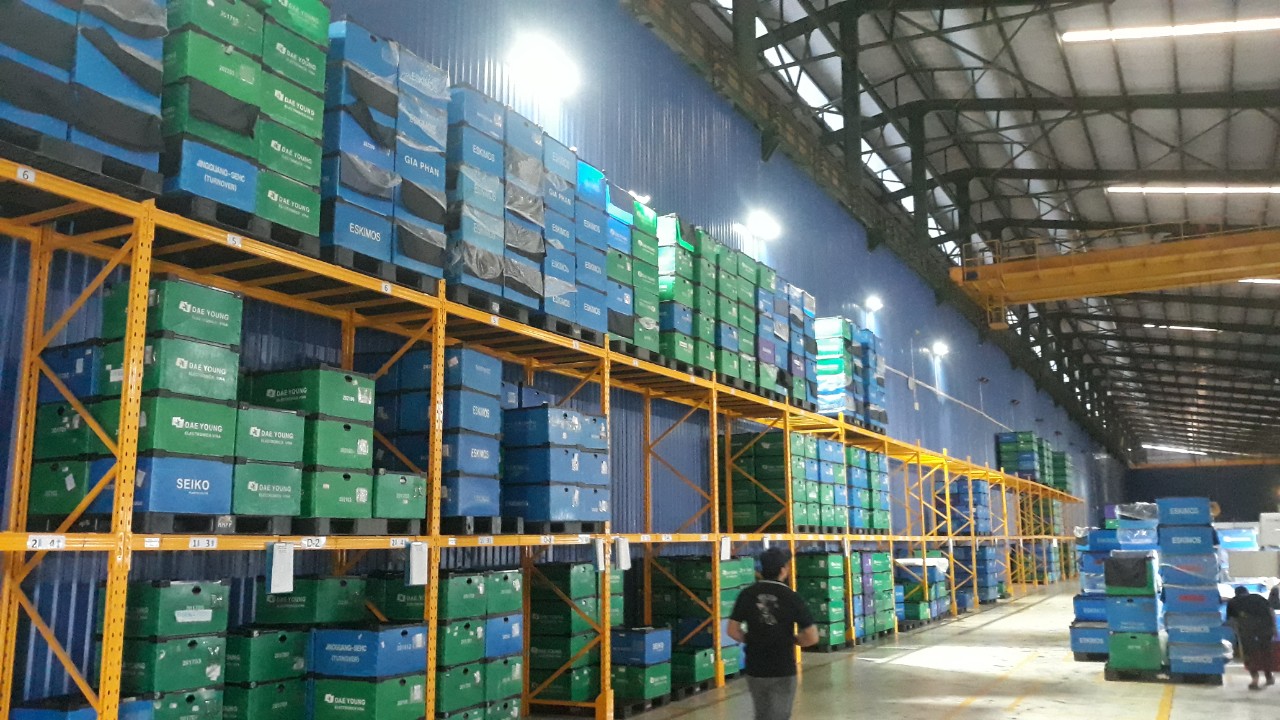
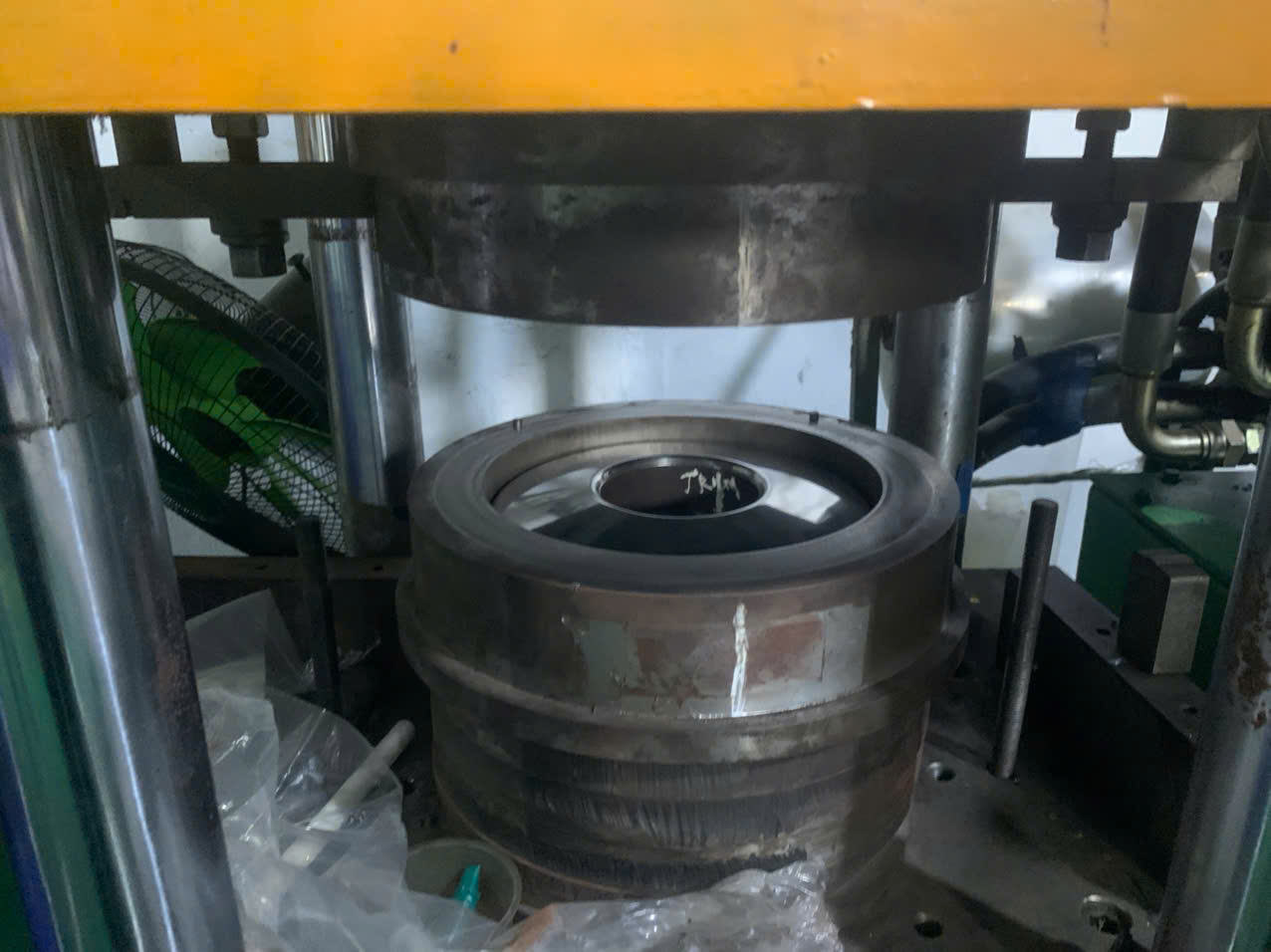
Vietnam has emerged as a strategic manufacturing hub for sheet metal fabrication 2. The country offers low labor costs, a skilled and motivated workforce, and proximity to major international sea and air routes. Key industrial zones in Ho Chi Minh City, Hanoi, Binh Duong, Hai Phong, and Dong Nai house most of the sheet metal manufacturers serving international buyers. Our Vietnam office coordinates with fabricators across these regions daily.
A forwarder without presence in these areas simply cannot provide the ground-level support your shipments need. They need relationships with local trucking companies. They need to know which ports handle oversized cargo efficiently. They need familiarity with common fabrication outputs — laser-cut panels, CNC-bent brackets, welded assemblies with powder-coated finishes.
What to Look for in a Forwarder's Capabilities
When we vet logistics partners for our clients, we use a straightforward checklist. Here is what matters most:
| Capability | Why It Matters | How to Verify |
|---|---|---|
| Dedicated Vietnam import/export team | Local knowledge of port operations and customs | Ask for team size and office locations in Vietnam |
| Experience with metal fabrication cargo | Proper packaging, weight distribution, surface protection | Request case studies or references from industrial clients |
| Handling of oversized or heavy items | Sheet metal assemblies can be bulky and irregular | Confirm equipment access (forklifts, flatbed trucks, custom crating) |
| RoHS-compliant handling protocols | Many US buyers require RoHS compliance 3 on surface treatments | Ask if they track and document compliance through the chain |
| Multimodal transport options 4 | Flexibility between sea, air, and land segments | Review their carrier network and routing options |
Understanding Vietnam's Fabrication Landscape
The materials commonly fabricated in Vietnam include Cold Rolled Steel 5, Hot Rolled Steel, Aluminum, and Stainless Steel 304/316. Surface treatments like powder coating, plating, and sandblasting are standard. These processes are typically RoHS compliant, which matters for export documentation.
Our team has found that forwarders who understand these materials handle shipments better. They know that powder-coated parts need separation layers. They know that stainless steel brackets with pre-drilled mounting holes can nest efficiently to save container space. This kind of knowledge directly reduces damage rates and shipping costs.
Vietnam's position as a preferred metal fabrication destination continues to strengthen. Large industrial parks, heavily invested seaports, and favorable trade agreements like the EVFTA and CPTPP make the country attractive for US and European buyers. But all of these advantages only materialize when your logistics partner knows how to navigate them.
What steps can I take to ensure my logistics partner provides the proactive communication I need?
One of the most common complaints I hear from purchasing managers in the US goes something like this: "I sent three emails last week and got one reply with no real information." Poor communication from logistics partners is not just frustrating — it creates blind spots in your supply chain.
Ensure proactive communication by establishing clear reporting schedules upfront, requiring real-time tracking access, setting response-time agreements, and choosing forwarders who assign a dedicated account manager rather than routing you through a general support queue.
Setting Communication Standards Before the First Shipment
Before you ship a single bracket, define what communication looks like. I recommend our clients establish these ground rules with any new forwarder:
- Milestone notifications — Require automatic updates at key stages: pickup from factory, arrival at port, customs clearance Vietnam, vessel departure, arrival at destination port, and final delivery.
- Response-time commitment — Agree on a maximum response window. We hold our partners to a 24-hour reply standard for routine queries and a 4-hour standard for urgent issues.
- Single point of contact — Insist on a named account manager. Rotating contacts cause information loss and repeated explanations.
- Supply chain visibility tools — Ask if the forwarder offers a digital platform or dashboard for real-time tracking. real-time tracking access 6 Forwarders integrating with advanced digital supply chain tools provide better visibility and fewer surprises.
Evaluating Communication During a Pilot Shipment
I always advise clients to run a pilot shipment before committing to a long-term partnership. This is your test. During the pilot, evaluate:
| Communication Metric | What Good Looks Like | Red Flag |
|---|---|---|
| Response time | Under 24 hours, with substance | Days of silence or vague replies |
| Proactive updates | Forwarder notifies you before you ask | You always have to chase status |
| Problem escalation | Issues flagged immediately with options | Problems discovered only at delivery |
| Documentation accuracy | Correct HS codes, weights, descriptions first time | Repeated errors requiring correction |
| Customs guidance | Clear explanation of tariff regulations and duties | "We'll figure it out when it gets there" |
This pilot approach has saved several of our US clients from painful multi-shipment contracts with unresponsive forwarders. The cost of one test shipment is minor compared to the cost of a failed logistics relationship on a production-critical order.
Why Communication Gaps Are Especially Dangerous for Custom Parts
Sheet metal fabrication projects are rarely simple. A single order might include laser-cut panels, CNC-bent brackets, welded sub-assemblies, and powder-coated housings — all needing to arrive together, on time, and undamaged. When communication breaks down, parts arrive at different times, export documentation gets filed incorrectly, or damage goes unreported until the container is opened stateside.
Our approach at DEWIN is to serve as the communication bridge between the Vietnam factory floor and the US client's purchasing team. We consolidate all updates into one clear channel. But even with our support, the forwarder's communication discipline remains essential. A forwarder who goes quiet during transit is a forwarder who will cost you money.
How can I avoid shipping delays and hidden costs when importing custom parts from Vietnam to the US?
The trade-off between speed and cost is real. But in my experience, the biggest expenses come not from choosing a faster shipping mode — they come from surprises nobody warned you about.
Avoid shipping delays and hidden costs by demanding transparent, all-inclusive quotes upfront, choosing forwarders who support consolidated shipping with a single Bill of Lading, verifying tariff regulations before shipment, and building buffer time into your production schedule for customs clearance.
The Consolidated Shipment Advantage
Many Vietnam manufacturers — especially foreign-owned operations with US-aligned quality oversight — now offer end-to-end logistics solutions that include sourcing, quality assurance, and consolidated shipping. This "one shipment, one Bill of Lading 7" model is a game-changer for sheet metal orders.
Here is why consolidation matters. Suppose you order laser-cut brackets from one supplier and welded assemblies from another. Without consolidation, you get two separate shipments, two Bills of Lading, two customs clearance events, and two sets of fees. Consolidation merges everything into one container, one document set, and one clearance — cutting costs significantly.
Our team in Vietnam coordinates this consolidation for clients regularly. We collect finished parts from multiple suppliers, conduct final inspection at our facility, and hand off one consolidated shipment to the forwarder.
Air vs. Sea: Choosing the Right Mode
| Shipping Mode | Transit Time (Vietnam to US) | Cost Level | Best For |
|---|---|---|---|
| Air Express (DHL, FedEx, UPS) | 3–5 business days | High | Urgent prototypes, small batches, critical replacement parts |
| Air Freight (standard) | 5–10 business days | Medium-High | Mid-size orders with tight deadlines |
| Sea Freight (FCL) | 25–35 days | Low | Large production runs, heavy assemblies |
| Sea Freight (LCL) | 30–45 days | Low-Medium | Smaller orders not filling a full container |
| EMS (VNPost) | 1–2 weeks | Low | Low-value, non-urgent items |
For most of our sheet metal clients, sea freight handles production volumes while air express covers urgent samples or replacement parts. The key is having a forwarder flexible enough to handle both modes without requiring separate contracts.
Where Hidden Costs Actually Come From
Hidden costs in Vietnam-to-US shipping typically fall into these categories:
- Incorrect HS code classification — Wrong codes trigger wrong duty rates. For metal fabrication parts, HS codes vary by material, processing method, and end use. A forwarder with customs expertise should verify codes before shipment.
- Demurrage and detention fees — If your customs clearance Vietnam process stalls because of incomplete export documentation, container storage fees accumulate fast.
- Repackaging at port — If the forwarder's packaging does not meet carrier or customs standards, you pay for repackaging.
- Cargo insurance gaps — Uninsured shipments of high-value precision brackets can result in total loss with no recovery. Always confirm cargo insurance coverage and terms.
- Tariff surprises — Trade agreements like CPTPP and EVFTA can reduce duties, but only if your forwarder applies them correctly. Missing a preferential tariff filing means paying full rates.
I have seen clients save thousands of dollars per shipment just by switching to a forwarder who properly applied trade agreement preferences and filed accurate HS codes the first time.
Can I rely on my forwarder to manage the complex customs documentation for my sheet metal fabrication projects?
A client once told me that customs documentation felt like "a black box that eats money." I understand the frustration. Vietnam customs requires precise documentation for metal goods, and mistakes cascade quickly into delays and penalties.
You can rely on your forwarder for customs documentation only if they demonstrate specific expertise in Vietnam's export requirements for industrial metal goods, including accurate HS code classification, proper export licensing, VAT handling, and compliance with applicable trade agreements like EVFTA and CPTPP.
What Documentation Is Required
For sheet metal fabrication exports from Vietnam to the US, the documentation stack typically includes:
- Commercial invoice with accurate descriptions, quantities, materials, and values
- Packing list with dimensions, weights, and part numbers
- Bill of Lading (ocean) or Air Waybill (air)
- Certificate of Origin 8 (needed to claim preferential tariff rates under trade agreements)
- Export license (for certain controlled materials or dual-use items)
- Quality inspection reports (often required by US buyers)
- RoHS compliance certificates (for parts with surface treatments like powder coating or plating)
- Cargo insurance certificate
Each document must align perfectly with the others. A mismatch between the commercial invoice description and the packing list triggers customs holds. A missing Certificate of Origin means you pay full duty rates instead of reduced rates under Vietnam's trade agreements.
How We Support the Documentation Process
At DEWIN, our Vietnam team prepares inspection reports and coordinates with the manufacturer on commercial invoices and packing lists before the forwarder receives the cargo. This front-loading of documentation reduces errors dramatically. We have found that when the forwarder receives a clean, accurate document package, clearance happens smoothly on both the Vietnam export side and the US import side.
But here is the critical point: even with our support, the forwarder must independently verify HS codes and tariff classifications. We provide product descriptions and material specs. The forwarder translates those into the correct customs language. A forwarder who simply copies what we write without verification is a liability, not a partner.
Red Flags in Documentation Handling
Watch for these warning signs that your forwarder may not be equipped for complex sheet metal customs work:
- They ask you to provide HS codes instead of recommending them
- They do not mention Certificate of Origin requirements for trade agreement benefits
- They cannot explain the difference between FOB, CIF, and DDP terms
- They have no process for handling customs holds or inspections
- They do not offer guidance on tariff regulations specific to metal fabrication parts
A competent forwarder acts as your compliance partner. They should proactively advise you on documentation requirements, flag potential issues before shipment, and have contingency plans for customs inspections or holds. Sustainable logistics practices, such as optimized routing and eco-friendly packaging advice, are additional indicators of a forward-thinking partner.
Conclusion
Choosing a reliable freight forwarder for Vietnam sheet metal fabrication comes down to expertise, communication, and transparency — not price alone. Prioritize partners who understand your parts, your documentation, and your timeline.
Frequently Asked Questions
How do I find a Vietnam freight forwarder that understands the specific handling requirements for my sheet metal parts?
Last year, a shipment of powder-coated mounting brackets arrived at a client's warehouse in Ohio with chipped edges and scratched surfaces — the forwarder had packed them like general merchandise, not precision-engineered metal parts.
What steps can I take to ensure my logistics partner provides the proactive communication I need?
One of the most common complaints I hear from purchasing managers in the US goes something like this: "I sent three emails last week and got one reply with no real information." Poor communication from logistics partners is not just frustrating — it creates blind spots in your supply chain.
How can I avoid shipping delays and hidden costs when importing custom parts from Vietnam to the US?
The trade-off between speed and cost is real. But in my experience, the biggest expenses come not from choosing a faster shipping mode — they come from surprises nobody warned you about.
Footnotes
1. Authoritative definition and scope of supply chain management. ↩︎
2. Provides a comprehensive overview of metal fabrication processes and techniques. ↩︎
3. Explains the Restriction of Hazardous Substances directive and its importance. ↩︎
4. Defines multimodal transportation and its benefits in logistics. ↩︎
5. Details properties, advantages, and manufacturing of cold rolled steel. ↩︎
6. Explains the importance and benefits of real-time tracking in logistics. ↩︎
7. Provides a comprehensive definition and functions of a Bill of Lading. ↩︎
8. Defines the document used to certify the country of origin for goods. ↩︎
9. Explains the Harmonized System codes for classifying traded products. ↩︎