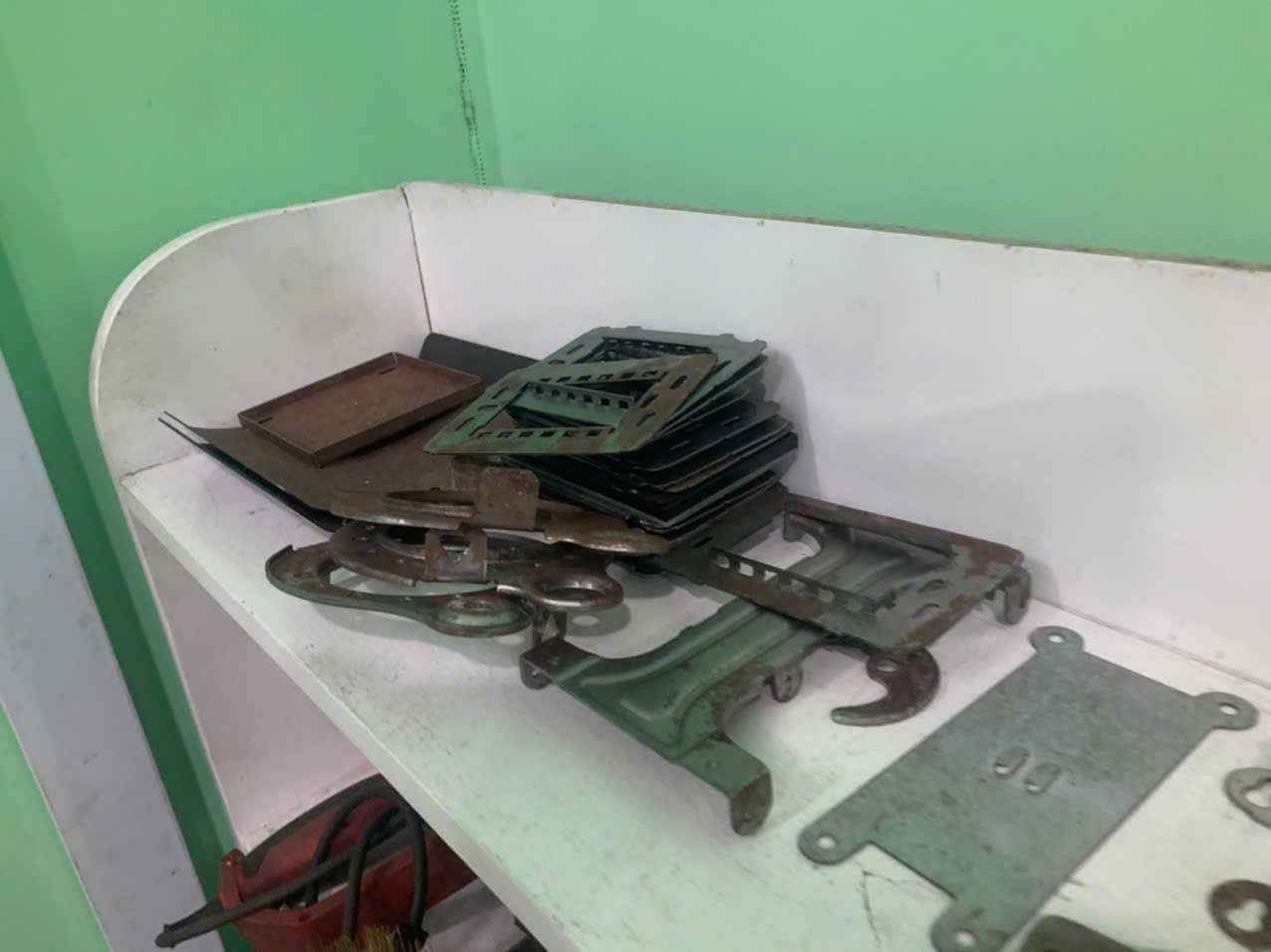

We have seen clients struggle with inconsistent parts and missed deadlines from outdated fabrication methods GD&T 1. CNC technology in the sheet metal fabrication process 2 changes everything.
CNC technology transforms the sheet metal fabrication process by replacing manual control with computer-driven precision across cutting, bending, and forming operations. This delivers tolerances as tight as ±0.025 mm, reduced material waste, faster cycle times, and exact part-to-part repeatability that manual methods cannot match.
Let me walk you through the specific ways CNC reshapes sheet metal work and why it matters for your next custom parts project.
How Can CNC Technology Improve the Precision and Consistency of My Custom Metal Parts?
Last quarter, our quality control team flagged a recurring issue on a bracket order — manual press brake setups were drifting after every 50 pieces, forcing constant re-measurement.
CNC technology improves precision by using CAD/CAM software to generate exact tool paths that guide laser cutters, turret punches, and press brakes. This eliminates human variability, holds tolerances within ±0.025 mm, and ensures every part in a batch is dimensionally identical.
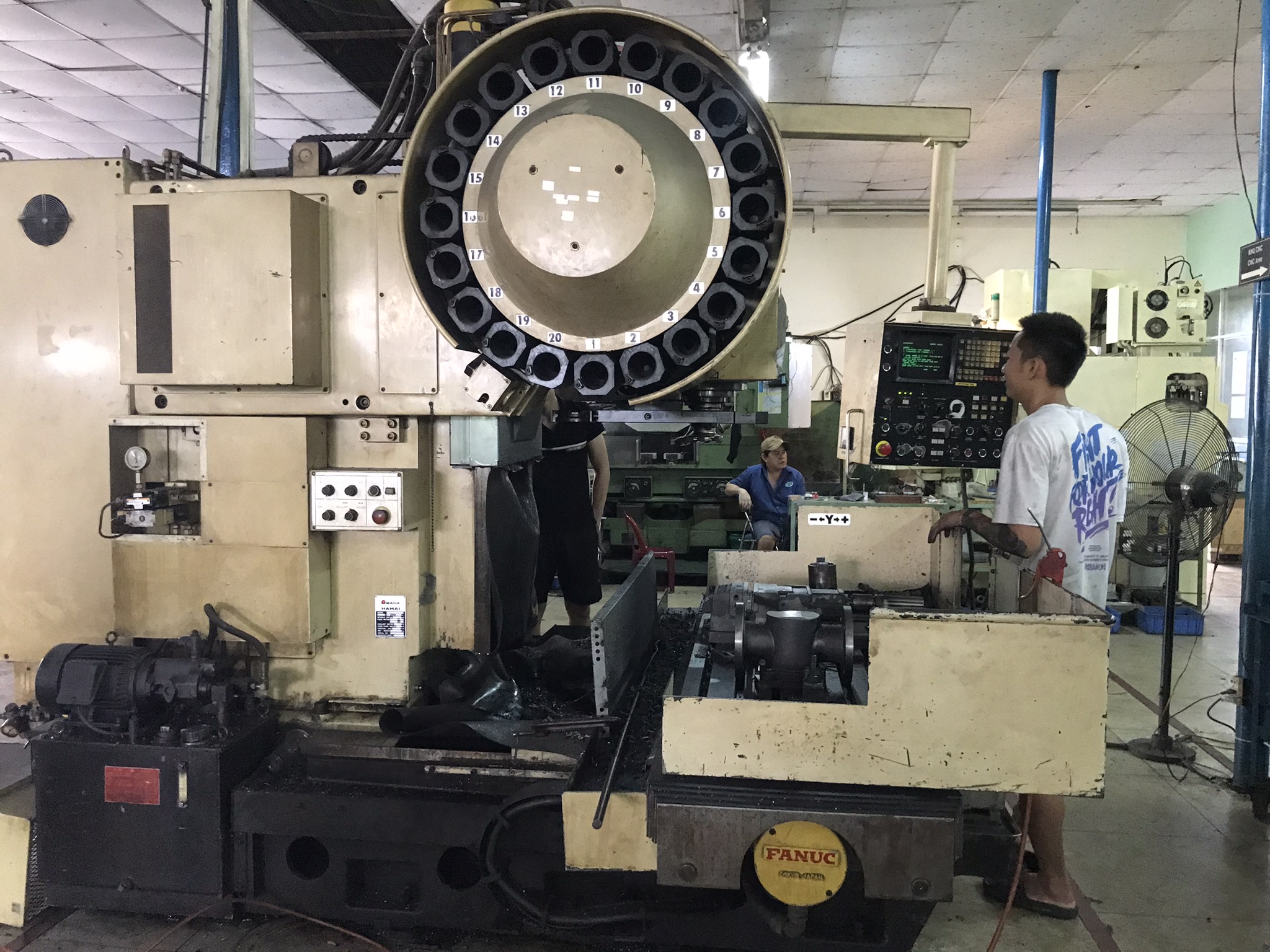
How CNC Eliminates Human Variability
When an operator manually positions a sheet on a press brake, small errors creep in. Fatigue, lighting, even ambient temperature can shift results. CNC removes those variables entirely. The machine reads G-code instructions 3 translated directly from your CAD drawing. It positions the back gauge, selects the correct punch-and-die set, and executes the bend at the exact programmed angle. There is no interpretation step. No guesswork.
On our production floor, we run CNC press brake bending with servo-driven back gauges accurate to 0.01 mm. The first piece and the five-hundredth piece come out the same. That kind of consistency is what purchasing managers need when parts must be interchangeable on an assembly line.
Precision Comparison: CNC vs. Manual Methods
| Parameter | CNC-Controlled Process | Manual Process |
|---|---|---|
| Typical Tolerance | ±0.025 mm – ±0.1 mm | ±0.5 mm – ±1.0 mm |
| Repeatability (Batch) | >99.5% identical | Varies by operator skill |
| Setup Drift Over Run | Negligible | Noticeable after 30–50 parts |
| Complex Geometry Capability | High — multi-axis tool path generation | Limited — depends on jigs and skill |
| Inspection Frequency Needed | Sample-based (first article + periodic) | Frequent — often 100% inspection |
Why Consistency Matters for Sourcing Managers
If you source custom parts from Asia and distribute them in the U.S., you cannot afford dimensional surprises at your customer's receiving dock. One rejected batch costs freight both ways, rework time, and — worst of all — trust.
When we run a CNC laser cutting program, the beam follows the exact same path every cycle. Material nesting software 4 places parts to minimize scrap and maintain grain direction. The result is clean edges, tight holes, and repeatable dimensions from the first sheet to the last. This level of precision manufacturing is what separates reliable suppliers from the ones that keep you up at night.
Our team in Vietnam runs the same CNC programs and inspection protocols we use at our China facility. That means you get identical quality regardless of which site produces your order — a real advantage when you are diversifying your supply chain away from a single country.
Will Integrating CNC-Driven Fabrication Help Me Significantly Reduce My Production Lead Times?
A U.S. client once told me his biggest frustration was not price — it was waiting eight weeks for parts that should take four.
CNC-driven fabrication dramatically reduces lead times by automating tool path generation, enabling rapid changeovers between jobs, and supporting continuous lights-out operation. Most projects see lead time reductions of 30–50% compared to conventional manual fabrication workflows.

Where Time Gets Lost in Traditional Fabrication
In a manual shop, time disappears in three places: setup, execution, and rework. Each new job needs physical template creation, manual machine adjustment, and trial runs. If the first piece fails inspection, the operator tweaks settings and tries again. Multiply that across cutting, punching, bending, and welding, and days vanish.
CNC compresses all of that. The programmer loads the CAD file into CAM software, generates the tool path, and sends it to the machine. Setup takes minutes, not hours. The machine runs at programmed feed rates without breaks. And because the first piece is almost always correct, rework drops to near zero.
CNC Lead Time Breakdown by Process Stage
| Process Stage | Manual Lead Time | CNC Lead Time | Time Saved |
|---|---|---|---|
| Programming and Setup | 4–8 hours per job | 0.5–2 hours per job | 60–80% |
| Cutting (Laser or Plasma) | Moderate — manual feed | Fast — automated feed and nesting | 40–60% |
| Bending (Press Brake) | Slow — manual gauge alignment | Rapid — servo back gauge | 50–70% |
| Quality Check | 100% inspection common | First article plus sampling | 30–50% |
| Rework and Scrap Correction | Frequent | Rare | 70–90% |
Lights-Out Manufacturing and Continuous Operation
One advantage many buyers overlook is lights-out manufacturing 5. Our CNC laser cutting machines can run unattended during off-hours. The operator sets up the material, loads the program, and the machine cuts through the night. By morning, a full batch is ready for the next operation.
This is not science fiction. It is how we handle urgent orders. When a client needs rapid prototyping of a new enclosure design, we can program the CNC in the afternoon, run the cut overnight, and have bent samples on the press brake by the next morning. That speed gives you a real edge when your end customer has a tight market deadline.
How Automated Production Eliminates Bottlenecks
Automated production also means we can run multiple jobs in sequence without manual intervention between them. The CNC controller queues programs and switches tooling automatically. For a sourcing manager juggling several part numbers, this translates directly into shorter overall project timelines.
We often see the biggest time savings on repeat orders. Once the CNC program is proven and stored, the next order skips the entire programming phase. The operator loads material, calls up the saved program, and production starts immediately. Compare that to a manual shop that has to re-create jigs and fixtures every time. The difference in turnaround can be the difference between winning and losing your customer's next contract.
How Does CNC Automation Help Lower My Total Manufacturing Costs for Complex Sheet Metal Projects?
Every project we quote involves a balancing act between part complexity, material cost, and labor hours. CNC automation tips that balance decisively in your favor.
CNC automation lowers total manufacturing costs by optimizing material utilization through intelligent nesting, reducing labor dependency, minimizing scrap and rework, and enabling faster throughput. For complex sheet metal projects, these combined savings typically offset the higher equipment investment within the first production runs.
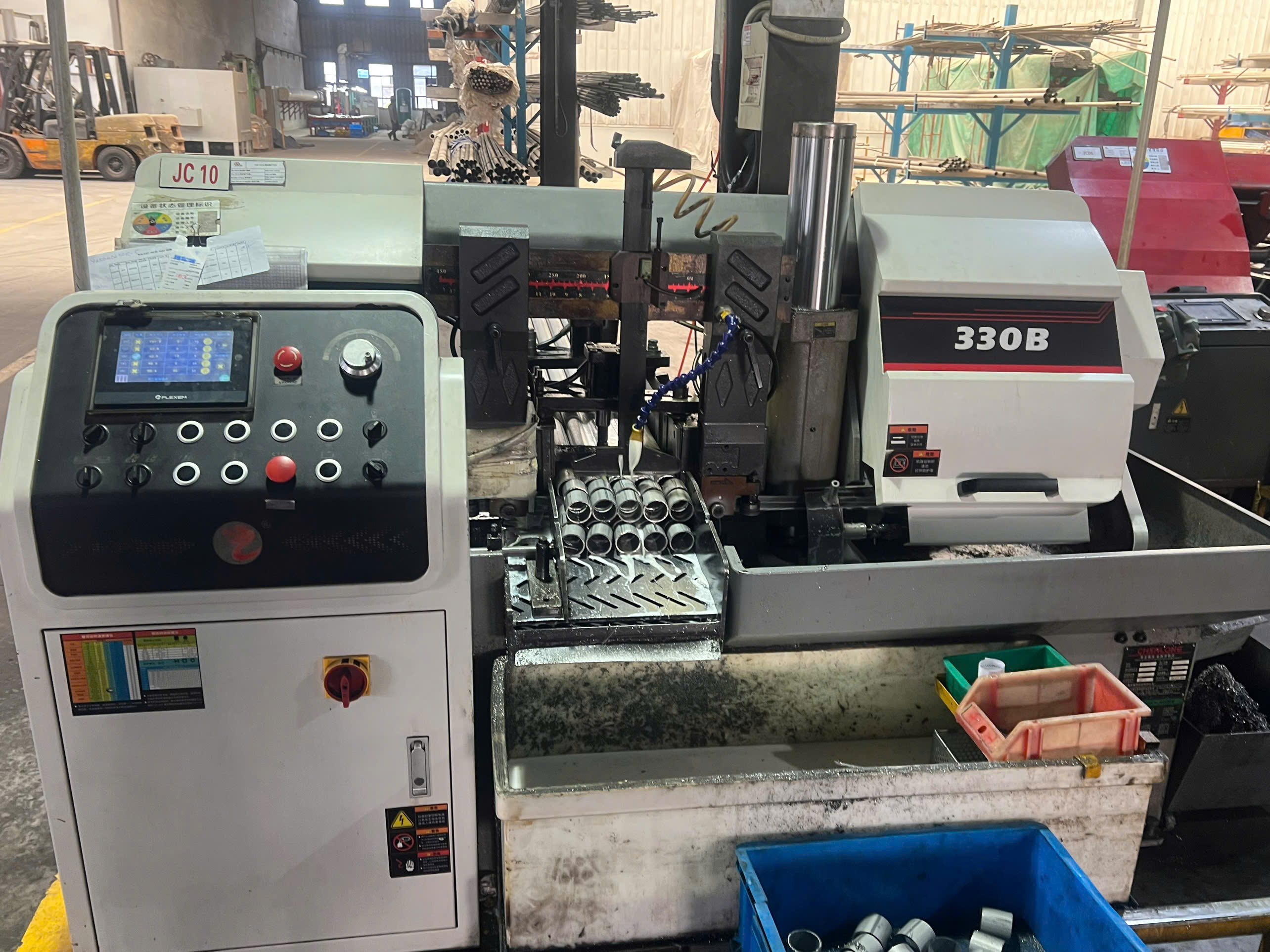
Material Optimization: Getting More Parts from Every Sheet
Material is often the single largest cost line in a sheet metal project. CNC nesting software arranges parts on a sheet to maximize usage. It rotates, mirrors, and tightly packs geometries that a human operator could never arrange as efficiently by eye.
On a typical stainless steel cutting job, we see material utilization 6 rates around 85–92% with CNC nesting versus 65–75% with manual layout. That improvement goes straight to your bottom line, especially on expensive alloys like 316 stainless or titanium. Material optimization at this level is simply not achievable without computer-controlled processes.
Cost Comparison: CNC Automation vs. Manual Fabrication
| Cost Factor | CNC Automated | Manual | Impact |
|---|---|---|---|
| Material Utilization | 85–92% | 65–75% | Lower raw material spend |
| Labor Hours per Part | Low — 1 operator runs multiple machines | High — 1 operator per machine | Reduced labor cost |
| Scrap Rate | 2–5% | 10–20% | Less waste and re-purchasing |
| Rework Frequency | Rare | Common | Fewer hidden costs |
| Throughput (Parts per Hour) | High | Moderate to low | Better amortization of overhead |
| Inspection Overhead | Sample-based | 100% common | Fewer quality control labor hours |
Reducing the Hidden Costs of Poor Quality
The most expensive part is the one you make twice. When a manual operator misreads a drawing tolerance or lets a press brake angle drift, the resulting rework burns labor, material, and time. Worse, if the defect escapes to your customer, you face returns, air freight costs, and damaged credibility.
CNC automation enforces the drawing requirements. The machine does not skip a dimension or misread a note. Our engineers program every critical feature into the G-code, and the quality control process starts at the software level before the first cut is made. This "right first time" approach is exactly what purchasing managers demand, and CNC is the most reliable way to deliver it.
For complex parts with multiple bends, cutouts, and formed features, the savings multiply. Each additional manual operation is another chance for error. Each CNC-controlled metal forming operation is another step executed with the same digital precision as the last. The compounding effect means that the more complex your part, the greater the cost advantage of CNC automation.
Plasma Cutting and Laser Cutting: Choosing for Cost Efficiency
Not every cut requires a fiber laser. For thicker mild steel parts where edge finish is less critical, plasma cutting on a CNC table delivers excellent results at a lower operating cost per inch of cut. We evaluate each project and recommend the process that gives you the best balance of fabrication efficiency and cost. That kind of honest guidance saves you money without sacrificing the quality your end users expect.
When we co-develop a new part with a client, our engineering team reviews the design for manufacturability 7. Sometimes a small change to a bend radius or hole location lets us use a faster, less expensive process. These DFM conversations happen before production starts — not after you have already paid for tooling. That proactive approach is part of what keeps total project costs under control.
What Specific CNC Capabilities Should I Prioritize When Choosing My Sheet Metal Fabrication Partner?
I learned early in my career that a supplier's machine list tells you only half the story. What matters more is how those machines are integrated into a controlled, repeatable process.
Prioritize CNC capabilities that combine precision hardware with robust process control: multi-axis laser cutting, servo-driven press brake bending, real-time monitoring, proven CAD/CAM software proficiency, and documented quality systems like PPAP. These capabilities together ensure your parts are right the first time.
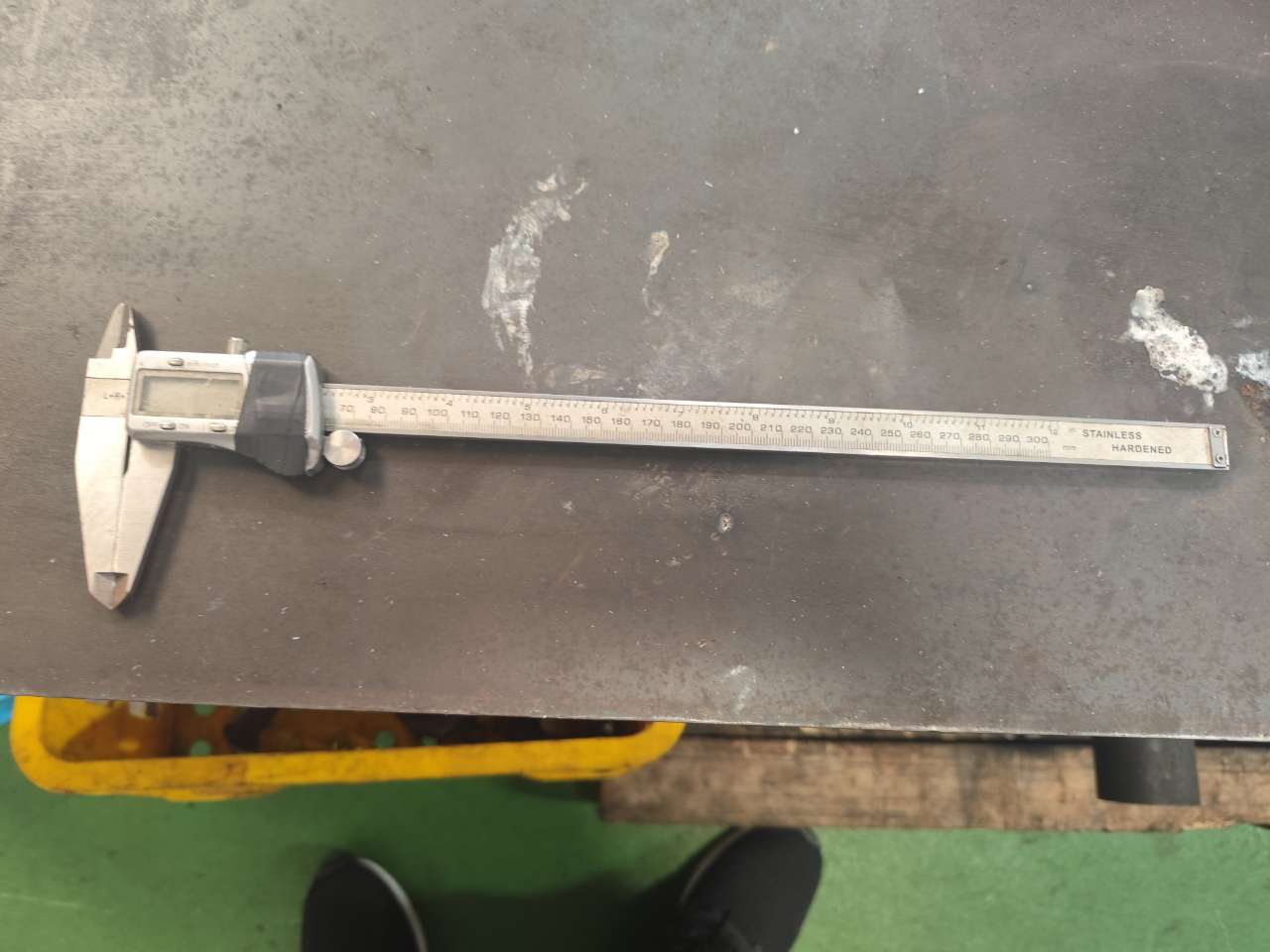
Essential CNC Capabilities Checklist
Not all CNC shops are equal. Here is what to look for when you evaluate a potential fabrication partner:
-
Multi-axis CNC laser cutting — Handles complex profiles and tight tolerances in a single setup. Ask about the machine brand, wattage, and maximum sheet size.
-
CNC press brake bending with servo back gauges — Ensures repeatable bend angles and positions. Check whether they use offline programming to reduce setup time.
-
CAD/CAM software integration — The shop should import your native CAD files without manual redrawing. This reduces errors in translation and speeds up tool path generation.
-
Material nesting and optimization software — Confirms that your material spend is minimized through intelligent layout.
-
In-process measurement and real-time monitoring — CNC machines equipped with sensors and feedback loops catch deviations before they become defective parts. This supports a data-driven quality control approach.
-
PPAP and documented process control — For critical parts, your supplier should provide Production Part Approval Process 8 documentation. This proves the process is stable and capable before full production begins.
Red Flags to Watch For
When a supplier cannot show you their CNC programming workflow or explain how they validate a first article, that is a warning sign. Owning CNC machines is not enough. The team must know how to use CAD/CAM software 9 properly, interpret GD&T on your drawings, and maintain process discipline across every shift.
At our Vietnam and China facilities, we run standardized procedures. The same CNC program, the same inspection gauge plan, and the same reporting format apply at both locations. When your order moves between sites for capacity reasons, the output stays identical. That level of process control is what separates a reliable partner from a shop that simply owns equipment.
Evaluating Your Partner Beyond the Machine
Ask about their engineering team. Can they co-develop your design for manufacturability? Do they flag potential issues before quoting, or do problems surface only after the first sample? A partner that invests in precision manufacturing discipline — not just machines — will save you rework, time, and frustration.
Look for suppliers that offer open account payment terms as well, because it signals financial stability and a long-term partnership mindset. When a fabrication partner extends 60–90 day terms, it tells you they are confident in the relationship and willing to ease your cash flow pressure. That kind of commitment, combined with strong CNC capabilities and strict quality systems, is the foundation of a sourcing partnership that actually works.
Consider also whether the supplier has experience with your target markets. If you import into the U.S. or Europe, your partner should understand the documentation standards, packaging requirements, and logistics coordination those markets demand. CNC technology delivers the part quality. But the full supply chain service — from co-development through final inspection and door-to-door logistics — is what delivers peace of mind.
Conclusion
CNC technology fundamentally transforms sheet metal fabrication by delivering precision, speed, and cost efficiency that manual methods cannot match — making it essential for any competitive custom parts sourcing strategy.
Frequently Asked Questions
How Can CNC Technology Improve the Precision and Consistency of My Custom Metal Parts?
Last quarter, our quality control team flagged a recurring issue on a bracket order — manual press brake setups were drifting after every 50 pieces, forcing constant re-measurement.
Will Integrating CNC-Driven Fabrication Help Me Significantly Reduce My Production Lead Times?
A U.S. client once told me his biggest frustration was not price — it was waiting eight weeks for parts that should take four.
How Does CNC Automation Help Lower My Total Manufacturing Costs for Complex Sheet Metal Projects?
Every project we quote involves a balancing act between part complexity, material cost, and labor hours. CNC automation tips that balance decisively in your favor.
Footnotes
1. Defines GD&T as a symbolic language for communicating design intent and engineering tolerances in manufacturing. ↩︎
2. Replaced with a comprehensive guide on sheet metal fabrication. ↩︎
3. Explains G-code as the programming language used to control CNC machines’ movements and actions. ↩︎
4. Details how nesting software optimizes material layout in sheet metal fabrication to reduce waste and costs. ↩︎
5. Defines lights-out manufacturing as fully automated production with minimal or no human presence on the factory floor. ↩︎
6. Explains material efficiency as decreasing the amount of material needed to produce a specific product. ↩︎
7. Describes DFM as an engineering method to design products for easier and cheaper manufacturing. ↩︎
8. Explains PPAP as a standardized quality assurance process to ensure consistent part production meeting requirements. ↩︎
9. Defines CAD/CAM as integrated software for design and manufacturing, explaining its core functions. ↩︎