
Last quarter, a US-based purchasing manager asked our Singapore team to run a side-by-side cost analysis on a set of mounting brackets — one quote from our China office, one from our Vietnam facility IATF 16949 (automotive) 1. The total landed cost 2 difference surprised everyone involved.
To compare cost-effectiveness when sourcing Vietnam vs. China sheet metal fabrication, calculate the total landed cost — including labor, raw material sourcing, tariffs, logistics, and quality control overhead. Vietnam wins on labor-intensive, US-bound parts due to lower labor costs and zero Section 301 tariff exposure, while China remains superior for precision-critical, material-heavy components.
The answer is never simply “one country is cheaper.” It depends on your part complexity, tolerance requirements, destination market, and order volume. This article breaks down the math, the risks, and the strategy — section by section — so you can make a sourcing decision grounded in data, not assumptions.
How do I calculate the total landed cost difference between Vietnam and China for my sheet metal project?
One lesson I learned early when helping US clients source custom parts from Asia: the unit price on a quote sheet tells you almost nothing. The real number — the one your CFO cares about — is the total landed cost, and it includes at least five cost layers most buyers underestimate.
To calculate total landed cost, add together the base manufacturing cost (labor + overhead), raw material cost, tooling and setup fees, freight and insurance, and applicable tariffs. For US-bound sheet metal, Vietnam's total landed cost is typically 15–25% lower than China's for labor-intensive parts, primarily driven by a tariff delta of 25 percentage points or more.
Step 1: Break Down the Base Manufacturing Cost
The base manufacturing cost includes labor, machine time, energy, and factory overhead. Here is where Vietnam's advantage begins. Labor costs in Vietnam range from $2–3 USD per hour, compared to $6–8 USD per hour in China's coastal manufacturing hubs. That is a 40–60% reduction in base labor expenses. For sheet metal processes 3 that involve manual welding, hand bending, deburring, and assembly — the kind of work we see daily on mounting brackets and housing bases — this gap is significant.
However, if your part is mostly laser-cut and robotically welded, the labor advantage shrinks. Machine time costs are comparable between the two countries. Energy costs in Vietnam's industrial zones are slightly lower, but the difference is modest.
Step 2: Factor In Material Costs
This is where things get nuanced. China has a deep, local supply chain for steel, aluminum, stainless steel, and exotic alloys 4. Vietnamese fabricators often import raw materials — frequently from China itself. That import step adds cost and lead time. For standard mild steel or aluminum 6061 sheet metal, the material price difference is small. For specialized alloys or unusual thicknesses, the gap widens in China's favor.
Step 3: Apply Tariffs and Duties
This is the structural game-changer. As of mid-2025, US imports from China face an effective tariff burden of approximately 35%, combining Section 122 and Section 301 duties 5. Steel and aluminum products also carry separate Section 232 duties. Vietnam faces a 10% Section 122 baseline and zero Section 301 exposure, provided you can prove genuine Vietnamese origin with a VCCI Form B certificate 6.
Here is what that looks like on a real order:
| Cost Component | China (per $10,000 order) | Vietnam (per $10,000 order) |
|---|---|---|
| Base manufacturing cost | $10,000 | $7,500 (30% lower labor) |
| Raw material (standard steel) | $3,000 | $3,200 (imported) |
| Freight to US West Coast | $800 | $900 |
| Section 301 tariff (25%) | $2,500 | $0 |
| Section 122 tariff | $1,000 | $1,000 |
| Total landed cost | $17,300 | $12,600 |
The tariff delta alone shifts the math by thousands of dollars on a modest order. For US-bound goods, this advantage is structural — it does not disappear when trade tensions ease.
Step 4: Include Tooling and Minimum Order Quantity
Tooling costs in both countries are comparable for standard sheet metal dies and fixtures. However, minimum order quantity expectations differ. Chinese factories, especially larger ones, often prefer higher MOQs to justify setup. Our Vietnam team regularly handles smaller batch sizes — 200 to 500 pieces — which suits growth-stage companies testing new products.
Can I expect the same level of precision and quality control from a Vietnamese sheet metal supplier compared to China?
A buyer I work with in the Midwest once told me he would never move production out of China because "nobody else can hold the tolerances." I asked him what tolerances his brackets actually required. The answer was ±0.1 mm. That is well within what our Vietnam facility delivers every day.
For standard sheet metal fabrication — laser cutting, bending, welding — at tolerances of ±0.05 mm or wider, Vietnamese suppliers with ISO 9001 or IATF 16949 certifications deliver comparable quality to China. For extreme precision below ±0.02 mm or exotic alloy work, China's manufacturing capabilities and deeper industrial infrastructure remain the stronger choice.
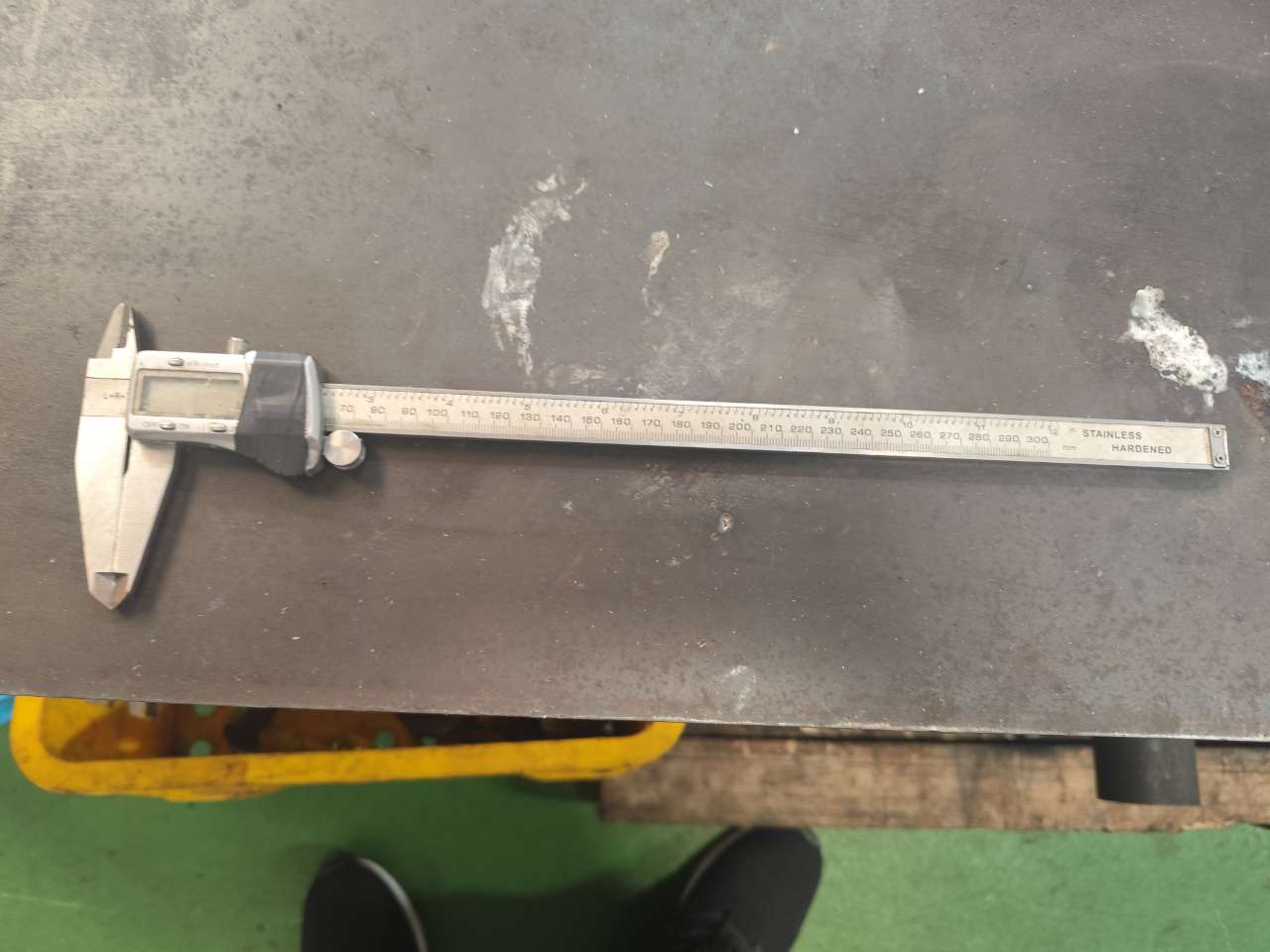
Understanding the Tolerance Divide
The quality question is not binary. It depends entirely on what your part demands. Here is a practical breakdown:
| Tolerance Range | Vietnam Capability | China Capability | Recommendation |
|---|---|---|---|
| ±0.1 mm and wider | Fully capable | Fully capable | Either country |
| ±0.05 mm | Capable with QC process | Fully capable | Vietnam viable |
| ±0.02 mm | Limited availability | Widely available | Prefer China |
| Below ±0.02 mm | Not recommended | Available (specialized) | China only |
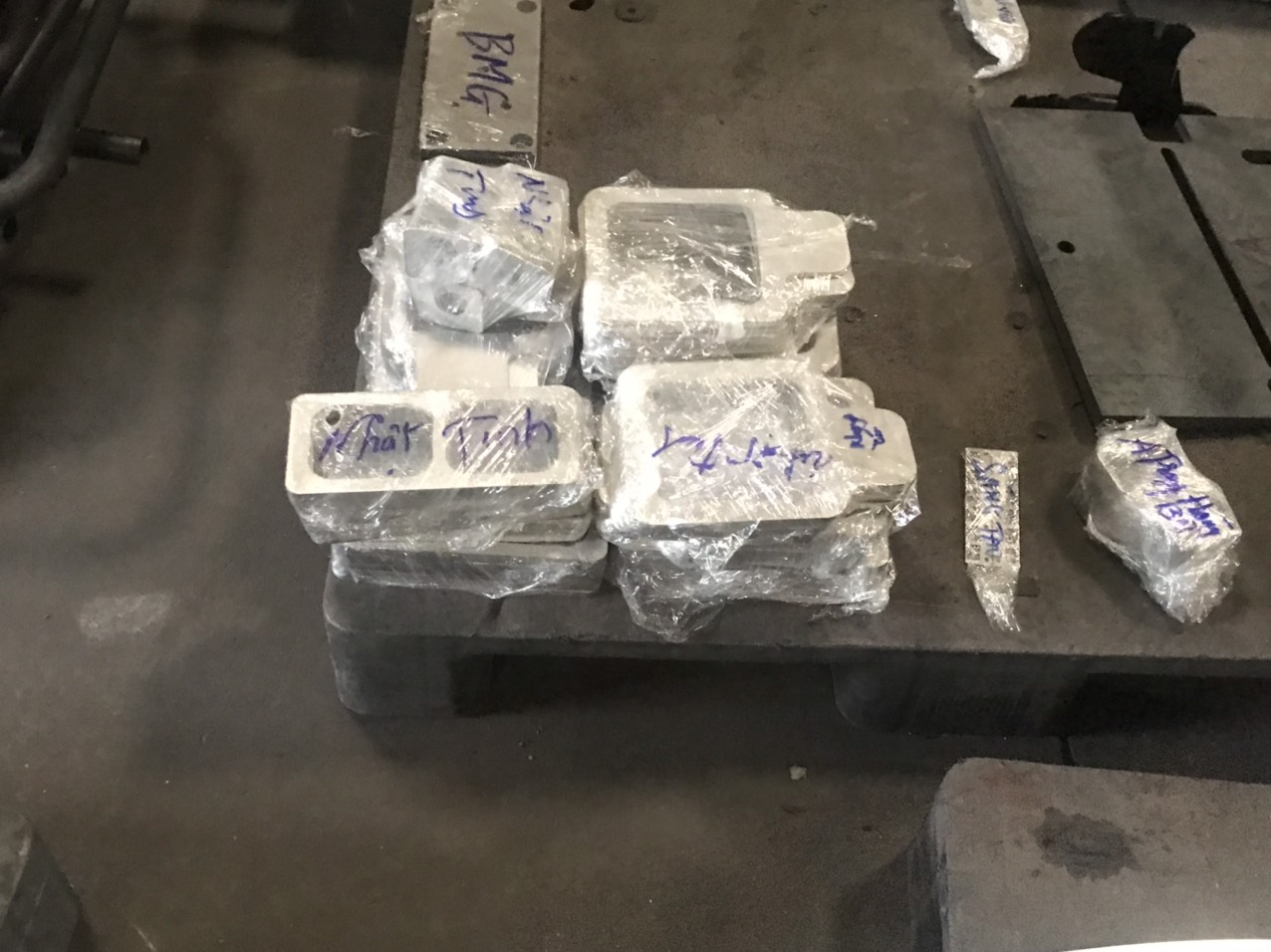
For the types of parts shown in the product images — mounting brackets with pre-drilled holes, angular bends, and weld joints — tolerances of ±0.05 mm to ±0.1 mm are typical. These are squarely within Vietnam's capability range.
Certifications and Quality Systems
Five years ago, the concern about Vietnamese quality was legitimate. Today, it is outdated. Leading Vietnamese sheet metal fabricators hold ISO 9001 7, IATF 16949 (automotive), and even AS9100 (aerospace) certifications. Our Vietnam office conducts supplier audits using the same PPAP (Production Part Approval Process) documentation 8 and inspection protocols we use in China. The inspection checklists, dimensional reports, and material certificates look identical.
That said, consistency matters more than capability. A Vietnamese supplier can hit a tight tolerance on a sample run but struggle at volume if their process control is weak. This is where having a local team — like the seven people we have on the ground in Vietnam — makes a critical difference. We run first-article inspections, in-process checks, and final inspections before any shipment leaves the factory floor.
When China Is the Non-Negotiable Choice
If your sheet metal part requires multi-axis CNC machining after forming, or if it uses aerospace-grade alloys like Inconel or titanium, China's manufacturing depth is unmatched. The machine parks are larger, the operator experience is deeper, and the material supply chain is local. For these projects, moving to Vietnam would compromise quality without saving meaningful cost, because machine time — not labor — dominates the expense.
The "Right First Time" Factor
One pain point I hear constantly from US purchasing managers: rework. Suppliers who do not read drawings carefully, who skip critical dimensions, or who lack strict quality control end up costing more in rework and returns than they save on unit price. This is not a country-specific problem. It is a supplier-specific problem. We have seen excellent and poor quality in both China and Vietnam. The difference is the QC process wrapped around the supplier, not the country of origin.
How will moving my sheet metal production to Vietnam affect my lead times and supply chain reliability?
The logistics question came up during a recent project review with a client shipping powder-coated steel brackets to a distribution center in California. He assumed Vietnam would add weeks to his delivery schedule. The actual difference was four days on the water.
Moving sheet metal production to Vietnam adds roughly 4 days of ocean transit time compared to China (14–18 days vs. 10–14 days to the US West Coast). However, Vietnam offers improved supply chain resilience through geopolitical diversification, trade agreements like CPTPP and EVFTA, and government tax incentives that offset the minor logistics penalty.
Transit Time: A Closer Look
The shipping time difference between Ho Chi Minh City and Shanghai to the US West Coast is smaller than most buyers expect. Here is a comparison:
| Route | Transit Time | Frequency of Sailings |
|---|---|---|
| Shanghai → Los Angeles | 10–14 days | Daily |
| Ho Chi Minh City → Los Angeles | 14–18 days | 4–6 per week |
| Shanghai → Rotterdam | 25–30 days | Daily |
| Ho Chi Minh City → Rotterdam | 22–28 days | 3–5 per week |
For European-bound goods, Vietnam is actually closer. The Ho Chi Minh City–Rotterdam route can be shorter than Shanghai–Rotterdam by 2–3 days, depending on the carrier and routing.
Production Lead Times: The Real Variable
Ocean transit is only part of the lead time equation. Production lead time — the time from order confirmation to shipment — depends on factory capacity, material availability, and process complexity. In China, a well-run sheet metal factory can start production within 5–7 days of order confirmation because raw materials are locally available. In Vietnam, if the project requires imported steel or aluminum (especially from China), add 7–14 days for material procurement.
This is why raw material sourcing strategy matters. For high-volume programs, we advise clients to pre-position material in Vietnam — buying in bulk and warehousing it near the factory. This eliminates the material lead time penalty entirely and locks in material pricing.
Supply Chain Resilience: The Strategic Argument
The 2020–2022 period taught every purchasing manager a hard lesson about single-source risk. Concentrating all production in China created bottlenecks during COVID lockdowns, port congestion, and trade disputes. Diversifying to Vietnam is not just a cost play — it is a risk mitigation strategy.
Vietnam benefits from multiple trade agreements — CPTPP 9, EVFTA, RCEP — that provide preferential tariff treatment across a wide range of export markets. The Vietnamese government also offers substantial tax incentives: a four-year corporate tax exemption and a 50% reduction for the following nine years for qualifying foreign-invested manufacturing operations. These incentives lower the long-term overhead for fabricators operating in Vietnam, and those savings flow down to buyers.
The Dual-Sourcing Model
The smartest approach is not "Vietnam or China." It is "Vietnam and China." Our recommendation for most clients is a dual-sourcing model:
- China handles high-precision components, material-heavy parts, and items requiring exotic alloys or tight tolerances below ±0.02 mm.
- Vietnam handles labor-intensive fabrication, assembly, and standard sheet metal parts destined for the US market.
This model minimizes tariffs on US-bound goods, maintains quality on complex components, and builds supply chain resilience against disruption in either country.
What are the hidden costs I should consider when evaluating payment terms and financial risks in these two regions?
During a contract negotiation last year, a client realized that the "cheaper" Chinese supplier required 100% payment before shipment — while our team offered 60-day open account terms. The cash flow impact of that difference was worth more than the 5% unit price gap.
Hidden costs include currency exchange rate fluctuations (VND and CNY vs. USD), payment term structures (prepayment vs. open account), intellectual property protection risks, quality failure costs (rework, returns, air freight for replacements), communication overhead, and ESG compliance costs that may increase as regulations tighten in both regions.
Payment Terms: Cash Flow Is Cost
Many Chinese suppliers, especially smaller fabricators, require 30% deposit with order and 70% before shipment (T/T in advance). Some require full prepayment for new customers. This ties up working capital for 60–90 days before you even receive goods.
In contrast, established supply chain partners — including our own operation — can offer 60–90 day open account terms to qualified buyers. This means you receive goods, inspect them, and sell them before payment is due. For a purchasing manager managing cash flow across multiple projects, this is not a minor perk. It is a structural financial advantage.
Currency Risk
The Vietnamese Dong (VND) has been relatively stable against the USD in recent years, depreciating gradually and predictably. The Chinese Yuan (CNY) has shown more volatility, particularly during periods of trade tension. For long-term contracts, currency hedging is advisable in both cases, but the VND's stability reduces the urgency.
| Financial Factor | China | Vietnam |
|---|---|---|
| Typical payment terms | 30/70 T/T or L/C | T/T, some open account available |
| Currency volatility (vs. USD) | Moderate (CNY) | Low (VND) |
| IP protection risk | Moderate–High | Low–Moderate |
| Cost of quality failure | High (rework + air freight) | High (rework + air freight) |
| Communication overhead | Low (large English-speaking talent pool) | Moderate (growing but smaller) |
| ESG compliance trajectory | Tightening rapidly | Developing |
Intellectual Property Risk
China's IP protection has improved, but concerns remain — especially for proprietary designs or patented products. Vietnamese IP risk is generally lower, partly because the manufacturing ecosystem is less likely to produce competing products from copied designs. That said, neither country offers the legal protections of the US or EU. Non-disclosure agreements, controlled drawing distribution, and supplier relationship management are essential in both locations.
The Cost of Getting It Wrong
The most expensive hidden cost is quality failure. A batch of non-conforming brackets does not just cost the unit price. It costs return freight, air-shipped replacements, production line downtime at your customer's facility, and potentially a lost account. This is why we invest heavily in process control — PPAP documentation, first-article inspection, in-process dimensional checks, and 100% final inspection — regardless of whether the part is made in Vietnam or China.
Communication overhead is another real cost. Time zone differences, language barriers, and cultural misunderstandings can slow projects and introduce errors. Having a local team in both countries — as we do with 7 staff in Vietnam and 21 in China — reduces this friction dramatically. The cost of that local presence is built into our service model, not passed as a surprise line item.
ESG and Future Regulatory Costs
Environmental, social, and governance (ESG) compliance 10 is an emerging cost factor. European buyers in particular are increasingly requiring supply chain transparency, carbon footprint data, and ethical labor certifications. Both China and Vietnam are tightening environmental regulations. Factories that invest in compliance now will have lower costs of adaptation later. Factories that ignore ESG will face sudden cost spikes when regulations catch up. This is a cost that does not appear on today's quote but will appear on tomorrow's.
Conclusion
Comparing Vietnam vs. China sheet metal fabrication cost-effectiveness requires looking beyond unit price. Calculate total landed cost, match part complexity to country capability, and consider a dual-sourcing strategy to optimize cost, quality, and supply chain resilience for your specific project.
Frequently Asked Questions
How do I calculate the total landed cost difference between Vietnam and China for my sheet metal project?
One lesson I learned early when helping US clients source custom parts from Asia: the unit price on a quote sheet tells you almost nothing. The real number — the one your CFO cares about — is the total landed cost, and it includes at least five cost layers most buyers underestimate.
Can I expect the same level of precision and quality control from a Vietnamese sheet metal supplier compared to China?
A buyer I work with in the Midwest once told me he would never move production out of China because "nobody else can hold the tolerances." I asked him what tolerances his brackets actually required. The answer was ±0.1 mm. That is well within what our Vietnam facility delivers every day.
How will moving my sheet metal production to Vietnam affect my lead times and supply chain reliability?
The logistics question came up during a recent project review with a client shipping powder-coated steel brackets to a distribution center in California. He assumed Vietnam would add weeks to his delivery schedule. The actual difference was four days on the water.
Footnotes
1. Describes the global quality management system standard specific to the automotive sector. ↩︎
2. Defines total landed cost and its key components for accurate financial assessment. ↩︎
3. Explains various techniques involved in transforming flat metal sheets into products. ↩︎
4. Describes specialized metal alloys known for high resistance to extreme conditions. ↩︎
5. Provides official information on Section 301 tariffs imposed by the U.S. Trade Representative. ↩︎
6. Explains the purpose of a Certificate of Origin Form B for proving Vietnamese origin. ↩︎
7. Details the internationally recognized standard for quality management systems. ↩︎
8. Outlines the standardized process for approving production parts in manufacturing. ↩︎
9. Provides official information on the Comprehensive and Progressive Agreement for Trans-Pacific Partnership. ↩︎
10. Defines adherence to environmental, social, and governance standards in business. ↩︎