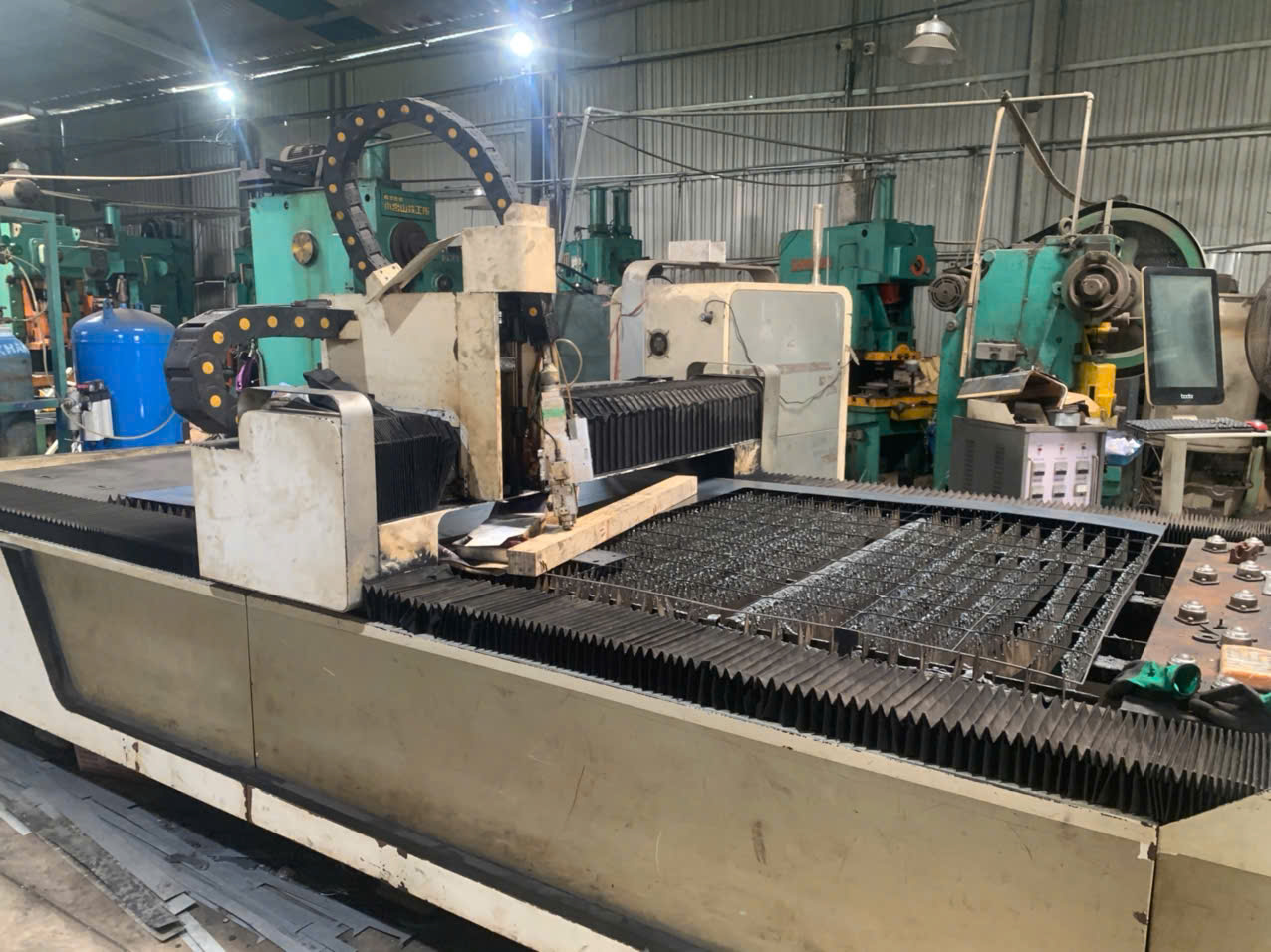
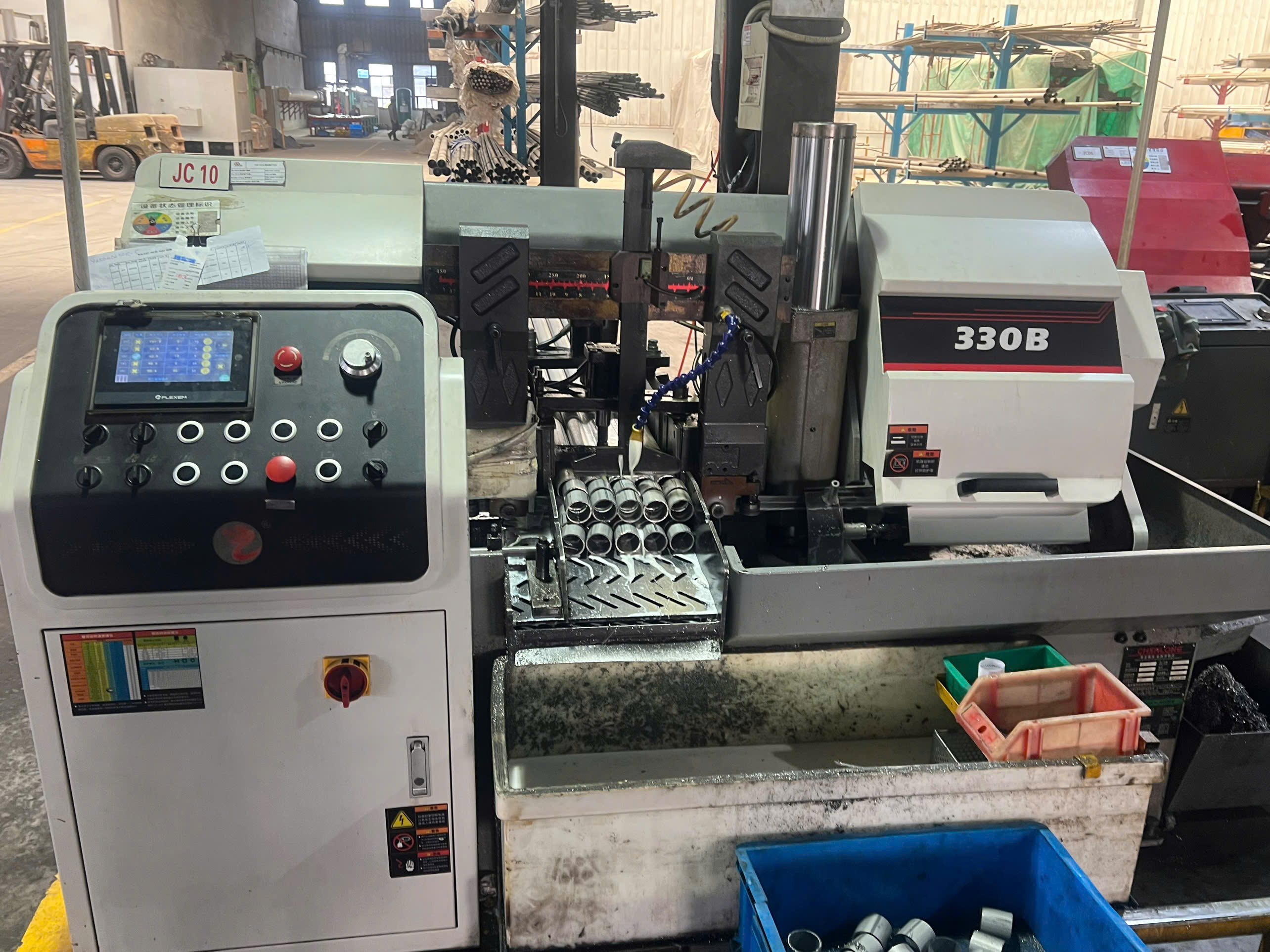
Choosing the wrong cutting method for sheet metal fabrication 1 can cost you thousands in rework, delays, and scrapped parts.
To compare laser, plasma, and waterjet cutting for sheet metal fabrication, evaluate each process against your material thickness, tolerance requirements, cut quality, production volume, and budget—then match those needs to a supplier whose CNC cutting technology and quality controls align with your project specifications.
I have helped U.S. clients source custom sheet metal parts from suppliers across Asia for years. The cutting method question comes up in nearly every project. The answer is never one-size-fits-all. It depends on your part geometry, your material, and how tight your delivery window is. Let me walk you through the key factors so you can make a confident sourcing decision.
How do I determine which cutting method provides the tightest tolerances for my custom sheet metal parts?
A client recently sent us a drawing for a precision-engineered mounting bracket with irregular cutouts and multiple pilot holes—tolerances were called out at ±0.1 mm. That single spec narrowed the cutting method options immediately.
Fiber laser cutting delivers the tightest tolerances for custom sheet metal parts, achieving slit widths as narrow as 0.15 mm with minimal heat distortion. Waterjet follows at around 0.5 mm accuracy, while plasma cutting is the least precise but remains acceptable for thicker structural parts.
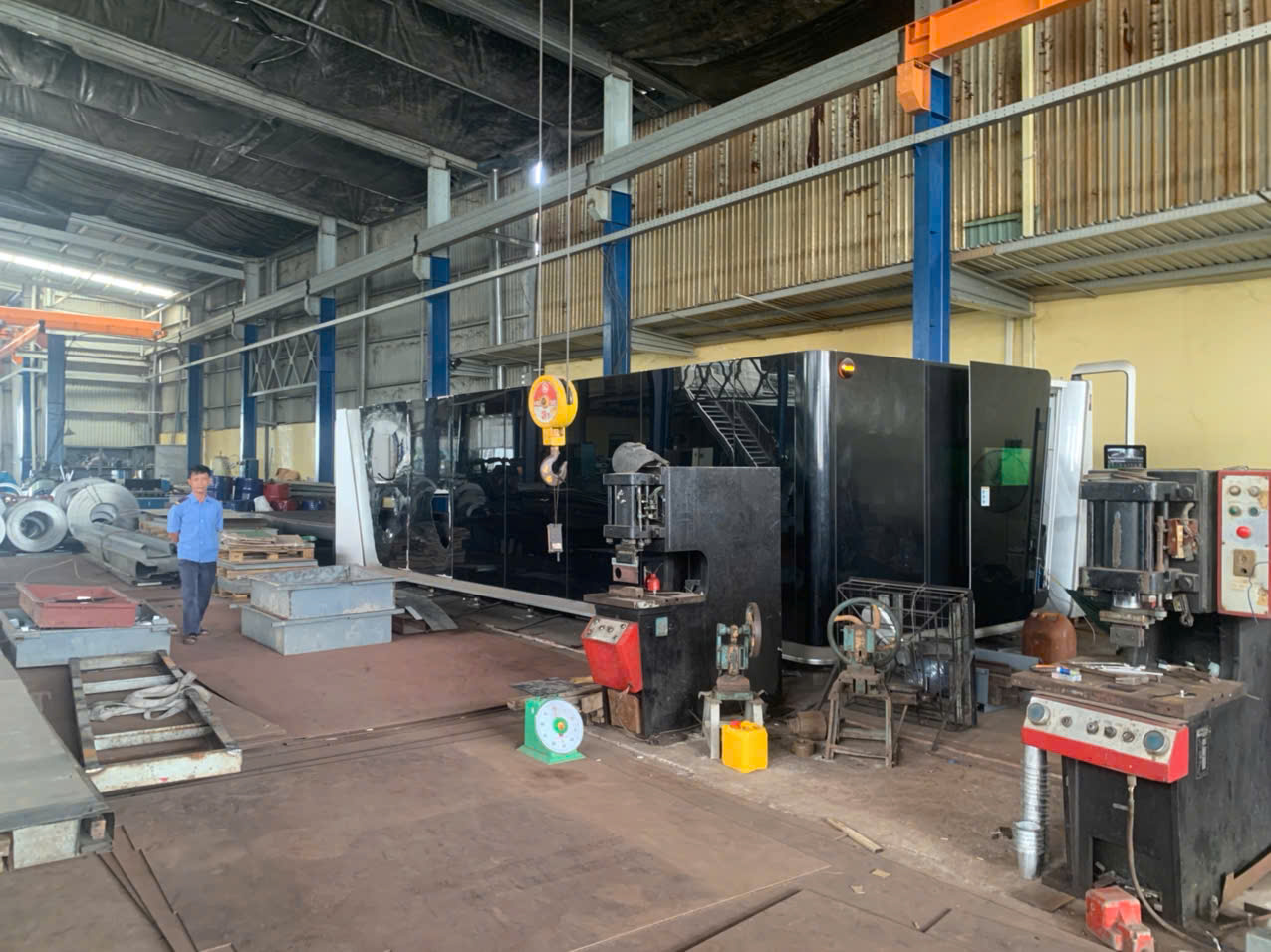
Why Precision Varies by Process
Each cutting method uses a fundamentally different mechanism to separate material. A fiber laser 2 focuses a concentrated beam of light to melt or vaporize metal along a very narrow path. An abrasive waterjet 3 uses high-pressure water mixed with garnet particles to erode through the material. Plasma relies on an electrical arc superheating gas into plasma to blow through conductive metal.
The width of the cut (called the kerf) directly affects achievable tolerances. Laser produces the narrowest kerf. Waterjet is wider but still controlled. Plasma creates the widest kerf with more material removal.
Tolerance Comparison Table
| Factor | Laser | Waterjet | Plasma |
|---|---|---|---|
| Typical Tolerance | ±0.1 mm | ±0.5 mm | ±1.0–1.5 mm |
| Kerf Width | ~0.15 mm | ~0.5–1.0 mm | ~1.5–3.0 mm |
| Edge Quality | Smooth, minimal burr | Smooth, slight taper | Rougher, dross possible |
| Heat Affected Zone 4 | Small | None | Large |
| Best For | Thin to medium gauge, intricate geometry | Heat-sensitive materials, mixed materials | Thick conductive metals, structural parts |
What This Means for Sourcing
When you review a supplier's cutting capabilities, ask about their machine's positioning accuracy and repeatability—not just the cutting method. A well-maintained CNC laser with proper calibration will hit tighter numbers than a neglected one. In our experience coordinating supplier audits across Vietnam and other Asian manufacturing hubs, we often find that the operator's skill and the machine's maintenance schedule matter as much as the technology itself.
If your drawing calls for tolerances tighter than ±0.5 mm on thin steel or aluminum, laser is almost always the right call. If you need zero heat affected zone—say, for a titanium aerospace component—waterjet wins despite being slightly less precise than laser. And if your part is a thick structural bracket where ±1 mm is fine, plasma gets the job done faster and cheaper.
One common mistake I see buyers make: they specify tolerances tighter than their application actually requires, which pushes them toward more expensive cutting methods. Review your functional requirements before locking in specs.
Which cutting process will help me minimize production costs without compromising the quality of my order?
Last quarter, we helped a U.S. distributor re-evaluate their sourcing approach for a batch of heavy-gauge steel mounting plates. They had been specifying laser cutting for 12 mm steel. Switching to plasma saved them over 30% on unit cost with no impact on functional quality.
Plasma cutting offers the lowest production costs for thick conductive metals, with operating expenses roughly 50% less per cut foot than waterjet. Laser cutting is most cost-effective for thin to medium gauges due to its speed and minimal post-processing. Waterjet has the highest operating costs but eliminates secondary finishing on heat-sensitive parts.
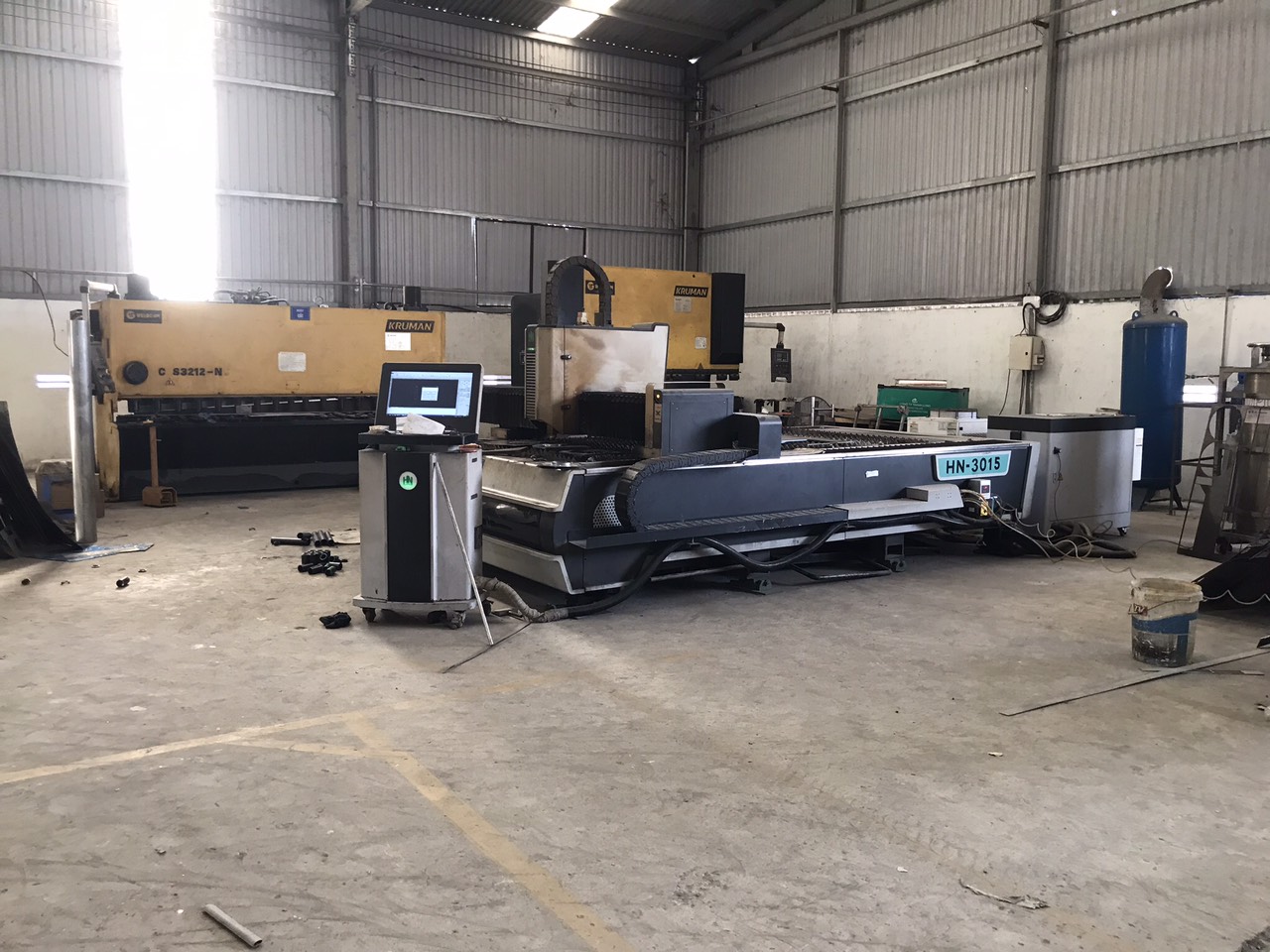
Breaking Down the Real Costs
Cost in sheet metal fabrication is not just about the per-part cutting charge. You need to think about the total landed cost 5: cutting, secondary finishing, scrap rate, rework, and delivery timeline. A cheaper cut that requires heavy deburring or causes warping may end up costing more overall. For a deeper dive into how these expenses break down, see our guide on the key components of sheet metal fabrication costs.
System and Operating Cost Comparison
| Cost Factor | Laser | Plasma | Waterjet |
|---|---|---|---|
| Typical System Cost | Highest (~$300K+) | Lowest (~$90K) | Mid-range (~$195K) |
| Operating Cost per Foot | Moderate | Low | Highest (abrasives + water) |
| Consumables | Assist gas, lenses | Electrodes, nozzles, gas | Garnet abrasive, nozzles, water treatment |
| Energy Consumption | Moderate | High (>2× waterjet) | Lower per unit |
| Post-Processing Needed | Minimal | Often significant (dross removal, grinding) | Minimal |
| Scrap Rate | Low | Moderate | Low |
How to Think About Cost as a Buyer
Here is the trade-off I walk clients through regularly. Plasma is fast—up to 200 inches per minute on steel—and the equipment is affordable. But plasma leaves a larger heat affected zone and often produces dross that requires grinding 6. If your parts need a clean edge or go straight to powder coating, you may spend the savings on secondary operations.
Laser is the sweet spot for production volume runs of thin to medium material. Cutting speed ranges from 20 to 70 inches per minute, and the edge comes off clean. You skip the deburring step. For high-volume orders of parts under 6 mm thick, laser almost always wins on total cost.
Waterjet is the slowest method—typically 1 to 20 inches per minute. The abrasive garnet adds significant operating costs. But waterjet produces a finished edge with no thermal distortion. For materials like stainless steel, titanium, or composites where heat damage is unacceptable, waterjet saves money by eliminating heat-treatment correction or part rejection.
When evaluating a supplier's quote, ask them to break out the cutting cost separately from finishing. That transparency helps you compare apples to apples.
How do I know if laser, plasma, or waterjet is the best fit for the specific material thickness I need to source?
During a recent project review call, a buyer asked us whether their 20 mm aluminum plate could be laser cut. The answer was technically yes—with a high-power fiber laser—but the cut quality at that thickness would not meet their surface finish requirements. We recommended waterjet instead.
Material thickness is one of the strongest deciding factors: laser excels on material up to about 25 mm, plasma handles conductive metals up to 150 mm or more, and waterjet cuts metals up to 150 mm and non-metals up to 450 mm—all while maintaining material compatibility across the widest range of substrates.
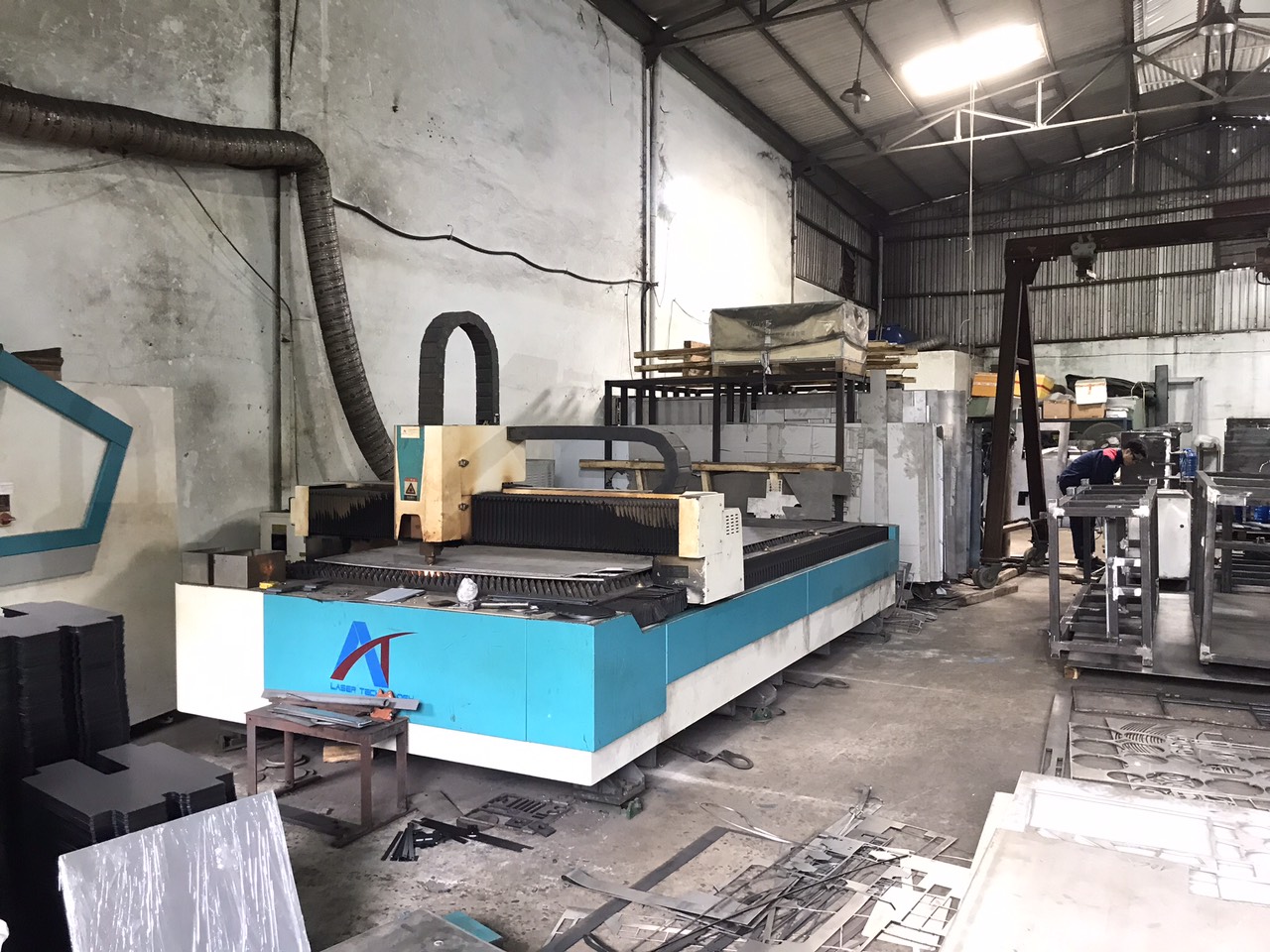
Thickness Capability Overview
| Material Thickness | Laser | Plasma | Waterjet |
|---|---|---|---|
| Thin gauge (< 3 mm) | Excellent — fastest, cleanest | Overkill — heat distortion risk | Good but slow |
| Medium gauge (3–12 mm) | Very good — high cut quality | Good — fast and economical | Good — no HAZ |
| Thick plate (12–25 mm) | Possible with high-power systems, quality drops | Excellent — fast, cost-effective | Excellent — clean edge, no distortion |
| Very thick (25–150 mm) | Not practical | Excellent for conductive metals | Good — slower but versatile |
| Ultra-thick (>150 mm) | No | Limited | Possible for non-metals (up to 450+ mm) |
Material Compatibility Matters Too
Thickness is only half the equation. You also need to consider what you are cutting.
Plasma only works on electrically conductive metals 7—steel, stainless, aluminum, copper. If your project involves rubber gaskets, composite panels, or granite, plasma is off the table entirely.
Laser handles most metals well. Modern fiber laser systems cut carbon steel, stainless steel, and aluminum efficiently. Some lasers also cut thin plastics and wood, but reflective metals like copper and brass require specific laser configurations. Understanding how to evaluate laser cutting power for material thickness is critical when sourcing parts across different gauge ranges.
Waterjet cuts virtually anything. Metals, composites, plastics, glass, stone, rubber—material compatibility is its greatest strength. The cold-cut process means no heat affected zone, no micro-cracking, and no change in material properties at the edge.
A Practical Decision Path
Here is how I guide our clients step by step:
- Identify your material. If it is non-conductive or heat-sensitive, waterjet is likely your best option.
- Check the thickness. Under 12 mm steel or aluminum? Laser will give you the best combination of speed, cut quality, and cost. Over 12 mm conductive metal? Plasma or waterjet.
- Define your edge requirements. If you need a finished edge with no secondary operations, waterjet or laser. If you can tolerate some grinding, plasma opens up.
- Consider production volume. High-volume thin parts favor laser's speed. Low-volume thick parts may justify waterjet's slower pace.
Many advanced fabrication shops today use hybrid workflows. They run laser for thin parts and plasma or waterjet for thicker sections within the same project. When we audit suppliers, we look for this kind of flexibility because it means they can optimize each part individually rather than forcing everything through one process. To understand these processing differences more fully, explore how thin and thick plate processing differ in sheet metal fabrication.
What should I look for in a supplier's cutting capabilities to ensure my project stays on schedule and meets QC standards?
One lesson I learned early in this business: a supplier can own the right machine and still deliver bad parts. The difference between a reliable fabrication partner and a headache-inducing one comes down to process control, communication, and accountability.
When evaluating a supplier's cutting capabilities, verify their CNC cutting technology and machine maintenance records, review their quality control process documentation (including PPAP and first-article inspection), confirm their capacity against your production volume and timeline, and assess their track record for on-time delivery and proactive communication.
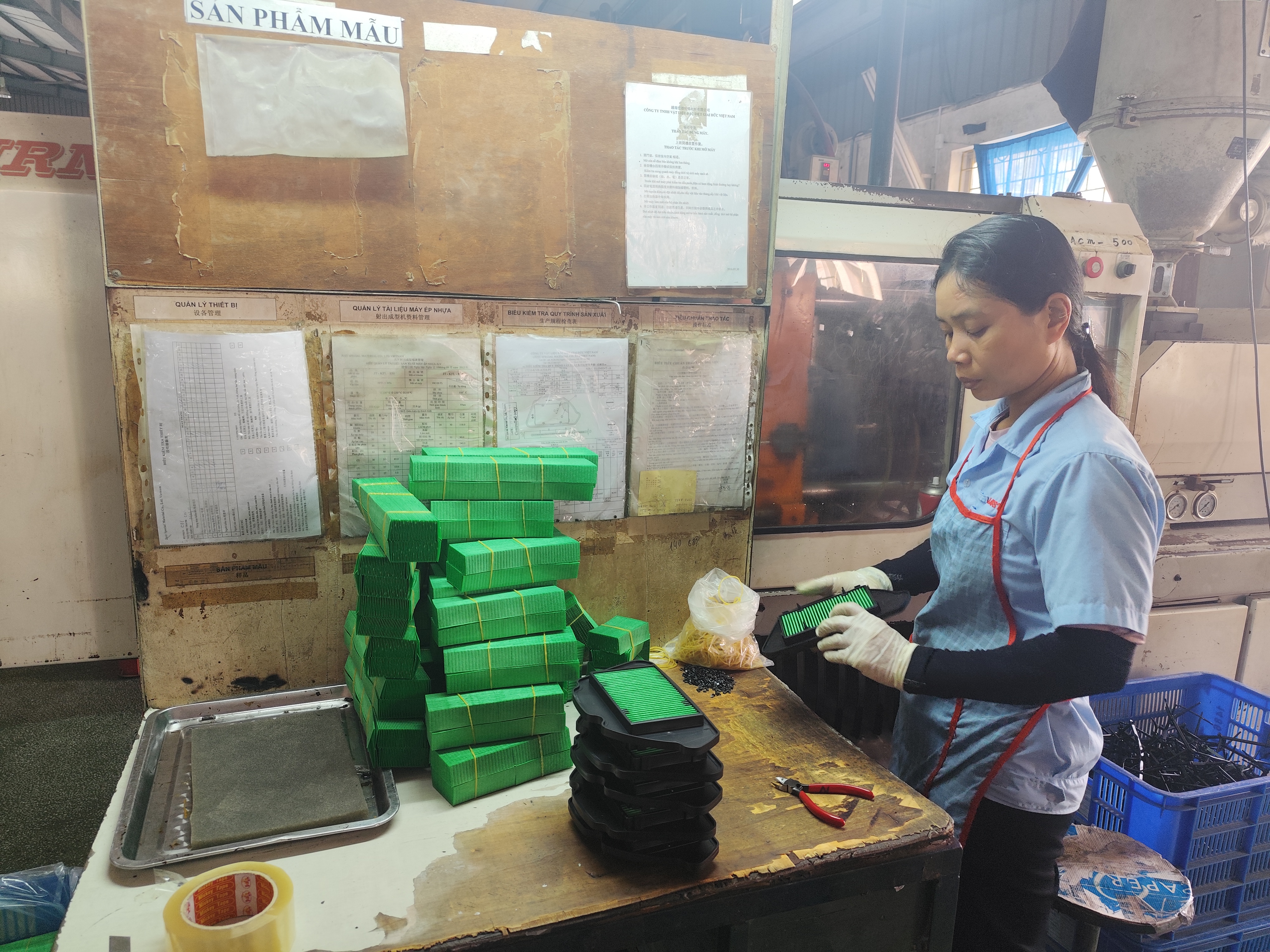
Key Capability Checks
Not all suppliers communicate their capabilities clearly. Here is what to dig into:
Machine age and maintenance. A 10-year-old plasma cutter with worn consumables will not hold the tolerances of a new one. Ask when the machine was last calibrated. Ask about preventive maintenance schedules. When our team in Vietnam conducts supplier audits, machine condition is one of the first things we inspect on the shop floor.
Programming and nesting capability. Efficient nesting software 8 reduces material waste and lowers your unit cost. It also affects lead time. A supplier using outdated nesting wastes material and time.
Quality control workflow. Look for documented inspection processes. At minimum, you want first-article inspection with dimensional reporting before full production runs. For critical parts, PPAP (Production Part Approval Process) 9 documentation should be standard. This is one of the core services we provide to our U.S. clients—we manage the PPAP process and final inspection to ensure parts are right the first time.
Cutting Speed and Capacity Planning
Your project timeline depends on the supplier's available capacity and the cutting speed of their equipment. Here is a realistic speed comparison to help you estimate lead times:
| Cutting Method | Typical Speed (inches per minute) | Best Use Case for Speed |
|---|---|---|
| Plasma | 60–200 ipm | Large batches of thick steel plates |
| Laser | 20–70 ipm | High-volume thin to medium gauge parts |
| Waterjet | 1–20 ipm | Low-to-mid volume, precision or heat-sensitive parts |
If your order involves 500 thick steel brackets, a supplier with only waterjet capacity may take weeks longer than one with plasma. Conversely, if you need 50 intricate stainless steel covers at 2 mm thick, a fiber laser shop will turn those around fastest.
Environmental and Safety Considerations
This factor often gets overlooked in sourcing, but it affects supplier reliability. Waterjet cutting produces no hazardous fumes—just water and spent abrasive that needs proper disposal. Laser and plasma generate fumes that require ventilation systems. A shop without proper fume extraction will eventually face shutdowns or regulatory issues, which means delays for you.
Noise levels also indicate shop conditions. Laser operates at roughly 75 dB, waterjet at about 90 dB, and plasma is similarly loud. These are not your problem directly, but a shop that manages these factors well is usually a shop that manages quality well too.
Red Flags to Watch For
- No documented inspection process or refusal to share quality records.
- Inability to specify the make, model, or age of their cutting equipment.
- No experience with your specific material or thickness range.
- Vague lead time commitments without capacity justification.
- No willingness to do a first-article sample run.
Our approach is to perform on-site audits before placing any production order. We check machine capability, review past quality records, interview operators, and verify that the shop's capacity matches the order requirements. This is especially important when sourcing from new suppliers in regions like Vietnam, where the manufacturing base is growing rapidly but quality systems vary widely.
Conclusion
Comparing laser, plasma, and waterjet cutting starts with your material, thickness, tolerance requirements, and budget—then extends to your supplier's process controls and delivery reliability. Match the right cutting method to each part, and partner with a fabrication source that proves their quality systems on the shop floor.
Frequently Asked Questions
How do I determine which cutting method provides the tightest tolerances for my custom sheet metal parts?
A client recently sent us a drawing for a precision-engineered mounting bracket with irregular cutouts and multiple pilot holes—tolerances were called out at ±0.1 mm. That single spec narrowed the cutting method options immediately.
Which cutting process will help me minimize production costs without compromising the quality of my order?
Last quarter, we helped a U.S. distributor re-evaluate their sourcing approach for a batch of heavy-gauge steel mounting plates. They had been specifying laser cutting for 12 mm steel. Switching to plasma saved them over 30% on unit cost with no impact on functional quality.
How do I know if laser, plasma, or waterjet is the best fit for the specific material thickness I need to source?
During a recent project review call, a buyer asked us whether their 20 mm aluminum plate could be laser cut. The answer was technically yes—with a high-power fiber laser—but the cut quality at that thickness would not meet their surface finish requirements. We recommended waterjet instead.
Footnotes
1. Explains the process of transforming flat metal sheets into specific shapes. ↩︎
2. Provides a comprehensive overview of fiber laser technology and its operation. ↩︎
3. Details the mechanism and components of abrasive waterjet cutting, comparing it to pure waterjet. ↩︎
4. Replaced HTTP 404 link with an authoritative Wikipedia page providing a comprehensive definition of the heat-affected zone. ↩︎
5. Defines the comprehensive cost calculation in manufacturing and sourcing, including all expenses. ↩︎
6. Describes dross as a common byproduct of plasma cutting and the need for post-processing. ↩︎
7. Clarifies the material requirements for plasma cutting technology by listing conductive metals. ↩︎
8. Describes software used to optimize material utilization and reduce waste in cutting operations. ↩︎
9. Explains a critical quality control process used to ensure consistent part production. ↩︎