
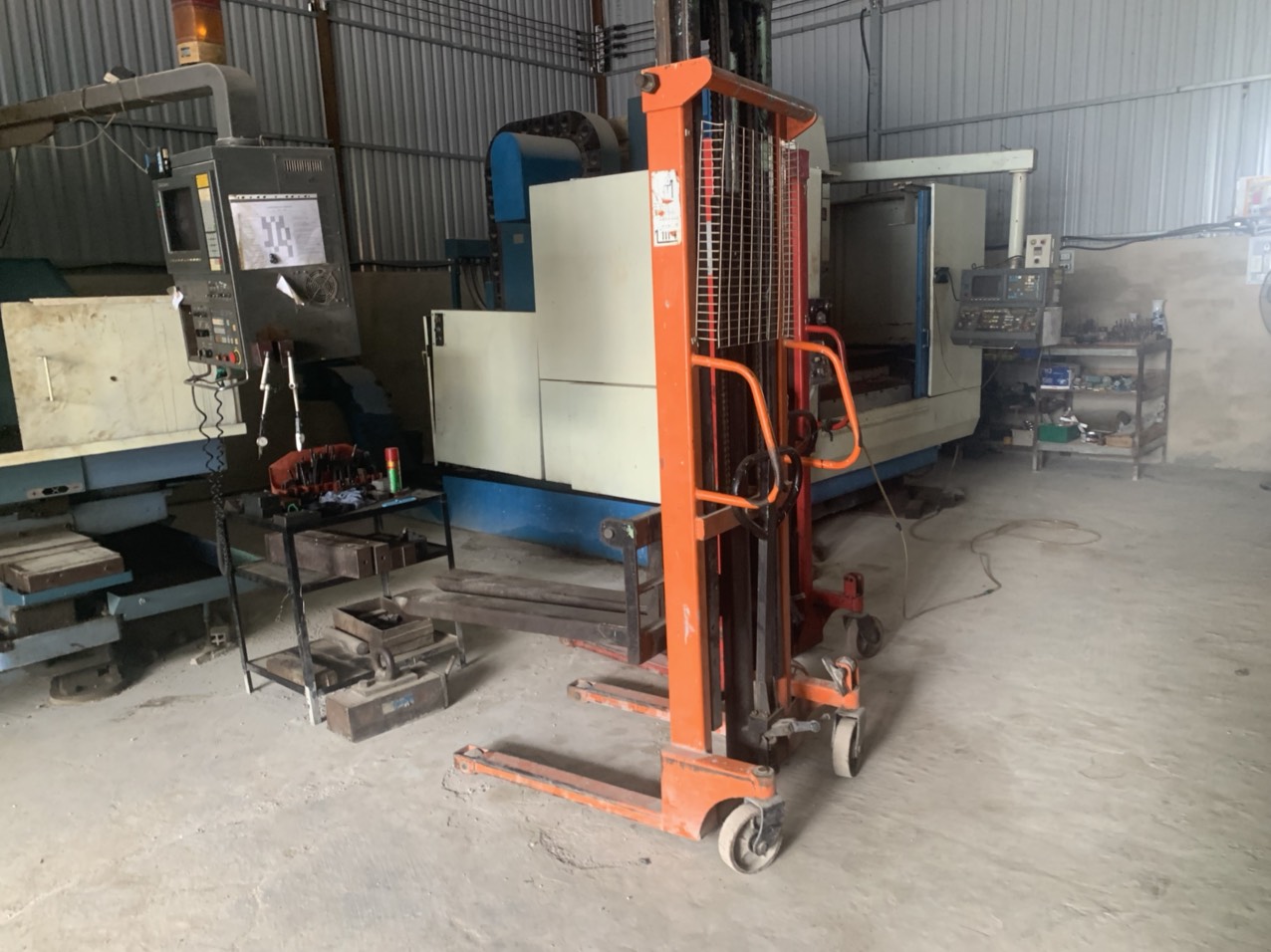
When we first started handling large sheet metal parts over 2 meters for U.S. clients, the biggest headache wasn’t finding suppliers — it was confirming they could actually deliver what they promised.
To confirm a supplier can process large sheet metal parts over 2 meters, verify their laser cutting bed size exceeds 2.5 meters, check press brake bed length and tonnage requirements for bending, audit their material handling infrastructure, and validate quality control with a pilot project before committing to production.
Many buyers learn this lesson the hard way. A supplier claims they handle oversized parts, but halfway through production, you discover their equipment falls short overhead bridge cranes 1. The part gets welded from two pieces instead of cut from one sheet. Tolerances drift. Delivery slips. Below, I’ll walk you through exactly what to check — and how to check it — so you avoid these costly mistakes.
What Equipment Capacity Do I Need to Verify Before Choosing a Sheet Metal Supplier?
A few months ago, a client sent us drawings for a 2.2-meter enclosure panel and asked us to find a supplier in Vietnam. The first shop we audited had a laser cutter with a 1.5m × 3m bed — technically long enough, but too narrow for the part's width. That single oversight would have forced a redesign.
Before choosing a sheet metal supplier for parts over 2 meters, verify the fiber laser cutting capacity or waterjet bed dimensions, confirm the press brake bed length exceeds your part size by at least 500mm, and check that tonnage requirements for bending match your material thickness and bend radius.
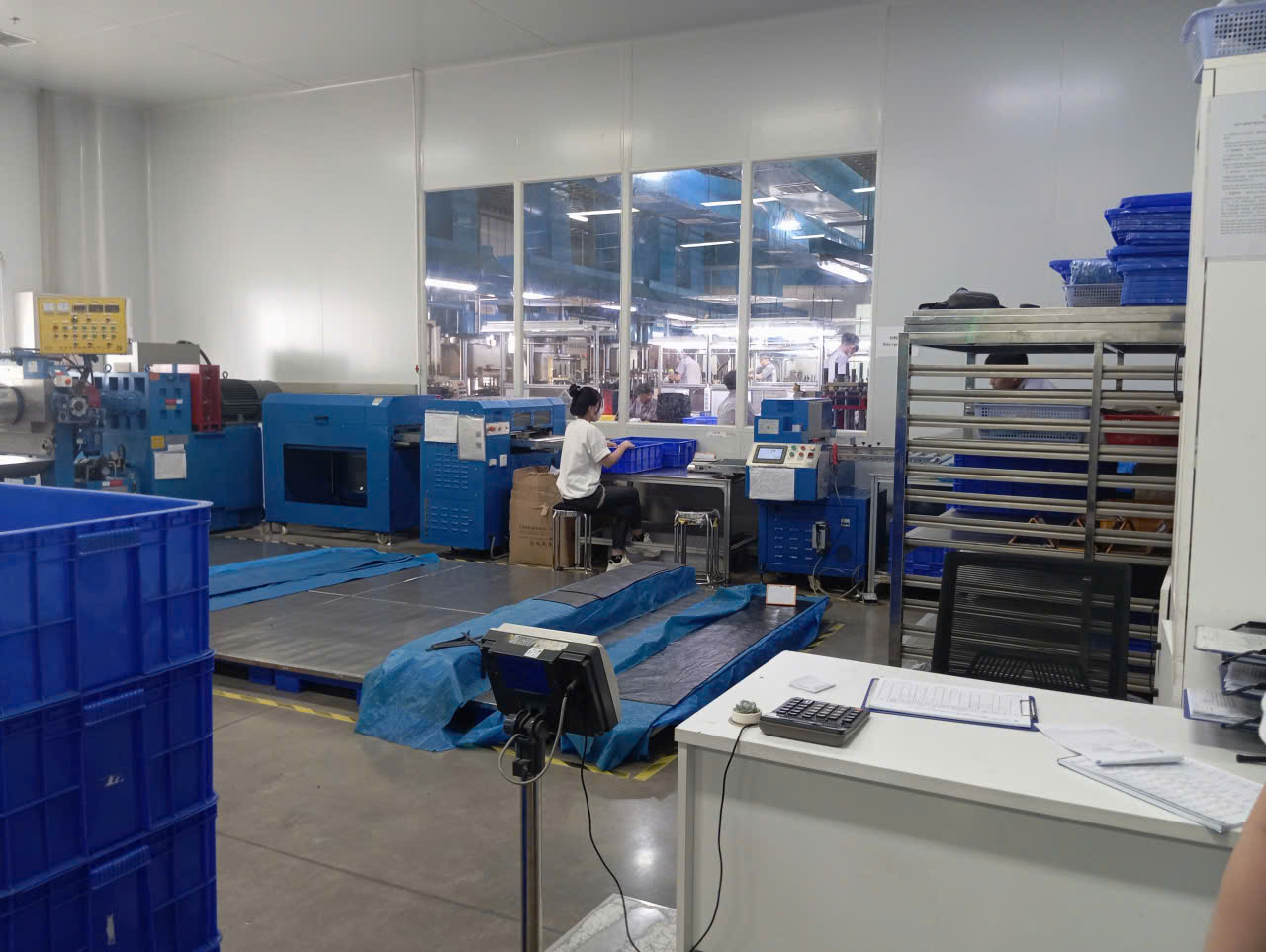
Cutting Equipment: Bed Size Is Everything
The most critical spec is the cutting bed dimension. Standard sheet metal shops often run laser beds at 1500mm × 3000mm. That's fine for most parts, but a 2-meter-wide component won't fit. You need a supplier with a fiber laser 2 cutting capacity of at least 2000mm × 4000mm — and ideally 2000mm × 6000mm for nesting efficiency.
Don't just ask "Can you cut 2-meter parts?" Ask for the exact bed dimensions. A bed that's 2000mm wide still needs clamping space and lead-in clearance, so a 2500mm minimum in the critical dimension is safer.
Press Brake: Length and Tonnage
Bending a 2-meter part requires a press brake bed length 3 of at least 2.5 meters — preferably 3 meters. The extra length allows for proper die setup and avoids edge deformation. Tonnage matters too. A thin 1.5mm aluminum panel needs far less force than a 6mm steel plate.
Here's a quick reference for typical tonnage requirements for bending based on material and thickness:
| Material | Thickness (mm) | Minimum Tonnage for 2m Bend | Recommended Press Brake Bed Length |
|---|---|---|---|
| Aluminum 5052 | 1.5 | 15–25 tonnes | 2.5 m |
| Mild Steel | 3.0 | 40–55 tonnes | 3.0 m |
| Stainless Steel 304 | 4.0 | 60–80 tonnes | 3.0 m |
| Mild Steel | 6.0 | 80–110 tonnes | 3.5 m |
Gravity-Deflection Compensation
One detail most buyers miss: when a 2-meter sheet overhangs the press brake during bending, gravity pulls the unsupported end down. This causes uneven bends. Advanced suppliers use gravity-deflection compensation software that adjusts the stroke automatically. During our factory audit process, we always ask the operator to demonstrate this feature on a test bend. If they look confused, that's a red flag.
CNC Machining Work Envelope
Some large sheet metal parts also require secondary CNC operations — tapped holes, milled pockets, or precision counterbores. Make sure the supplier's CNC machining work envelope can accommodate the full part. A 2.1-meter panel won't fit on a machine with a 1.5-meter X-axis travel.
How Can I Check a Supplier's Experience with Oversized Sheet Metal Parts?
Last year, we ran a supplier qualification for a U.S. engineering firm that needed large-scale metal fabrication for heavy equipment housings. One candidate had impressive equipment on paper. But when we asked for sample parts, they sent us photos of small brackets. They'd never actually run a 2-meter job.
To check a supplier's experience with oversized sheet metal parts, request a portfolio of completed large-format projects, ask for references from clients with similar requirements, and run a pilot project with a non-critical part before placing a full production order.

Portfolio and Reference Checks
Equipment capability is necessary but not sufficient. A shop can own a 6-meter laser bed and still lack the process knowledge to handle large parts without warping or dimensional drift. I always ask for three things during our evaluation:
- Photos of finished large parts — with a ruler or scale reference visible.
- Inspection reports from previous large-format jobs — showing dimensional tolerance verification across the full 2-meter span.
- A client reference — someone who has received oversized parts from this supplier and can speak to quality and on-time delivery.
Thermal-Balanced Nesting Knowledge
Experienced large-format shops understand heat management. When a fiber laser cuts a large sheet, localized heat buildup causes thermal expansion. On a 2-meter plate, this can bow the entire sheet. Skilled suppliers use thermal-balanced nesting protocols — they sequence cuts across the sheet to distribute heat evenly. Ask the supplier to explain their nesting strategy. If they can't, they likely haven't done much large-format work.
Splitting Strategies and DFM Expertise
Sometimes a part design exceeds the available raw material size. An experienced supplier won't just say "we can't do it." They'll propose Design for Manufacturability 4 feedback — suggesting optimal weld seam locations, recommending material grades that weld cleanly, or adjusting the design to fit a standard master sheet (e.g., 2000mm × 4000mm). This kind of proactive engineering support is what separates a seasoned large-format fabricator from a shop that simply owns big equipment.
| Verification Method | What It Reveals | Reliability Level |
|---|---|---|
| Website capabilities page | Maximum stated part size and equipment list | Low — may be outdated or aspirational |
| Targeted RFQ with specific dimensions | Whether they can quote without hesitation | Medium — tests responsiveness and confidence |
| Portfolio of completed large parts | Actual production experience | High — visual evidence of capability |
| Facility tour (virtual or in-person) | Real equipment, floor space, handling setup | Very High — direct observation |
| Pilot project with non-critical part | Full process validation: quality, delivery, communication | Highest — real-world performance test |
In our experience sourcing from Vietnam and other Asian countries, the pilot project approach has saved clients from major problems multiple times. We typically recommend starting with 10–20 pieces of a non-critical large part. This tests the supplier's entire workflow — from raw material sourcing to final shipping — without risking your main production line.
What Quality Control Steps Should I Confirm for Large-Format Sheet Metal Processing?
One lesson we learned early on: standard QC tools don't work well on 2-meter parts. A buyer once rejected a batch of large panels we sourced because the supplier measured flatness with a 300mm straight edge — completely inadequate for a 2.4-meter surface. That experience reshaped how we audit quality systems.
For large-format sheet metal processing, confirm the supplier uses portable CMM arms or 3D laser scanners for dimensional tolerance verification, has documented inspection procedures for flatness and warping, and holds ISO 9001 quality standards certification to ensure process consistency.

Metrology for Oversized Parts
Standard calipers max out at 300mm. A fixed coordinate measuring machine 5 (CMM) typically handles parts up to 1 meter. For 2-meter parts, you need portable CMM arms 6 with a reach of 2.5 meters or more, or long-range 3D laser scanners. These tools can map the entire part surface and verify dimensional tolerance verification across the full span.
During our factory audit process, we specifically check what measurement tools the supplier has — and whether they actually use them. I've visited shops that owned a portable CMM arm but kept it in a cabinet. The operators relied on tape measures instead. That's a clear sign of poor quality culture.
Flatness and Warping Control
Large sheet metal parts are prone to oil-canning — a visible waviness in flat areas caused by residual stress. Controlling this requires:
- Proper support tables during laser cutting (vacuum beds are ideal).
- Stress-relief processes after cutting and bending.
- Controlled stacking and storage to avoid gravitational sag.
Ask the supplier how they prevent oil-canning. A good answer includes specific techniques. A vague answer like "we check it visually" is not acceptable for parts with tight flatness specs.
ISO 9001 and Industry Certifications
ISO 9001 quality standards certification is the baseline. It ensures the supplier has documented procedures 7, traceability, and corrective action systems. For specific industries, you might also need AS9100 (aerospace) or IATF 16949 8 (automotive). In Singapore, bizSAFE certification is also relevant for workplace safety compliance.
| QC Checkpoint | What to Verify | Why It Matters for 2m+ Parts |
|---|---|---|
| Incoming material inspection | Mill certificates, thickness verification, surface quality | Oversized raw sheets vary more; defects amplify over larger areas |
| In-process dimensional check | Portable CMM or laser scanner measurements after cutting and bending | Catches drift early before downstream operations lock in errors |
| Flatness inspection | Surface deviation across full part span | Oil-canning and warping are far more common and visible on large panels |
| Final inspection | Full dimensional report against drawing, visual inspection | Confirms all tolerances are met before packaging |
| First Article Inspection (FAI) | PPAP-level documentation for first production run | Validates the entire process before mass production begins |
Our team in Vietnam and China performs final inspection on behalf of our clients. For large parts, we bring our own portable measurement tools and cross-check the supplier's reports. This dual-verification approach has caught discrepancies that would have resulted in rejected shipments.
How Do I Evaluate a Supplier's Logistics Capability for Shipping Oversized Sheet Metal Parts?
The first time we shipped a batch of 2.5-meter panels from Asia to the U.S., the parts arrived with permanent kinks along one edge. The supplier had stacked them flat in a standard wooden crate with no internal bracing. Freight handling did the rest. That single shipment cost more in rework than the original production.
To evaluate a supplier's logistics capability for oversized sheet metal parts, confirm they design custom crating with internal A-frame bracing, have overhead crane lifting capacity for safe loading, and can demonstrate previous successful shipments of similarly sized parts without transit damage.
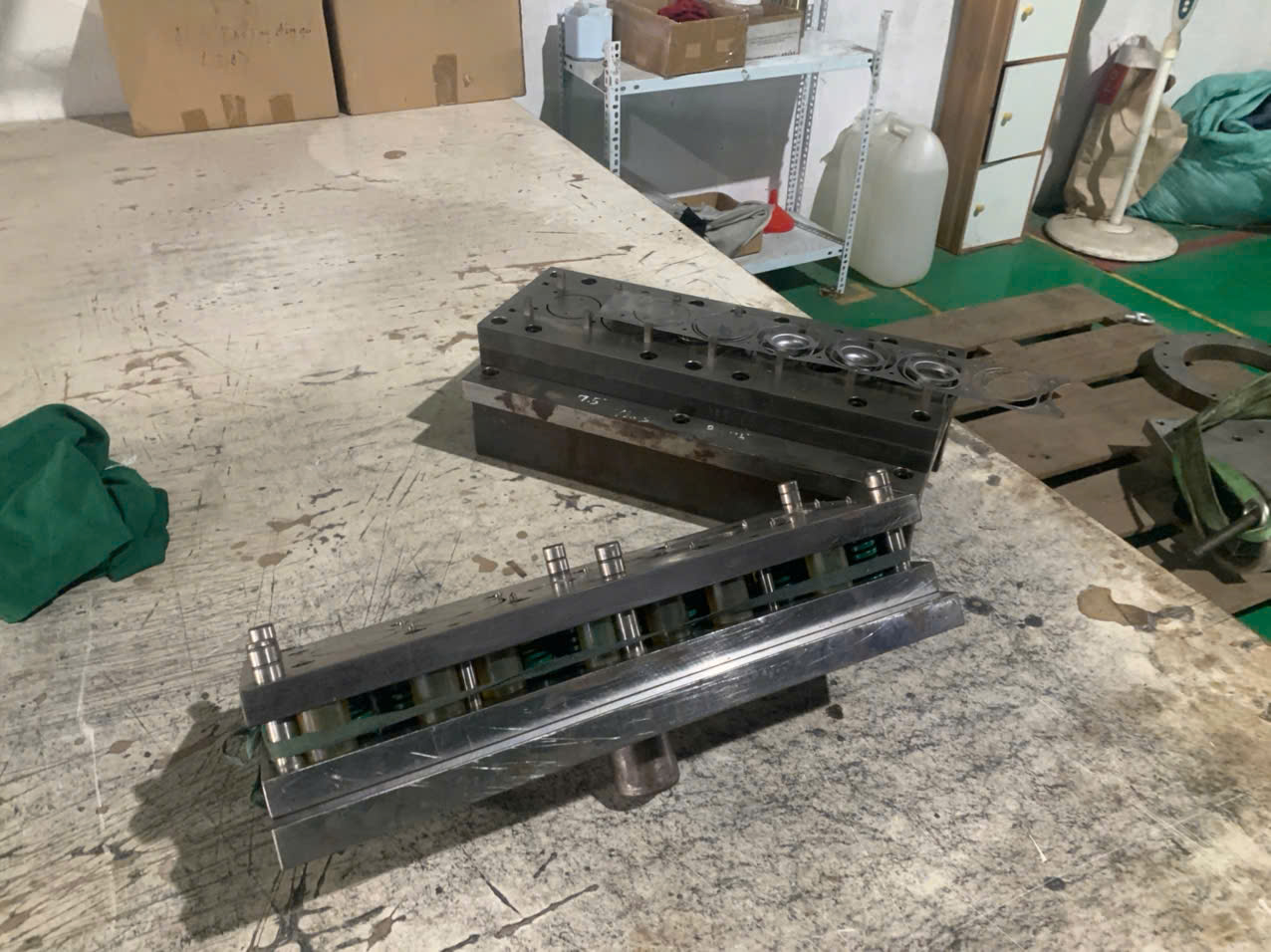
Heavy-Duty Material Handling Inside the Factory
Before a part even leaves the factory, it needs to be moved safely from the cutting table to the bending station, then to inspection, and finally to packaging. For 2-meter parts, this requires heavy-duty material handling infrastructure:
- Overhead bridge cranes with sufficient lifting capacity (typically 2–5 tonnes for sheet metal).
- Vacuum suction lifters to pick up large flat sheets without bending or scratching them.
- Adequate floor space between workstations so parts aren't dragged or forced around tight corners.
During an on-site audit, I walk the entire production flow path. If I see operators manually carrying large sheets or leaning them against walls between operations, I know the shop isn't set up for this kind of work. Overhead crane lifting capacity should be posted visibly on the equipment, and operators should be trained on proper rigging for flat, flexible loads.
Custom Packaging and Crating
Standard packaging fails for oversized parts. Here's what I look for in a supplier's packaging approach:
- A-frame crates that hold panels vertically to prevent gravitational sag during transit.
- Edge protectors and foam padding at all contact points.
- Internal bracing to prevent shifting inside the crate.
- Moisture barrier bags for ocean freight to prevent corrosion.
Ask the supplier to show you photos of how they packaged previous large-format shipments. If they can't produce any, treat it as a gap in their capability.
Raw Material Sourcing for Master Sheets
One often-overlooked logistics factor is the supplier's access to oversized raw materials. Standard sheets are 1500mm × 3000mm. For parts over 2 meters wide, you need master sheets — 2000mm × 4000mm or 2000mm × 6000mm. Not every supplier has direct-from-mill sourcing agreements for these sizes. If they have to buy standard sheets and weld them together, you lose structural integrity and add cost.
Confirm that the supplier stocks or can reliably procure the master sheet sizes your parts require. Ask for their lead time on material procurement and whether they hold safety stock for your specific alloy and thickness.
Modular Welding and Assembly Fixtures
For large sheet metal assemblies that involve welding, look for modular 3D welding tables 9 — systems like Siegmund or Bluco — that allow precise, repeatable jigging of 2-meter components. Custom-built fixtures work too, but they add lead time and cost. A supplier with modular fixturing can set up for your part faster and adjust more easily if the design changes.
Conclusion
Confirming a supplier can process large sheet metal parts over 2 meters requires verifying equipment specs, production experience, quality systems, and logistics capability — not just taking their word for it.
Frequently Asked Questions
What Equipment Capacity Do I Need to Verify Before Choosing a Sheet Metal Supplier?
A few months ago, a client sent us drawings for a 2.2-meter enclosure panel and asked us to find a supplier in Vietnam. The first shop we audited had a laser cutter with a 1.5m × 3m bed — technically long enough, but too narrow for the part's width. That single oversight would have forced a redesign.
How Can I Check a Supplier's Experience with Oversized Sheet Metal Parts?
Last year, we ran a supplier qualification for a U.S. engineering firm that needed large-scale metal fabrication for heavy equipment housings. One candidate had impressive equipment on paper. But when we asked for sample parts, they sent us photos of small brackets. They'd never actually run a 2-meter job.
What Quality Control Steps Should I Confirm for Large-Format Sheet Metal Processing?
One lesson we learned early on: standard QC tools don't work well on 2-meter parts. A buyer once rejected a batch of large panels we sourced because the supplier measured flatness with a 300mm straight edge — completely inadequate for a 2.4-meter surface. That experience reshaped how we audit quality systems.
Footnotes
1. Official OSHA safety standards and regulatory definitions for overhead and gantry bridge cranes. ↩︎
2. Authoritative Wikipedia entry defining fiber laser technology and its industrial cutting applications. ↩︎
3. Authoritative Wikipedia entry for press brakes, providing technical context for machine dimensions and bed length. ↩︎
4. Wikipedia entry explaining the engineering practice of designing products to optimize manufacturing and reduce costs. ↩︎
5. Wikipedia overview of CMM technology used for high-precision dimensional verification in manufacturing. ↩︎
6. Wikipedia section detailing portable coordinate-measuring machine (CMM) technology and articulated arm configurations. ↩︎
7. Wikipedia page for standard operating procedures, which constitute the documented procedures required by ISO 9001. ↩︎
8. Authoritative Wikipedia reference for the IATF 16949 international automotive quality management standard. ↩︎
9. Siegmund is the industry standard for modular 3D welding and clamping systems for large assemblies. ↩︎