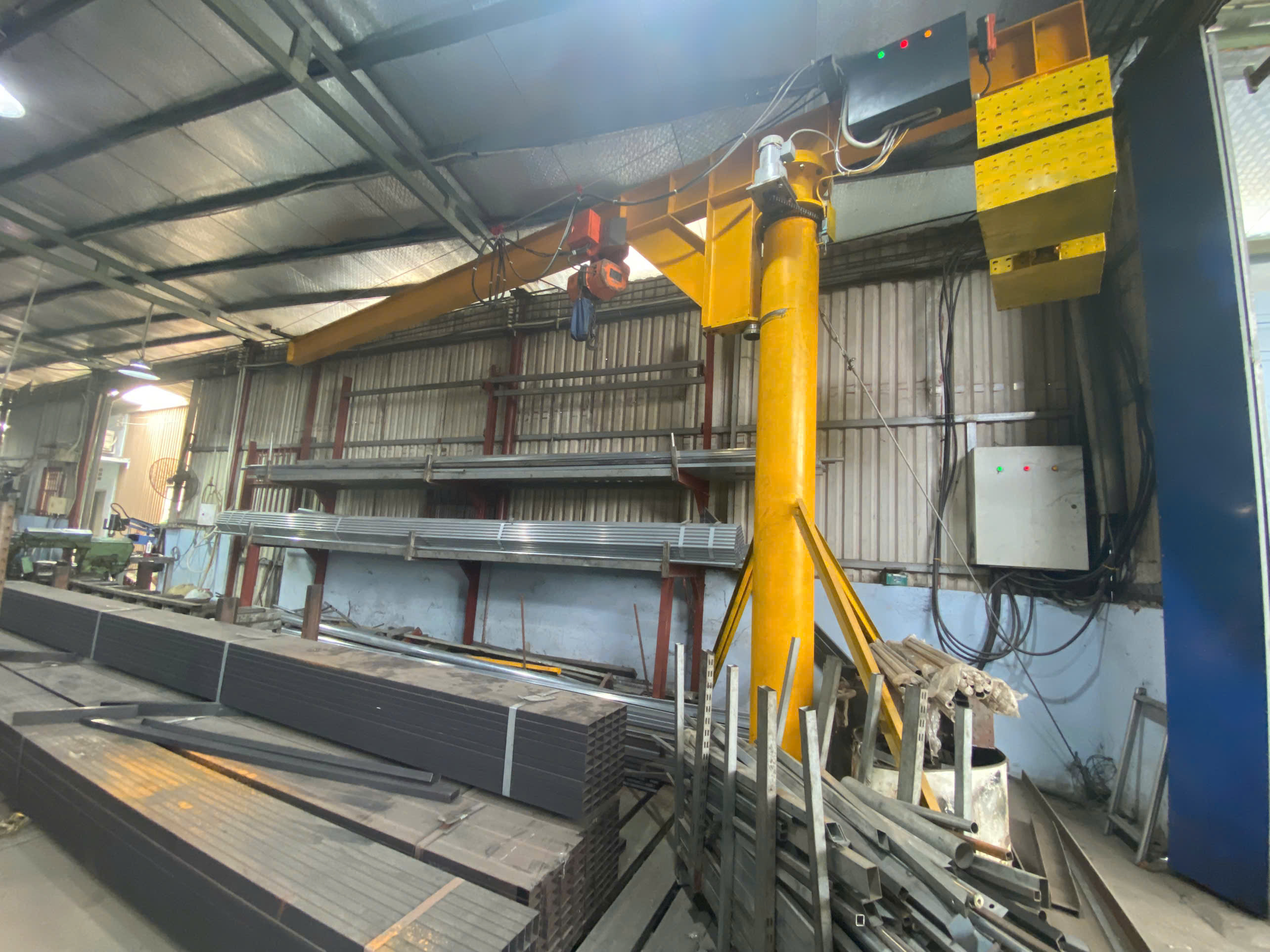

A single overlooked detail on a supplier audit checklist once cost one of our U.S. clients three months of rework on a batch of custom mounting brackets.
A supplier audit checklist for sheet metal fabrication should evaluate four pillars: manufacturing capability (cutting, forming, joining), quality management system (ISO 9001 certification, material traceability, testing), engineering responsiveness (CAD review, Design for Manufacturability), and supply chain stability (lead time reliability, surface finish evaluation, contingency planning).
This guide walks you through each pillar. I will share what we check when auditing sheet metal suppliers across Vietnam and other parts of Asia for our U.S. and European clients. Every section includes practical questions, scoring tables, and the “uncomfortable questions” that separate a good supplier from a risky one.
What technical equipment and certifications should I verify during my sheet metal factory audit?
Last year, our team in Vietnam walked into a factory that listed five CNC laser cutters 1 on their capability sheet ISO 9001 certification 2. On the shop floor, only two were operational. The rest sat idle with expired calibration stickers ISO 14001 for environmental compliance 3. That visit reminded me why verifying equipment in person is non-negotiable.
During a sheet metal factory audit, verify CNC cutting machines, press brakes, welding stations, and surface treatment lines. Confirm each machine has current calibration certificates. Check for valid ISO 9001 certification, ISO 14001 for environmental compliance, and any industry-specific certifications relevant to your application.
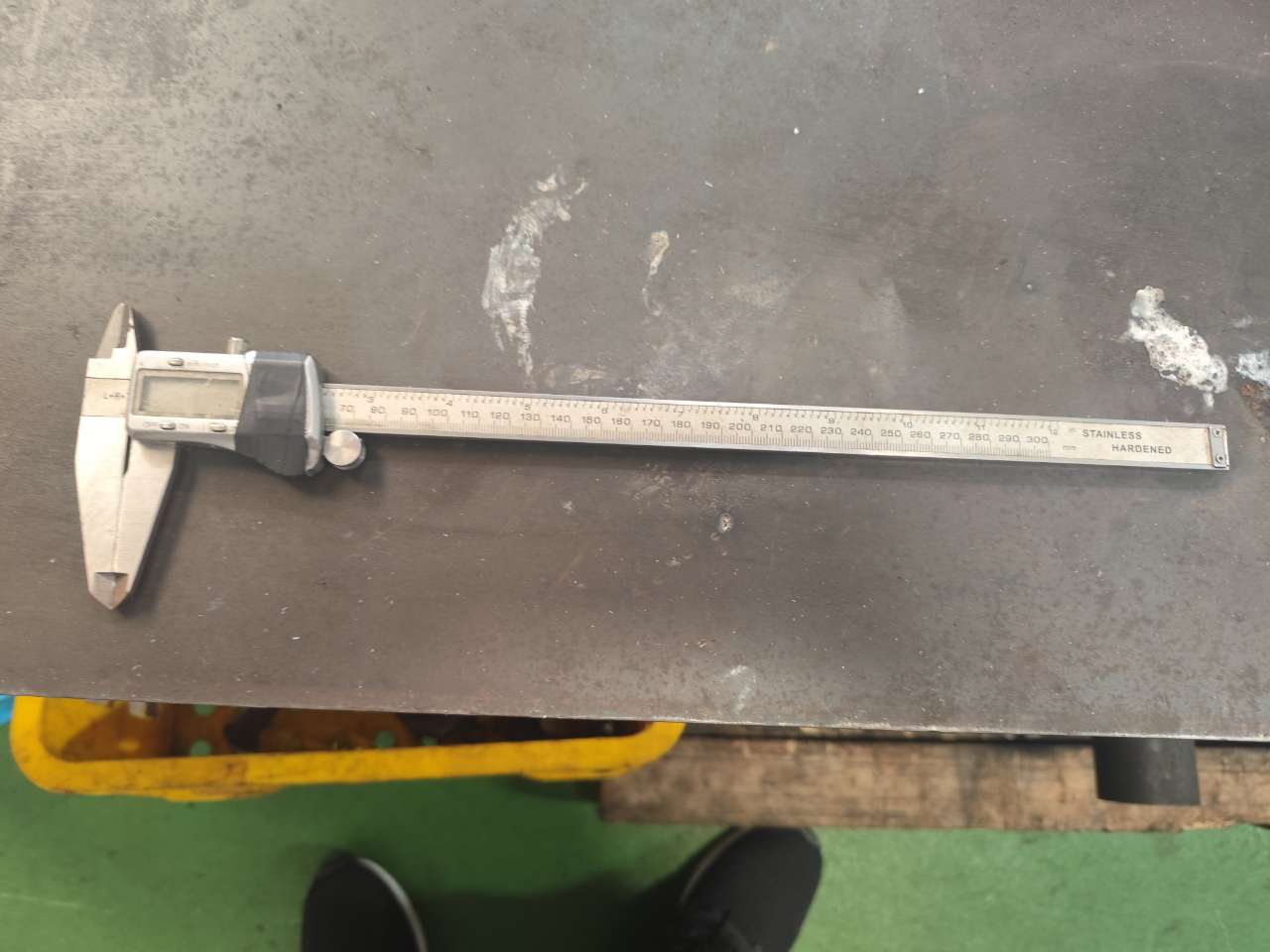
The goal of this section on your checklist is simple: confirm the supplier actually owns the capability they claim First Article Inspection procedures 4. A brochure is not proof. A calibration sticker is.
The Three Layers of Manufacturing Capability
Sheet metal fabrication involves three core process layers material traceability system 5. Each one needs its own set of checks.
Layer 1: Cutting. Look at the cutting equipment first. CNC laser cutters and punch presses are standard. Ask about maximum sheet thickness, cutting speed, and tool wear tracking procedures GD&T understanding 6. A supplier who tracks tool wear has a system in place. A supplier who does not is guessing.
Layer 2: Forming. Press brakes 7 do the bending. Check the tonnage range, the number of available tooling sets, and the dimensional control they achieve on bends. For the custom brackets we source — parts with multiple precise folds and tight angular tolerances — the forming stage is where most quality issues originate. Ask to see sample bend test results.
Layer 3: Joining and Finishing. Welding is a special process. It cannot be fully inspected after the fact. You need to verify welding quality standards 8, welder qualifications, and documented welding procedures. For surface treatment, check if they handle powder coating, anodizing, or plating in-house or outsource it. If outsourced, ask how they control the sub-supplier.
Certification Verification Table
| Certification / Document | What to Verify | Red Flag If Missing |
|---|---|---|
| ISO 9001 (Quality) | Valid certificate, scope covers sheet metal fabrication | No formal quality management system |
| ISO 14001 (Environmental) | Active compliance, waste handling procedures | Potential regulatory risk for your supply chain |
| ISO 45001 (Safety) | Worker safety protocols, PPE usage on shop floor | High injury risk, potential production stoppages |
| Machine Calibration Certs | Current dates, calibration frequency schedule | Dimensional drift, inconsistent parts |
| Welder Qualification Records | Individual welder certifications (e.g., AWS, EN ISO 9606) | Unreliable weld quality |
| IEC 17025 Lab Certification | If they claim in-house testing capability | Test results may not be trustworthy |
Equipment Maintenance Records
Do not just look at the machines. Ask for maintenance logs. A well-maintained ten-year-old press brake can outperform a brand-new one that is never serviced. I always ask for the last six months of maintenance records. If the supplier cannot produce them quickly, that tells me everything about their production management discipline.
Also check measuring instruments. Calipers, micrometers, and CMMs all need current calibration certificates. Without calibrated tools, every dimensional reading is suspect.
How do I evaluate if a supplier's quality control process can meet my specific drawing requirements?
One trade-off we constantly weigh is speed versus thoroughness during a supplier audit. A supplier might have a clean-looking factory. But if their quality control process is just a final visual check by one person, they will miss critical dimensions. We learned this the hard way on a bracket project where mounting hole positions were off by 0.5 mm — enough to make the parts unusable.
Evaluate a supplier's quality control by reviewing their First Article Inspection procedures, in-process check frequency, final inspection protocols, and material traceability system. Ask to see actual inspection reports from recent jobs. Confirm they use calibrated CMMs or precision tools and have a documented process for handling non-conformances.
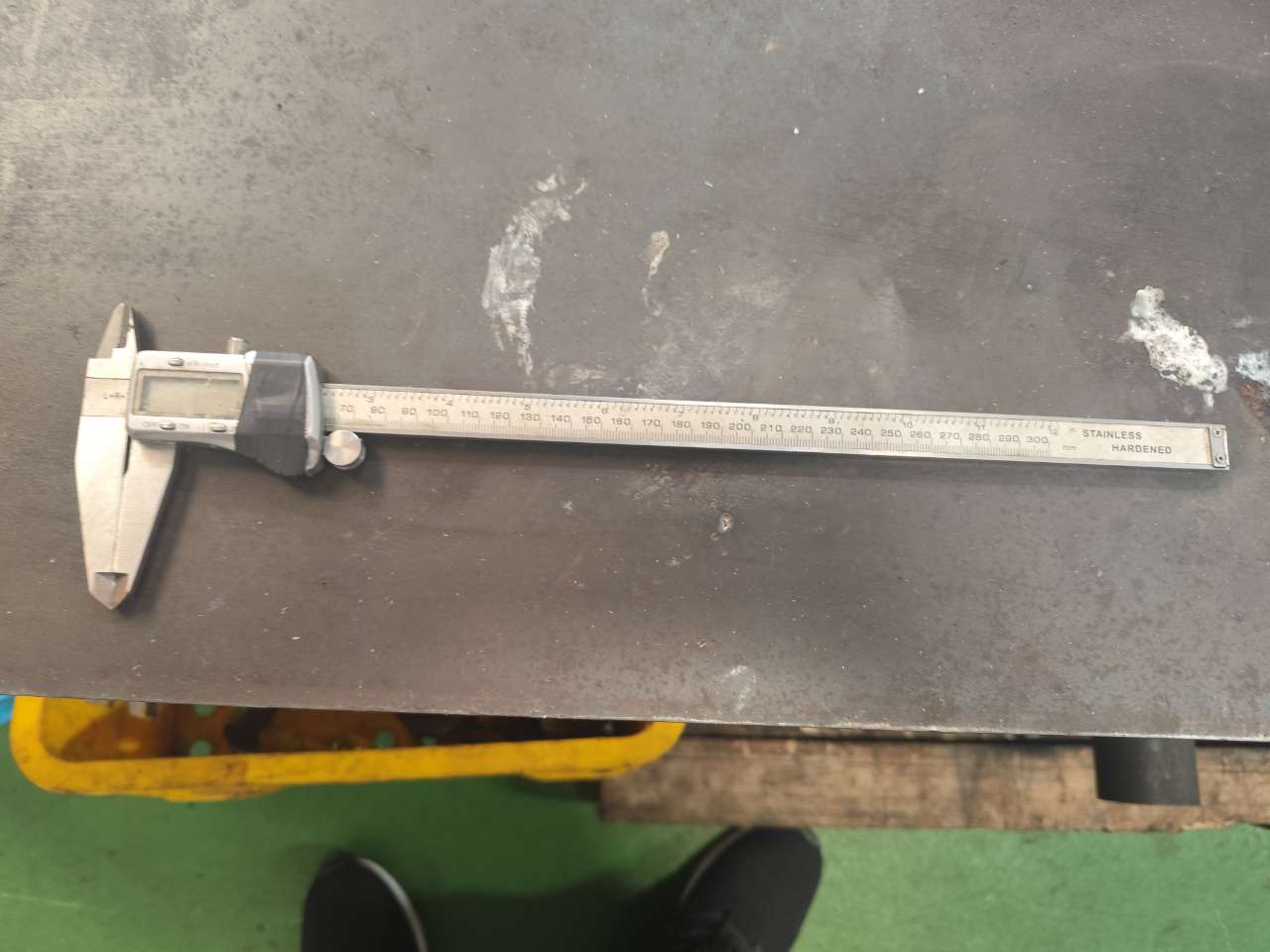
Quality control is not a department. It is a system. Your checklist must probe the system, not just the people.
First Article Inspection: The Starting Gate
First Article Inspection (FAI) is the most important quality milestone for custom parts. It verifies that the first production piece meets every requirement on the drawing before full production begins. Ask these questions:
- Do they perform FAI on every new part number?
- Do they document it with full dimensional data, not just pass/fail?
- Do they require customer sign-off before proceeding?
If a supplier skips FAI or treats it casually, they are gambling with your money. Our team requires a complete FAI package — dimensional report, material certificate, and surface finish evaluation — before we approve any production run.
In-Process and Final Inspection
A good quality management system does not rely only on final inspection. It catches defects where they occur. Here is what to look for at each stage:
| Inspection Stage | What to Check | Key Question to Ask |
|---|---|---|
| Incoming Material | Mill test certificates, grade verification, thickness measurement | "How do you verify the material grade — mill cert or supplier declaration?" |
| In-Process (Cutting) | Cut edge quality, dimensional spot checks | "How often do you measure during a cutting run?" |
| In-Process (Forming) | Bend angle, bend radius, flange length | "What is your tolerance on bend angle, and how do you verify it?" |
| In-Process (Welding) | Visual weld inspection, penetration checks | "Are your welders qualified to a specific standard?" |
| Final Inspection | Full dimensional check, surface finish, cosmetic defects | "Do you use a CMM or manual tools for final inspection?" |
| Packaging/Shipping | Part protection, labeling, count verification | "How do you prevent damage during transit?" |
Material Traceability: The Mill Cert Imperative
This is where many audits fail. I have seen suppliers who answer "yes, compliant" when asked about material compliance — but cannot produce a mill test certificate. That is not traceability. That is a declaration.
True material traceability means every sheet of metal can be traced back to its heat number, chemical composition, and mechanical properties. The supplier should retain mill certificates and link them to specific production batches. Digital traceability using barcodes or serialized logs is the modern standard. Paper-based systems work, but they are slower and more error-prone.
For the custom parts we manage, we insist on mill certificates for every shipment. If a supplier cannot provide them, we do not proceed. The risk of using the wrong material grade is too high, especially for structural brackets and mounting components that bear load.
Non-Conformance and Corrective Action
Ask the supplier what happens when a part fails inspection. A mature supplier has a documented non-conformance procedure. They quarantine the defective parts, investigate the root cause, and implement corrective action. An immature supplier reworks the part and moves on without documentation.
Your checklist should include a question like: "Show me your last three non-conformance reports." The depth and quality of those reports will tell you more about the supplier than any sales presentation.
What production management indicators should I include to ensure my parts are delivered on time?
A conversation with a client last quarter put this into sharp focus. He told me: "I can tolerate a minor dimensional deviation if you catch it. I cannot tolerate a two-week delay with no warning." Lead time reliability is often the top concern for purchasing managers, and it is the hardest thing to audit from a distance.
To ensure on-time delivery, audit the supplier's production capacity versus current workload, on-time delivery percentage for the past six months, shift capacity, order scheduling system, and contingency plans for peak seasons. Include lead time commitments in your checklist and ask for documented evidence of past delivery performance.
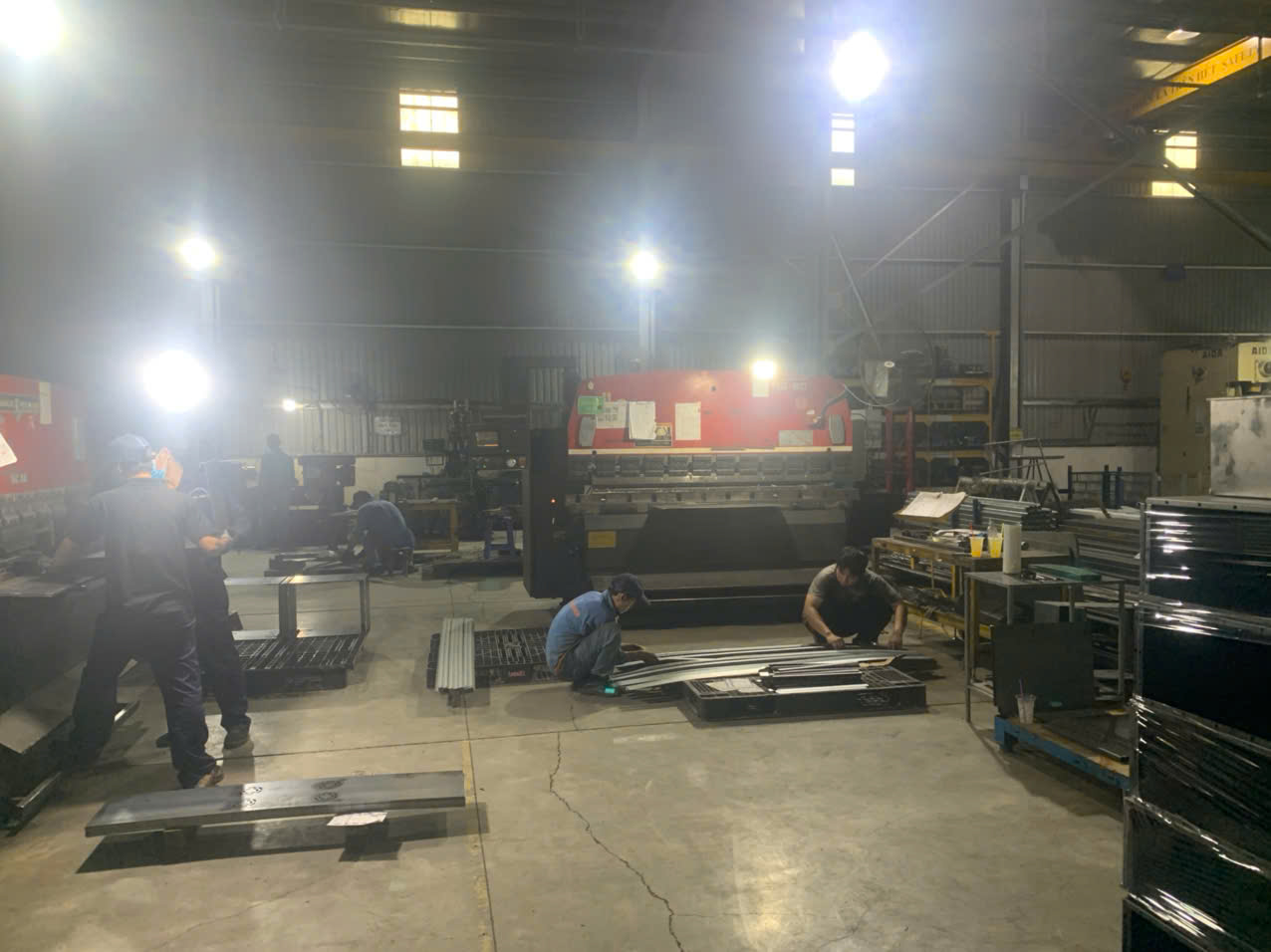
Delivery is not just about speed. It is about predictability. Your checklist needs to measure the supplier's ability to plan, communicate, and recover when things go wrong.
Key Production Management Metrics
Here is a table of the indicators I recommend including in your audit checklist. Each one reveals something specific about the supplier's production discipline.
| Indicator | What It Reveals | How to Verify |
|---|---|---|
| On-Time Delivery Rate (last 6 months) | Historical reliability | Ask for shipment logs or ERP screenshots |
| Average Lead Time (by part complexity) | Baseline production speed | Request quotes with lead time for sample parts |
| Shift Capacity (1, 2, or 3 shifts) | Ability to scale up | Observe during audit; ask HR records |
| Machine Utilization Rate | How close they are to full capacity | Review production schedules |
| Order Backlog | Risk of your order being deprioritized | Ask for current open order list |
| Delay Root Cause Log | Whether delays are systemic or random | Request last 5 delay incident reports |
| Raw Material Inventory Policy | Risk of material shortages | Check warehouse; ask about safety stock levels |
Understanding Capacity Versus Workload
A supplier with ten press brakes sounds impressive. But if nine are committed to other customers, your order goes on the tenth — and you are at the mercy of their schedule. During our audits, we always ask: "What percentage of your current capacity is committed?" If the answer is above 85%, there is little buffer for your order, especially during peak seasons.
We also ask about subcontracting. Some suppliers outsource overflow work to smaller shops without telling you. That means your parts may be made on unknown machines by unknown operators. Your checklist should include a direct question: "Do you subcontract any fabrication processes? If yes, which ones and to whom?"
Planning and Communication Systems
A modern supplier should use an ERP or MRP system 9 to schedule production. Manual scheduling with whiteboards and spreadsheets works for small volumes, but it breaks down when complexity increases. Ask to see their scheduling tool. Ask how they handle rush orders. Ask what happens when a machine breaks down mid-run.
Communication matters just as much. The best suppliers send proactive updates when a delay is likely — before you have to ask. Include a question in your checklist: "How and when do you communicate delivery risks to customers?" The answer separates professional operations from reactive ones.
Supply chain risk management extends to raw material sourcing too. If the supplier relies on a single steel distributor, a disruption at that distributor shuts down your order. Ask about alternative material sourcing strategies. Ask if they carry safety stock of commonly used grades and thicknesses.
How can I assess if a supplier has the professional expertise to manage my custom co-development project?
During a recent project involving a pair of mirrored mounting brackets — parts with complex angular folds, multiple cutouts, and precise mounting hole positions — we discovered that the initial supplier could cut and bend metal just fine. But they could not read GD&T callouts on the drawing. They did not understand which dimensions were critical and which had more tolerance. That gap in engineering expertise caused two rounds of prototype rejection before we moved the project to a more capable partner.
Assess a supplier's co-development expertise by testing their CAD/CAM capabilities, GD&T understanding, Design for Manufacturability feedback, and change control process. Ask them to review your drawing and identify potential manufacturing challenges. A capable supplier will proactively suggest improvements, not just quote and produce.
Engineering capability is what separates a fabrication shop from a true manufacturing partner. For custom parts with tight tolerances and complex geometries, this difference determines whether you get it right the first time or spend months in rework cycles.
Testing Engineering Knowledge With Your Drawing
The most effective way to evaluate a supplier's technical expertise is to give them your drawing and ask questions. Not generic questions. Specific, targeted questions that test whether they truly understand your part.
Here are examples of what we call "uncomfortable questions":
- "Is this bend radius achievable with your tooling, or do you need a custom die?"
- "This mounting hole has a position tolerance of ±0.1 mm. How will you verify it?"
- "The weld symbol here calls for a full penetration weld. What is your procedure?"
- "If this surface finish specification cannot be met with your current process, what alternative do you recommend?"
- "What material grain direction do you plan to use for these bends?"
A competent supplier answers these questions with specifics — referencing their machines, tooling, and process parameters. An unqualified supplier gives vague answers or defers to "we will figure it out during production."
Design for Manufacturability Feedback
Design for Manufacturability (DFM) is a critical indicator of a supplier's engineering maturity. When we send a drawing to a potential supplier, we pay close attention to whether they come back with suggestions. A good supplier might say: "This flange is too narrow for our bending tooling. Can we increase it by 2 mm?" or "This cutout is close to the bend line. We recommend moving it 5 mm to avoid distortion."
That kind of feedback shows they have analyzed the part, not just priced it. It also shows they care about making a good part, not just winning the order.
Change Control and Revision Management
Custom projects evolve. Drawings change. Materials get substituted. A supplier needs a clear change control process to manage these revisions without confusion. Ask how they handle drawing revisions. Do they have a system to ensure the shop floor always works from the latest revision? How do they communicate BOM changes or obsolete component replacements?
We have seen cases where a supplier used an outdated drawing revision for an entire production run because the updated file was sitting in someone's email inbox. A proper system prevents this. It does not have to be sophisticated software. Even a simple revision log with sign-off procedures works — as long as it is followed consistently.
Project Management and Communication
For co-development projects, the supplier needs a dedicated point of contact who understands the technical details. This person should be able to discuss tolerances, material options, and process alternatives without constantly consulting someone else. Ask about their project management structure. Ask who will be your main contact. Ask how they handle technical questions during production.
Responsiveness matters. When our team sends a technical inquiry, we expect a substantive response within 24 hours — not a week later. Your checklist should include an evaluation of response time and communication quality during the quoting phase, because that is the best preview of how they will communicate during production.
Conclusion
A supplier audit checklist for sheet metal fabrication is your best defense against quality failures, delivery delays, and costly miscommunication. Cover the four pillars — equipment, quality control, production management, and engineering expertise — and you will source with confidence. For a deeper dive into how to evaluate supplier capabilities and qualifications, explore our detailed guide on assessing fabrication partners. You can also learn more about how to evaluate supplier production environments to complement your audit checklist.
Frequently Asked Questions
What technical equipment and certifications should I verify during my sheet metal factory audit?
Last year, our team in Vietnam walked into a factory that listed five CNC laser cutters 1 on their capability sheet ISO 9001 certification 2 . On the shop floor, only two were operational. The rest sat idle with expired calibration stickers ISO 14001 for environmental compliance 3 . That visit reminded me why verifying equipment in person is non-negotiable.
How do I evaluate if a supplier's quality control process can meet my specific drawing requirements?
One trade-off we constantly weigh is speed versus thoroughness during a supplier audit. A supplier might have a clean-looking factory. But if their quality control process is just a final visual check by one person, they will miss critical dimensions. We learned this the hard way on a bracket project where mounting hole positions were off by 0.5 mm — enough to make the parts unusable.
What production management indicators should I include to ensure my parts are delivered on time?
A conversation with a client last quarter put this into sharp focus. He told me: "I can tolerate a minor dimensional deviation if you catch it. I cannot tolerate a two-week delay with no warning." Lead time reliability is often the top concern for purchasing managers, and it is the hardest thing to audit from a distance.
Footnotes
1. Explains the process, types, and applications of CNC laser cutting. ↩︎
2. Official standard for quality management systems. ↩︎
3. Official standard for environmental management systems. ↩︎
4. Replaced with a detailed explanation of AS9102 First Article Inspection. ↩︎
5. Explains the importance and benefits of traceability in manufacturing. ↩︎
6. Provides a comprehensive definition and FAQs about Geometric Dimensioning and Tolerancing. ↩︎
7. Explains press brake forming as a metal fabrication process. ↩︎
8. American Welding Society provides industry-leading welding codes and standards. ↩︎
9. Compares ERP and MRP systems for manufacturing operations. ↩︎
10. Outlines engineering principles and practices for optimizing product design. ↩︎