
Every week, our project team fields the same question from U.S. buyers: “Is this lead time normal, or am I being strung along?” It’s a fair concern — delayed parts stall assembly lines, blow launch dates, and erode trust in your supply chain.
A reasonable sheet metal fabrication lead time typically falls between 2 and 8 weeks for custom projects. The exact duration depends on material availability, part complexity, production volume, post-processing requirements, and supplier coordination. Times well outside this range warrant closer scrutiny.
Below, I break down the key factors, benchmarks, and verification steps that help purchasing managers judge whether a quoted timeline holds up — or hides red flags.
What factors should I consider to determine if a sheet metal lead time is realistic for my project?
A lesson we learned early while managing fabrication projects across Vietnam and China: lead time is never just "shop floor time." The biggest delays happen before a single sheet gets cut Regulatory or certification requirements 1.
To evaluate whether a sheet metal lead time is realistic, consider five factors: material availability, design complexity, production volume, post-processing requirements, and the supplier's current manufacturing capacity. Each factor can add days or weeks to the total schedule.

Breaking Down Total Lead Time
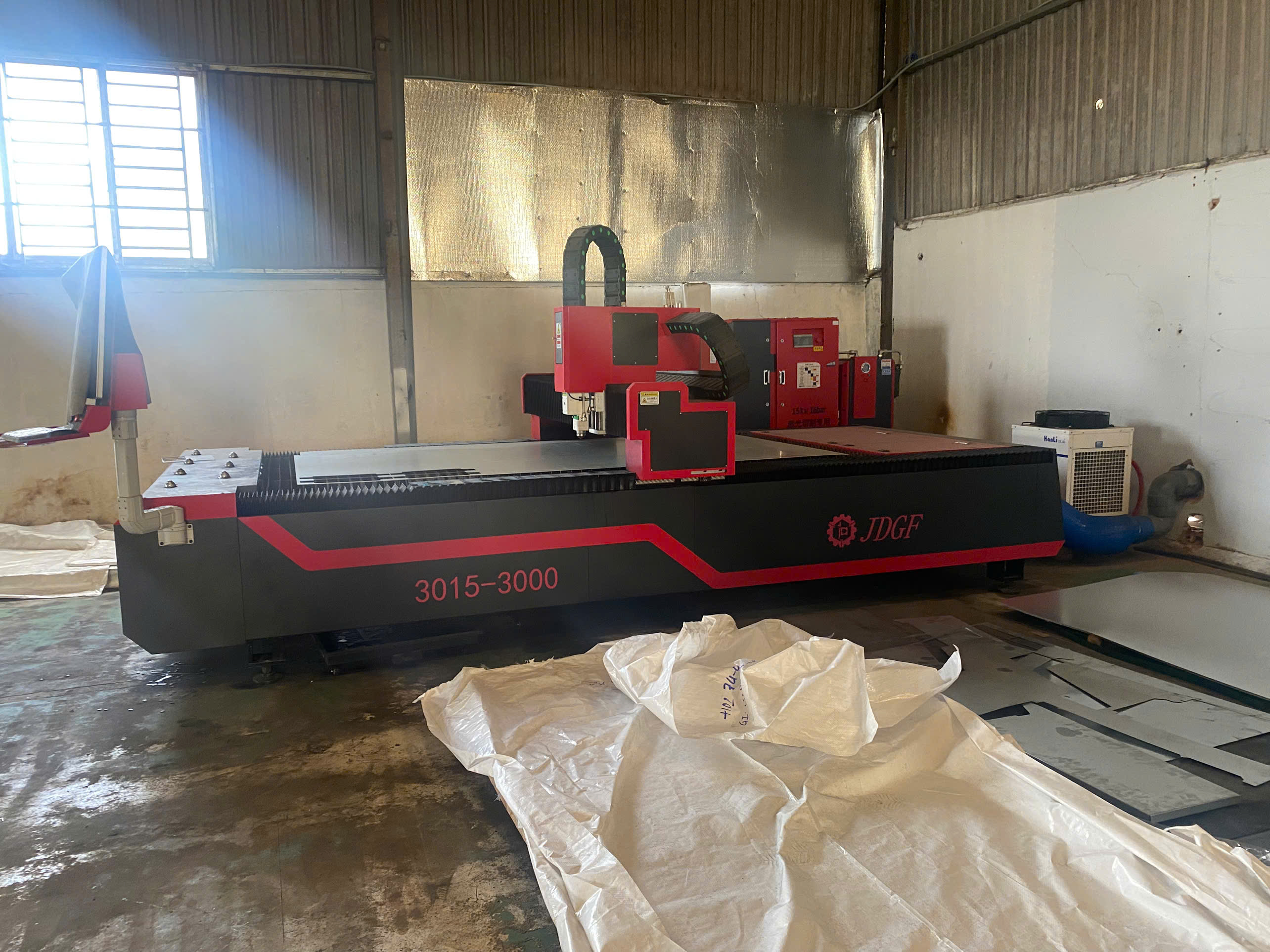
Most buyers picture lead time as the hours a laser cutter 2 or press brake runs. In reality, actual fabrication often accounts for less than a third of the total timeline. The rest is queue time, material procurement 3, engineering review, and finishing.
Here is how the phases typically stack up for a custom sheet metal project:
| Phase | Typical Duration | What Drives It |
|---|---|---|
| Design review and conceptual drawings | 1–2 weeks | Part complexity, number of revisions |
| Engineering and DFM review | 4 days–1 week | Tight tolerances, design for manufacturability gaps |
| Client approval and submittals | 3 days–1 week | Internal decision speed |
| Material procurement | 3 days–2 weeks | Material availability 4, specialty alloys |
| Fabrication (cutting, bending, welding) | 1–2 weeks | Production volume 5, tooling requirements |
| Post-processing and finishing | 3 days–1 week | Plating, painting, heat treatment |
| Shipping and logistics | 1–3 weeks | Domestic vs. overseas, freight method |
When I walk a client through this table, the reaction is almost always the same: "I had no idea so much time was outside of fabrication." That awareness alone changes how they evaluate quotes.
Material Availability: The Silent Schedule Killer
Standard materials — mild steel, common-gauge stainless, standard aluminum alloys — are usually available within days from regional distributors. But the moment a drawing calls for a non-standard thickness, a specialty alloy, or a specific temper, procurement time can jump to weeks or even months.
During the quoting process, we always flag material risks early. If a client's design calls for 3mm 316L stainless and the regional mill only stocks 2mm and 4mm, that mismatch alone can add two to three weeks. Switching to a stocked gauge — when the engineer agrees it's acceptable — can cut that delay entirely.
Part Complexity and Design for Manufacturability
Parts with many bends, intricate cutouts, or tight tolerances demand more programming, more tooling changes, and more inspection steps. Each added feature multiplies the chance of rework.
We encourage clients to apply design for manufacturability principles 6 before locking in drawings. Reducing the number of unique bend radii, keeping tolerances only as tight as function requires, and aligning features with standard tooling can shave days off the schedule and lower cost at the same time.
Production Volume and Setup Economics
A single prototype and a 5,000-piece production run move through a shop very differently. Prototyping jobs often get squeezed between larger orders, causing queue time spikes. High-volume runs need dedicated machine time and sometimes custom fixtures.
A realistic lead time accounts for this. If your supplier quotes the same two-week window for 10 parts and 10,000 parts, that should raise questions about their manufacturing capacity planning. Understanding why unit prices vary for low vs. high volumes can also help you spot unrealistic timelines tied to pricing inconsistencies.
How can I tell if my supplier's quoted timeline includes enough time for thorough quality control?
One of the most common complaints we hear from new clients is about suppliers who delivered on time — but shipped parts that failed inspection on arrival. Speed means nothing if the parts don't conform.
A supplier's timeline should include explicit time for first-article inspection, in-process checks, dimensional verification, and final inspection. If the quote shows no QC phase or compresses it into fabrication time, quality is likely being treated as an afterthought.

What QC Steps Should Appear in the Timeline?
When we manage a sheet metal project, our quality plan is mapped into the production schedule from day one. Here is the minimum set of QC gates a reasonable timeline should include:
| QC Gate | When It Happens | Purpose |
|---|---|---|
| First Article Inspection (FAI) | After first unit off the line | Confirms tooling, dimensions, and material match the drawing |
| In-Process Dimensional Check | During production runs | Catches drift in bend angles, hole positions, flatness |
| Weld / Joint Inspection | After welding or assembly | Verifies weld penetration, joint strength, cosmetic standards |
| Surface / Finish Inspection | After post-processing | Confirms coating thickness, adhesion, color match |
| Final Inspection (AQL Sampling) | Before packing | Statistical sampling to verify the lot meets acceptance criteria |
| PPAP Documentation 7 | Before first shipment | Provides process capability evidence for critical dimensions |
If your supplier cannot tell you which of these gates are built into their schedule, that is a warning sign. A compressed timeline that lumps "fab + QC" into one line often means inspection is the first thing sacrificed when the shop falls behind.
How to Spot a QC Shortcut
Here are practical signals that quality control time has been shaved:
- No separate QC line item in the Gantt chart or schedule. Quality should have its own time block.
- No mention of inspection equipment. CMM, calipers, go/no-go gauges — ask what tools they use.
- No rework buffer. Even well-run shops encounter a small percentage of non-conforming parts. A timeline with zero buffer assumes perfection, which is unrealistic.
- No PPAP or FAI deliverables listed. If you require these documents and they are not scheduled, they will either be rushed or skipped.
Our Vietnam office runs a process we call "gate-hold" — production does not advance past a QC gate until the inspection report is signed. This adds a day or two to the schedule, but it prevents the cascading rework that costs far more time downstream.
The Cost of Skipping QC
I have seen projects where a supplier shaved three days off the timeline by skipping the first-article inspection 8. The result was 2,000 brackets with hole positions 0.8 mm out of spec. The entire lot had to be scrapped and re-run, adding five weeks to the actual delivery. A "fast" quote became the slowest delivery of the year.
When evaluating a quoted timeline, ask your supplier: "If the first article fails, how much time is built in for correction?" A honest answer — usually one to three days — tells you the schedule is grounded in reality.
What industry benchmarks should I use to evaluate the lead times for my custom parts?
When a client forwarded us two competing quotes last year — one promising delivery in 10 days, the other in 7 weeks — the gap was so wide it was hard to know which one to trust. Benchmarks give you an anchor.
For standard-material, moderate-complexity sheet metal parts, industry benchmarks range from 2 to 4 weeks domestically and 4 to 8 weeks from overseas suppliers. Prototyping can be faster — sometimes under a week — while specialty-material or high-volume orders may extend beyond 8 weeks.
Benchmark Ranges by Project Type
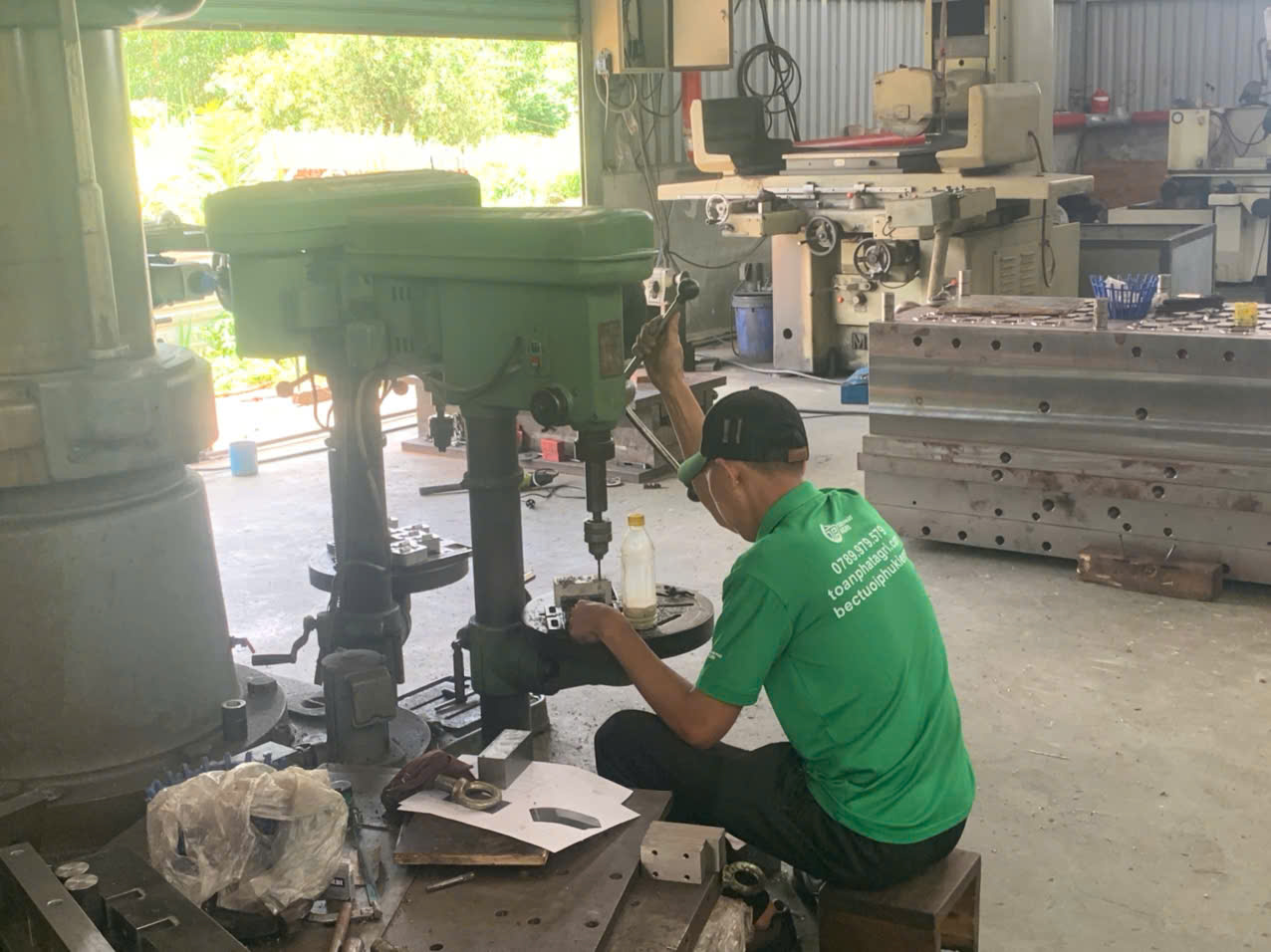
Not all projects are equal. A simple laser-cut flat bracket and a multi-bend welded enclosure with powder coating live in different lead-time universes. The table below gives a realistic range for common project types:
| Project Type | Typical Lead Time | Key Variables |
|---|---|---|
| Simple flat parts, standard material, low volume | 3–7 business days | Material in stock, no post-processing |
| Moderate complexity (bends, holes, hardware), standard material | 2–4 weeks | Tooling requirements, finishing steps |
| High complexity (welded assemblies, tight tolerances) | 4–6 weeks | Design for manufacturability review, fixturing |
| Specialty materials (Inconel, titanium, custom gauge) | 6–12 weeks | Material availability, supplier lead on raw stock |
| High-volume production (5,000+ units) | 4–8 weeks | Manufacturing capacity, setup amortization |
| Expedited services (rush order, pre-stocked material) | 1–2 weeks | Premium cost, limited scope of changes |
These benchmarks assume a supplier with reasonable manufacturing capacity and materials either in stock or on short lead. If a quote falls significantly outside these ranges — either faster or slower — dig into the reasons.
When a Short Lead Time Is a Red Flag
A quote under two weeks for a complex, custom part should prompt questions. Is the material already on hand? Has the design already been reviewed and approved? Are post-processing requirements minimal? If the answer to any of these is "no," the short timeline likely means corners will be cut — often in quality control or finishing. Understanding common pitfalls and misconceptions in sheet metal fabrication procurement can help you recognize these warning signs before committing to a supplier.
On the other hand, expedited services are legitimate when the supplier has pre-stocked material, proven tooling, and a dedicated rush lane. We maintain blanket orders on commonly requested grades of stainless and aluminum at our partner mills specifically so we can offer faster turnarounds without sacrificing inspection rigor.
When a Long Lead Time Is Justified
Longer lead times are not automatically a sign of inefficiency. Several scenarios justify extended timelines:
- Specialty alloys or non-standard thicknesses that require mill orders with minimum lot sizes.
- Tight tolerances (e.g., ±0.05 mm on critical features) that demand special tooling and multiple inspection rounds.
- Multi-vendor coordination — for example, when one shop handles cutting and bending while another handles welding and a third does surface finishing.
- Regulatory or certification requirements such as material traceability, PPAP documentation, or specific testing protocols.
In our supply chain management practice, we find that consolidating processes under one roof — or at least under one management team — reliably compresses timelines by eliminating handoff delays between independent vendors.
How do I verify that my overseas manufacturer has the capacity to meet my specific delivery deadlines?
A client once told me, "The factory said yes to everything during the quoting process, then went silent for three weeks after I placed the order." That scenario is preventable — if you verify capacity before you commit.
Verify overseas manufacturing capacity by requesting current production schedules, conducting virtual or on-site audits, asking for references on similar-volume projects, and confirming material sourcing timelines. A capable supplier will provide transparent evidence rather than vague assurances.
A Step-by-Step Verification Process
Verification does not have to be complicated. Here is the process our team uses when onboarding a new fabrication partner in Vietnam or elsewhere in Asia:
Step 1: Request the current order backlog summary. A reliable supplier will share a high-level view of their production schedule. You don't need proprietary details — just enough to see whether your order fits into their available slots.
Step 2: Ask for machine and labor capacity data. How many laser cutters, press brakes, and welding stations do they operate? How many shifts do they run? If they run one shift and your order requires three weeks of dedicated brake time, the math needs to work.
Step 3: Confirm material sourcing timelines. Ask the supplier to name their material distributors and provide typical lead times for the specific grades and gauges your project requires. If they hesitate, that is a red flag.
Step 4: Check historical on-time delivery rates. Request data or references from other clients with similar production volume and complexity. A supplier with a consistent track record of on-time performance on comparable orders is a much safer bet than one offering only promises.
Step 5: Conduct a virtual or on-site audit. Walk the shop floor — even via video call. Look at the condition of equipment, the organization of work-in-progress, and the presence of visual management boards (Kanban cards, schedule boards). A well-organized shop is far more likely to hit deadlines. For a deeper dive into what to look for, see our guide on how to evaluate sheet metal fabrication supplier capabilities and qualifications.
The Role of Supply Chain Management in Overseas Timelines
Overseas fabrication introduces variables that domestic sourcing does not: customs clearance, ocean freight schedules, port congestion, and time-zone communication gaps. A quoted "4-week fabrication" can easily become 8 or 10 weeks door-to-door if logistics are not planned in parallel.
Our approach is to start logistics planning the moment a purchase order is confirmed. We book freight slots early, prepare customs documentation during production, and schedule final inspection to align with the vessel cutoff date. This parallel-path method compresses the total timeline without rushing fabrication.
Dual Sourcing and Contingency Planning
For critical projects, consider dual sourcing. Having a qualified backup supplier — even one you rarely use — protects you against capacity surprises at your primary source. We help clients qualify secondary fabrication partners specifically for this purpose, running small prototyping orders through the backup shop so the learning curve is already behind you when you need surge capacity.
Conclusion
A reasonable sheet metal fabrication 9 lead time reflects material availability, part complexity, production volume, QC rigor, and supplier capacity — not just machine hours. Use the benchmarks and verification steps above to separate realistic timelines from risky ones.
Frequently Asked Questions
What QC Steps Should Appear in the Timeline?
When we manage a sheet metal project, our quality plan is mapped into the production schedule from day one. Here is the minimum set of QC gates a reasonable timeline should include:
What factors should I consider to determine if a sheet metal lead time is realistic for my project?
A lesson we learned early while managing fabrication projects across Vietnam and China: lead time is never just "shop floor time." The biggest delays happen before a single sheet gets cut Regulatory or certification requirements 1 .
How can I tell if my supplier's quoted timeline includes enough time for thorough quality control?
One of the most common complaints we hear from new clients is about suppliers who delivered on time — but shipped parts that failed inspection on arrival. Speed means nothing if the parts don't conform.
Footnotes
1. Provides information on standards and regulatory compliance from a government authority. ↩︎
2. Defines a laser cutter and its applications in industrial manufacturing. ↩︎
3. Explains the comprehensive process of acquiring materials for production. ↩︎
4. Highlights the importance of material availability in industrial production processes. ↩︎
5. Defines production volume as a critical metric in manufacturing operations. ↩︎
6. Explains the methodology and benefits of Design for Manufacturability (DFM). ↩︎
7. Explains the requirements and importance of Production Part Approval Process documentation. ↩︎
8. Details the purpose and process of First Article Inspection in quality assurance. ↩︎
9. Provides a definition and common techniques of sheet metal fabrication. ↩︎