
Finding Vietnamese suppliers for small-batch stamping parts frustrated many distributors I work with. Chinese factories rejected their 10,000-piece orders. Our Vietnam team solved this exact problem repeatedly.
Distributors can find Vietnamese suppliers for small-batch stamping parts through vetted sourcing agents, trade shows like METALEX Vietnam, B2B directories, and trade-data tools. Prioritize factories accepting 5,000–50,000 piece runs, with in-house tooling, ISO 9001 systems, and proven export experience.
Vietnam fills a real gap. Many Chinese giants demand 100,000+ units. Vietnamese factories welcome smaller runs. Let me walk you through how to [find and verify them](https://dewintech.com/blog/how-pre-screen-stamping-parts-suppliers-vietnam-online-to/) properly.
How Do I Verify a Vietnamese Stamping Supplier's Quality Control Before Placing My First Order?
A buyer once forwarded me photos of stamped brackets with burrs sharp enough to cut skin. His previous agent never audited the factory. Our Vietnam office now audits every plant before we quote.
Verify quality control by requesting ISO 9001 certification, a third-party or on-site factory audit, First Article Inspection reports, and in-process inspection records. Then order production-intent samples and run a pilot batch with defined CTQ checkpoints before committing to full volume.

Certificates alone tell you very little. I have visited factories in Bac Ninh with framed ISO 9001 certificates 1 on the wall and no calibrated measuring tools on the shop floor. Verification must go deeper than paperwork.
Start with Documents, Then Move to the Floor
Ask for the quality manual, calibration records, and recent FAI reports 2 for parts similar to yours. A serious stamping supplier can send these within days. Hesitation is a warning sign. Next, arrange an audit. If you cannot travel, use a local partner or a third-party inspection firm. Our team spends a full day on each audit. We check die maintenance logs, press tonnage records, and how operators handle non-conforming parts.
The Sample-to-Pilot Validation Path
Never jump from a sample to a full order. Follow this sequence:
- Review the DFM feedback on your drawings. Good suppliers challenge unclear tolerances.
- Approve production-intent samples measured against every drawing dimension.
- Run a pilot batch of a few thousand pieces with agreed CTQ checkpoints.
- Conduct an AQL inspection on the pilot before releasing mass production.
| Verification Step | What It Proves | Typical Timing |
|---|---|---|
| ISO 9001 / audit report | System discipline exists | Week 1 |
| FAI report 3 | Parts match the drawing | After tooling |
| Pilot batch + AQL | Process is stable at volume | Before scaling |
| Trade-data check (Panjiva, ImportGenius) | Real export history | Week 1 |
Sample production remains the most reliable assessment. Everything else supports that judgment.
What Should I Look for in a Vietnam-Based Supplier's Small-Batch Stamping Capabilities?
Choosing between two shortlisted factories often comes down to one question I ask on every visit: who builds and repairs your dies? The answer separates real stamping houses from press-renting workshops.
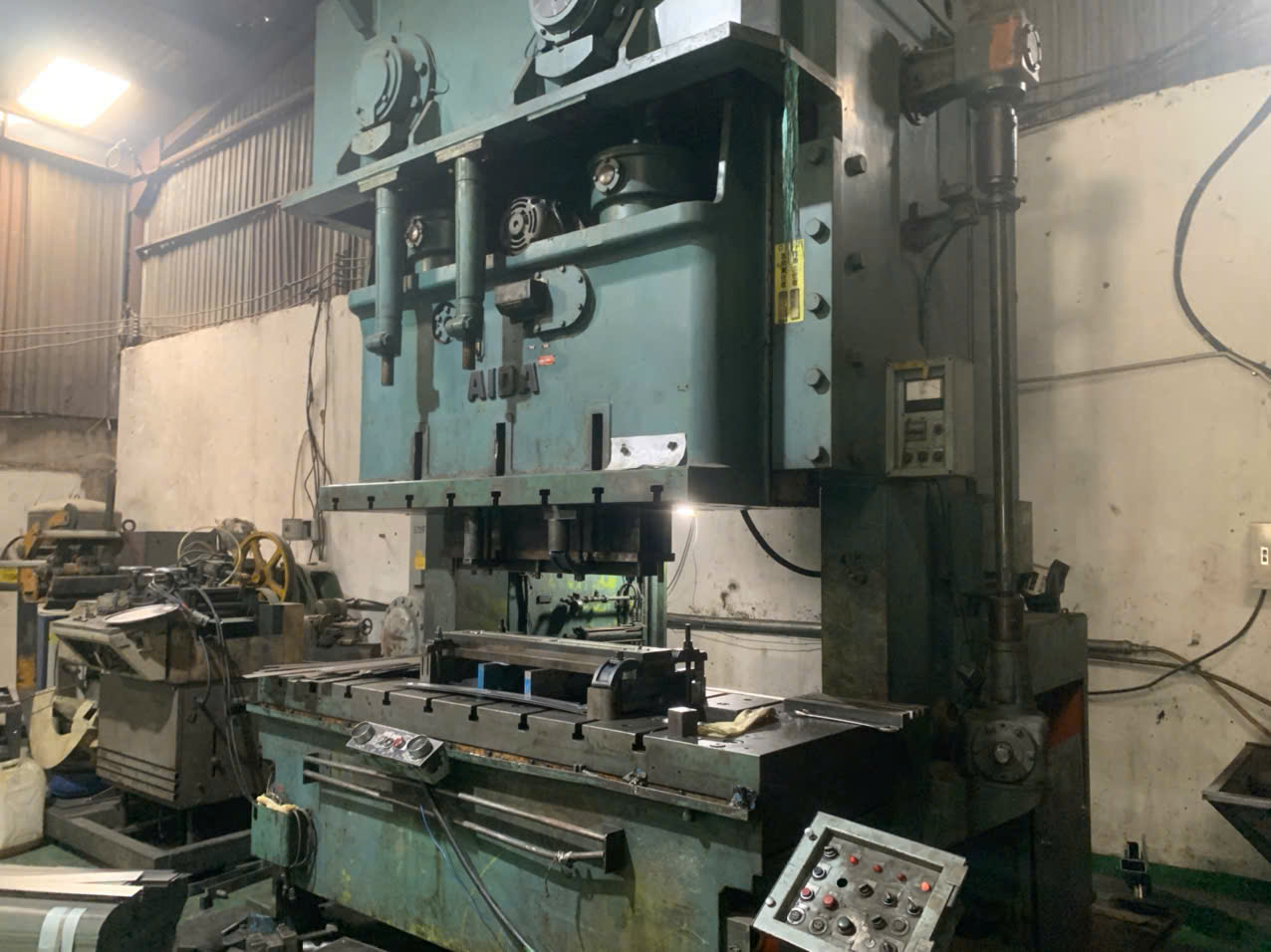
Look for in-house tooling design and maintenance, presses matched to your part size, process alignment with progressive die or deep-draw needs, in-house finishing, MOQ flexibility at 5,000–50,000 pieces, and export readiness including FOB/CIF familiarity and English-speaking staff.

Capability matching matters more than factory size. A huge plant tuned for millions of automotive clips will treat your 15,000-piece bracket order as a nuisance. A mid-sized shop trained by Japanese precision manufacturers may treat it as a priority. We see this pattern constantly across our vetted network in Vietnam.
Match the Process to the Part
Your part dictates the required process. A flat plate with drilled holes is simple blanking and piercing. A stepped bracket with welded joints, like the powder-coated hardware we handle for furniture and equipment clients, needs stamping plus fabrication and finishing. A drawn housing needs deep-draw expertise. Ask the supplier what their dominant process is. Then check whether their reference parts resemble yours in tolerance and complexity.
Regional Clusters Matter
| Region | Cluster Strength | Best Fit For |
|---|---|---|
| Bac Ninh / Hai Phong (North) | Precision electronics stamping | Tight-tolerance small parts |
| Binh Duong / Dong Nai (South) | Automotive-grade metal parts | Structural brackets, heavier gauges |
| Hanoi area | Mixed SME fabrication | Prototypes, welded assemblies |
The Capability Checklist
Confirm these points before shortlisting:
- Tooling built, debugged, and maintained in-house
- Press range covering your material thickness and part size
- In-house powder coating, plating, or galvanizing when the drawing requires it
- Demonstrated small-batch runs, not just mass-production references
- Container loading experience and clear FOB/CIF quoting 4
In-house finishing deserves special attention. Outsourced coating adds a week of lead time and a quality handoff you cannot see. When we quote welded bracket assemblies with black powder coat, we always confirm the coating line sits inside the same plant.
Can I Get Flexible Payment Terms When Sourcing Small-Batch Stamping Parts from Vietnam?
Cash flow kills more sourcing programs than quality does. A purchasing manager in Texas once told me his bank line could not absorb 50% deposits on tooling plus goods payment before shipment. We restructured his terms, and the program survived.
Yes. Flexible terms are achievable through sourcing partners offering open account credit, staged tooling payments, and 60–90 day terms after a trust-building period. Direct factory deals usually start at 30–50% deposit with balance before shipment, then improve with order history.

Vietnamese factories are conservative with new overseas buyers. That is understandable. They carry material costs, tooling labor, and press time before you pay anything. But the terms landscape is more flexible than most distributors assume, especially when a trading partner sits between you and the factory and absorbs the credit risk.
Typical Payment Structures Compared
| Arrangement | Tooling Payment | Goods Payment | Realistic For |
|---|---|---|---|
| Direct factory, first order | 50% deposit, 50% at FAI approval | 30% deposit, 70% before shipment | New relationships |
| Direct factory, established | Amortized into piece price | 30 days after B/L | After 3–5 clean orders |
| Through sourcing partner with credit | Staged or amortized | Open account, 60–90 days | Buyers needing cash flow relief |
Our own model offers open account terms precisely because distributors like Greg-type buyers in the US need 60–90 days to sell through inventory before paying. Not every agent offers this, so ask early.
Negotiate Tooling Ownership Upfront
Tooling is where hidden costs live on low-volume orders. Settle three points in writing before kickoff. First, who owns the die after payment. Second, whether tooling cost is paid upfront or amortized into unit price. Third, what happens to the die if you switch factories. Amortization lowers your initial cash outlay, but confirm the amortization volume. If the die cost spreads over 100,000 pieces and you only order 20,000, you may face a true-up invoice later. Vietnam tooling typically runs 40–60% below US prices, which softens this risk considerably.
How Do I Avoid Communication Gaps That Lead to Non-Conforming Stamped Parts from Vietnamese Suppliers?
Early in our Vietnam operations, a factory ignored a flatness callout buried in a drawing note. The parts stacked poorly and the client rejected the lot. That lesson reshaped how our team briefs every supplier today.
Prevent communication gaps by submitting complete bilingual drawings with highlighted critical dimensions, requiring written DFM feedback, holding a pre-production review call, using a local bilingual team for daily follow-up, and locking CTQ checkpoints into the FAI and inspection plan.

Most non-conforming parts do not come from bad factories. They come from assumptions. The buyer assumes the drawing is self-explanatory. The factory assumes an unclear note is unimportant. Neither party asks. Small-batch orders make this worse because factories invest less engineering time in low-volume jobs unless someone pushes them to.
Make the Drawing Impossible to Misread
Plain, direct documentation prevents most disputes. I recommend these habits:
- Highlight critical-to-quality dimensions directly on the drawing, not in a separate email.
- State the standard for anything unstated, such as general tolerance class and burr direction.
- Specify finish requirements precisely, including coating thickness and color code, not just "black powder coat."
- Ask the supplier to submit written DFM feedback confirming they read every note.
- Require the FAI report to reference every drawing dimension by balloon number.
Build a Communication Rhythm, Not Just a Contract
A signed PO does not manage a project. Weekly written updates do. Our Vietnam-based engineers visit factories during tooling trials because problems surface at the press, not in email. If you have no local presence, insist on photo and video reports at tooling kickoff, first tryout, FAI, and pre-shipment inspection 5. Time zones help here. Vietnam's workday overlaps with early morning in the US, so a quick call before your lunch can resolve issues the same production day. Written recaps after every call prevent the classic "yes" that actually meant "I heard you" rather than "I agree."
Conclusion
Vietnamese suppliers for small-batch stamping parts offer real MOQ flexibility, lower tooling costs, and tariff advantages 6. Verify quality through audits and pilots, match capabilities carefully, negotiate terms, and communicate precisely.
Frequently Asked Questions
How Do I Verify a Vietnamese Stamping Supplier's Quality Control Before Placing My First Order?
A buyer once forwarded me photos of stamped brackets with burrs sharp enough to cut skin. His previous agent never audited the factory. Our Vietnam office now audits every plant before we quote.
What Should I Look for in a Vietnam-Based Supplier's Small-Batch Stamping Capabilities?
Choosing between two shortlisted factories often comes down to one question I ask on every visit: who builds and repairs your dies? The answer separates real stamping houses from press-renting workshops.
Can I Get Flexible Payment Terms When Sourcing Small-Batch Stamping Parts from Vietnam?
Cash flow kills more sourcing programs than quality does. A purchasing manager in Texas once told me his bank line could not absorb 50% deposits on tooling plus goods payment before shipment. We restructured his terms, and the program survived.
Footnotes
1. Explains the ISO 9001 quality management standard referenced for supplier verification. ↩︎
2. Background on First Article Inspection, a key quality verification step described in the article. ↩︎
3. Links to the AS9102 standard defining First Article Inspection reporting requirements referenced here. ↩︎
4. Defines internationally recognized FOB/CIF trade terms distributors negotiate with Vietnamese suppliers. ↩︎
5. WTO reference on preshipment inspection agreements relevant to trade quality checks. ↩︎
6. WTO resource on tariffs supports the article’s mention of Vietnam’s tariff advantages. ↩︎