Every outdoor sheet metal project we manage starts with one question from our clients: how long will these parts last before corrosion takes hold?
Corrosion resistance for outdoor sheet metal fabrications depends on selecting the right base metal, applying proper protective finishes like powder coating or galvanizing, requiring salt spray test certification, and verifying your supplier’s surface preparation process through audits and documented quality control.
This guide breaks down each decision step. I will walk you through material selection, coating options, testing standards, and supplier management — all based on real projects our team has handled for U.S. buyers sourcing custom parts from Asia.
Which sheet metal materials should I choose to prevent rust in harsh outdoor environments?
A buyer in the Midwest once sent us corroded mounting brackets that had failed in under eight months — the original supplier had used plain carbon steel with no coating plan PPAP 1.
For harsh outdoor environments, choose stainless steel alloys like 316L for marine or chemical exposure, 5xxx-series aluminum for lightweight corrosion resistance, or galvanized steel for cost-effective general outdoor use. Match your material selection to the specific environmental threats your parts will face.
Picking the right base metal is your first and most important defense against corrosion. No coating can fully compensate for a poor material choice. Let me break down the main options.
Stainless Steel: The Premium Choice
Stainless steel forms a self-healing chromium oxide layer on its surface. This invisible barrier blocks moisture and oxygen. Grade 304 works well for most outdoor applications. But if your parts face saltwater, chlorides, or coastal air, upgrade to 316L. It contains about 2% molybdenum, which dramatically improves chloride resistance. Our team in Vietnam frequently processes 316L brackets for U.S. customers whose equipment ends up near the coast.
Aluminum: Lightweight and Naturally Resistant
Aluminum does not rust. Instead, it forms a thin aluminum oxide layer that protects the metal underneath. This makes it ideal for lightweight outdoor parts — think enclosures, panels, and frames. The 5xxx series alloys (like 5052 and 5083) offer even better resistance in marine environments. 5xxx-series aluminum 2 However, aluminum is softer and less strong than steel. And while the natural oxide helps, aluminum anodizing significantly extends its life in demanding conditions.
Galvanized Steel: The Budget-Friendly Option
Galvanized steel 3 uses a zinc coating to protect the underlying carbon steel. The zinc acts as a sacrificial layer — it corrodes first, so the steel stays intact. For general outdoor use away from salt or heavy chemicals, galvanized steel is a smart, cost-effective choice. Newer coatings like Galvalume (45% zinc + 55% aluminum) and ZAM (zinc-aluminum-magnesium) push this protection further.
Other Specialty Metals
Copper alloys like naval brass resist seawater exceptionally well. Titanium forms a titanium oxide coating that resists saltwater, acids, and chemicals. But both come at a high price. Weathering steel (Corten) 4 is another option — it forms a stable rust layer that actually protects against further corrosion, but it is not suitable for every application.
Material Comparison Table
| Material | Corrosion Resistance | Weight | Relative Cost | Best For |
|---|---|---|---|---|
| 316L Stainless Steel 5 | Excellent (marine/chemical) | Heavy | High | Coastal, chemical, food-grade |
| 304 Stainless Steel | Very Good | Heavy | Medium-High | General outdoor, urban |
| 5052 Aluminum | Good (no rust) | Light | Medium | Lightweight panels, enclosures |
| Galvanized Steel | Good (sacrificial zinc) | Heavy | Low-Medium | General outdoor, inland |
| Galvalume Steel | Very Good | Heavy | Medium | Roofing, structural outdoor |
| Titanium | Excellent | Light | Very High | Extreme chemical/marine |
| Weathering Steel | Good (self-protecting) | Heavy | Medium | Architectural, bridges |
Avoid standard carbon steel for any outdoor application unless you plan a comprehensive coating system. It will rust quickly once exposed to moisture and UV radiation resistance demands are high.
How do I decide between powder coating, galvanizing, or plating for my outdoor parts?
Last year, a client asked our team to evaluate why their competitor's outdoor enclosures lasted twice as long — the difference came down entirely to the protective finish, not the base metal.
Choose powder coating for UV radiation resistance and color options on above-ground parts, hot-dip galvanizing for heavy structural components needing sacrificial cathodic protection, and plating (zinc or nickel) for smaller parts requiring tight tolerances. Your environment, budget, and part geometry should drive this decision.
No single coating fits every situation. Each method has strengths and trade-offs. Here is how I guide our clients through this decision.
Powder Coating
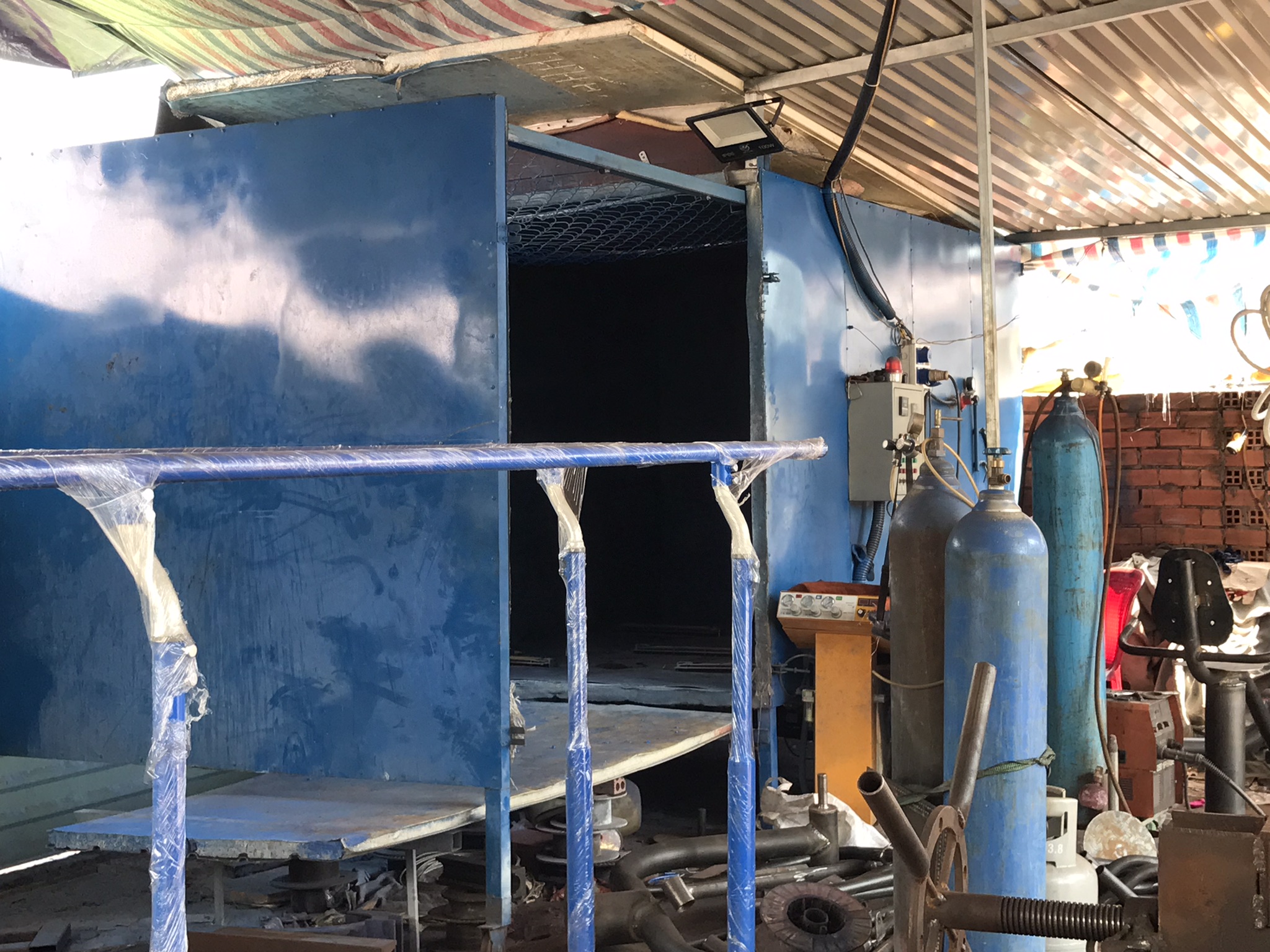
Powder coating sprays dry powder onto a metal surface, then cures it in an oven. The result is a thick, even, durable finish. It resists chipping, scratching, fading, and moisture. It also comes in virtually any color. For above-ground outdoor parts like enclosures, brackets, and panels, powder coating is our most requested finish. It provides strong UV radiation resistance, which paints and platings often lack.
However, powder coating is only as good as the surface preparation beneath it. If the metal is not properly cleaned, degreased, and etched, the coating will peel. I will address pre-treatment in detail later.
Hot-Dip Galvanizing
Hot-dip galvanizing immerses the entire part in molten zinc. The zinc bonds metallurgically to the steel. This gives thick, robust protection — typically 45 to 85 microns. The zinc layer provides cathodic protection, meaning it sacrifices itself to protect any exposed steel. sacrificial cathodic protection 6 This makes galvanized steel ideal for structural parts, below-ground applications, and situations where the coating might get scratched during handling or installation.
The downside? Galvanizing does not offer color options. It has a rough, matte-gray appearance. And for parts with tight tolerances, the thick zinc layer can cause fit issues.
Electroplating (Zinc, Nickel, Chrome)
Electroplating deposits a thin metal layer through an electrical process. Zinc plating is common for fasteners and small brackets. Nickel and chrome plating improve appearance and add moderate corrosion resistance. Plating layers are thinner than galvanizing — usually 5 to 25 microns — so they offer less protection in harsh environments. But they maintain dimensional accuracy, which matters for precision parts.
Anodizing for Aluminum
If your base metal is aluminum, anodizing is the go-to process. It thickens the natural oxide layer through an electrochemical process. This creates a hard, wear-resistant surface with improved salt spray resistance. Type III (hard) anodizing is especially effective for outdoor aluminum parts. Type III anodizing 7
Coating Comparison Table
| Coating Method | Typical Thickness | Corrosion Protection | UV Resistance | Color Options | Best For |
|---|---|---|---|---|---|
| Powder Coating | 60–120 µm | Very Good | Excellent | Unlimited | Above-ground enclosures, panels |
| Hot-Dip Galvanizing | 45–85 µm | Excellent (sacrificial) | Poor (dulls) | None (gray) | Structural, below-ground |
| Zinc Plating | 5–25 µm | Moderate | Poor | Limited | Fasteners, small brackets |
| Nickel Plating | 10–50 µm | Good | Moderate | Silver/bright | Decorative, moderate outdoor |
| Anodizing (Type III) | 25–75 µm | Very Good | Good | Limited (dye) | Aluminum outdoor parts |
| Galvalume Coating | 20–40 µm | Excellent | Moderate | None | Roofing, long-span outdoor |
Combining Methods for Maximum Protection
On several projects, we have specified a galvanized base with a powder coat topcoat. This gives you the sacrificial protection of zinc plus the UV and aesthetic benefits of powder coating. It costs more, but for parts that must last 15 to 20 years outdoors, the investment pays off.
For aluminum parts, anodizing followed by a clear or colored powder coat provides exceptional long-term durability. We recommend this combination for marine and coastal applications.
What salt spray test standards should I require to guarantee my fabrications won't corrode?
One lesson we learned early in our quality control journey: never accept a supplier's verbal claim of "good corrosion resistance" — always demand documented test results against recognized standards.
Require salt spray testing per ASTM B117 or ISO 9227 as a baseline. Specify minimum hours — typically 96 to 500 hours for zinc plating, 500 to 1,000 hours for powder coating, and 1,000+ hours for high-performance marine finishes. Include pass/fail criteria such as no red rust, blister rating, and scribe creep limits in your purchase specification.
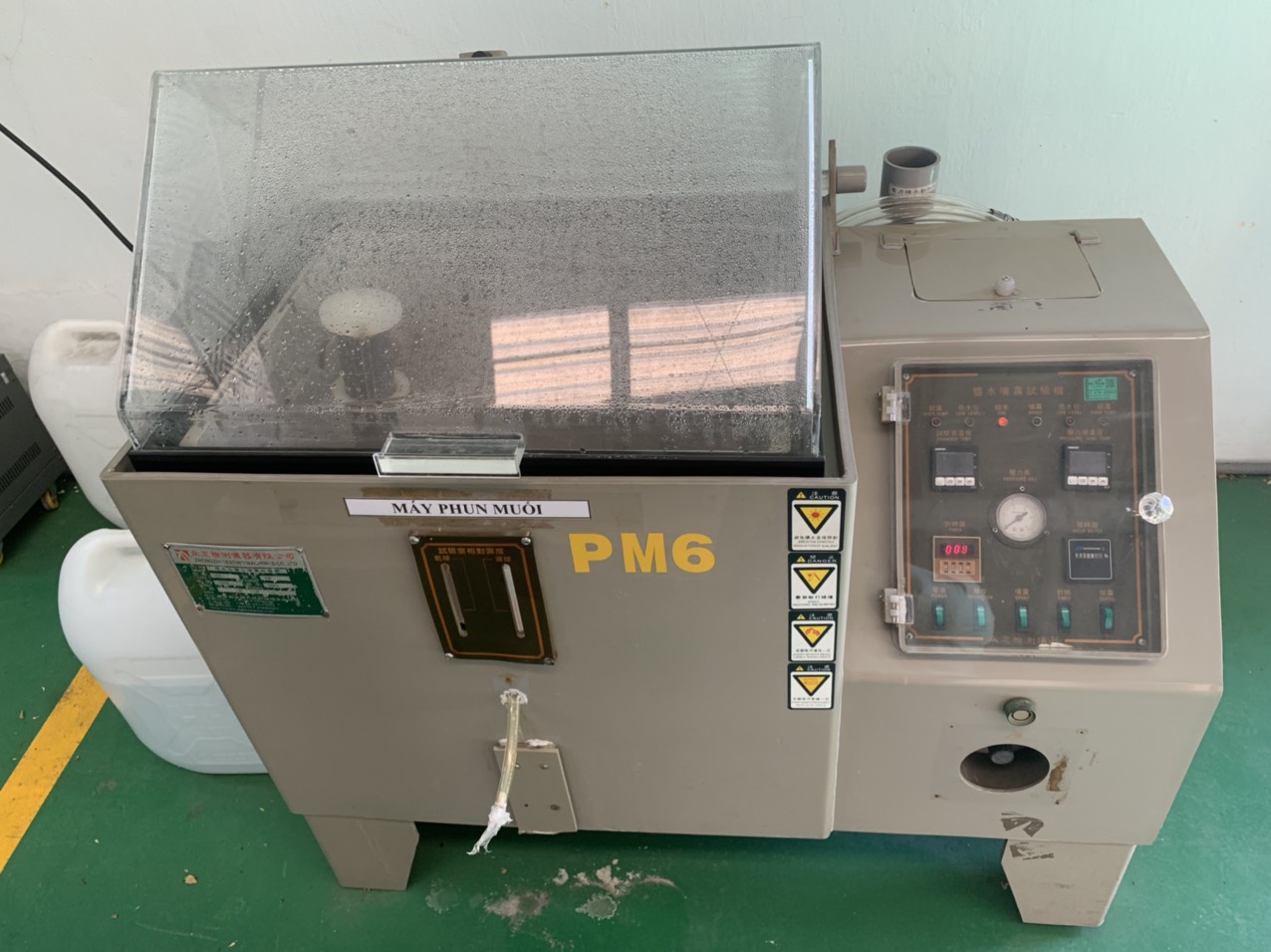
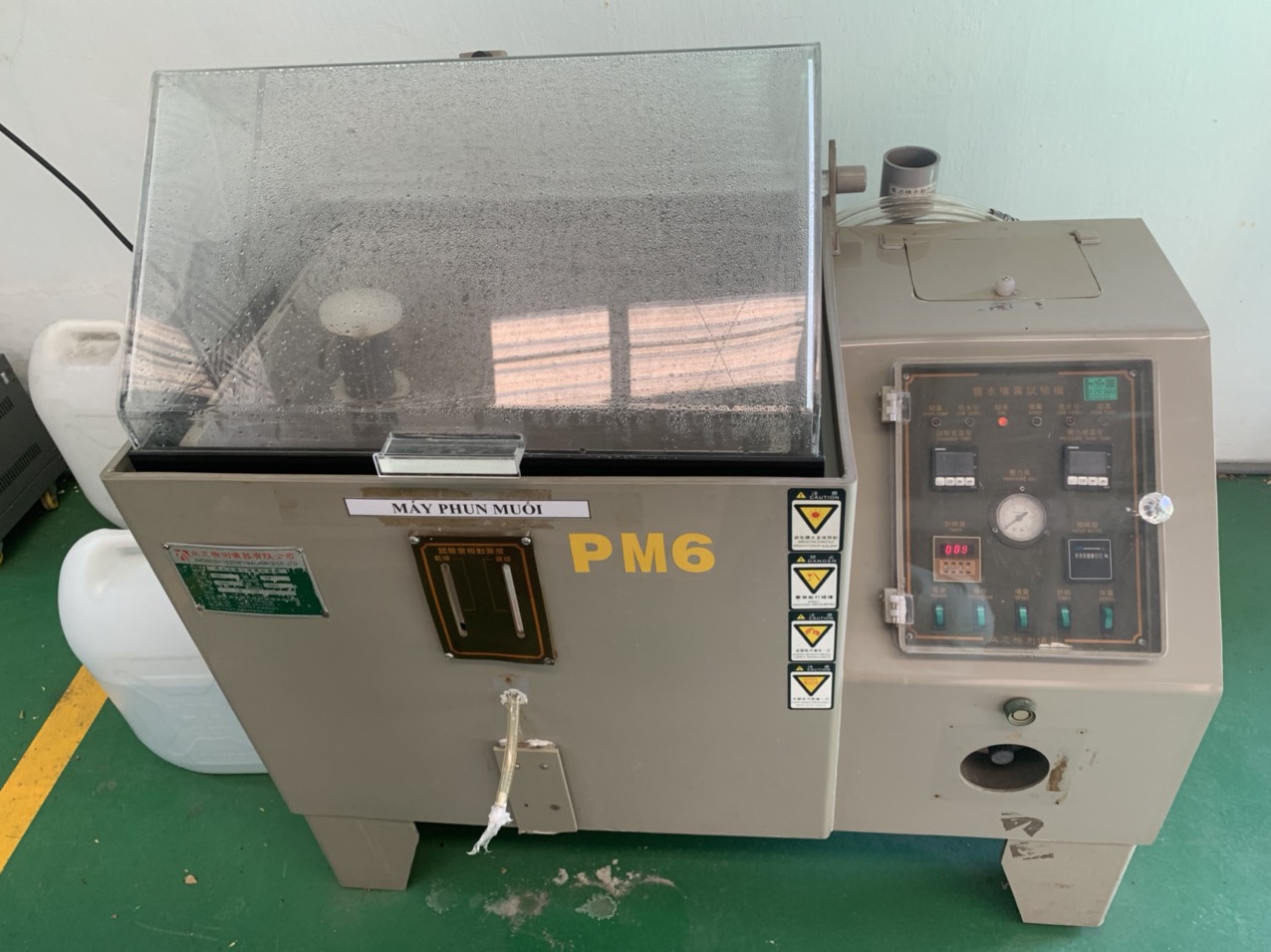
Salt spray testing is the industry's standard accelerated corrosion test. It exposes coated samples to a controlled salt fog environment and measures how long the finish resists degradation. Here is what you need to know to write effective specifications.
Understanding ASTM B117 and ISO 9227
ASTM B117 8 is the most widely referenced standard in the U.S. ISO 9227 is its international equivalent. Both describe the test apparatus, salt solution concentration (5% NaCl), temperature (35°C), and sample placement. They define how to run the test but do not specify pass/fail criteria — that is your responsibility as the buyer.
This is a critical point. Many purchasing managers assume that "meets ASTM B117" is a complete spec. It is not. You must state the required hours and the acceptance criteria.
How Many Hours Should You Require?
The required hours depend on your coating type, end-use environment, and expected service life. Here are practical guidelines based on what we typically specify for our U.S. clients:
| Coating / Finish | Minimum Salt Spray Hours | Typical Application |
|---|---|---|
| Zinc Plating (clear chromate) | 96–168 hours | Indoor or mild outdoor |
| Zinc Plating (yellow chromate) | 168–336 hours | Moderate outdoor |
| Hot-Dip Galvanizing | 500–1,000 hours | Structural outdoor |
| Powder Coating over steel | 500–1,000 hours | General outdoor |
| Powder Coating over galvanized | 1,000–1,500 hours | Harsh outdoor |
| Anodized Aluminum (Type III) | 336–1,000 hours | Outdoor, marine |
| 316L Stainless (bare) | 1,000+ hours | Marine, chemical |
Defining Pass/Fail Criteria
Hours alone are not enough. You must state what constitutes failure. Common criteria include:
- No red rust on the surface or edges after the specified hours
- Blister rating per ASTM D714 — usually requiring a rating of 8 or better (few, small blisters)
- Scribe creep — if you scribe (scratch) the coating before testing, the maximum allowable corrosion spread from the scribe line, often limited to 2–3 mm
- No white rust for zinc-coated parts within the first 24–48 hours
Beyond Salt Spray: Cyclic Corrosion Testing
Salt spray testing has limitations. It simulates a single, constant condition. Real outdoor environments cycle between wet, dry, hot, and cold. Cyclic corrosion tests 9 like ASTM G85 or SAE J2334 better simulate real-world conditions. We recommend these for parts destined for automotive, heavy equipment, or coastal infrastructure. They cost more to run, but they give more accurate predictions of field performance.
When writing your spec, reference both the test standard and your criteria clearly. This removes ambiguity and gives you solid ground for rejecting non-conforming parts.
How can I ensure my overseas supplier follows the correct pre-treatment process for long-term durability?
During a recent supplier audit at a factory in Vietnam, our QC team discovered that the phosphate bath concentration had drifted well below spec — the supplier had not checked it in weeks, and coating adhesion had already started to suffer on production parts.
Ensure your overseas supplier follows proper surface preparation by requiring documented pre-treatment procedures (cleaning, degreasing, etching, phosphating or chromating), conducting on-site audits or third-party inspections, demanding PPAP-level process documentation, and verifying adhesion test results like ASTM D3359 cross-hatch testing on every production lot.
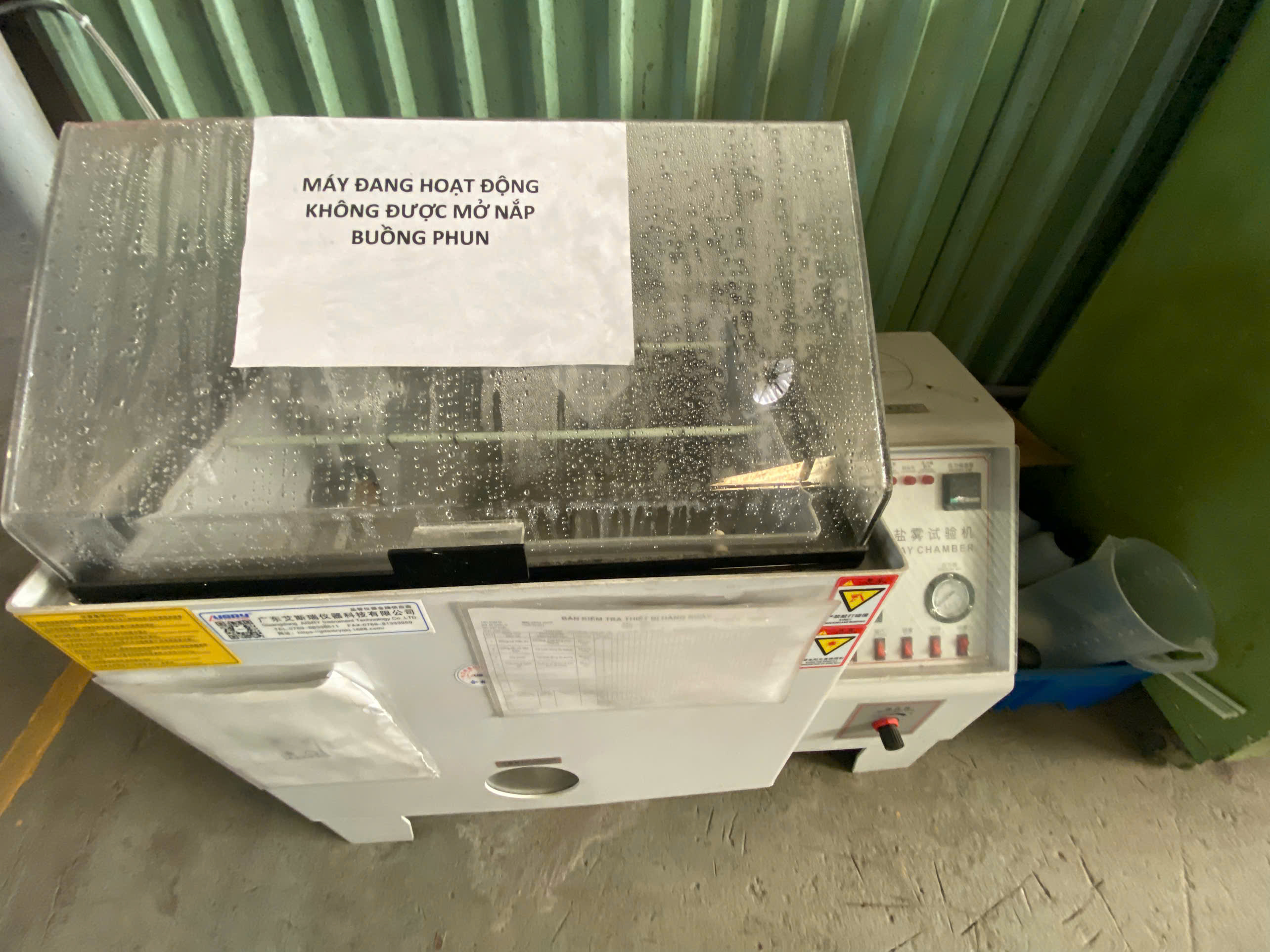
Surface preparation is the most overlooked — and most critical — step in corrosion protection. A perfect coating over a poorly prepared surface will fail. Here is how we help our clients manage this risk when sourcing from Asian suppliers.
Why Pre-Treatment Matters So Much
Before any coating is applied, the metal surface must be free of oil, grease, mill scale, rust, and contaminants. The surface must also have the right profile (roughness) for the coating to grip. Skip any of these steps, and the coating will delaminate. This is the root cause of most premature coating failures we see in the field.
A proper pre-treatment sequence for steel typically follows this order:
- Alkaline cleaning — removes oils and shop grime
- Water rinse — removes cleaning chemicals
- Acid pickling or etching — removes rust and mill scale
- Water rinse — removes acid residue
- Phosphating or chromating — creates a conversion coating that improves paint/powder adhesion
- Final rinse — often deionized water to prevent mineral deposits
- Drying — parts must be completely dry before coating
For aluminum parts heading to aluminum anodizing, the sequence differs but the principle is the same: clean, etch, convert, rinse, dry.
How to Verify Your Supplier's Process
Verbal assurances are not enough. Here are concrete steps we take on behalf of our clients:
- Require a process flow document that lists every pre-treatment step, chemical concentrations, bath temperatures, and dwell times
- Conduct on-site audits — our Vietnam and China teams visit supplier facilities and verify that documented procedures match actual practice
- Request adhesion test results — ASTM D3359 (cross-hatch tape test) or ASTM D4541 (pull-off test) should be performed on samples from each production run
- Include pre-treatment in your PPAP package — the Production Part Approval Process should document the entire coating process, not just dimensional checks
- Monitor bath chemistry — suppliers should test and log their chemical bath concentrations daily or per shift
Common Pre-Treatment Failures We Have Caught
In our experience managing suppliers across Vietnam and China, these are the most frequent pre-treatment problems:
- Phosphate bath too dilute — results in thin conversion coating and poor adhesion
- Inadequate rinse stages — chemical carryover contaminates the next bath
- Parts left sitting between cleaning and coating — flash rust forms in humid shops
- Skipping the degreasing step on parts that "look clean" — invisible oils still prevent adhesion
- Using tap water for final rinse — mineral deposits create coating defects
Galvanic Compatibility — A Design Issue Your Supplier May Miss
When your fabrication uses dissimilar metals — for example, a stainless steel bracket bolted to an aluminum panel — galvanic corrosion 10 can occur. The less noble metal corrodes faster due to electrochemical activity. Your supplier may not flag this. Specify insulating washers, barrier coatings, or compatible fastener materials in your drawing notes. This is a design and material selection impact on durability issue, but your supplier's assembly process must enforce it.
Conclusion
Corrosion resistance for outdoor sheet metal fabrications requires the right material, the right protective finish, verified salt spray performance, and strict supplier pre-treatment controls working together as a system. Understanding how surface treatments extend the service life of your parts and selecting the best surface treatment options for your application are essential to achieving long-term outdoor durability.
Frequently Asked Questions
How Many Hours Should You Require?
The required hours depend on your coating type, end-use environment, and expected service life. Here are practical guidelines based on what we typically specify for our U.S. clients:
Which sheet metal materials should I choose to prevent rust in harsh outdoor environments?
A buyer in the Midwest once sent us corroded mounting brackets that had failed in under eight months — the original supplier had used plain carbon steel with no coating plan PPAP 1 .
How do I decide between powder coating, galvanizing, or plating for my outdoor parts?
Last year, a client asked our team to evaluate why their competitor's outdoor enclosures lasted twice as long — the difference came down entirely to the protective finish, not the base metal.
Footnotes
1. Provides a comprehensive overview of the Production Part Approval Process (PPAP) in manufacturing. ↩︎
2. Provides an overview of the properties and applications of 5xxx series aluminum alloys. ↩︎
3. This source offers a comprehensive explanation of why steel is galvanized and how the zinc coating protects against rust and corrosion, including its sacrificial nature. ↩︎
4. Explains the unique properties and applications of weathering steel, also known as Corten. ↩︎
5. Explains the properties and uses of 316L stainless steel for marine environments. ↩︎
6. Defines and explains the principle of sacrificial cathodic protection using anodes. ↩︎
7. Provides details on the process, benefits, and applications of Type III hardcoat anodizing. ↩︎
8. Describes the standard practice for operating salt spray (fog) apparatus for corrosion testing. ↩︎
9. Explains the methodology and benefits of cyclic corrosion testing for simulating real-world conditions. ↩︎
10. Explains the phenomenon of galvanic corrosion and its occurrence between dissimilar metals. ↩︎