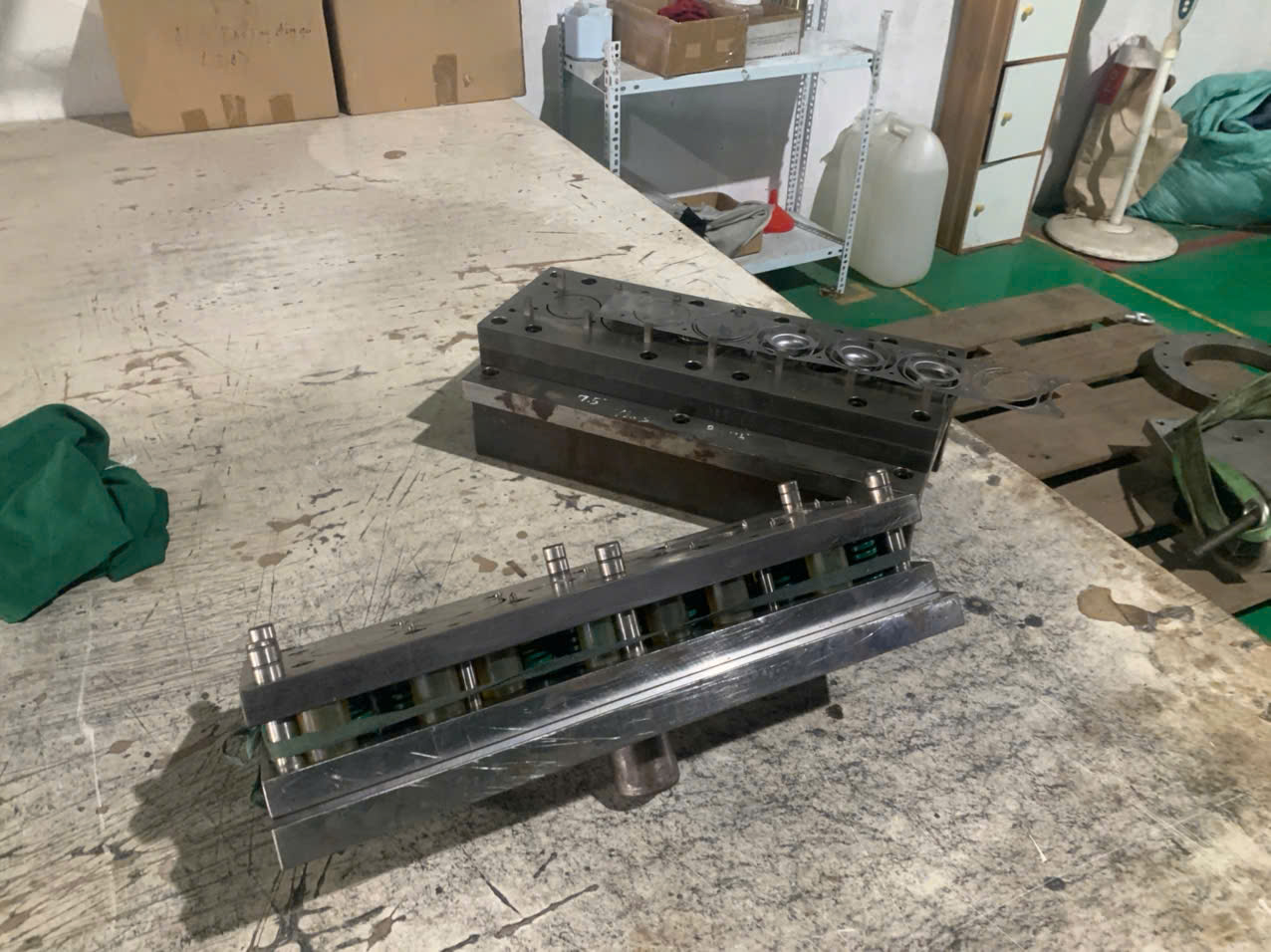

Last year, one of our Vietnam-sourced stamping parts shipments nearly stalled at Rotterdam over packaging paperwork. That scare pushed our team to master [EU packaging compliance](https://dewintech.com/blog/how-meet-strict-eu-environmental-packaging-requirements-sourcing-stamping-parts/) the hard way.
To comply with the EU Packaging Waste Directive—now replaced by the PPWR (Regulation 2025/40)—Vietnam stamping parts exporters must use recyclable mono-material packaging, meet recycled content and heavy metal limits, apply material identification symbols, register for EPR, and hold a signed Declaration of Compliance before August 12, 2026.
The rules changed significantly, and the deadlines are real. Below, I break down exactly what you need to specify, verify, document, and balance—based on what our Vietnam team does every week.
What packaging requirements should I specify for Vietnam stamping parts entering the EU?
When our Vietnam office first drafted packaging specifications for a bracket order headed to Germany, we discovered how much the old Directive's rules had shifted under the new regulation.
Specify recyclable mono-material packaging, VCI paper compatible with paper recycling streams, ISPM 15 heat-treated wood pallets, heavy metal limits below 100 ppm, minimum 10–30% recycled content in plastics, maximum 50% empty space, and correct material identification symbols on every packaging layer.
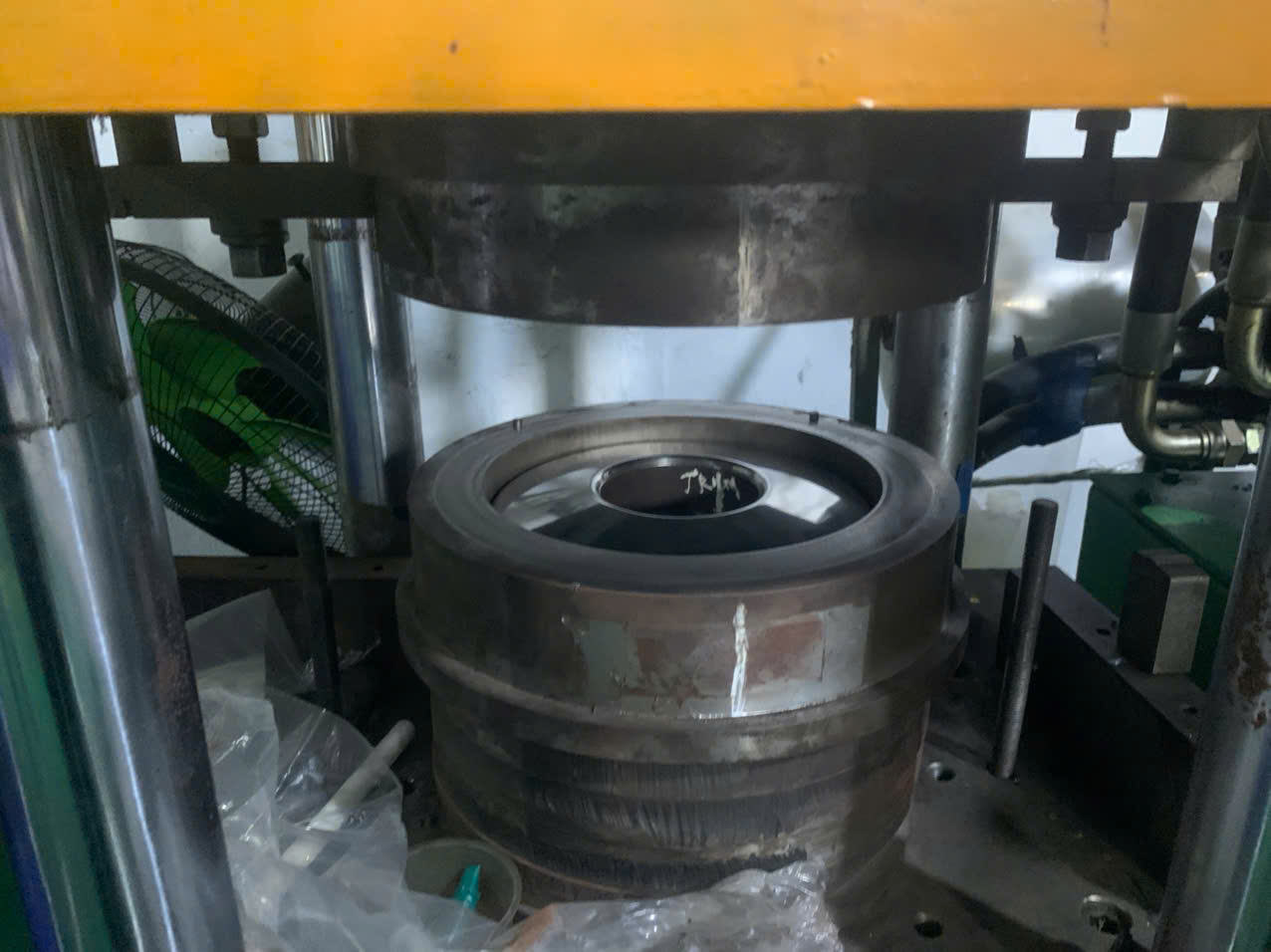
The first thing I tell purchasing managers is this: the "Packaging Waste Directive" you remember is gone. The EU replaced Directive 94/62/EC with the Packaging and Packaging Waste Regulation 1 (PPWR), Regulation (EU) 2025/40. It entered into force in February 2025 and applies from August 12, 2026. A Regulation applies directly in every EU member state. There is no national wiggle room. So your packaging spec sheet must reflect the new law, not the old one.
For stamped metal parts like the brackets and mounting clips we ship weekly, I recommend building your specification around five pillars.
The Five Pillars of a Compliant Packaging Spec
| Pillar | Requirement | Practical Action for Stamping Parts |
|---|---|---|
| Recyclability | Packaging must be recyclable by design | Use mono-material cartons; avoid plastic-coated cardboard |
| Recycled content | PET min. 30%; other plastics min. 10% | Source PE bags and wraps with verified PCR content |
| Heavy metals | Pb, Cd, Hg, Cr(VI) sum below 100 ppm | Test inks, coatings, adhesives on labels and boxes |
| Right-sizing | Max 50% empty space; minimum volume/weight | Custom-fit inserts; no loose foam chips or "shipping air" |
| Wood packaging | ISPM 15 2 wood standards | Heat-treated, stamped pallets and crates only |
Stamped parts have sharp edges and bent flanges. They can puncture bags and tear cartons. So your spec still needs adequate protection—the PPWR does not ban protective packaging. It bans excessive packaging. In our specs, we call for die-cut corrugated dividers sized to each part geometry. This satisfies both the protection need and the right-sizing rule.
One more point people miss: VCI (volatile corrosion inhibitor) paper and film are standard for stamping parts. But some VCI chemistries interfere with the paper or plastic recycling stream. Specify VCI materials that carry a recyclability assessment from the supplier. Ask for it in writing before the first shipment.
How can I verify my Vietnam supplier's packaging materials meet EU waste regulations?
A supplier audit in Bac Ninh taught me a hard lesson: the factory manager confidently showed me "recyclable" foam that no EU facility would actually accept. Verbal assurance means nothing.
Verify compliance by requesting a packaging Bill of Materials, supplier declarations for each component, third-party heavy metal test reports, recycled content certificates for plastics, ISPM 15 stamps on wood, and a recyclability assessment—then audit the packing line physically to confirm materials match the documents.

Our Vietnam team runs supplier audits as part of every custom parts project, and packaging verification is now a standing agenda item. Awareness of Extended Producer Responsibility 3 among Vietnamese factories varies widely. Vietnam has its own EPR rules under Decree 08/2022, with packaging recycling obligations that started January 1, 2024. So a good supplier faces dual-compliance pressure: local Vietnamese EPR plus EU PPWR compliance. Many smaller stamping shops have not caught up. You cannot assume anything.
Here is the verification process we follow, step by step.
Our Six-Step Verification Process
- Request the packaging BoM. List every layer: VCI wrap, poly bag, carton, divider, strapping, pallet, stretch film, labels, tape.
- Collect a declaration per component. Each packaging material supplier should confirm composition, recycled content, and recyclability in writing.
- Demand heavy metal test reports. Third-party lab results covering lead, cadmium, mercury, and hexavalent chromium against heavy metal concentration limits. Inks and adhesives are the usual failure points.
- Check recycled content evidence. For PE bags or PP strapping, ask for certificates showing post-consumer recycled percentages.
- Inspect wood packaging. Every pallet must carry a valid ISPM 15 heat-treatment stamp. We photograph the stamps during final inspection.
- Walk the packing line. Documents can be recycled from old orders. Physical audits catch substitutions, like a cheaper non-compliant film swapped in during a busy month.
Red Flags We Watch For
| Red Flag | Why It Matters |
|---|---|
| No packaging BoM exists | Supplier cannot trace materials or prove anything |
| "Recyclable" claims with no test data | Claims without a recyclability assessment fail EU scrutiny |
| Mixed multi-material packaging | Laminated or coated composites often fail design-for-recycling rules |
| Undated or generic test reports | Reports must match the actual material batch in use |
| Missing ISPM 15 marks on pallets | Shipment can be rejected or fumigated at EU port, at your cost |
Keep versioned records. When a supplier changes a film vendor, the whole evidence chain must update. We log packaging material changes the same way we log engineering changes on the stamped parts themselves.
What documentation do I need to prove packaging compliance during EU customs clearance?
Greg, a long-time purchasing manager client of ours, once asked me a blunt question: "If customs stops the container, what paper saves us?" It deserved a precise answer.
You need a signed Declaration of Compliance backed by a Technical File containing the packaging Bill of Materials, heavy metal test reports, recycled content certificates, recyclability evidence, ISPM 15 documentation, EPR registration numbers for each destination member state, and correct material identification symbols on the packaging itself.
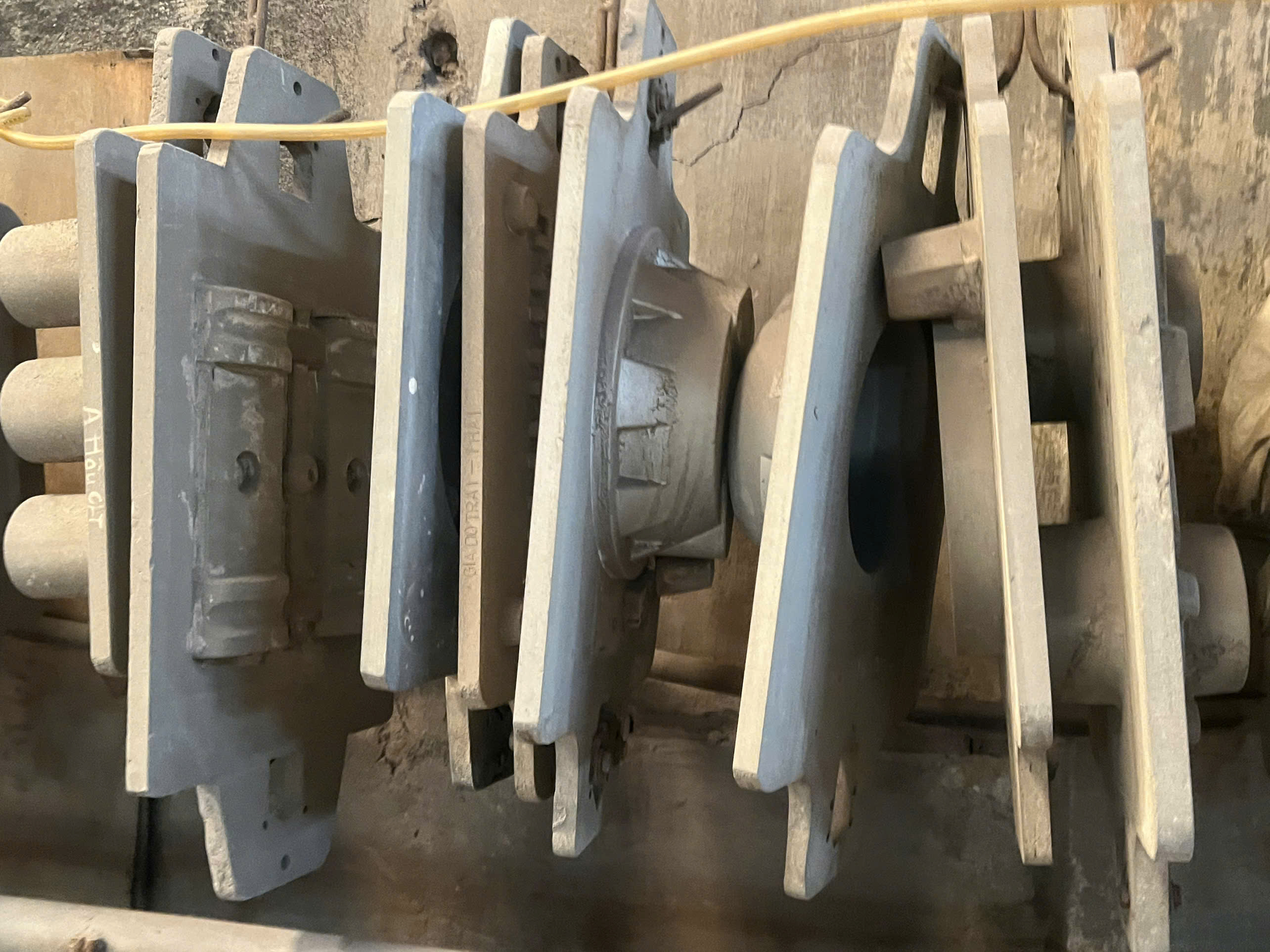
Customs officers and market surveillance authorities do not want promises. They want a document trail that closes every loop. In our door-to-door logistics work between Vietnam and Europe, we prepare the file before the container leaves Haiphong, not after a question arrives.
The Core Document Set
The centerpiece is the Declaration of Compliance (DoC). Under the PPWR, this must be ready before the August 2026 application date for goods placed on the EU market afterward. The DoC itself is short. Its power comes from the Technical File behind it.
| Document | Purpose | Who Provides It |
|---|---|---|
| Declaration of Compliance | Legal statement that packaging meets PPWR requirements | Exporter/producer, signed |
| Packaging BoM | Identifies every packaging component and material | Factory, maintained by exporter |
| Heavy metal test reports | Proves Pb, Cd, Hg, Cr(VI) below limits | Accredited third-party lab |
| Recycled content certificates | Verifies PCR percentages in plastic packaging | Packaging material suppliers |
| Recyclability assessment | Confirms design-for-recycling compliance | Supplier or testing body |
| ISPM 15 certificate/marks | Confirms wood treatment compliance | Pallet supplier |
| EPR registration numbers | Proves registration in destination member states | Exporter or EU importer |
Labeling on the Packaging Itself
Documents alone are not enough. The packaging must carry correct material identification symbols 4—for example, PAP 20 for corrugated cardboard and FE 40 for steel strapping. By August 12, 2028, packaging will also need the harmonized EU waste sorting label. And by January 2030, information on substances of concern must be included. National schemes add more: France requires the Triman logo 5, Italy has its own environmental labeling, and Germany's Green Dot system involves fees tied to EPR registration. Looking ahead, some of our clients are piloting Digital Product Passports via QR codes on bulk crates, which streamline waste management reporting and give customs instant material transparency.
Keep the Technical File for the retention period, keep it versioned, and make sure the person signing the DoC actually has the evidence behind it.
How do I balance packaging protection needs with EU sustainability requirements for stamped metal parts?
The trade-off I weigh most often is simple: a scratched, corroded bracket is a rejected bracket, but an over-packed carton is now a legal liability. Both mistakes cost money.
Balance protection and sustainability by using custom die-cut mono-material inserts, recyclable VCI paper for corrosion protection, right-sized cartons with under 50% empty space, and reusable packaging systems for repeat routes—achieving full part protection while meeting PPWR minimization and recyclability rules.
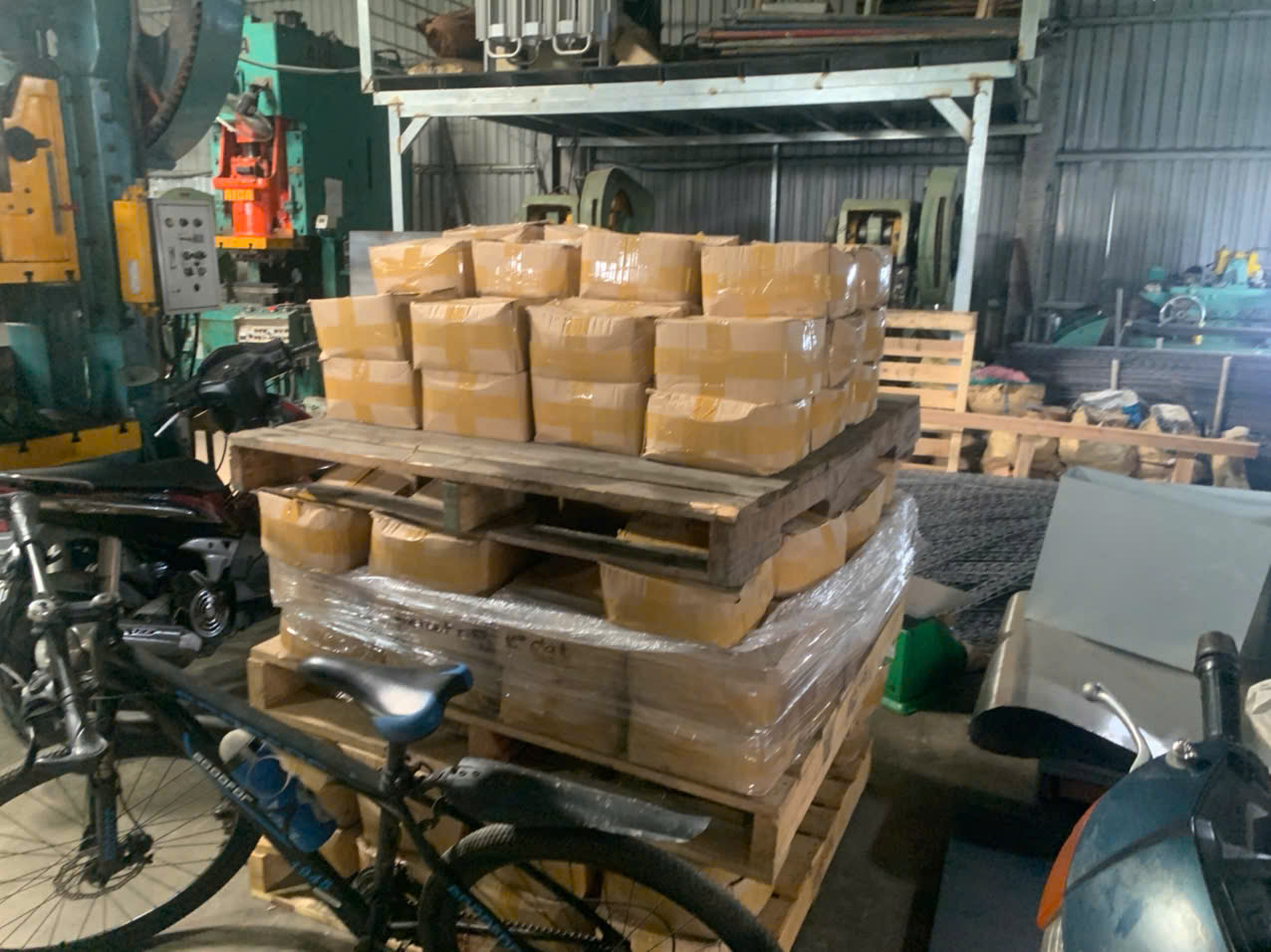
Stamped parts punish lazy packaging. The brackets we source have sharp flanges, punched holes, and zinc or nickel-plated surfaces that scratch easily. Bare steel parts also rust during a five-week sea voyage through humid Southeast Asian ports. So protection is non-negotiable. The good news: sustainable industrial packaging and strong protection are not enemies. They just require engineering.
Design Principles That Satisfy Both Sides
First, replace void fill with structure. Foam chips and air cushions 6 add volume and often fail recyclability rules. A die-cut corrugated insert 7 holds each part in place, uses less material, and stays in the paper recycling stream. It also cuts damage rates, because parts cannot shift and abrade each other.
Second, choose corrosion protection that recycles. Recyclable VCI paper wraps protect plated and galvanized surfaces without needing plastic film. Where film is essential, we specify mono-material PE with verified recycled content, which counts toward the PPWR targets.
Third, calculate empty space before you pack. The 50% empty-space cap is measurable. For heavy, irregular parts, nest components where geometry allows. Our engineers sometimes adjust part orientation in the carton to cut box size by a full increment—less material, lower freight, and legal compliance in one move.
Fourth, consider reusability for stable volumes. For high-volume, repeating routes between Vietnam and EU assembly plants, a closed-loop returnable system with steel or heavy-duty plastic totes can beat single-use packaging on both cost and EPR fees over time. EPR fee structures in many member states are eco-modulated, so lighter, recyclable, or reusable packaging pays lower fees. Compliance becomes a cost advantage, not just a cost.
Finally, involve your packaging supplier early. When packaging is designed alongside the part, during co-development rather than at the shipping dock, protection and sustainability stop competing.
Conclusion
EU packaging compliance for Vietnam stamping parts is now a hard requirement, not a nice-to-have. Specify correctly, verify suppliers, document everything, and design smart—before August 2026 arrives.
Frequently Asked Questions
What packaging requirements should I specify for Vietnam stamping parts entering the EU?
When our Vietnam office first drafted packaging specifications for a bracket order headed to Germany, we discovered how much the old Directive's rules had shifted under the new regulation.
How can I verify my Vietnam supplier's packaging materials meet EU waste regulations?
A supplier audit in Bac Ninh taught me a hard lesson: the factory manager confidently showed me "recyclable" foam that no EU facility would actually accept. Verbal assurance means nothing.
What documentation do I need to prove packaging compliance during EU customs clearance?
Greg, a long-time purchasing manager client of ours, once asked me a blunt question: "If customs stops the container, what paper saves us?" It deserved a precise answer.
Footnotes
1. Official European Commission overview of the new regulation governing packaging and its waste. ↩︎
2. International standard for treating wood packaging to prevent the global spread of timber pests. ↩︎
3. OECD definition and policy framework for producer responsibility in product waste management. ↩︎
4. Official EU system for identifying packaging materials to facilitate collection, reuse, and recovery. ↩︎
5. Official French agency guidance on the mandatory recycling signage for products and packaging. ↩︎
6. Wikipedia entry covering various industrial packaging cushioning methods including air-filled void fill. ↩︎
7. European federation providing standards and recycling codes for the corrugated board industry. ↩︎