

Last year, a client’s shipment of stamping parts nearly got flagged at Rotterdam over packaging paperwork. The EU Packaging Waste Directive rules had changed, and nobody in our supply chain had noticed until our team caught it.
To comply with the EU Packaging Waste Directive for Vietnam stamping parts, keep heavy metals in packaging under 100 ppm, follow the new PPWR (Regulation 2025/40) recyclability and empty-space rules, register for EPR in the destination member state, and hold a Declaration of Conformity with technical documentation.
That sounds like a lot. It is. But it breaks down into clear, manageable steps. Let me walk you through each one, based on what we actually do for our clients.
What packaging requirements do I need to meet under the EU Packaging Waste Directive for Vietnam stamping parts?
A purchasing manager once asked me why his crates needed redesigning when the metal parts inside were identical to last year's order. The answer sits in Brussels, not in his drawings. Our Vietnam office now reviews packaging specs on every EU-bound project.
You must meet heavy metal concentration limits of 100 ppm total for lead, cadmium, mercury, and hexavalent chromium, design packaging with no more than 50% empty space, ensure recyclability by 2030, apply material identification codes, and follow the new PPWR replacing the old directive.
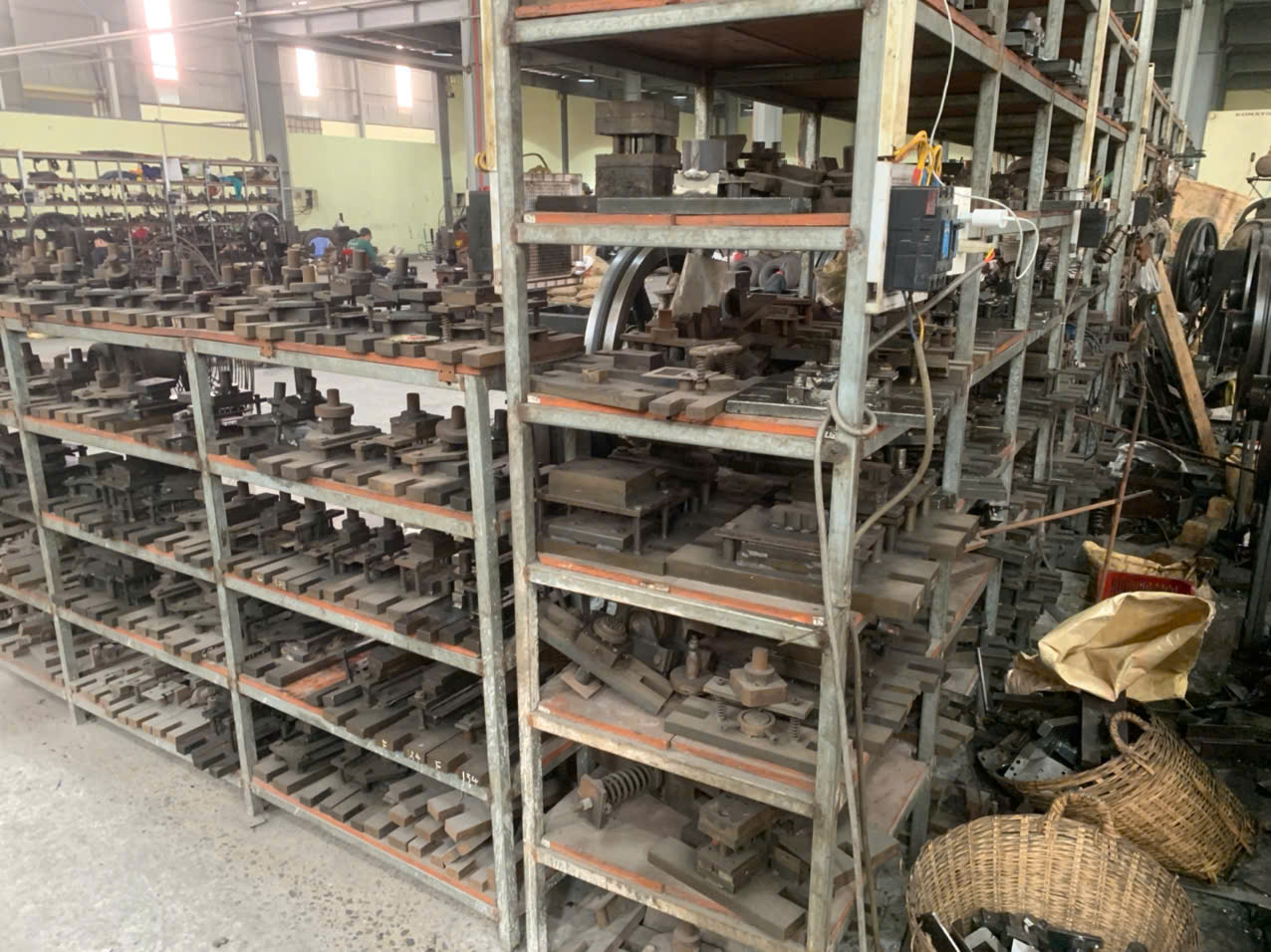
First, an important clarification. The old Packaging and Packaging Waste Directive from 1994 has been replaced. The new law is the Packaging and Packaging Waste Regulation (PPWR, Regulation 2025/40). It entered into force in February 2025. Because it is a regulation, not a directive, it applies directly in every EU member state. There is no national wiggle room anymore. PPWR compliance is now the single standard you aim for.
For stamping parts like mounting brackets, base plates, and flange components, you mostly deal with industrial transport packaging. That means wooden pallets, corrugated boxes, steel crates, and plastic films. Each has its own rules.
The Core Requirements at a Glance
| Requirement | Rule | Deadline |
|---|---|---|
| Heavy metal concentration limits | ≤100 ppm total (Pb, Cd, Hg, Cr VI) | In force now |
| Empty space cap | ≤50% for transport/grouped packaging | Phasing in from 2030 |
| Recyclability | All packaging designed for viable recycling | January 1, 2030 |
| Recycled content (plastics) | ≥10% for PP/PE, ≥30% for PET | 2030 |
| Material composition label | Standardized EU label | August 12, 2028 |
| Declaration of Conformity | Per PPWR Annex VIII | Prepare by August 2026 |
What This Means for Stamping Parts Specifically
Heavy metal parts create a packaging paradox. They are dense, so boxes look "under-filled" by volume. Yet weight limits force smaller cartons. In our experience, the 50% empty space rule is manageable for stamped brackets if you use right-sized inner cartons with dividers. Artificial volume tricks like double walls and false bottoms are explicitly banned.
Wooden pallets add another layer. They must carry the ISPM 15 1 wooden packaging heat-treatment stamp for phytosanitary reasons, and by 2030, any chemical treatments must be checked against the "substances of concern" rules. Untreated, heat-treated pallets are the safe path. Circular economy regulations are driving all of this, so expect the rules to tighten, not loosen.
How can I verify my Vietnam supplier's packaging materials are EU-compliant before shipment?
During a supplier audit in Bac Ninh province, our QC engineer spotted VCI film with no material datasheet at all. The factory manager shrugged. That shrug would have cost the buyer a customs delay in Hamburg. Verification cannot wait until the container is sealed.
Verify compliance by requesting material safety datasheets, third-party lab test reports such as SGS lab testing for heavy metals, ISPM 15 stamps on wooden pallets, recycled content certificates for plastics, and by conducting an on-site packaging audit before the first shipment leaves Vietnam.

Verification is where most compliance plans fall apart. A supplier can promise anything on a quotation. Proof is different. Our Vietnam team runs a packaging verification checklist on every EU-bound project, and I recommend you adopt something similar, whether you work with us or not.
A Four-Step Verification Process
- Request documents before production. Ask for material datasheets on every packaging component: cartons, foam, films, strapping, and pallets. No datasheet, no approval.
- Test what matters. Send samples of coated or printed packaging for SGS lab testing 2 or an equivalent accredited lab. The test confirms heavy metal concentration limits stay under 100 ppm and screens for restricted substances.
- Inspect the physical packaging. Check ISPM 15 wooden packaging stamps 3 on every pallet. Fake or missing stamps are still common in Southeast Asia. Verify carton grades against the spec.
- Audit the packing process. Watch how parts are actually packed. VCI anti-corrosion bags used to protect stamped steel from sea-freight humidity must not contain restricted substances that ruin the recyclability of the outer carton.
What Each Material Needs
| Packaging Material | Key Verification Point | Evidence to Collect |
|---|---|---|
| Corrugated cartons | Recyclability, heavy metals in inks | Datasheet, lab report |
| Wooden pallets | Heat treatment, no banned chemicals | ISPM 15 stamp, HT certificate |
| VCI anti-corrosion bags | Restricted substance content | Supplier declaration, test report |
| PE/PP films | Recycled content trajectory | Recycled content certificate |
| Steel strapping/crates | Recyclability design | Material spec sheet |
One more practical tip. Humidity in Vietnamese warehouses can degrade cartons and compromise VCI performance before loading. We check storage conditions during pre-shipment inspection, because compliant packaging that arrives moldy or corroded protects nobody.
What documentation should I request to prove packaging compliance for customs clearance in Europe?
Paperwork is the least glamorous part of my job, and the part that saves clients the most money. When we onboard a new stamping parts project bound for Europe, the documentation file gets built in parallel with the first article inspection, not after.
Request a Declaration of Conformity per PPWR Annex VIII, technical documentation with material specs and test reports, ISPM 15 certificates for wood, EPR registration proof for the destination member state, material identification coding records, and EVFTA origin documents to streamline clearance.

Think of the documentation package as three layers: conformity, traceability, and trade. Missing any layer creates friction at the border or, worse, liability after the goods are sold.
Layer 1: Conformity Documents
The Declaration of Conformity (DoC) is the centerpiece. Under PPWR, it must follow Annex VIII and be backed by technical documentation: design files, material specifications, test reports, and conformity assessment records under the Article 38 procedure. Retention rules matter here. Keep the file for five years for single-use packaging and ten years for reusable packaging. We build this file once per packaging design, then update it when materials change.
Layer 2: Traceability Documents
Material identification coding 4 under Decision 97/129/EC belongs on the packaging itself. PAP 20 marks corrugated cardboard. FOR 50 marks wooden pallets. From August 2028, standardized material composition labels 5 become mandatory, and QR code data carriers will link to recyclability information. Recyclability labeling requirements are moving from "nice to have" to legally required, so print-ready artwork should be prepared now. If you sell into markets using the Green Dot system, confirm whether your importer's EPR scheme covers the license, because the Green Dot is a fee-paid trademark, not a free recycling symbol.
Layer 3: Trade and EPR Documents
| Document | Purpose | Who Provides It |
|---|---|---|
| Declaration of Conformity (DoC) | Proves PPWR compliance | Manufacturer/exporter |
| EPR registration number | Proves Extended Producer Responsibility (EPR) enrollment | Producer or EU importer |
| ISPM 15 certificate | Wood packaging phytosanitary proof | Pallet supplier |
| EVFTA Certificate of Origin | Tariff preference and origin proof | Vietnamese exporter |
| Lab test reports | Heavy metals and substance screening | Accredited lab |
The EU-Vietnam Free Trade Agreement 6 (EVFTA) is a genuine advantage here. Aligning your packaging data with EVFTA origin documentation lets one clean file serve both tariff and sustainability checks. Also confirm who acts as the "producer" for Extended Producer Responsibility (EPR) purposes. If your EU importer takes that role, their name and contact details must appear on the packaging, printed or via QR code.
Which packaging design changes can help me reduce waste and avoid EU compliance penalties?
Redesigning a crate is cheaper than paying an EPR surcharge on wasted material, month after month. We learned this while co-developing packaging for a bracket program: cutting the carton size by one grade reduced both the freight bill and the future compliance exposure in one move.
Reduce waste by right-sizing cartons to eliminate empty space above 50%, switching to high-performance low-gauge corrugated board, using untreated heat-treated pallets, adopting reusable steel crates or pallet pooling, choosing recyclable mono-material films, and adding QR codes for Digital Product Passport readiness.
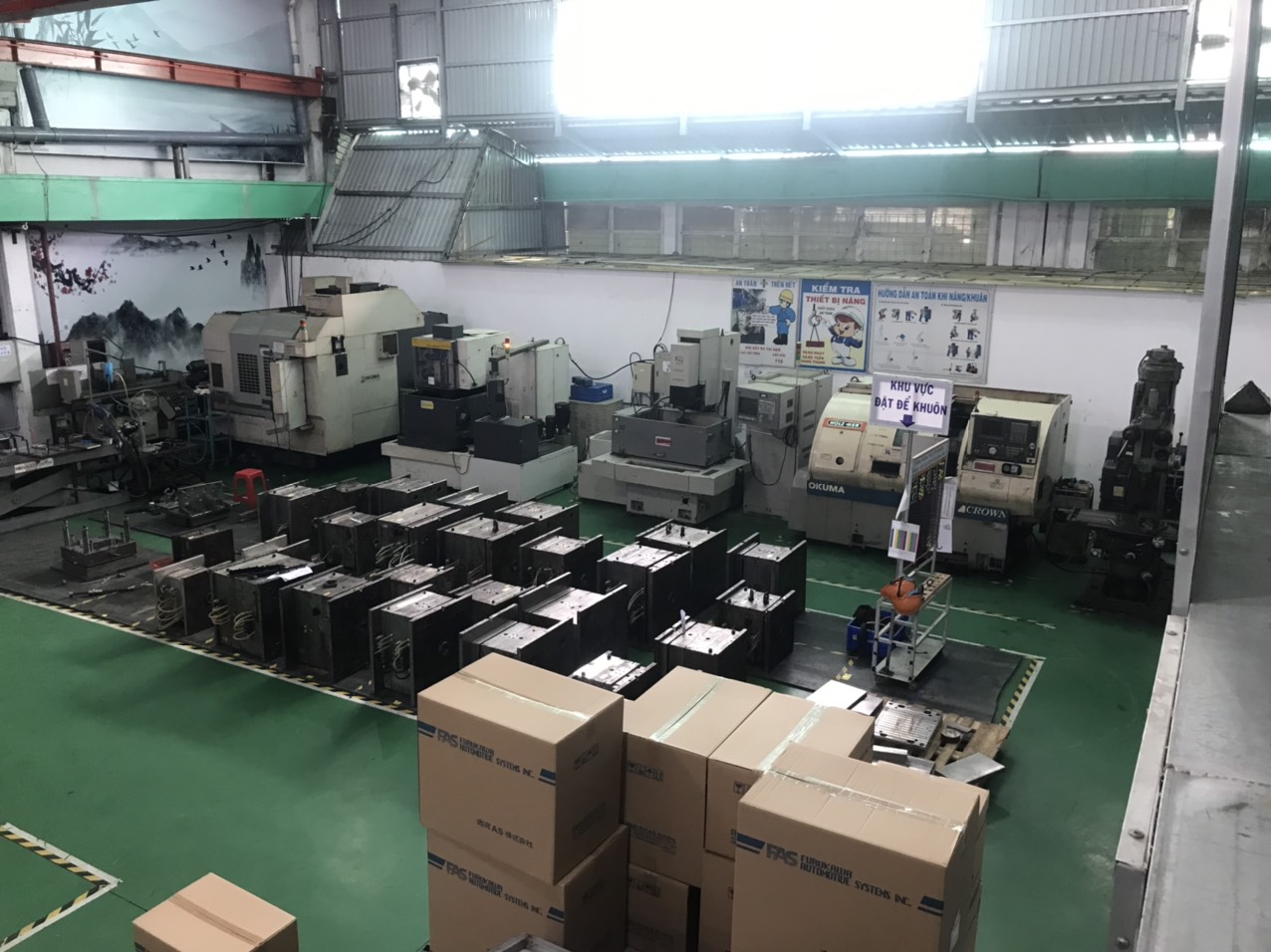
Design is where compliance stops being a cost and starts being a saving. EPR fees across Europe are calculated on packaging weight and material type, and member states are raising those fees to fund recycling infrastructure. Every kilogram of packaging you remove is a fee you never pay. Here is how we approach redesign for dense stamped components.
Right-Size First
Start with the empty space calculation. Measure your product volume against the internal packaging volume. For stamped brackets with irregular stepped profiles, nested arrangements with die-cut dividers often cut void space dramatically. The minimum volume and weight rule requires packaging scaled to what protection genuinely demands, and nothing more. Heavy parts need edge protection and load stability, not oversized boxes filled with air pillows.
Choose Smarter Materials
High-performance, low-gauge reinforced corrugated board carries high-density stamping loads with less material per unit shipped. That shrinks your waste footprint and your EPR invoice at the same time. For films and bags, mono-material PE 7 is easier to recycle than mixed laminates. If plastic cushioning stays in your design, plan for the 2030 recycled content thresholds now: at least 10% for PP and PE, 30% for PET.
Go Reusable Where Volume Justifies It
The PPWR pushes hard toward reuse. By 2040, at least 70% of transport packaging must operate in a reuse system. For recurring stamping part shipments, returnable steel crates or pallet pooling programs can pay off. Reusable packaging must be labeled as such by February 2029, with QR codes describing the reuse system. Finally, build in Digital Product Passport readiness: a scannable QR code giving material breakdown and localized disposal instructions positions your packaging ahead of the labeling deadlines rather than behind them.
Conclusion
EU packaging rules for Vietnam stamping parts are strict but navigable. Verify materials, build the DoC file, register for EPR, and redesign for less waste. Start before the 2026 deadlines, not after.
Frequently Asked Questions
What packaging requirements do I need to meet under the EU Packaging Waste Directive for Vietnam stamping parts?
A purchasing manager once asked me why his crates needed redesigning when the metal parts inside were identical to last year's order. The answer sits in Brussels, not in his drawings. Our Vietnam office now reviews packaging specs on every EU-bound project.
How can I verify my Vietnam supplier's packaging materials are EU-compliant before shipment?
During a supplier audit in Bac Ninh province, our QC engineer spotted VCI film with no material datasheet at all. The factory manager shrugged. That shrug would have cost the buyer a customs delay in Hamburg. Verification cannot wait until the container is sealed.
What documentation should I request to prove packaging compliance for customs clearance in Europe?
Paperwork is the least glamorous part of my job, and the part that saves clients the most money. When we onboard a new stamping parts project bound for Europe, the documentation file gets built in parallel with the first article inspection, not after.
Footnotes
1. Explains the international phytosanitary standard referenced for wood packaging heat-treatment stamps. ↩︎
2. SGS is a leading accredited testing body referenced for heavy metal and substance compliance verification. ↩︎
3. Official IPPC standard defining phytosanitary treatment and marking rules for wood packaging. ↩︎
4. ISO maintains international standards for material identification symbols used in packaging recyclability marking. ↩︎
5. Official EU page detailing packaging waste labeling and material composition requirements under PPWR. ↩︎
6. Background on the trade agreement enabling combined tariff and origin documentation advantages. ↩︎
7. Technical background on polyethylene, the material used for easier-to-recycle mono-material packaging