
A single misread dimension on an engineering drawing 1 cost one of our U.S. clients three months of delays and $40,000 in scrapped parts — a painful lesson in why vetting sheet metal fabrication suppliers 2 is not optional but existential for any brand.
Sheet metal fabrication suppliers meet OEM/ODM brand requirements when you enforce clear design specifications, verified quality management systems, rigorous first article inspection, and strategic partnership alignment that ensures precision, scalability, IP protection, and on-time delivery from the very first production run.
This guide walks through the exact steps our team at DEWIN uses to help U.S. purchasing managers source custom sheet metal parts from Vietnam and other Asian markets — without the rework, delays, or quality failures that plague so many cross-border projects. Let’s break it down section by section.
How can I ensure my sheet metal supplier accurately interprets my complex engineering drawings?
Last year, a client sent us a set of 47-page drawings for a series of precision mounting brackets — the kind with multiple pre-drilled holes, tight angular bends, and mirrored left-right counterparts. Three previous suppliers had failed to get even the prototype right. The root cause was always the same: poor drawing interpretation.
Ensure accurate drawing interpretation by requiring your supplier to conduct a formal Design for Manufacturability review, submit a marked-up drawing with questions before quoting, and produce a first article inspection report that maps every critical dimension back to your original specifications.

Why Drawing Misinterpretation Happens
Most drawing errors are not about skill. They are about process. A shop floor operator in Vietnam or China may be technically capable but lacks context about your end-use application. Without a structured review, assumptions fill the gaps. Tolerances get rounded. Surface finish callouts get ignored. Weld symbols get misread.
Our engineering team in Vietnam has developed a standardized intake process for every new drawing package. Here is what it looks like:
| Step | Action | Output |
|---|---|---|
| 1. Drawing Receipt | Log all files (2D PDF, 3D STEP/IGES) into project management system | File confirmation email to client |
| 2. Preliminary Review | Engineers review all GD&T callouts, material specs, and finish requirements | Internal checklist completed |
| 3. DFM Feedback | Identify manufacturability issues — bend radii too tight, hole spacing too close to edges, material thickness concerns | Written DFM report with photos/sketches |
| 4. Clarification Round | Submit formal RFQ questions to client; resolve ambiguities before quoting | Updated drawing or written confirmation |
| 5. Prototype Authorization | Quote includes prototype cost and timeline; no mass production without sample approval | Signed prototype approval form |
The Role of Dimensional Tolerances
Dimensional tolerances 3 are where most disputes begin. A drawing may call out ±0.1 mm on a critical mounting hole pattern, but the supplier quotes based on their standard ±0.5 mm capability. If nobody flags this gap, the parts arrive and do not fit.
We insist on a tolerance review table for every project. This table lists every critical dimension, the client's required tolerance, and our supplier's confirmed capability. If there is a mismatch, we escalate it before cutting any metal.
Material and Finish Confirmation
Material traceability 4 is another frequent failure point. A drawing specifies SPCC cold-rolled steel, but the supplier substitutes a locally available equivalent without telling you. The mechanical properties differ. The powder coat adhesion changes. The parts corrode in the field.
We require mill certificates 5 for every material lot and cross-reference them against the drawing spec. For finishes like the matte gunmetal grey powder coat seen on complex angular brackets, we confirm RAL color codes and texture specifications in writing.
What quality control steps should I demand to ensure my custom parts are right the first time?
One of the toughest conversations I have with new clients is about cost. They want low piece prices. But when I ask what their cost of a single rejected shipment is — airfreight for replacements, production line downtime, lost customer trust — the math changes fast.
Demand a documented quality management system that includes incoming material inspection, in-process checks at every critical operation, first article inspection with full dimensional reports, and final inspection with an AQL-based sampling plan before any shipment leaves the factory.
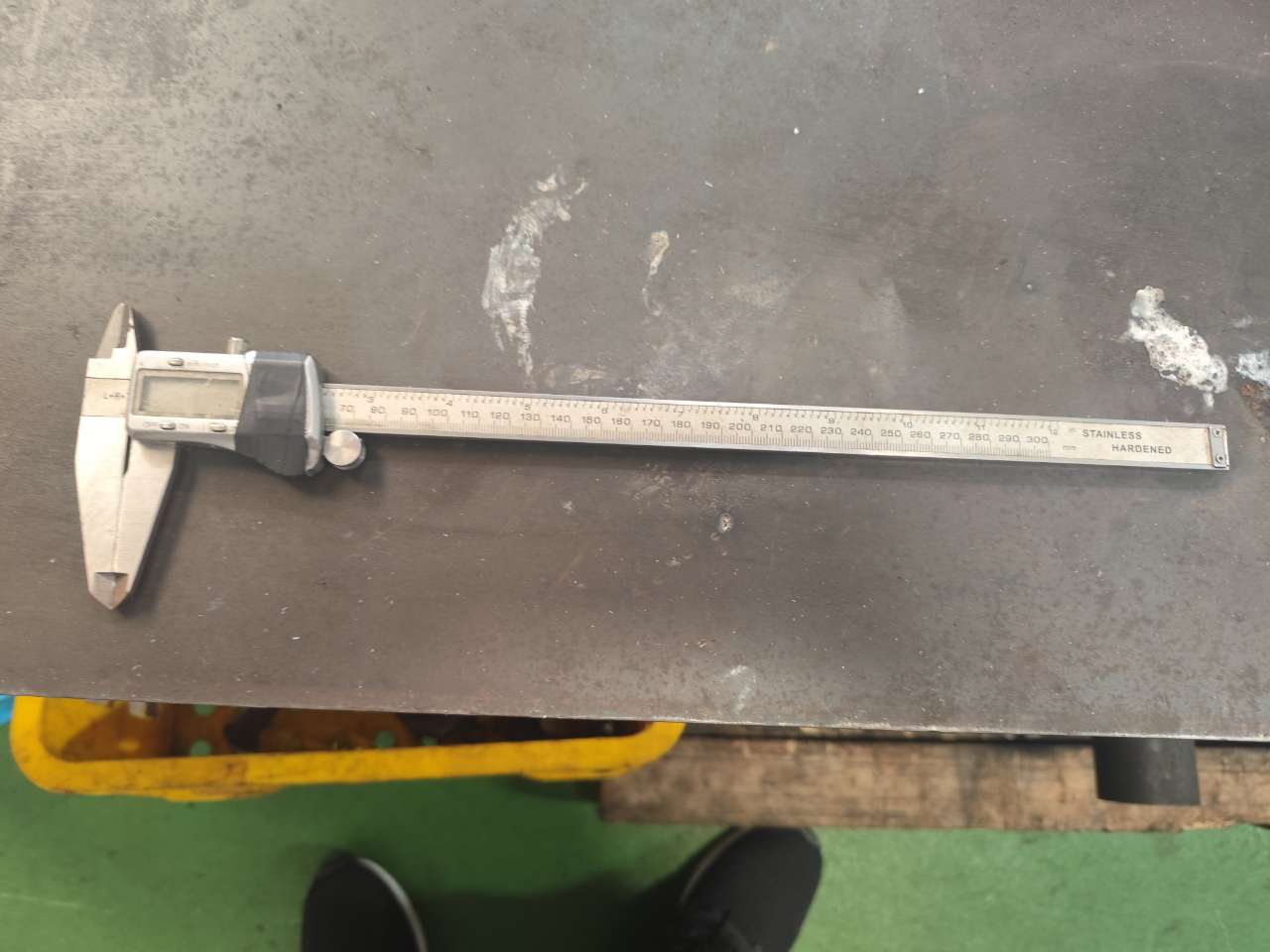
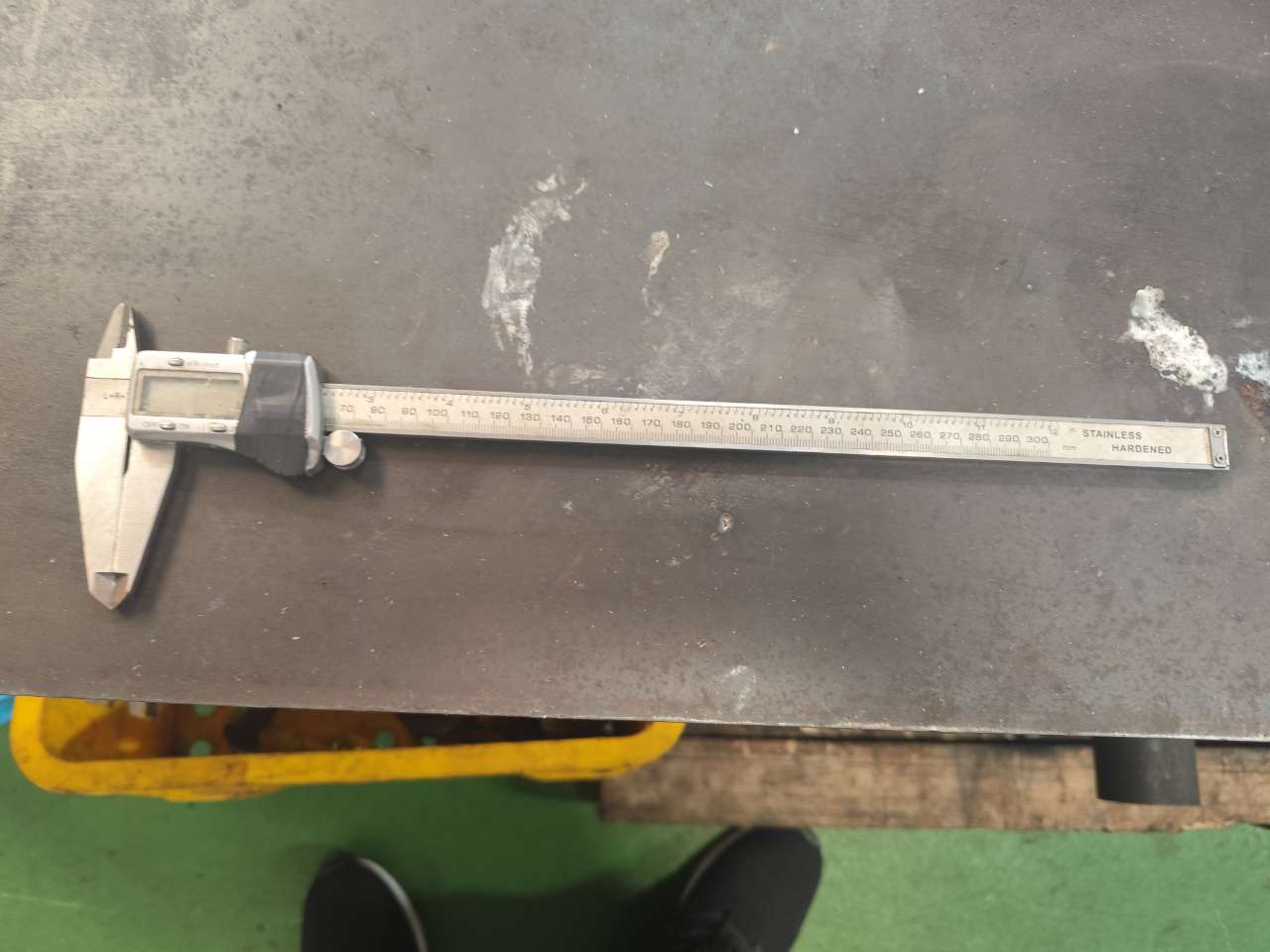
Building a Quality Control Framework
Getting it right the first time is not luck. It is process control. Here is the framework we deploy across our Vietnam supplier network for every custom sheet metal project:
| QC Stage | What We Check | Tools Used |
|---|---|---|
| Incoming Material | Mill certs, material grade, thickness, surface condition | Calipers, micrometers, spectrometer |
| First Article Inspection 6 (FAI) | All critical dimensions per drawing, GD&T compliance | CMM, height gauges, go/no-go gauges |
| In-Process (Cutting) | Blank dimensions, hole positions, edge quality | Laser measurement, visual inspection |
| In-Process (Bending) | Bend angles, bend sequence, springback compensation | Digital protractor, angle gauges |
| In-Process (Welding) | Weld penetration, weld appearance, distortion | Visual, weld gauges, destructive test on samples |
| Surface Treatment | Coating thickness, adhesion, color match | Coating thickness gauge, cross-hatch test |
| Final Inspection | Full dimensional check, visual, packaging, labeling | Per AQL II sampling plan |
First Article Inspection: The Gate That Matters Most
The first article inspection is the single most important quality gate. It is the moment where you compare the actual produced part against every requirement on the drawing. Our team produces a full PPAP-style report — dimensional measurements, material certs, photos, and any deviations noted.
If a first article fails, we do not proceed. We root-cause the issue, correct it, and run a new sample. This discipline is what separates a reliable supplier from one that ships problems.
Industry Standards Compliance
For clients in regulated industries, we verify that the supplier holds the relevant ISO 9001 certification and can demonstrate compliance with industry-specific standards. We audit their corrective action process. We check that their measuring instruments are calibrated and traceable.
Process control extends beyond inspection. It includes documented work instructions at each station, operator training records, and a system for handling non-conforming material. Without these, inspection is just catching problems after they happen — not preventing them.
The Value of Supplier Audits
We conduct on-site supplier audits using a structured supplier audit checklist before onboarding any new factory. This covers equipment condition, housekeeping, production capacity, workforce skill level, and quality records. A factory that cannot show you its inspection records is a factory that does not keep them.
How do I vet sheet metal fabrication partners in Vietnam to ensure they meet my OEM requirements?
When we opened our Vietnam office with seven team members, the first task was not finding factories. It was building a vetting methodology rigorous enough for U.S. OEM standards — because a Google search or Alibaba listing tells you almost nothing about a factory's real capabilities.
Vet Vietnam-based sheet metal fabrication partners by conducting on-site audits of their equipment, quality systems, and workforce; verifying ISO certifications independently; testing them with a paid prototype order; and confirming their ability to handle your specific materials, tolerances, and production volumes.
The Vietnam Advantage — and Its Risks
Vietnam's sheet metal fabrication sector is growing rapidly. With projected industry growth of 5.5% in 2026 driven by data center and medical equipment demand, more U.S. buyers are looking beyond China. The advantages are real: competitive labor costs, favorable trade policies, and a young workforce eager to learn.
But the risks are also real. Many Vietnamese factories are newer and less experienced with complex OEM work. Quality management system 8s may exist on paper but not in practice. Communication barriers — both language and technical — can derail projects.
Our Vetting Process: A Practical Breakdown
Here is how we evaluate a potential sheet metal partner in Vietnam before placing any client order:
| Evaluation Area | What We Assess | Red Flags |
|---|---|---|
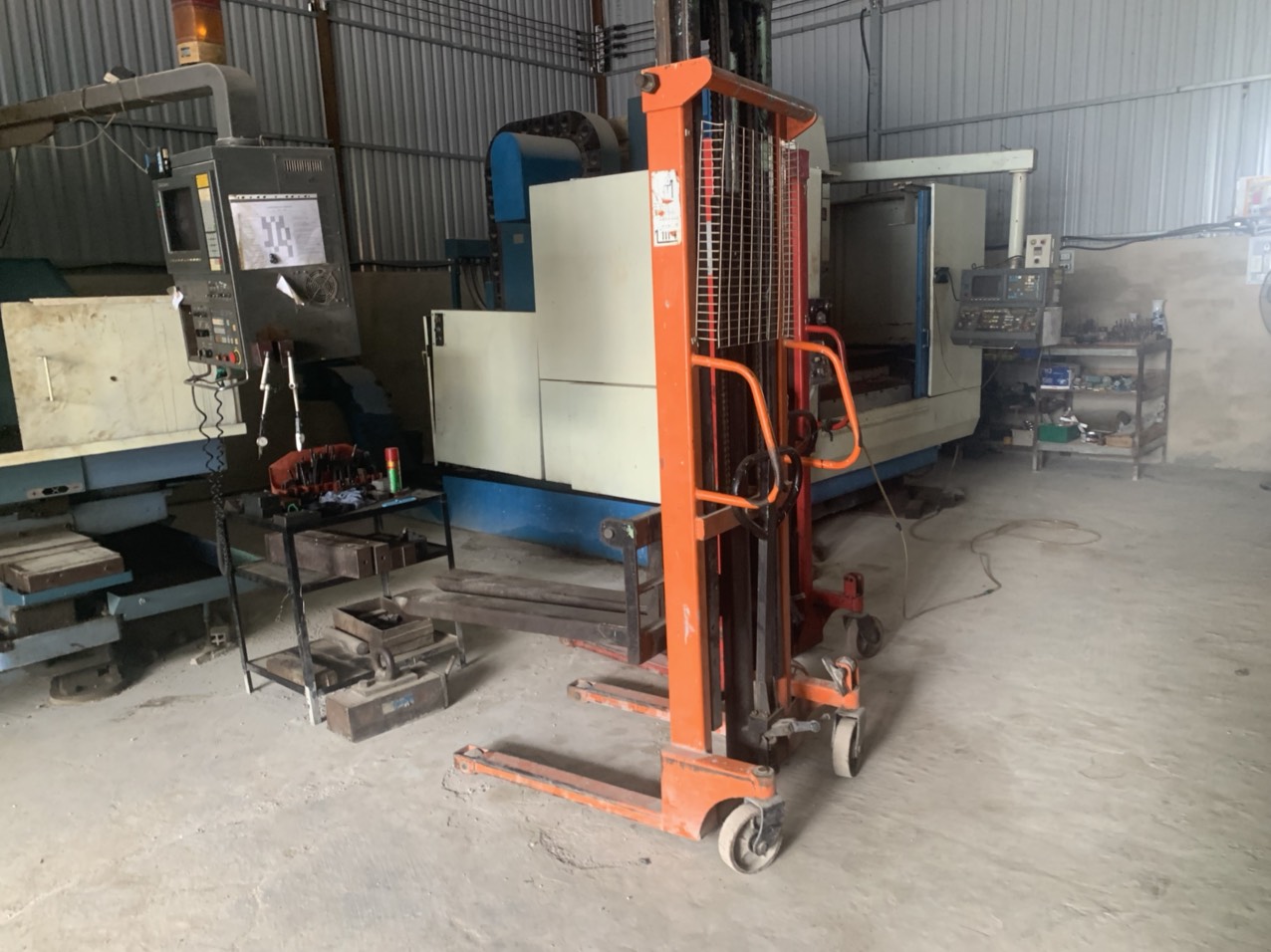
| Equipment | CNC laser cutters, press brakes (tonnage and length), welding stations, surface treatment lines | Outdated or poorly maintained machines; no CNC capability |
| Quality System | ISO 9001 certification, documented procedures, calibration records, non-conformance handling | No ISO cert; no written procedures; uncalibrated instruments |
| Technical Team | Engineering staff who can read complex drawings, perform DFM, and communicate in English | No dedicated engineering staff; reliance on shop floor interpretation |
| Production Capacity | Current utilization rate, ability to scale, lead time commitments | Over 90% capacity utilization; no plan for scaling |
| Financial Stability | Business registration, years in operation, customer references | Less than 2 years old; unwilling to provide references |
| Supply Chain | Material sourcing channels, inventory management, sub-contractor control | Single-source materials; no incoming inspection |
OEM vs. ODM: Know What You Need
Understanding whether your project is OEM or ODM fundamentally changes what you should demand from a supplier.
In an OEM arrangement 9, you own the design and the IP. The supplier builds exactly to your drawings. You need a partner with strong process control, accurate interpretation skills, and zero tolerance for unauthorized substitutions.
In an ODM arrangement, the supplier owns the design. You may private-label their existing product or request minor modifications. IP ownership stays with the supplier. This model works for speed and standardization but limits customization.
For most of our U.S. clients sourcing custom mounting brackets, enclosures, and housing components, the OEM model is the right fit. They need very high customization and full IP control. The ODM model is better suited for commodity-type products where time-to-market matters more than uniqueness.
The Prototype Test
Numbers on a checklist are useful. But nothing replaces a real test. We always recommend starting with a paid prototype order. This reveals the supplier's true capability: how they handle your drawings, how they communicate during production, how accurate the finished part is, and how they respond when something goes wrong.
A supplier who performs well on a prototype — delivers on time, communicates proactively, and produces parts within spec — earns the right to quote production volumes. One who stumbles at the prototype stage will not improve at scale.
Supply chain risk mitigation starts here. By testing before committing, you avoid the catastrophic cost of discovering quality problems after 10,000 parts have shipped.
Can I find a fabrication supplier that offers the credit terms I need to manage my project cash flow?
A purchasing manager in Ohio once told me that payment terms were the deciding factor between two equally qualified suppliers. His company could not tie up $150,000 in wire transfers while waiting 90 days for parts to arrive and clear customs. Cash flow was the bottleneck, not quality.
Yes, you can find sheet metal fabrication suppliers offering 60–90 day open account credit terms, but this typically requires working through an established supply chain partner like DEWIN who has pre-vetted the factories, assumes payment risk, and provides consolidated invoicing with net terms.
Why Payment Terms Matter in Custom Manufacturing
Custom sheet metal parts are not off-the-shelf purchases. Lead times run 4–8 weeks for production, plus 3–5 weeks for ocean freight. If you pay 100% upfront or even 50% deposit with balance before shipment, your cash is locked up for months before you can invoice your own customer.
This is especially painful for mid-size sourcing companies and distributors. They need to manage working capital carefully. Traditional Asian suppliers — especially smaller factories — insist on T/T (wire transfer) payments: 30% deposit, 70% before shipment. No flexibility.
How Credit Terms Work Through a Supply Chain Partner
Our model at DEWIN addresses this gap directly. We serve as the contracting party between the U.S. buyer and the Asian factory. We pay the factory on their terms. We extend open account credit — typically net 60 or net 90 — to qualified U.S. clients.
This is not just a financial arrangement. It is a value-added service built on trust, track record, and our ability to manage risk on both sides. We handle contract manufacturing, PPAP, process control, final inspection, and door-to-door logistics. The credit terms are part of a comprehensive supply chain package.
What Qualifies You for Credit Terms
Not every client qualifies immediately. Here is what we typically evaluate:
- Business history and financial stability
- Order volume and projected annual spend
- Payment history on initial orders (usually 2–3 orders on T/T first)
- Length of relationship and communication quality
Once a client demonstrates reliability, we extend terms. This aligns incentives: they get cash flow flexibility, we get long-term partnership commitment.
Comparing Payment Models
| Payment Model | Typical Terms | Cash Flow Impact | Risk to Buyer |
|---|---|---|---|
| T/T (Wire Transfer) | 30% deposit + 70% before shipment | High — cash locked for 2–3 months | Low if supplier is reliable |
| Letter of Credit (L/C) | Payment upon document presentation | Moderate — bank holds funds | Low — bank verifies documents |
| Open Account (Net 60/90) | Payment 60–90 days after shipment | Low — pay after receiving goods | Very low — inspect before paying |
| Through Supply Chain Partner (DEWIN) | Net 60–90 with consolidated invoicing | Very low — single invoice, flexible terms | Very low — partner manages factory risk |
Open account terms through a trusted supply chain partner combine the lowest cash flow impact with strong quality assurance. The partner's local team in Vietnam or other sourcing countries handles supplier audits, in-process inspection, and logistics — so you are not just getting credit, you are getting risk mitigation built into every order.
Conclusion
Ensuring sheet metal fabrication suppliers meet your OEM/ODM brand requirements comes down to disciplined vetting, structured quality control, clear drawing communication, and strategic partnership — backed by credit terms that support your business growth.
Frequently Asked Questions
How can I ensure my sheet metal supplier accurately interprets my complex engineering drawings?
Last year, a client sent us a set of 47-page drawings for a series of precision mounting brackets — the kind with multiple pre-drilled holes, tight angular bends, and mirrored left-right counterparts. Three previous suppliers had failed to get even the prototype right. The root cause was always the same: poor drawing interpretation.
What quality control steps should I demand to ensure my custom parts are right the first time?
One of the toughest conversations I have with new clients is about cost. They want low piece prices. But when I ask what their cost of a single rejected shipment is — airfreight for replacements, production line downtime, lost customer trust — the math changes fast.
How do I vet sheet metal fabrication partners in Vietnam to ensure they meet my OEM requirements?
When we opened our Vietnam office with seven team members, the first task was not finding factories. It was building a vetting methodology rigorous enough for U.S. OEM standards — because a Google search or Alibaba listing tells you almost nothing about a factory's real capabilities.
Footnotes
1. Defines engineering drawing as a technical communication for component geometry. ↩︎
2. Explains the process and importance of sheet metal fabrication in manufacturing. ↩︎
3. Explains permissible limits of variation in physical dimensions for manufacturing. ↩︎
4. Defines the ability to track materials throughout the manufacturing process and supply chain. ↩︎
5. Replaced HTTP 404 link with a detailed explanation of mill test certificates from a technical resource. ↩︎
6. Explains FAI as a production validation process for new or modified parts. ↩︎
7. Details ISO 9001 as the international standard for quality management systems. ↩︎
8. Describes a QMS as processes and procedures ensuring consistent high-quality products. ↩︎
9. Defines an OEM agreement as a contract where one company manufactures for another’s brand. ↩︎