
Last year, one of our U.S. clients received a 60-day notice over a powder-coated steel bracket we helped source from Vietnam — and the problem was not the steel itself but the coating California Proposition 65 1.
Stamping parts from Vietnam are not Prop 65 compliant by default. To ensure compliance, importers must audit raw materials, demand full material disclosure from suppliers, conduct third-party lab testing against Safe Harbor Levels, and implement correct warning labels or reformulate non-conforming coatings and lubricants before shipment.
This guide walks through every step we now follow at DEWIN when managing stamped metal sourcing projects bound for California. The lessons cost real money to learn, and I want to save you from repeating them.
How do I identify which stamping materials risk Prop 65 non-compliance?
A buyer we work with once assumed his raw steel brackets were safe. They were. But the zinc-nickel plating applied afterward contained lead well above the No Significant Risk Level, and that single oversight triggered a costly legal notice.
The base metal in stamping parts rarely causes Prop 65 issues. The real risks hide in surface treatments, platings, stamping lubricants, anti-rust oils, rubber gaskets, and recycled metal content — all of which can introduce listed chemicals like lead, cadmium, hexavalent chromium, phthalates, and PAHs.

Why the Base Metal Is Usually Not the Problem
Most stamping parts use cold-rolled steel 2, aluminum alloy, or stainless steel. These base metals, when sourced from reputable mills, contain negligible amounts of Prop 65 listed substances. The danger starts during secondary operations. Every coating, every lubricant, every packaging material adds a new layer of chemical exposure risk.
The High-Risk Points in a Typical Stamping Part
Here is how I break down the risk when our Vietnam team reviews a new stamping project:
| Component / Process | Common Prop 65 Chemicals | Risk Level |
|---|---|---|
| Base metal (virgin steel, aluminum) | Trace nickel, manganese | Low |
| Recycled metal feedstock | Lead, cadmium 3, unknown impurities | High |
| Zinc or nickel plating | Lead, hexavalent chromium | High |
| Powder coating / paint | Lead in pigments, VOCs, PFAS | High |
| Stamping lubricant / cutting oil | PAHs, phthalates 4 | Medium–High |
| Anti-rust oil | Solvents, phthalates | Medium |
| Rubber gaskets / adhesives | PAHs, DEHP, carbon black | High |
| PVC packaging film | Lead stabilizers, phthalates | High |
| Cardboard packaging | Low-risk unless printed with heavy-metal inks | Low |
Recycled Metal: A Hidden Trap
Our sourcing team in Vietnam learned early that many smaller stamping factories purchase recycled steel billet because it is cheaper. Recycled metal can carry unknown impurities — lead, cadmium, or other heavy metals from previous applications. We now specify in every purchase order that recycled feedstock must either be certified or avoided entirely for California-bound orders. This single rule eliminates one of the largest unknowns in the supply chain.
Mapping the Exposure Pathway
OEHHA regulations 5 care about actual human exposure, not just chemical presence. A bracket bolted inside an engine bay has a different exposure profile than a shelf bracket touched daily. I recommend mapping each part's end-use scenario — will it be touched, heated, abraded? — and then triaging risk accordingly. Parts with direct skin contact or indoor residential use get flagged as high priority for chemical exposure assessment.
What documentation should I request from my Vietnam supplier to verify Prop 65 compliance?
When we onboard a new Vietnamese stamping supplier, the very first deliverable we request is not a price quote — it is a Full Material Disclosure form. Without that document, everything downstream is guesswork.
Request a Full Material Disclosure (FMD) with CAS numbers for every chemical in coatings, platings, and lubricants. Also require a Certificate of Compliance for Prop 65, Material Safety Data Sheets for all processing chemicals, mill certificates for base metals, and a signed indemnification clause in the supply contract.

The Core Document Stack
Here is the documentation checklist our team uses. I share it with every new client project:
| Document | What It Proves | Who Provides It |
|---|---|---|
| Full Material Disclosure (FMD) | CAS-level breakdown of every substance in the part, including coatings | Supplier + chemical vendors |
| Certificate of Compliance (CoC) | Supplier's formal declaration that the part meets Prop 65 | Supplier (signed by authorized person) |
| Material Safety Data Sheets 7 (MSDS/SDS) | Composition and hazard data for lubricants, coatings, plating chemicals | Chemical supplier to the factory |
| Mill Test Certificate (MTC) | Base metal alloy composition, heat number traceability | Steel or aluminum mill |
| Third-party lab test report | Quantified heavy metal analysis and VOC results against NSRL/MADL | Accredited testing laboratory |
| Indemnification agreement | Legal liability transfer if supplier provides false compliance data | Supplier (contract clause) |
Why Vietnamese Suppliers Do Not Volunteer This Data
In my experience managing projects across Vietnam, most stamping factories operate in a cost-driven environment. They do not track Prop 65 chemicals because Vietnamese domestic law has not historically required it. Vietnam's new Law on Chemicals (No. 69/2025/QH15) is starting to change this — it mandates raw material composition data — but enforcement is still evolving. You must push for this documentation proactively and sometimes fund the supplier's effort to collect it.
How to Get Honest Disclosure
Honest disclosure requires trust and sometimes financial incentives. We include a line item in our quotes for "compliance documentation support." This covers the supplier's time to gather SDS sheets from their chemical vendors, fill out the FMD template, and coordinate with our team. When the supplier knows they are being paid for the effort, the quality of the data improves dramatically.
The Indemnification Clause
Contracts must include an indemnification clause that makes the supplier financially responsible if their disclosed data is false and a Prop 65 enforcement action follows. This is not about being adversarial. It is about supply chain transparency 8 and shared accountability. Our legal template states that the supplier certifies compliance with all applicable OEHHA regulations 9 and agrees to indemnify the buyer for damages arising from non-disclosed listed chemicals.
Integrating with Existing Compliance Systems
One efficiency tip: if you already collect Conflict Minerals (3TG) data from your supply chain, you can integrate Prop 65 data collection into that same digital platform. We use a shared document management system where suppliers upload their FMD, SDS, and test reports alongside their 3TG declarations. This keeps everything in one place and makes audits faster. If your parts also require RoHS and REACH compliance, consolidating these data streams becomes even more valuable.
How can I audit a Vietnamese stamping factory's process controls for restricted substances?
The first time our Vietnam office walked a stamping factory floor specifically looking for Prop 65 risks, we found three different unlabeled lubricant drums sitting next to the press line. Nobody on the floor could tell us what was in them.
To audit a Vietnamese stamping factory, physically inspect chemical storage areas, verify that every lubricant, coating, and cleaning agent has an SDS on file, trace the plating line's chemical bath composition, review incoming material inspection records, and collect wipe-test samples from finished parts for independent heavy metal analysis.

The Audit Walkthrough: What to Look For
An effective Prop 65 audit goes beyond checking paperwork. It requires walking the production line and physically verifying that what the supplier claims matches what actually happens on the shop floor. Here is the process our team follows:
Step 1: Chemical Inventory Check. Walk the chemical storage room. Every container — lubricant, coating powder, plating solution, rust preventive — must have a label and a corresponding SDS on file. If you find unlabeled containers, that is an immediate red flag.
Step 2: Incoming Material Inspection. Review the factory's incoming QC logs. Do they check mill certificates against purchase orders? Do they verify that coating powders match the approved supplier's specification? A factory that skips incoming inspection may unknowingly use a cheaper, non-compliant substitute material.
Step 3: Process Chemical Traceability. For plating lines, request the chemical bath composition records. Ask how often the bath is refreshed and whether chemical concentrations are monitored. Hexavalent chromium, for example, can accumulate in aging plating baths even if the original chemistry was trivalent chrome.
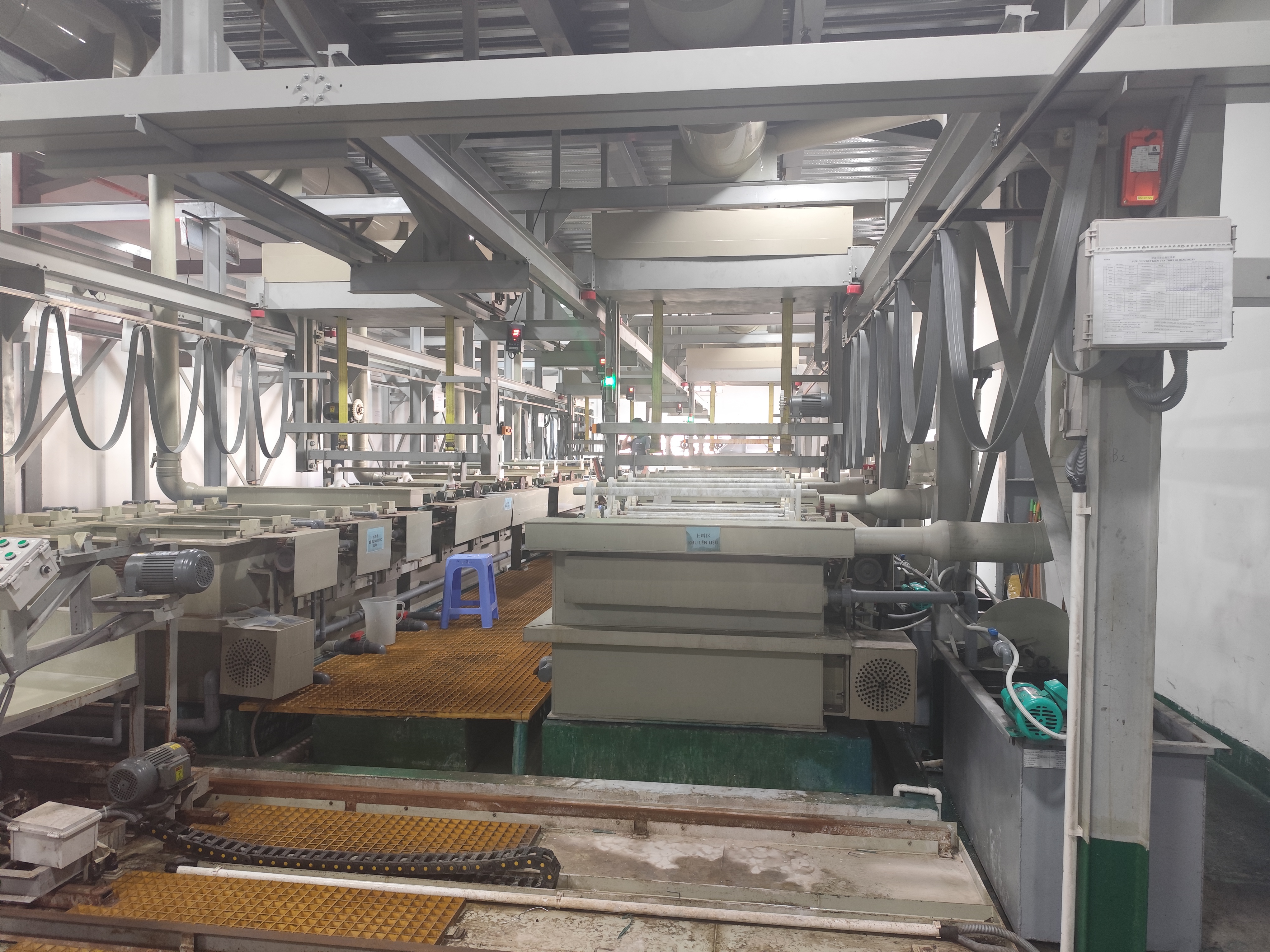
Step 4: Wipe Testing on Finished Parts. This is something we introduced after the bracket incident I mentioned earlier. We take finished parts directly off the line, perform standardized wipe tests, and send the swabs to a certified lab. Wipe testing measures whether surface chemicals migrate at levels that could cause dermal exposure above Safe Harbor Levels. It is a practical, cost-effective way to check real-world exposure without destructive testing.
Step 5: Packaging Material Review. Do not forget the packaging. PVC shrink wrap and printed cardboard with heavy-metal inks can introduce lead and cadmium limits violations. We check packaging SDS just like we check coating SDS.
Audit Frequency and Cost
For ongoing production, we recommend a full chemical audit annually and spot-check wipe tests every quarter. The cost is modest — typically a few hundred dollars per visit for the audit itself, plus lab fees for wipe testing. Compared to the cost of a Prop 65 lawsuit, this is a small investment.
What "Good" Looks Like
A well-controlled factory will have:
- A dedicated chemical management area with spill containment
- SDS binders accessible to production staff
- Incoming inspection records with lot traceability
- Documented procedures for chemical bath maintenance
- Willingness to allow buyer-directed wipe testing
A poorly controlled factory will resist documentation requests, have mixed or unlabeled chemical containers, and show no evidence of incoming material verification.
What steps should I take if my stamping parts fail a Prop 65 compliance test?
A failed test report landed on my desk at 4 PM on a Thursday. The container was already at Long Beach port. That moment taught me the value of building a contingency plan before the first shipment ever leaves Vietnam.
If stamping parts fail a Prop 65 test, immediately quarantine the shipment, engage legal counsel to protect test results under work-product privilege, identify the specific non-compliant chemical and its source, decide whether to reformulate, apply a compliant warning label, or reject the lot, and update your supplier contract to prevent recurrence.

The Decision Flow After a Failed Test
Not every failure requires the same response. The right action depends on how far above Safe Harbor Levels the chemical concentration sits and what kind of exposure the end user will have.
| Scenario | Recommended Action | Timeline |
|---|---|---|
| Chemical level slightly above NSRL/MADL but end-use is low-exposure (e.g., bolt hidden inside equipment) | Apply Prop 65 warning label; document risk assessment | 1–2 weeks |
| Chemical level significantly above limits; part has direct consumer contact | Reject lot; require supplier to reformulate coating or lubricant | 4–8 weeks |
| Chemical detected but exposure pathway is negligible (sealed inside assembly, no skin contact) | Engage certified toxicologist to confirm no exposure; document finding | 2–4 weeks |
| Unknown chemical detected in recycled metal feedstock | Reject lot; mandate virgin material for future orders | Immediate |
Engage Legal Counsel First
This is critical. Before sharing test results with anyone outside your legal team, coordinate with an attorney. Under work-product privilege, test results generated at the direction of legal counsel may be protected from discovery in litigation. If you share raw test data publicly before legal review, you lose this protection.
Warning Label Requirements: Getting It Right
If the decision is to label rather than reformulate, the warning must comply with current OEHHA regulations. As of the latest requirements, the label must include:
- A yellow triangle with a black exclamation point
- The word "WARNING" in bold, capital letters
- A statement naming at least one specific listed chemical
- Clear identification of whether the risk is cancer, reproductive toxicity, or both
The warning label requirements also specify placement. It must be prominent — on the product label, packaging, or online product listing page. Hiding it in general website content is not sufficient.
Reformulation: The Better Long-Term Fix
Labeling is a quick fix, but it can damage your brand. Retailers and OEM customers increasingly refuse to stock products carrying Prop 65 warnings. The better long-term strategy is to work with the supplier to reformulate. In our experience, this usually means:
- Switching from zinc plating with hexavalent chromium to trivalent chromium or zinc-aluminum alloy
- Replacing conventional stamping lubricants with PAH-free or phthalate-free alternatives
- Eliminating PVC packaging in favor of polyethylene or paper-based wrapping
- Specifying lead-free powder coating formulations
These changes add cost — sometimes 5–15% on the coating line — but they eliminate the compliance risk permanently. Understanding CPSC regulations that apply when sourcing stamped parts can also help you address overlapping U.S. safety requirements during this reformulation process.
Updating Your Supplier Agreement
After a failure, update the purchase agreement. Add a clause requiring the supplier to notify you immediately if any chemical in their process changes. Require re-testing after any material substitution. And reinforce the indemnification clause so the financial consequences of future non-compliance are shared appropriately.
Monitoring the OEHHA List
The Prop 65 chemical list is not static. OEHHA adds new substances regularly, which means a part that was compliant last year may not be compliant today. We subscribe to OEHHA update notifications and cross-reference new additions against the chemical inventories our suppliers have disclosed. This ongoing monitoring is the only way to stay ahead of enforcement. If your sourcing also involves supply chain delays for Vietnam stamping parts, factor in extra lead time for re-testing when chemical list updates occur.
Conclusion
Stamping parts from Vietnam will not comply with Prop 65 unless you build compliance into every step — from material selection through final shipment. Audit, test, document, and update continuously.
Frequently Asked Questions
How do I identify which stamping materials risk Prop 65 non-compliance?
A buyer we work with once assumed his raw steel brackets were safe. They were. But the zinc-nickel plating applied afterward contained lead well above the No Significant Risk Level, and that single oversight triggered a costly legal notice.
What documentation should I request from my Vietnam supplier to verify Prop 65 compliance?
When we onboard a new Vietnamese stamping supplier, the very first deliverable we request is not a price quote — it is a Full Material Disclosure form. Without that document, everything downstream is guesswork.
How can I audit a Vietnamese stamping factory's process controls for restricted substances?
The first time our Vietnam office walked a stamping factory floor specifically looking for Prop 65 risks, we found three different unlabeled lubricant drums sitting next to the press line. Nobody on the floor could tell us what was in them.
Footnotes
1. Background reference explaining the law’s origin and general requirements for readers. ↩︎
2. Background on the metalworking process used for common stamping base metal. ↩︎
3. CDC/NIOSH occupational safety resource on cadmium exposure hazards in manufacturing. ↩︎
4. FDA consumer guidance explaining phthalate chemical exposure risks mentioned in the article. ↩︎
5. Official OEHHA source clarifies exposure-based Prop 65 risk assessment referenced in the text. ↩︎
6. Official OEHHA explanation of No Significant Risk Levels referenced throughout the article. ↩︎
7. OSHA hazard communication standard defining SDS requirements for chemical disclosure. ↩︎
8. Background concept explaining broader supply chain accountability principles discussed here. ↩︎
9. Primary regulatory agency source for Prop 65 compliance rules cited repeatedly. ↩︎