Sustainable sheet metal fabrication keeps coming up in every green building conversation I have with U.S. purchasing managers — and for good reason. The problem is real: most buyers don’t know where their metal actually comes from, how much energy went into making it, or how much scrap hit the landfill PPAP (Production Part Approval Process) 1. That uncertainty can quietly undermine an entire project’s environmental goals, jeopardize LEED certification 2, and even expose your company to greenwashing risk. Through years of coordinating custom sheet metal production across Vietnam and other Asian suppliers, our team at DEWIN has mapped out a practical path that solves these issues without sacrificing quality or delivery timelines.
Sustainable sheet metal fabrication for green building projects requires verifying recycled content and material certifications, auditing suppliers against recognized environmental standards, minimizing fabrication waste through precision technologies, and strategically managing your international supply chain’s carbon footprint — all while maintaining on-time delivery and mid-to-high quality.
This guide breaks down each of those pillars into actionable steps ISO 14001 environmental management certification 3. Whether you source HVAC ductwork, custom brackets, or architectural panels, the principles below will help you make informed decisions and hold your supply chain accountable.
How can I verify the recycled content and material certifications of my custom sheet metal parts?
A buyer I work with in the Midwest once told me he had been paying a premium for "recycled aluminum" for two years — only to discover his supplier had no documentation to back the claim Life Cycle Assessment data 4. That single experience cost him a LEED certification credit and weeks of scrambling for replacement paperwork. It was a lesson that shaped how our sourcing team now handles every material verification step from day one advanced nesting software 5.
To verify recycled content, request mill test certificates showing recycled percentages, ask for Environmental Product Declarations from the steel or aluminum producer, and confirm the material meets ISO 14021 or equivalent standards — all before production begins, not after.
Why Mill Test Certificates Matter
A mill test certificate 6 (MTC) is the most basic proof of what your metal actually contains. It lists the chemical composition, mechanical properties, and — critically — the recycled content percentage. Every reputable mill issues one. If your supplier cannot provide it, that is a red flag.
When we coordinate custom parts projects, our quality engineers request MTCs at the raw material stage, not after fabrication is complete. This prevents a common trap: discovering non-compliant material after you have already paid for cutting, bending, and finishing.
Environmental Product Declarations and Third-Party Labels
Environmental Product Declarations 7 (EPDs) go a step further than MTCs. An EPD is a standardized document that quantifies the environmental impact of a product across its entire life cycle — from raw material extraction through end-of-life. For green building projects pursuing LEED certification, EPDs can contribute directly to Material and Resources credits.
Look for EPDs registered with programs like the International EPD System or UL Environment. These are third-party verified, which removes the guesswork.
Key Documents to Request
| Document | What It Proves | When to Request |
|---|---|---|
| Mill Test Certificate (MTC) | Chemical composition, recycled content percentage | Before production starts |
| Environmental Product Declaration (EPD) | Full life cycle environmental impact | During supplier qualification |
| ISO 14021 8 Self-Declaration | Recycled content claim meets international standard | During supplier qualification |
| RoHS / REACH Compliance Certificate | Absence of restricted substances | Before first shipment |
| Scrap Traceability Record | Source and grade of recycled input material | During production audit |
A Practical Verification Process
Here is the sequence I recommend based on our project management experience:
- Include material certification requirements in your RFQ. State clearly that you need recycled content documentation.
- Review MTCs against your drawing specifications. Cross-check alloy grades and recycled content claims.
- Request EPDs from the upstream mill, not just your fabricator. Your fabricator may not produce the raw sheet; the mill does.
- Conduct a PPAP (Production Part Approval Process). This bundles dimensional checks, material certs, and process documentation into one approval package.
- Audit periodically. A one-time certificate is not enough. Recycled content can vary batch to batch.
The circular economy 9 only works when every link in the chain is transparent. If you cannot trace your metal back to its source, you cannot claim sustainable material sourcing with confidence.
What environmental standards should I look for when auditing my Asian sheet metal suppliers?
One trade-off our Singapore team weighs constantly is balancing cost-competitive sourcing in Asia with the environmental rigor that U.S. green building projects demand. Not every factory in Vietnam, Taiwan, or India holds the same certifications, and not every certification carries the same weight with your end client's sustainability team.
When auditing Asian sheet metal suppliers, prioritize ISO 14001 environmental management certification, check for compliance with local emissions regulations, verify renewable energy usage, and confirm their ability to provide Life Cycle Assessment data and Environmental Product Declarations for your specific parts.
ISO 14001: The Baseline
ISO 14001 is the international standard for environmental management systems. It does not guarantee a factory is "green," but it proves the factory has a structured system for identifying, managing, and reducing its environmental impact. Think of it as the minimum threshold.
During our supplier audits in Vietnam and across the region, we check ISO 14001 status early. A factory without it usually lacks the internal processes needed to track waste, energy use, and emissions — data you will need for your own reporting.
Beyond ISO 14001: What Else to Check
A thorough environmental audit goes deeper. Here is what our audit checklists cover:
| Audit Area | What to Look For | Why It Matters |
|---|---|---|
| Energy sourcing | Percentage of electricity from renewable energy sources (solar, wind, hydro) | Directly impacts the carbon footprint of your parts |
| Waste management | Scrap metal recycling rate, hazardous waste disposal records | Supports waste reduction goals and circular economy principles |
| Emissions compliance | Local and national air and water discharge permits | Ensures legal compliance and avoids supply chain liability |
| Chemical management | Use of water-based coolants, chemical-free surface treatments, low-VOC coatings | Reduces harmful emissions; relevant for LEED indoor air quality credits |
| Carbon tracking | Ability to provide CO2-equivalent data per part or per order | Enables your Life Cycle Assessment and carbon reporting |
Conducting the Audit On-Site
Remote document reviews catch some issues, but they miss the factory floor reality. When our team visits a supplier, we walk the production line and look for specifics:
- Are scrap bins sorted by alloy type for proper recycling?
- Is there visible evidence of energy-efficient machinery — such as fiber laser cutters replacing older CO2 lasers?
- Does the facility have heat recovery systems on its furnaces or welding stations?
- Are wastewater treatment systems operational and maintained?
These observations tell you more than a certificate hanging on the wall. A factory may hold ISO 14001 but run outdated equipment that consumes twice the energy of modern alternatives. The standard says they must have a plan to improve — it does not say they have already improved.
Matching Standards to Your Project's Needs
Not every project needs every certification. If your client is pursuing LEED certification, you need EPDs and recycled content data. If the priority is reducing the carbon footprint of imported components, you need energy source data and shipping logistics analysis. Align your audit scope to the specific green building goals of each project, and communicate those requirements clearly in your supplier agreements.
How do I ensure my fabrication partner minimizes material waste to support my green building goals?
Last quarter, a client sent us drawings for a set of heavy-duty mounting brackets — complex, angular parts with multiple bends, cutouts, and pre-drilled holes, similar to the precision-engineered brackets we regularly coordinate. The geometry was intricate, and with a less capable fabricator, material utilization could have dropped below 70%. That means nearly a third of every sheet would become scrap. For a project targeting waste reduction credits, that number was unacceptable.
To ensure your fabrication partner minimizes waste, require the use of advanced nesting software for optimal material utilization, specify CNC and laser cutting for precision, demand scrap tracking and recycling reports, and evaluate their waste-to-production ratio as a key performance indicator.
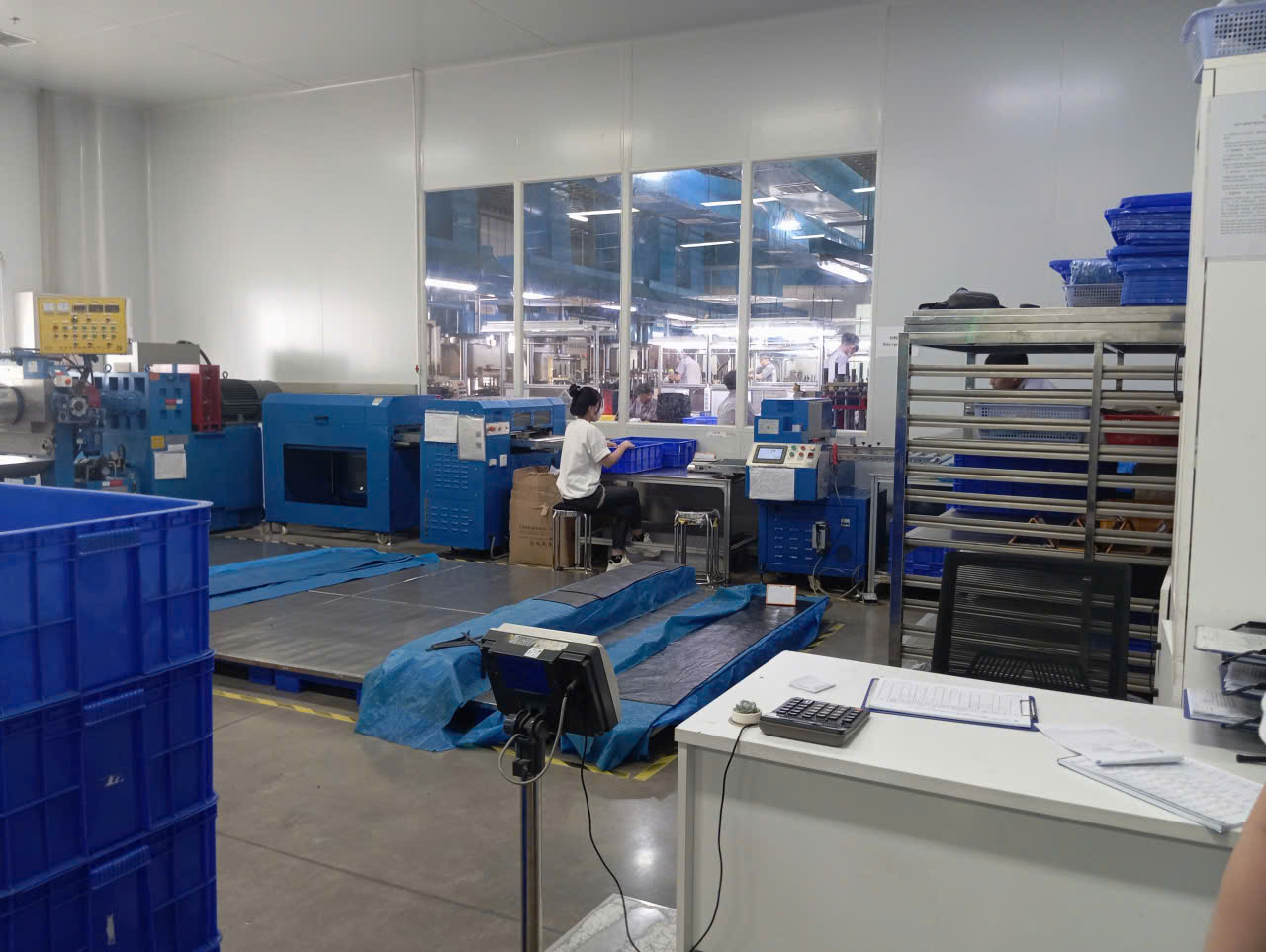
Nesting Software: The First Line of Defense
Nesting software arranges part shapes on a sheet to maximize how much usable material is cut from each plate. Good nesting can push material utilization above 90%. Poor nesting — or manual layout — wastes significantly more.
When we review a fabricator's capabilities, we ask which nesting software they use and request sample nesting reports. These reports show exactly how parts are arranged and what percentage of each sheet becomes scrap. It is a concrete, measurable indicator of their commitment to waste reduction.
Precision Cutting Technologies
Laser cutting and CNC machining are not just about quality — they are sustainability tools. A fiber laser cutter produces a narrow kerf (the width of material removed by the cut), which means less metal turns into dust and chips. CNC punching and bending are equally precise, ensuring parts come out right the first time.
Getting it right the first time matters enormously. Every rejected part doubles the material consumed for that component. Our process control approach — which includes PPAP, first-article inspection, and in-process checks — exists specifically to prevent rework. Rework is waste in disguise.
How to Track and Benchmark Waste
| Metric | Target Range | How to Measure |
|---|---|---|
| Material utilization rate | 85%–95% | Nesting report: usable area vs. total sheet area |
| Scrap recycling rate | 95%–100% | Weight of scrap sold to recycler vs. total scrap generated |
| First-pass yield | ≥98% | Number of conforming parts vs. total parts produced |
| Rework rate | <2% | Number of parts requiring rework vs. total parts produced |
| Waste-to-production ratio | <10% | Total waste weight vs. total input material weight |
Ask your supplier to report these numbers regularly. If they cannot measure them, they cannot manage them.
Modular and Prefabricated Designs
Another approach that reduces waste is designing sheet metal components for modular or prefabricated assembly. When parts are fabricated off-site in a controlled factory environment, waste is easier to capture, sort, and recycle. On-site fabrication generates scattered scrap that often ends up in mixed-waste dumpsters instead of recycling streams.
For HVAC ductwork, architectural panels, and structural brackets alike, prefabrication also improves dimensional consistency. Consistent parts fit together without field modifications — which means no extra cutting, no extra scrap, and faster installation.
The Durability Factor
Waste reduction is not just about the fabrication phase. Durable sheet metal components — those resistant to corrosion, weather, and mechanical wear — last decades without replacement. Every year a component stays in service is a year you avoid the environmental cost of manufacturing and shipping a replacement. Building thermal performance also benefits when metal roofing and siding systems maintain their reflective properties over time, reducing cooling loads season after season.
Can I reduce the carbon footprint of my international supply chain without risking delivery delays?
A lesson I learned early in coordinating Asia-to-U.S. shipments is that "sustainable" and "on time" are not mutually exclusive — but they do require more planning. Buyers often assume that any deviation from the fastest shipping method will cause delays. In reality, the biggest delivery risks come from poor communication and lack of process control, not from choosing a lower-carbon logistics option.
Yes, you can reduce your supply chain's carbon footprint by consolidating shipments, choosing sea freight over air freight where lead times allow, selecting suppliers closer to port, and using regional hubs — all without risking delivery delays if planning starts early and communication stays proactive.
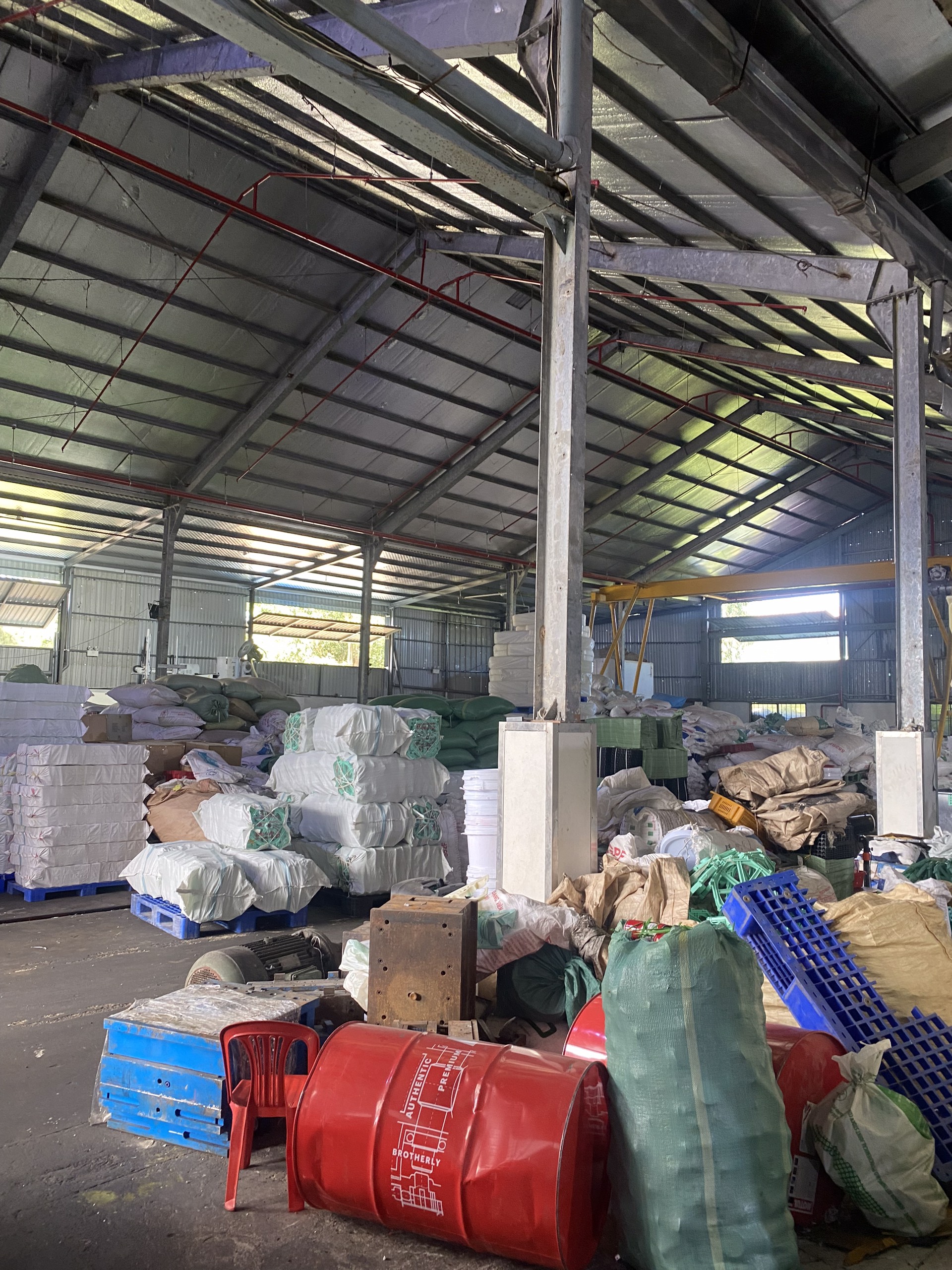
Sea Freight vs. Air Freight: The Carbon Math
The difference is dramatic. Sea freight produces roughly 10–15 grams of CO2 per ton-kilometer. Air freight produces approximately 500–600 grams — about 40 times more. For heavy sheet metal parts, the weight amplifies this gap further.
| Shipping Mode | CO2 per Ton-Kilometer | Typical Transit Time (Asia to U.S. West Coast) | Best For |
|---|---|---|---|
| Air freight | ~500–600 g | 3–5 days | Emergency orders, prototypes |
| Sea freight (FCL) | ~10–15 g | 18–25 days | Production orders, bulk shipments |
| Sea freight (LCL) | ~15–20 g | 25–35 days | Smaller orders, cost-sensitive projects |
| Rail + sea (multimodal) | ~30–50 g | 20–30 days | Landlocked origin factories |
The key insight: if you plan your production schedule to start 3–4 weeks earlier, you can ship by sea instead of air and cut transportation emissions by over 95%. That is a massive carbon footprint reduction with zero impact on your delivery date at the destination.
Consolidation and Routing Strategies
Shipping two half-full containers is worse for the environment — and your budget — than shipping one full container. We work with clients to consolidate orders across multiple part numbers or even multiple projects into single shipments. This requires coordination and forecasting, which is where a structured supply chain partner adds value.
Routing matters too. Choosing suppliers located near major ports reduces inland trucking distances and emissions. When we evaluate fabricators in Vietnam, proximity to Ho Chi Minh City's port complex is one of our selection criteria.
Process Control Prevents the Real Delays
In my experience, the number one cause of delivery delays is not shipping speed — it is quality failures that force rework or re-production. A batch of brackets that fails dimensional inspection at the factory has to be remade. That adds weeks, not days.
Our approach addresses this head-on with:
- Drawing reviews before production to catch tolerance or specification issues early
- First-article inspection to validate the process before full-run production
- In-process quality checks at key stages (after cutting, after bending, after welding, after finishing)
- Final inspection against the client's acceptance criteria before packing
When parts are right the first time, you eliminate the most common source of delays. That reliability gives you the confidence to use slower, lower-carbon shipping modes without anxiety.
Renewable Energy in Fabrication
Beyond logistics, the fabrication process itself contributes to your supply chain's carbon footprint. Factories powered by renewable energy sources — solar panels, purchased green electricity, or hydropower — produce parts with lower embodied carbon. This data feeds directly into your Life Cycle Assessment and can strengthen your project's LEED certification application.
We are seeing more factories in Vietnam and across Southeast Asia invest in rooftop solar installations, partly driven by energy cost savings and partly by buyer demand for lower-carbon production. When we audit suppliers, we now document energy sourcing as a standard checklist item. Understanding how sheet metal fabrication suppliers meet environmental and green manufacturing standards is essential for making these assessments meaningful.
Balancing Sustainability and Reliability
The bottom line is this: reducing your carbon footprint does not mean accepting more risk. It means planning better, communicating earlier, and choosing partners who have the process discipline to deliver conforming parts on the first attempt. Sustainable material sourcing and energy efficiency in production are not luxuries — they are markers of a well-run operation. And a well-run operation is exactly what prevents the delivery delays that keep purchasing managers up at night.
Conclusion
Sustainable sheet metal fabrication for green building projects is achievable when you verify material certifications rigorously, audit suppliers against real environmental standards, demand precision fabrication that minimizes waste, and plan your logistics to cut carbon without cutting corners on delivery.
Frequently Asked Questions
How can I verify the recycled content and material certifications of my custom sheet metal parts?
A buyer I work with in the Midwest once told me he had been paying a premium for "recycled aluminum" for two years — only to discover his supplier had no documentation to back the claim Life Cycle Assessment data 4 . That single experience cost him a LEED certification credit and weeks of scrambling for replacement paperwork. It was a lesson that shaped how our sourcing team now handles every material verification step from day one advanced nesting software 5 .
What environmental standards should I look for when auditing my Asian sheet metal suppliers?
One trade-off our Singapore team weighs constantly is balancing cost-competitive sourcing in Asia with the environmental rigor that U.S. green building projects demand. Not every factory in Vietnam, Taiwan, or India holds the same certifications, and not every certification carries the same weight with your end client's sustainability team.
How do I ensure my fabrication partner minimizes material waste to support my green building goals?
Last quarter, a client sent us drawings for a set of heavy-duty mounting brackets — complex, angular parts with multiple bends, cutouts, and pre-drilled holes, similar to the precision-engineered brackets we regularly coordinate. The geometry was intricate, and with a less capable fabricator, material utilization could have dropped below 70%. That means nearly a third of every sheet would become scrap. For a project targeting waste reduction credits, that number was unacceptable.
Footnotes
1. AIAG is the industry standard-setter for PPAP in the automotive supply chain. ↩︎
2. Replaced with a general overview of LEED certification from the Center for Green Schools, an initiative of the U.S. Green Building Council (USGBC), the developer of LEED. ↩︎
3. SGS provides certification services and details the benefits of ISO 14001. ↩︎
4. U.S. government resource explaining LCA methodology and data access. ↩︎
5. Autodesk explains how nesting software optimizes material usage and efficiency. ↩︎
6. Defines MTC as a quality assurance document certifying material properties and compliance. ↩︎
7. Describes EPDs as transparent, verified documents on a product’s life-cycle environmental impact. ↩︎
8. Official ISO standard specifying requirements for self-declared environmental claims. ↩︎
9. Leading authority defining the circular economy as regenerative by design. ↩︎
10. Compares carbon footprints, showing sea freight as significantly lower-carbon than air freight. ↩︎