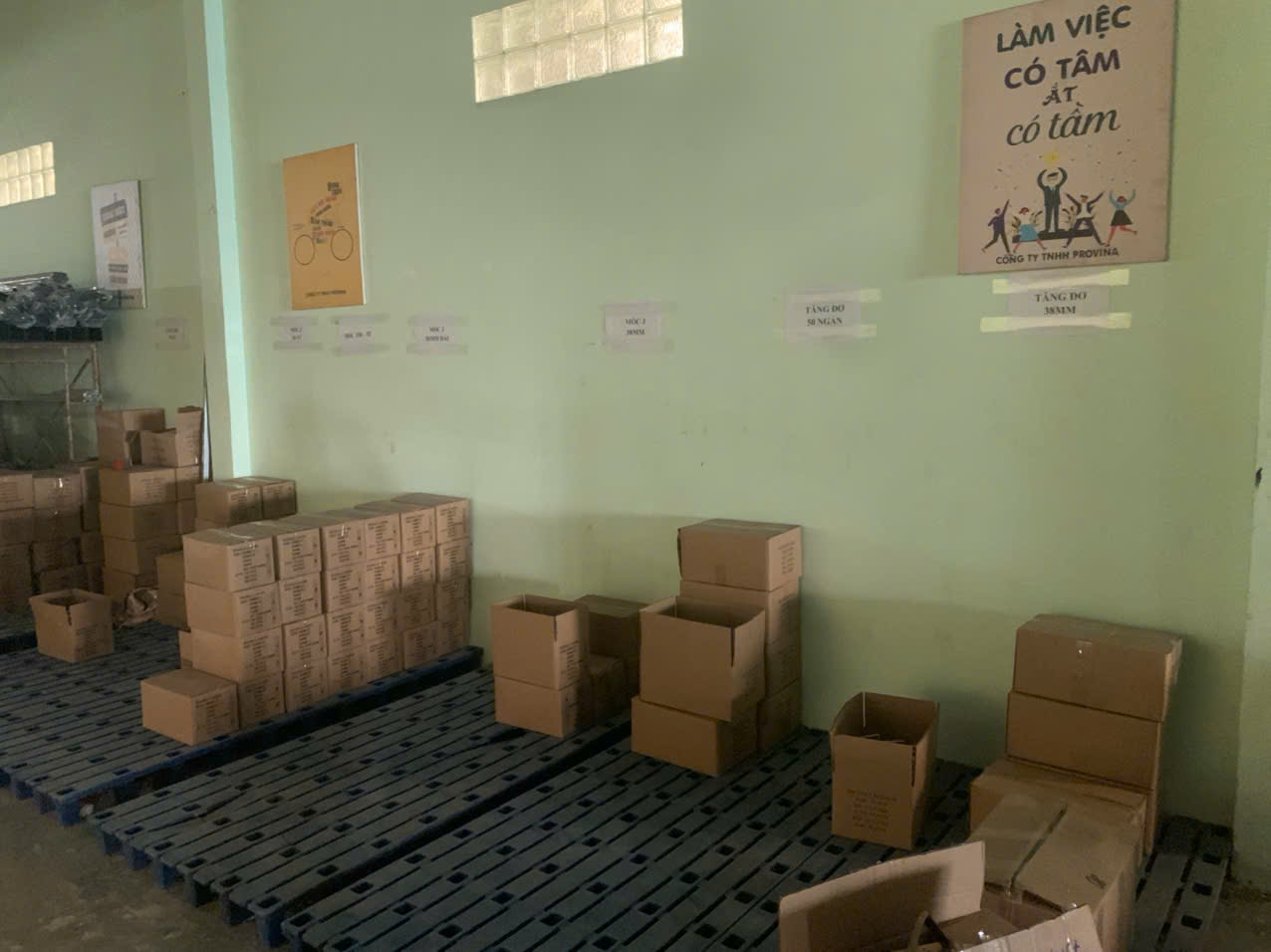
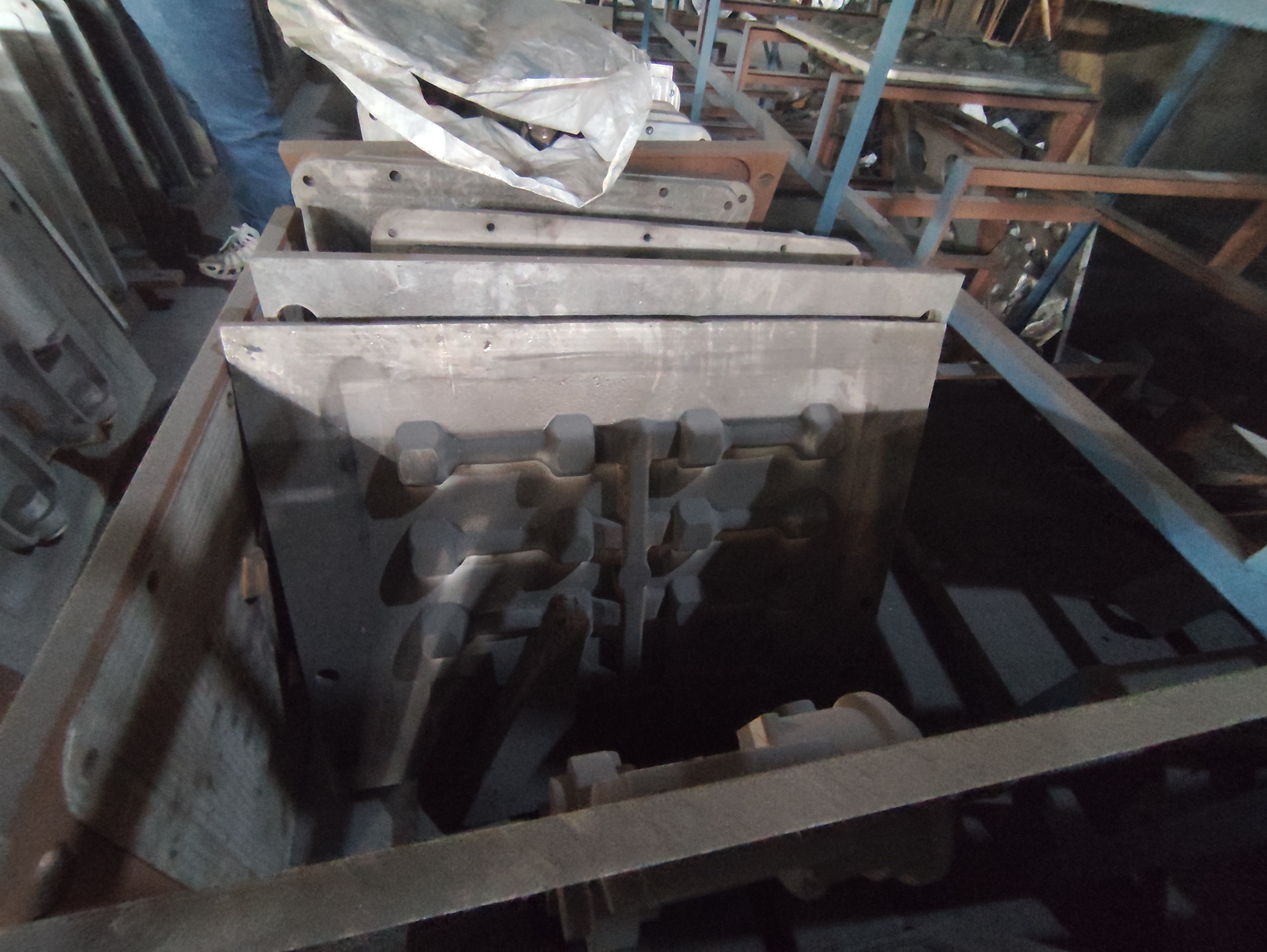
A shipment of custom metal brackets held at a US port for three weeks — that was the wake-up call that made our team rethink every detail of DOT packaging compliance when sourcing sheet metal fabrication 1.
To ensure US DOT packaging compliance when sourcing sheet metal fabrication, require your supplier to follow 49 CFR regulations for classification, use UN specification packaging where applicable, implement proper marking and labeling, provide complete shipping documentation, and verify all protocols through audited QC processes before shipment.
This guide breaks down the exact steps, protocols, and documentation you need 49 CFR regulations 2. Whether your fabricated parts carry residual oils or hazardous coatings, or simply require robust cargo securement for sea freight, each section addresses a specific compliance challenge head-on.
How can I verify that my offshore sheet metal supplier fully understands US DOT packaging standards?
When our Vietnam office onboarded a new sheet metal supplier last year, the first thing we did was send them a detailed compliance questionnaire based on 49 CFR Parts 171 through 178 — and half the answers came back blank VCI corrosion protection 3.
Verify your offshore supplier's understanding by requiring them to demonstrate familiarity with 49 CFR regulations, provide evidence of HazMat employee training, show UN specification packaging certifications, and pass a packaging-specific audit before the first production order ships.
Why Sheet Metal Parts Can Trigger DOT Requirements
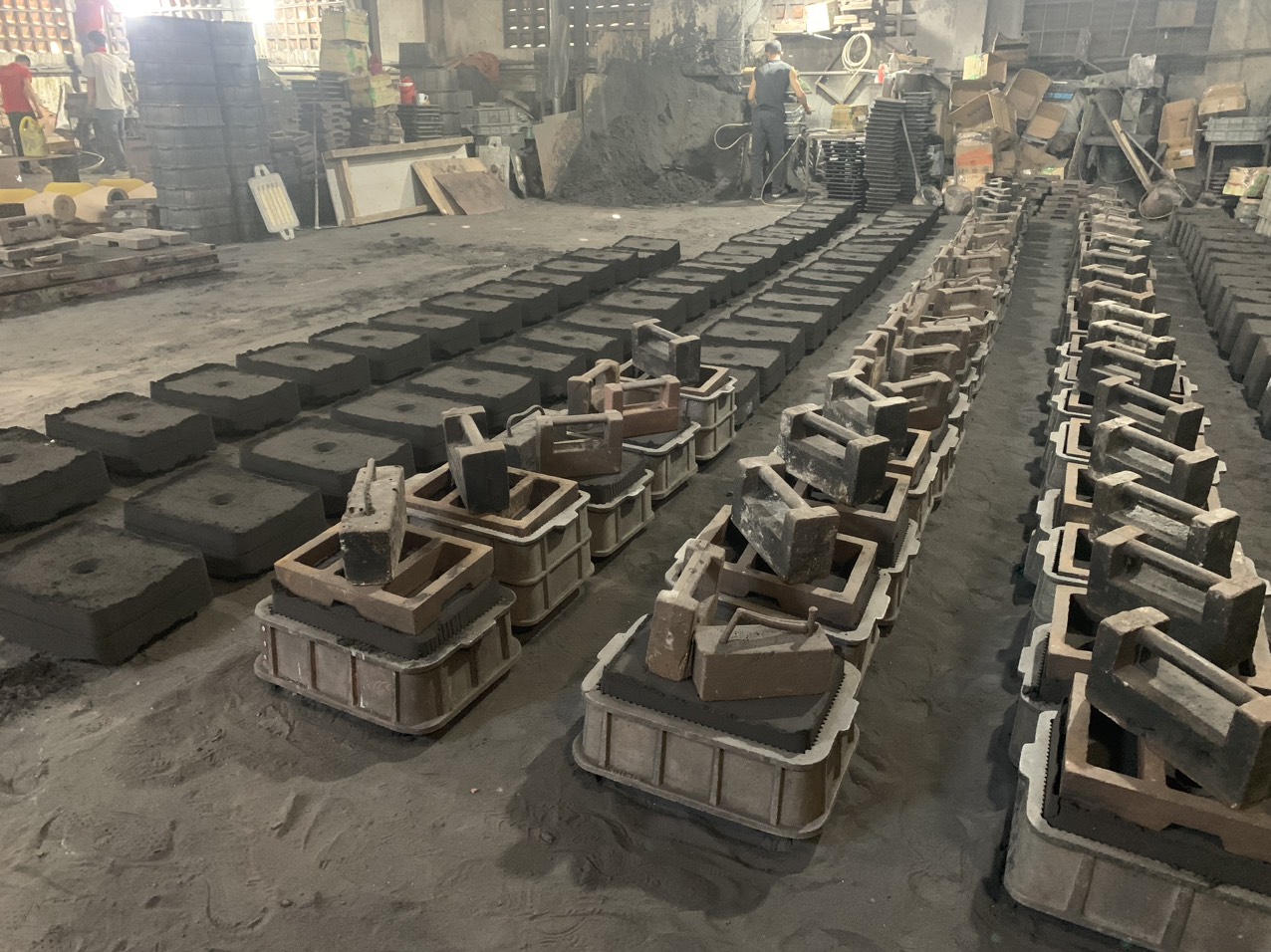
Many buyers assume sheet metal fabrication is non-hazardous. In most cases, the raw metal itself is not classified as a hazardous material 4. But the reality is more nuanced. Custom metal parts — like the precision-engineered mounting brackets and housing bases we source for US clients — often arrive with residual cutting oils, anti-rust coatings, or solvent-based surface treatments. These substances can fall under hazardous materials shipping rules. If your parts are powder-coated or treated with volatile corrosion inhibitors (VCI), the packaging itself may need to meet specific standards under 49 CFR Part 173.
The US Department of Transportation 5 places the compliance burden squarely on the shipper. That means if you are importing sheet metal parts, you are responsible for ensuring the packaging meets all applicable regulations. You cannot simply trust that your offshore supplier "knows the rules."
How to Audit Your Supplier's Knowledge
I recommend a structured approach. Before placing your first order, send a compliance checklist and require written responses. Here is a simplified version of what we use:
| Audit Area | What to Ask | Acceptable Evidence |
|---|---|---|
| Regulatory Knowledge | Can the supplier identify relevant 49 CFR parts? | Written summary or training certificate |
| Packaging Classification | Does the supplier know the difference between bulk (>119 gal) and non-bulk (<119 gal) packaging? | Completed classification form |
| UN POP Familiarity | Can they source or produce UN specification packaging 6 with correct markings? | Sample packaging photos with UN markings |
| HazMat Training | Have packaging employees completed DOT HazMat training? | Training records with dates and employee names |
| Material Compatibility | Do they check that packaging materials are compatible with residual oils or coatings on parts? | Compatibility test reports or SDS cross-reference |
The Role of a Sourcing Partner
This is exactly where a sourcing partner like our team at DEWIN adds value. We conduct on-site supplier audits in Vietnam and across Asia. We check not just production capability, but logistics planning and packaging compliance. We review the supplier's understanding of transportation safety requirements, inspect their crating stations, and verify that their team has the training to handle freight classification correctly.
If your supplier cannot answer basic questions about 49 CFR or UN Performance-Oriented Packaging, that is a red flag. Do not wait until your shipment is sitting at the port to find out.
What specific packaging protocols should I require to prevent damage to my custom metal parts during sea freight?
A lesson we learned early in our export operations: even parts that arrive at our inspection station in perfect condition can reach the US with scratches, dents, or corrosion if the packaging protocols are wrong.
Require your supplier to implement multi-layer damage prevention protocols including VCI corrosion protection, foam or bubble wrap cushioning, rigid crating with blocking and bracing, proper palletizing, and cargo securement methods that meet FMCSA guidelines for metal parts during ocean transit.
Understanding the Threats During Sea Freight
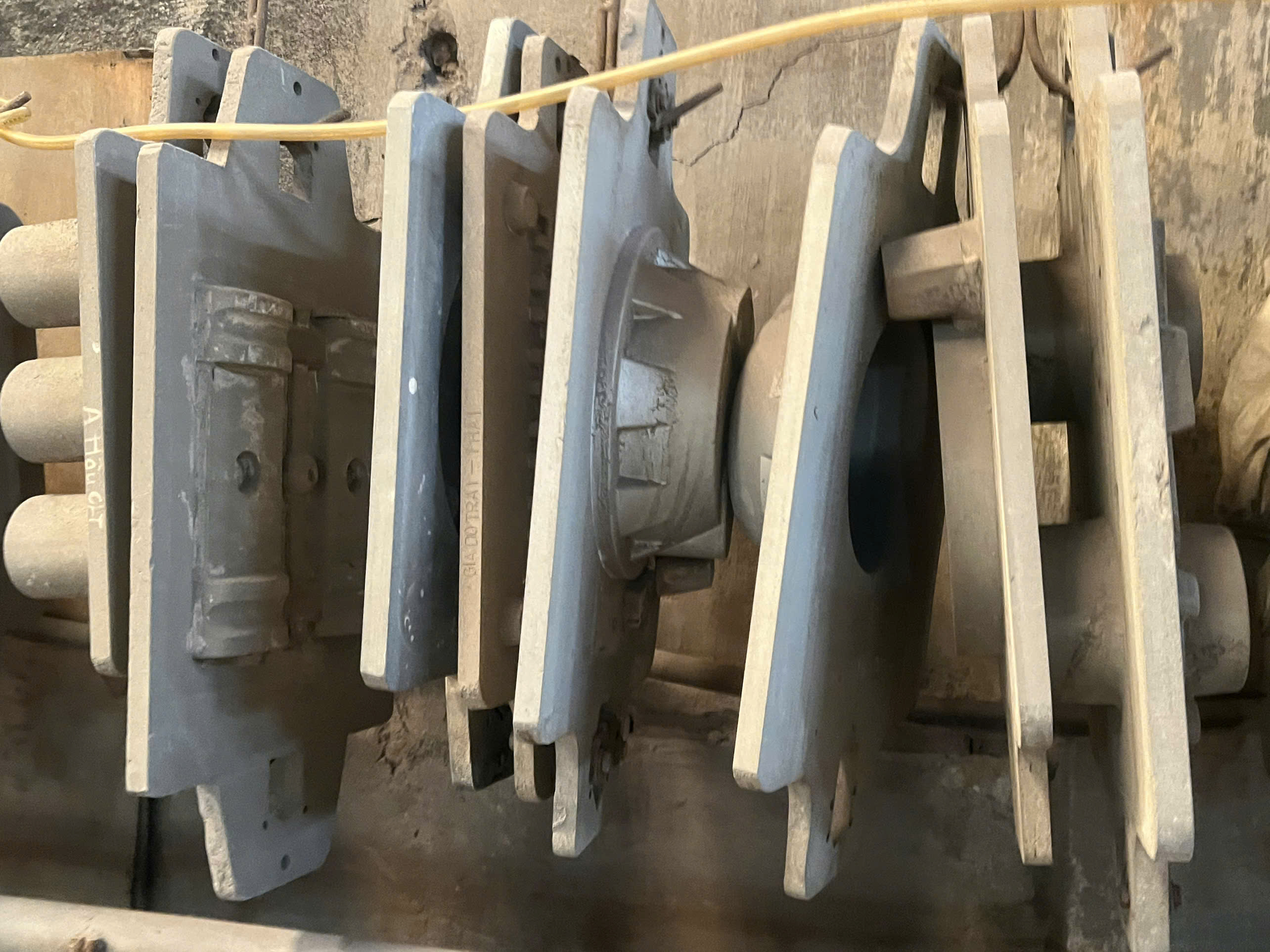
Ocean shipping exposes your custom metal parts to three main threats: mechanical damage from vibration and shifting, moisture-driven corrosion, and surface damage from part-to-part contact. Each threat requires a specific countermeasure. The transit time from Vietnam or other Asian origins to the US can be 25 to 40 days. That is a long time for unprotected metal to sit in a humid container.
Layer-by-Layer Protection
Here is the protocol we specify for our sheet metal fabrication shipments:
| Layer | Material | Purpose |
|---|---|---|
| Layer 1 (Contact) | VCI film or VCI paper | Corrosion protection — releases vapor that inhibits rust on metal surfaces |
| Layer 2 (Cushion) | Closed-cell foam, bubble wrap, or corrugated dividers | Damage prevention — absorbs shock and prevents part-to-part contact |
| Layer 3 (Containment) | Poly bag or stretch wrap | Moisture barrier and dust protection |
| Layer 4 (Inner box) | Corrugated carton with corner protectors | Structural support for individual part groups |
| Layer 5 (Outer crate) | Plywood or hardwood crate with blocking and bracing | Cargo securement — prevents shifting during transit |
| Layer 6 (Pallet) | Heat-treated pallet (ISPM 15 7 compliant) | Palletizing for forklift handling and container loading |
Cargo Securement for Metal Parts
The FMCSA provides specific rules for securing metal articles under 49 CFR Part 393. For metal coils, 49 CFR 393.120 is especially relevant. While your sheet metal brackets and housings may not be coils, the same principles apply. Use tiedowns rated for the load weight. Use edge protection so straps do not cut into packaging materials. Block and brace inside the crate so parts cannot shift laterally.
We also recommend that suppliers perform a tilt test on packed crates. If the crate is tilted 30 degrees and contents shift, the blocking is inadequate. This is a simple, low-cost check that prevents expensive damage claims.
Sustainable Packaging Options
More of our US clients are asking about sustainable packaging solutions. Reusable metal or plastic totes can replace single-use crates for repeat orders. Recyclable corrugated inserts reduce waste. We work with suppliers to optimize packaging materials so you get the protection you need without excess material. This also reduces freight classification costs because lighter packaging means lower shipping weight.
How do I ensure my supplier's labeling and crating meet DOT compliance to avoid costly delays at the port?
One of our US clients once faced a $12,000 demurrage charge because a shipment of coated metal housings was flagged at the port for incorrect hazard labeling. The parts themselves were fine. The labels were not.
Ensure DOT-compliant labeling and crating by requiring UN-standard markings (UN symbol, packing group, manufacturer code), proper hazard labels when applicable, correct Proper Shipping Name and UN ID number, accurate shipping documentation including bill of lading, and pre-shipment photo verification of all exterior markings.
What Must Appear on the Package
If your sheet metal parts require hazardous materials shipping classification — even if only because of residual solvents or coatings — the exterior of each package must display specific information. Under 49 CFR Part 172, the mandatory markings include:
- UN ID Number (e.g., UN1263 for paint-related materials)
- Proper Shipping Name as listed in the Hazardous Materials Table (49 CFR 172.101)
- Name and address of the responsible party (consignor or consignee)
- Hazard labels: color-coded, diamond-shaped (square-on-point), matching the hazard class
- UN POP markings on the packaging itself: UN symbol, packing group designation, manufacturer code, and year of manufacture
For non-hazardous sheet metal parts, you still need clear handling instructions. Labels like "DO NOT STACK," "THIS SIDE UP," and "FRAGILE — METAL PARTS" reduce mishandling risk.
Crating Standards That Pass Inspection
The crate itself must meet structural standards. For international shipments, wooden crating must comply with ISPM 15 (heat-treated or fumigated wood, stamped with the IPPC logo). Failure to comply will result in the shipment being refused entry or quarantined at the port.
Here is a quick reference for crating compliance:
| Requirement | Standard | Common Mistake |
|---|---|---|
| Wood treatment | ISPM 15 (heat treatment at 56°C for 30 min) | Using untreated raw wood pallets |
| IPPC stamp | Must be visible on at least two sides | Stamp faded, missing, or placed on inner surface |
| Hazard label placement | Visible on exterior, not obscured by strapping | Labels covered by stretch wrap or tiedowns |
| Package orientation arrows | Required if contents are orientation-sensitive | Arrows missing or contradictory on different sides |
| Weight marking | Gross weight in kg and lbs | Weight not updated after final packing |
The Role of Incoterms
Understanding Incoterms is critical. Under FOB (Free on Board), the seller's responsibility typically ends when the goods are loaded onto the vessel. Under DDP (Delivered Duty Paid), the seller handles everything including customs clearance. The Incoterm you agree on determines who is responsible for labeling and crating compliance at each stage. We always recommend that US buyers specify packaging and labeling requirements in the purchase order, regardless of the Incoterm, so there is no ambiguity.
Pre-Shipment Verification
Before any shipment leaves the factory, our QC team takes detailed photos of every crate face showing labels, markings, and IPPC stamps. We send these to the client for approval. This simple step — which we call a "label audit" — has prevented numerous port delays. If a label is wrong, it is far cheaper to fix it at the factory than to rework it at a US port.
Digital documentation is also becoming standard. Electronic shipping papers and safety data sheets (SDS) 8 can be shared in real time, so the buyer and customs broker have everything they need before the container arrives.
Can my sourcing partner provide the necessary QC documentation to prove my sheet metal packaging is compliant and secure?
The question I hear most from purchasing managers is not whether we can make good parts — it is whether we can prove the packaging will hold up and pass inspection. Documentation is the bridge between good intentions and actual compliance.
Your sourcing partner should provide a complete QC documentation package including packaging inspection checklists, photographic evidence of labeling and crating, material compatibility records, UN POP certification copies, shipping papers with hazard class and packing group, and a final compliance sign-off before shipment.

What a Complete Documentation Package Looks Like
At DEWIN, we build a compliance file for every shipment. This is not just about checking boxes. It is about creating a traceable record that proves — to US Customs, to your end customer, and to your own quality team — that every step was done right. Here is what we include:
The Shipping Papers
Under 49 CFR Part 172, shipping papers must contain the UN ID number, the Proper Shipping Name 9, the hazard class, the packing group, the total quantity, and emergency response information. For non-hazardous sheet metal, a standard bill of lading with accurate descriptions and weights is required. We always cross-reference the shipping documentation against the actual packed goods to ensure consistency.
Packaging Test Certifications
If your packaging is UN-certified (UN specification packaging), the manufacturer of that packaging must provide evidence that it has passed performance tests under 49 CFR Part 178. These tests include:
- Drop test — simulates rough handling
- Leakproof test — for liquid-containing packages
- Hydrostatic pressure test — for drums and jerricans
- Vibration test — simulates road and sea transport conditions
- Stacking test — ensures structural integrity under load
The shipper does not need to re-test every package. But the shipper must verify that the packaging bears the correct UN markings and that it is assembled as the manufacturer intended. We request and archive the manufacturer's test certificates for every batch of packaging materials we use.
Connecting QC to Logistics Planning
Our process connects product inspection with packaging inspection. After the final dimensional and surface inspection of the sheet metal parts, the QC inspector moves to the packing station. They verify:
- Correct VCI film application
- Proper cushioning and separation of parts
- Accurate labeling on inner boxes and outer crates
- Crate structural integrity (no cracked boards, loose fasteners)
- Weight verification against the bill of lading
This integrated approach ensures that transportation safety is not an afterthought. It is built into the production workflow. Every finding is logged, photographed, and compiled into a report the client receives before the container is sealed.
Why This Matters for Your Bottom Line
Non-compliant packaging costs real money. Port holds, demurrage, re-inspection fees, damaged goods claims, and even fines from DOT can add up fast. A proper QC documentation package is not overhead — it is insurance. And it gives your purchasing team the confidence to approve shipments remotely, without needing to fly to Asia for every order.
Conclusion
US DOT packaging compliance for sheet metal fabrication is not optional — it protects your shipment, your timeline, and your budget. Partner with a sourcing team that owns the process from factory floor to US port.
Frequently Asked Questions
How can I verify that my offshore sheet metal supplier fully understands US DOT packaging standards?
When our Vietnam office onboarded a new sheet metal supplier last year, the first thing we did was send them a detailed compliance questionnaire based on 49 CFR Parts 171 through 178 — and half the answers came back blank VCI corrosion protection 3 .
What specific packaging protocols should I require to prevent damage to my custom metal parts during sea freight?
A lesson we learned early in our export operations: even parts that arrive at our inspection station in perfect condition can reach the US with scratches, dents, or corrosion if the packaging protocols are wrong.
How do I ensure my supplier's labeling and crating meet DOT compliance to avoid costly delays at the port?
One of our US clients once faced a $12,000 demurrage charge because a shipment of coated metal housings was flagged at the port for incorrect hazard labeling. The parts themselves were fine. The labels were not.
Footnotes
1. Replaced 404 Wikipedia page with a broader, working Wikipedia page that encompasses sheet metal fabrication. ↩︎
2. Official source for US Department of Transportation hazardous materials regulations. ↩︎
3. Explains the mechanism and application of volatile corrosion inhibitors for metal protection. ↩︎
4. Replaced 403 PHMSA link with an accessible .edu page providing the US DOT definition of hazardous material. ↩︎
5. Official website for the primary federal agency overseeing transportation in the US. ↩︎
6. Official DOT guidance on UN specification packaging for hazardous materials transport. ↩︎
7. Official international standard for regulating wood packaging material in trade. ↩︎
8. Official OSHA resource detailing the purpose and requirements of Safety Data Sheets. ↩︎
9. Provides guidance on determining the correct Proper Shipping Name for hazardous materials. ↩︎