Last quarter, a shipment of custom mounting brackets from our Vietnam facility nearly got flagged at the port — not because of quality, but because of a misunderstanding about which hazardous substances 1 regulations actually apply.
RoHS and REACH are European Union regulations, not US laws. To ensure compliance for Vietnam sheet metal fabrication, you must verify raw material certifications, demand proper supplier declarations, audit chemical management systems, and test secondary finishes — all aligned with EU directives and your end-market requirements.
This distinction matters more than most buyers realize Safety Data Sheets 2. Many purchasing managers assume these are American standards. They are not. But if your parts end up in Electrical and Electronic Equipment sold in the EU — or if your US customers require RoHS and REACH compliance as part of their own supply chain due diligence — you still need a bulletproof compliance program. Let me walk you through exactly how we handle this for our clients.
A Critical Clarification: RoHS and REACH Are EU Regulations
Before diving in, let me clear up the most common misconception we encounter. RoHS (Directive 2011/65/EU) 3 restricts hazardous substances in electrical and electronic equipment. REACH (Regulation 1907/2006) 4 governs chemical safety across all products. Neither is a US law. However, many US buyers require compliance because their products ultimately reach EU markets, or because they follow these standards voluntarily as best practice.
Vietnam has its own version — Circular 30/2011/TT-BCT — which covers only 6 of the 10 EU RoHS restricted substances. It does not replace EU requirements.
| Regulation | Origin | Scope | Substances Covered |
|---|---|---|---|
| EU RoHS (2011/65/EU) | European Union | EEE sold in the EU | 10 (including 4 phthalates) |
| Vietnam RoHS (Circular 30/2011) | Vietnam | EEE sold in Vietnam | 6 (lead, cadmium, mercury, Cr6+, PBB, PBDE) |
| EU REACH (1907/2006) | European Union | All products sold in the EU | 200+ SVHCs (list updated regularly) |
| US (no equivalent) | United States | No federal RoHS/REACH law | Varies by state (e.g., California Prop 65) |
Understanding this landscape is step one. Now let me show you how to act on it.
How can I verify that the raw materials used in my Vietnam sheet metal project are fully RoHS compliant?
A few months ago, one of our US clients sent over drawings for a set of precision mounting brackets — heavy-duty, powder-coated steel with multiple mounting holes and weld joints. The first question from their compliance team was about raw material traceability. It's the right question to ask first.
To verify RoHS compliance of raw materials, request Mill Test Certificates showing chemical composition, demand RoHS Declarations of Conformity from the steel mill, and conduct X-Ray Fluorescence (XRF) screening on incoming coils. Every component — base metal, welding wire, and coatings — must be individually verified.
Start With the Base Metal
Most sheet metal projects use cold-rolled steel, galvanized steel, stainless steel, or aluminum. These base metals are generally low-risk for RoHS. But "generally" is not "always."
Galvanized steel is the one that catches people. Hot-dip galvanizing processes can introduce lead into the zinc coating. If your Vietnamese fabricator sources galvanized coils from a supplier that doesn't control for lead content, you could have a problem.
Here is what I recommend requesting for every raw material:
- Mill Test Certificate (MTR): This shows the chemical analysis of the steel or aluminum. It should list all major elements and trace contaminants.
- RoHS Declaration of Conformity (DoC): A formal statement from the mill that the material meets EU RoHS thresholds.
- Material Data Sheet: This provides detailed composition data. It is different from a Safety Data Sheet (SDS), which focuses on handling and safety.
Know the Thresholds
RoHS limits are applied per homogeneous material 5, not per finished product. This is important for sheet metal parts with multiple layers (base metal + primer + topcoat).
| Restricted Substance | Maximum Concentration (by weight) | Common Source in Sheet Metal |
|---|---|---|
| Lead (Pb) | 0.1% (1000 ppm) | Solder, galvanizing, brass fittings |
| Cadmium (Cd) | 0.01% (100 ppm) | Plating, pigments, some zinc alloys |
| Mercury (Hg) | 0.1% (1000 ppm) | Rarely found in sheet metal |
| Hexavalent Chromium (Cr6+) | 0.1% (1000 ppm) | Chromate passivation, some primers |
| PBB / PBDE | 0.1% (1000 ppm) | Plastic insulators, gaskets |
| DEHP, BBP, DBP, DIBP (Phthalates) | 0.1% (1000 ppm) | Flexible plastic components, cable insulation |
XRF Screening as a Gatekeeper
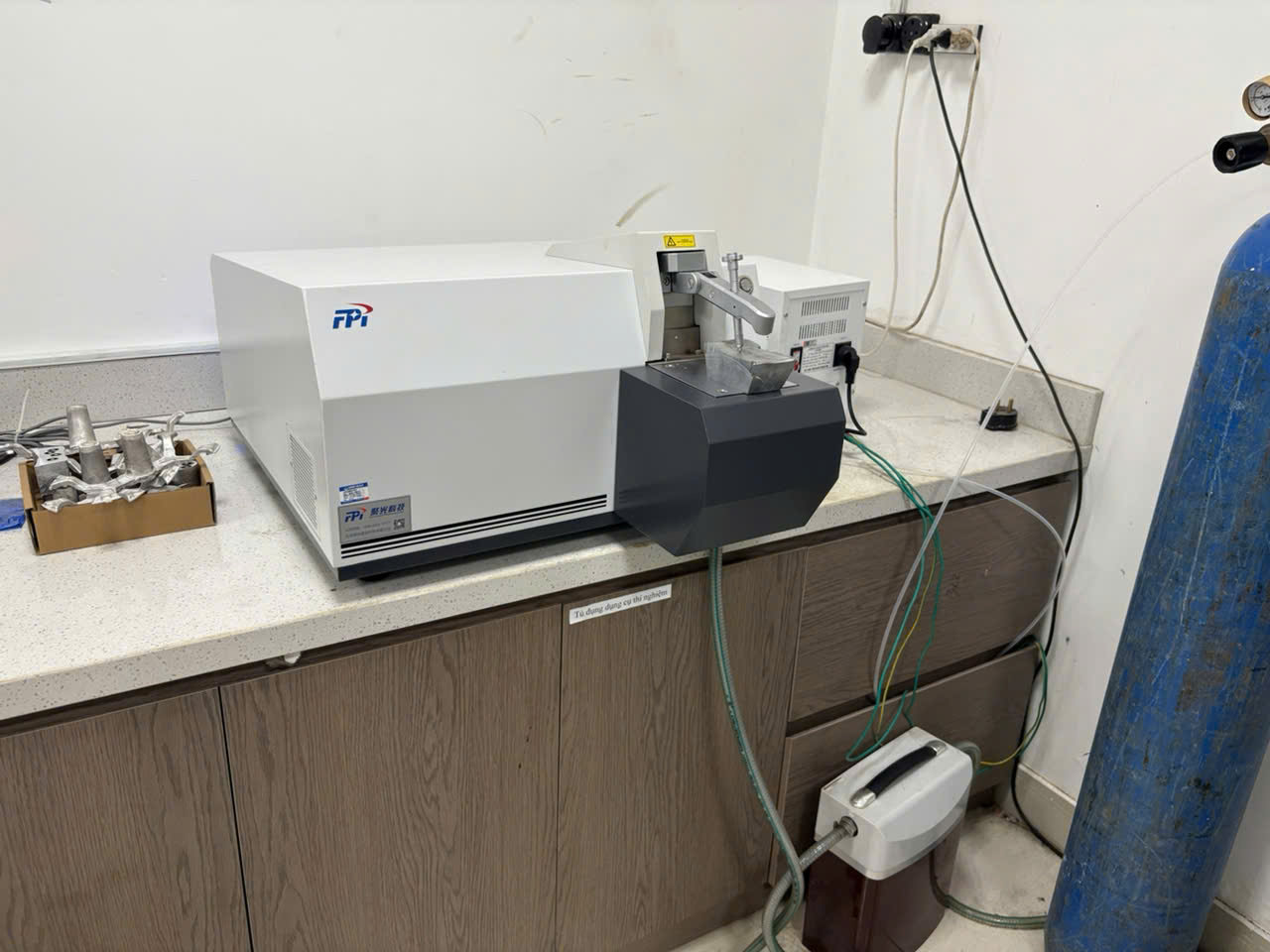
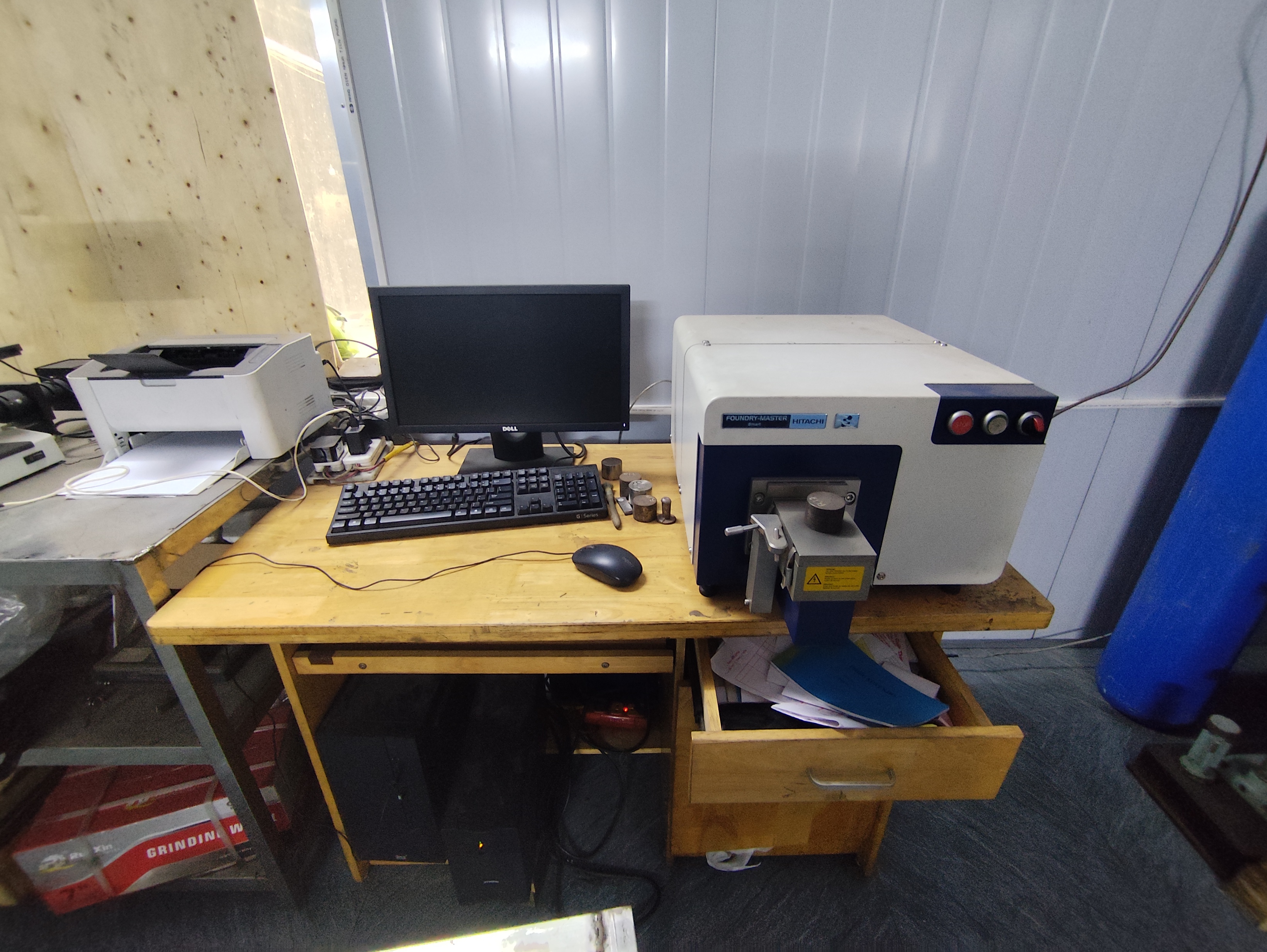
Our team in Vietnam uses handheld XRF analyzers on incoming materials. This is a non-destructive chemical analysis method. X-Ray Fluorescence (XRF) 6 It won't replace a full lab test, but it catches obvious problems — like a batch of galvanized steel with elevated lead — before those materials enter production. For new suppliers, I always recommend XRF screening of the first three to five shipments. After that, periodic spot checks work well.
Welding and Soldering Consumables
Don't forget the consumables. Welding wire must be lead-free. If your bracket requires solder joints, lead-free solder is mandatory. We maintain a separate approved consumables list at our Vietnam facility, and every item on it carries its own RoHS declaration. Any plastic insulators, gaskets, or adhesive tapes that touch the final assembly are also separate homogeneous materials and must comply independently.
What specific REACH documentation should I demand from my Vietnamese fabricator to satisfy US customs?
One of the trade-offs we discuss with clients early in every project is the documentation burden. REACH compliance requires deeper supply chain transparency than RoHS. It is not just about a list of banned substances — it is about knowing the full chemical identity of everything in your product and disclosing Substances of Very High Concern 7.
For REACH compliance, demand Safety Data Sheets (SDS) for all chemicals used, Full Material Declarations (FMDs) for every component, SVHC disclosure statements against the current Candidate List, and SCIP database notifications if products enter the EU market. These documents form your compliance evidence package.
Understanding What REACH Actually Requires
REACH is broader than RoHS. It covers all chemicals in all products, not just hazardous substances in electronics. For sheet metal parts, the primary concern is the SVHC (Substances of Very High Concern) Candidate List, which the European Chemicals Agency updates twice a year. As of the latest update, it contains over 200 substances.
If any SVHC is present in your article (product) above 0.1% by weight, you have a duty to communicate that information down the supply chain. If you are importing into the EU, you must also submit a notification to the SCIP database 8.
The Documentation Stack
Here is the documentation we compile for every REACH-relevant project:
- Safety Data Sheets (SDS): These are required for all chemical substances and mixtures used in production — paints, cleaners, plating solutions, adhesives. An SDS is not optional. It is a legal document under REACH.
- Full Material Declarations (FMD): These go beyond the SDS. An FMD lists every substance in a material, not just the hazardous ones. Some industries use the International Material Data System (IMDS) format, especially automotive.
- SVHC Disclosure Statement: A written declaration from the fabricator confirming whether any SVHCs are present above 0.1% w/w. This must reference the specific version of the Candidate List.
- SCIP Database Notification: If your product enters the EU and contains SVHCs above the threshold, the importer (or their authorized representative) must submit information to the SCIP database. Your fabricator should provide the data needed for this submission.
What About US Customs?
Strictly speaking, US Customs does not enforce EU REACH. But many US importers voluntarily require REACH documentation because their end customers sell into the EU, or because they follow conflict minerals and chemical transparency policies. We see this with purchasing managers who manage multi-market supply chains. They want one compliance package that covers all destinations.
| Document | Purpose | Who Provides It | Required For |
|---|---|---|---|
| Safety Data Sheet (SDS) | Chemical hazard communication | Chemical/coating supplier | All REACH-regulated chemicals |
| Full Material Declaration (FMD) | Complete substance disclosure | Fabricator + material suppliers | Detailed supply chain due diligence |
| SVHC Disclosure Statement | Confirms presence/absence of SVHCs | Fabricator | EU market articles above 0.1% w/w |
| SCIP Database Notification Data | Waste management transparency | Fabricator provides data; importer submits | EU market articles with SVHCs |
| Conflict Minerals Reporting | Tin, tantalum, tungsten, gold sourcing | Smelter/refiner via supply chain | US Dodd-Frank / EU Conflict Minerals Regulation |
A Practical Tip
When we onboard a new coating supplier in Vietnam, we require all four documents before the first order. This seems strict. But I have seen projects delayed by weeks because a single SDS was missing or outdated. Collect everything upfront. Store it digitally. Update it whenever the SVHC Candidate List changes.
How do I ensure that secondary finishes and coatings applied in Vietnam don't violate my compliance requirements?
A lesson we learned the hard way during an early project involved a batch of precision brackets — the kind with complex angular folds, multiple mounting holes, and weld joints at every corner. The base steel was perfectly compliant. The powder coat was perfectly compliant. But the chromate conversion coating applied before the powder coat used hexavalent chromium. One layer, buried under the topcoat, nearly invalidated the entire shipment.
To protect compliance, specify trivalent chromium or chromate-free pretreatments, require RoHS/REACH certificates for every coating layer including primers and passivation chemicals, and conduct periodic XRF testing on finished parts. Every surface treatment step is a potential compliance failure point.
Why Metal Finishing Is the Highest-Risk Step
Raw sheet metal — steel, aluminum, stainless — is relatively easy to control. The chemical analysis from the mill tells you what is in it. But once the part enters the finishing line, you introduce dozens of new chemicals: cleaners, etchants, conversion coatings, primers, topcoats, plating baths, and sealants.
Each of these is a separate homogeneous material under RoHS. Each must independently meet the restricted substance limits. And each introduces potential Substances of Very High Concern under REACH.
The Hexavalent Chromium Problem
Hexavalent chromium (Cr6+) is the single biggest compliance risk in sheet metal finishing. It shows up in:
- Chromate conversion coatings (yellow or olive-colored passivation on aluminum or zinc)
- Chromate-based primers (especially older aerospace-grade primers)
- Some zinc plating bath additives
The solution is straightforward: switch to trivalent chromium (Cr3+) alternatives. Trivalent chromium passivation provides similar corrosion resistance without the RoHS or REACH liability. We specify Cr3+ passivation by default on all our Vietnam projects unless the client's engineering drawing explicitly requires Cr6+ with a documented exemption.
Building a Compliant Finishing Specification
When our team prepares a finishing specification for a Vietnam project, we include all of these requirements:
- Pretreatment type (e.g., iron phosphate, Cr3+ conversion, or chromate-free)
- Powder coat or wet paint brand, color, and compliance certificate
- Plating type and bath chemistry compliance statement
- Post-treatment sealants or lubricants, if any
We also require that the coating supplier provides both an SDS and a supplier declaration confirming RoHS and REACH compliance for every chemical in the finishing line. This is not a one-time request. We audit these documents annually.
Practical Process Controls
On the factory floor, process control matters as much as documentation. Here is what we check:
- Batch segregation: Compliant and non-compliant chemicals must never share tanks or spray booths.
- Incoming chemical inspection: Every new drum or container is checked against the approved chemical list before it enters the production area.
- Finished part testing: We use XRF on finished, coated parts at least once per production run. This catches contamination that paperwork alone cannot.
The matte, gunmetal grey finish on those angular mounting brackets I mentioned? That particular sandblasted and powder-coated surface required three separate compliance certificates — one for the blasting media, one for the primer, and one for the topcoat. Every layer counts.
What steps should I take to audit a Vietnam factory's chemical management system for my custom parts?
During a recent factory visit to one of our partner facilities near Ho Chi Minh City, I spent half a day just in the chemical storage area. That single walk-through revealed more about the factory's compliance maturity than any paper audit could. Barrels were labeled. MSDS binders were current. Segregation between RoHS-compliant and non-compliant chemicals was physically enforced with separate locked cages.
To audit a Vietnam factory's chemical management, inspect chemical storage and segregation practices, review supplier declarations and SDS files for all raw materials and consumables, verify testing protocols (XRF and lab analysis), and confirm that the factory holds ISO 14001 certification and maintains a restricted substances list aligned with EU RoHS and REACH.
What to Look for During a Physical Audit
Paper audits have their place. But there is no substitute for walking the floor. Here is the checklist our Vietnam team uses when evaluating a new fabrication partner's chemical management system:
Chemical Storage and Segregation
- Are chemicals stored in a dedicated, ventilated area?
- Are RoHS-compliant materials physically separated from non-compliant ones?
- Are containers properly labeled with substance name, hazard class, and compliance status?
- Is there a chemical inventory log that is updated in real time?
Documentation Review
- Does the factory maintain a current Restricted Substances List (RSL)?
- Are SDS documents available for every chemical on site?
- Do supplier declarations reference the correct version of the EU RoHS directive and the current SVHC Candidate List?
- Are Mill Test Certificates 9 archived and traceable to specific production batches?
Testing Capabilities
- Does the factory own or have access to XRF equipment?
- How frequently do they conduct chemical analysis on incoming materials?
- Do they send samples to accredited third-party labs (SGS, Bureau Veritas, TÜV) for periodic full-spectrum testing?
Certifications and Training
ISO 9001 tells you about quality management. ISO 14001 tells you about environmental management — and a factory with ISO 14001 is far more likely to have a mature chemical management program. We also look for evidence of staff training on hazardous substances handling and RoHS/REACH awareness.
| Audit Area | What to Check | Red Flag |
|---|---|---|
| Chemical Storage | Ventilation, segregation, labeling | Mixed compliant/non-compliant chemicals in one area |
| Documentation | SDS, DoC, MTR, RSL currency | Missing or expired certificates |
| Testing | XRF availability, lab test frequency | No incoming material testing protocol |
| Certifications | ISO 14001, ISO 9001 | No environmental management system |
| Training | Staff awareness of restricted substances | Workers unable to explain basic RoHS requirements |
| Traceability | Batch tracking from mill to finished part | No connection between MTR and production lot |
Design for Compliance From the Start
One principle we follow is Design for Compliance — or DfC. This means building compliance requirements into the product design phase, not bolting them on at the end. When our engineering team reviews a client's drawings, we flag any material or finish that could create a compliance risk. We suggest alternatives proactively. This avoids costly redesigns and ensures the factory knows exactly what is expected before cutting the first blank.
Leveraging Digital Tools
We use digital supply chain mapping tools to track material declarations, supplier certificates, and compliance status across our network. This is especially important when managing multiple Vietnam fabrication partners. A centralized digital system ensures nothing falls through the cracks — and it makes audits faster and more reliable.
The geopolitical landscape also matters. Trade agreements, tariffs, and evolving environmental regulations can shift enforcement priorities. We monitor these trends and adjust our compliance strategies accordingly. Vietnam may adopt REACH-like rules in the future. Being prepared now is far cheaper than scrambling later. For buyers new to this process, understanding how to evaluate sheet metal fabrication sourcing requirements holistically — including compliance — is essential before committing to a supplier.
Conclusion
Ensuring RoHS and REACH compliance for Vietnam sheet metal fabrication demands verified raw materials, thorough documentation, controlled finishing processes, and rigorous factory audits — all built into your supply chain from day one.
Frequently Asked Questions
What About US Customs?
Strictly speaking, US Customs does not enforce EU REACH. But many US importers voluntarily require REACH documentation because their end customers sell into the EU, or because they follow conflict minerals and chemical transparency policies. We see this with purchasing managers who manage multi-market supply chains. They want one compliance package that covers all destinations.
How can I verify that the raw materials used in my Vietnam sheet metal project are fully RoHS compliant?
A few months ago, one of our US clients sent over drawings for a set of precision mounting brackets — heavy-duty, powder-coated steel with multiple mounting holes and weld joints. The first question from their compliance team was about raw material traceability. It's the right question to ask first.
What specific REACH documentation should I demand from my Vietnamese fabricator to satisfy US customs?
One of the trade-offs we discuss with clients early in every project is the documentation burden. REACH compliance requires deeper supply chain transparency than RoHS. It is not just about a list of banned substances — it is about knowing the full chemical identity of everything in your product and disclosing Substances of Very High Concern 7 .
Footnotes
1. Lists the specific hazardous substances restricted under RoHS. ↩︎
2. Details the requirements for Safety Data Sheets under REACH. ↩︎
3. Provides the official text of the EU RoHS Directive. ↩︎
4. Contains the official text of the EU REACH Regulation. ↩︎
5. Defines homogeneous material in the context of RoHS compliance. ↩︎
6. Describes X-Ray Fluorescence as a screening method for RoHS compliance. ↩︎
7. This Z2Data article clearly defines Substances of Very High Concern (SVHCs) within the framework of the REACH regulation and ECHA. ↩︎
8. This Z2Data article provides a comprehensive overview of the ECHA SCIP database and reporting obligations. ↩︎
9. Explains the definition and importance of Mill Test Certificates. ↩︎
10. Describes ISO 14001 as an international standard for environmental management systems. ↩︎