

Last year, a US client shipped 2,000 sheet metal enclosures from Vietnam — only to have them rejected at customs because they lacked proper UL certification 1. The rework cost them six figures and three months of delays. Our Vietnam office sees this scenario far too often, and it is entirely preventable with the right sourcing strategy.
To ensure US UL certification when sourcing sheet metal fabrication from Vietnam, you must verify your supplier uses UL-recognized materials, integrate UL compliance into the design phase, conduct third-party audits, and either partner with a US-based UL-certified entity for final certification or engage UL Solutions laboratories directly in Vietnam.
This guide walks through every step of the process — from finding the right supplier to collecting the documentation you need for a clean audit UL Solutions laboratories 2. Let’s break it down.
How do I find a Vietnam sheet metal supplier that already holds valid UL certifications for the US market?
A few months ago, I spent two weeks visiting factories in Ho Chi Minh City and Hai Phong with our local team. We specifically asked each facility about UL certifications. Out of twelve factories, only two could show any form of UL recognition — and neither covered sheet metal enclosures.
To find a Vietnam sheet metal supplier with valid UL certifications, search UL's online Certification Directory, request the supplier's UL file number, and confirm the certification scope covers your specific product category — most Vietnamese fabricators hold ISO or IEC certifications but not US UL product listings.
Why UL-Certified Vietnam Suppliers Are Rare
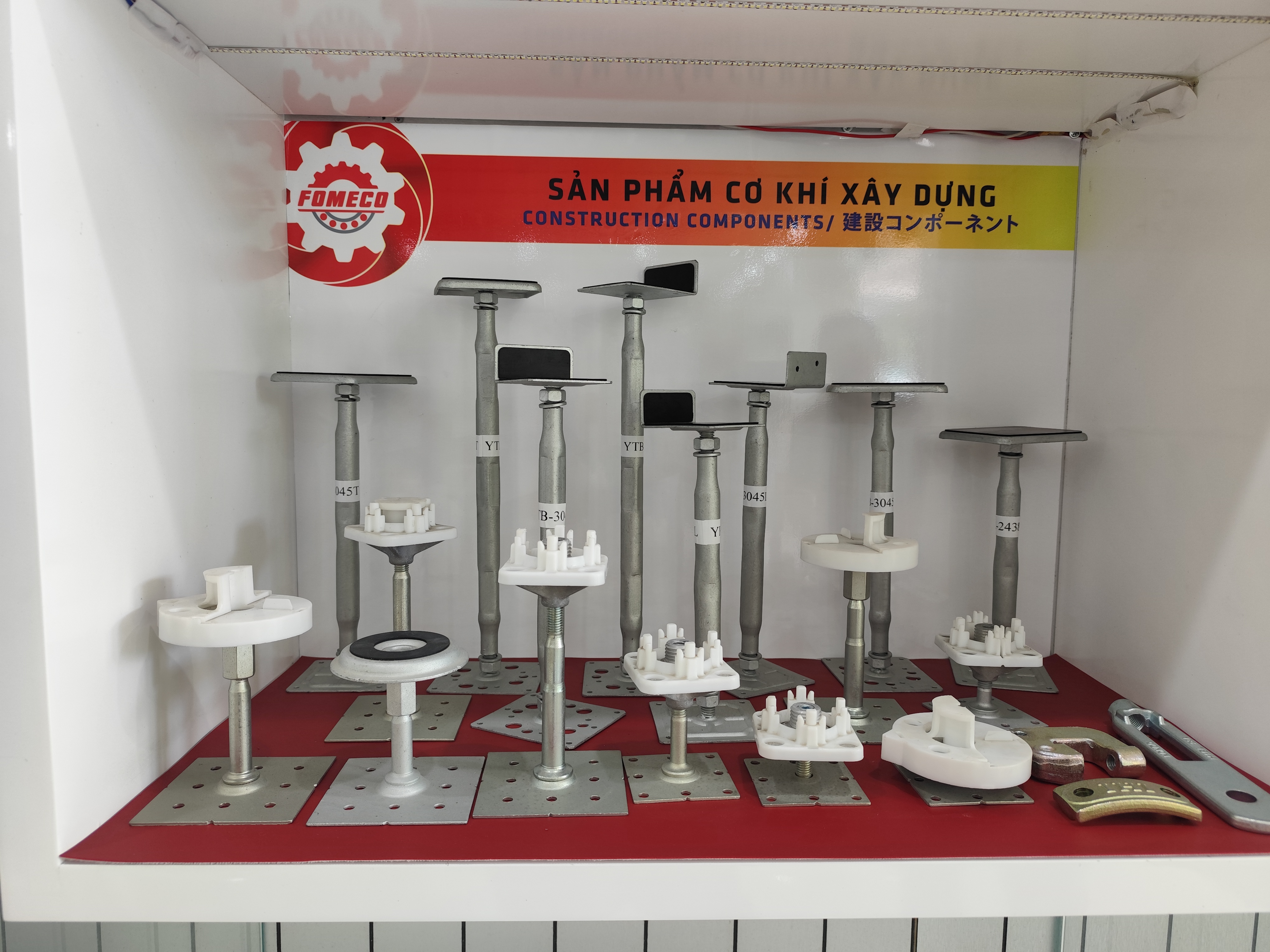
Vietnam has over 500 metal fabricators. Most specialize in steel structures, brackets, and enclosures for European or Asian markets. They commonly hold ASTM, EN, JIS, or GB certifications. These are quality and material standards. They are not the same as UL product safety certification.
UL certification is a product safety standard. It focuses on electrical safety, fire resistance, and material performance. It is mandatory for roughly 70% of electronics sold in North America. Without it, your product cannot legally enter most US distribution channels.
Where to Search
| Resource | What It Tells You | Limitation |
|---|---|---|
| UL Product iQ 3 (online directory) | Lists all UL-certified products and file numbers | Only shows currently active certifications |
| Ensun / VALO Vietnam platforms | Supplier profiles and basic certifications | Rarely filters by UL specifically |
| Direct factory inquiry | Claims of UL capability | Must be verified independently |
| UL Solutions Vietnam office | Confirms if a factory is under UL follow-up inspections | Requires the factory's cooperation |
How to Verify a Supplier's UL Claims
When a Vietnamese factory says "we have UL," dig deeper. Ask for the UL file number. Then check it on UL's Product iQ database yourself. Confirm the scope. A factory may have UL recognition for PCB assembly but not for sheet metal enclosures. These are different product categories with different test requirements.
Also check if the certification is "UL Listed," "UL Recognized," or "UL Classified." UL Listed applies to finished products. UL Recognized applies to components. UL Classified covers specific performance characteristics. For sheet metal enclosures destined for the US market, you typically need UL Listed status or at minimum UL Recognized components feeding into a UL Listed final product.
Our team in Vietnam always requests the actual UL certificate, cross-references it online, and then confirms the scope in writing via email. This step alone has saved multiple clients from costly misunderstandings.
The "US Bridge" Alternative
If no Vietnamese supplier holds the UL certification you need — which is the most common scenario for custom sheet metal enclosures — consider a bridge strategy. Import the fabricated parts from Vietnam as sub-assemblies. Then have a US-based UL-authorized facility perform final assembly and certification. Companies like EVS Metal in New Jersey are authorized to design and build UL-Certified Type 1 508A Enclosures. This approach lets you leverage Vietnam's cost advantages while meeting regulatory compliance in the US.
What steps should I take to verify that my Vietnam manufacturer is using UL-recognized materials for my custom parts?
One lesson we learned early in our Vietnam operations: a factory can produce beautiful parts with perfect dimensions and still fail UL compliance because they substituted a cheaper steel grade without telling anyone. Material traceability is not optional — it is the foundation of the entire certification process.
To verify UL-recognized materials, request Mill Test Reports for every raw material lot, cross-check material grades against UL's Recognized Component Directory, require your supplier to maintain a controlled Bill of Materials, and conduct periodic third-party audits to confirm materials on the production floor match approved specifications.
Start with the Bill of Materials
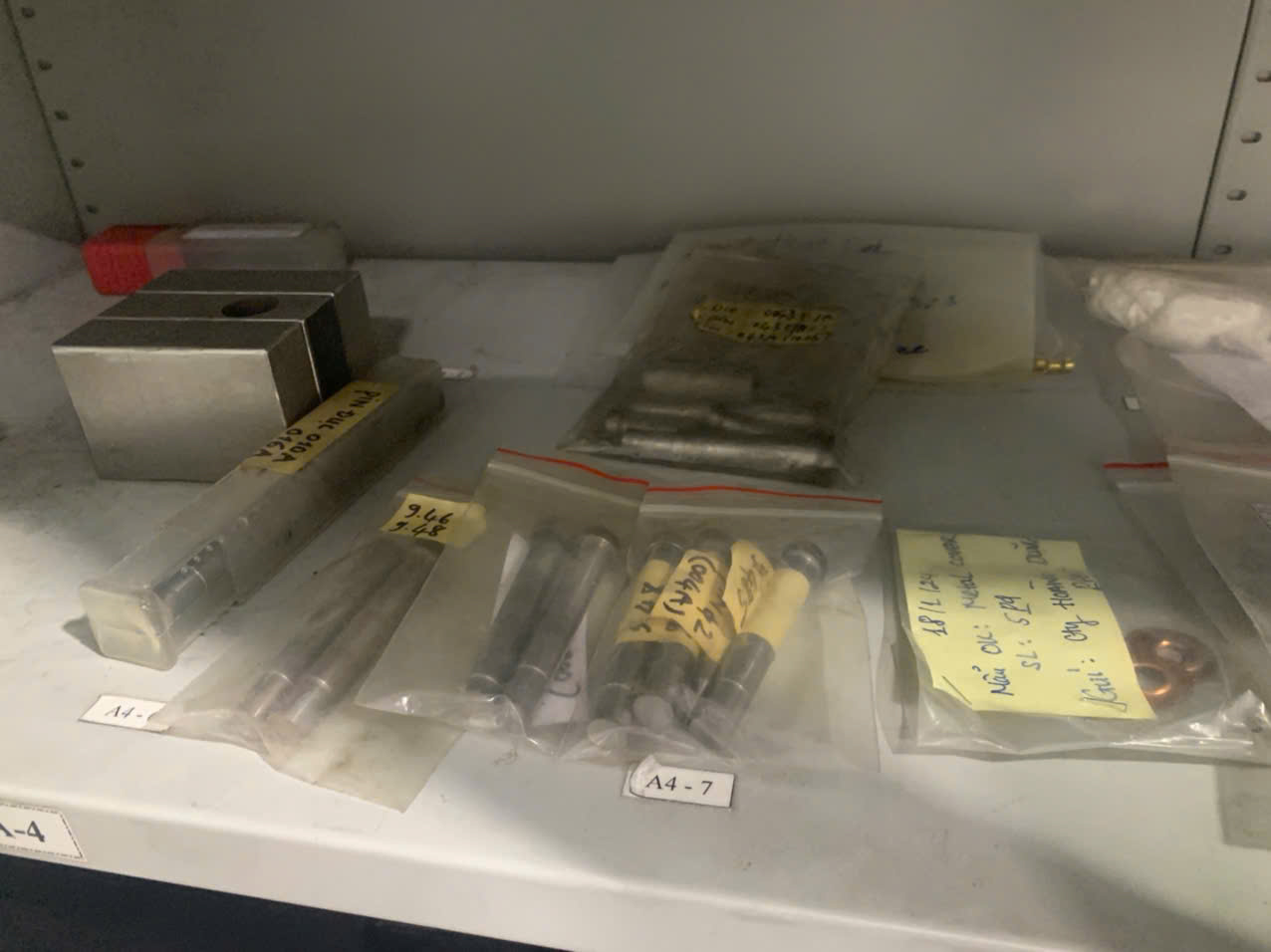
Before production begins, lock down the Bill of Materials 5 (BOM). Every material — steel grade, coating type, gasket material, fastener specification — must be specified. Then check each material against UL's Recognized Component Directory. If a material is not UL-recognized, the final product cannot achieve UL certification. Period.
This is where many sourcing projects go wrong. A purchasing manager approves a design, sends it to Vietnam, and assumes the factory will source the right materials. But Vietnamese engineers are familiar with ASTM, JIS, and GB terminology. They may substitute a locally available equivalent that meets mechanical specifications but lacks UL recognition.
Key Materials to Verify
| Material / Component | What to Check | UL Relevance |
|---|---|---|
| Steel sheet (cold-rolled, galvanized) | Grade, thickness, Mill Test Report | Must meet UL flammability and structural requirements |
| Powder coating / paint | VOC levels, flammability rating | UL GREENGUARD for low-VOC; flame spread rating |
| Gaskets and seals | Material composition, NEMA ratings 6 | Critical for enclosure ingress protection and fire resistance |
| Fasteners | Grade, plating type | Must not compromise grounding or bonding paths |
| Insulation materials | Flammability class (UL 94 rating) | Must be UL-recognized for the specific application |
How to Conduct Material Verification
Here is the process we follow for every sheet metal project bound for the US:
- Request the Mill Test Report (MTR) for each steel coil or sheet used. The MTR must show the steel mill's name, heat number, chemical composition, and mechanical properties.
- Cross-reference the material grade with UL's online database. Confirm it is recognized for the intended use.
- Require material certificates to be attached to each shipment. No certificate, no acceptance.
- Conduct random sampling during factory inspections. Pull a sample from the production floor and send it to a third-party lab — SGS, Bureau Veritas, or Intertek — for independent verification.
- Audit the factory's incoming material inspection process. A well-run factory checks every material lot against the BOM before it enters production. If they do not have this process, that is a red flag.
Watch for Substitutions
Material substitution is the single biggest risk in Vietnam-sourced sheet metal for UL-compliant products. Factories sometimes swap materials to meet delivery deadlines or reduce costs. Our quality control processes include a specific check for this: we compare the MTR on file against what is physically on the production line. Any mismatch triggers an immediate hold on production.
Supply chain transparency matters here. If your supplier cannot tell you exactly where their steel comes from, how it was processed, and whether it carries UL recognition, you are taking a significant risk. Document everything in writing. Use email confirmations with clear, simple technical English. Vietnamese engineers respond well to precise, written specifications. For more on ensuring sheet metal fabrication materials meet US market standards when sourcing, our detailed guide covers the full verification process.
How can I ensure my Vietnam-sourced sheet metal enclosures meet all US safety and UL compliance standards?
When we first helped a US client develop a custom electrical enclosure through our Vietnam supply chain, the engineering team designed a beautiful product. It met every dimensional tolerance. The welds were clean. The powder coat was flawless. But it failed the UL pre-submission review because the design did not account for grounding path continuity through the enclosure panels. That one oversight cost eight weeks of redesign.
To ensure Vietnam-sourced sheet metal enclosures meet US UL compliance, integrate UL requirements into the product design phase from day one, specify NEMA ratings and grounding paths in engineering drawings, use only UL-recognized materials, and validate compliance through product safety testing at a UL-authorized laboratory before shipment.
Design for UL from the Start
The most reliable way to achieve UL certification is to build it into the design — not bolt it on at the end. This concept is called "Design for UL 8" or DfUL. It means every design decision considers UL safety requirements alongside form, fit, and function.
For sheet metal enclosures, DfUL includes:
- Grounding and bonding: Every panel must maintain electrical continuity. Powder-coated surfaces need ground studs or bare-metal contact points at joints.
- Material flammability: All non-metallic components — gaskets, insulation, labels — must meet UL 94 flammability ratings.
- Ingress protection: NEMA ratings define how well an enclosure protects against dust, water, and corrosion. UL Type 1 508A enclosures have specific construction requirements.
- Spacing and clearances: Electrical spacing between live parts and grounded surfaces must meet minimum creepage and clearance distances per UL 508A.
The Role of Factory Acceptance Testing
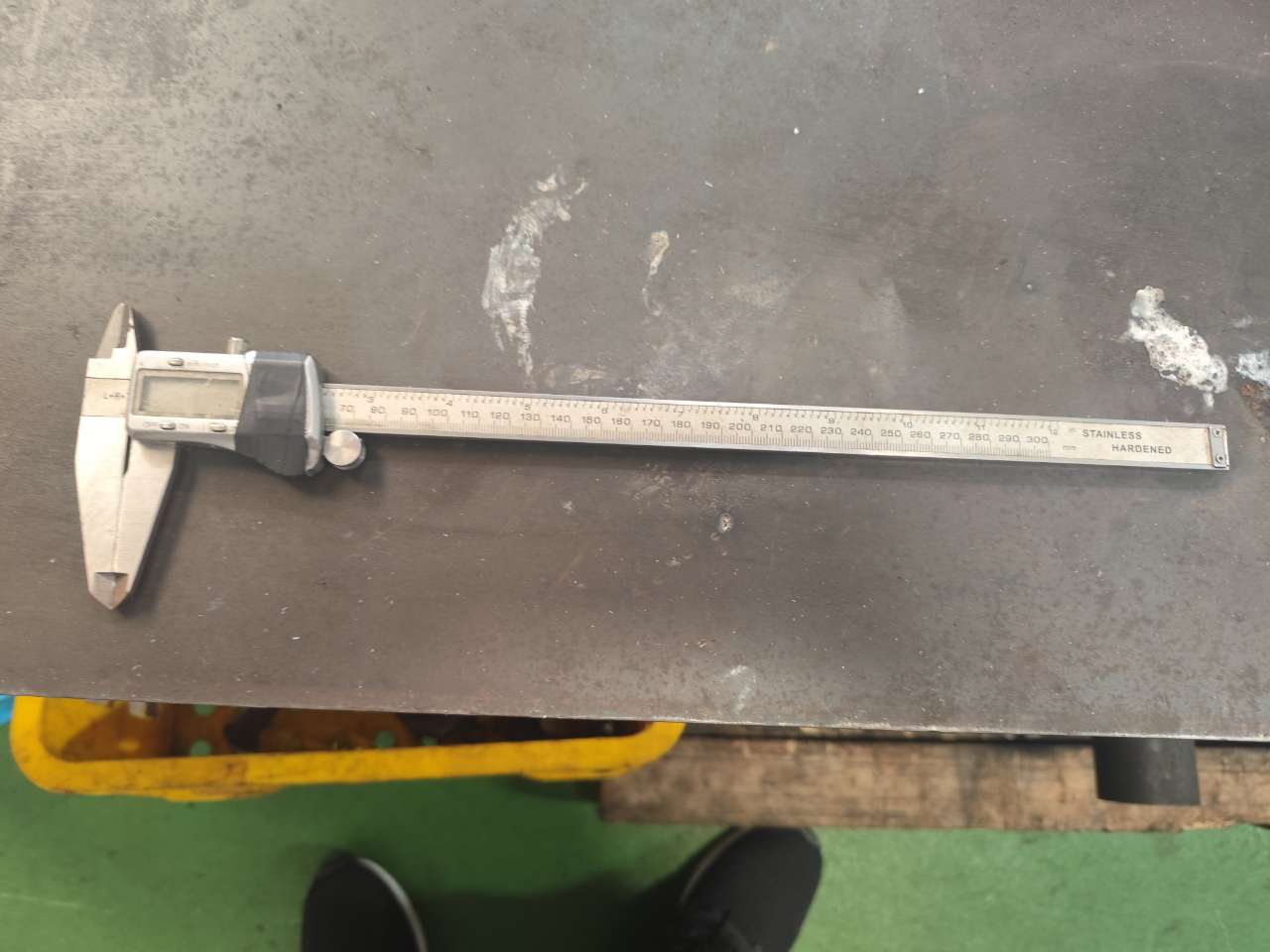
Vietnamese factories often perform rigorous Factory Acceptance Tests (FAT). These include dimensional checks, visual inspection, weld quality assessment, and sometimes basic electrical function tests. FAT is valuable. It catches manufacturing defects. But it does not replace UL product safety testing.
Think of it this way: FAT confirms the product was built correctly. UL testing confirms the product is safe. Both are necessary. Neither is sufficient alone.
Integrating Vietnamese QC with US UL Requirements
| QC Stage | Vietnamese Factory Responsibility | US UL Requirement |
|---|---|---|
| Incoming material inspection | Verify MTRs, check dimensions | Confirm UL-recognized materials 9 |
| In-process inspection | Weld quality, bend accuracy, hole placement | Grounding path continuity, spacing compliance |
| Final inspection (FAT) | Dimensional, visual, coating thickness | Full product safety test at UL lab |
| Documentation | Factory test reports, packing lists | UL test reports, certification application |
| Ongoing production | Periodic internal QC | UL follow-up factory inspections |
Third-Party Testing in the US
For most Vietnam-sourced enclosures, the practical path is to import components or sub-assemblies and conduct third-party UL testing in the US. This involves:
- Shipping representative samples to a UL-authorized lab.
- The lab performs product safety testing — including dielectric withstand, grounding continuity, temperature rise, and flammability.
- If the product passes, UL issues a certification and a file number.
- UL then schedules periodic follow-up inspections at the manufacturing location.
This last point is important. If the product is assembled in Vietnam, UL will need to inspect the Vietnamese factory on an ongoing basis. If final assembly happens in the US, the follow-up inspections occur at the US facility. Plan your supply chain accordingly.
Our approach with clients is to map out these export requirements for the USA early in the project. We identify which components can be fabricated in Vietnam and which steps must happen stateside. This hybrid approach balances cost savings with compliance certainty.
What documentation do I need from my Vietnam partner to prove UL compliance during my quality audit?
During a recent quality audit at a factory in Binh Duong province, I asked to see their material traceability records. The quality manager opened a filing cabinet, pulled out a thick folder, and said, "Everything is here." It took us three hours to find the specific MTRs we needed because nothing was indexed or cross-referenced. Incomplete paperwork is the number one reason UL inspections fail — not product defects.
To prove UL compliance during a quality audit, you need Mill Test Reports for all raw materials, UL Recognized Component certificates, a controlled Bill of Materials, production inspection records, product safety test reports from a UL-authorized lab, and a complete traceability matrix linking each lot of materials to finished goods.
The Complete Documentation Checklist
Here is the documentation package we require from every Vietnam supplier on UL-bound projects:
Material Documentation:
- Mill Test Reports (MTRs) for every steel coil and sheet
- UL Recognized Component certificates for non-metallic parts (gaskets, insulation, coatings)
- Material Safety Data Sheets 10 (MSDS) for coatings and adhesives
- Incoming material inspection records
Production Documentation:
- Controlled Bill of Materials (BOM) — must match the UL-approved BOM exactly
- First Article Inspection Reports (FAIR)
- In-process inspection records (weld quality, dimensional checks, coating thickness)
- Factory Acceptance Test (FAT) reports
- Non-conformance reports and corrective action records
Certification Documentation:
- UL test reports from an authorized laboratory
- UL certification certificate with file number
- Records of any design or BOM changes submitted to and approved by UL
Why Traceability Matters
UL auditors do not just check that the right materials were used once. They want to see that every single production lot can be traced back to specific raw material lots. This is material traceability in its strictest form.
A traceability matrix links each finished enclosure to:
- The specific steel coil (by heat number)
- The coating batch
- The fastener lot
- The inspection records for that production run
Some forward-thinking factories use digital traceability solutions. A few are exploring blockchain-based systems for supply chain transparency. But even a well-maintained spreadsheet works, as long as it is accurate, complete, and auditable.
Common Documentation Failures
| Problem | Impact on UL Compliance | How to Prevent |
|---|---|---|
| Missing or incomplete MTRs | Cannot prove material meets UL requirements | Require MTRs before production starts |
| BOM changes without UL approval | Product no longer matches certified design | Lock BOM; require written UL approval for any change |
| No traceability between materials and finished goods | Audit failure — cannot verify specific lots | Implement lot tracking system at factory |
| FAT reports without UL-specific test criteria | Reports show quality but not safety compliance | Add UL-required tests to FAT protocol |
| Outdated UL certificates | Certification may have lapsed or been withdrawn | Re-verify UL file number quarterly |
Building a Documentation Culture
Vietnamese factories excel at many aspects of manufacturing. But documentation culture varies widely. Some factories keep meticulous records. Others rely on verbal communication and informal processes.
Our team addresses this by providing each factory with a documentation template at the start of the project. The template lists every document required, the format it must follow, and the deadline for submission. We review documents during periodic factory inspections — not just at final shipment. This catches gaps early, when they are easy to fix. If you are planning on-site visits, understanding how to arrange a factory audit when sourcing sheet metal fabrication from Vietnam can help you structure these inspections effectively.
We also advise US clients to confirm all technical requirements in writing via email. Do not rely on phone calls or verbal agreements. Vietnamese engineers work well with written, precise instructions in simple technical English. When it comes to regulatory compliance, there is no room for ambiguity. Learning how to manage communication and reporting with Vietnam sheet metal fabrication suppliers is essential for maintaining the clarity these projects demand.
Conclusion
US UL certification is a product safety standard, not just a quality metric. The most reliable path for Vietnam-sourced sheet metal is to integrate UL requirements from day one, verify materials rigorously, and plan your certification pathway — whether through a US-based UL partner or direct UL laboratory engagement.
Frequently Asked Questions
How do I find a Vietnam sheet metal supplier that already holds valid UL certifications for the US market?
A few months ago, I spent two weeks visiting factories in Ho Chi Minh City and Hai Phong with our local team. We specifically asked each facility about UL certifications. Out of twelve factories, only two could show any form of UL recognition — and neither covered sheet metal enclosures.
What steps should I take to verify that my Vietnam manufacturer is using UL-recognized materials for my custom parts?
One lesson we learned early in our Vietnam operations: a factory can produce beautiful parts with perfect dimensions and still fail UL compliance because they substituted a cheaper steel grade without telling anyone. Material traceability is not optional — it is the foundation of the entire certification process.
How can I ensure my Vietnam-sourced sheet metal enclosures meet all US safety and UL compliance standards?
When we first helped a US client develop a custom electrical enclosure through our Vietnam supply chain, the engineering team designed a beautiful product. It met every dimensional tolerance. The welds were clean. The powder coat was flawless. But it failed the UL pre-submission review because the design did not account for grounding path continuity through the enclosure panels. That one oversight cost eight weeks of redesign.
Footnotes
1. Official information on UL product certification services. ↩︎
2. Provides a directory of UL Solutions’ global laboratory locations for testing. ↩︎
3. Official platform for searching and verifying UL certified products and components. ↩︎
4. Official ISO page explaining the purpose and process of ISO 9001 certification. ↩︎
5. Wikipedia provides a clear definition and overview of a Bill of Materials in manufacturing. ↩︎
6. Comprehensive guide on NEMA enclosure types from a reputable source. ↩︎
7. Comprehensive guide defining Mill Test Reports and their importance for material verification. ↩︎
8. UL Solutions is the authoritative body promoting safety by design principles. ↩︎
9. Authoritative source (UL Solutions) explaining UL Recognized Components. ↩︎
10. Official OSHA guidance on Safety Data Sheets (formerly MSDS) and their content. ↩︎