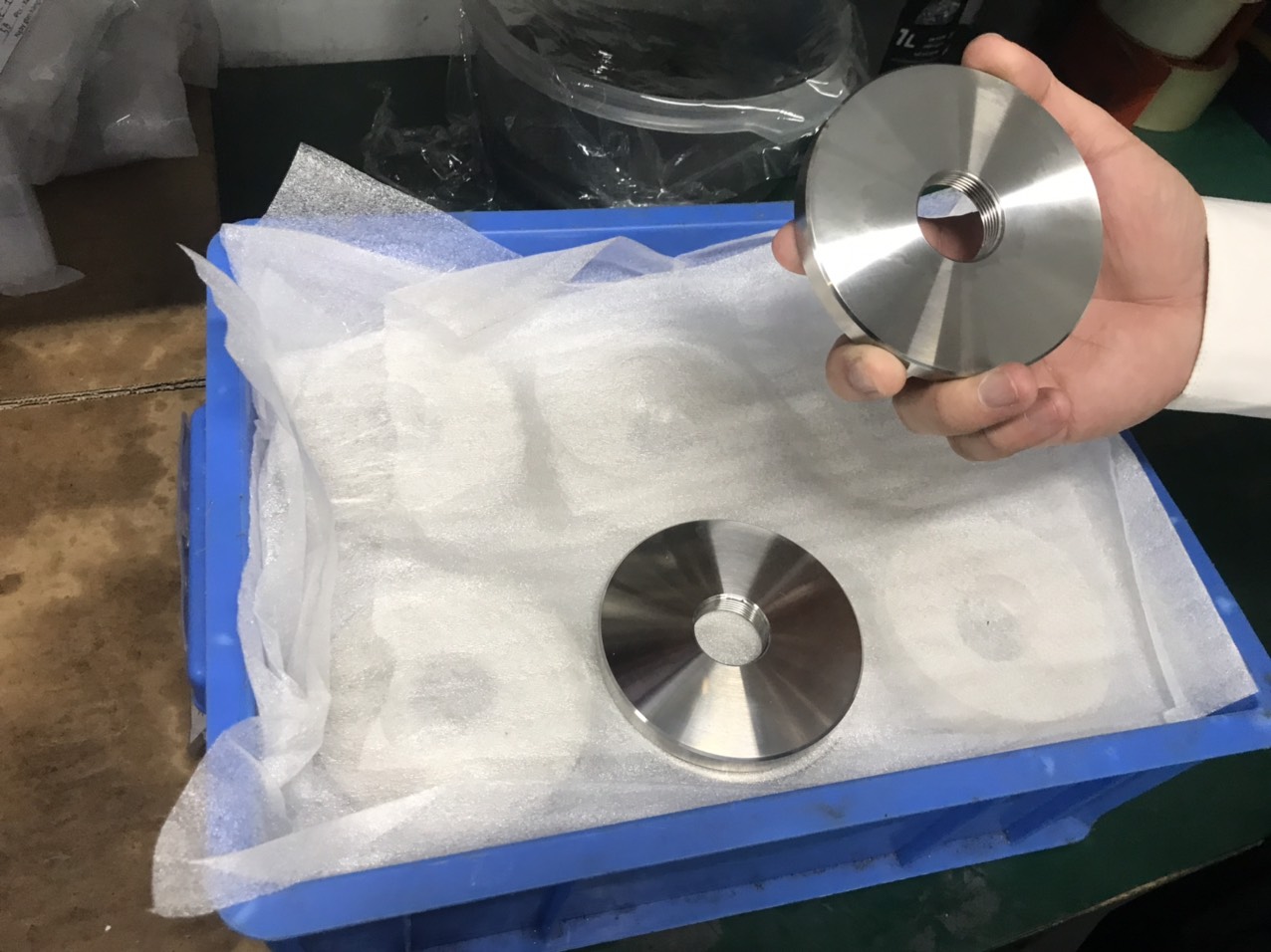

Ensuring Vietnam-sourced stamping parts meet EU Machinery Directive 1 safety requirements nearly cost one of our clients an entire product launch. The missing paperwork almost stopped his CE marking 2 process cold.
To ensure Vietnam-sourced stamping parts meet EU Machinery Directive safety requirements, demand material test reports, PPAP Level 3 documentation, and ISO 9001 or IATF 16949 certification, then verify everything through on-site supplier quality audits and third-party inspection services before shipment.
That sounds simple on paper. In practice, each of those steps has traps. Let me walk you through them one by one, based on what our Vietnam team sees every week.
What Documentation Do I Need from My Vietnam Supplier for CE Compliance?
Last year, a German buyer asked our Vietnam office for "just the parts." Three months later, his notified body asked for the Technical File 3 documentation. He had nothing. We rebuilt it together.
For CE compliance, collect Mill Test Reports, dimensional inspection results, PPAP documentation, process capability studies, coating certificates, and a Declaration of Incorporation if the parts qualify as partly completed machinery. These feed the final machine's Technical File and EU Declaration of Conformity.
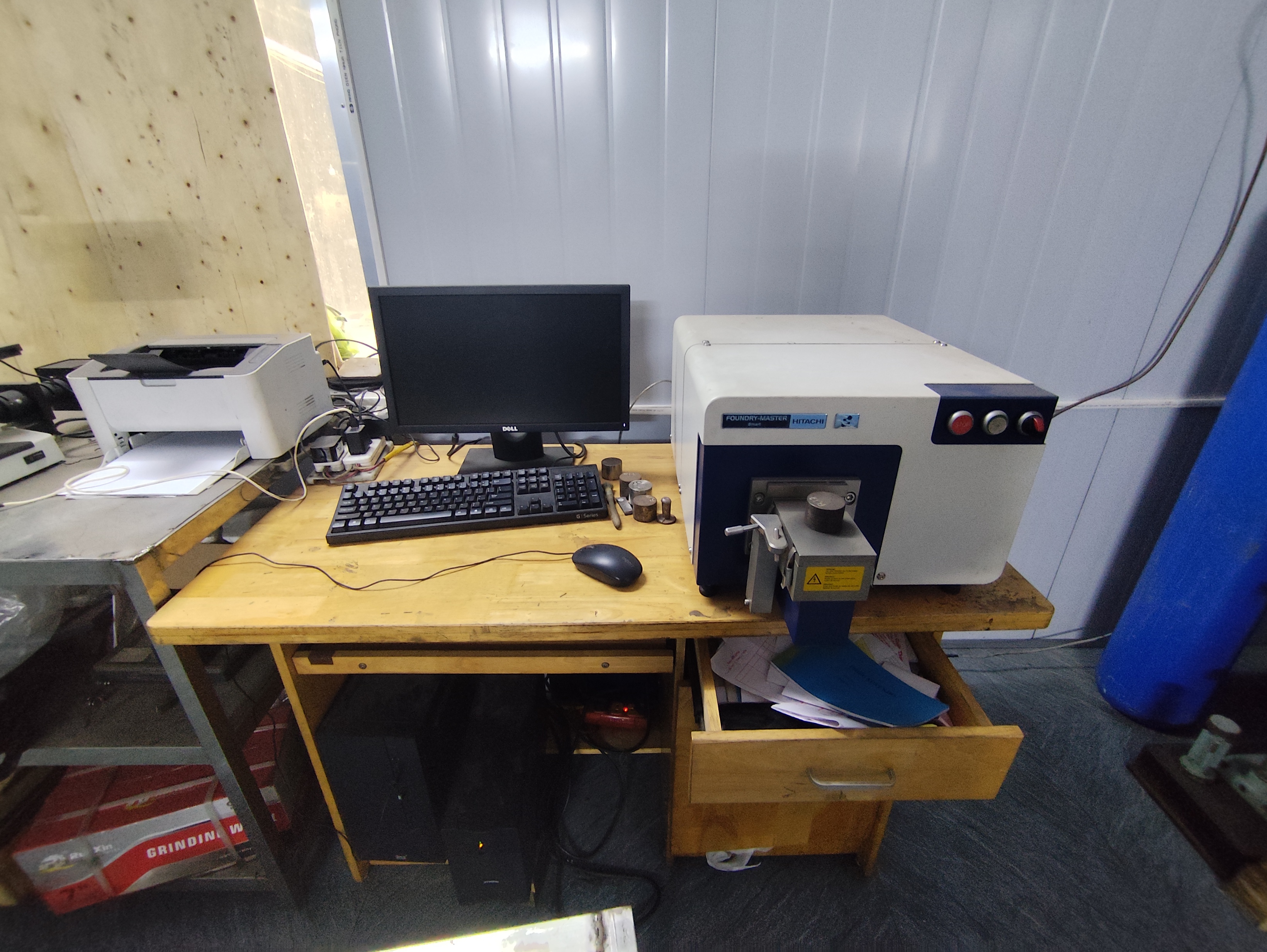
Here is the key point most buyers miss. A stamped bracket does not carry its own CE mark. But the final machine it goes into must. That machine's manufacturer needs a complete Technical File to sign the EU Declaration of Conformity. If your Vietnamese supplier cannot supply the raw evidence, your CE marking process stalls. And with the new EU Machinery Regulation 2023/1230 4 becoming fully mandatory on January 20, 2027, enforcement will only get tighter. The Regulation applies directly in every EU member state. There is no national wiggle room anymore.
The Core Document Set
When we manage stamping projects for European clients, we require this package from every supplier before the first production run:
| Document | What It Proves | When You Need It |
|---|---|---|
| Mill Test Report (MTR) | Steel chemistry and mechanical properties match harmonized EN standards | Before raw material release |
| PPAP Level 3 package | The process can produce conforming parts repeatably | Before mass production approval |
| Dimensional report (CMM or 3D scan) | Parts match the drawing, hole positions and tolerances included | Every production lot |
| Coating or plating certificate | Powder coat or galvanizing meets corrosion specs | Every coated batch |
| Heat lot traceability record | Each part links back to its raw material batch | Continuously maintained |
| Declaration of Incorporation | Partly completed machinery status is formally declared | At shipment, if applicable |
Why Traceability Matters Most
The heat lot link is the item suppliers skip most often. Without it, a single field failure forces you to recall everything, because you cannot isolate the affected batch. We insist on lot marking or labeled cartons for every stamped component we ship, even simple mounting brackets. It costs almost nothing during production. It saves everything during a crisis.
Keep the full file for at least ten years after the parts enter the EU market. Your notified body, or a market surveillance authority, can ask for it at any time.
How Can I Verify My Stamping Supplier's Quality Control Meets EU Safety Standards?
There is a trade-off we weigh on every project: audit depth versus speed to production. Our engineers in Vietnam have learned that skipping verification to save two weeks usually costs two months later.
Verify quality control by confirming valid ISO 9001 or IATF 16949 certification, reviewing CMM calibration records, checking process capability data on critical dimensions, witnessing in-process inspections on-site, and commissioning third-party inspection services such as SGS, TÜV Rheinland, or Bureau Veritas in Vietnam.

Certificates are the starting point, not the finish line. We have visited Vietnamese factories with a framed ISO 9001 certificate on the wall and no working calipers on the shop floor. Verification means testing what the paper claims.
A Practical Verification Sequence
We follow a simple four-step sequence before qualifying any stamping supplier:
- Certificate authenticity check. Confirm the ISO 9001 certification or IATF 16949 certificate with the issuing registrar. Fake and expired certificates exist. This takes one email.
- Measurement capability review. Ask for the calibration log of their CMM, height gauges, and hardness testers. Uncalibrated equipment makes every inspection report worthless.
- Process capability evidence. Request Cpk data on the drawing's critical dimensions. For safety-critical features like the mounting holes on a structural bracket, we look for stable, capable processes, not one lucky sample.
- Witnessed inspection. Have your own team, or a third-party inspector, watch a real production inspection. Compare their recorded values against an independent measurement of the same parts.
Use Vietnam's Local Testing Infrastructure
You do not need to ship samples to Europe. SGS Vietnam, Bureau Veritas 6, and TÜV Rheinland all operate accredited labs locally. They can run tensile tests, salt spray tests on powder-coated parts, and full dimensional layouts. Test reports from accredited local labs are widely accepted by EU notified bodies 7, which shortens lead time and cuts certification cost. Under EVFTA cooperation, this local route keeps getting smoother.
One habit we recommend: tie payment milestones to verified inspection results. Suppliers respond quickly when quality evidence gates the invoice.
What Risks Should I Watch for When Sourcing Safety-Critical Parts from Vietnam?
A U.S. purchasing manager once told me his previous supplier "looked perfect on the video call." When our team visited the actual plant, half the stamping work was subcontracted to an unaudited shop next door. That gap is the real risk.
Watch for hidden subcontracting, aging or uninspected used stamping presses, missing heat-lot traceability, weak corrective action systems, unverified material substitution, and gaps in labor and environmental compliance that now trigger EU sustainability due diligence and CBAM reporting obligations.

Vietnam has excellent stamping and fabrication capacity. Our seven-person team there works with it daily. But the risk profile differs from mature supply bases, and you should map it deliberately using a proper risk assessment methodology, starting with ISO 12100 principles for how each part behaves inside the final machine.
The Risk Map We Use
| Risk Category | What Can Go Wrong | Mitigation |
|---|---|---|
| Hidden subcontracting | Critical stamping or welding done by unaudited shops | Full subcontractor mapping written into the contract |
| Used press equipment | Imported second-hand presses without Vietnamese inspection certificates produce unstable parts | Verify press inspection certificates and maintenance logs |
| Material substitution | Cheaper steel grade swapped in without notice | MTR for every heat lot, periodic independent chemistry checks |
| Weak CAPA | Same defect recurs shipment after shipment | Documented corrective and preventive action process with closure evidence |
| ESG exposure | Labor or environmental violations at the site | Supplier Code of Conduct, evidence pack of permits and PPE records |
| Carbon reporting | No embedded-emissions data for steel and aluminum | Early CBAM data collection from the mill upward |
Two Emerging Risks Worth Extra Attention
First, sustainability rules. The EU's due diligence direction means a supplier's labor and environmental record is now part of your compliance file. In our experience, this is also a quality signal. A factory that cannot manage waste records rarely manages heat-lot records either.
Second, used machinery. Vietnam regulates the import of second-hand presses, and machines require inspection certificates from licensed companies. A press that entered the country outside that system may run with worn tooling and drifting tonnage. Ask about press age and origin during every supplier quality audit. Unstable equipment upstream becomes unsafe brackets downstream.
How Do I Audit a Vietnamese Manufacturer's Compliance with Machinery Directive Requirements?
The most useful lesson from years of running audits for our clients is this: a good audit follows the part, not the org chart. We start at incoming steel and walk forward to the shipping dock.
Audit by tracing one production order end to end: verify incoming material against Mill Test Reports, check tooling maintenance and press records, review in-process inspection against Essential Health and Safety Requirements, test traceability backward from finished parts, and confirm CAPA closure on past findings.

An audit against Machinery Regulation expectations is not the same as a generic factory tour. You are collecting evidence that this specific supplier can feed a compliant Technical File, lot after lot. Here is the structure we apply.
The Audit Day, Stage by Stage
| Audit Stage | What to Examine | Pass Criteria |
|---|---|---|
| Incoming material | MTRs matched to physical steel coils or sheets | Every lot identified and quarantined until verified |
| Tooling and presses | Die maintenance logs, press inspection certificates | Preventive maintenance on schedule, no untracked repairs |
| In-process control | First-article checks, SPC charts on critical dimensions | Operators can explain the control plan without prompting |
| Final inspection | CMM reports, coating thickness, weld checks | Results recorded per lot, linked to drawing revision |
| Traceability test | Pick a finished bracket, trace back to heat lot | Full chain reconstructed in under 30 minutes |
| CAPA review | Past nonconformances and audit findings | Root cause, action, and verified closure documented |
Three Practical Tips
First, always audit against the current drawing revision. We once caught a supplier inspecting to a two-year-old print. Every part passed their inspection and failed the customer's.
Second, run the traceability test yourself. Do not accept a prepared demonstration. Pick a random part from the finished-goods area and ask the team to reconstruct its history live.
Third, close the loop in writing. Issue a findings report, agree on deadlines, and re-verify. An audit without follow-up is a factory visit. If you lack people on the ground, engage third-party inspection services or a sourcing partner with a local Vietnam team, because harmonized EN standards and drawing tolerances are much easier to enforce in person than by email.
Conclusion
Non-compliant stamped parts can block your entire CE marking process. The fix is disciplined documentation, verified quality control, mapped risks, and rigorous on-site audits—started well before the 2027 Regulation deadline.
Frequently Asked Questions
What Documentation Do I Need from My Vietnam Supplier for CE Compliance?
Last year, a German buyer asked our Vietnam office for "just the parts." Three months later, his notified body asked for the Technical File 3 documentation. He had nothing. We rebuilt it together.
How Can I Verify My Stamping Supplier's Quality Control Meets EU Safety Standards?
There is a trade-off we weigh on every project: audit depth versus speed to production. Our engineers in Vietnam have learned that skipping verification to save two weeks usually costs two months later.
What Risks Should I Watch for When Sourcing Safety-Critical Parts from Vietnam?
A U.S. purchasing manager once told me his previous supplier "looked perfect on the video call." When our team visited the actual plant, half the stamping work was subcontracted to an unaudited shop next door. That gap is the real risk.
Footnotes
<span id="footnote-1