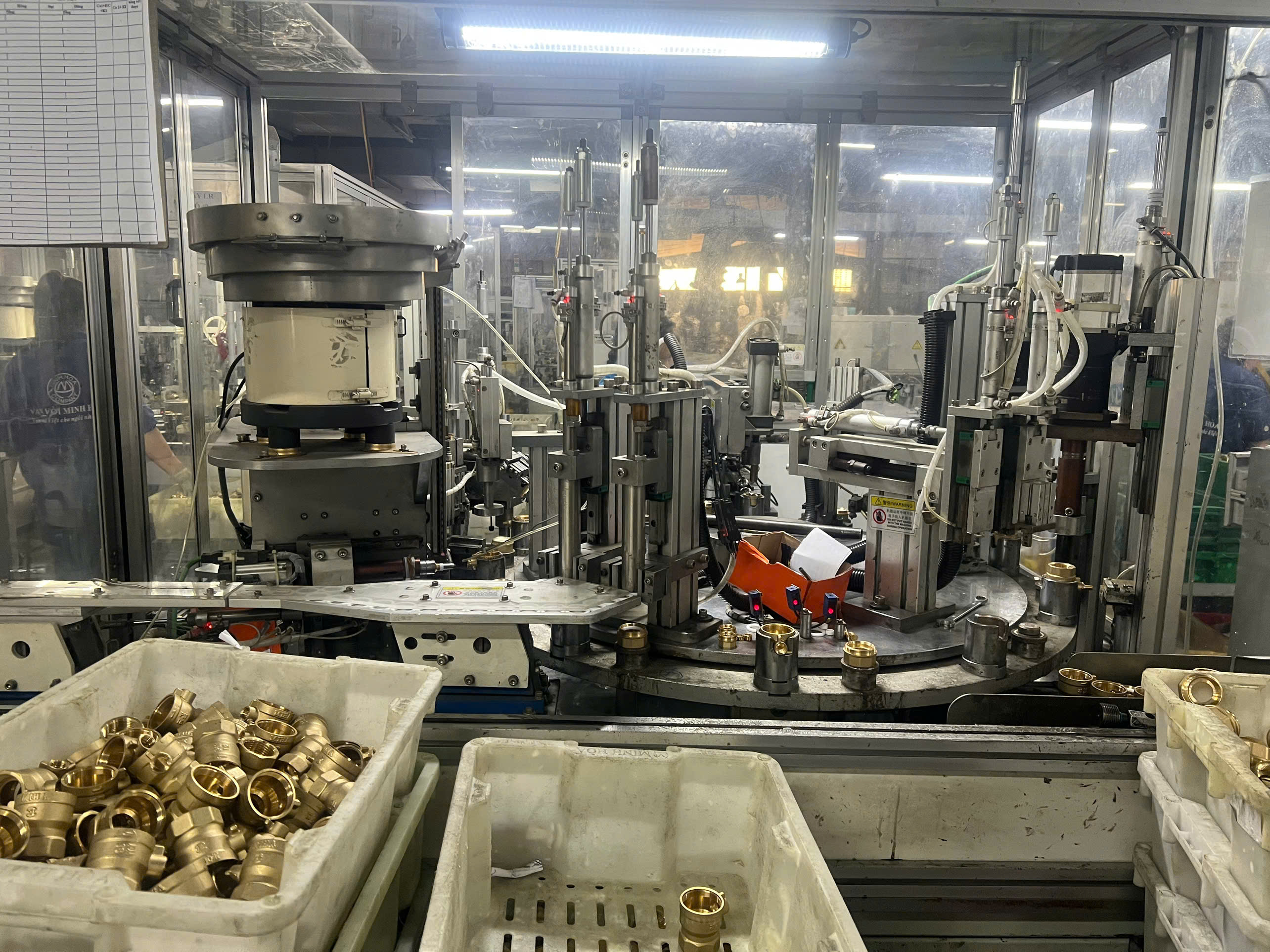

Last quarter, a delayed shipment of custom sheet metal brackets nearly cost one of our U.S. clients a critical production window—until our ERP dashboard 1 flagged the bottleneck 48 hours early.
ERP and digital tools improve collaboration when sourcing Vietnam sheet metal fabrication by providing real-time production visibility, automated quality reporting, and integrated logistics tracking—reducing delays by up to 20% and boosting on-time delivery rates from as low as 60% to over 99% after implementation.
The gap between placing an order and receiving conforming parts from Vietnam involves dozens of handoffs cloud-based ERP platforms 2. Each handoff is a risk point. Below, I walk through how our team and our clients use specific digital tools to close those gaps.
How can I get real-time visibility into my Vietnam sheet metal production schedule?
A purchasing manager we work with in Ohio once told me he felt "blind" after sending a PO to his previous Vietnam supplier—no updates for weeks, then a surprise delay email the day before the ship date First Article Inspection (FAI) 3.
You can get real-time visibility into your Vietnam sheet metal production schedule by using cloud-based ERP platforms that connect your supplier’s shop floor to a shared dashboard, showing live job status, machine utilization, and milestone completion at every stage from cutting to final finishing.
Why Traditional Status Updates Fail
Most Vietnam fabrication shops still rely on email or messaging apps for status updates. The problem is simple: these updates are manual, subjective, and delayed. A shop floor supervisor might report "on track" while a laser cutter has been down for six hours. Without real-time data, you cannot act on problems you do not know about.
How Cloud ERP Changes the Game
Our Vietnam office uses a cloud-based ERP system that logs every job stage. When a batch of mounting brackets moves from laser cutting to bending, the system updates automatically. Our U.S. clients can log in from their desks and see exactly where their order stands. No emails required. No waiting for a reply across time zones.
Cloud ERP platforms like NetSuite, Odoo, and Infor allow remote access from anywhere. This matters when your supplier is 12 time zones away. An executive in Texas can check production metrics at 8 a.m. while the Vietnam factory floor is wrapping up its evening shift.
Key Metrics to Track in Real Time
| Metric | What It Shows | Why It Matters |
|---|---|---|
| Job stage completion | Which operation each part is in (cut, bend, weld, finish) | Identifies bottlenecks before they cause delays |
| Machine utilization rate 4 | Percentage of time each machine is actively running | Reveals capacity constraints early |
| Material availability | Stock levels of raw sheet metal and consumables | Prevents production stalls from material shortages |
| Estimated vs. actual cycle time | How long each operation takes vs. the plan | Highlights process inefficiencies |
| Exception alerts | Automated flags for jobs falling behind schedule | Enables proactive intervention |
Bridging the Time Zone Gap
One practical lesson we learned: real-time visibility is only useful if someone acts on it. We assign a dedicated project coordinator in our Vietnam office who monitors the ERP dashboard during local business hours. When an exception alert fires—say, a welding fixture breaks—our coordinator escalates immediately. The client sees the alert and the corrective action plan in the same update. This kind of supply chain visibility turns reactive firefighting into proactive management.
AI-driven scheduling tools now go further. They analyze historical cycle times and predict when a job is likely to slip. This gives our production planning team a head start on rescheduling or reallocating resources. Fabricators using these tools report production time reductions of up to 40%.
How do digital QC reports help me ensure my custom parts meet my exact drawing specifications?
The pair of mirrored mounting brackets in one of our recent orders had 14 critical dimensions, six mounting holes, and a powder-coat finish spec. One missed tolerance on a bend angle would have made the entire batch unusable for the client's assembly line.
Digital QC reports help ensure your custom parts meet drawing specifications by capturing inspection data—dimensions, photos, and pass/fail results—at each production stage, linking every measurement directly to your drawing requirements, and making the full report instantly accessible for your review before shipment.
The Problem with Paper-Based Inspection
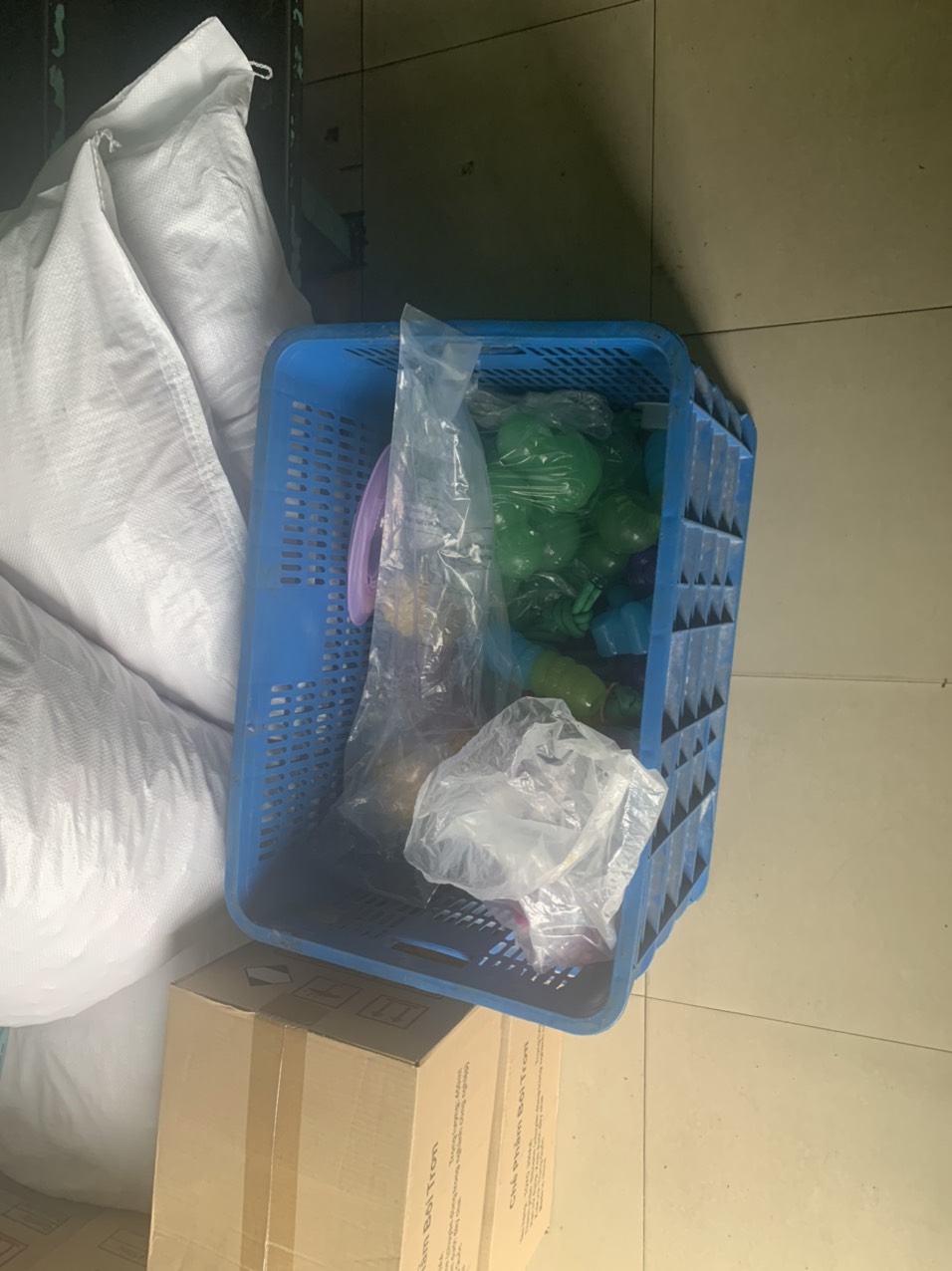
Paper inspection forms get lost. Handwritten measurements are hard to read. And there is no easy way to compare today's inspection results against the last batch. When we first set up our Vietnam operation, we inherited a paper-based QC workflow. It took our team two days just to compile a shipment report. Worse, discrepancies between the paper form and the actual part sometimes went unnoticed until the client received the goods.
How Digital QC Reports Work in Practice
Our quality control processes now follow a structured digital workflow:
- First Article Inspection (FAI): The inspector measures every critical dimension on the first piece using calibrated tools. Results are entered directly into a tablet-based QC app linked to the customer's drawing.
- In-Process Checks: At each major operation—cutting, bending, welding, finishing—the operator logs key dimensions and visual checks. The system flags any out-of-tolerance reading immediately.
- Final Inspection: A comprehensive report is generated with photos, measurement data, and material certifications. The client receives a PDF or dashboard link before the parts ship.
What a Digital QC Report Includes
| Report Element | Description | Benefit to Buyer |
|---|---|---|
| Drawing overlay with measurements | Each dimension annotated on the actual drawing | Easy visual confirmation of conformance |
| Go/No-Go results | Pass or fail for each specification | Instant clarity on acceptance status |
| Photographic evidence | High-res images of finished parts, weld joints, surface finish | Visual verification without visiting the factory |
| Material test certificates | Mill certs, coating thickness readings | Traceability and compliance documentation |
| Non-conformance log | Any deviations found and corrective actions taken | Transparency and continuous improvement tracking |
Connecting QC to ERP for Full Traceability
When QC data feeds into the ERP system, every part gets a digital history. If a client calls six months later about a bracket that does not fit, we can pull up the exact inspection report, see who inspected it, what tools were used, and what the measurements were. This level of traceability is essential for supplier relationship management and for clients who require PPAP documentation 5.
Digital QC also reduces rework. When an out-of-tolerance reading triggers an immediate alert, the operator can adjust the press brake or re-fixture the part before running the rest of the batch. Our experience shows that catching issues at the source—rather than at final inspection—cuts rework rates significantly and supports the "right first time" approach our clients demand.
How can an integrated ERP system improve my collaboration with Vietnam-based manufacturing teams?
During a recent co-development project for a set of precision-engineered industrial brackets, our engineering team in Vietnam needed to coordinate drawing revisions with a design firm in Michigan. Three revision cycles happened in one week. Without a shared digital workspace, version confusion would have been inevitable.
An integrated ERP system improves collaboration with Vietnam-based manufacturing teams by centralizing purchase orders, drawing revisions, production schedules, and cost data in one shared platform—eliminating version conflicts, reducing communication delays, and ensuring every stakeholder works from the same up-to-date information.

The Collaboration Challenge in Cross-Border Sourcing
Working with Vietnam manufacturing hubs introduces specific friction points that domestic sourcing does not have. Language differences mean technical terms can be misunderstood. Time zone gaps mean a question asked at 3 p.m. in the U.S. will not get answered until the next morning. And regulatory shifts—tariff changes, new export documentation requirements—can catch both sides off guard.
An integrated manufacturing ERP software platform addresses each of these by creating a single source of truth 6.
How ERP Centralizes the Workflow
Consider the lifecycle of a typical custom sheet metal order:
| Stage | Without ERP | With Integrated ERP |
|---|---|---|
| RFQ / Quoting | Manual spreadsheets, email back-and-forth | Automated quoting with material and labor cost calculations |
| Drawing Management | Files stored in email attachments, risk of using outdated revisions | Version-controlled vault; everyone sees the latest drawing |
| PO and Scheduling | Phone calls and WeChat messages | PO triggers automatic production scheduling |
| Outsourced Steps (e.g., coating, heat treatment) | Separate tracking, often opaque | ERP tracks outsourced steps with full cost and schedule visibility |
| Change Orders | Confusion over which changes are approved | Change order module with approval workflows and audit trails |
| Invoicing and Payment | Manual reconciliation | Automated invoicing tied to delivery milestones |
Addressing Vietnam-Specific Challenges
Our team in Vietnam uses ERP modules that notify us of regulatory changes affecting export compliance. This is crucial because Vietnam's trade landscape evolves quickly—new free trade agreements, shifting tariff classifications, and updated customs documentation requirements can all impact lead times and costs. The ERP system flags these changes so we can adjust before they become problems.
For language barriers, the system standardizes communication into structured fields. Instead of writing a free-text email that might be misinterpreted, a change order follows a template: part number, revision level, dimension affected, new tolerance, reason for change. This structured approach reduces misunderstandings dramatically.
The Financial Visibility Advantage
Cost optimization is a major reason clients source from Vietnam. But hidden costs—expedite fees, rework charges, unexpected duty changes—can erode savings. An integrated ERP tracks every cost element against the original quote. If an outsourced anodizing step comes in 15% over budget, the system highlights it. Our project managers can then negotiate with the subcontractor or propose an alternative finish to the client. This transparency builds trust and supports long-term supplier relationship management.
Enterprise social networking features within platforms like Odoo further enhance inter-departmental coordination. Our quality team, production planners, and logistics coordinators all share updates in a unified feed. This eliminates the problem of information living in one person's inbox.
What digital tools can I use to streamline the logistics and delivery of my Vietnam sheet metal orders?
A lesson we learned the hard way: a perfectly fabricated batch of sheet metal components sitting in a warehouse in Ho Chi Minh City is worth nothing if the freight forwarder misses the vessel cutoff or the customs paperwork has an error.
You can streamline logistics and delivery of your Vietnam sheet metal orders by using integrated freight management platforms, automated customs documentation tools, and ERP-linked shipment tracking that provides door-to-door visibility—from the factory floor in Vietnam to your receiving dock in the United States.
The Last Mile Starts at the Factory Gate
Logistics for Vietnam-sourced custom parts involves multiple handoffs: factory to local warehouse, warehouse to port, port to vessel, vessel to U.S. port, U.S. port to final delivery. Each handoff is a potential failure point. Digital tools reduce risk at every stage.
Key Digital Tools for Logistics Management
Our approach combines several tools into one workflow:
Freight management platforms like Flexport or Freightos provide instant rate comparisons across carriers. They also offer real-time vessel tracking. When we book a shipment, the platform generates a tracking link that the client can monitor from their desk.
Automated customs documentation is critical. Vietnam's export paperwork requirements include commercial invoices, packing lists, certificates of origin 7, and sometimes phytosanitary or material compliance certificates. Our ERP system auto-generates most of these documents from the order data. This eliminates manual data entry errors that can cause customs holds.
Inventory management integration ensures that finished goods are staged and ready before the vessel cutoff. The ERP system tracks finished goods inventory in our Vietnam warehouse. When a batch completes final inspection, it automatically triggers the packing and shipping workflow.
Reducing Global Sourcing Risks Through Digital Tracking
One of the biggest global sourcing risks is the gap between "shipped" and "received." A shipment can take 25–35 days by sea from Vietnam to the U.S. West Coast. During that time, a lot can go wrong: port congestion, weather delays, customs inspections. Digital tracking tools provide automated alerts at each milestone—vessel departure, transshipment, arrival at destination port, customs clearance, and final delivery.
We also use IoT-enabled container monitoring 8 for high-value or sensitive shipments. These sensors track temperature, humidity, and shock events inside the container. If a container of precision sheet metal brackets gets dropped or exposed to excessive moisture, we know about it before it reaches the client.
Demand Forecasting and Inventory Optimization
AI-driven demand forecasting 9, integrated with our ERP, helps clients plan their orders more strategically. Instead of placing large one-time orders and tying up capital, clients can use forecast data to schedule smaller, more frequent shipments. This approach improves cash flow and reduces the risk of obsolete inventory. The ERP system refines inventory levels based on historical consumption patterns and upcoming order forecasts, ensuring that raw materials in Vietnam are available when production needs them.
The digital transformation in manufacturing logistics is not about replacing human judgment. It is about giving humans better data to make faster decisions. When our logistics coordinator in Vietnam sees that a vessel is delayed by three days, she can immediately reroute to an alternative carrier or adjust the client's production schedule accordingly. That responsiveness is what turns a potential crisis into a minor schedule adjustment.
Conclusion
ERP and digital tools transform Vietnam sheet metal fabrication sourcing from a high-risk guessing game into a transparent, data-driven partnership—giving you real-time visibility, verified quality, and reliable delivery every time.
Frequently Asked Questions
How can I get real-time visibility into my Vietnam sheet metal production schedule?
A purchasing manager we work with in Ohio once told me he felt "blind" after sending a PO to his previous Vietnam supplier—no updates for weeks, then a surprise delay email the day before the ship date First Article Inspection (FAI) 3 .
How do digital QC reports help me ensure my custom parts meet my exact drawing specifications?
The pair of mirrored mounting brackets in one of our recent orders had 14 critical dimensions, six mounting holes, and a powder-coat finish spec. One missed tolerance on a bend angle would have made the entire batch unusable for the client's assembly line.
How can an integrated ERP system improve my collaboration with Vietnam-based manufacturing teams?
During a recent co-development project for a set of precision-engineered industrial brackets, our engineering team in Vietnam needed to coordinate drawing revisions with a design firm in Michigan. Three revision cycles happened in one week. Without a shared digital workspace, version confusion would have been inevitable.
Footnotes
1. Explains the function and benefits of an ERP dashboard. ↩︎
2. Provides information on the architecture and advantages of cloud ERP systems. ↩︎
3. Replaced with a detailed guide on First Article Inspection (FAI) for engineers and manufacturers. ↩︎
4. Defines a key manufacturing metric for efficiency and capacity planning. ↩︎
5. Details a common quality standard, especially in the automotive supply chain. ↩︎
6. Explains a fundamental data management principle for consistency and accuracy. ↩︎
7. Defines a crucial document for international trade and customs clearance. ↩︎
8. Replaced with an article discussing IoT-enabled smart containers for real-time supply chain monitoring. ↩︎
9. Explains the application of AI in optimizing inventory and strategic planning. ↩︎