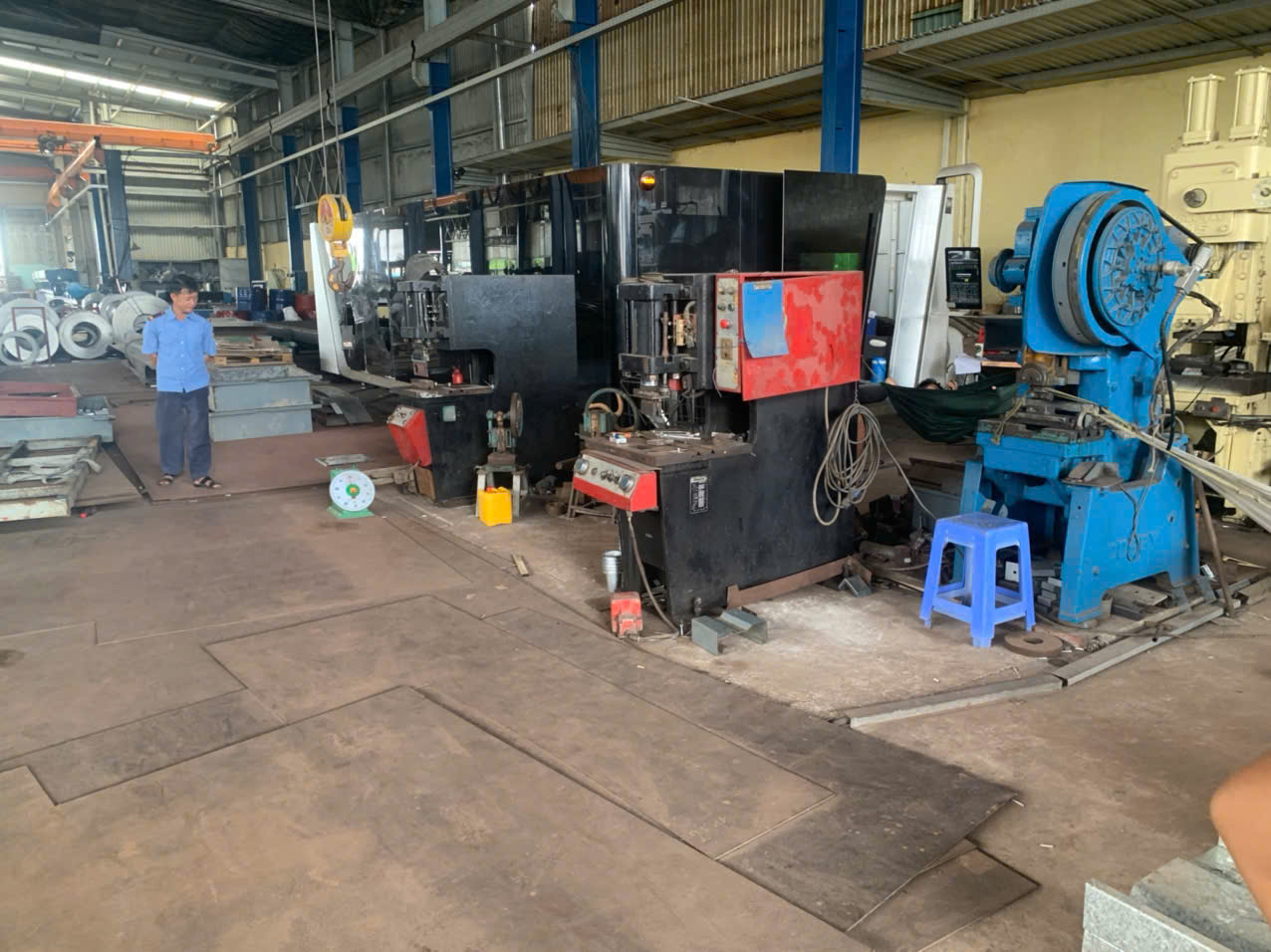
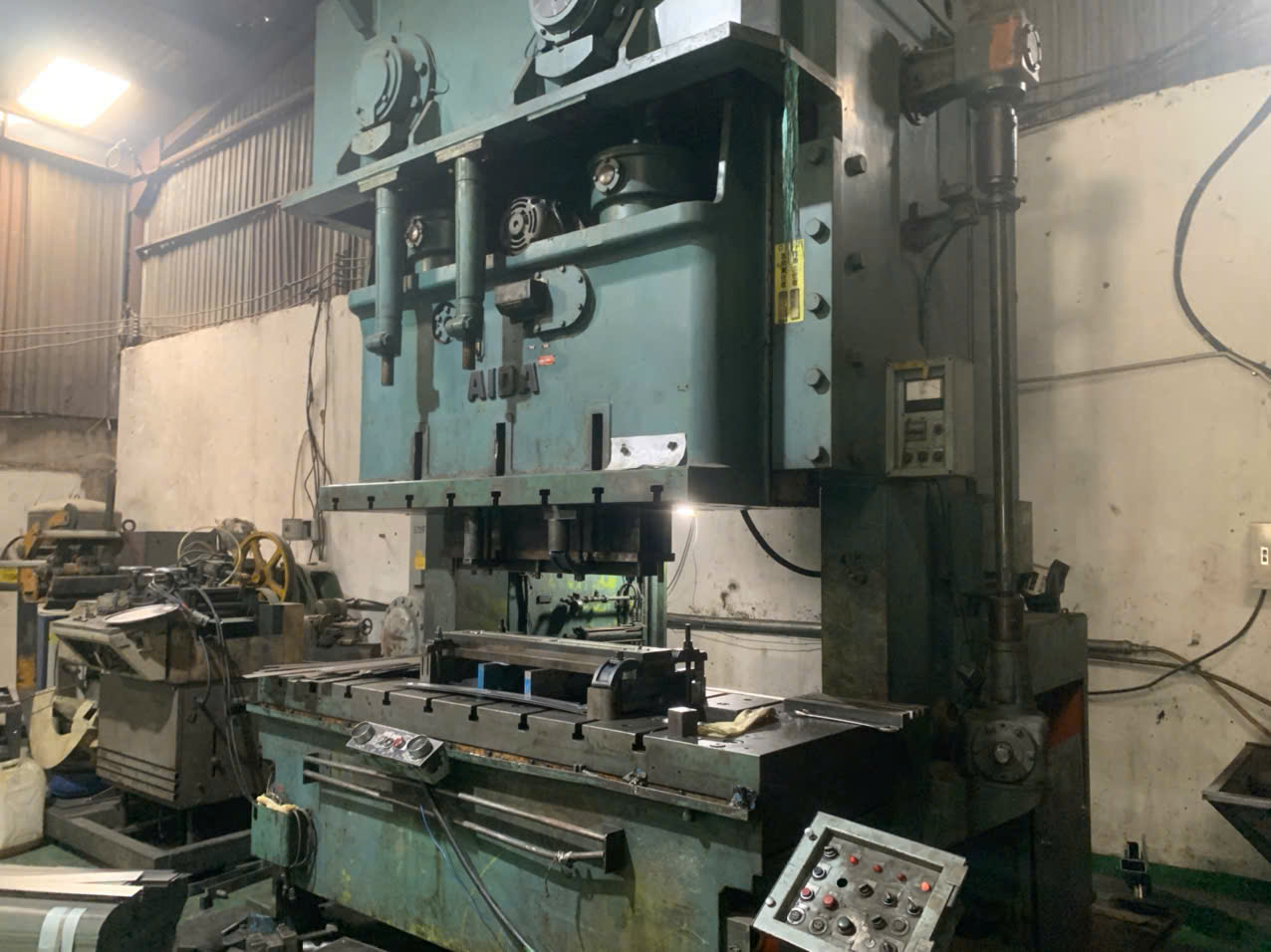
Last quarter, one of our European clients nearly had a shipment of stamped steel brackets held at customs over missing emissions data. The EU CBAM impact 1 on stamping part imports is no longer theoretical—it hits your landed cost, your paperwork, and your supplier choices all at once. Ignore it, and you risk blocked shipments and surprise carbon bills. The good news? With the right data and sourcing strategy, we have helped clients turn compliance into a real advantage.
The EU CBAM impacts stamping part imports by requiring importers of steel and aluminum stamped components to report embedded emissions and, from January 1, 2026, purchase CBAM certificates priced at the EU ETS rate—raising landed costs, adding carbon reporting obligations, and rewarding low-carbon supply chains.
Let me walk you through what this means in practice. We will cover which products are in scope, how costs change, what documents you need, and whether Vietnam sourcing can help.
What products fall under CBAM when I import stamping parts into the EU?
When our engineering team in Vietnam quotes a stamped bracket for a European buyer, the first thing we now check is the CN code. Classification decides everything under CBAM.
Stamping parts made of iron, steel, or aluminum fall under CBAM, typically classified under CN codes 7326 (other articles of iron and steel products) and 7616 (other articles of aluminum). Shipments valued at €150 or more are covered, including brackets, base plates, and welded fabrications.

The scope question sounds simple, but it trips up a lot of purchasing managers. CBAM does not name "stamping parts" as a category. Instead, it targets sectors—iron and steel products 2 and aluminum among them—and then lists the CN codes inside those sectors. Nearly every stamped component we produce, from powder-coated mounting brackets to welded channel bases, lands inside those codes.
How to check your parts
Here is the simple process we follow for every EU-bound quotation:
- Confirm the material (carbon steel, stainless, alloy steel, or aluminum).
- Identify the CN code used on the customs declaration.
- Cross-check the code against the CBAM annex list.
- Flag any shipment at or above the €150 threshold.
- Trace the precursors—coil, sheet, or plate—back to their mill of origin.
That last step matters more than people expect. Stamped components count as "complex goods" under CBAM. Their embedded emissions 3 must include the precursor material, meaning the steel coil or aluminum sheet fed into the press. If your supplier cannot trace the coil back to the mill, your emissions data has a hole in it.
Typical stamped products and their status
| Product type | Likely CN chapter | CBAM covered? |
|---|---|---|
| Steel mounting brackets | 7326 | Yes |
| Aluminum stamped housings | 7616 | Yes |
| Welded steel base plates | 7326 | Yes |
| Stainless flange plates | 7326 | Yes |
| Plastic-coated assemblies | Case by case | Coating may fall in scope after 2030 expansion |
Watch the horizon too. A scope expansion planned around 2028 is expected to pull in roughly 180 additional downstream metal products, including stamped automotive assemblies and appliance housings. If your part is borderline today, it probably will not be for long.
How will CBAM affect the landed cost of my custom stamping parts?
A buyer recently asked me to model two identical brackets: one from blast-furnace steel, one from electric arc furnace 4 steel. The CBAM cost gap surprised even our own team.
CBAM raises landed costs by adding a certificate charge equal to the part's embedded emissions multiplied by the EU ETS price. For metals importers, average cost increases are projected as high as 500%, though your actual figure depends on the carbon intensity of the steel or aluminum used.
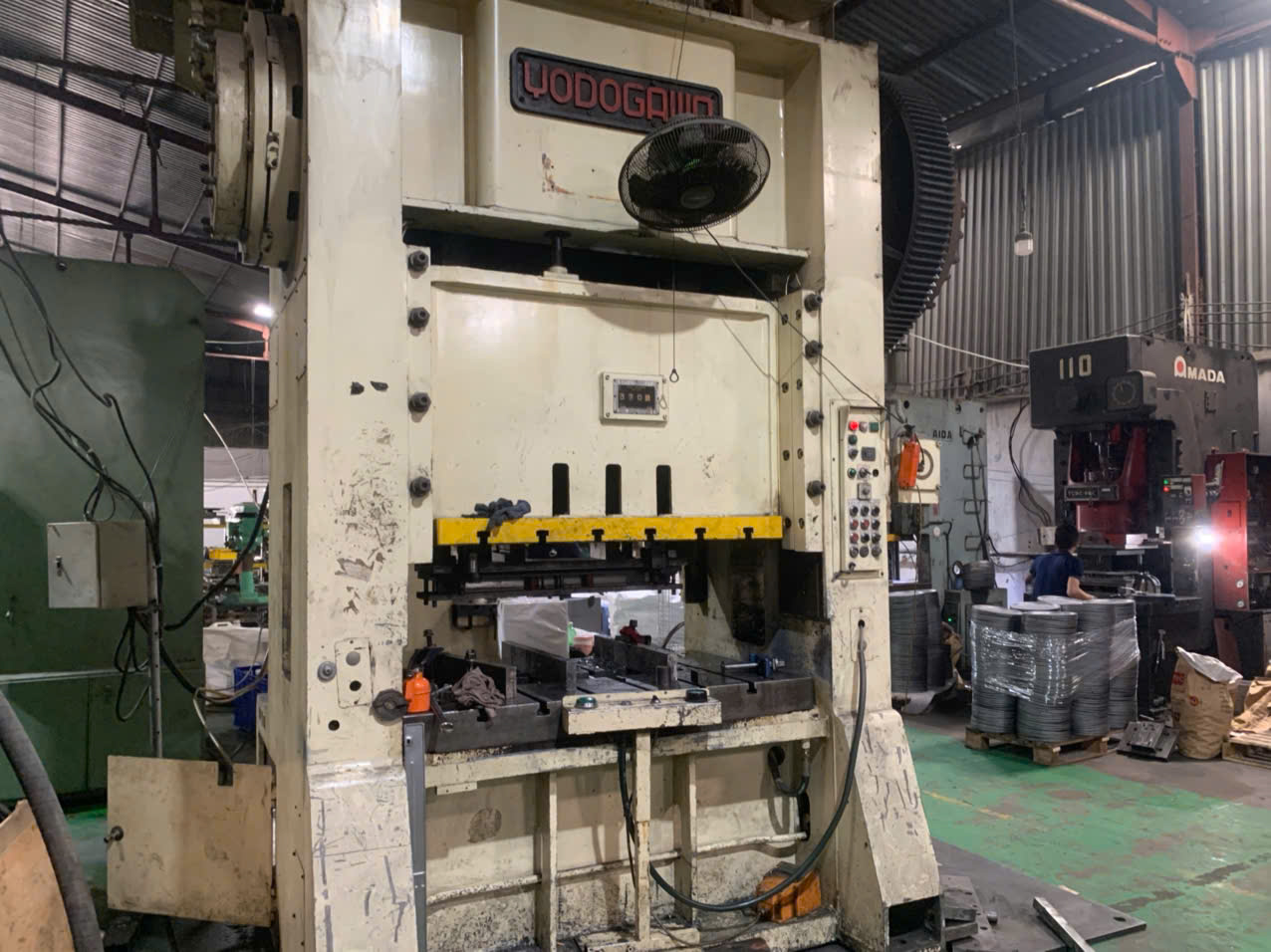
The math itself is not complicated. What makes it painful is the variability. Two visually identical stamped brackets can carry very different carbon costs depending on how their steel was made.
The basic cost formula
Certificate cost = tonnes of embedded emissions per tonne of product × EU ETS price 5 × shipment weight. The EU ETS price fluctuates, and it has historically traded well above the carbon prices in most Asian exporting countries. Any carbon price already paid in the country of origin can be deducted—but only with verified proof of payment.
A simplified illustration
| Factor | Blast furnace steel part | EAF (recycled) steel part |
|---|---|---|
| Typical carbon intensity | High (~2+ t CO₂/t steel) | Low (often under 0.7 t CO₂/t) |
| Certificate exposure | Significant per tonne | A fraction of BF exposure |
| Competitive position in EU | Weakening | Strengthening |
| Data burden | Full precursor tracing | Full tracing, easier story |
Notice what this means strategically. Material choice is now a pricing lever, not just an engineering one. In our costing reviews, we also look at the scrap-to-part ratio. Stamping generates offcuts, and CBAM allows deductions for scrap recycled back into the supply chain. High-precision nesting and transfer die layouts reduce the raw material mass per finished part, which directly shrinks the emissions—and the certificate bill—attached to each bracket.
One more point on timing. During the transitional phase, none of this cost you money beyond administration. Since January 1, 2026, the definitive phase is live, and the certificate charge is real cash on every declaration. Importers who locked in low-carbon supply before the deadline are now quoting lower landed costs than competitors who waited. That gap will widen as free EU allowances phase out and the effective carbon price per tonne climbs each year.
What reporting and documentation do I need to stay CBAM compliant?
Our project managers learned this the hard way during the transitional phase: chasing emissions data from mills after the shipment has sailed is miserable. Now we collect it at the purchase-order stage.
To stay CBAM compliant, importers need Authorised CBAM Declarant status, an annual CBAM declaration listing quantities and embedded emissions per consignment, verified emissions data from suppliers confirmed by an accredited third party, and proof of any carbon price paid in the country of origin.
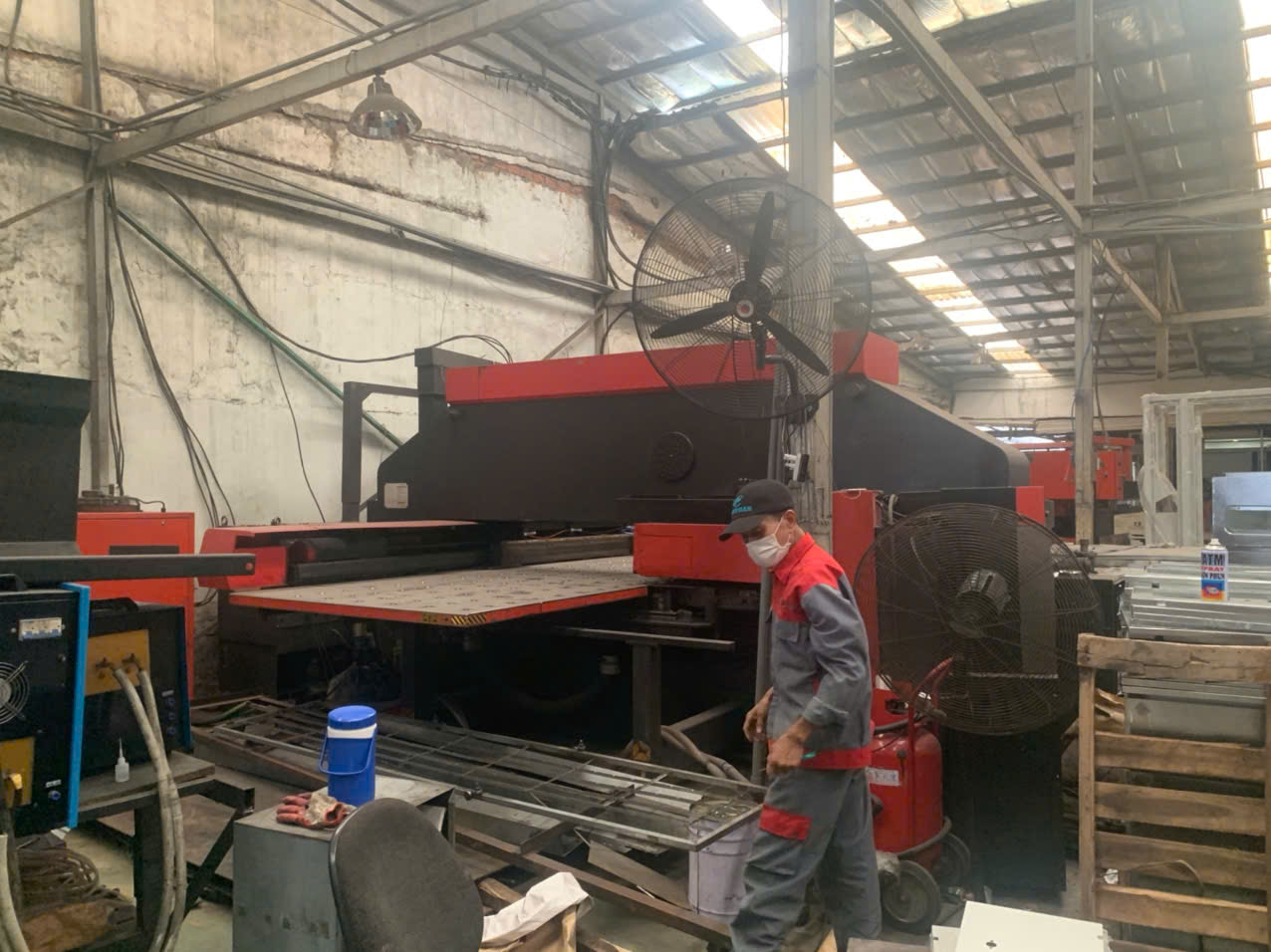
The compliance regime shifted hard between phases. Understanding both helps you see where the risk sits today.
From quarterly reports to annual declarations
During the transitional phase (October 2023 through December 2025), importers filed quarterly reports covering quantity, direct and indirect emissions, and any origin-country carbon price. Default values were allowed early on, but the rules pushed everyone toward primary supplier data by late 2024. No payment was due—just paperwork, and plenty of it.
The definitive phase changed the rhythm. Now you file one annual declaration and surrender CBAM certificates to match your verified emissions. Penalties for inaccurate reporting are significant and escalate the longer errors persist. Non-compliant shipments can be blocked at the border, which is the risk that keeps purchasing managers up at night.
Your compliance checklist
| Requirement | Who provides it | When |
|---|---|---|
| Authorised CBAM Declarant 6 registration | Importer (you) | Before importing covered goods |
| Embedded emissions data per part | Manufacturer / mill | With every consignment |
| Third-party verification of emissions | Accredited verifier | Before annual declaration |
| Carbon price proof (origin country) | Supplier / local authority | If claiming a deduction |
| Annual CBAM declaration | Importer | Each May for prior year |
| Certificate purchase and surrender | Importer | Ongoing, matched to declaration |
Note the authorization threshold: importers moving more than 50 tonnes of covered metal parts annually need declarant authorization to clear customs at all. Supply chain transparency is the thread running through everything. If your stamping supplier cannot document the production route of their coil, verification of emissions becomes impossible, and you inherit the compliance gap. In our supplier audits, emissions data capability is now a standard checklist item, right beside PPAP documentation and process control records. We treat carbon data the way we treat dimensional reports—required at first article, not negotiable later.
Can sourcing stamping parts from Vietnam help me reduce my CBAM exposure?
Since opening our Vietnam office, we have fielded this question from nearly every EU-facing client. The honest answer is nuanced—but mostly encouraging.
Yes, sourcing stamping parts from Vietnam can reduce CBAM exposure when suppliers use EAF or recycled steel with lower carbon intensity, and when they provide verifiable emissions data. CBAM charges emissions, not geography, so supplier selection and material route matter more than the country label.

CBAM was designed to stop carbon leakage 7—the shifting of production to countries with weaker climate rules. So there is no "Vietnam discount" written into the regulation. What Vietnam offers is the raw material for a low-carbon strategy, if you source deliberately.
Where Vietnam genuinely helps
First, steel production route. A meaningful share of Vietnamese steel comes from electric arc furnace routes using scrap, which carries a fraction of the embedded emissions of blast furnace steel. When we specify EAF-route coil for a stamped bracket program, the CBAM certificate cost drops with it.
Second, supplier agility. Our local team runs supplier audits covering sustainability and carbon footprint on the ground, and we have found mid-sized Vietnamese stamping shops surprisingly willing to build carbon accounting into their quality systems. They see EU market access as a growth path, so cooperation on emissions documentation is easier to secure than at some larger, older mills elsewhere.
Third, the longer game. Future CBAM rounds are expected to price indirect electricity emissions more fully. Sourcing regions investing in cleaner grids provide a hedge against that expansion. We factor grid trajectory into sourcing decisions today, not after the rules tighten.
What Vietnam does not fix
Be realistic about the limits:
- Vietnam-origin parts made from high-carbon imported billet still carry that carbon burden through precursor tracing.
- Documentation gaps are common at smaller shops; without verified data, you fall back on punitive default values.
- Freight, lead time, and quality control still need active management—CBAM savings mean little if parts arrive late or out of spec.
Our approach is to treat CBAM as one column in a total landed cost model. We audit the mill certificate trail, lock the material route in the purchase order, and manage verification alongside final inspection. Done that way, Vietnam sourcing has cut both the carbon line and the risk line for our EU-bound stamping programs.
Conclusion
CBAM turns carbon data into a cost line on every stamped part entering the EU. Importers who secure low-carbon materials, verified emissions data, and disciplined suppliers now will out-price those who wait. If you need help auditing your stamping supply chain for CBAM readiness, our team is glad to assist.
Frequently Asked Questions
What products fall under CBAM when I import stamping parts into the EU?
When our engineering team in Vietnam quotes a stamped bracket for a European buyer, the first thing we now check is the CN code. Classification decides everything under CBAM.
How will CBAM affect the landed cost of my custom stamping parts?
A buyer recently asked me to model two identical brackets: one from blast-furnace steel, one from electric arc furnace 4 steel. The CBAM cost gap surprised even our own team.
What reporting and documentation do I need to stay CBAM compliant?
Our project managers learned this the hard way during the transitional phase: chasing emissions data from mills after the shipment has sailed is miserable. Now we collect it at the purchase-order stage.
Footnotes
1. Official European Commission page explaining the Carbon Border Adjustment Mechanism and its implementation phases. ↩︎
2. Wikipedia entry explaining the Combined Nomenclature system used for product classification in EU trade. ↩︎
3. World Steel Association resources on carbon emissions and climate action within the global steel industry. ↩︎
4. Technical overview of electric arc furnace technology and its role in lower-carbon steel production. ↩︎
5. Official EU page detailing the Emissions Trading System which determines the price of CBAM certificates. ↩︎
6. Official European Commission portal detailing the application process for authorised CBAM declarant status. ↩︎
7. Wikipedia explanation of carbon leakage, the primary economic phenomenon that CBAM aims to prevent. ↩︎