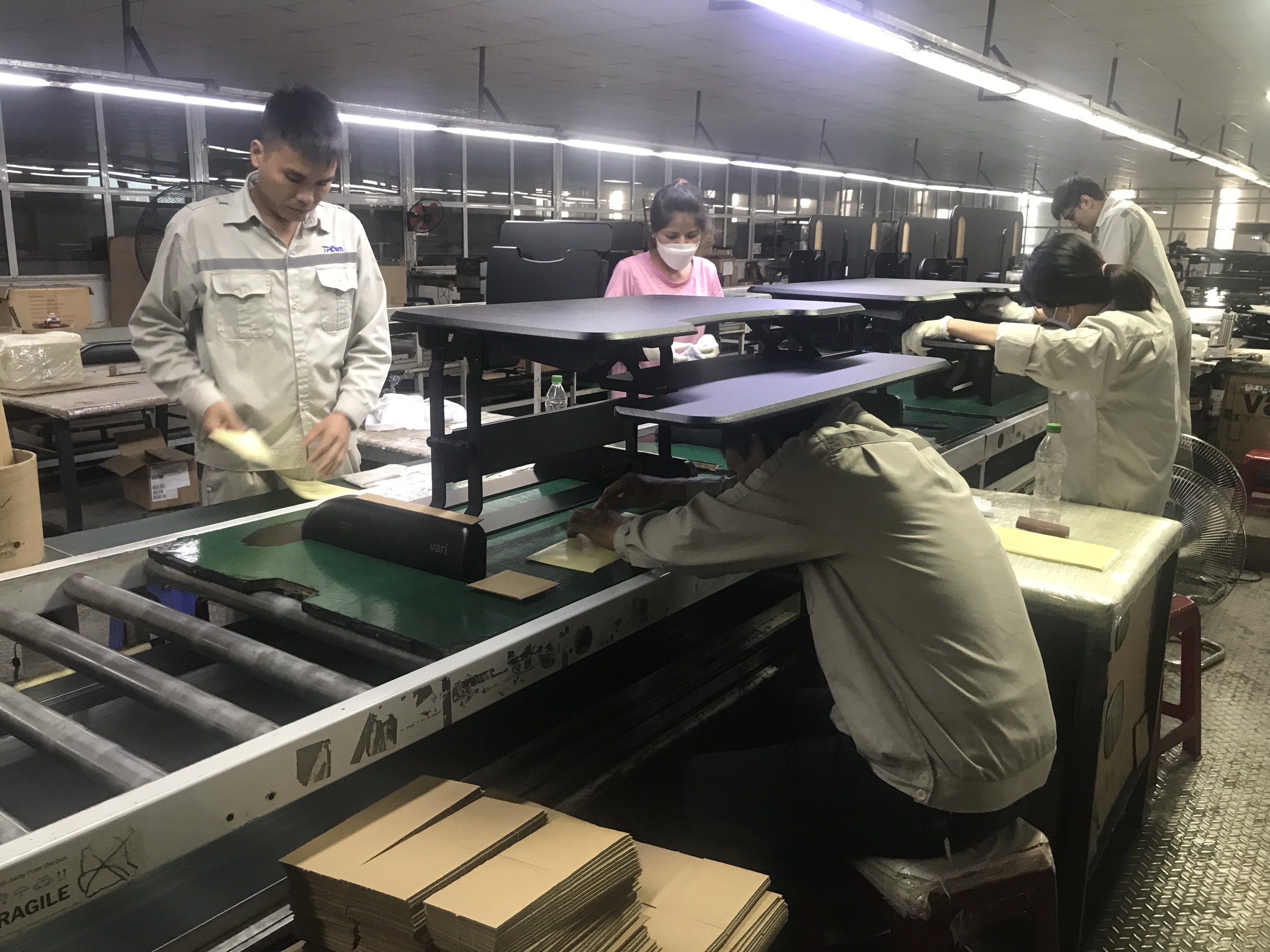

The EU CBAM impact on stamping parts imports hit our project pipeline hard last year mill test certificates 1. Several of our European clients suddenly demanded emissions data we had never tracked before.
The EU CBAM impacts stamping parts imports by requiring importers to report embedded carbon emissions for steel and aluminum components and, from 2026, purchase CBAM certificates priced near the EU ETS rate of roughly €85 per ton of CO2, raising landed costs and documentation demands significantly.
That short answer hides a lot of moving parts. Below, I break down what CBAM is, which materials fall under it, how it changes your costs, and what paperwork you now need from suppliers.
What Exactly Is the EU CBAM and Why Does It Matter for My Stamping Parts Orders?
During a supplier audit in Vietnam, a stamping house owner asked me why his European buyer suddenly wanted his electricity bills. That question sums up how CBAM reaches the factory floor.
The EU Carbon Border Adjustment Mechanism (CBAM) is a carbon price applied to imports of carbon-intensive goods, including iron, steel, and aluminum. It matters for stamping parts because these components carry embedded carbon emissions that importers must now report and, from 2026, pay for through CBAM certificates.
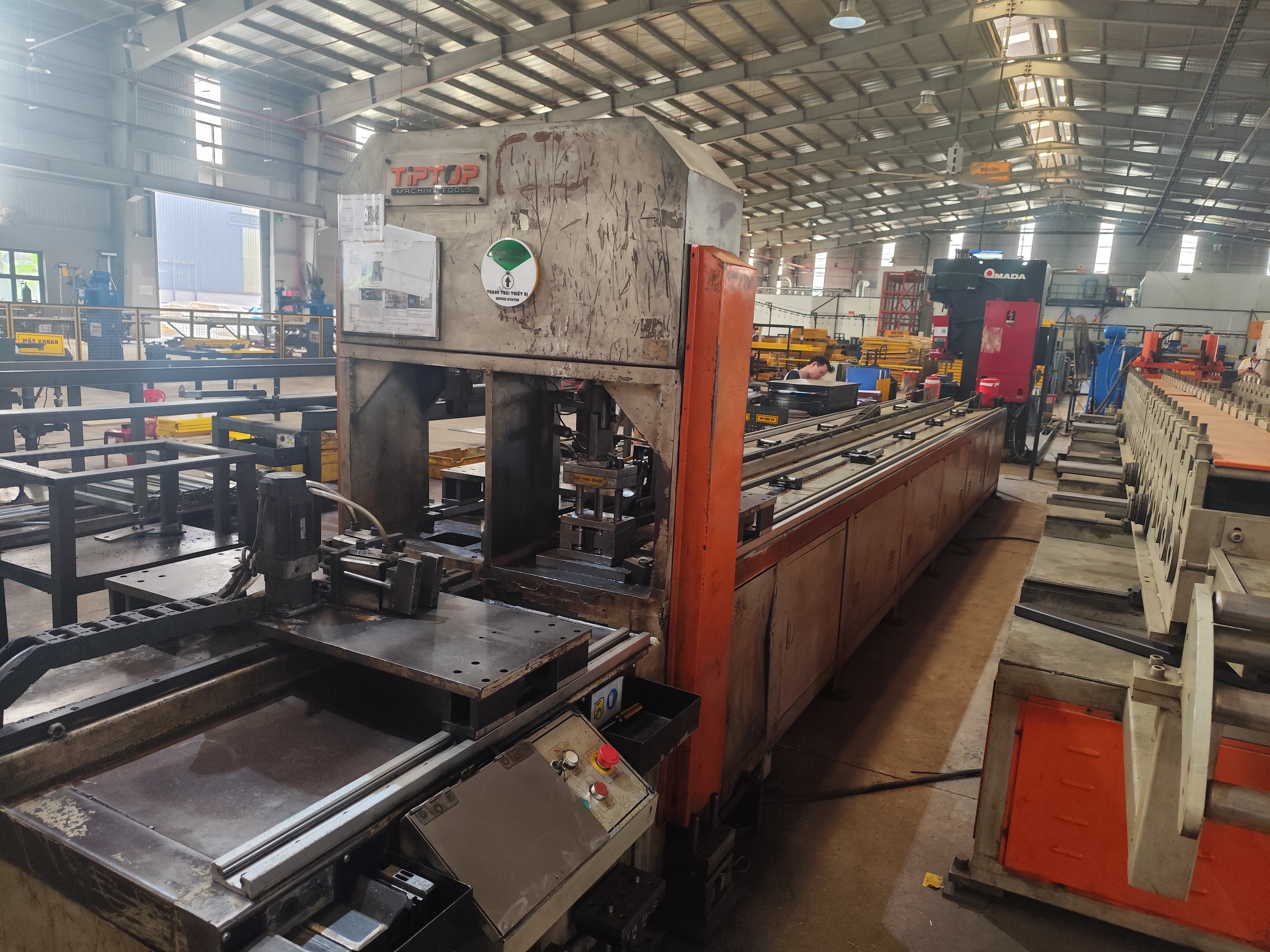
CBAM exists to solve one problem: carbon leakage 2. The EU makes its own factories pay for carbon under the EU Emissions Trading System 3. Without a border measure, buyers could simply shift orders to countries with no carbon price. CBAM closes that gap. It levels the playing field between EU producers and non-EU stamping houses operating under lax environmental rules.
The Two Phases You Need to Understand
The mechanism rolled out in stages. The transitional reporting phase ran from October 2023 through the end of 2025. During that window, importers filed quarterly reports on embedded carbon emissions but paid nothing. The definitive phase started January 1, 2026. Now importers must buy and surrender CBAM certificates for the carbon inside their goods.
| Phase | Period | Obligation | Cost |
|---|---|---|---|
| Transitional reporting phase | Oct 2023 – Dec 2025 | Quarterly emissions reports | Admin only; fines up to €50/ton CO2 for errors |
| Definitive phase | From Jan 1, 2026 | Annual reports + certificate surrender | Pegged to EU ETS price (~€85/ton CO2) |
| Component-level expansion | From May 1, 2026 | Verified data for stamped parts, molds, die-cast inputs | Third-party verification costs added |
Why Stamping Parts Are Now Directly in the Crosshairs
Here is the shift that caught many of our clients off guard. Originally, CBAM focused on the precursor material — the steel or aluminum sheet. The stamped bracket itself was treated as a downstream derivative. The May 2026 expansion changes that. Importers must now submit facility-level emissions and verified carbon footprint data for the stamped components themselves, traceable to specific product lots. Molds and dies are pulled into scope too. In practical terms, your simple galvanized mounting bracket is no longer just "a piece of steel." It is a direct reporting entity with its own carbon file.
Which Metal Materials and HS Codes in My Stamping Parts Fall Under CBAM Regulations?
Reviewing drawings with our engineering team in Singapore, the first question we now ask on every EU-bound quote is not tolerance or finish. It is CN code classification.
Stamping parts made from iron, steel, and aluminum fall under CBAM, primarily within HS chapters 72 and 73 for steel and chapter 76 for aluminum. Any in-scope shipment valued at €150 or more triggers reporting obligations, which covers virtually all industrial stamping orders.
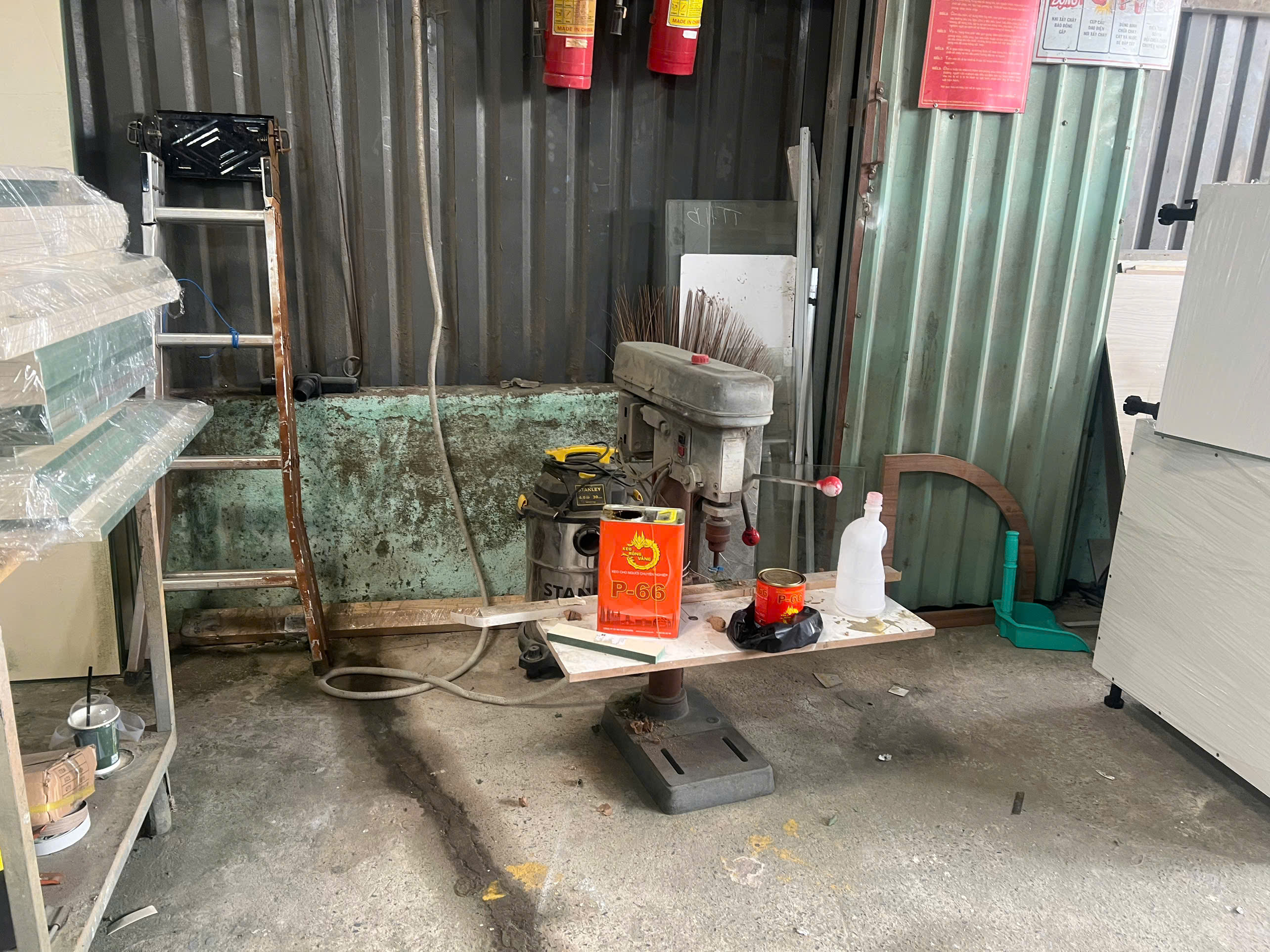
Classification is where importers get burned. CBAM scope is defined by CN code classification, the EU's eight-digit extension of the Harmonized System 4. If your customs broker declares the wrong code, you either miss a reporting obligation and face fines, or you over-report and inflate costs. We have seen both happen.
The Codes That Matter for Stamped Components
Most of the brackets, clips, and mounting hardware we source for clients — galvanized steel brackets, stainless clips, zinc-coated interlocking parts — land in these ranges:
| Material Category | Typical HS/CN Chapters | Example Stamping Parts | CBAM Status |
|---|---|---|---|
| Carbon and alloy steel | 72xx (flat-rolled), 73xx (articles of iron/steel) | Mounting brackets, structural clips, fastening hardware | In scope |
| Stainless steel | 7219/7220 (sheet), 73xx (formed articles) | Panel retainers, brushed stainless brackets | In scope |
| Galvanized/zinc-coated steel | 7210, 7326 | Decking clips, shelving brackets, stepped mounting plates | In scope |
| Aluminum | 76xx | Lightweight enclosure parts, heat-shield brackets | In scope |
| Plastics, copper, brass | Various | Insulators, bushings, terminals | Currently out of scope |
The Classification Trap for Mixed Assemblies
Things get tricky with assemblies. A stamped steel bracket riveted to a plastic insulator may classify differently than the bare bracket. For downstream steel products, CBAM historically attributed emissions only to the precursor metal, not the forming operations. The May 2026 rules narrow that comfort zone for stamped components specifically. My advice: never guess. Get the CN code confirmed in writing before the purchase order is issued, and make sure your supplier's commercial invoice, mill certificates, and emissions declaration all reference the same code. Misalignment between documents is one of the fastest routes to a customs delay.
How Will CBAM Change My Landed Costs When Sourcing Stamping Parts from Asia?
Cost modeling is a trade-off we run daily for U.S. and European clients, and CBAM has forced us to rebuild our landed-cost spreadsheets from scratch for every EU-bound stamping project.
CBAM adds a carbon cost to every kilogram of steel or aluminum in your stamped parts, priced near the EU ETS rate of about €85 per ton of CO2. High-carbon suppliers can add 5–15% or more to landed costs, while penalties for bad data reach €50 per ton.

The math is straightforward once you have the data. Your CBAM liability equals the embedded carbon emissions in the goods multiplied by the certificate price. The certificate price tracks the EU Emissions Trading System allowance price, currently around €85 per ton of CO2. As free allowances for EU producers phase out, the effective carbon cost on imports rises in parallel.
A Simplified Cost Illustration
Consider a shipment of 10,000 galvanized steel brackets at 0.2 kg each — 2 tons of steel. The carbon intensity of that steel decides everything.
| Supplier Scenario | Steel Carbon Intensity | Embedded CO2 (2 tons steel) | CBAM Cost at €85/ton | Cost per Bracket |
|---|---|---|---|---|
| Low-carbon (EAF, clean grid) | ~0.7 t CO2/t steel | 1.4 t | ~€119 | ~€0.012 |
| Regional average (BF-BOF mix) | ~2.0 t CO2/t steel | 4.0 t | ~€340 | ~€0.034 |
| Punitive default values applied | ~2.5+ t CO2/t steel | 5.0+ t | ~€425+ | ~€0.043+ |
Notice the third row. If your supplier cannot provide verified actual data, the EU applies default values based on the most carbon-intensive producers. You pay for the worst case, not your real case. That is why supply chain transparency now has a direct euro value.
The Hidden Multipliers
Three factors amplify the base cost. First, the May 2026 rules pull stamping process energy and mold carbon into the calculation for component-level reporting, adding line items beyond the raw sheet. Second, verification fees and administrative time are real costs — some industry analyses project total compliance-related cost increases for metals importers that are dramatic, with worst-case estimates running several times current admin budgets. Third, contracts are shifting toward carbon-adjusted pricing clauses, where unit prices recalibrate with the carbon certificate market. When we quote EU projects now, we present carbon cost as a separate line so clients see exactly what they are paying for and can compare suppliers on a true landed basis.
What Documentation and Emissions Data Must My Suppliers Provide to Keep Me CBAM Compliant?
A hard lesson from our Vietnam office: one missing mill certificate once delayed a full container at Rotterdam. Emissions paperwork now carries the same weight as PPAP documents in our process.
Suppliers must provide facility-level embedded emissions data covering the precursor metal and, from May 2026, the stamping process and tooling, backed by accredited third-party greenhouse gas verification reports and traceable to specific product lots, alongside correct CN codes and mill certificates.

The documentation burden is where most sourcing programs break down. Quarterly reporting during the transitional reporting phase was already described as administratively burdensome. The definitive phase demands annual declarations, but with far higher data quality. Self-declared estimates no longer pass. Data must survive greenhouse gas verification 6 by an accredited body before it supports your certificate calculation.
The Compliance Document Stack
Here is the checklist we now run on every EU-bound stamping supplier before we release a purchase order:
- Mill test certificates for every steel or aluminum lot, matched to the declared CN code.
- Facility-level emissions data from the metal producer — direct and indirect emissions per ton of output.
- Stamping process energy data — electricity consumption allocated per part or per lot, required under the May 2026 component rules.
- Tooling carbon documentation — the embodied carbon of dies and molds, amortized over projected part volumes.
- Accredited verification reports confirming the carbon footprint calculation follows recognized methodology.
- Lot traceability records linking every shipment to the specific material heats and production runs behind it.
Building Supplier Capability, Not Just Collecting Paper
Most Asian stamping houses have never done a carbon footprint calculation. Expecting them to produce audit-ready data overnight is unrealistic. Our approach is to treat emissions data like any other process control requirement. We audit the supplier's energy metering, help them map material flows, and connect them with accredited verifiers early — months before the first EU shipment. Leading facilities are even deploying digital twins 7 of their lines to automate real-time carbon tracking, which yields sharper numbers than industry averages and a genuine competitive edge. The payoff is concrete: verified low-carbon data means lower certificate costs, no customs delays, and no risk of your EU customer cutting procurement volume because your paperwork failed. Non-compliance is not a fine you absorb quietly. It is lost business.
Conclusion
CBAM is not a temporary tariff. It permanently reorders stamping parts trade around verified carbon data. Importers who secure transparent, low-carbon supply chains now will own the EU market later.
Frequently Asked Questions
What Exactly Is the EU CBAM and Why Does It Matter for My Stamping Parts Orders?
During a supplier audit in Vietnam , a stamping house owner asked me why his European buyer suddenly wanted his electricity bills. That question sums up how CBAM reaches the factory floor.
Which Metal Materials and HS Codes in My Stamping Parts Fall Under CBAM Regulations?
Reviewing drawings with our engineering team in Singapore, the first question we now ask on every EU-bound quote is not tolerance or finish. It is CN code classification.
How Will CBAM Change My Landed Costs When Sourcing Stamping Parts from Asia?
Cost modeling is a trade-off we run daily for U.S. and European clients, and CBAM has forced us to rebuild our landed-cost spreadsheets from scratch for every EU-bound stamping project.
Footnotes
1. ISO reference relevant to material certification standards mentioned for steel and aluminum lots. ↩︎
2. Explains the core economic concept CBAM was designed to prevent. ↩︎
3. Background on the EU ETS whose allowance price sets CBAM certificate costs. ↩︎
4. WTO re