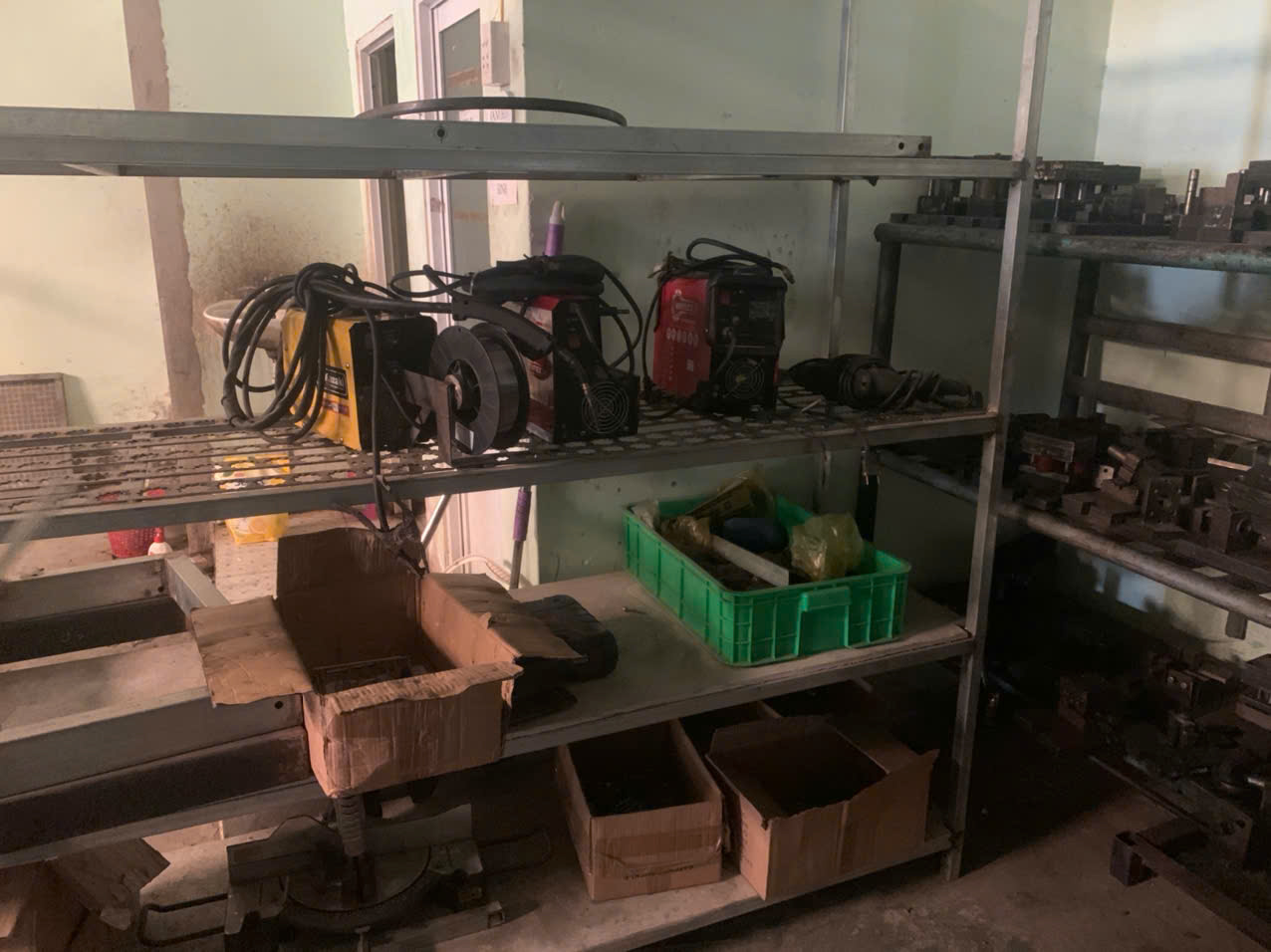
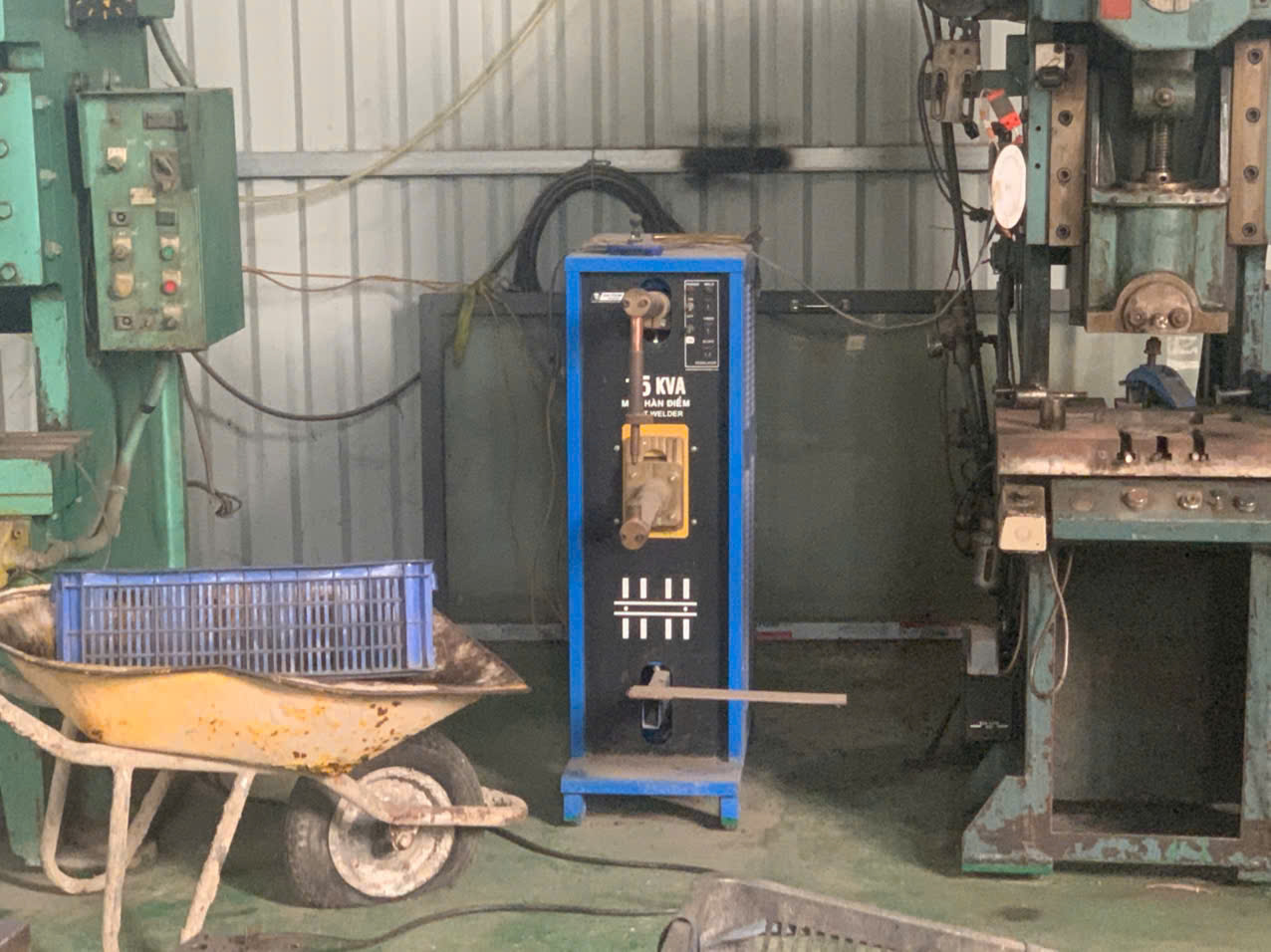
Evaluating after-sales service when sourcing welding parts is a problem most purchasing managers discover too late — usually when a production line stops and the supplier goes silent service level agreement 1. Our team learned this the hard way managing custom welding frame projects across Vietnam and China, where a single missed spec on a mounting bracket caused weeks of rework that could have been resolved in hours with proper supplier responsiveness.
To evaluate after-sales service and responsiveness when sourcing welding parts, assess five core areas: technical support response time, spare parts availability, warranty coverage scope, quality control rigor, and logistics accountability. These factors determine your total cost of ownership far more than unit price alone.
This article walks through practical, experience-based methods to evaluate every dimension of after-sales service — from verifying a supplier’s urgency on technical questions to confirming they will own the problem when parts arrive out of spec Mean Time to Respond (MTR) 2. Each section includes actionable frameworks you can apply immediately.
How can I verify if a welding supplier will be responsive to my urgent technical questions after the sale?
A buyer we work with in the Midwest once told me his previous supplier took eleven days to reply to a question about weld joint cracking on a structural steel frame — eleven days of idle equipment and mounting pressure from his own customers quality control process 3. That conversation shaped how we structured our own customer support channels.
Verify a supplier's responsiveness by requesting their documented service level agreement, testing their response during the quoting phase, checking references from existing clients, and confirming they have dedicated technical staff — not just a generic sales inbox — available across your working hours.
Why Response Time During Quoting Predicts After-Sales Behavior
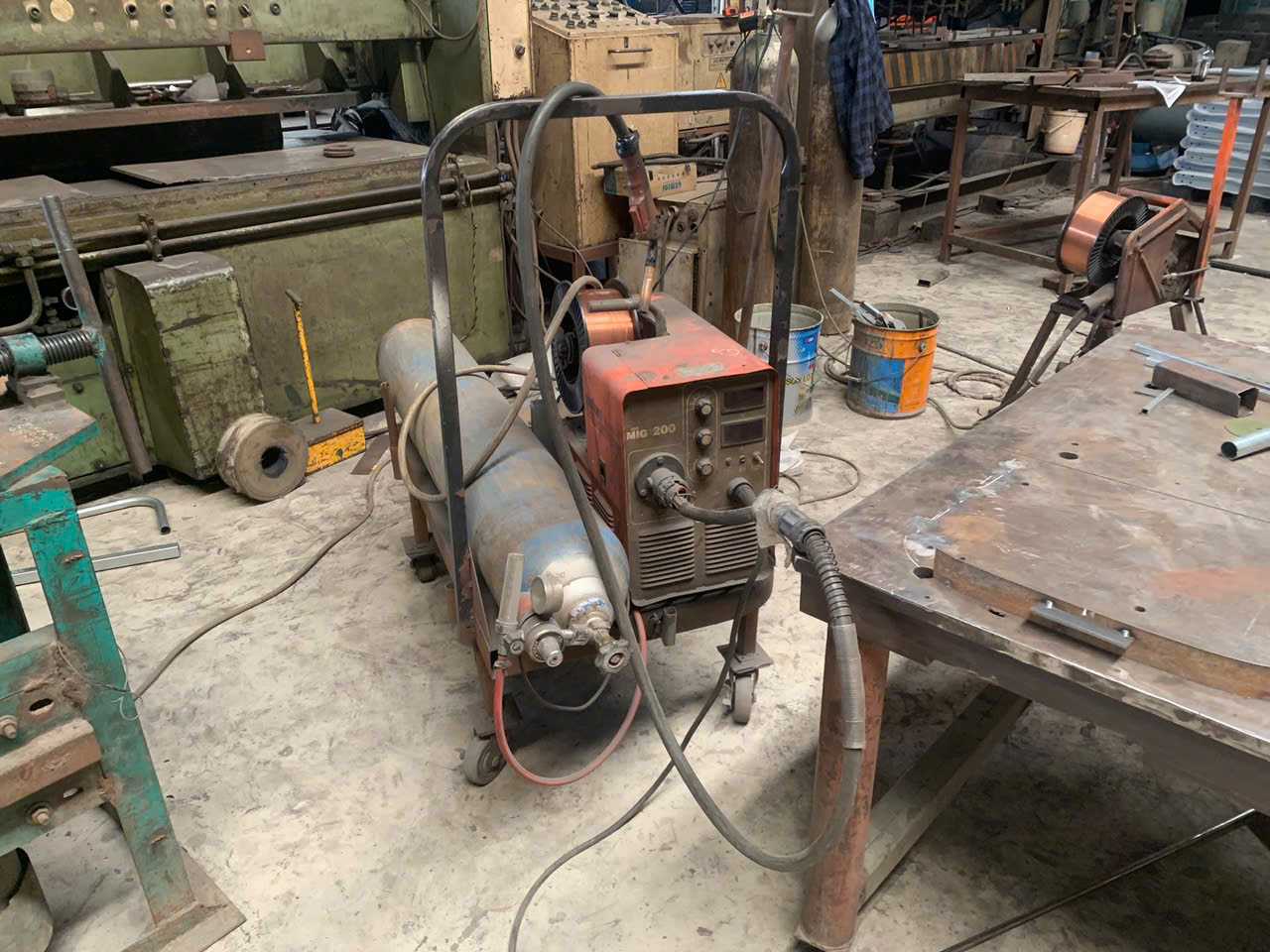
The best predictor of how a supplier will act after the sale is how they act before it root-cause analysis reports 4. If a vendor takes five days to answer a pre-sale question about material certifications, expect worse performance once they have your purchase order. During our supplier audit process, we track email response times from first contact through sample approval inventory management 5. This data becomes part of our vendor qualification scorecard.
Five Core Metrics to Measure Supplier Responsiveness
According to industry research by Abel Womack, five metrics define responsiveness in technical service environments. Here is how they apply to welding parts sourcing:
| Metric | What It Measures | How to Verify |
|---|---|---|
| Mean Time to Respond (MTR) | Average time from your inquiry to supplier's first substantive reply | Send test questions at different times; log response times |
| First Call Completion Rate | Percentage of issues resolved on the first interaction | Ask references how often issues require multiple follow-ups |
| Technician Experience | Depth of welding-specific knowledge in support staff | Request staff resumes or certifications; ask technical questions during audit |
| Service Completion Speed | Total time from issue report to full resolution | Review historical case logs if supplier will share them |
| Spare Parts Availability | Whether critical components are stocked or made to order | Request inventory lists for your specific part families |
Practical Steps You Can Take Today
Before signing any agreement, send the supplier a moderately complex technical question — for example, ask about weld penetration requirements for a specific joint configuration on one of your bracket assemblies. Time the response. Evaluate whether the answer is technically sound or just a vague reassurance. We do this routinely from our Singapore office when qualifying new manufacturing partners. The pattern is clear: suppliers who respond within four hours with specific answers almost always maintain that standard post-sale.
Also, confirm the supplier's customer support channels. Do they offer a dedicated project manager, or will you be routed through a rotating call center? For custom welding parts — mounting brackets, structural frames, fabricated hardware — you need someone who knows your drawings and your tolerances. A generic helpdesk will not cut it.
Research from IAS indicates that organizations prioritizing after-sales support report 25–30% higher customer retention. That statistic exists because responsive suppliers reduce their clients' downtime, rework, and frustration. The issue resolution process should be documented, not improvised.
What should I look for in a supplier's quality control process to ensure they get my welding specs right the first time?
One lesson that keeps repeating across our projects: rework is the most expensive line item that never appears on a quote. When we co-develop custom welding assemblies — things like multi-level structural frames with V-brackets and precision-drilled mounting holes — a missed tolerance on a single gusset can cascade into a full batch rejection.
Look for suppliers with a documented quality control process that includes incoming material inspection, in-process weld checks, final dimensional verification against your drawings, and a formal PPAP or first-article inspection procedure. These steps are what separate "right first time" from chronic rework.
The Cost of Getting It Wrong
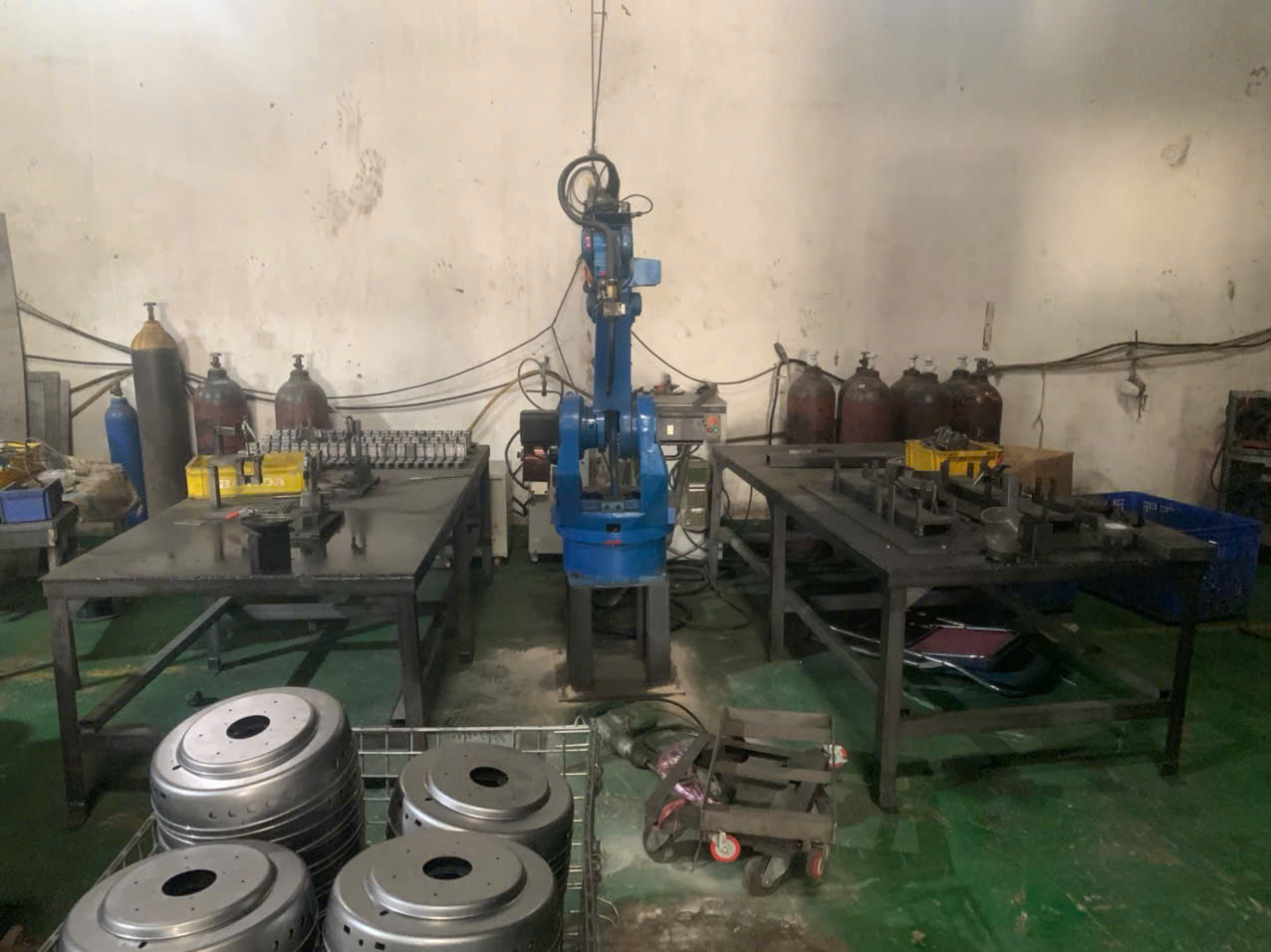
Consider a batch of 200 heavy-duty L-shaped mounting brackets. Each bracket has four weld joints and eight precision-drilled holes. If the fixture is off by 0.5 mm, none of the brackets will mate with the mating assembly. You now face three costs: the scrap or rework cost, the air freight to expedite replacements, and the production delay at your customer's facility. We have seen this scenario play out multiple times when working with suppliers who lacked structured process control.
What a Robust QC Process Looks Like
Here is a breakdown of the quality control stages we require from our manufacturing partners:
| QC Stage | Activity | Evidence to Request |
|---|---|---|
| Incoming Material Inspection | Verify steel grade, thickness, surface finish against spec | Mill certificates, caliper measurements, photos |
| Fixture and Jig Validation | Confirm welding fixtures match drawing dimensions | Fixture inspection report, CMM data |
| In-Process Weld Inspection | Visual and dimensional checks at each welding station | Weld inspection checklists, WPS (Welding Procedure Specification) 6 |
| Final Inspection | Full dimensional check, surface finish, weld quality | FAI report, photos with measurement overlays |
| PPAP Submission | Complete first-article documentation package | PPAP Level 3 or equivalent |
How to Audit Without Being On-Site
Not every buyer can fly to a factory in Vietnam or China to watch parts come off the line. That is exactly why we maintain local teams — seven staff in Vietnam, twenty-one in China — who conduct supplier audits, witness inspections, and manage process control on behalf of our U.S. and European clients. But even without boots on the ground, you can evaluate a supplier's QC rigor remotely.
Ask for their control plan. Request sample inspection reports from a recent order. If the supplier cannot produce these documents within 48 hours, that tells you their quality system is informal at best. Welding equipment maintenance and calibration records for their machines are another strong signal. A supplier who tracks torch tip replacement intervals and shielding gas flow rates is operating at a different level than one who welds until something breaks.
The warranty period a supplier offers also reflects their confidence in their own QC. A 30-day warranty on structural welding parts is a red flag. It suggests the supplier expects problems and wants to limit exposure. Look for suppliers who stand behind their work for at least 12 months on structural components.
How do I know if my sourcing partner will take full accountability if I receive non-conforming parts?
The trade-off we weigh constantly is this: how much contractual protection is enough without turning the relationship adversarial? In our experience exporting custom fabricated components to the U.S., the answer lies in clarity up front — not in finger-pointing after a failure.
You will know your sourcing partner accepts full accountability if they offer a written non-conformance procedure, define corrective action timelines in their service level agreement, cover rework and replacement costs without dispute, and provide root-cause analysis reports — not just apologies — when defects occur.
Why Accountability Matters More Than Price
A common debate in procurement is whether to choose the lowest-cost supplier or one with stronger service capability. The total cost of ownership argument settles this: a bracket that costs $2.00 less per unit but generates a 5% rejection rate will cost you far more in rework, returns, and lost customer trust than a slightly higher-priced part from a supplier who gets it right.
According to Iter Consulting, after-sales service spans years or even decades and is a continuation of the supply chain promise. If your supplier treats a non-conformance as your problem — "you approved the sample, so the spec must be right" — you do not have a partner. You have a vendor.
What to Include in Your Service Level Agreement
When we negotiate contracts on behalf of clients, we push for specific accountability clauses. Here are the key elements:
| SLA Element | What It Should Specify | Why It Matters |
|---|---|---|
| Non-Conformance Response Time | Supplier acknowledges the issue within 24 hours | Prevents delays from being ignored |
| Root-Cause Analysis Deadline | 8D or equivalent report within 5–10 business days | Ensures the problem is understood, not just patched |
| Corrective Action Timeline | Permanent fix implemented within 30 days | Prevents recurring defects |
| Cost Responsibility | Supplier bears rework, replacement, and expedited freight costs for their errors | Removes financial ambiguity |
| Escalation Path | Named contacts at each escalation level | Ensures issues reach decision-makers quickly |
Testing Accountability Before You Commit
One method we use during the vendor qualification phase: intentionally submit a drawing with a known ambiguity — for example, a tolerance callout that could be interpreted two ways. A good supplier will flag the ambiguity and ask for clarification. A poor supplier will assume one interpretation and proceed. This simple test reveals whether the supplier takes ownership of understanding your requirements or shifts the burden onto you.
Also review how the supplier has handled past claims. Ask for a redacted example of a corrective action report. If they have never produced one, either they have never had a defect (unlikely) or they have never formally addressed one (concerning). The repair turnaround time on rejected parts is another data point. Suppliers who can rework and re-ship within two weeks demonstrate both capability and commitment.
How can I assess a supplier's ability to manage my logistics and lead times without constant follow-up?
Last quarter, a client asked us why his previous supplier in Asia could never hit a delivery date. After we reviewed the situation, the root cause was clear: the supplier had no production scheduling system. They estimated lead times based on gut feel, and when raw material arrived late, they simply pushed the delivery without telling anyone.
Assess logistics capability by reviewing the supplier's production planning tools, shipping track record over the past six months, inventory management for raw materials, and willingness to provide weekly or biweekly status updates with photographic evidence of work-in-progress — without you having to ask.
The Hidden Cost of Chasing Suppliers
Every hour you spend emailing a supplier for a status update is an hour not spent on higher-value work. According to Markt-Pilot's research on service digitalization, AI-based diagnostics and automated ticketing systems can significantly increase productivity and reduce operating costs. While not every welding parts supplier will have AI tools, the principle applies: the best suppliers push information to you proactively, rather than waiting for you to pull it.
What Proactive Logistics Management Looks Like
In our operations, we assign a dedicated project coordinator to every custom order. That coordinator sends structured updates at predefined milestones:
- Order confirmation — drawing review complete, production start date confirmed.
- Raw material receipt — mill certificates shared, material dimensions verified.
- Mid-production check — in-process photos and measurements sent.
- Final inspection — full report with dimensional data and weld quality photos.
- Shipment booking — carrier, container, ETD, and ETA confirmed.
This approach eliminates the need for the buyer to follow up. It also creates a paper trail that both sides can reference if questions arise later.
Evaluating Lead Time Reliability
Ask the supplier for their on-time delivery rate over the past six months. If they cannot provide this number, that itself is a data point. A supplier who tracks their own performance is fundamentally different from one who does not.
Also consider spare parts availability for your specific components. If you order custom U-channels or flat base plates with reinforced gussets, does the supplier keep the raw material in stock, or do they procure it after each order? The answer directly affects your lead time.
Digital tools like IoT-enabled production monitoring 8 are becoming more common, even in mid-tier Asian factories. These tools let the supplier — and sometimes the buyer — see real-time production status. While not yet standard for every welding shop, suppliers who invest in these systems signal a commitment to transparency and continuous improvement.
For welding parts buyers who source from multiple regions — China, Vietnam, Taiwan, India — logistics complexity multiplies. Currency fluctuations, port congestion, and customs clearance all affect delivery. A sourcing partner with experience managing door-to-door logistics across these regions can absorb that complexity for you. That is exactly the model we built at DEWIN: not just manufacturing management, but full supply chain coordination from factory floor to your receiving dock.
Conclusion
Evaluating after-sales service when sourcing welding parts requires testing responsiveness before you buy, verifying quality systems, demanding contractual accountability, and confirming logistics discipline. These factors define your true total cost of ownership 9 and long-term production stability.
Frequently Asked Questions
How can I verify if a welding supplier will be responsive to my urgent technical questions after the sale?
A buyer we work with in the Midwest once told me his previous supplier took eleven days to reply to a question about weld joint cracking on a structural steel frame — eleven days of idle equipment and mounting pressure from his own customers quality control process 3 . That conversation shaped how we structured our own customer support channels.
What should I look for in a supplier's quality control process to ensure they get my welding specs right the first time?
One lesson that keeps repeating across our projects: rework is the most expensive line item that never appears on a quote. When we co-develop custom welding assemblies — things like multi-level structural frames with V-brackets and precision-drilled mounting holes — a missed tolerance on a single gusset can cascade into a full batch rejection.
How do I know if my sourcing partner will take full accountability if I receive non-conforming parts?
The trade-off we weigh constantly is this: how much contractual protection is enough without turning the relationship adversarial? In our experience exporting custom fabricated components to the U.S., the answer lies in clarity up front — not in finger-pointing after a failure.
Footnotes
1. Defines the contractual agreement for service performance and expectations. ↩︎
2. Explains a key metric for evaluating response efficiency in technical service. ↩︎
3. Describes the systematic approach to maintaining and improving product quality. ↩︎
4. Describes the process of identifying underlying causes of problems for effective solutions. ↩︎
5. Defines the process of overseeing and optimizing a company’s stock levels. ↩︎
6. Defines the standard for qualifying welding procedures and personnel. ↩︎
7. Explains a standardized process for validating supplier production capabilities. ↩︎
8. Describes how IoT sensors are used to monitor manufacturing performance in real-time. ↩︎
9. Explains a procurement framework that considers all costs over a product’s lifecycle. ↩︎